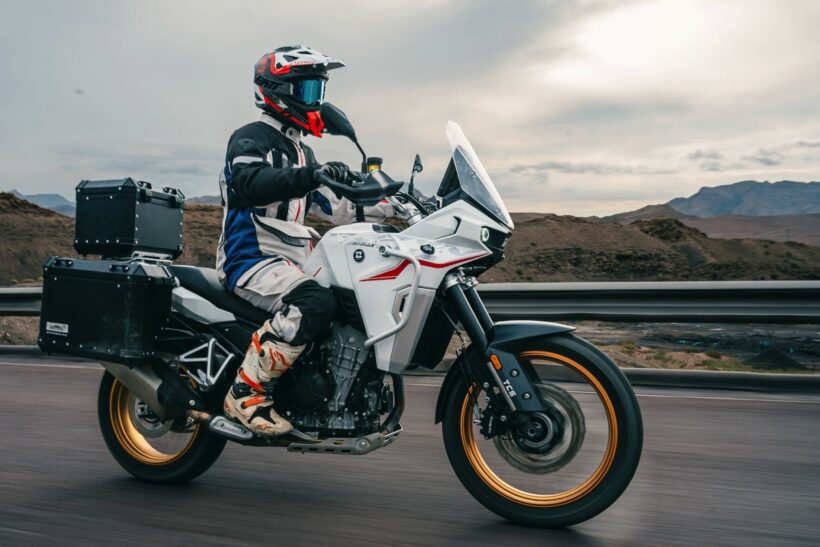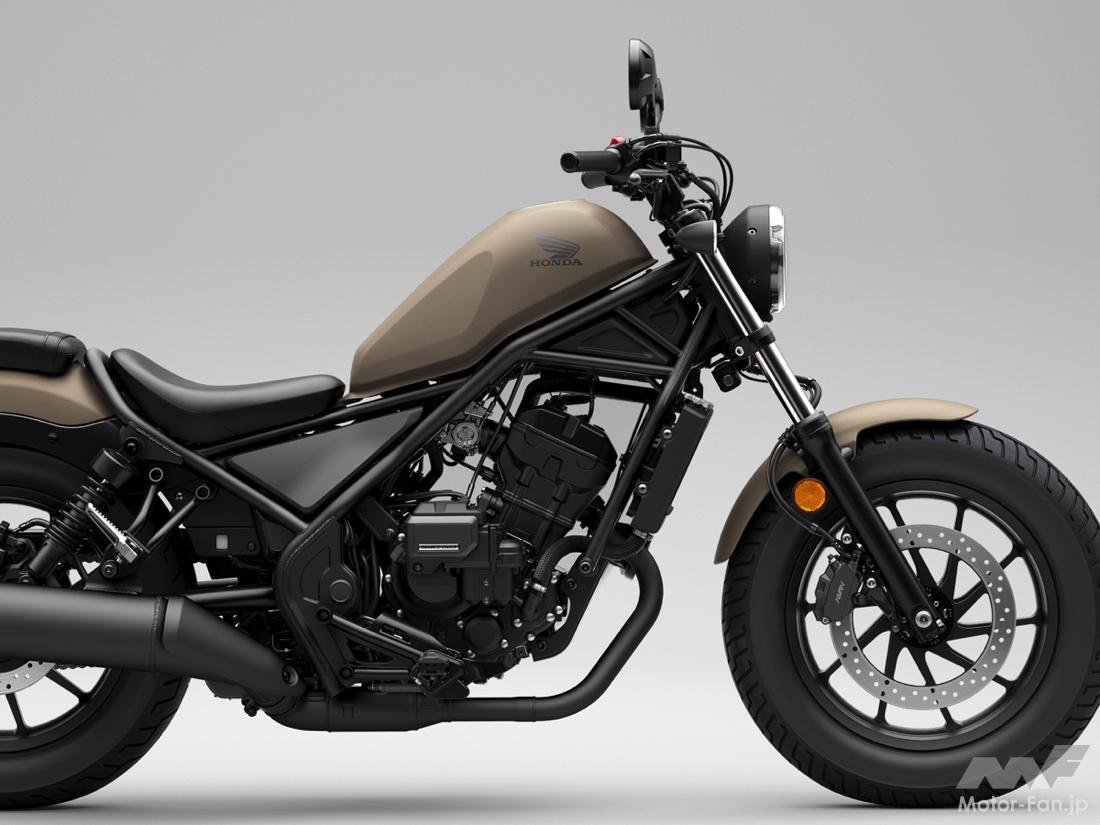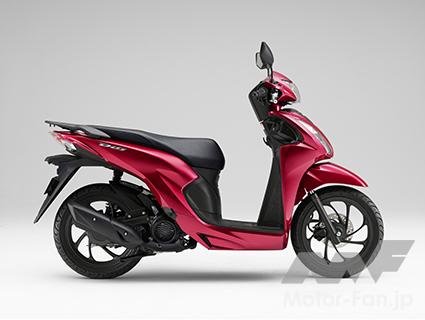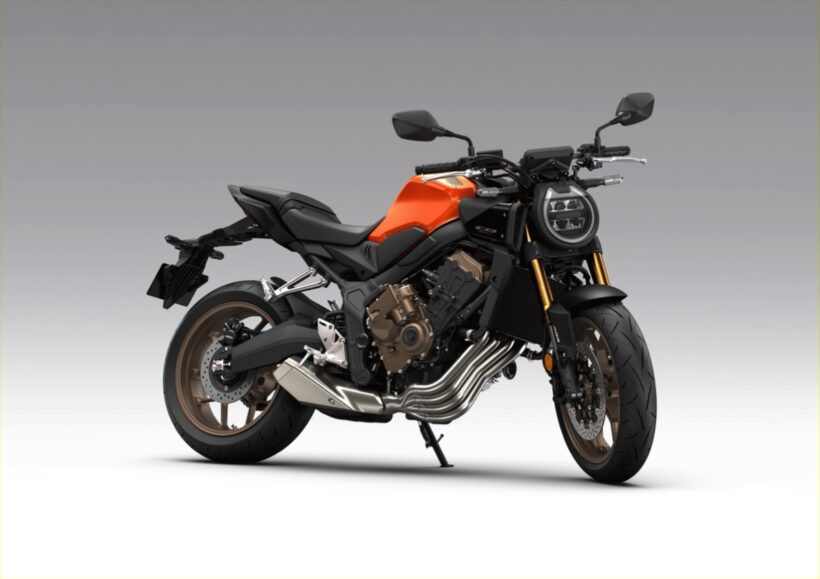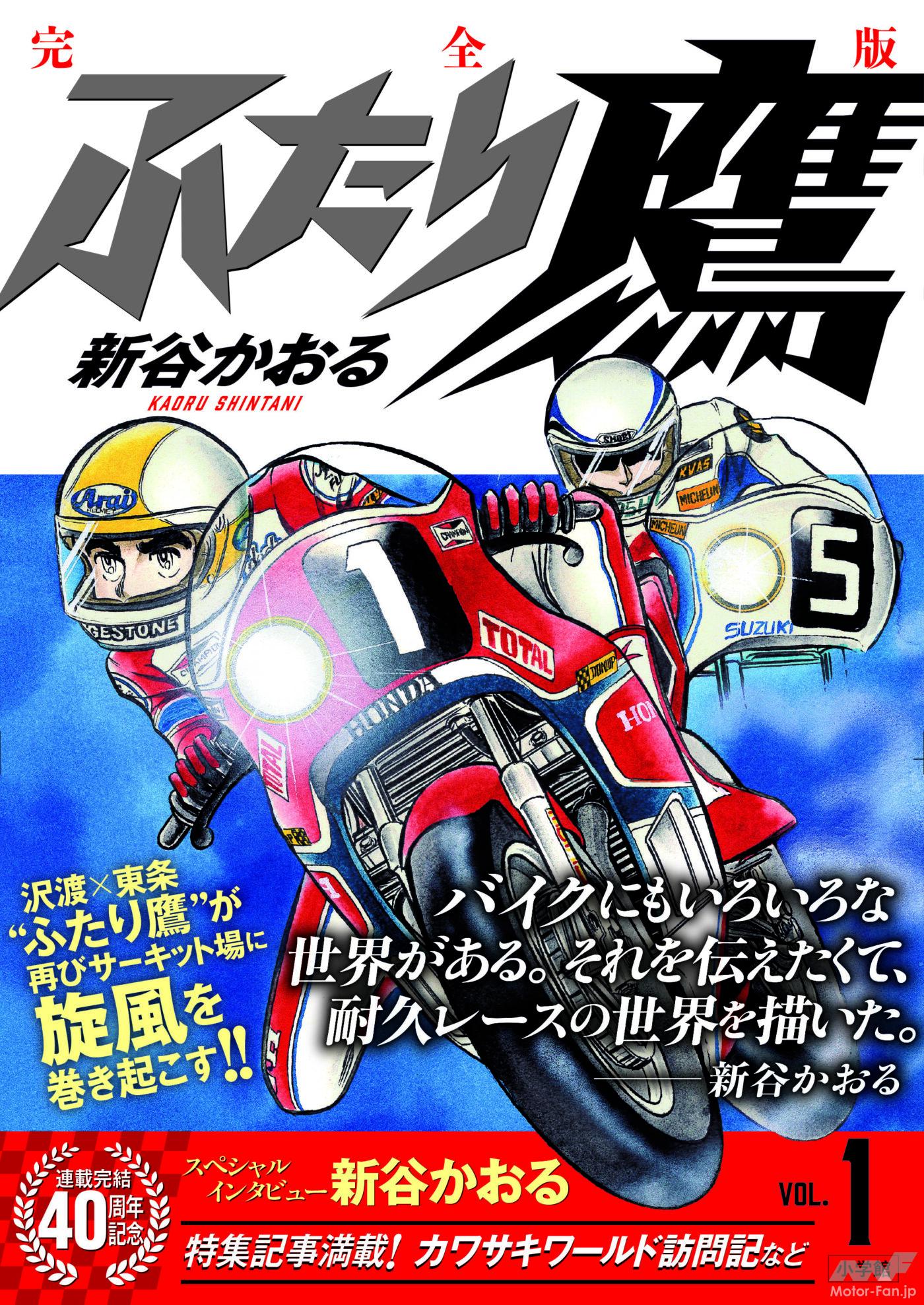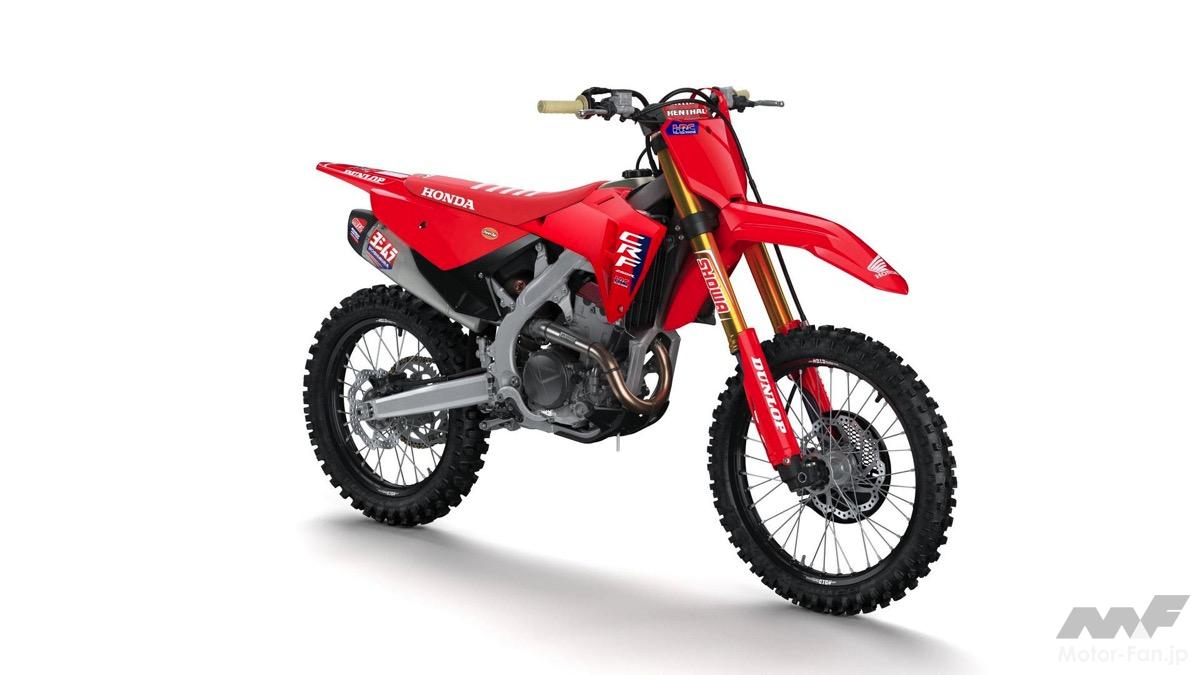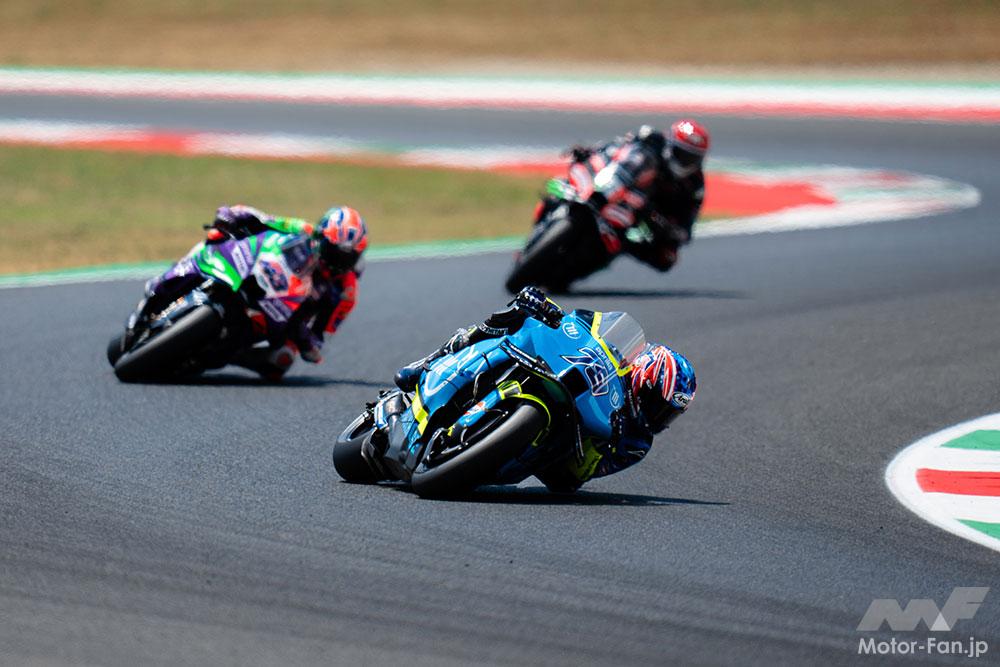

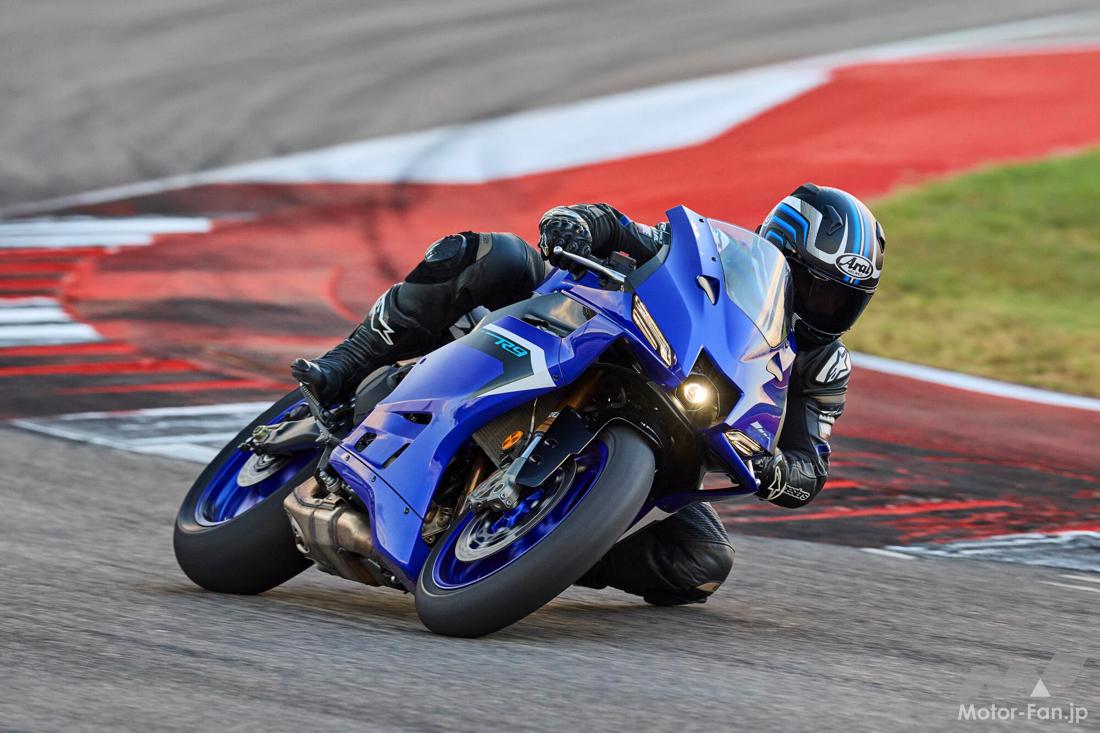
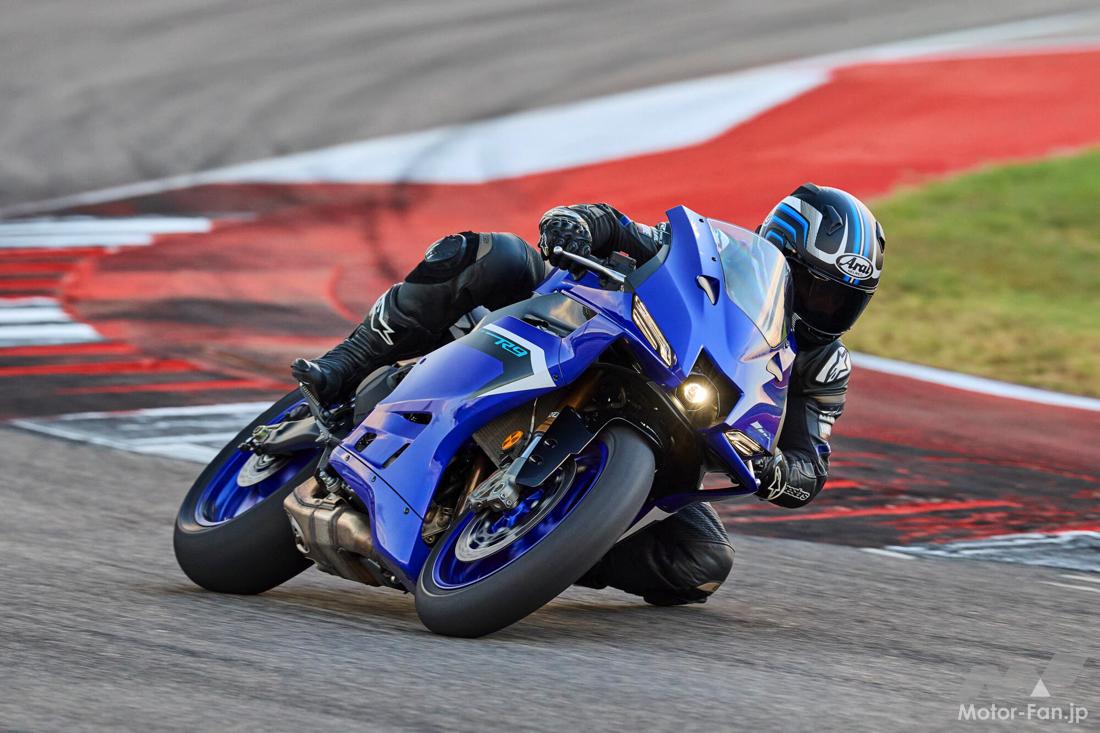
A plethora of new models in the 600cc to 900cc class
First, let’s take a look at the main types of bikes in the 600cc to 900cc class using domestic motorcycles as an example (domestic lineup as of July 21, 2025).
[Supersport/Full-cowl Sports]
Honda CBR650R/E-Clutch
Honda CBR600RR
Yamaha YZF-R9 (scheduled for release after spring 2025)
Yamaha YZF-R7
Suzuki GSX-8R
Kawasaki Ninja 650 Kawasaki Ninja
ZX-6R
Kawasaki Ninja 7 Hybrid
[Streetfighter]
Honda CB750 Hornet
, Yamaha MT-09/SP/Y-AMT
, Yamaha MT-07/Y-AMT
, Suzuki GSX-8S
, Kawasaki Z900,
Kawasaki Z650
, Kawasaki Z7 Hybrid
[Neo-classic naked bikes]
Honda CB650R with E-clutch,
Yamaha XSR900GP
, Yamaha XSR900
, Yamaha XSR700,
Suzuki SV650/650X
, Kawasaki Z900RS/SE/Cafe
, Kawasaki Z650RS,
Kawasaki W800,
Kawasaki Meguro K3
[Touring/Adventure]
Honda NC750X/DCT
, Honda XL750 Transalp,
Yamaha Tracer 9GT/9GT+ Y-AMT,
Yamaha Tenere 700
, Suzuki V-Strom 800/800DE,
Suzuki V-Strom 650/650XT,
Kawasaki Versys 650
[Scooter]
Honda X-ADV
As you can see, there are a wide variety of models on sale, including super sports, full-cowl sports, naked models such as street fighters, neo-classics, and touring models.
In particular, there will be a flurry of new models in this class from 2024 to 2025. For example, Honda will add a Honda E-Clutch model with a new manual transmission to the CBR650R and CB650R, which underwent minor changes in 2024. In 2025, the company will expand its lineup by releasing the streetfighter CB750 Hornet.
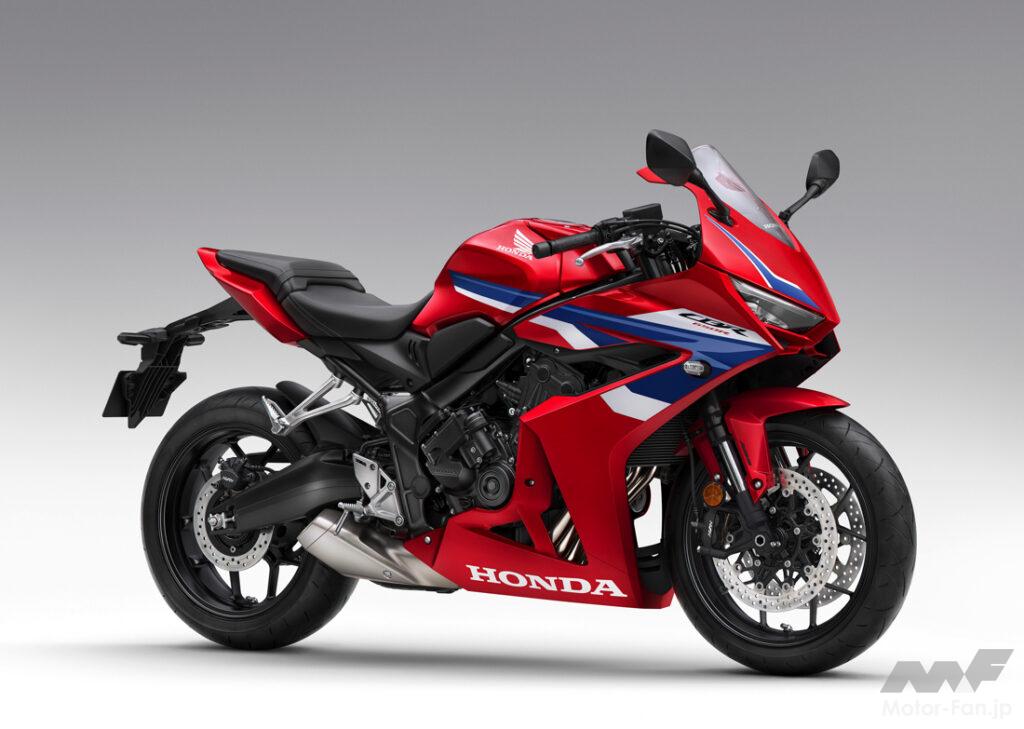
Honda CBR650R E-Clutch
ADVERTISEMENT
 What is the E-clutch good for? A thorough test ride on the CBR650R E-clutch on the street
The E-clutch developed by Honda is a device that automatically operates the clutch. While some welcome it, some veteran riders say they don’t feel it’s necessary. It’s actually hard to fully appreciate the benefits of this equipment unless you actually ride it. This time, I decided to test ride the CBR650R E-clutch and try it out in a variety of situations.
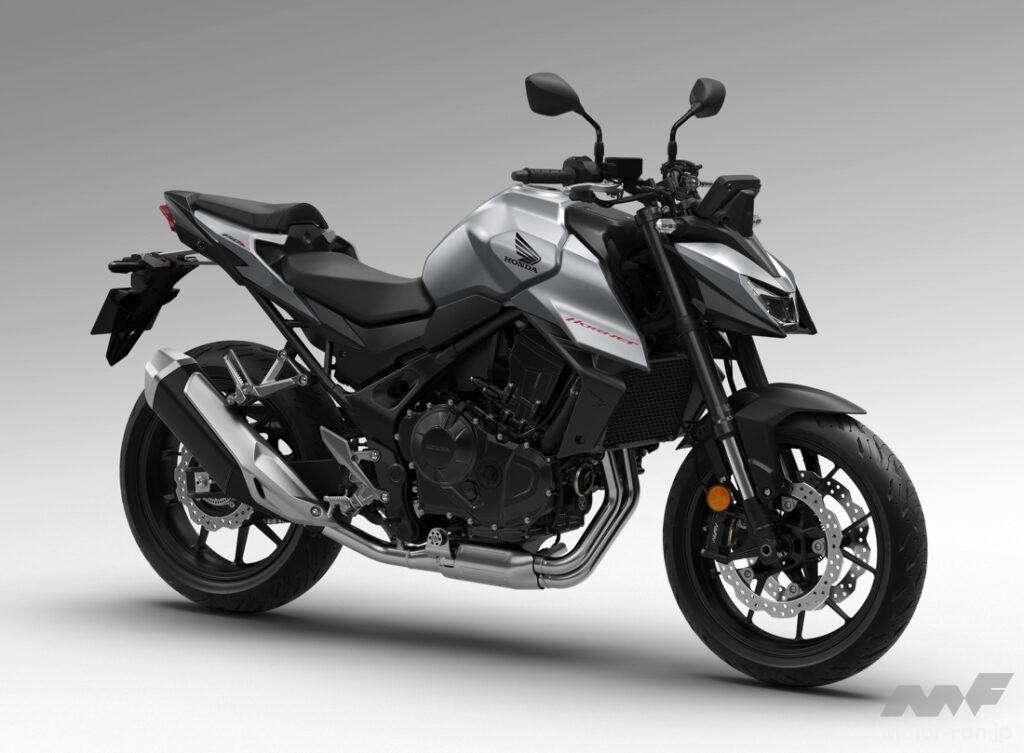
Honda CB750 Hornet
Yamaha will also add a version equipped with the Y-AMT electronic shifting mechanism to its streetfighter MT-09 in 2024. In 2025, it will release Y-AMT models on both its sister model, the MT-07, and the luxury tourer Tracer 9GT+, demonstrating its readiness to compete with Honda’s E-clutch models. Furthermore, the new supersport YZF-R9, which was released in Europe in 2024, is expected to be released in Japan soon, and new models in the 600cc to 900cc class are also appearing one after another.
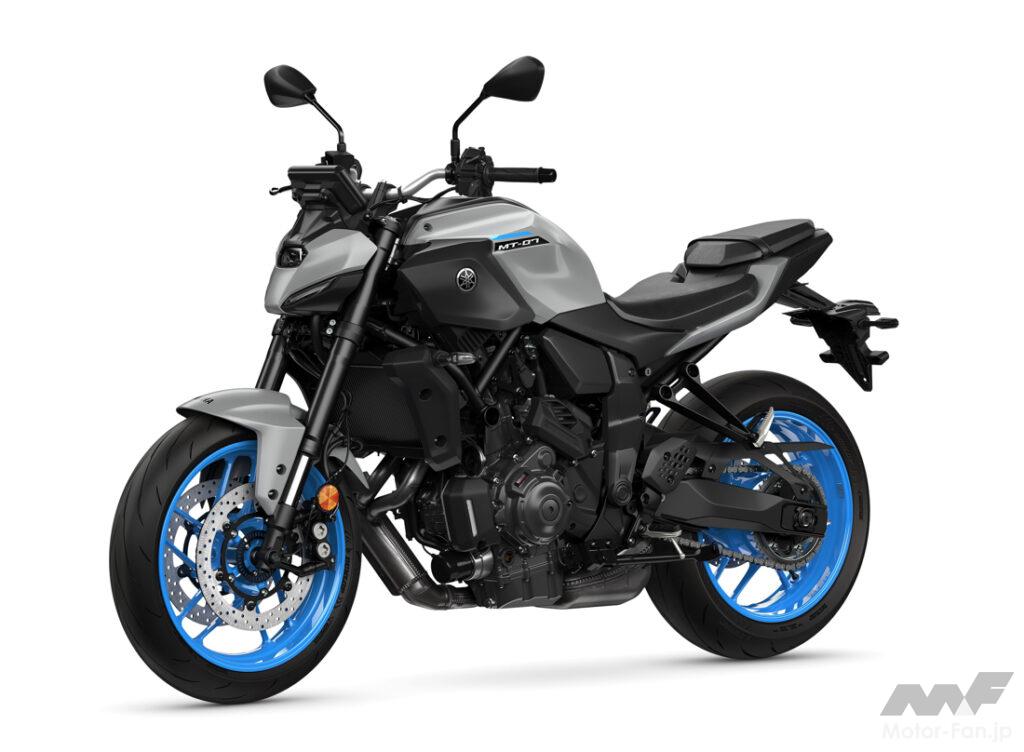
Yamaha MT-07 Y-AMT
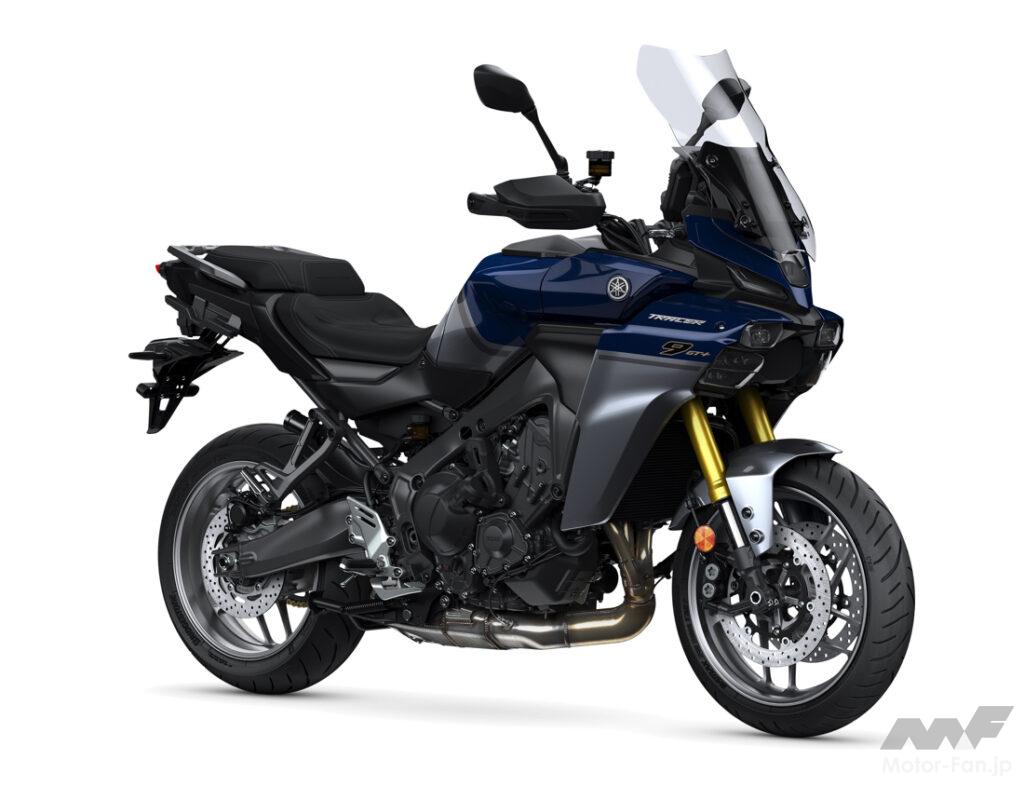
Yamaha Tracer 9GT+ Y-AMT
ADVERTISEMENT
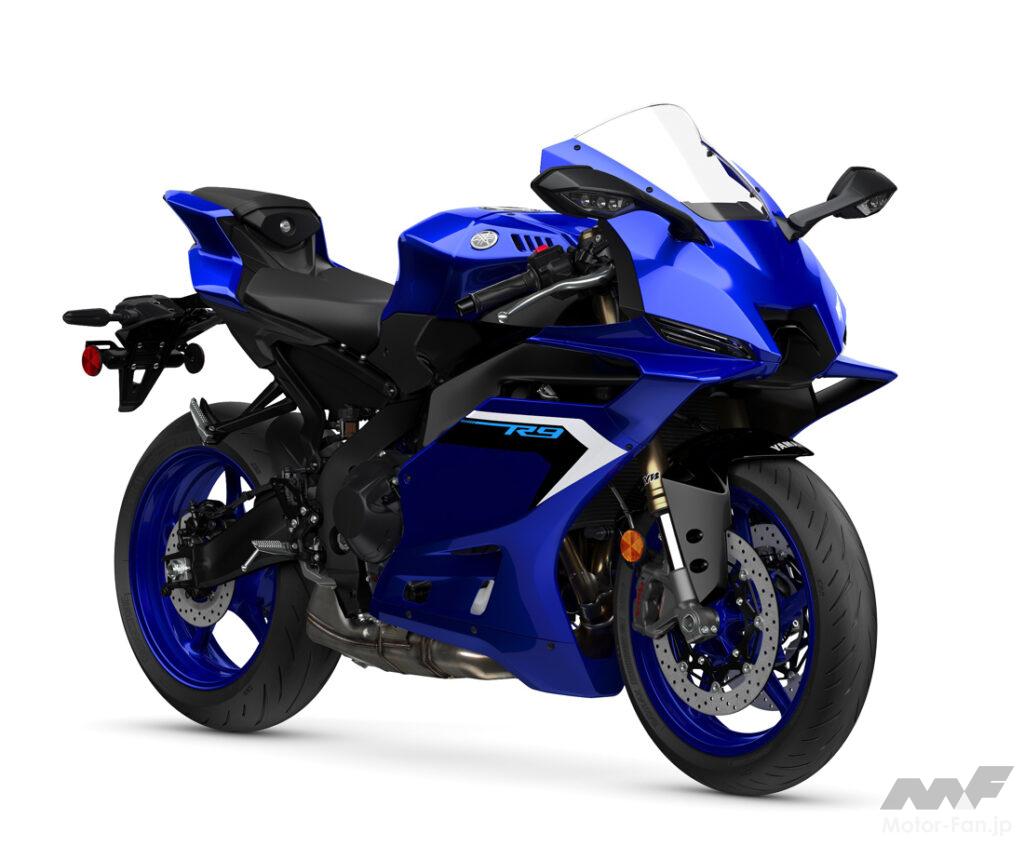
Yamaha YZF-R9 (scheduled for release after spring 2025)
The size and weight of the car are just right
But what are the attractions and advantages of 600cc to 900cc class bikes compared to the standard large-displacement bikes of over 1000cc? First, I’ll talk about my own experience and consider the advantages for veteran riders.
As a rider with over 40 years of experience riding motorcycles and turning 60 in June 2025, I would say that bikes in the 600cc to 900cc class are just the right size and weight for me.
Currently, my bike is a Honda CBR650R (early 2020 model). Before that, I rode a large 1300cc Suzuki Hayabusa (2008 second generation) for about 12 years.
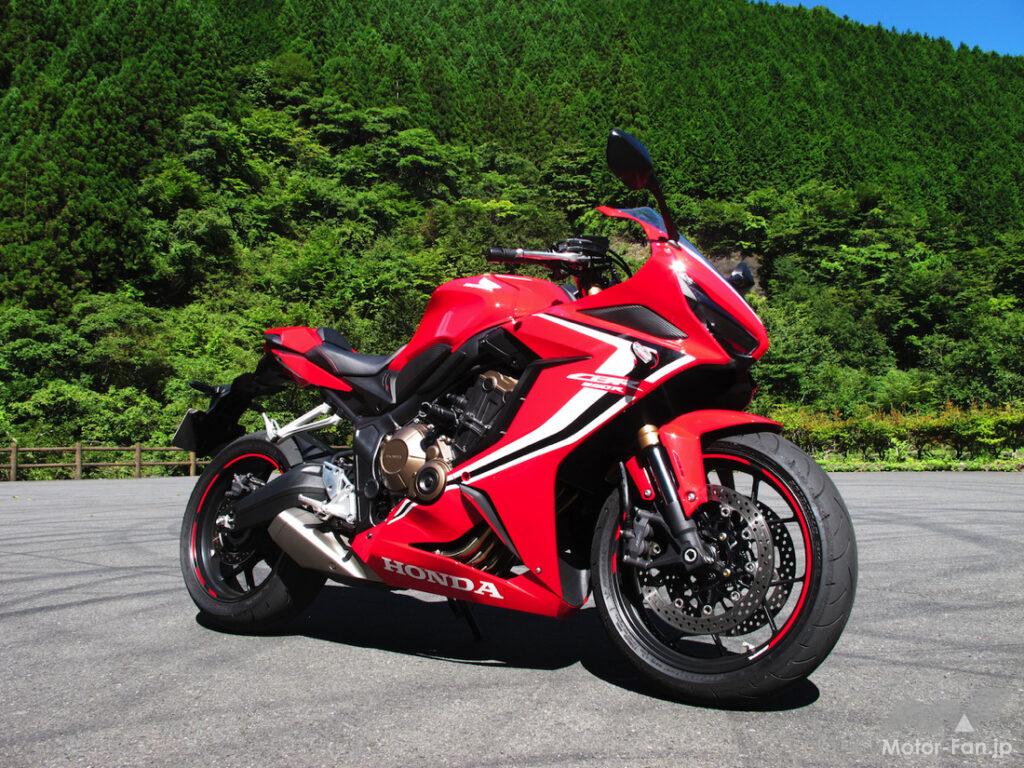
The author’s beloved Honda CBR650R (early 2020 model)
Speaking of the Hayabusa, the second generation model that I drove had a maximum output of 197 PS (the current third generation is 188 PS). Despite its overwhelming power performance, it is also easy to handle for city driving and winding roads, making it perfect for touring as well as sporty driving on mountain passes. I also enjoyed driving it on the circuit once or twice a year.
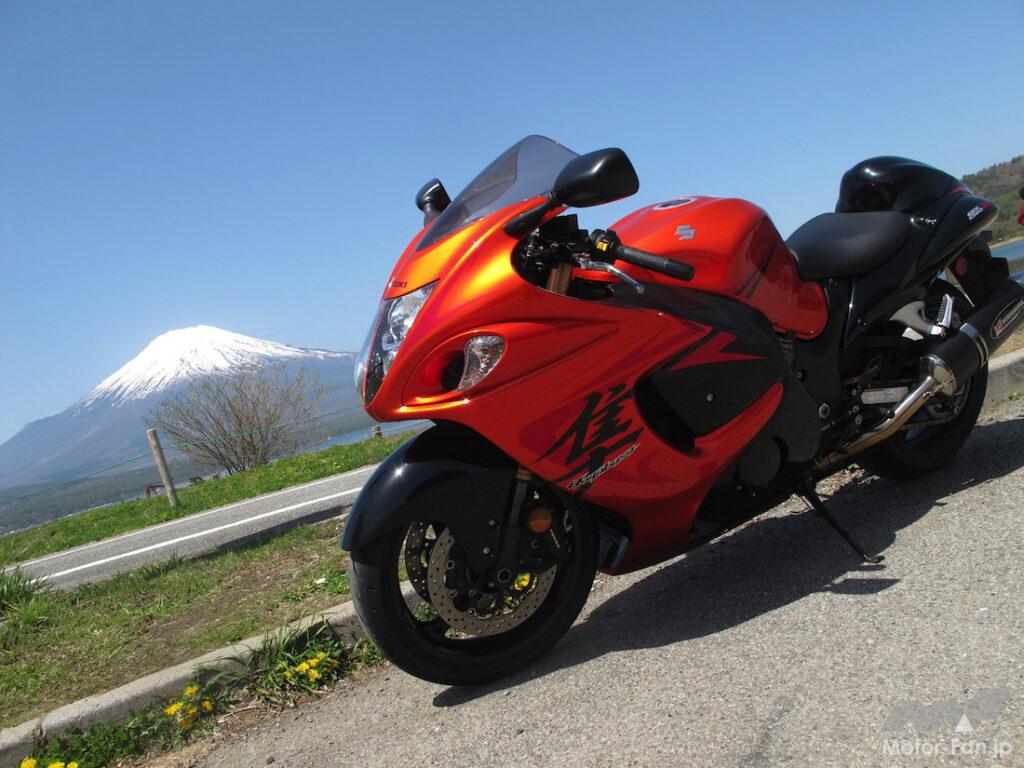
The second-generation Hayabusa that the author drove
Unfortunately, in 2020, he changed his beloved bike to a CBR650R. The reason was that, now in his mid-50s, he had experienced several falls near his home after long tours. Moreover, all of these falls occurred while the bike was stopped or traveling at low speeds. The Hayabusa is surprisingly nimble once you get on, but it is heavy to handle when stopped. After all, the equipped weight of the second-generation Hayabusa is a whopping 266 kg (even the current third-generation model weighs 264 kg).
Therefore, it takes a lot of strength to push the bike in a narrow parking lot or change direction. Also, for a small-sized author (164cm tall), the riding position is large, and when riding at low speeds or making U-turns on congested roads, the weight of the bike means that I have to pay close attention to control it. In particular, when riding around town, the bike feels heavy and large, and I ended up falling over several times when I was tired and unfocused after a day of touring.
Fortunately, I didn’t suffer any physical injuries in either of the falls, but one fall can damage the cowling, and replacing it would cost at least 40,000 to 50,000 yen per side. The cost of a fall is not kind to the wallet either.
So I decided to take the plunge and switch to the CBR650R. When my beloved bike was delivered and I got on, the moment I felt it, it felt just like a 400cc bike. The body was clearly more compact than the Hayabusa. Unlike the Hayabusa, which has a large body, there was no need to worry about tipping over. Also, I was impressed by how easy it was to handle in parking lots and the like.
By the way, the body sizes of both models are as follows:
・Second-generation Hayabusa: Length 2190mm x Width 735mm x Height 1165mm, Wheelbase 1480mm (Japan domestic spec)
・CBR650R (first model): Length 2120mm x Width 750mm x Height 1150mm, Wheelbase 1450mm
Comparing the figures, it’s clear that the CBR650R is more compact overall. Despite the separate handlebars, the forward lean isn’t too steep, making for a comfortable riding position. It’s easy to maintain balance even at low speeds, and you won’t get tired easily even on long rides. On the other hand, the Hayabusa’s handlebars are far away for my build, so the forward leaning position is a bit difficult. It was especially difficult to maintain balance when riding slowly.
Generally, it is difficult to maintain balance when riding a motorcycle at low speeds, such as in congested roads. In particular, if you are not used to riding a heavy and large motorcycle like the Hayabusa, it can be quite difficult to maintain balance when riding slowly in congested roads. In that respect, a more compact motorcycle like the CBR650R is relatively easy to handle and it is difficult to lose balance.
With that in mind, I think that not only 60-year-old riders like me who have lost their physical strength, but also returning riders who are riding motorcycles for the first time in a while, can ride 600-900cc bikes more safely and with more peace of mind than heavy, large-displacement vehicles. This also applies to young riders who are not used to large-displacement bikes, such as beginners who have just obtained their large motorcycle license. I will go into more detail later, but I think that you can enjoy large bikes more safely by first getting used to riding a 600-900cc bike, which is easier to handle, and then stepping up to a model over 1000cc.
The power you can handle is just right
For me, bikes in the 600cc to 900cc range are just right in terms of power.
For example, my own bike, the CBR650R, has a maximum output of 95PS/12,000rpm. Compared to the second-generation Hayabusa (maximum output 197PS) and recent 1,000cc super sports bikes that easily exceed 200PS, this is around 100PS less.
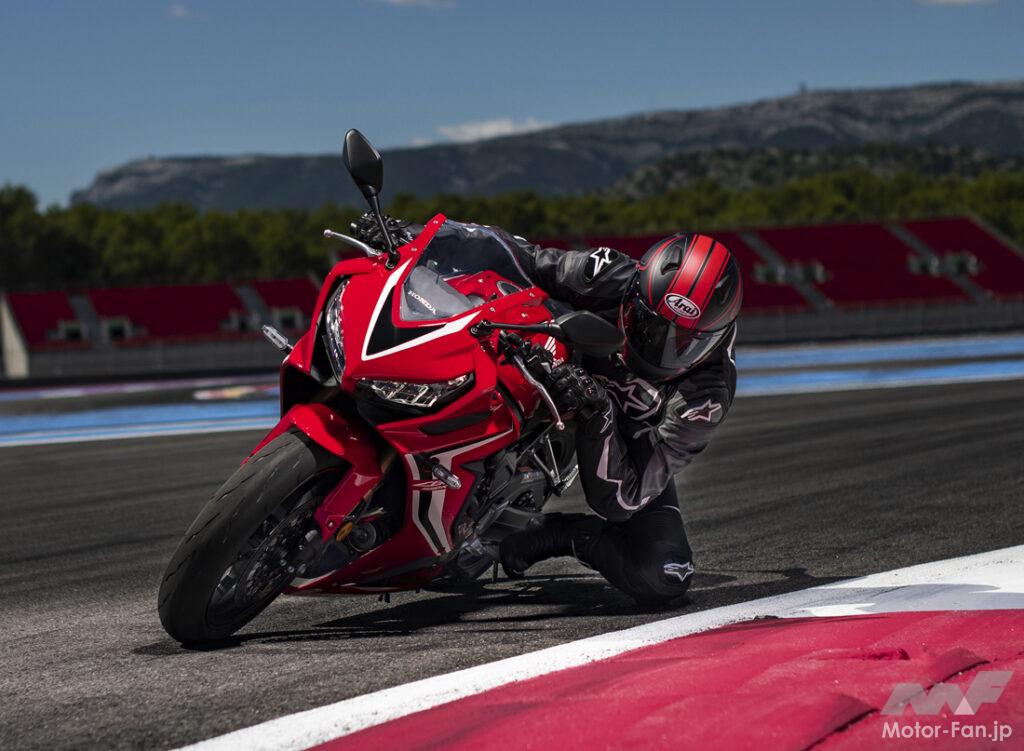
The CBR650R’s maximum output is 95PS/12,000rpm. In my opinion, this is just the right amount of power for Japanese public roads.
Of course, the acceleration of my former beloved car, the super-powerful second-generation Hayabusa, was quite exciting. I recently had the opportunity to test drive the current third-generation Hayabusa, and its overwhelming power performance remains unchanged, even impressive.
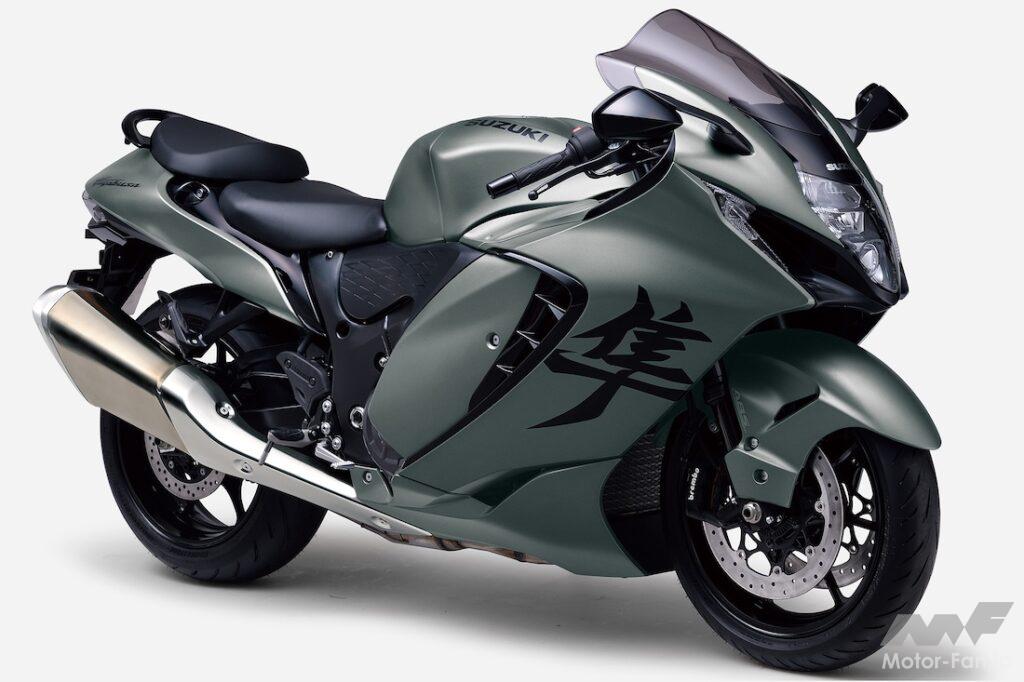
The current third-generation Hayabusa continues to demonstrate overwhelming power performance.
ADVERTISEMENT
 A previous model owner test drives the current Suzuki Hayabusa model! | What he felt after touring it extensively.
It’s been three years since I sold my Suzuki Hayabusa in 2020. I previously owned a 2008 second-generation model (export spec), but ever since the current third-generation model was released in 2021, I’ve been interested in it. The current Hayabusa is equipped with Suzuki’s renowned electronic control system, SIRS (Suzuki Intelligent Ride System), which is a highlight for me. Rumor has it that the SDMS-α (Suzuki Drive Mode Selector Alpha), which allows you to select from five control settings, including power characteristics, traction control, and engine brake control, is particularly impressive. The second-generation model also had SDMS, which allowed you to change the power characteristics, but I was curious to see how the current model has evolved with the advent of computerization. I finally had the opportunity to test drive the latest Hayabusa, so I’d like to share my impressions. REPORT: Hiratsuka Naoki PHOTO: Hiratsuka Naoki, Yamada Shunsuke, Suzuki
However, it is true that there are not many places on Japanese public roads where you can fully utilize the nearly 200 PS of power. Even when merging or overtaking on the highway, the CBR650R’s 95 PS provides sufficient acceleration. It is also more than enough for long uphill climbs such as mountain roads.
Of course, a large-displacement bike like the torqueful Hayabusa is easier to ride on the highway during long tours. I was able to keep the top 6th gear without changing gears too often, or even drop down to 5th gear, and the RPMs don’t increase much, so there’s also the advantage of less vibration and less fatigue. Compared to the CBR650R, which sometimes needs to drop down to 4th gear when accelerating to overtake, it’s definitely more comfortable at high speeds.
However, for example, when doing sports riding on winding roads or circuits, the lighter CBR650R is more enjoyable to ride. Of course, the Hayabusa can easily reach speeds of over 200 km/h on a straight line on a circuit. However, for me, the speed was too much, and when slowing down to enter a corner, I often found myself anxious, wondering if I would be able to stop properly.
In particular, with the Hayabusa, the body is heavy, so I had to brake quite early into the corner.In comparison, with the lighter CBR650R, I was able to brake much further back, and the feeling of agility when turning corners was completely different.
Incidentally, I once test rode Yamaha’s 1000cc supersport bike, the YZF-R1M, at Sodegaura Forest Raceway (Chiba Prefecture), a 2,436m circuit with many tight corners.
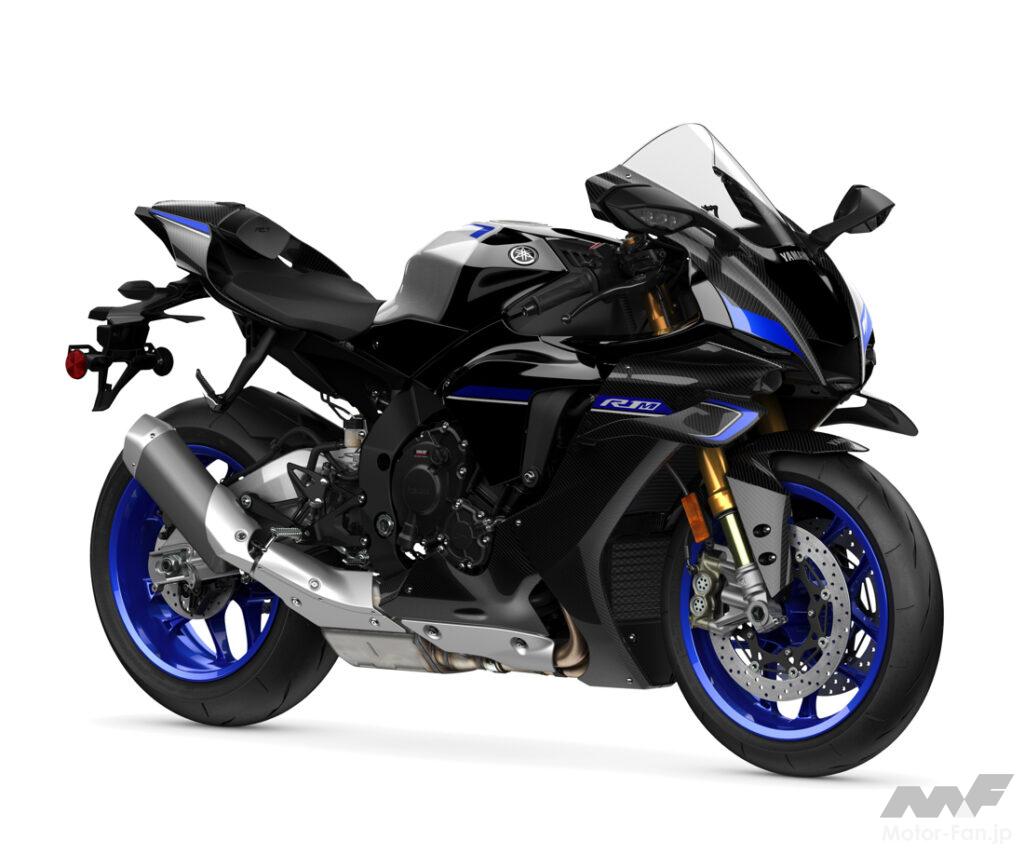
Yamaha YZF-R1M (pictured is the 2025 model)
It’s a truly impressive machine, incorporating the technology of Yamaha’s MotoGP works machine, the YZR-M1. Moreover, the vehicle weight of the high-end R1M model I test rode was 203 kg (the standard model is 201 kg), making it lighter than the 207 kg of the early CBR650R I ride (current models weigh between 209 and 211 kg). To be honest, though, the power output of 200 PS and the light chassis were on another level for me. It was so fast I couldn’t keep up. The acceleration at the corner exit was so sharp that the next corner was closing in on me in the blink of an eye, and as soon as I cleared that corner, there was another one. I remember my eyes and body gradually becoming unable to keep up with the constant cycle.
As an aside, a friend of mine who is the owner of a motorcycle shop and is the same age as me, and who also had racing experience in his youth, said the same thing: “When you race a 1000cc supersport on a circuit, your eyes can’t keep up.” Both my friend and I got our licenses at 16 and have been riding motorcycles ever since, and my friend is a former racer. It seems that even riders with a lot of circuit experience can’t beat age.
 Conclusion after riding the 2020 YZF-R1M for 1000km | It’s more fun on public roads than the CBR1000RR-R.
Although it underwent a minor change as if to check the all-new CBR1000RR-R, its maximum output remains the same as its predecessor, at 200 hp. That said, the YZF-R1/M, which uses an ingenious crossplane crank, is just as fast as its rivals, and has flexibility that sets it apart. REPORT: Nakamura Tomohiko PHOTO: Togashi Hideaki *This is a re-edited version of an article originally published on August 20, 2020. Prices, specifications, and color variations may differ from those currently available.
The price of around 1 million yen is just right
For me, the CBR650R is a bike that is “just right” in terms of price. The current model, the third-generation Hayabusa, is priced at 2,233,000 yen (including tax). There are also super sports and luxury tourer models over 1000cc that cost between 2.4 million and 3 million yen.
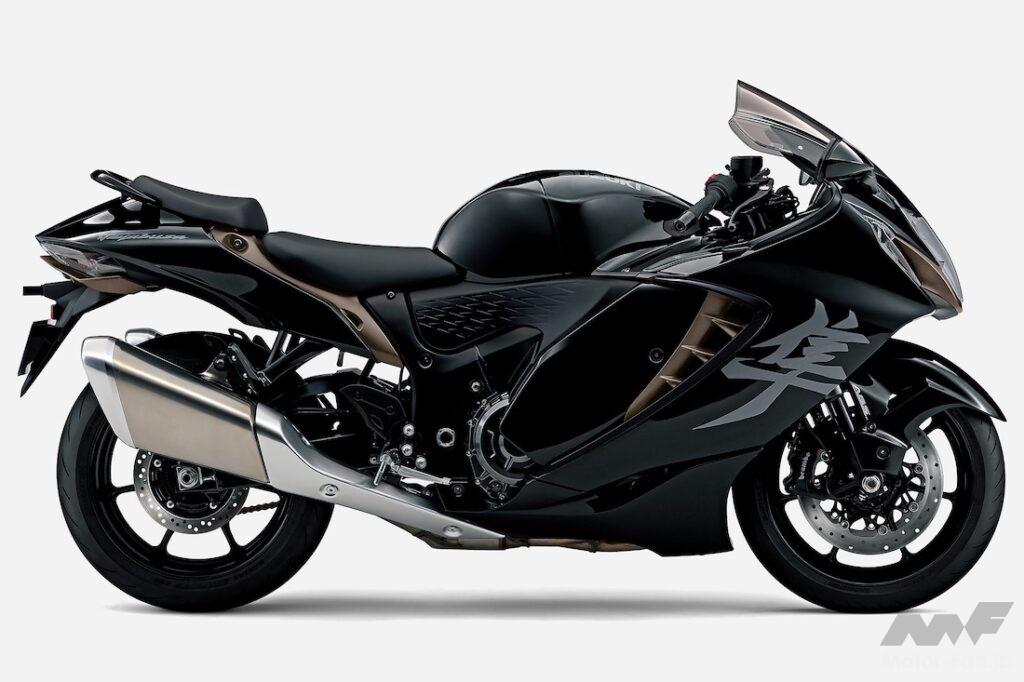
The current model, the third-generation Hayabusa, is priced at 2,233,000 yen (including tax).
ADVERTISEMENT
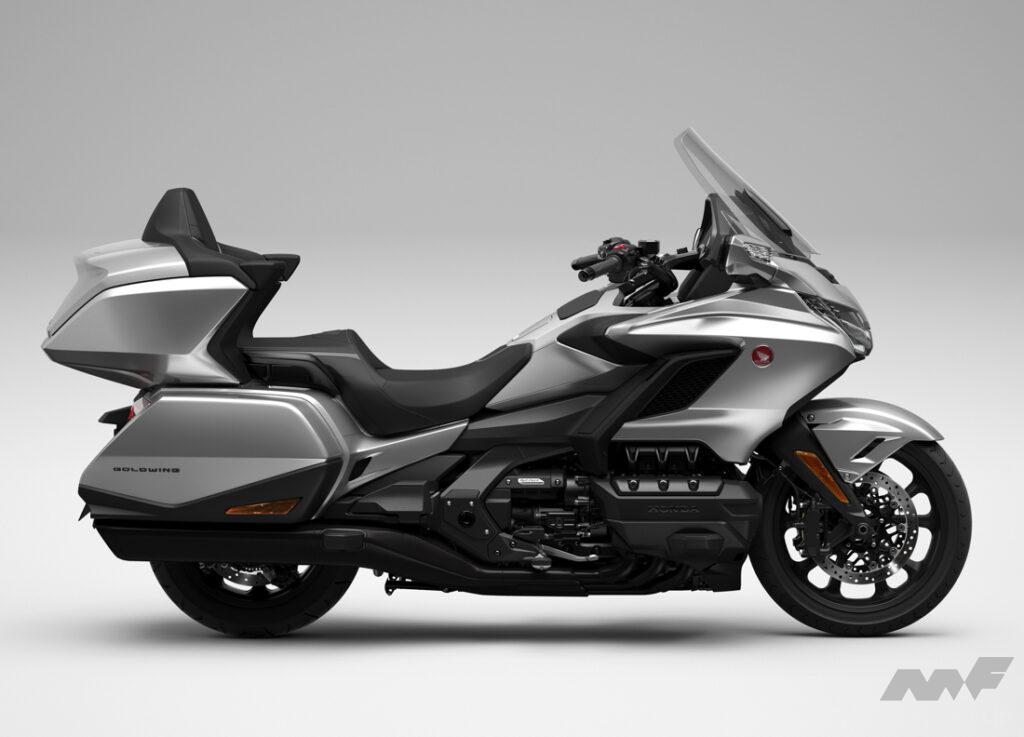
The luxury tourer Honda Gold Wing Tour is priced at 3.74 million yen (including tax) (this is a limited-time model and orders will close as of July 2025).
On the other hand, there are many 600cc class bikes that can be purchased for just over 1 million yen, making them easier on the wallet.
For example, the vehicle price of the 2020 CBR650R (Grand Prix Red) that I ride was 1,089,000 yen including tax. Even for the current model, the standard version without the E-clutch is 1,100,000 yen, and the E-clutch version is 1,155,000 to 1,188,000 yen.
There are also many other bikes in the 600cc class that are priced in the 1 million to 1.2 million yen range. Of course, if you go into the larger 900cc class, for example, Yamaha’s XSR900GP is priced at 1.43 million yen including tax, and the ever-popular Kawasaki Z900RS series is priced at 1.485 million to 1.705 million yen, but in any case, you can still purchase one for under 2 million yen.
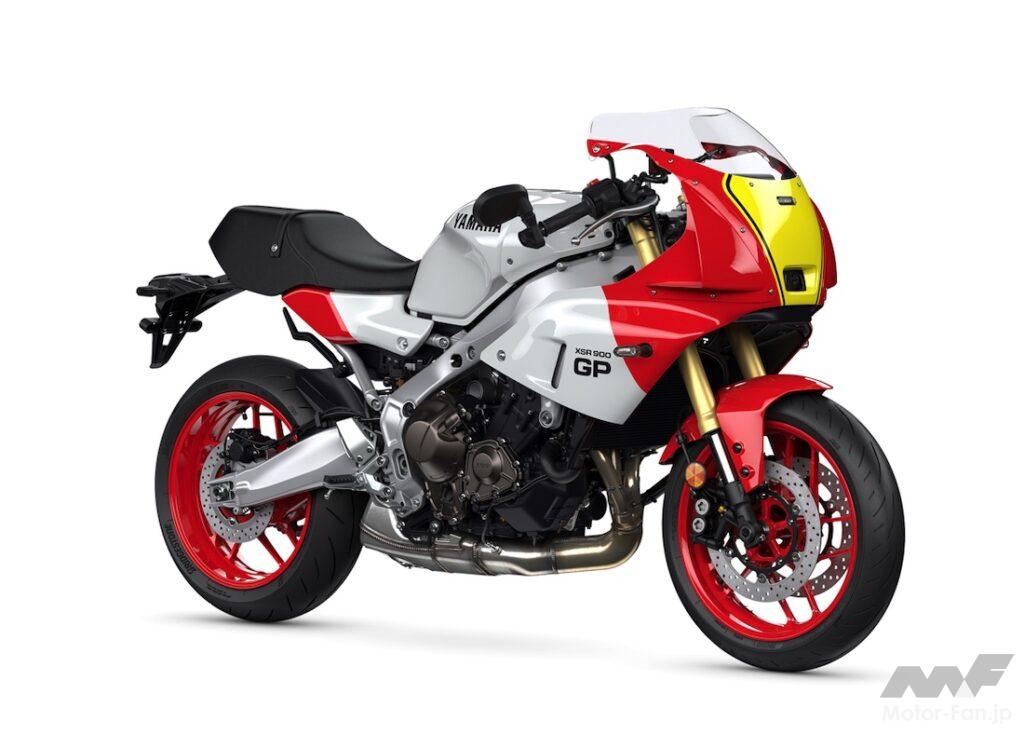
Yamaha XSR900GP
ADVERTISEMENT
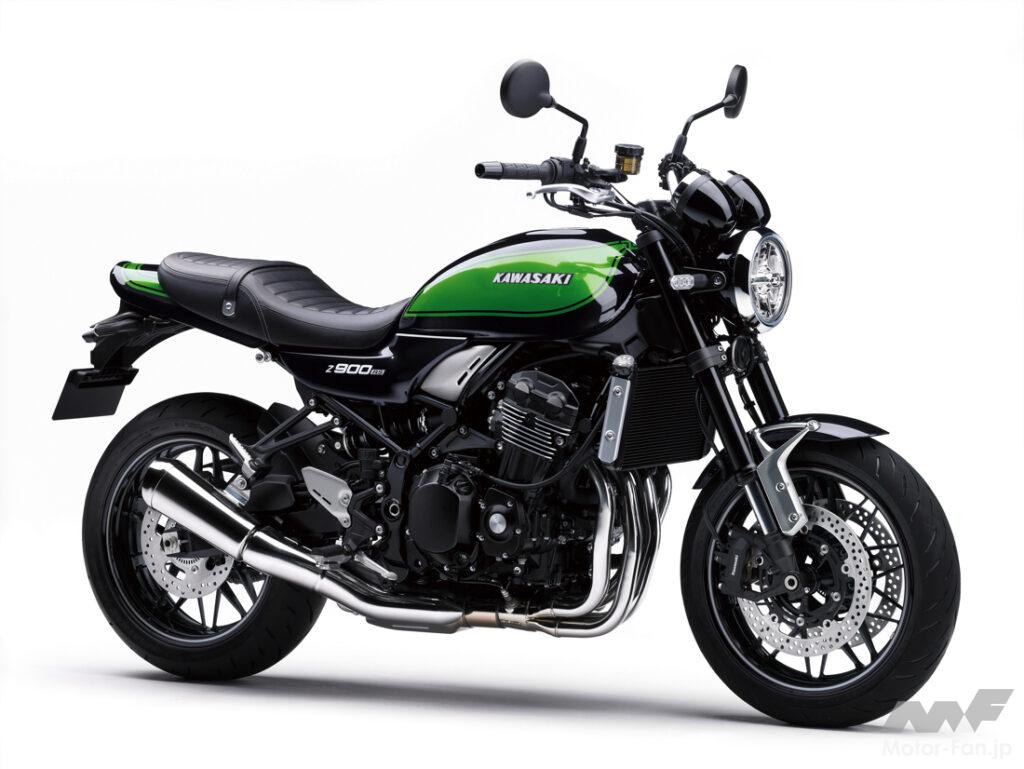
Kawasaki Z900RS
Of course, smaller displacement classes, such as 250cc, are cheaper. Some scooter models cost between 300,000 and 400,000 yen. Sports models are a little more expensive, costing between 500,000 and 900,000 yen, but maintenance costs are lower because there are no vehicle inspections.
However, it is true that mid-class bikes offer more room for performance. Preferences, skills, physique, income, and other factors all vary from person to person, so it’s difficult to generalize. This is just my opinion, but I think the 600cc to 900cc models are one class that offers the “right” balance between budget and performance.
Ideal for beginners to large bikes
Above, I have introduced how 600cc to 900cc mid-class bikes are ideal for veteran riders, including from my own experience.
Also, this is purely my personal opinion, but I think the benefits I’ve introduced here often apply to young, beginner riders who have just acquired a large motorcycle.
First of all, compared to large models over 1000cc, the body is compact and light. Younger riders are likely to be more physically fit than me. However, although this also depends on the individual, if you are not used to handling a large motorcycle, it can be difficult to make slow U-turns in narrow alleys or maneuver in a tight parking lot.
Heavy bikes are particularly difficult for small riders like me, who are around 160cm tall, or female riders who are not good at pushing or pulling heavy objects. For such riders, it may be better to first get used to a lighter mid-class bike before stepping up to a bike over 1000cc.
The same is true in terms of power. For example, the Honda CBR250RR, a full-cowl model, has a maximum output of 42 PS. The Honda CBR400R, which has the maximum engine displacement that can be ridden with a regular motorcycle license, also has a maximum output of 46 PS.
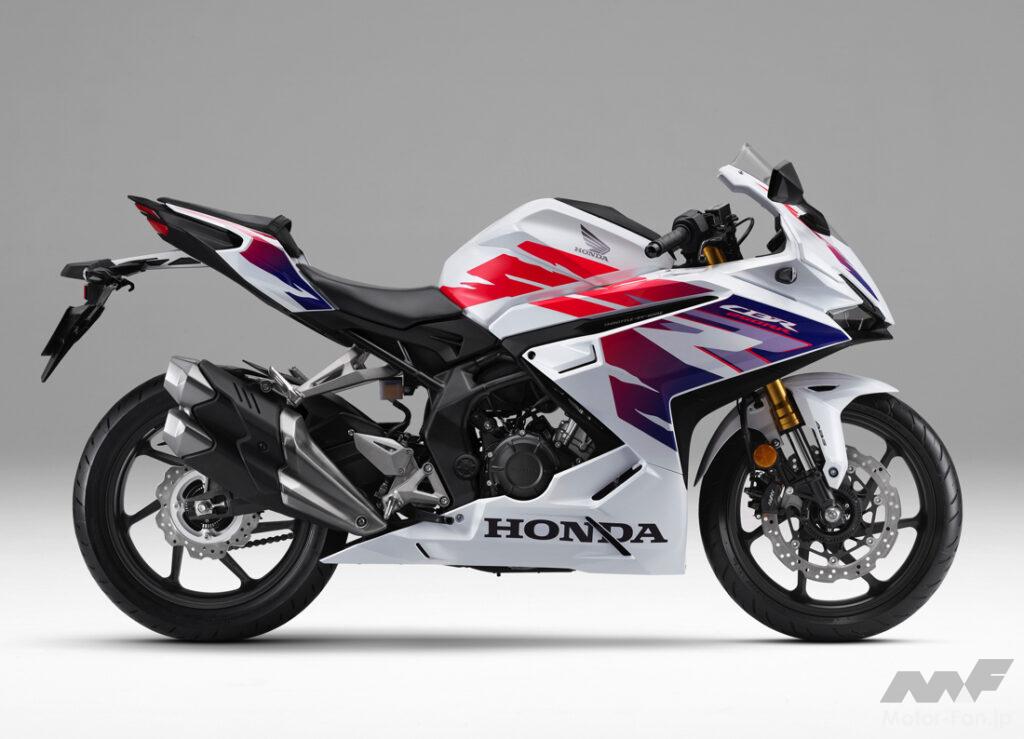
Honda CBR250RR
ADVERTISEMENT
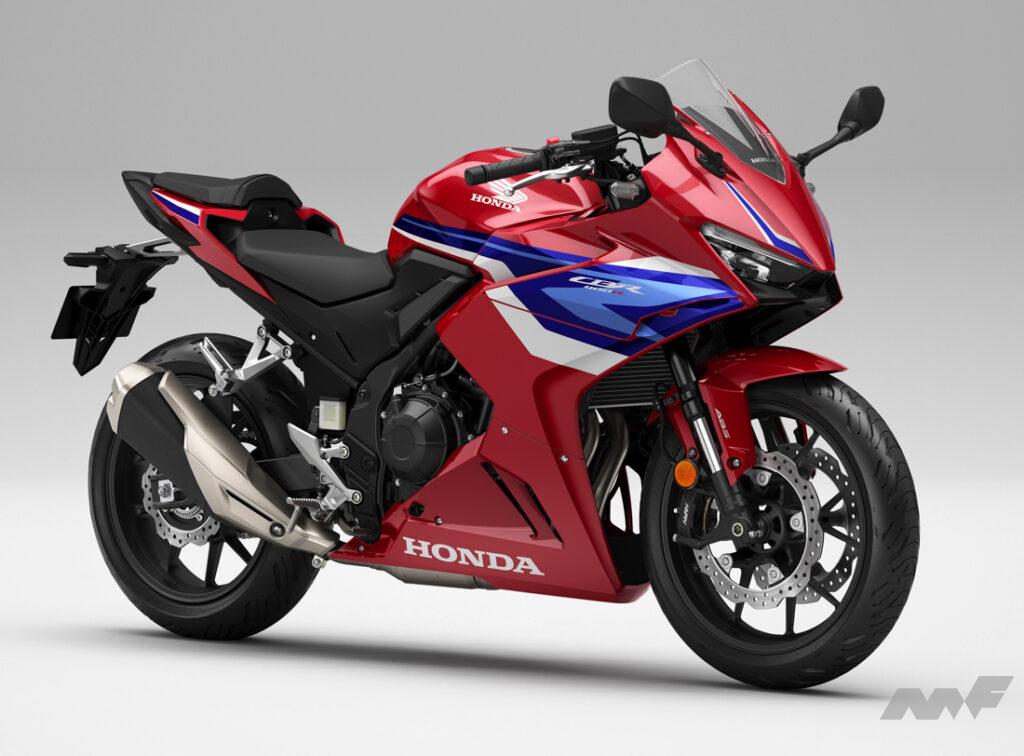
Honda CBR400R
Even if someone who has ridden such a bike gets a large motorcycle license, it will take a lot of getting used to handling a 1000cc supersport bike with over 200PS. I think it would be safer to first get used to riding a 600cc to 900cc bike with less than 100PS, or even higher power up to around 120PS.
And then there’s the price. Of course, if you have the budget, you can buy any expensive bike. However, especially for young people such as students and those just starting out in the workforce, a bike that costs over 2 million yen is likely to be difficult for many to afford.
Also, even experienced riders may not have much money to spend due to childcare costs, mortgage payments, etc. For these riders, I think that 600cc to 900cc bikes are in a relatively affordable price range.
In recent years, manufacturers have been strengthening their lineups in the 600cc to 900cc class, and one of the reasons for this may be that, as mentioned here, these bikes are ideal for a wide range of riders, from beginners to veterans of large bikes.
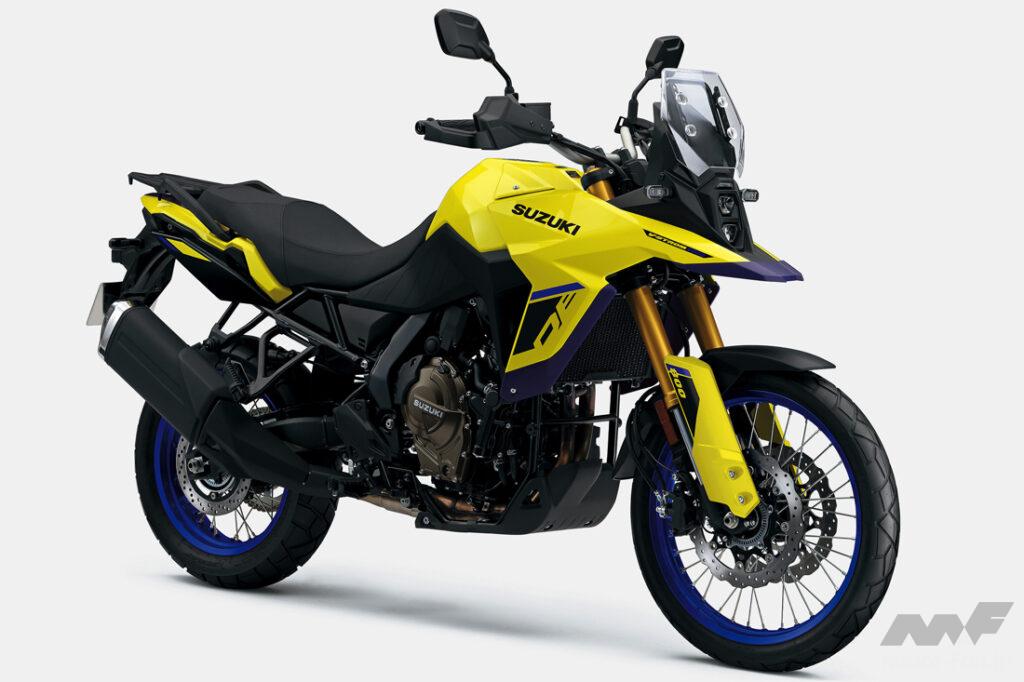
There are a variety of bikes in the 600-900cc mid-class, including the adventure model Suzuki V-Strom 800DE. One of the attractions is that it can be easily matched to your preferences and style.
 What’s great about the Suzuki V-Strom 800DE: Despite being a mid-class bike, it has a big, impressive presence. And what’s more, it has a great engine!
The new V-Strom 800 DE, which was first unveiled at EICMA 2022 held last November, was released in Japan on March 24th with an annual sales target of 360 units. It was added between the previous V-Strom 650 XT and the new 1050 DE, but what is surprising this time is the introduction of a newly developed parallel twin engine. REPORT: Shigeru Chikata PHOTO: Shunsuke Yamada Interview cooperation: Suzuki Corporation
I want to choose a shoe that takes into consideration my physique and skills.
In any case, as long as you have a license, it is basically up to you to decide what kind of bike you ride. So, it makes sense that beginners who have just obtained a large motorcycle license can jump straight into riding a large-displacement bike.
However, riding a bike that matches your skills, physique, and physical strength will also lead to safety. Of course, overcoming the high hurdles of large-displacement bikes over 1000cc and honing your technique to ride them with ease is also part of the fun of riding a bike.
However, this is within the scope of not injuring yourself or causing trouble to those around you. I hope this will be helpful for those who are thinking about choosing and purchasing a bike.