

Key features of the sports tourer
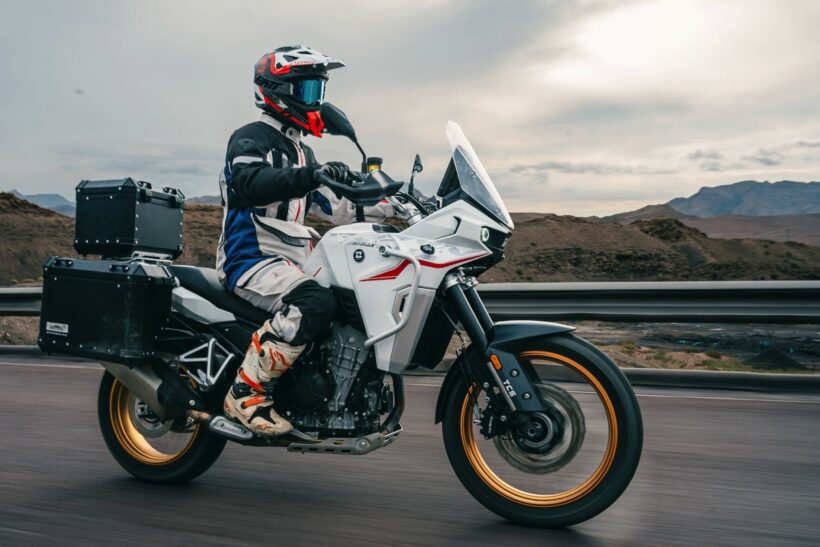
A sports tourer is a bike that literally combines the characteristics of a sports bike and a tourer.
Most bikes have engine characteristics that emphasize not only peak power in the high-speed range, but also torque characteristics in the low and mid-speed range, making them easy to handle for a wide range of riders. They also have high stability at high speeds and when cornering, making them easy for beginners to ride, and there are many bikes with a deep depth that even veteran riders can enjoy.
In terms of equipment, the mainstream models are equipped with windscreens and fairings to improve wind protection, and large-capacity fuel tanks to ensure long cruising distances. Many also offer an upright riding position and wide seats for comfort on long-distance rides.
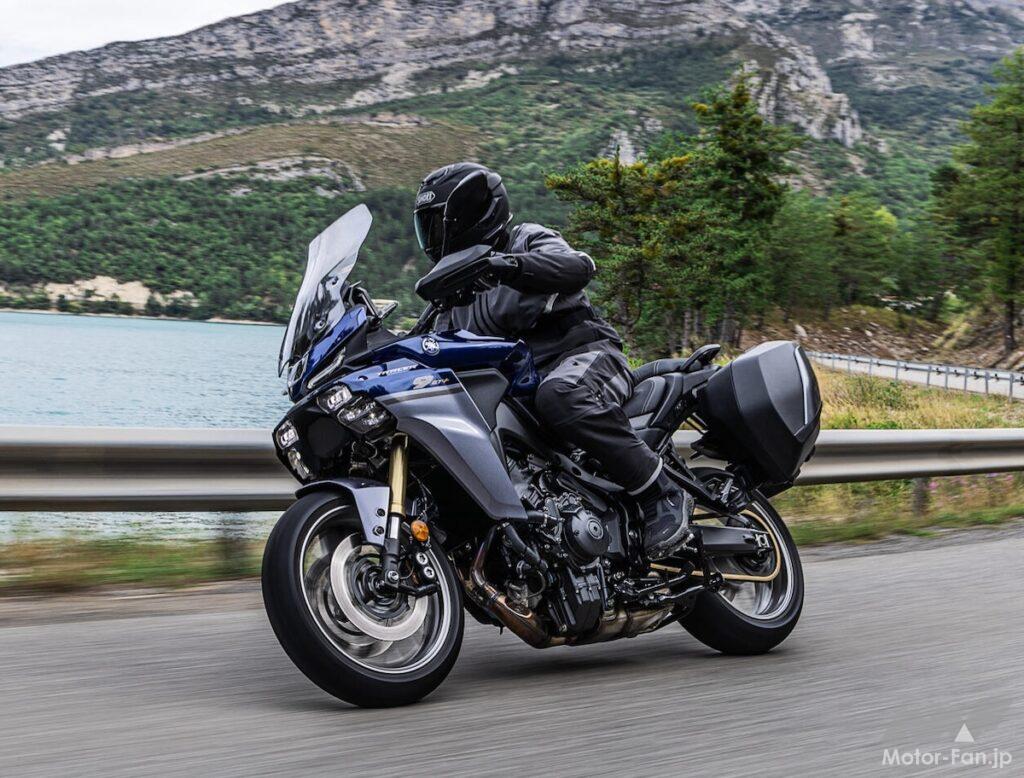
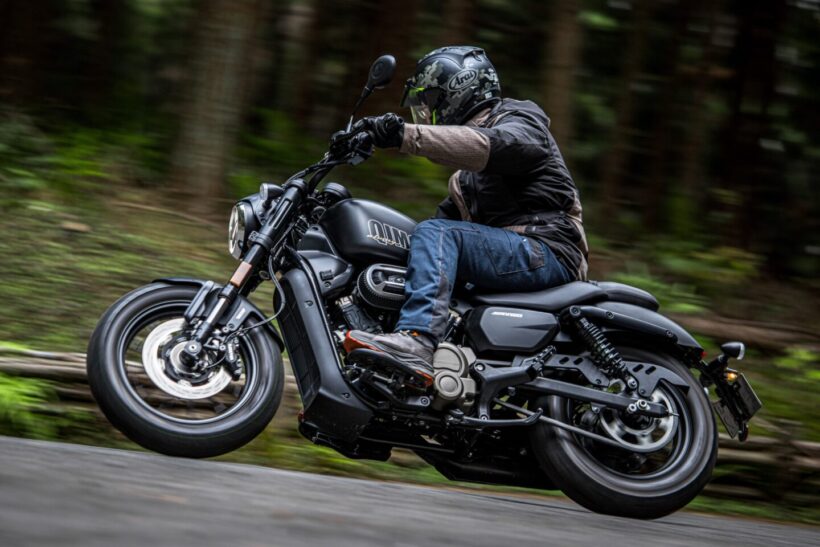
A sports tourer is a model that combines the characteristics of a sports bike and a tourer, and is particularly well-honed for on-road riding (pictured is a Yamaha Tracer 9GT+ Y-AMT).
In addition, in recent years, an increasing number of large-displacement motorcycles have been equipped with equipment to reduce fatigue when cruising on highways, such as quick shifters that allow you to shift up and down without operating the clutch or throttle, and cruise control that maintains a set speed without operating the accelerator.
Furthermore, among large luxury models, there is an increasing trend for models equipped with features comparable to those of four-wheeled vehicles, such as ACC (Adaptive Cruise Control), which automatically maintains a safe distance from the vehicle ahead while following the vehicle ahead. This has made motorcycle travel more comfortable and safer.
Some models have advanced equipment comparable to that of four-wheeled vehicles.
So, what kinds of sports tourer models are there? Let’s take a look at some Japanese-made models.
[Examples of sports tourers]
Honda NT1100
, Yamaha Tracer 9GT/9GT+ Y-AMT
, Yamaha TMAX560/Techmax
, Kawasaki Ninja H2 SX SE
, Kawasaki Ninja 1100SX/SE
, Suzuki GSX-S1000GT
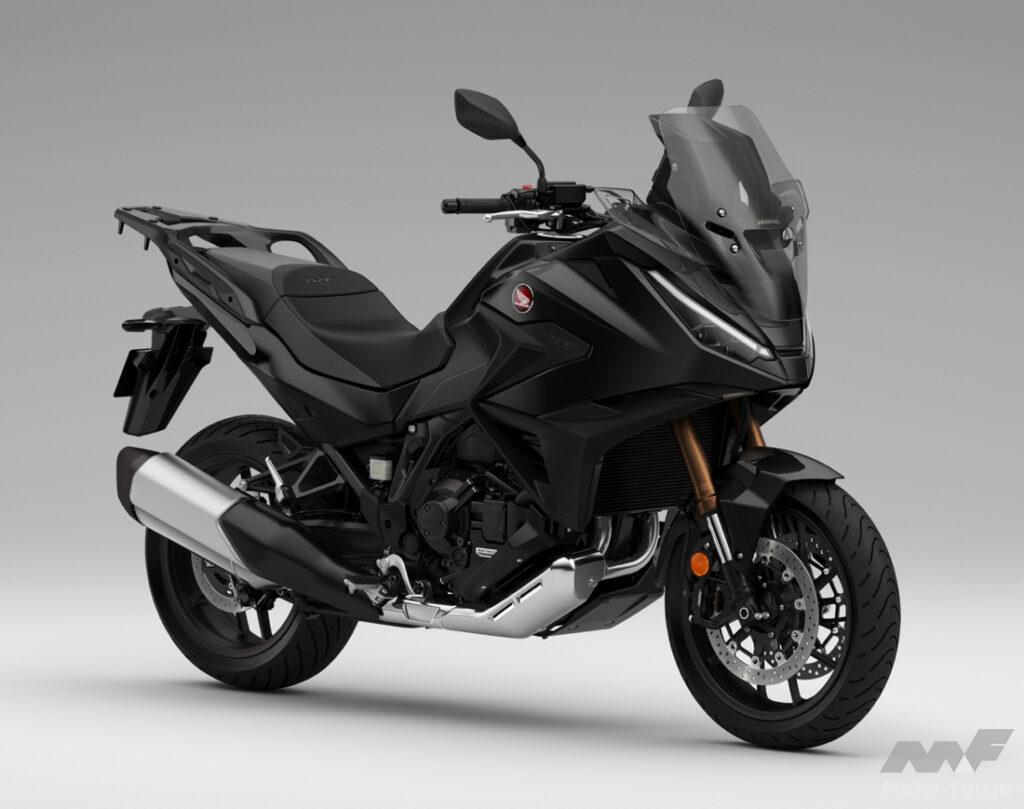
Honda NT1100
ADVERTISEMENT
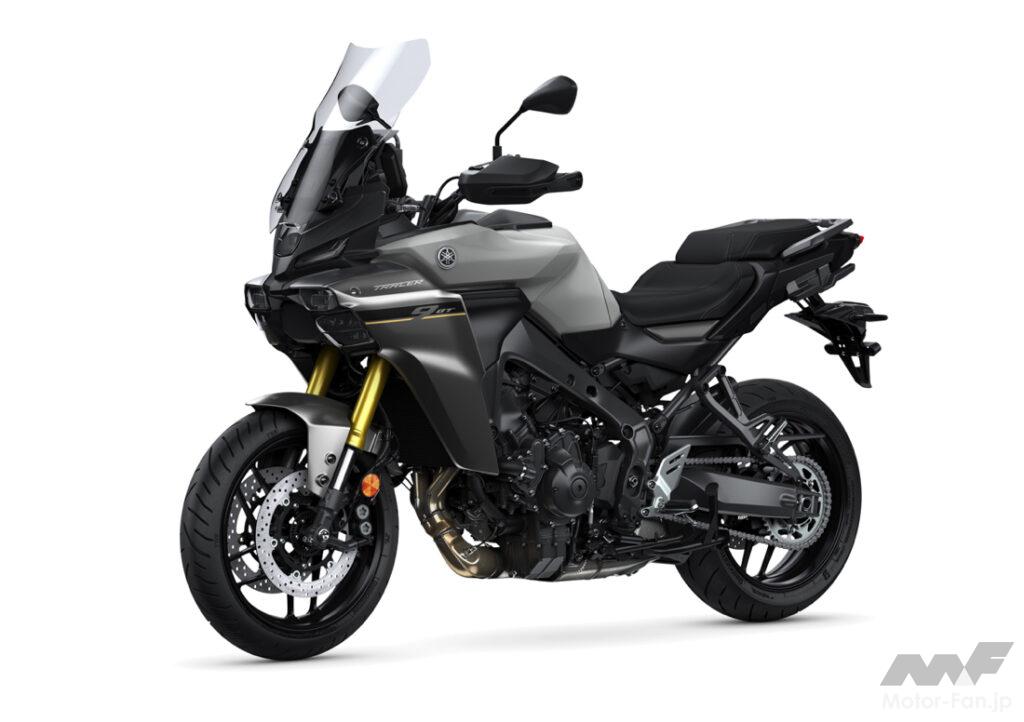
Yamaha Tracer 9GT
ADVERTISEMENT
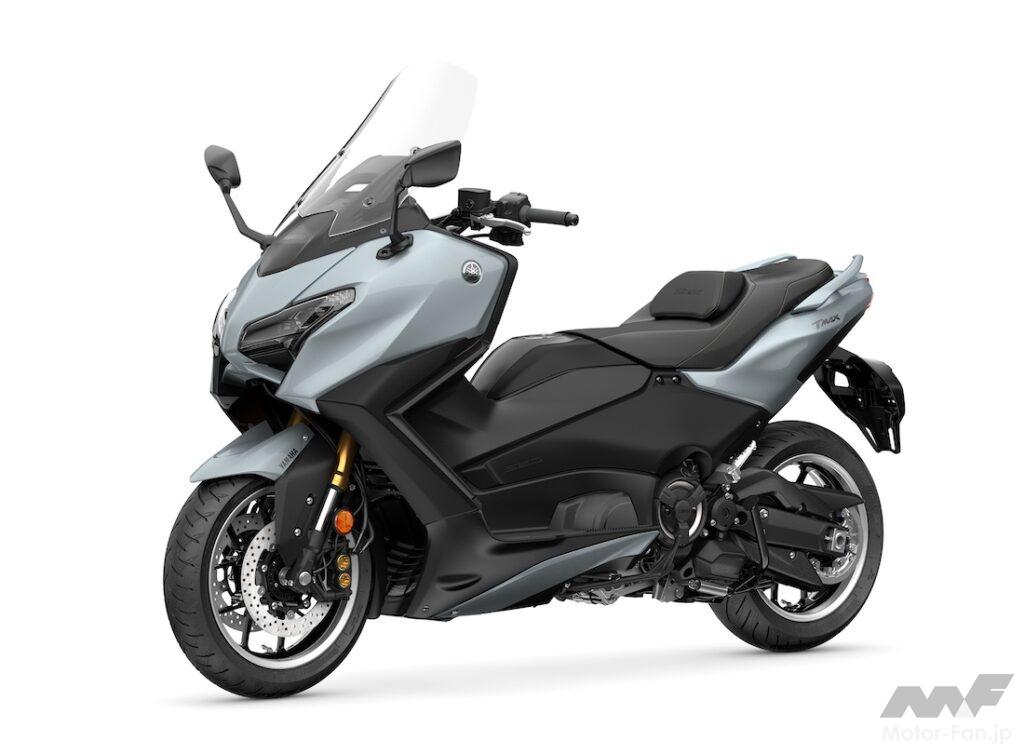
Yamaha TMAX560 Tech Max
ADVERTISEMENT
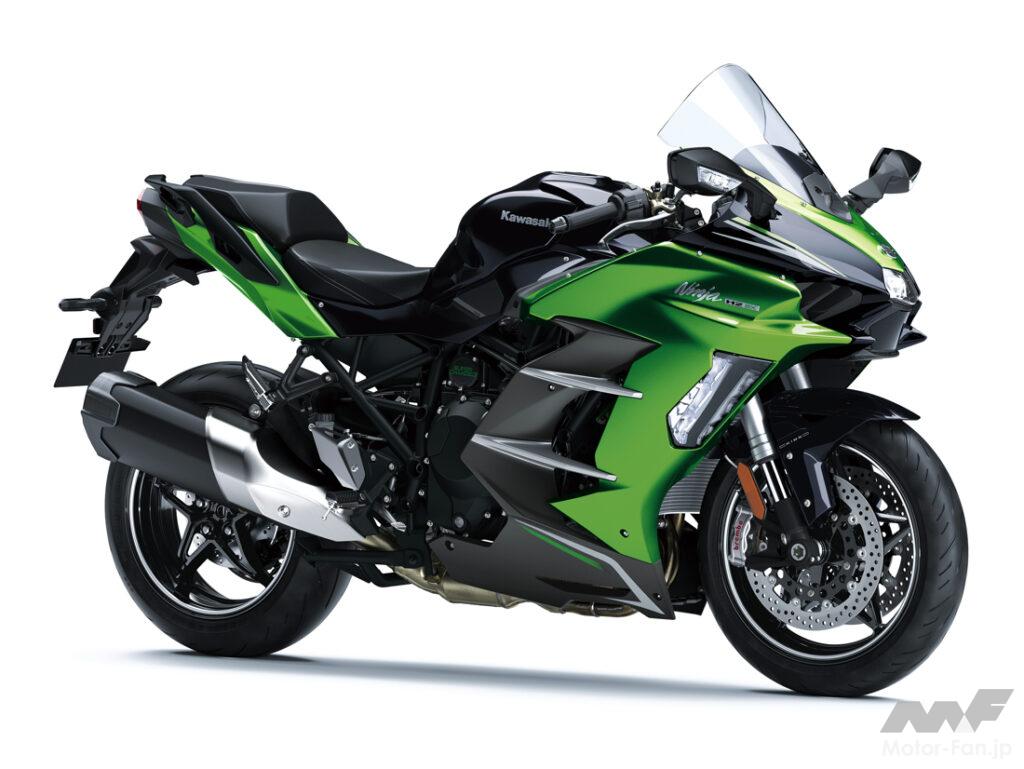
Kawasaki Ninja H2 SX SE
ADVERTISEMENT
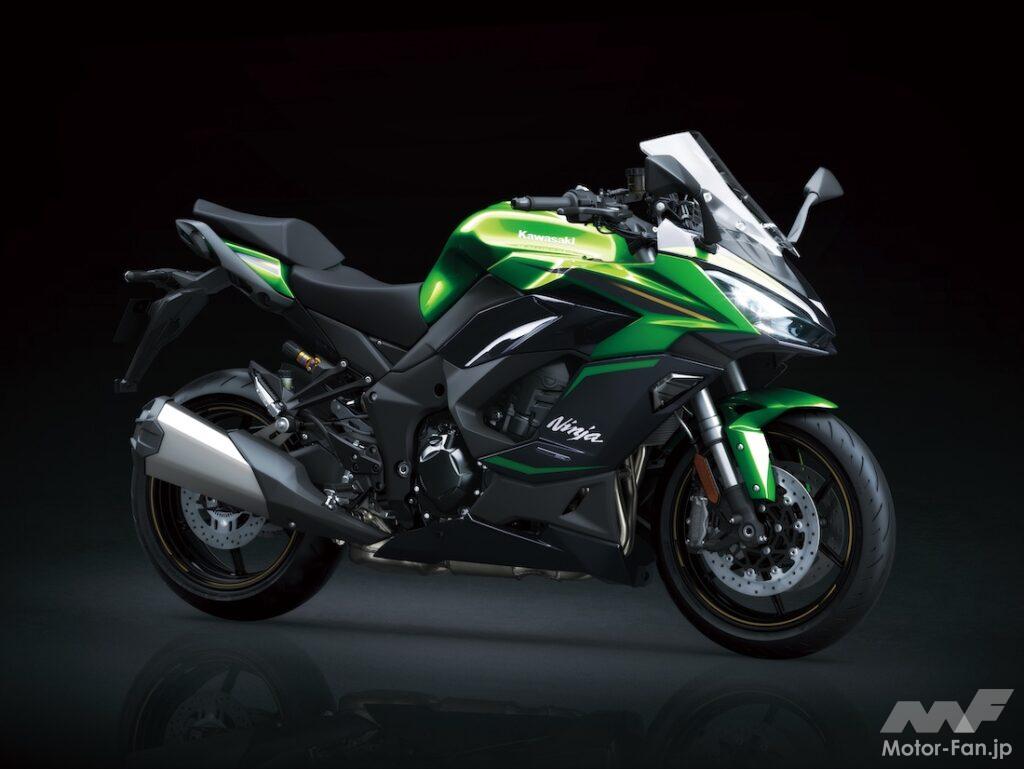
Kawasaki Ninja 1100SX SE
ADVERTISEMENT
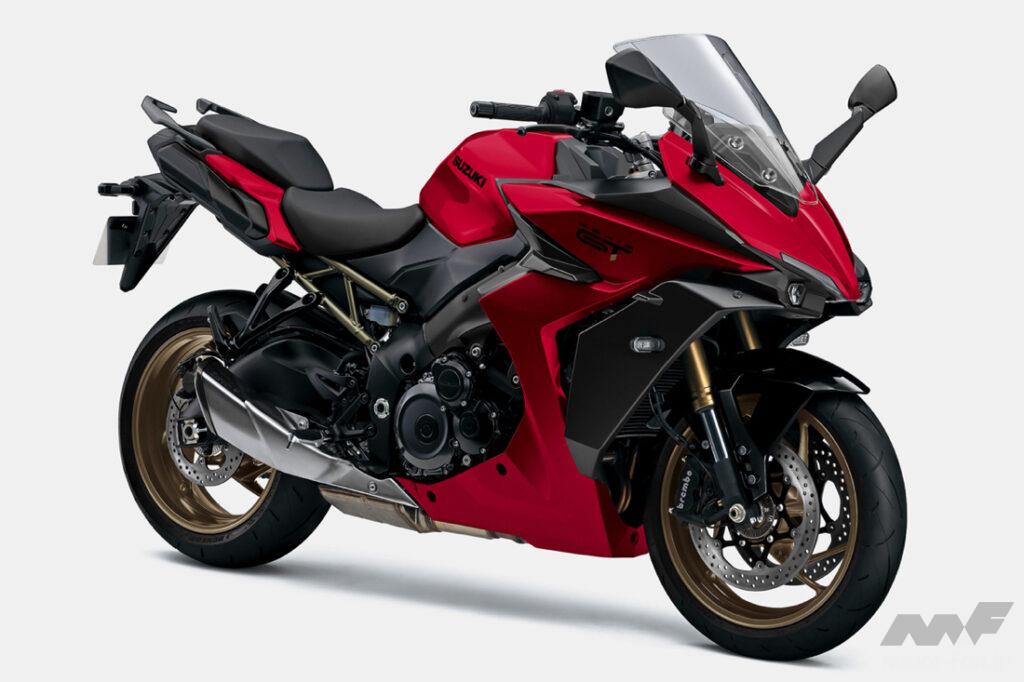
Suzuki GSX-S1000GT
It can be seen that both models meet the requirements of a sports tourer, such as the fairing, screen, and upright riding position mentioned above.
Among these, the Yamaha Tracer 9GT+ Y-AMT is one model that is particularly equipped with a number of advanced features.
This model is Yamaha’s first to be equipped with millimeter-wave radar, and in addition to the aforementioned ACC, it also features the radar-linked UBS (Unified Brake System), which assists braking when there is a risk of collision with a vehicle ahead.It is also packed with high-performance equipment, including an electronically controlled suspension that automatically optimizes damping force according to the situation, and a 7-inch high-brightness TFT meter that can display apps on the screen by connecting to a smartphone.
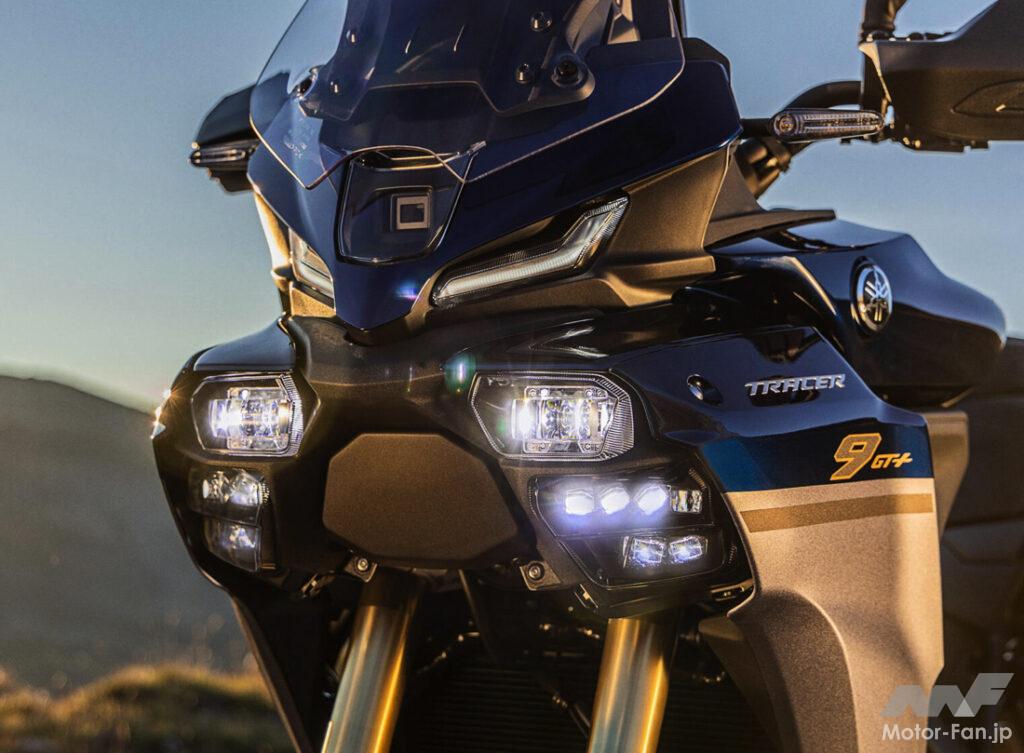
The Tracer 9GT+ Y-AMT is Yamaha’s first vehicle equipped with millimeter-wave radar.
Furthermore, the 2025 model will have a new radar at the rear of the vehicle in addition to the millimeter-wave radar at the front that detects obstacles and other vehicles. It will also have a new BSD (Blind Spot Detection) system that detects vehicles approaching from behind and displays them in the mirror.
Additionally, the bike is also newly equipped with the Y-AMT electronically controlled shift mechanism. This is a newly developed automatic transmission that eliminates the need for a clutch lever or shift pedal, allowing gear changes to be performed using a shift lever mounted on the handlebars. What’s more, in addition to the MT mode, which allows manual gear changes using paddle shifters, the bike is also equipped with an AT mode, in which the bike changes gears fully automatically. In either mode, there is no need to operate the clutch or shift pedal, which has the advantage of allowing the rider to concentrate on other operations such as weight shifting, opening and closing the throttle, and braking.
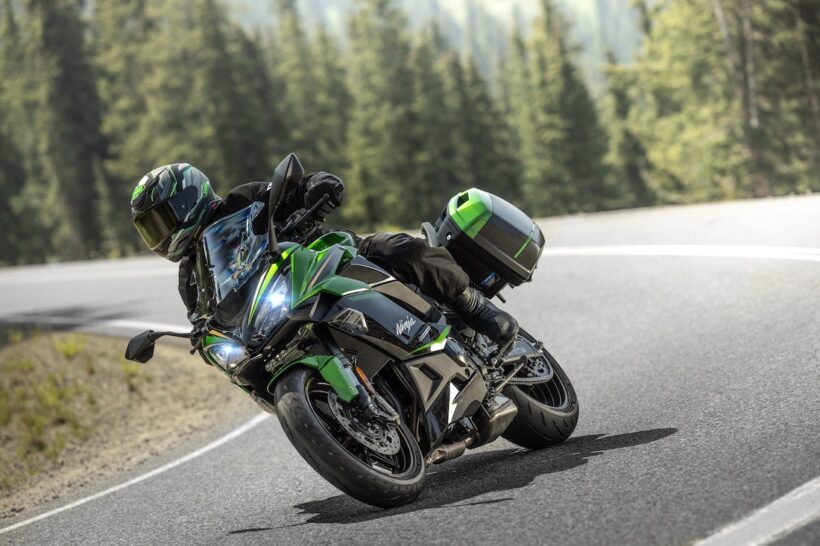
Kawasaki’s Ninja 1100SX SE, which is equipped with a unique supercharged engine, is also a model that stands out for its high-performance equipment. It is equipped with Bosch’s ARAS (Advanced Rider Assistance System). Radar sensors mounted on the front and rear of the vehicle detect the surroundings, allowing the use of various advanced safety features.
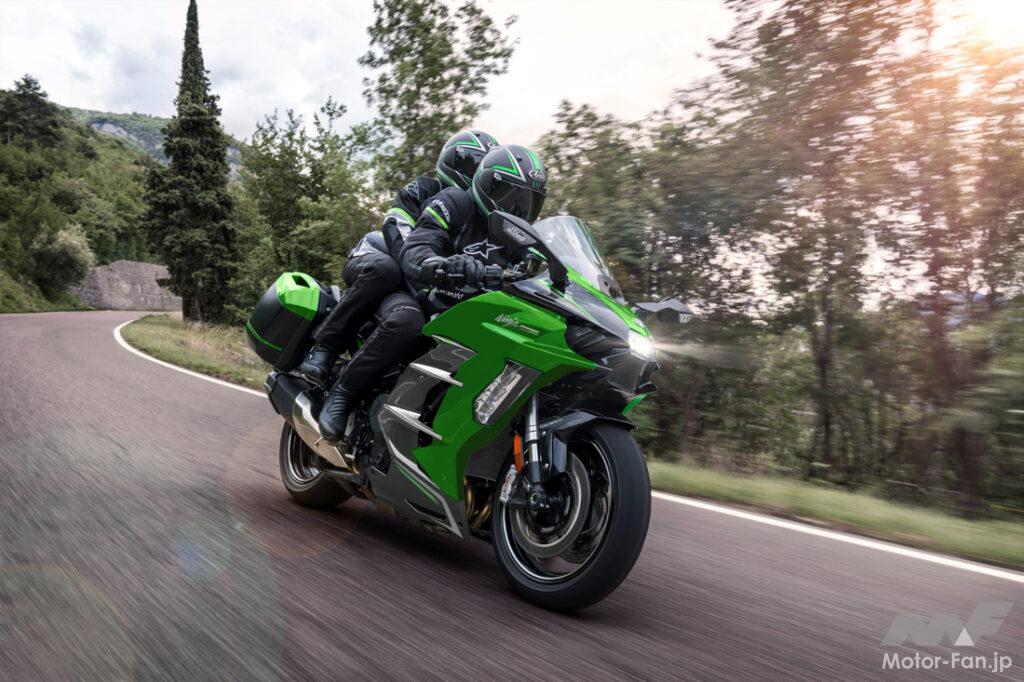
Kawasaki’s Ninja 1100SX SE is also a model that stands out with its high-performance equipment.
Its main features include “FCW (Forward Collision Warning),” which warns the rider by flashing a red LED lamp on the top of the instrument panel if there is a risk of collision with a vehicle ahead. In addition, like the Yamaha 9GT+ Y-AMT, it also features ACC and BSD, as well as “VHA (Vehicle Hold Assist),” which maintains braking effectiveness even without brake input from the rider when stopped. It provides driving assistance, convenience, and comfort in a wide range of situations.
The difference between a sports tourer and a supersport
As mentioned above, sports tourers combine elements of both sports bikes and touring bikes, but there is a big difference between them and super sports bikes, which are considered the representative sports bikes.
For example, super sports cars that are designed with speed in mind tend to have a relatively steep forward-leaning posture and are not designed with much thought given to luggage capacity.
On the other hand, sports tourers are equipped with performance and equipment for touring. They have low torque and a strong mid-range, allowing for smooth starting and navigating tight corners with ease. They also have good luggage capacity, making them perfect for motorcycle trips.
In addition, many models use high-grip 17-inch tires, which are also used on super sports cars.
For example, the tire sizes for Yamaha’s Tracer 9GT+ Y-AMT are as follows.
[Yamaha Tracer 9GT+ Y-AMT tire sizes]
Front: 120/70ZR17M/C (58W)
Rear: 180/55ZR17M/C (73W)
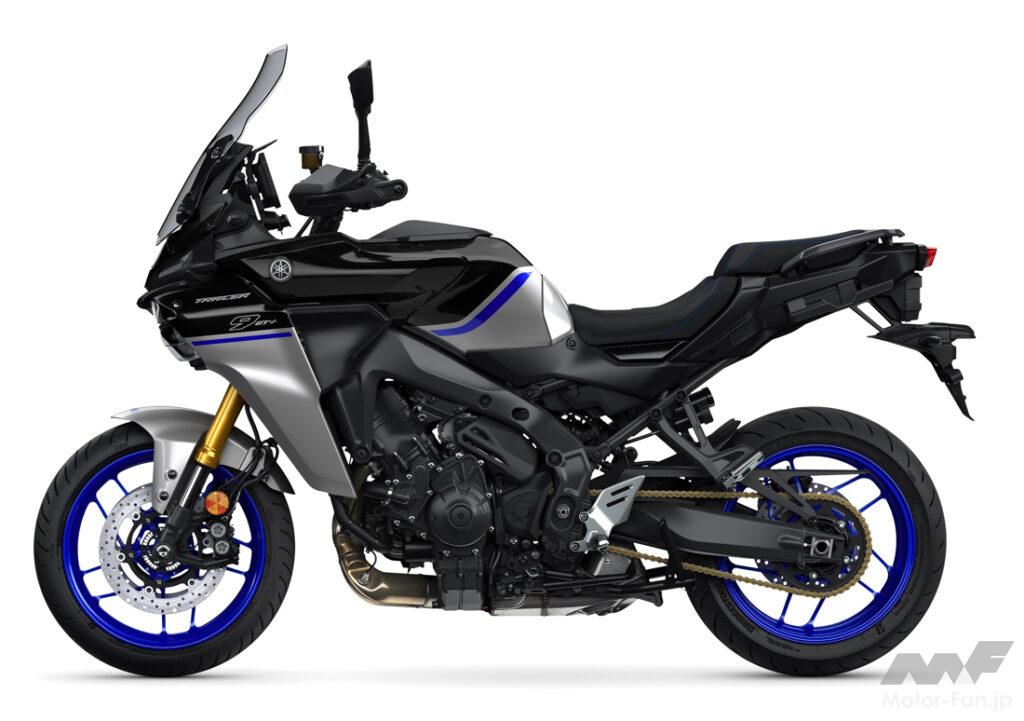
Tracer 9GT+ Y-AMT equipped with 17-inch tires and wheels front and rear
This size is the same as the tires on Yamaha’s latest supersport bike, the YZF-R9, which is equipped with the same 888cc 3-cylinder engine as the Tracer 9GT+ Y-AMT. 17-inch tires and wheels are now used on many sports models, as they offer excellent cornering and braking performance on paved roads, as well as comfort when cruising at high speeds on highways.
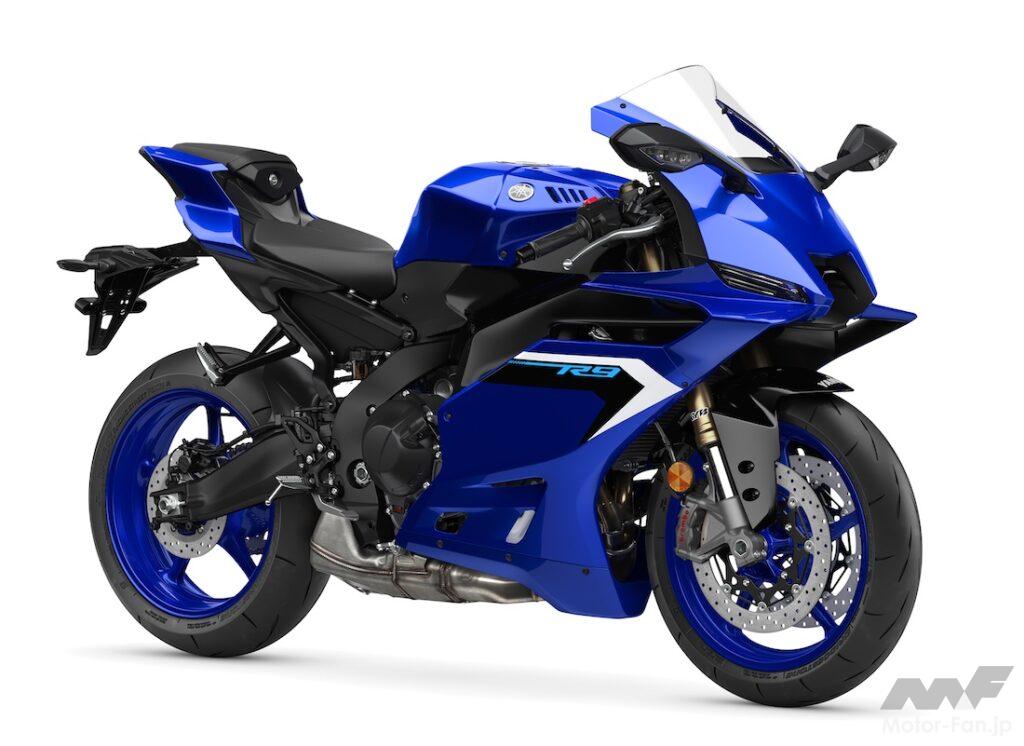
Yamaha YZF-R9
In that sense, the sports tourer prioritizes on-road riding and pursues more agile handling and a comfortable ride on paved roads, so it uses tires the same size as a super sports bike.
The difference between a sport tourer and an adventure bike
On the other hand, there are adventure bikes that have a similar style to sport tourers, with large windscreens and upright riding positions. The most obvious difference between these and sport tourers is the size of the front and rear wheels.
For example, Yamaha’s Ténéré 700 and Honda’s CRF1100L Africa Twin<s>/DCT use 21-inch wheels in the front and 18-inch wheels in the rear. Also, the CRF1100L Africa Twin Adventure Sports ES/DCT, which uses electronically controlled suspension, uses 19-inch wheels in the front and 18-inch wheels in the rear. In both cases, the front wheels are larger than the rear wheels.
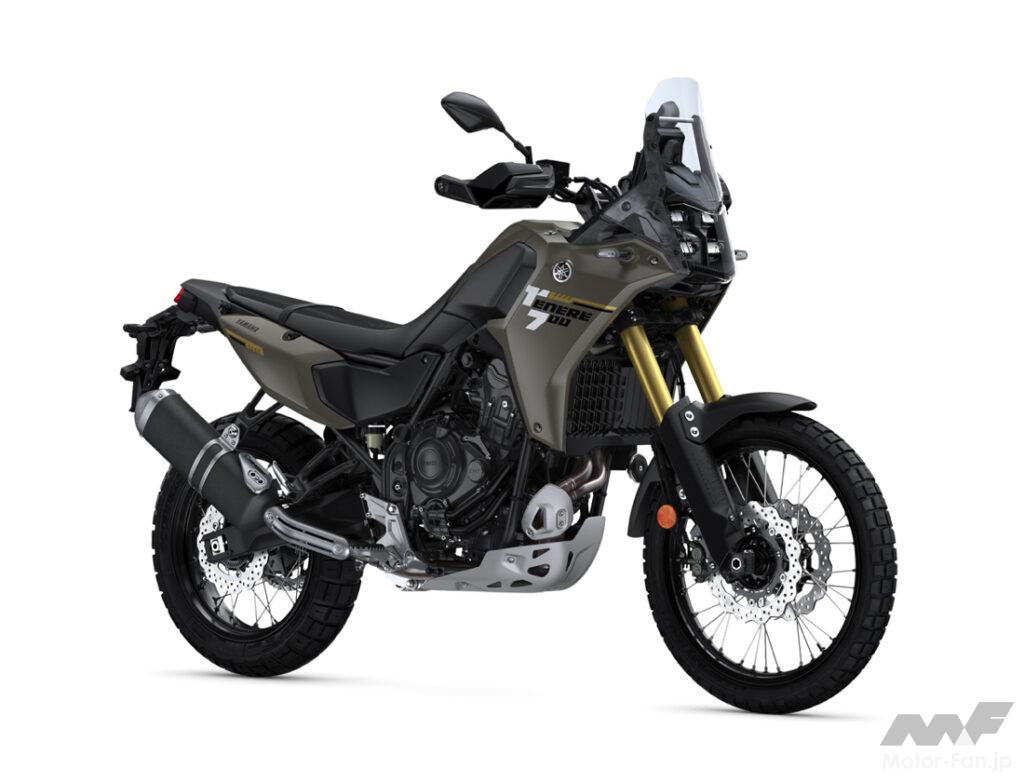
Yamaha Tenere 700
ADVERTISEMENT
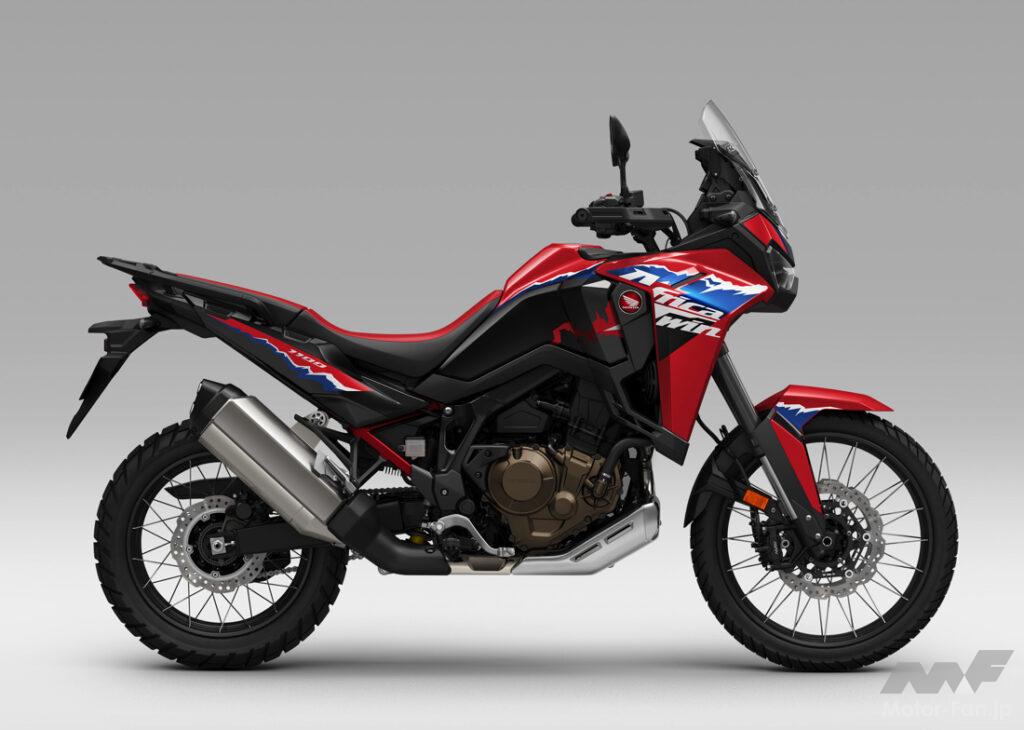
Honda CRF1100L Africa Twin<s>/DCT
ADVERTISEMENT
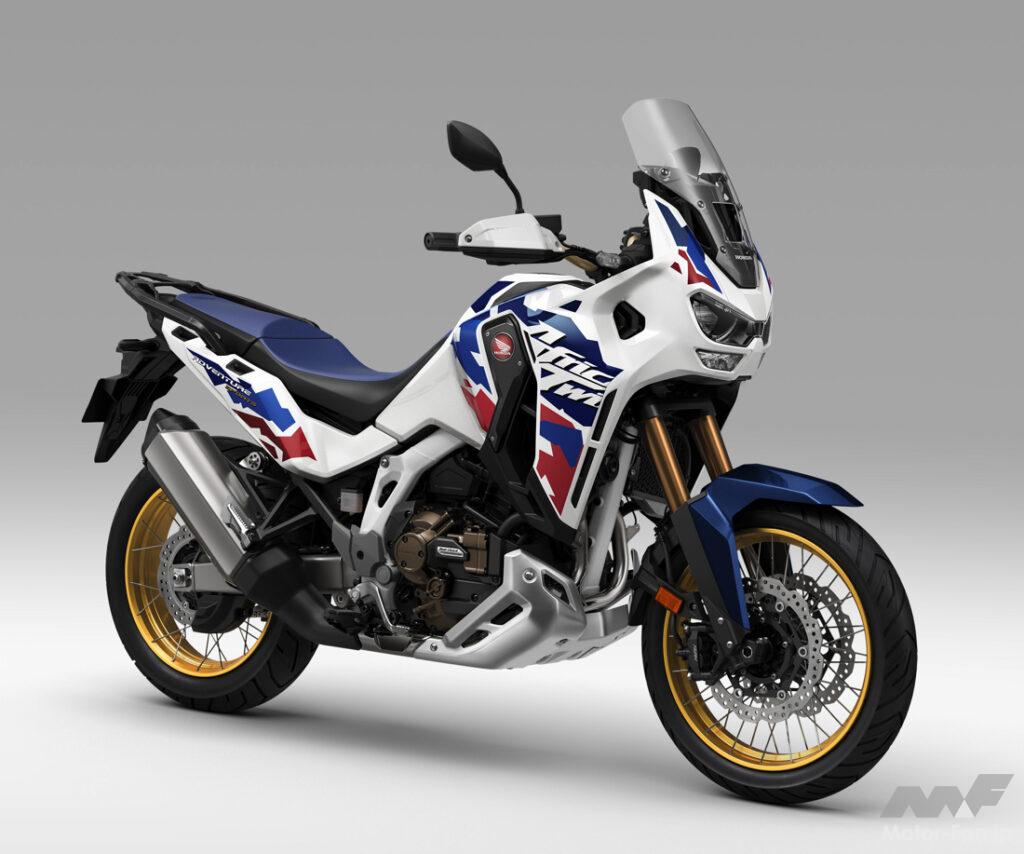
Honda CRF1100L Africa Twin Adventure Sports ES/DCT
In other words, it is quite different from many sports tourers, such as the Tracer 9GT+ Y-AMT introduced earlier, which use 17-inch wheels front and rear.
This is because many of the so-called adventure bike models are designed to be capable of off-road riding as well as on-road riding. Generally, when riding a bike on rough roads, a small front wheel makes it more likely to get stuck in gaps and, in severe cases, may even tip over. On the other hand, a larger front wheel has the advantage of making it harder for the handlebars to be lost even on slightly rough roads.
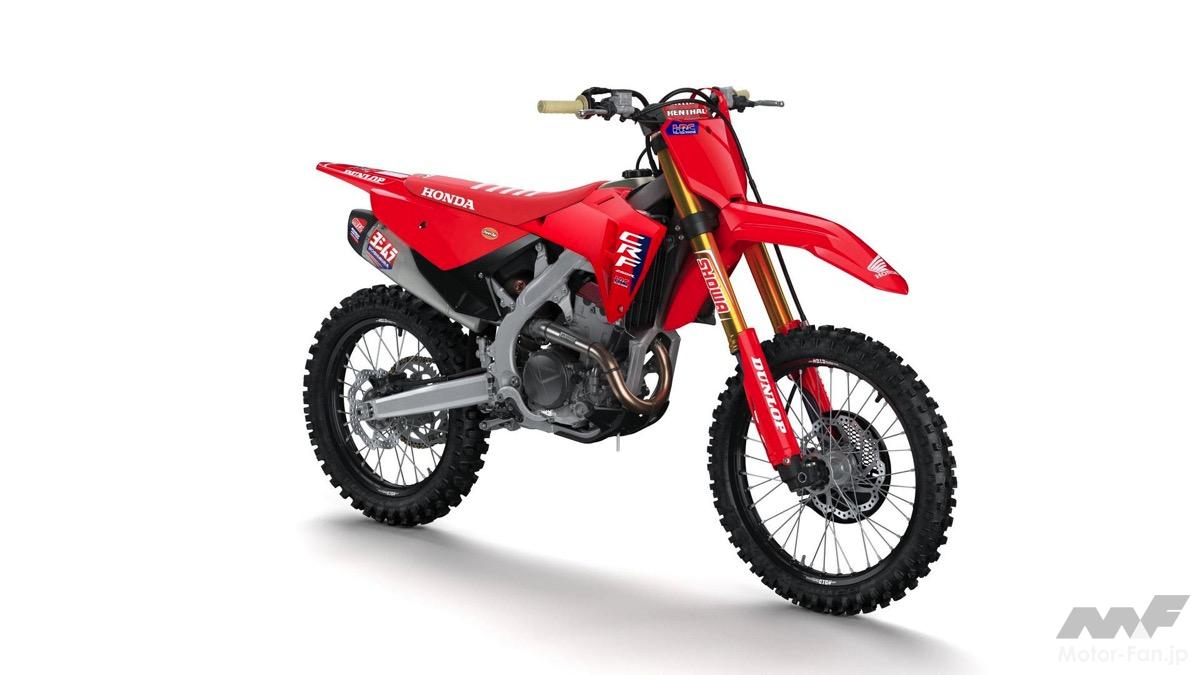
In particular, the 21-inch front and 18-inch rear wheels used on models such as the Ténéré 700 and CRF1100L Africa Twin (s) are a size that is also often used by enduro racers for off-road competitions (motocross bikes often have 21-inch front and 19-inch rear wheels). This is probably because, after years of trial and error, it has been adopted in many cases as the optimal solution for enduro races, which cover relatively long distances. In other words, adventure bikes are models that are closer in character to off-road bikes, which is why they use these front and rear tire sizes. And this is what makes them different from sport tourers, which are primarily used on the road.
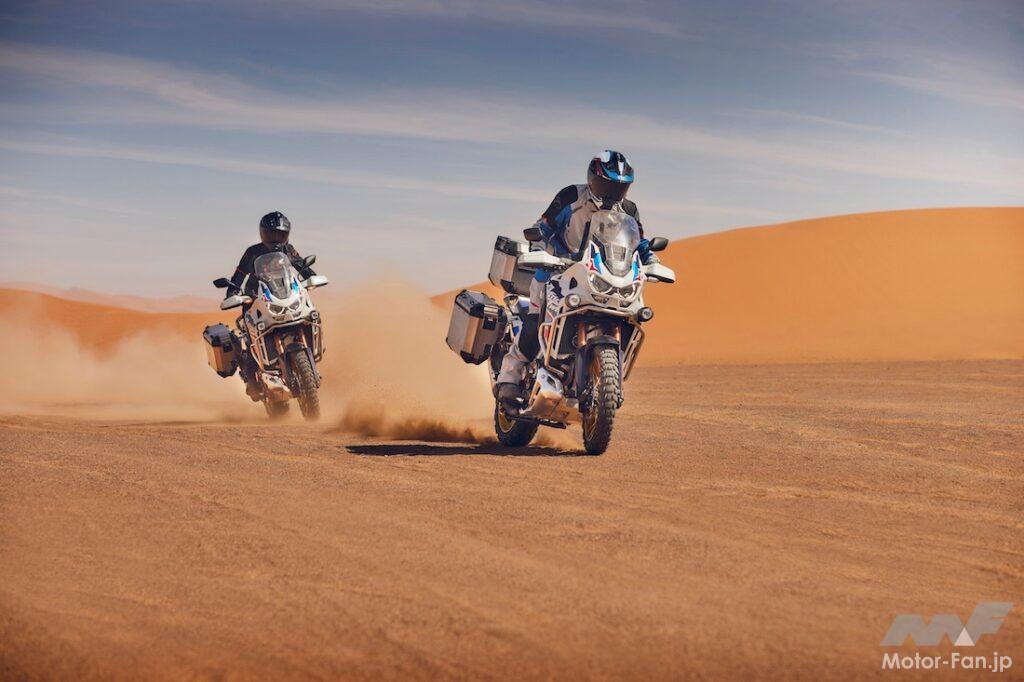
Adventure bikes are models that are closer to off-road bikes.
In recent years, crossover models have also appeared.
Incidentally, in recent years, crossover models such as the Honda NC750X/DCT and Suzuki GSX-S1000GX have also appeared as models that can be enjoyed both on-road and off-road. However, these also tend to use 17-inch tires front and rear. Perhaps there are more models that place more emphasis on on-road performance than adventure models. In that sense, crossover models can be said to be somewhere between sport tourers and adventure models.
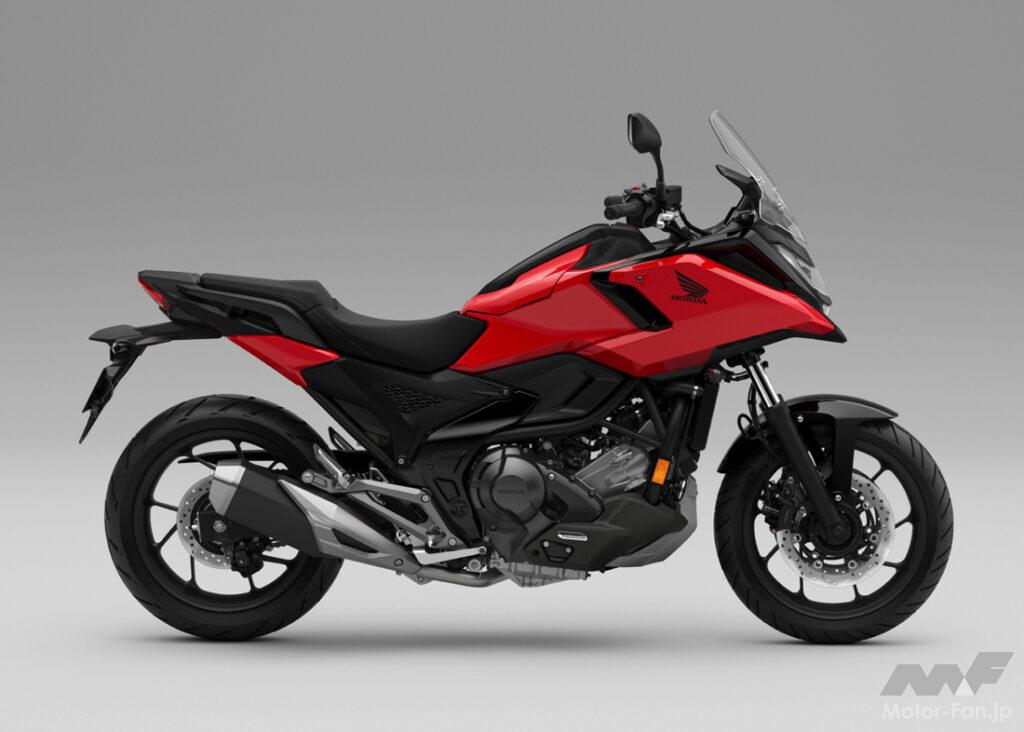
Honda NC750X/DCT
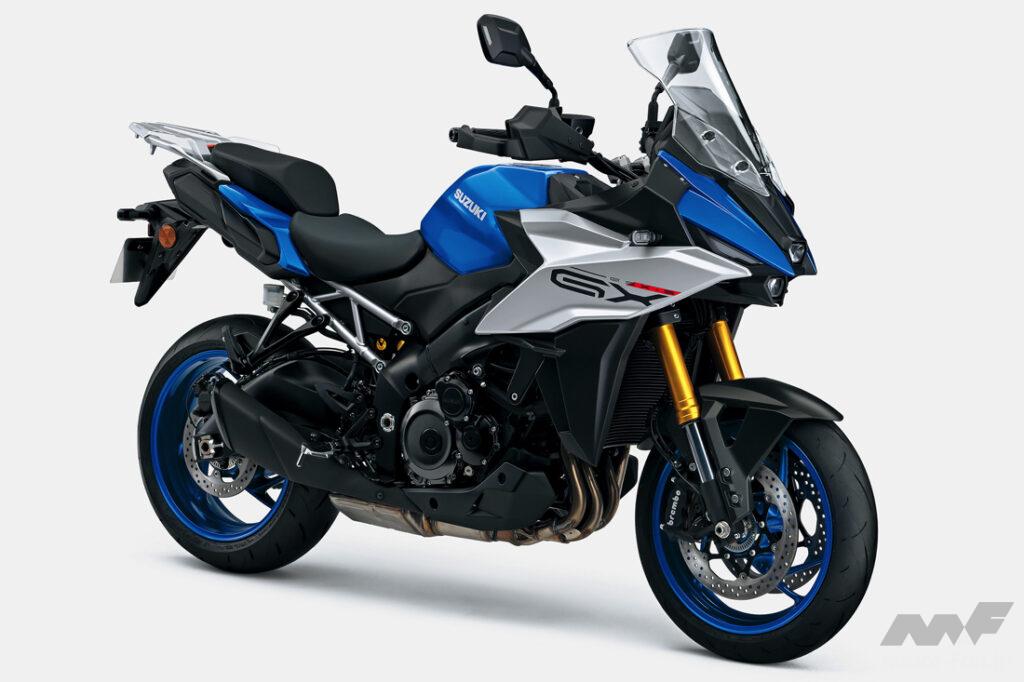
Suzuki GSX-S1000GX
In any case, sports tourers are bikes that are primarily used on the road and offer sporty riding and comfort for long distances. Many manufacturers have positioned this genre as their flagship touring bikes, and there is no doubt that this genre will continue to remain popular in the future.