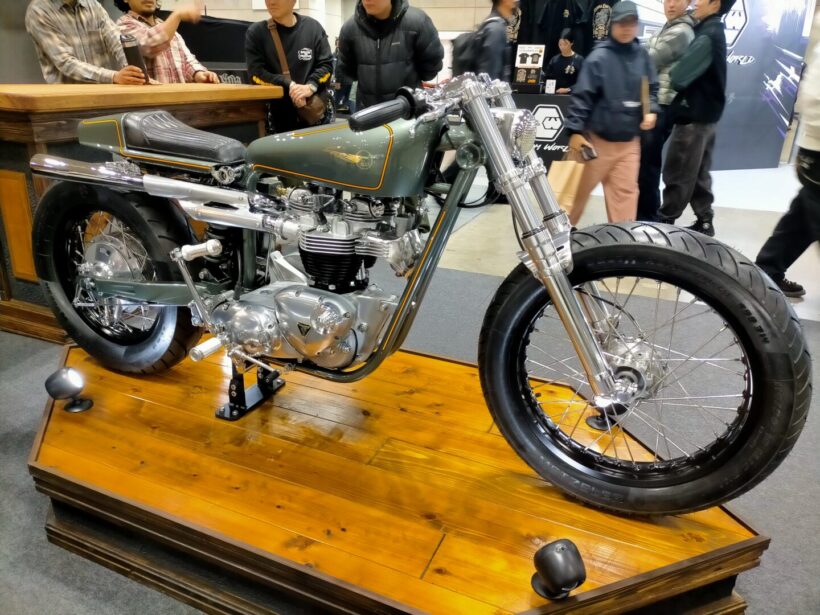

Check out Japanese cafe racer bikes
First, let’s take a look at Japanese-made motorcycles and see what kinds of cafe racer models are available for purchase as new (as of the end of June 2025).
Honda
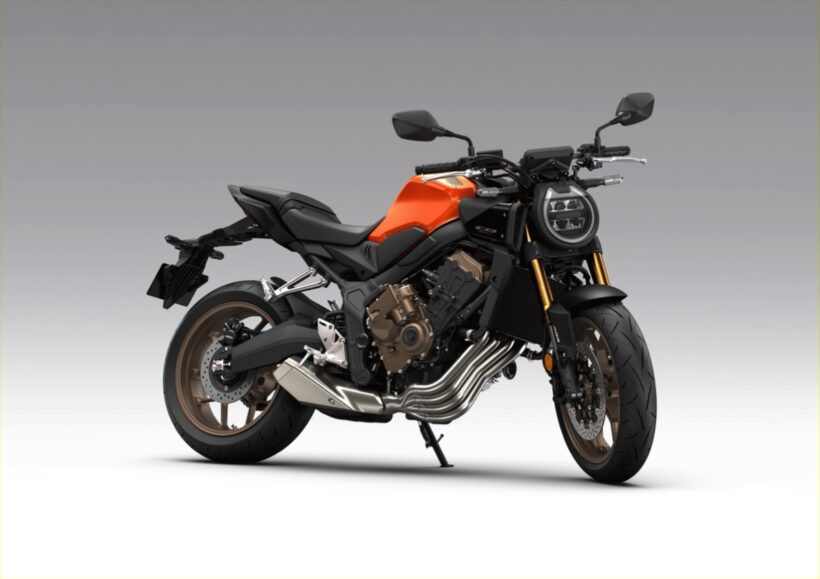
CB650R/E-Clutch
648cc inline 4-cylinder engine with handlebars and no front cowl

CB650R E-Clutch
“CB125R”
124cc, single cylinder, handlebars, no front cowl
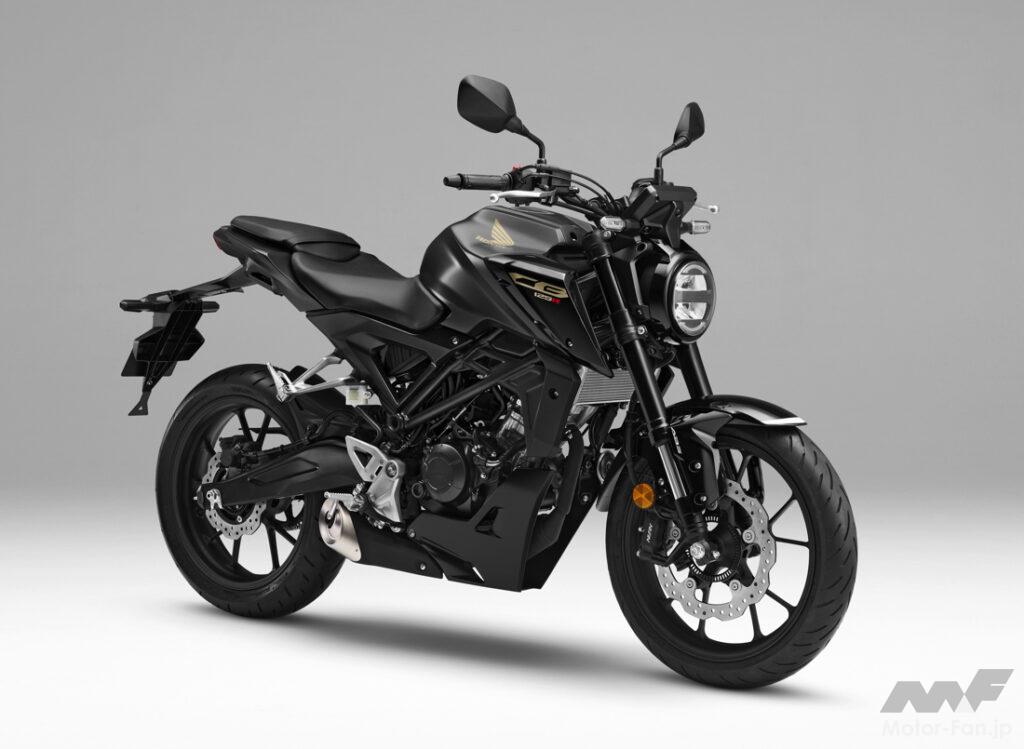
CB125R
[Yamaha]
“XSR900GP”
888cc inline 3-cylinder / separate handlebars / with front cowl
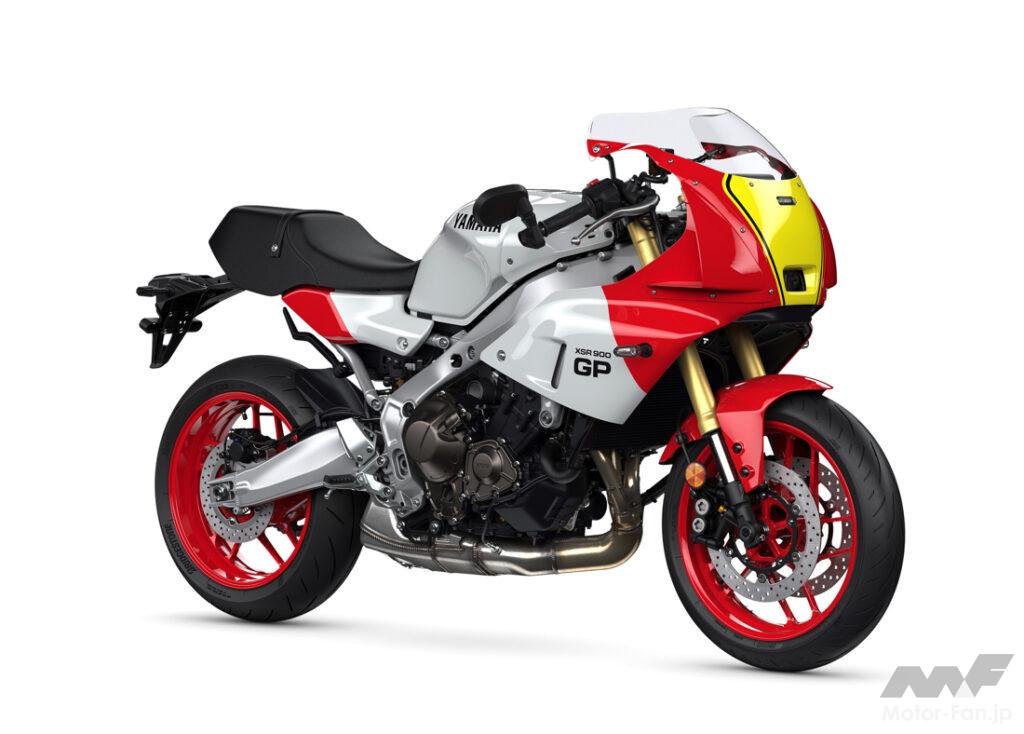
XSR900GP
“XSR900”
888cc inline 3-cylinder / handlebars / no front cowl
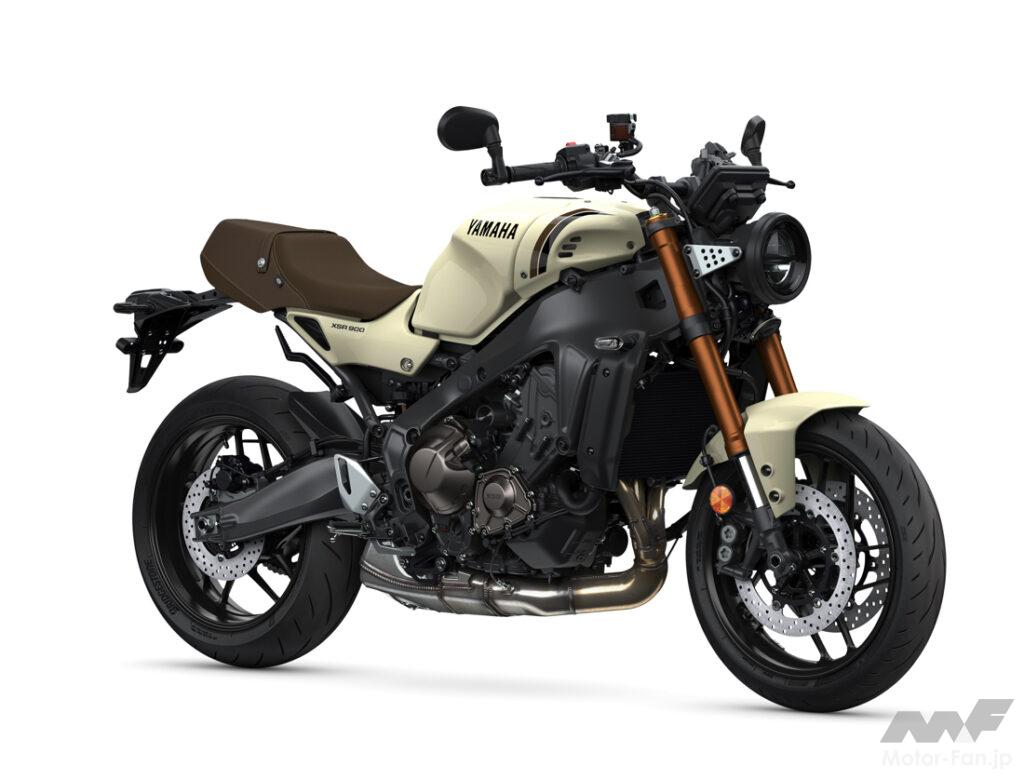
XSR900
“XSR700”
688cc inline 2-cylinder / handlebars / no front cowl
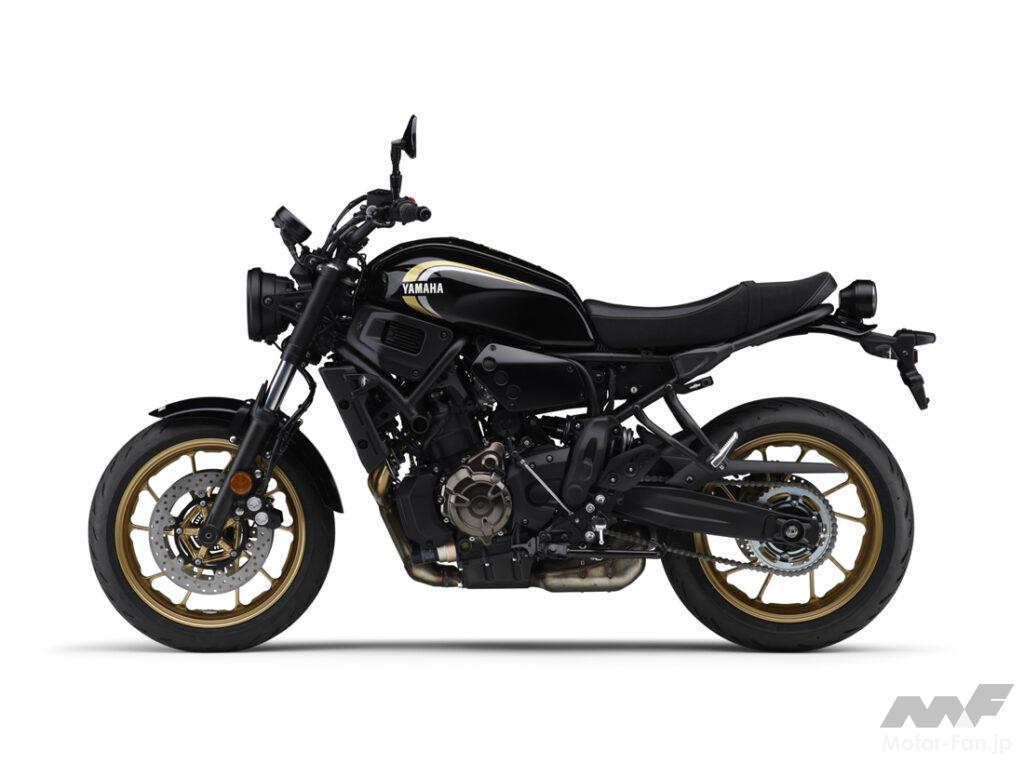
XSR700
“XSR125”
124cc, single cylinder, handlebars, no front cowl
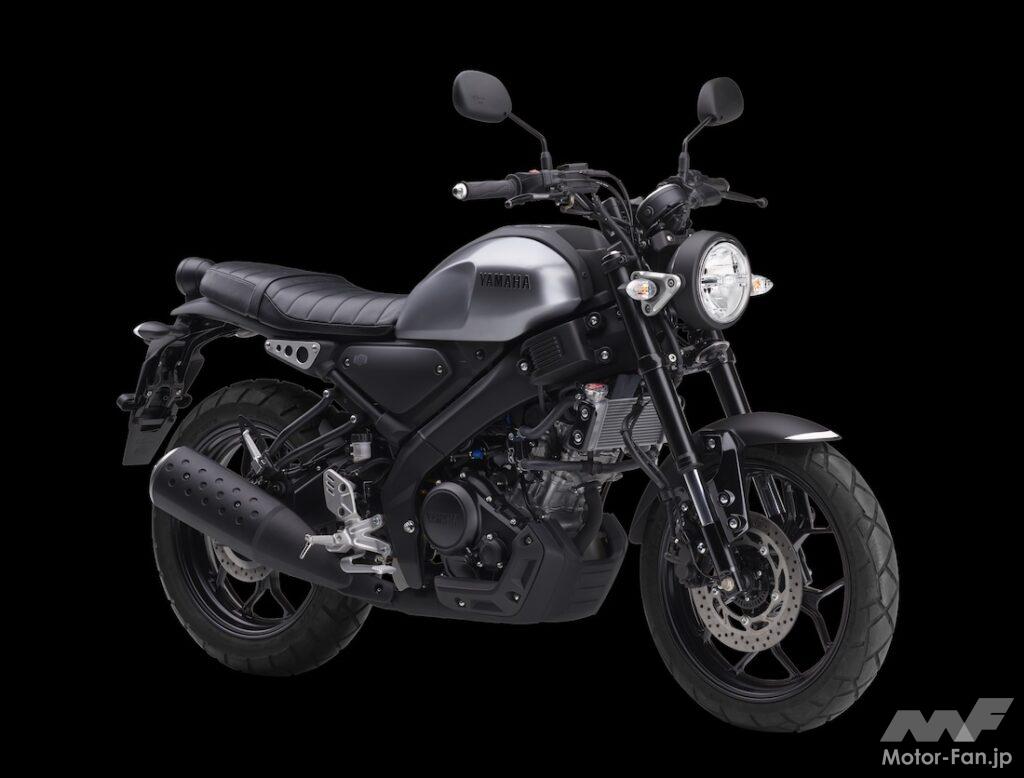
XSR125
Kawasaki
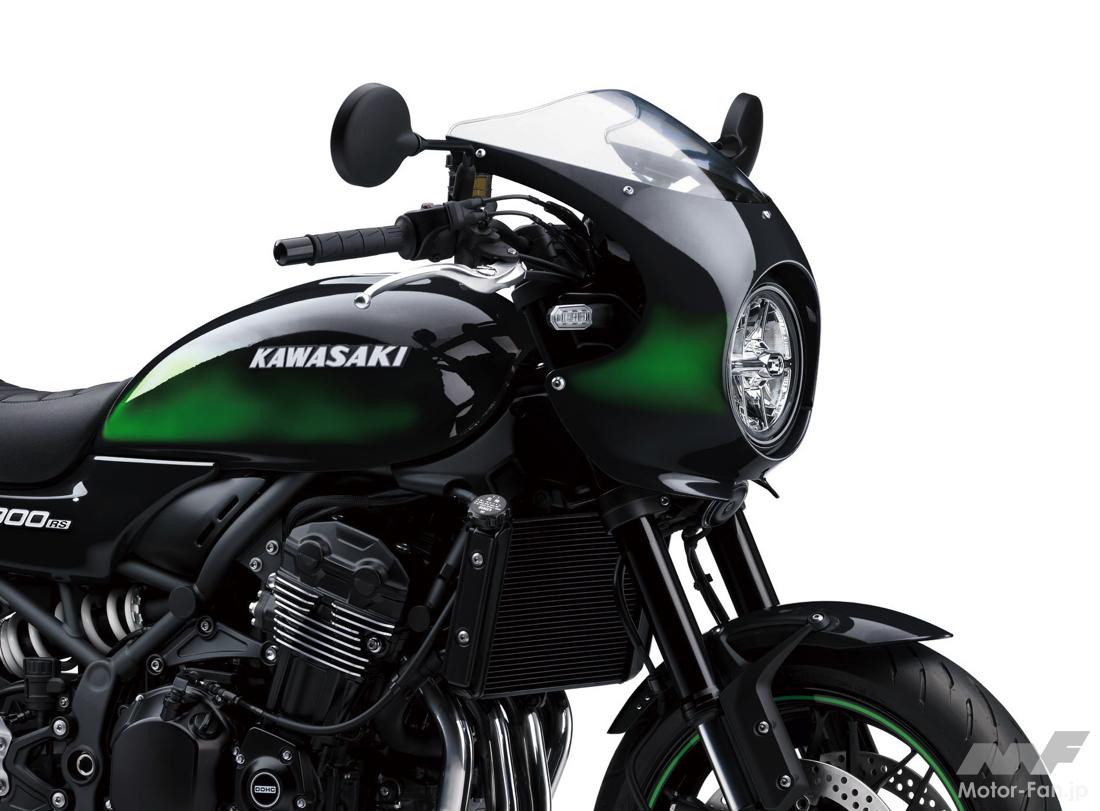
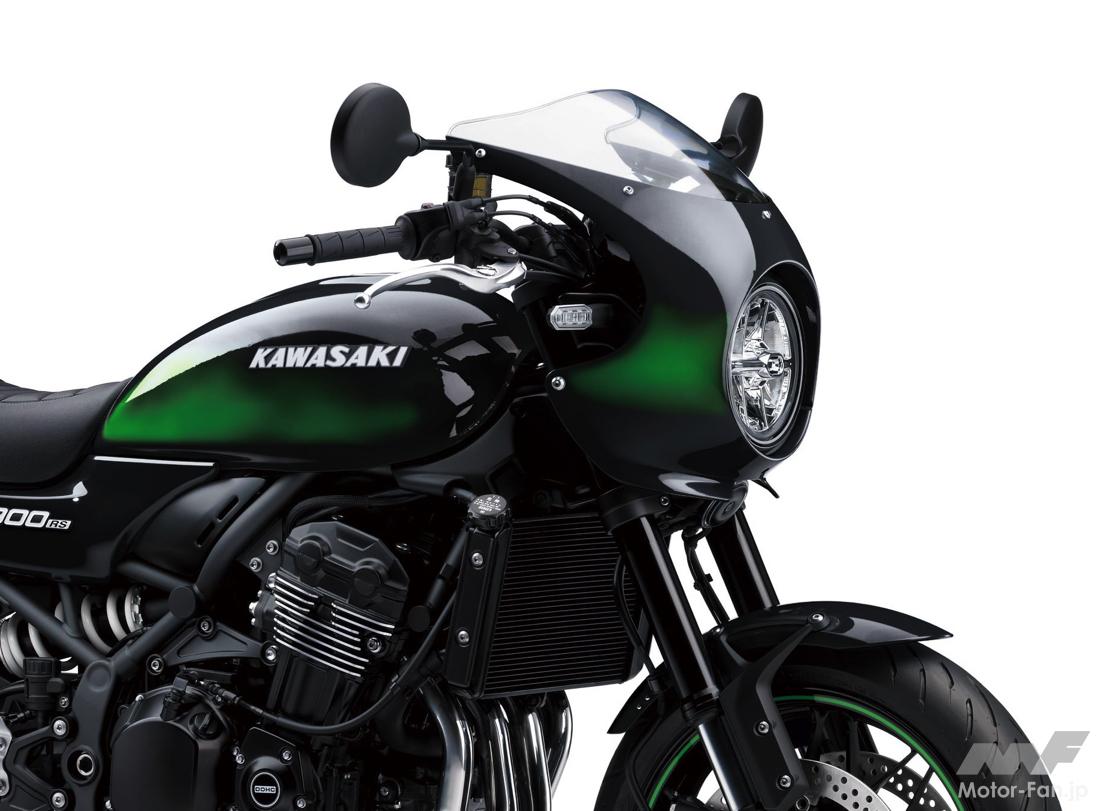
Z900RS Cafe:
948cc parallel twin-cylinder engine with handlebars and front cowl
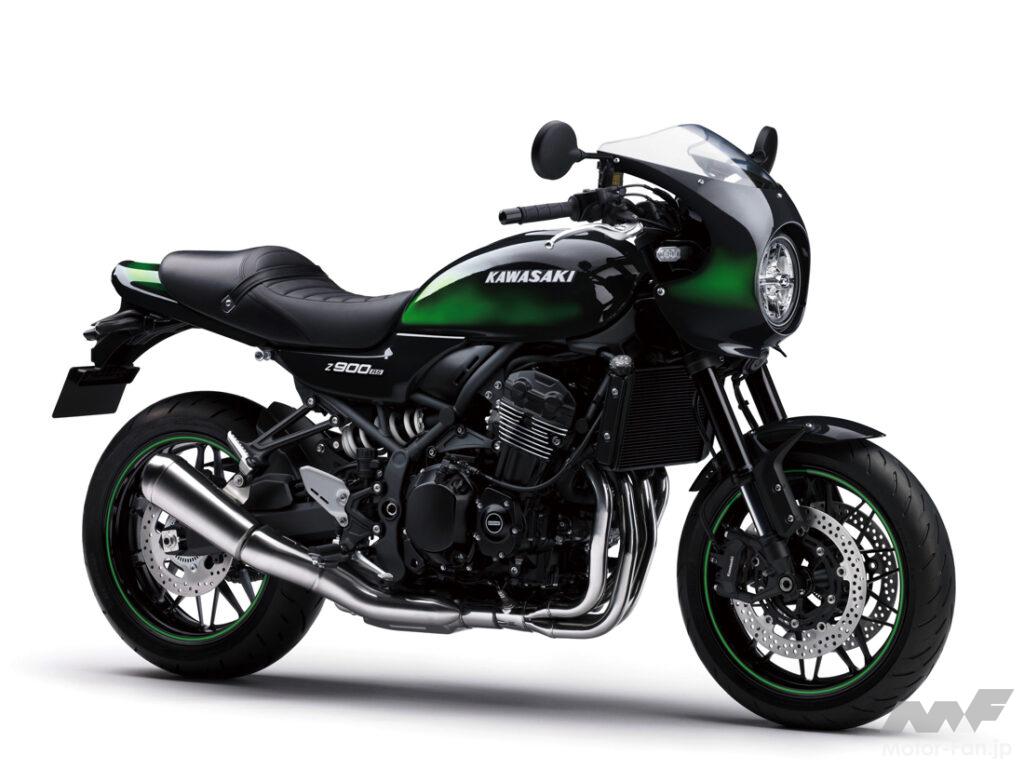
Z900RS Cafe
Suzuki
SV650X
645cc 90° V-twin (2-cylinder) / Separate handlebars / Front cowl included
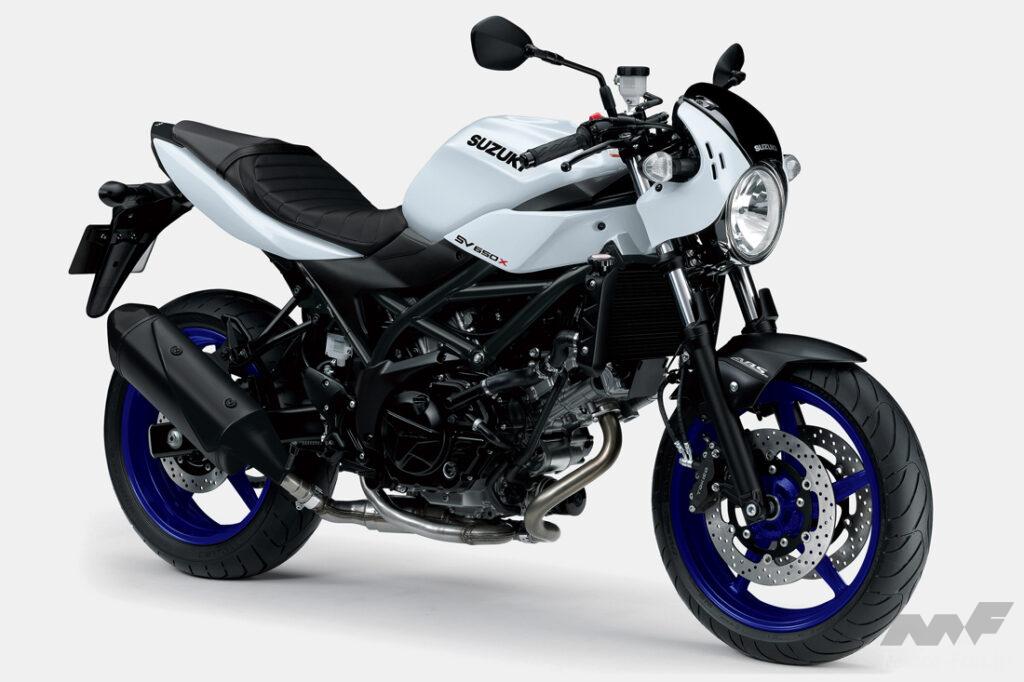
SV650X
The common thread is a retro and sporty style.
Below each model name, we have included the engine type, displacement, and other features related to the equipment as a cafe racer. As you can see, some models have a front cowl and some do not, and some have handlebars and some have separate handlebars.
As mentioned above, what these cars have in common is that they exude a retro atmosphere while also having a sporty form and driving performance.
For example, the Kawasaki Z900RS Cafe is equipped with a front cowl, a classic cafe racer design known as a rocket cowl, while the front cowl on the Suzuki SV650X also exudes a retro feel.
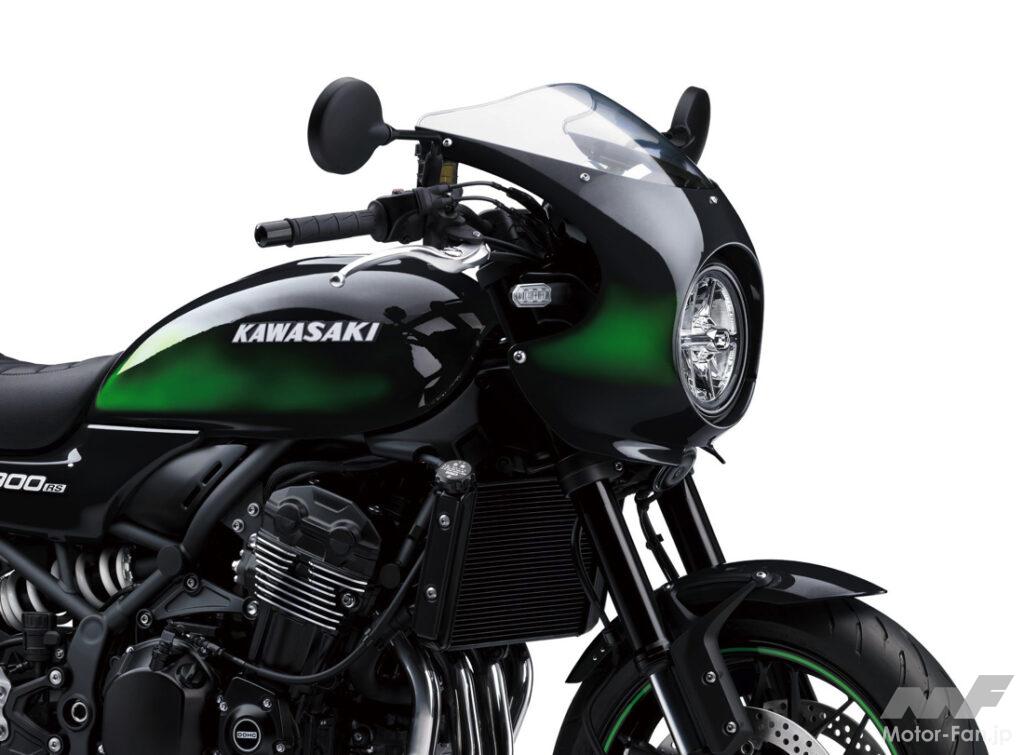
The classic front cowl of the Z900RS Cafe
By the way, the Yamaha XSR900GP, although it has a front cowl, has a slightly different image from other models. However, for reasons that will be explained later, we are counting it as a cafe racer here.
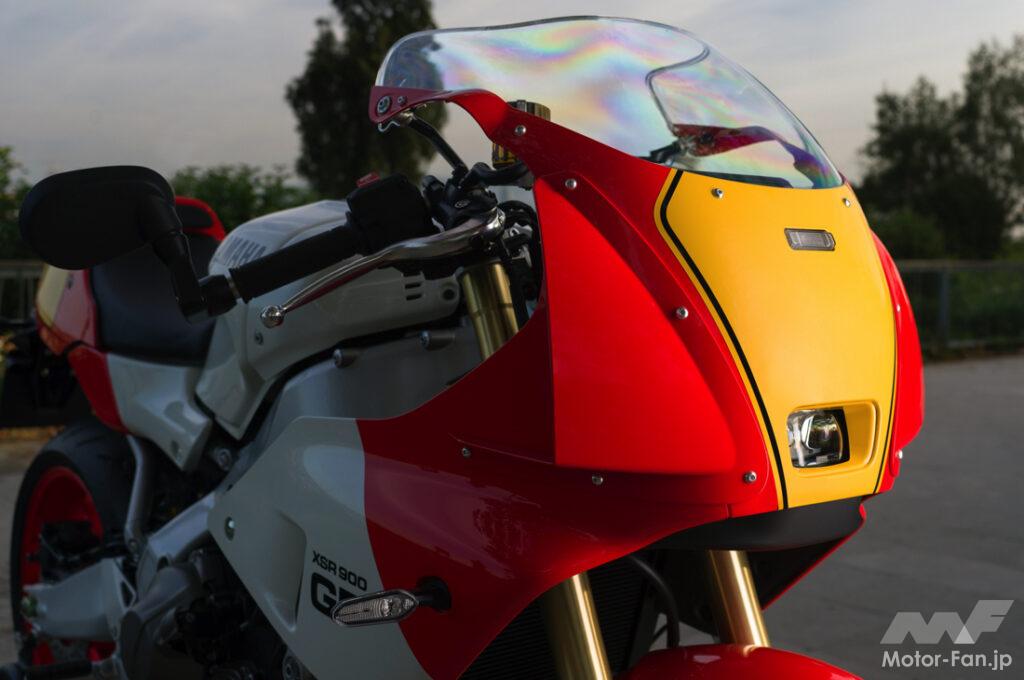
XSR900GP front cowl
Regarding the handlebars, the XSR900GP and SV650X use separate handlebars. The others are equipped with bar handlebars. However, even the bar handlebar models are set relatively low. As with the separate handlebar models, they have in common the sporty riding position with a slightly steep forward lean.
The origins lie in the 1960s street racers
The reason why models called cafe racers feature these features has to do with their roots: the term originally referred to a style of custom bike that originated in the UK in the 1960s, and the bikes incorporate features from that style.
At that time in the UK, there were many young people known as “rockers” who would gather at cafes almost every night and use the cafes as a starting point for road races.
These young people are known for wearing leather jackets and pants and riding custom bikes, many of which have been modified to resemble the racing machines of the time.
Many of the base vehicles were models from British manufacturers that were very active in the racing scene at the time, such as Triumph, BSA, and Norton. Young people at the time who enjoyed the speed and thrill of motorcycles in road races admired the dynamic racing machines that competed in world motorcycle championship series such as the Isle of Man TT race, and began to customize their beloved motorcycles based on them.
Incidentally, the name cafe racer is said to have originally referred to young people who would gather at cafes every night and race on public roads, but at some point it came to refer to their beloved cars as well.
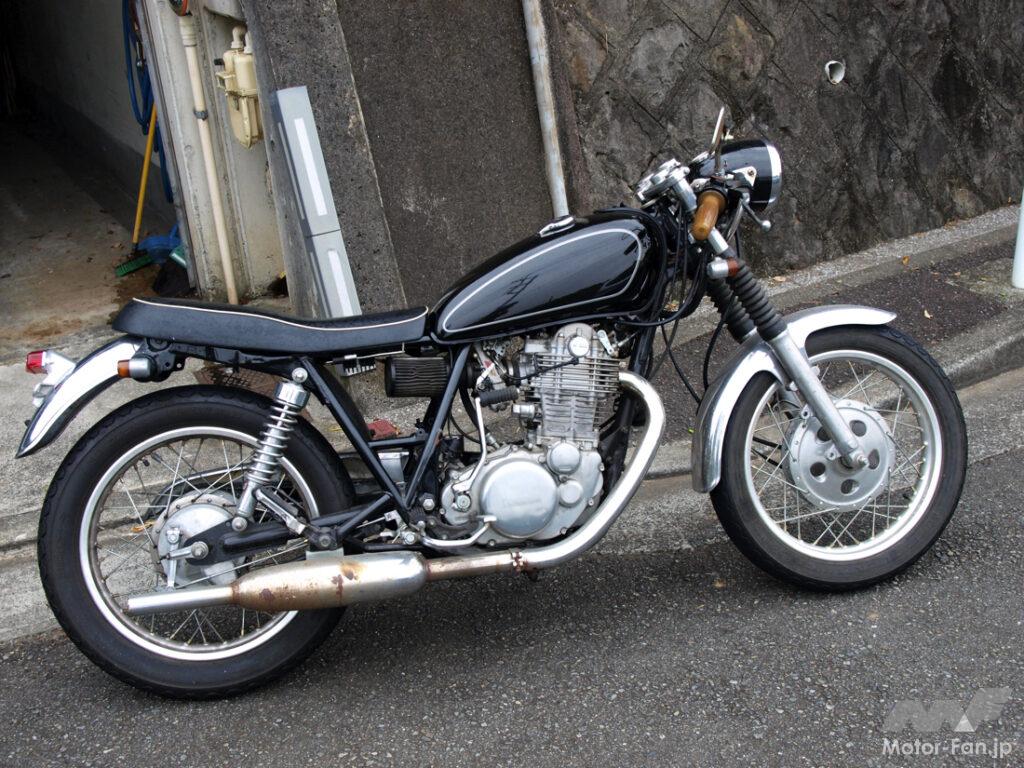
Cafe racers are a custom style that was popular in the UK in the 1960s. In Japan, custom bikes based on Yamaha SR400 and other models have long been popular as street customs.
Why are there cowl versions and non-cowl versions?
The cafe racer style has its roots in these things. The main modifications at the time were to make the handlebars low and narrow, such as separate or flat bar types, and to install rearsets that move the footpegs further back.
The seat is also a single type that allows the rider to sit at the rear of the vehicle, resulting in a riding position with the upper body leaning forward.
The reason why many of these cafe racers are cowl-less is because most bikes at the time were cowl-less. Many of them had a style similar to what we would now call a sporty naked bike.
However, some custom bikes were fitted with original front fairings, which were also popular. The streamlined designs of these front fairings, which mimicked the racing machines of the time, were the norm. The rounded, protruding tip in particular resembled a rocket, leading to the nickname “rocket fairing” mentioned above, which became synonymous with cafe racer front fairings.
The reason why modern cafe racers come with or without a front cowl is because, in fact, both versions were called cafe racers back then.
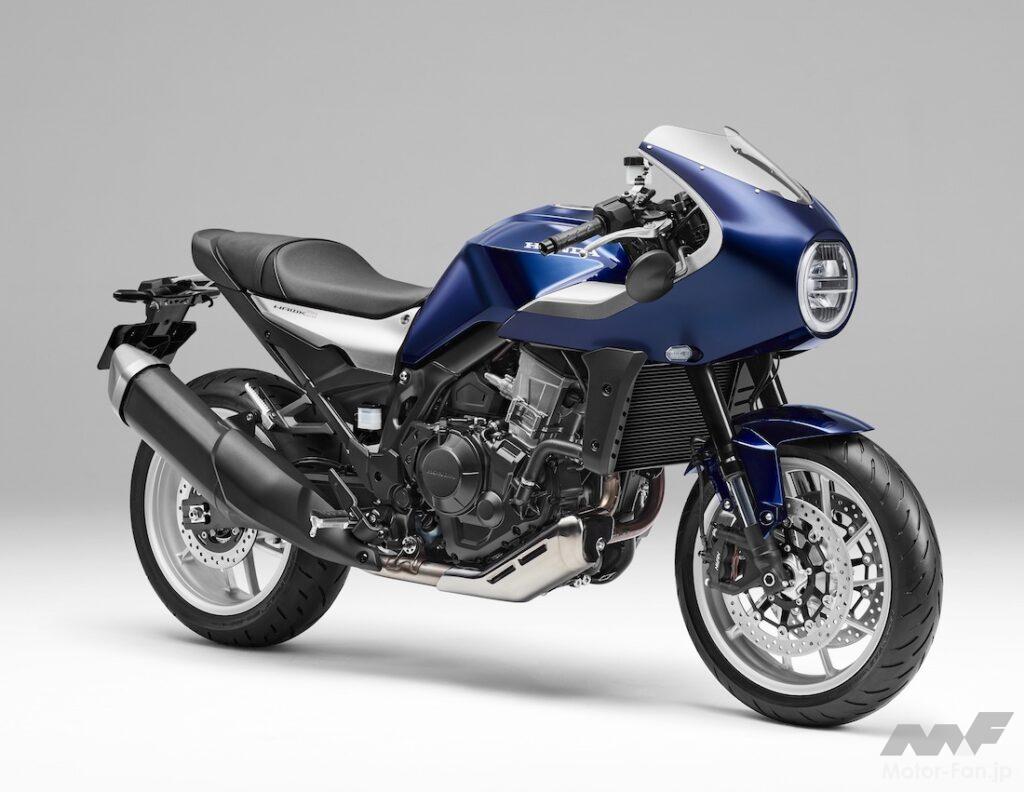
Although it is no longer in the lineup, the Honda Hawk 11 also adopted the cafe racer style equipped with a rocket cowl.
How is it different from a naked bike?
This custom style then spread to North America and Japan, where many custom builders produced original machines. This spread worldwide, and the style known as the cafe racer was established.
Motorcycle manufacturers, both domestic and international, caught on to this trend and released production models incorporating the cafe racer style. One example of this is the Honda GB250 Clubman, which was released in 1983.
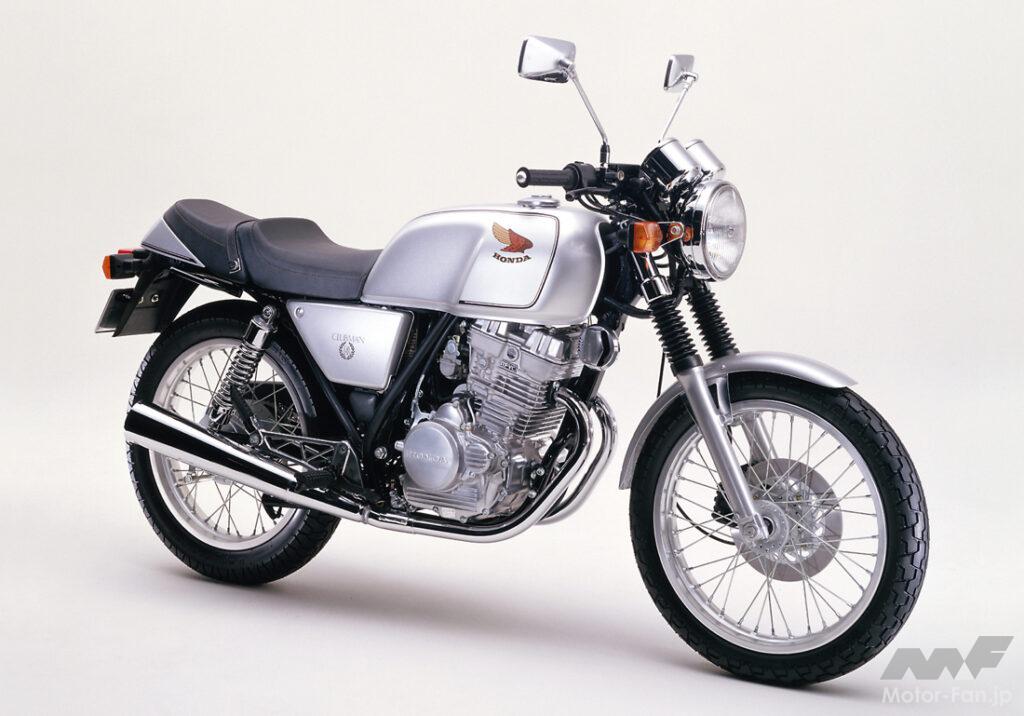
Honda GB250 Clubman (1983)
Furthermore, in the 2000s, a style called “neo-classic,” which combined classical style with modern tastes, became popular, and various types of commercial vehicles inspired by classic cars of the past appeared on the market.
Amid this trend, cafe racers also gained popularity as a style with a particularly sporty atmosphere within the neo-classical genre, and today there is a wide range of commercially available models available.
As mentioned above, cafe racers are a style that originated from custom bikes. Naked bikes also share a retro feel, but they are different in terms of their origins and development.
Take, for example, Kawasaki’s “Z900RS.” Since its release in 2017, it has been a huge hit model that has received particularly strong support among large motorcycles, but its roots lie in the 900cc model “900 Super 4,” commonly known as the “Z1,” which appeared in 1972. By adopting a teardrop-type fuel tank and tail cowl, the Z900RS can be said to have brought the style of the Z1 back to the modern era.
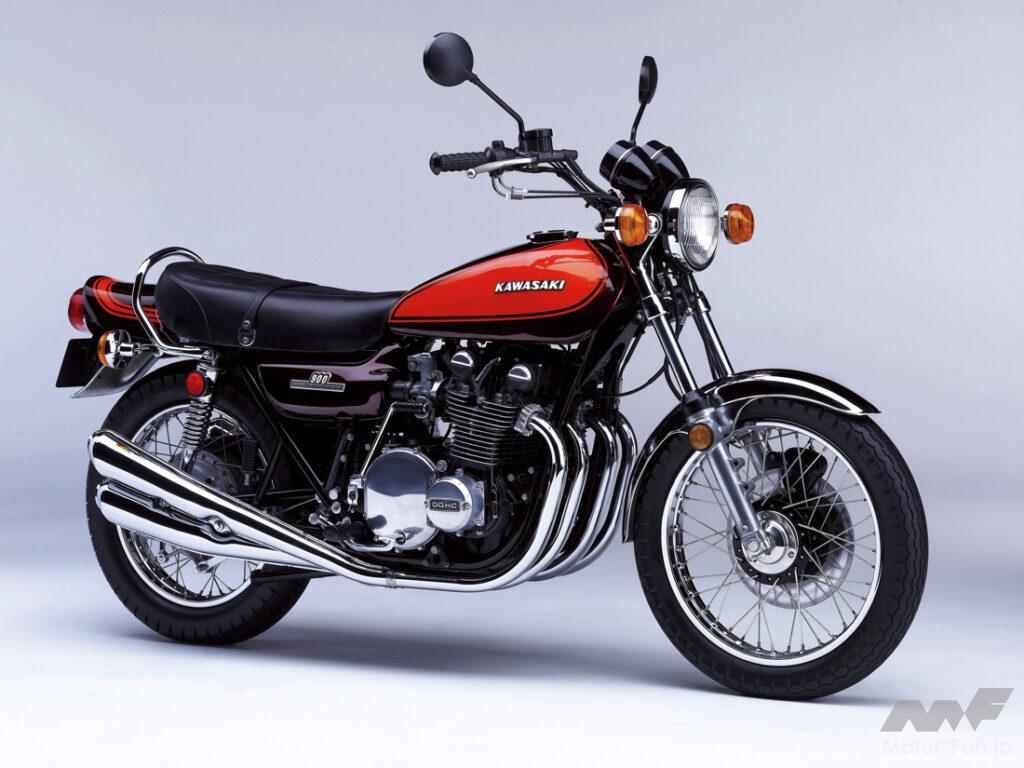
Kawasaki 900 Super 4 (commonly known as Z1)
ADVERTISEMENT

Kawasaki Z900RS
On the other hand, the Z900RS Cafe is based on the Z900RS and has a cafe racer style. Like the Z900RS, it is equipped with handlebars, but while the base Z900RS has a higher type that puts the rider in an upright position, the Z900RS Cafe has a lower type that puts the rider in a more forward-leaning position. It also has equipment that incorporates the aforementioned cafe racer features, such as a front cowl and a dedicated single-seat seat.
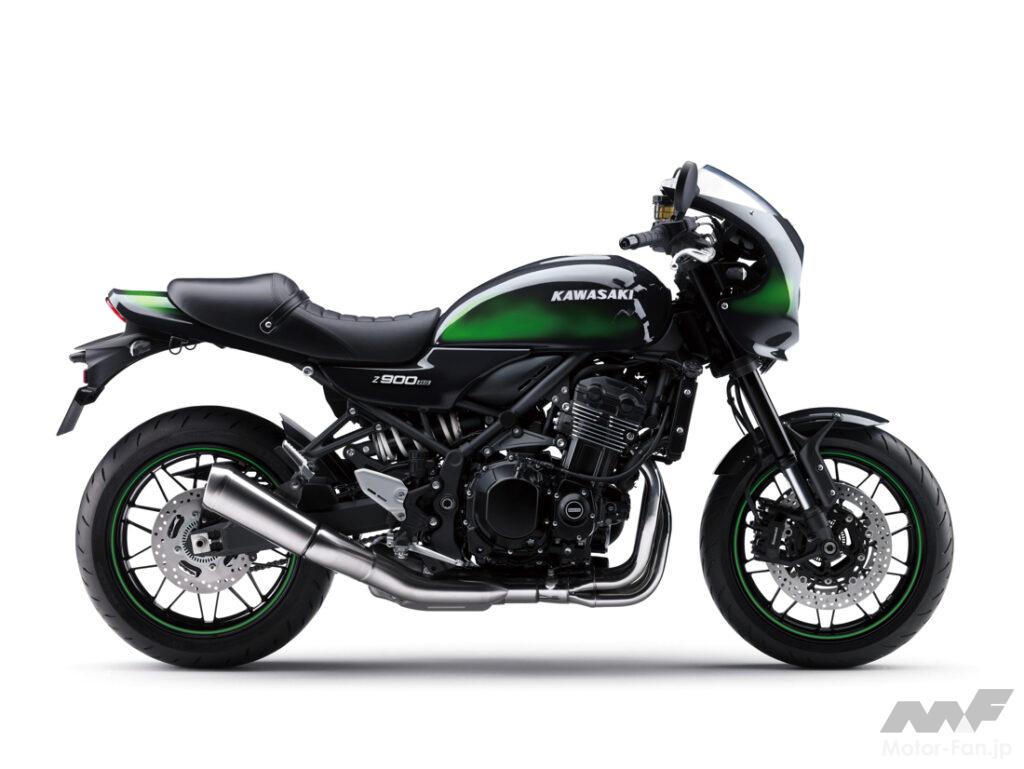
Z900RS Cafe
In other words, the Z900RS Cafe is a customized Z900RS done by the manufacturer.Yamaha’s XSR900GP is also a customized version made by the manufacturer, based on the XSR900 with handlebars and no cowl, and equipped with a cowling and separate handlebars.
Of course, the XSR900GP doesn’t have the rocket fairing of a cafe racer, but if you consider its origins, it can be said to belong to the same genre. The only difference is that the racing machine it pays homage to has shifted from the traditional 1960s and 1970s to the 1980s, but it still follows the cafe racer formula.
It’s almost like a racer replica or a special edition!
As mentioned above, cafe racers are modeled after racing machines, and are similar to the racer replicas that were all the rage from the mid-1980s to the early 1990s, as well as modern super sports cars.
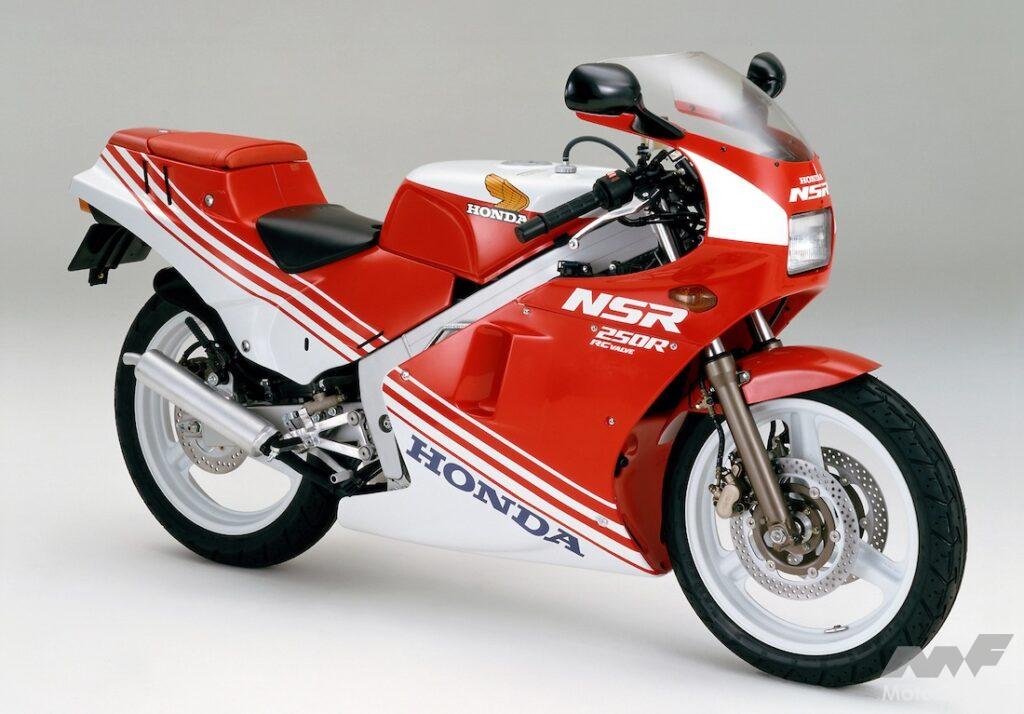
Racer replicas are similar to cafe racers in that they are modeled after racing machines (pictured is a 1986 Honda NSR250R).
Of course, old cafe racers weren’t made by manufacturers, but were simply customized by users. However, they were similar in that they paid homage to the style of machines that had been active in world races such as the WGP (Motorcycle World Championship). What’s more, they were also similar in that motorcycle manufacturers actively adopted that style and sold it as a commercial vehicle.
From this perspective, it could be said that cafe racers are the forerunners or even the originators of racer replicas and super sports bikes.
Other cafe racer models being offered by overseas manufacturers in recent years include the BMW R12S and R12nineT, Triumph Speed Triple 1200RR, and Royal Enfield Continental GT650.
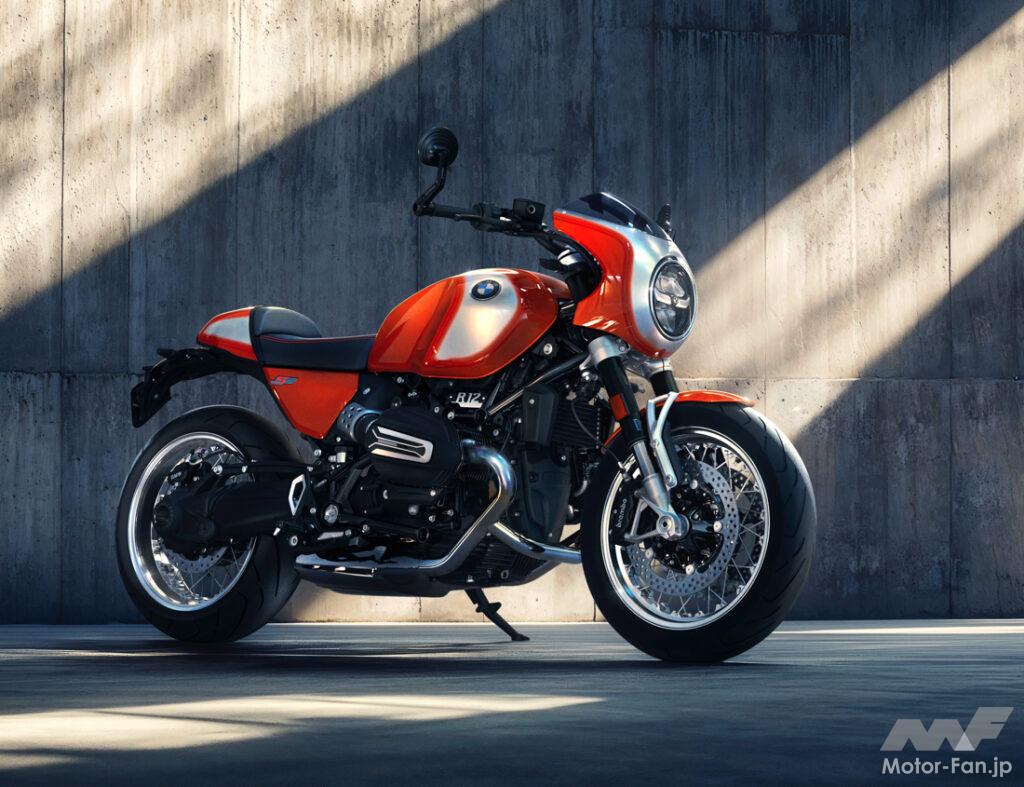
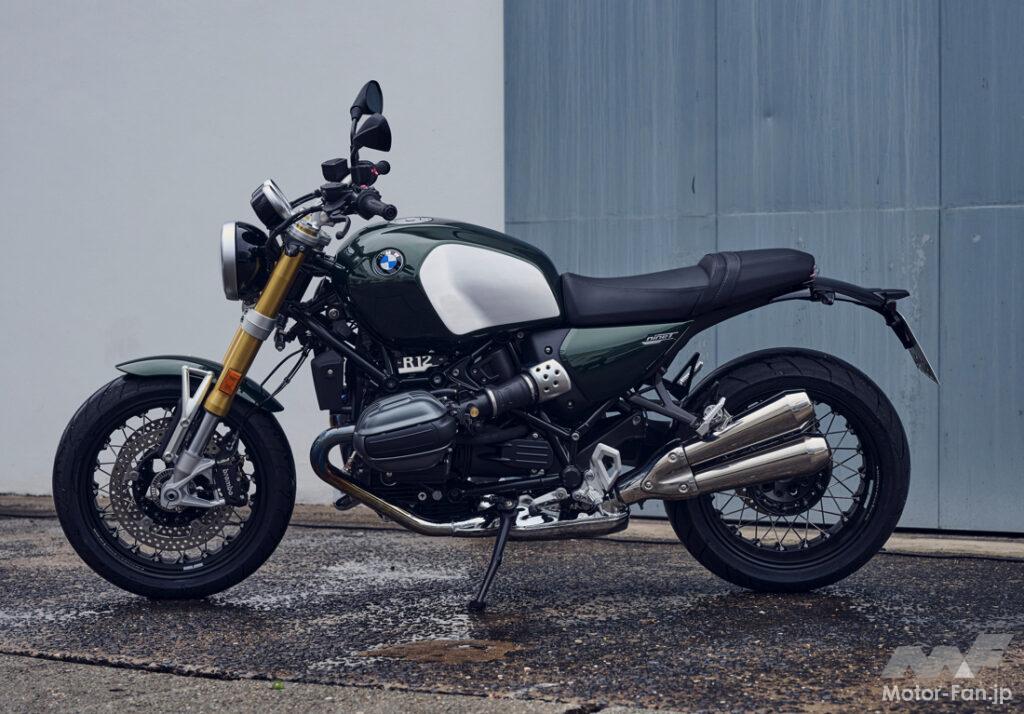
BMW R12nineT
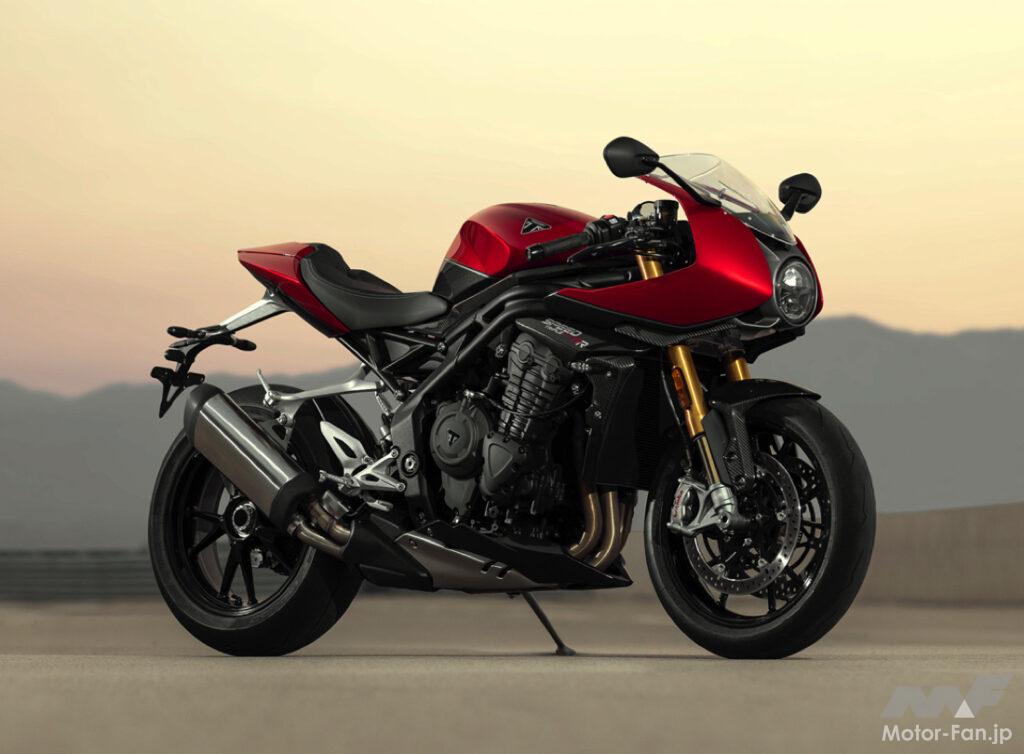
Triumph Speed Triple 1200RR
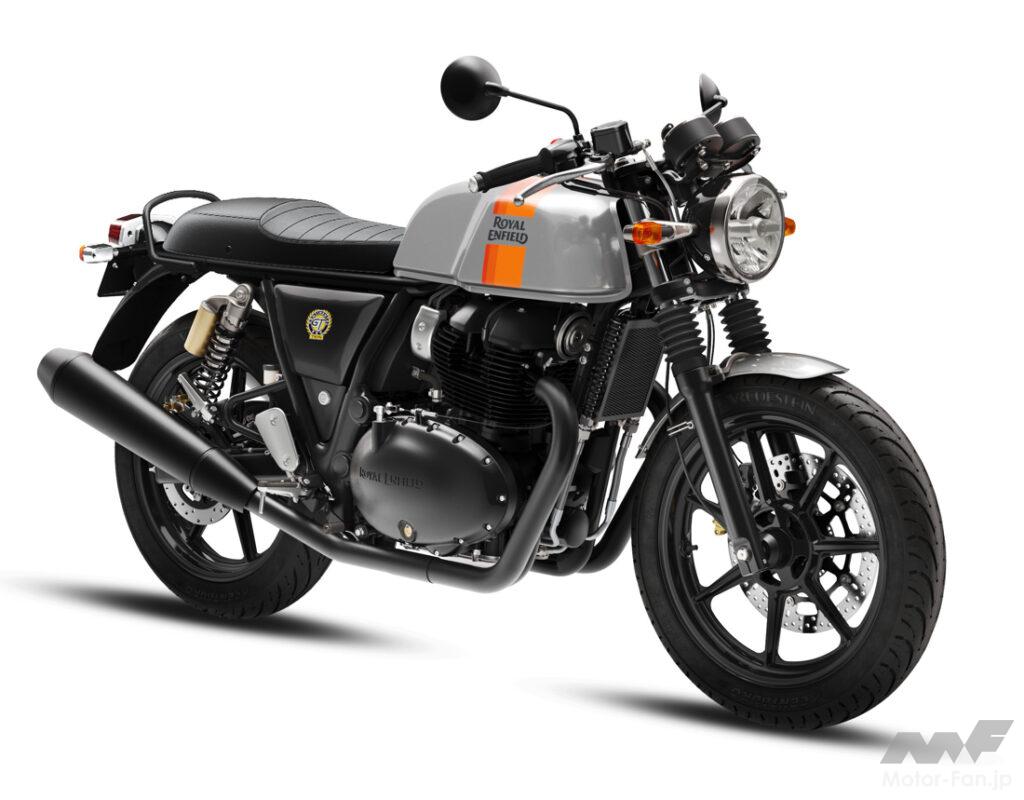
Royal Enfield Continental GT650
In any case, the cafe racer genre is packed with attractive models. As mentioned above, there is a wide variety of engine displacement models, from small 125cc mopeds to big 1200cc bikes, making it appealing to a wide range of riders. For users who want both a classic and stylish style that suits the city and a sporty ride that can be enjoyed on winding roads, this is definitely one of the best genres.










![[Izu City, Shizuoka Prefecture] A great touring spot to visit by motorcycle | Passing the Amagi Pass through central Izu.](https://motopeek.com/wp-content/uploads/2025/11/4734-1762339049801.jpg)