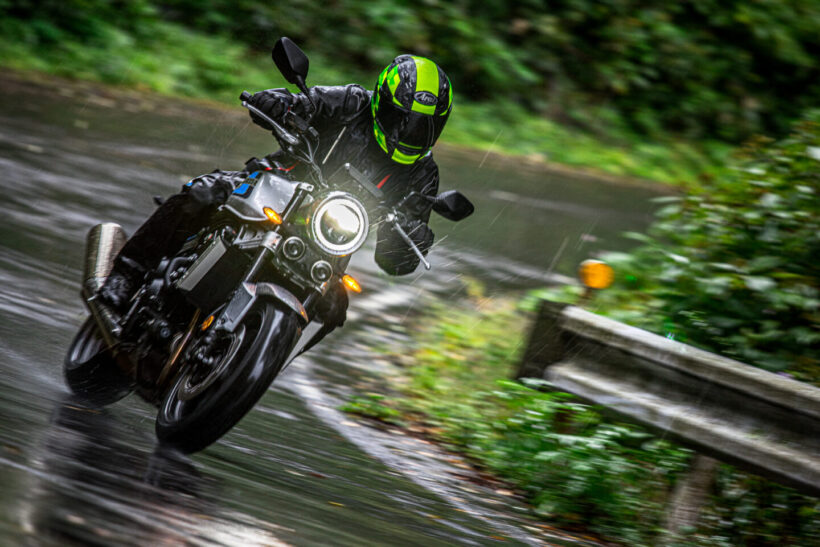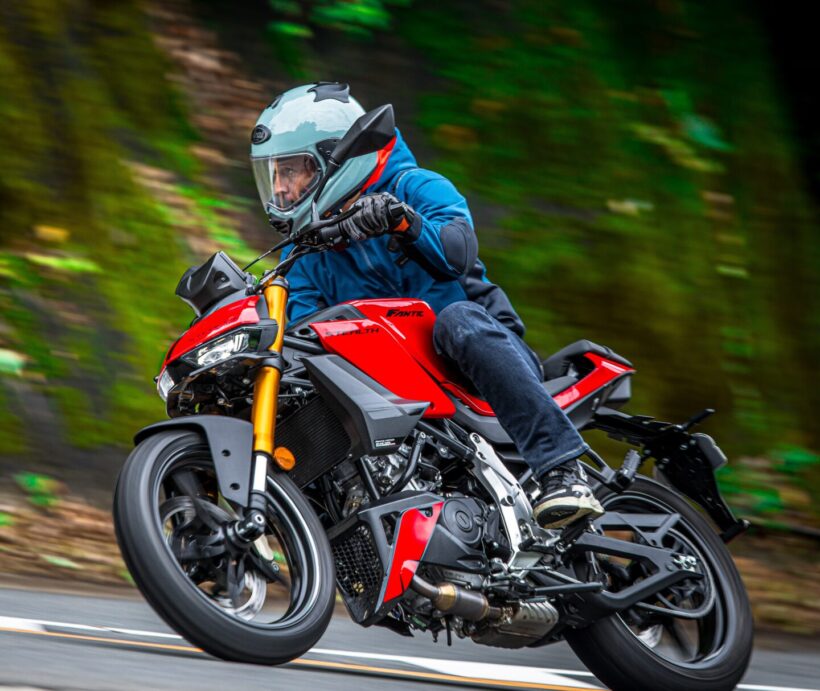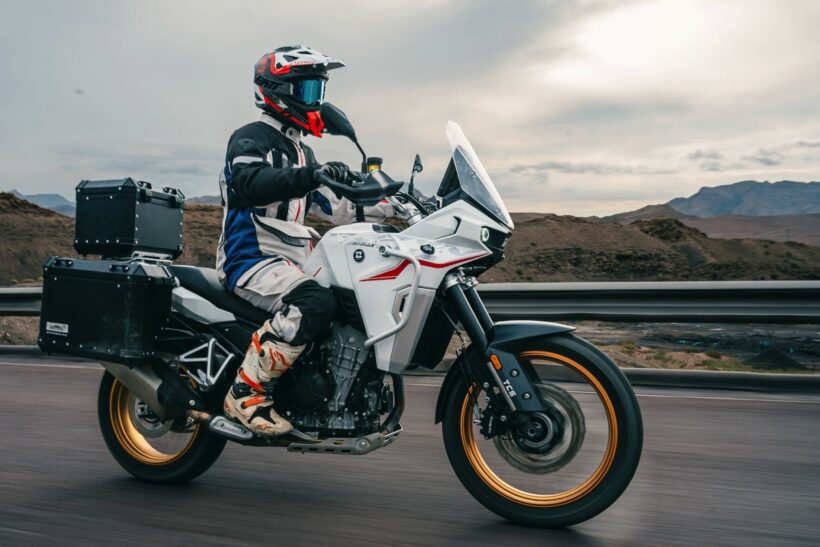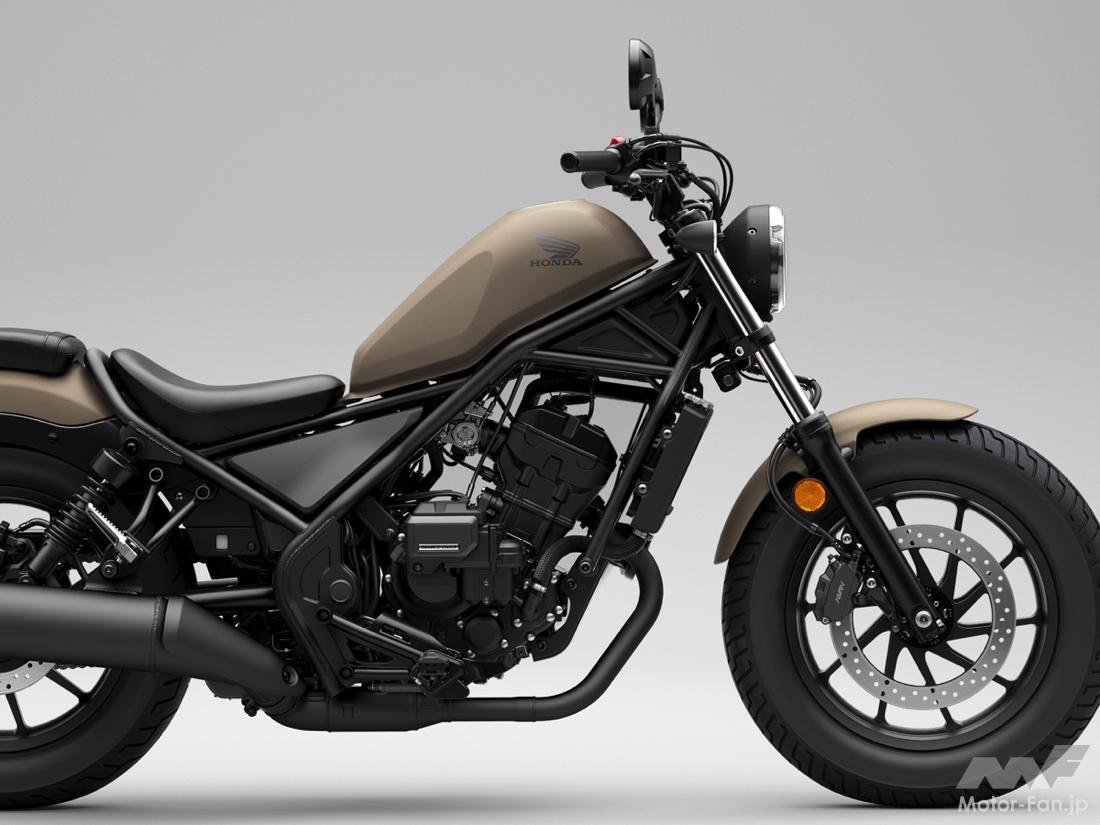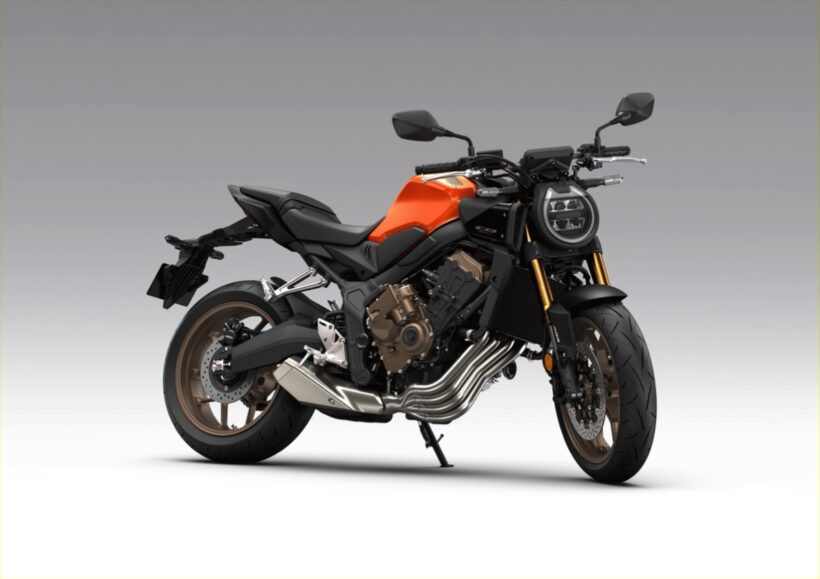

Honda NC750X Dual Clutch Transmission… ¥1,069,200 (released February 10, 2025)
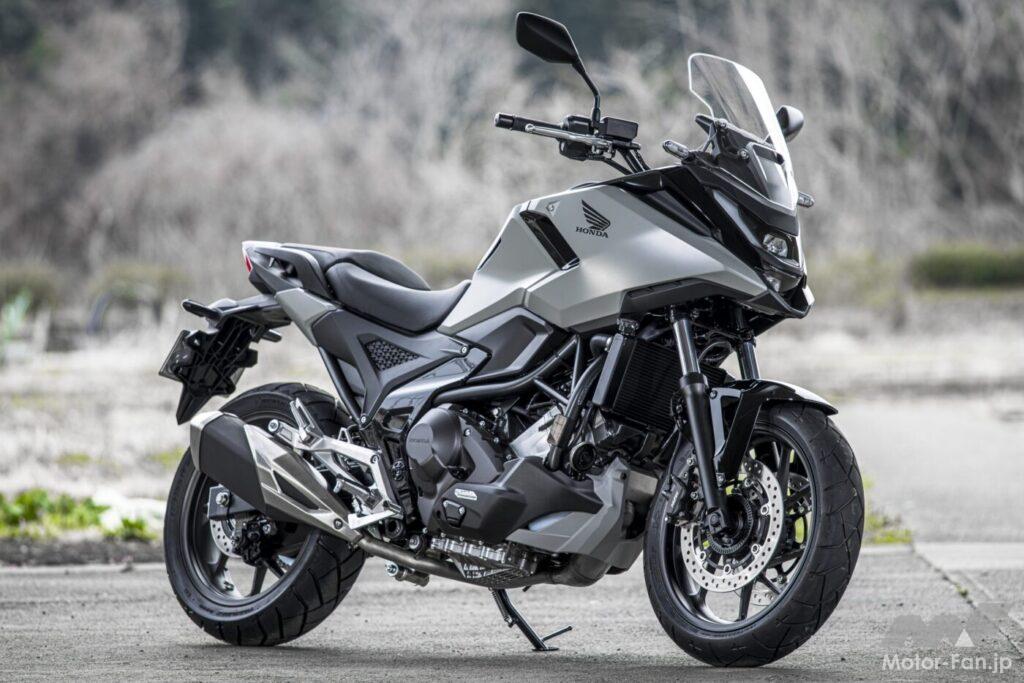
2025 model
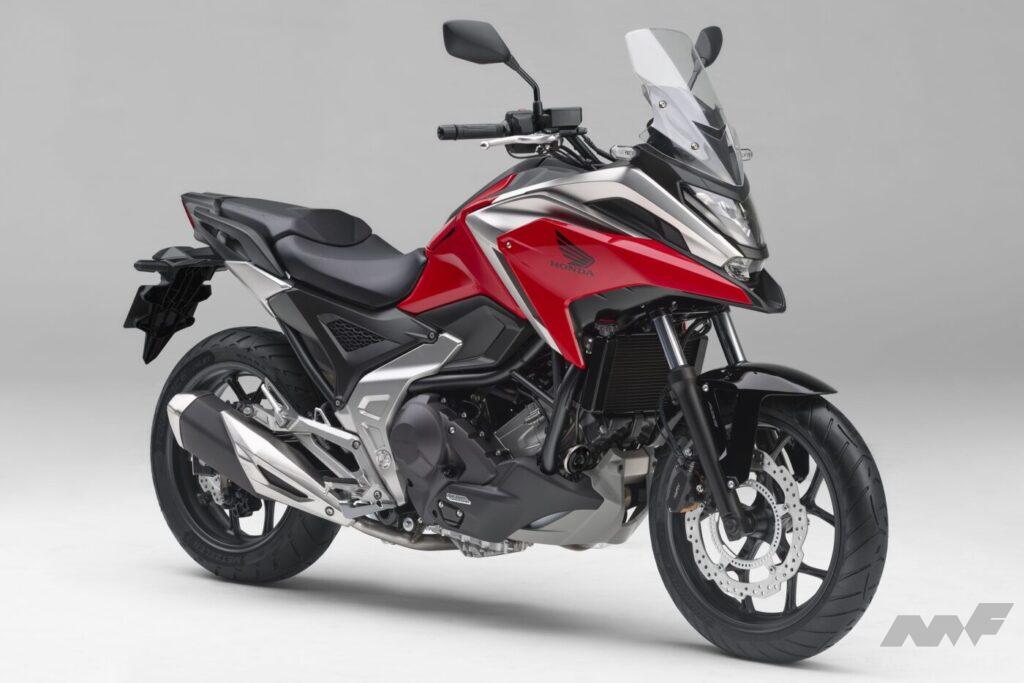
2021 model
The 2025 model mainly changes the design of the front cowl, and newly adopts the bio-engineered plastic “DURABIO” for the windscreen and some parts of the exterior. The front and rear wheels have also been redesigned, and the vehicle price has increased by 79,200 yen for both MT and DCT.
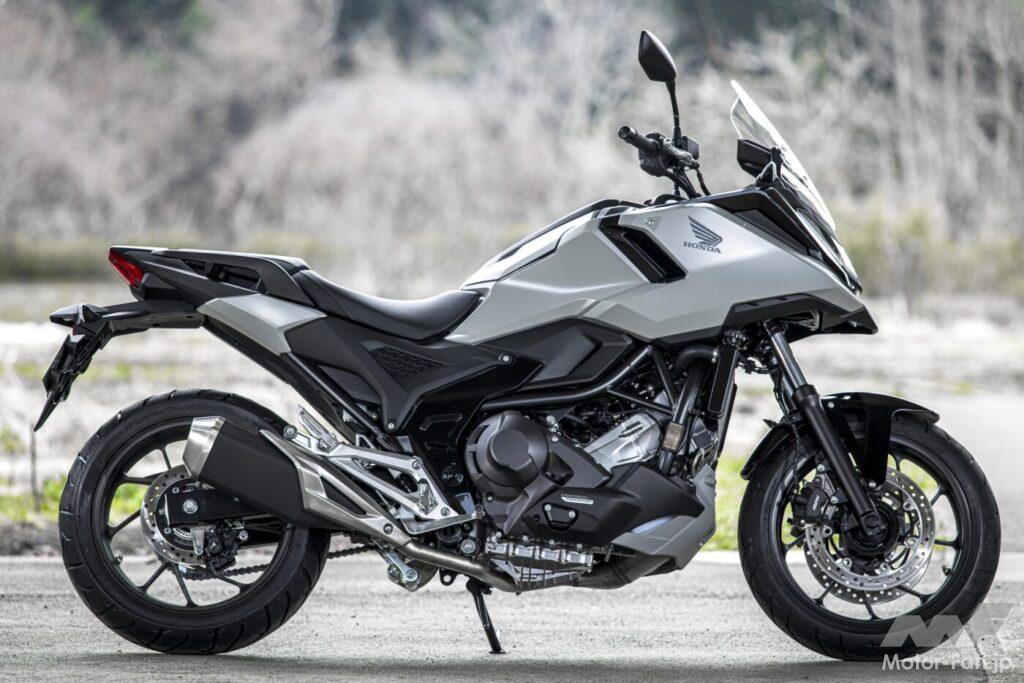
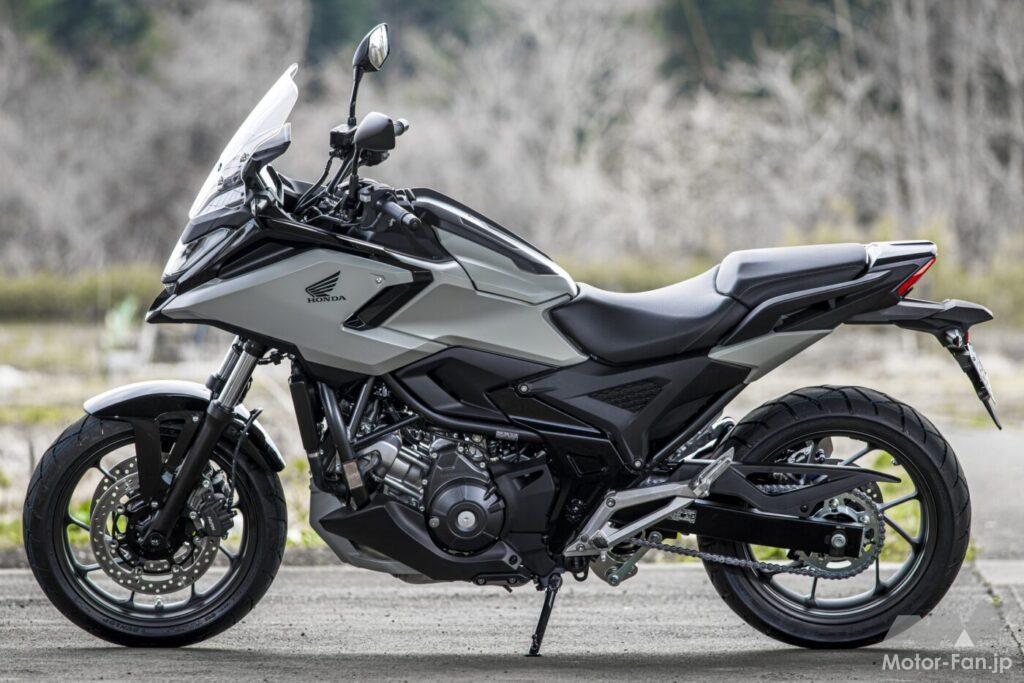
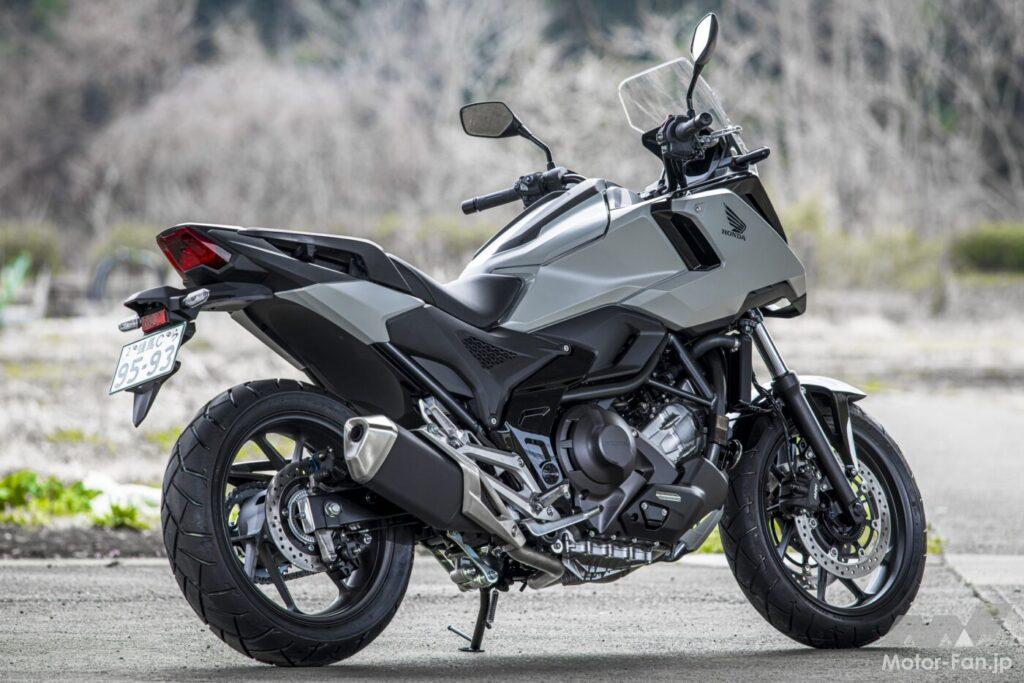
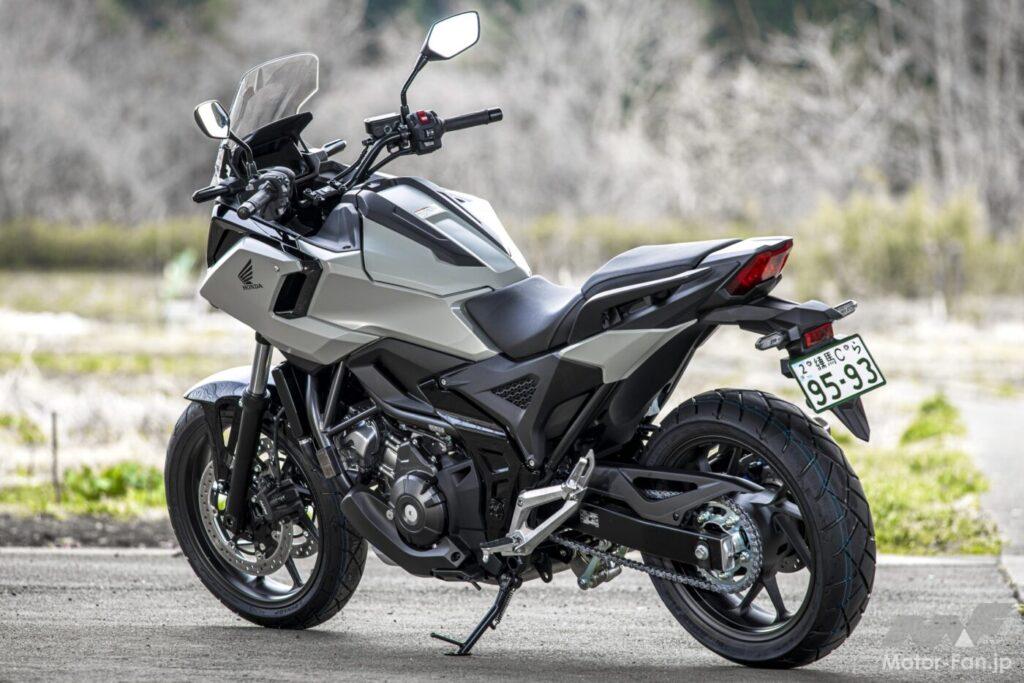
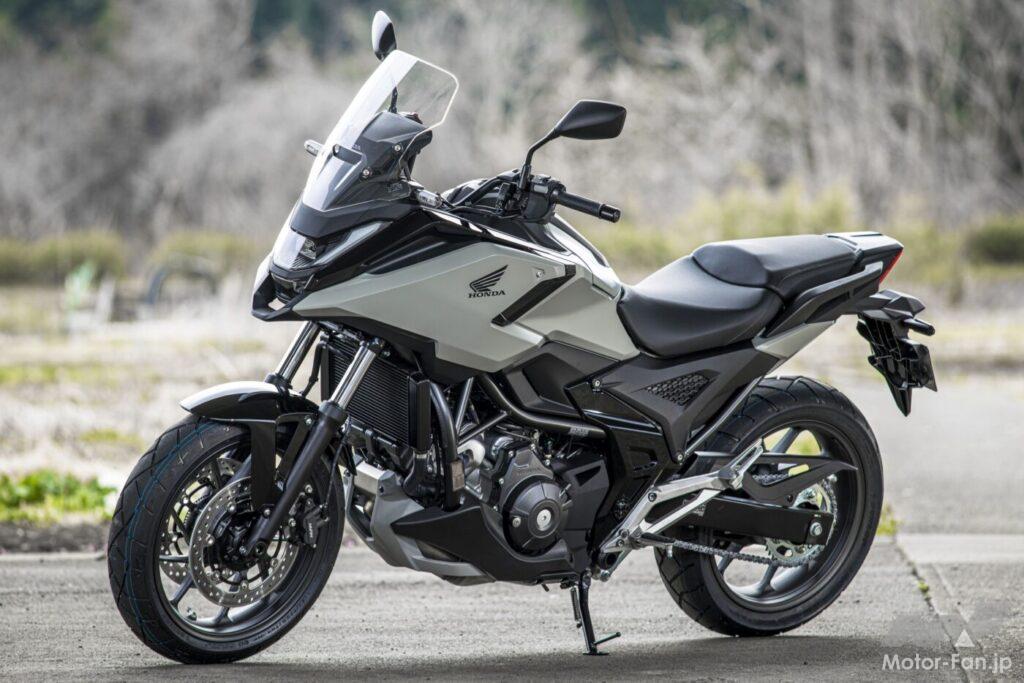
The front brake disc, which previously only had one on the right side, now has two. The vehicle weight has increased by 2 kg. The DCT body color is available in three colors: Matte Deep Mud Gray, Fighting Red, and Eco Black R, while the MT is only available in Matte Deep Mud Gray.
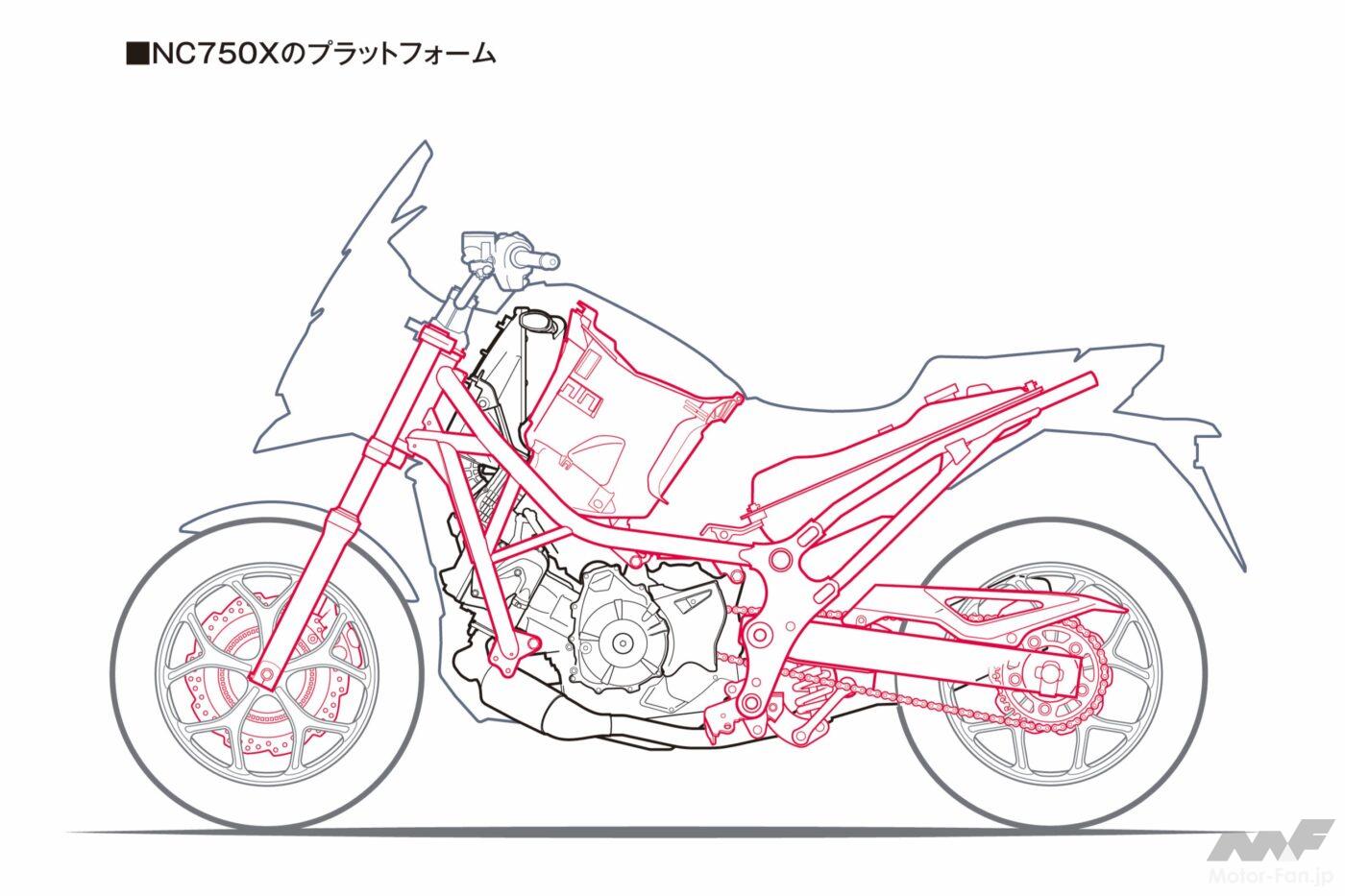
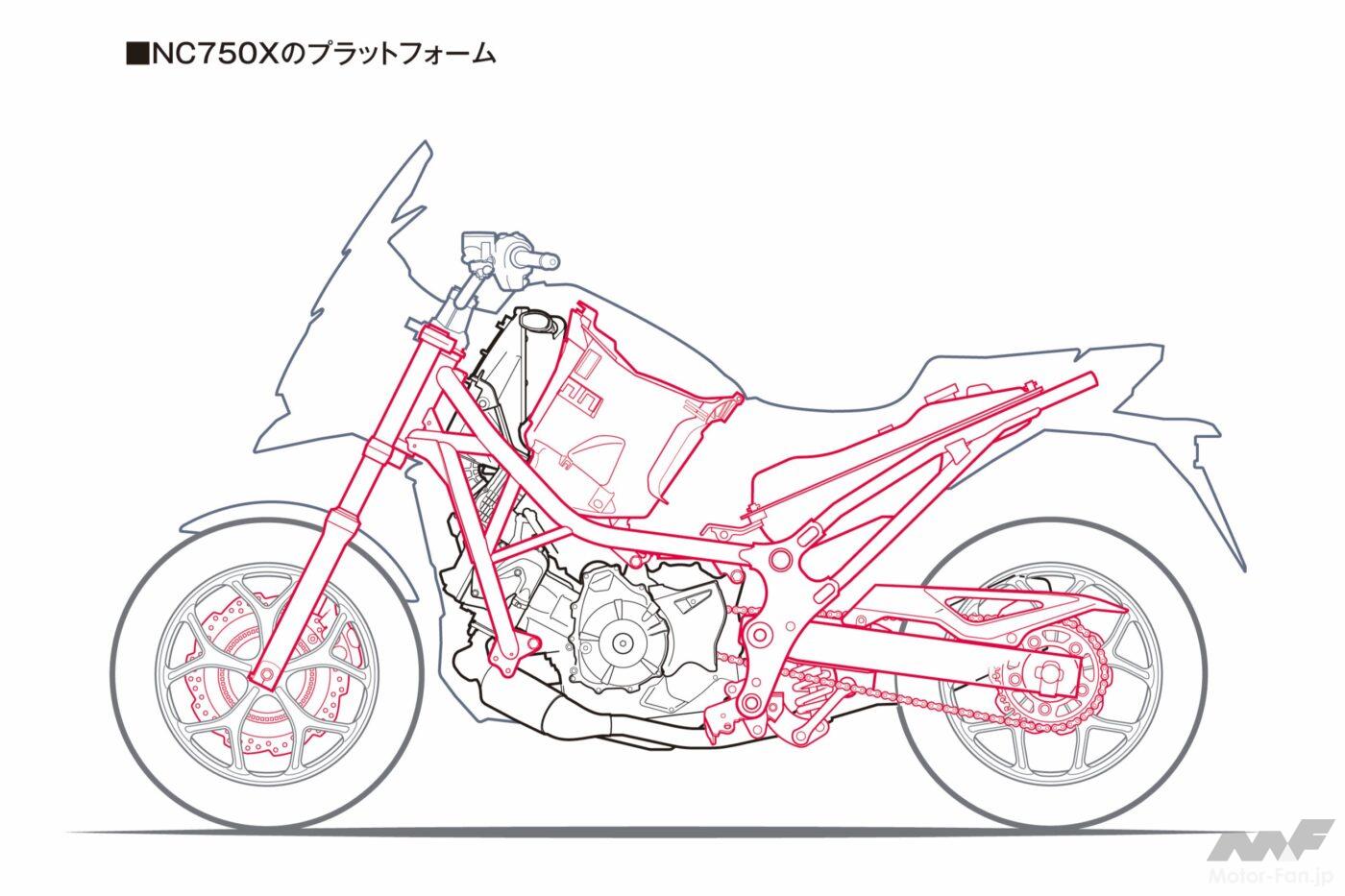
Looking back at the development of the NC series platform
The first of the “New Mid Concept” series, three models sharing a common platform (NC700X, NC700S, and Integra) were released in 2012. The 670cc water-cooled parallel twin engine, featuring a 270-degree phase crank and a single-axis primary balancer, was developed to deliver powerful torque characteristics and low fuel consumption in the normal RPM range. The price of the vehicle attracted attention, with the cheapest naked model, the NC700S, being released at 598,500 yen (without ABS), lower than the 250cc Forza Z scooter. Additionally, the NC700S and NC700X were equipped with a convenient 21-liter luggage box, making this series a bigger hit than Honda had anticipated.
In 2014, just two years after its release, the engine displacement was increased to 745cc and the primary balancer was changed to a two-axis system, resulting in a full model change. At the same time, the company further promoted the development of variations on a common platform. To date, a total of nine models have been released (different types are counted as one model), and as of 2021, the cumulative production of the series has exceeded 150,000 units.

The NC series has released nine models so far. The CTX700 and NM4 were short-lived, so many people may have forgotten about them.
I purchased the manual transmission NC750S in 2014, when the NC series became a 750. I didn’t choose the automatic DCT (Dual Clutch Transmission) because the gear shift program at the time didn’t suit me. There were two reasons for this. One was that when riding around town, the engine would always be in the extremely low RPM range, barely snatching. The other was that there were several times when the engine would automatically upshift when entering a corner, causing the engine to lose brake. Of course, I could have changed the automatic mode settings or selected manual mode depending on the situation, but the manual transmission would add 10 kg to the already heavy vehicle, so I had no hesitation in choosing the manual transmission.
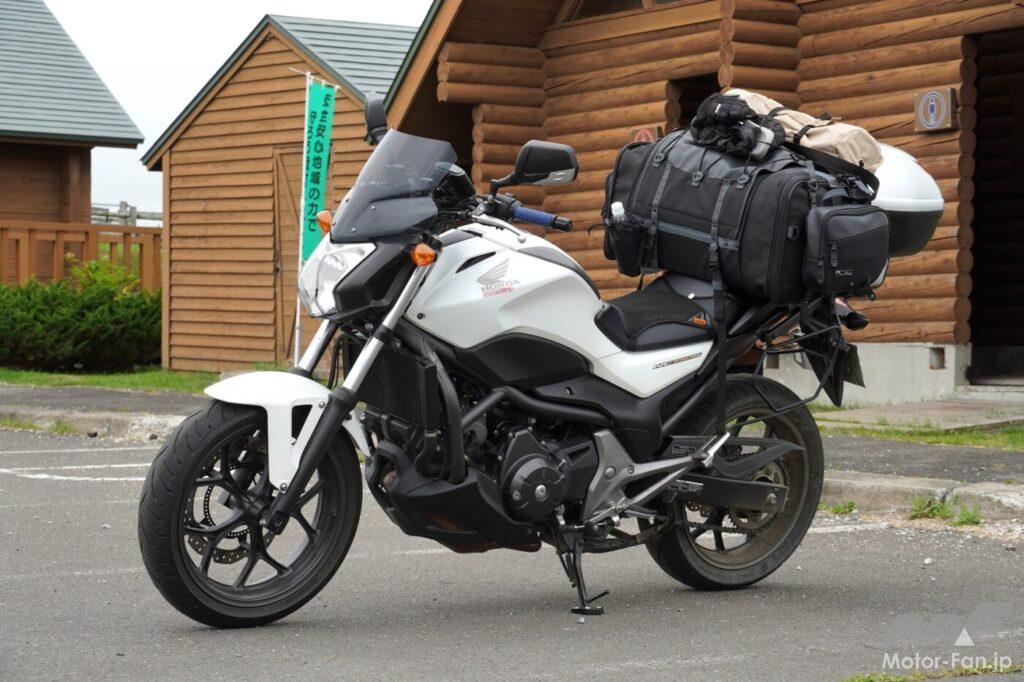
The author has toured Hokkaido twice on an NC750S.
As expected, this water-cooled parallel twin engine has excellent fuel economy, and my NC750S rarely went below 30km per liter. However, the fuel tank capacity is a little small at 14L, so if I were in Hokkaido, I would feel uneasy if I didn’t find a gas station before completing a 300km ride.
Additionally, the single biggest drawback is that the fuel filler cap is located under the pillion seat. When going on camping trips, you have to either put down the heavy seat bag or tilt it forward to open the pillion seat, which is extremely painful, especially in bad weather or on extremely hot days. This problem also applies to the latest NC750X, so if you’re considering buying one with camping trips in mind, we strongly recommend that you take this into consideration when making your decision.
The DCT shifting program responds to the rider’s emotions
This introduction has gotten quite long. Let’s get to the main topic. First, the engine. The water-cooled, four-stroke, parallel twin-cylinder engine with a long stroke of 77.0mm x 80.0mm produces a maximum output of 58ps from 745cc. The Yamaha MT-07, which is also equipped with a parallel twin engine with a 270-degree phase crank, produces 73ps from 688cc, so if you compare power alone, it seems quite modest. As for the DCT, the 2025 model test-ridden has updated hydraulic control, which is said to make throttle response and gear changes smoother.
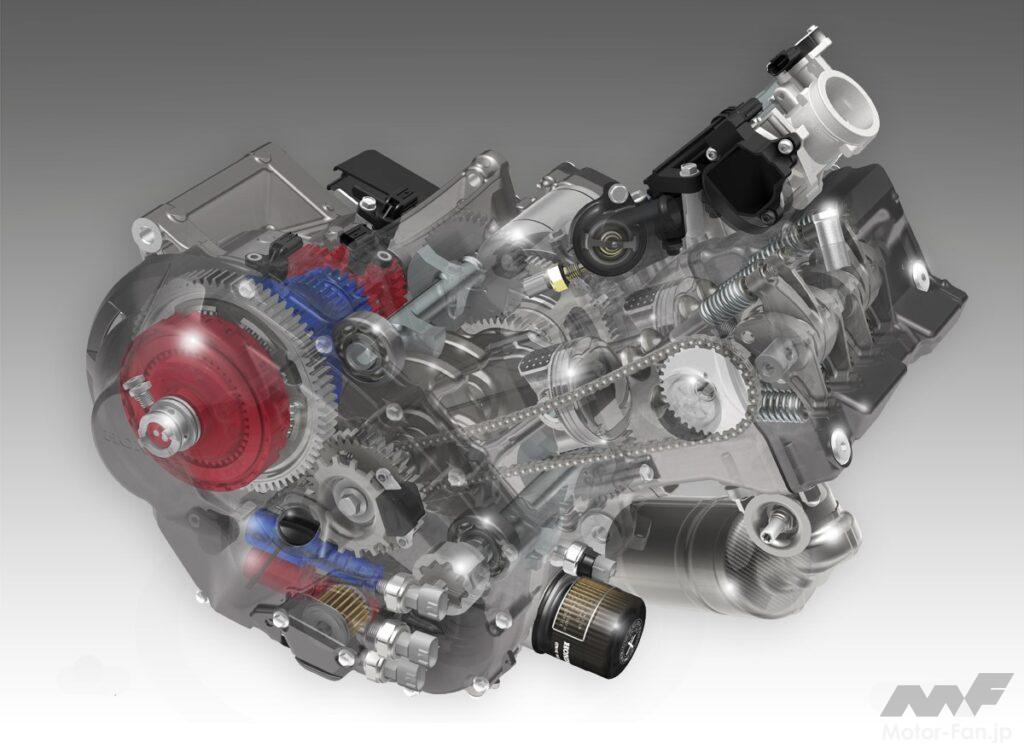
CG of the power unit mounted on the NC750X DCT. The X-ADV shares the same platform, but uses a floor-type step, so the layout of the clutch and crankshaft is different.
When you start the engine and push the ND/M switch on the right side of the handlebar to the left, you hear a faint mechanical click and the gear shifts from neutral to first gear. The riding mode always starts from Standard, and each time you press the mode button on the left side of the handlebar, it switches between Sport, Rain, User 1, and User 2.
In standard mode, the P value (engine output level), T value (traction control level), and EB value (engine brake level) are all set to the second of three levels. In addition, the DCT shift program is set to the second lowest of four levels, and the higher this value, the higher the engine speed will be.
When you gradually open the throttle, the clutch smoothly engages as the engine speed rises, and the bike begins to move smoothly. Then, when the bike’s speed exceeds 20km/h, or around 2500rpm, it automatically shifts up to second gear, and at around 30km/h it automatically shifts up to third gear. In fact, it’s so smooth that you’ll look at the gear position indicator on the meter and wonder, “Are we already in third gear?” The same goes for downshifts when decelerating. Yamaha has used an automatic transmission called Y-AMT on the MT-09 and MT-07, but when it comes to minimal shift shock, DCT wins hands down, with Honda’s shift changes being as quiet as a whisper.
Compared to when I bought the NC750S 11 years ago, the DCT’s shift program and throttle response have evolved considerably. According to past press releases, the DCT’s control was refined in 2016, and then HSTC traction control was added in 2018. In 2021, an electronically controlled throttle was adopted, and the DCT’s 1st to 4th gears were made lower ratio. And this year, the DCT’s hydraulic control has been improved. As a result of these continuous refinements, the bike now feels natural in almost all situations, from city streets to winding roads.
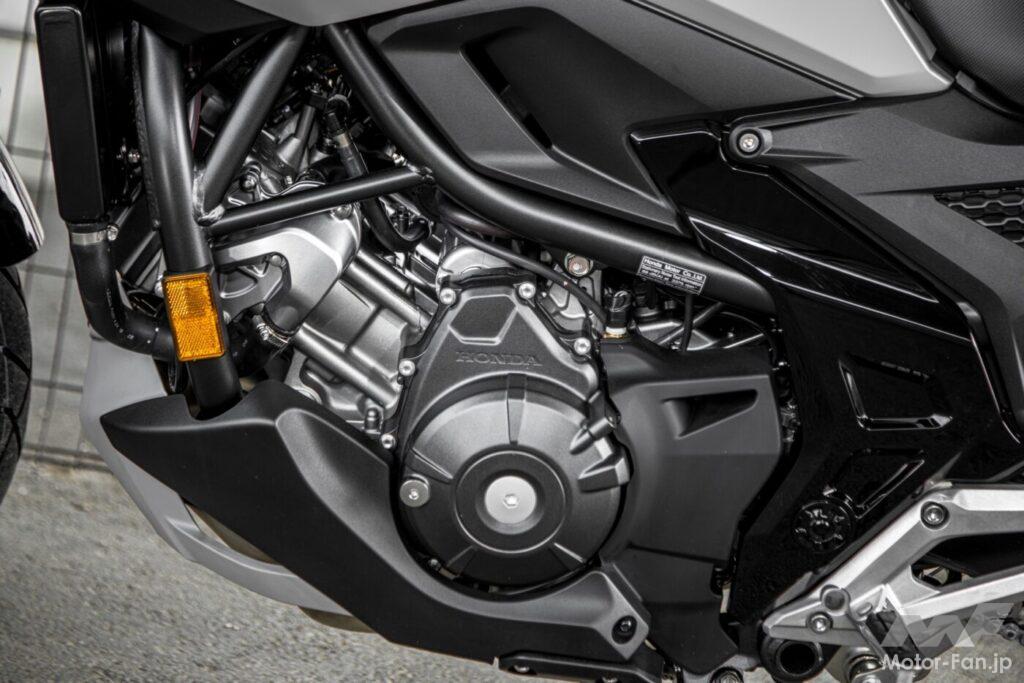
The engine’s cylinder is tilted forward at 62 degrees (vehicle mounting angle). Naturally, the DCT specification does not have a shift pedal. Previously, a “DCT change pedal kit” that allowed gear changes to be performed with the feet was available as an original accessory, but unfortunately it is not available on the current model.
Switching from standard mode to sport mode, the NC750X’s character changes so dramatically that it could be said to have undergone a complete transformation. It becomes noticeably more powerful from the low rev range, and when you open the throttle wide, it will pull up to around 6000 rpm before shifting up. With a maximum output of only 58 hp compared to the heavy weight of 226 kg, it’s not powerful enough to be described as a rushing force. However, it is more than enough to enjoy winding roads at reasonable speeds, and even with a passenger it won’t feel underpowered. While the feel of the 270-degree phase crank is subtle, the benefit of the easy ride provided by the DCT will be felt in the reduced fatigue the longer the distance you ride.
The double disc front brake is one of the major advancements
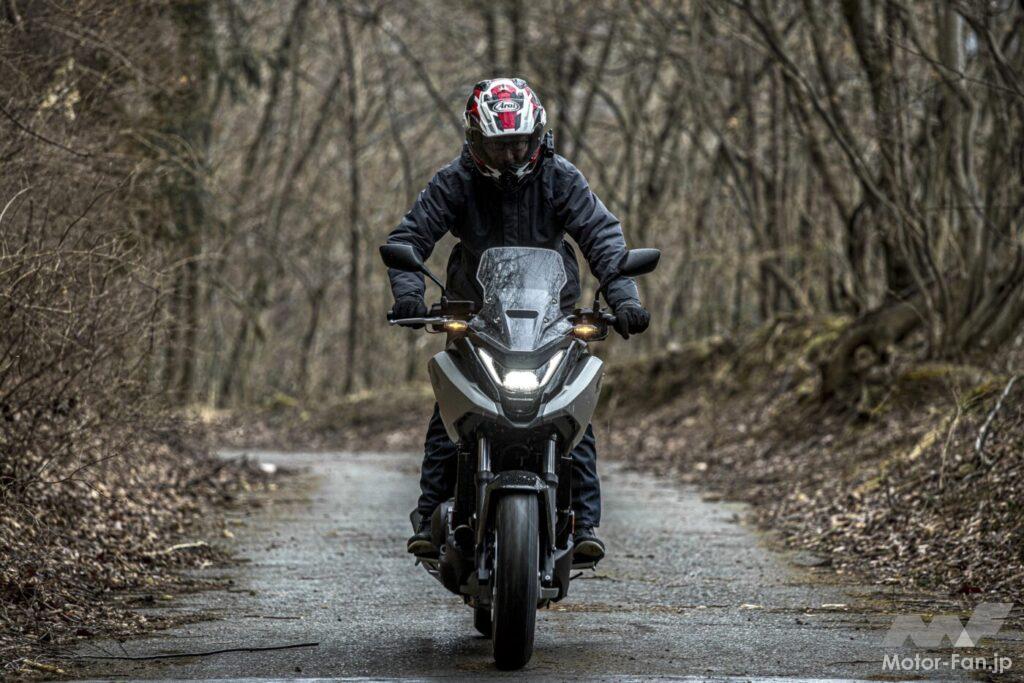
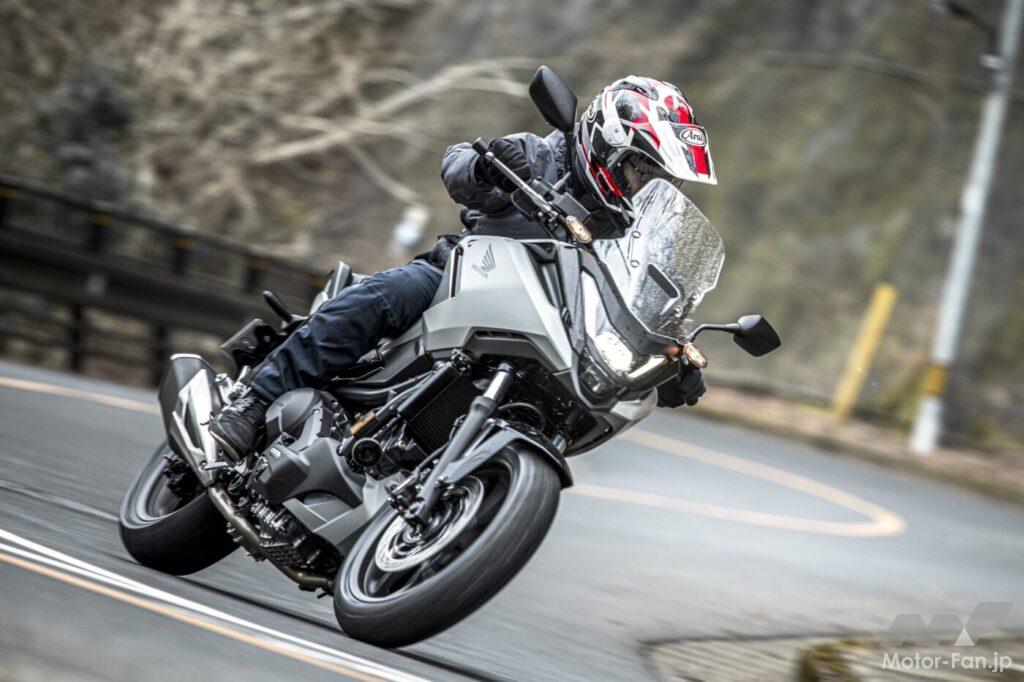
The handling could be described as somewhat unique or distinctive. Like a tumbleweed, the body of the bike has a strong tendency to stand upright, with the front wheel leading the way and wanting to point inward. At first, I suspected that the tire pressure was insufficient, but both the front and rear were within the manufacturer’s specifications. This brought back memories. Come to think of it, my own NC750S was like that too. It wouldn’t be described as cutting through, but on mountain roads, I was able to turn corners comfortably by moving my upper body inward early. Another advantage of this handling is that it allows you to turn in city traffic without leaning the bike too much.
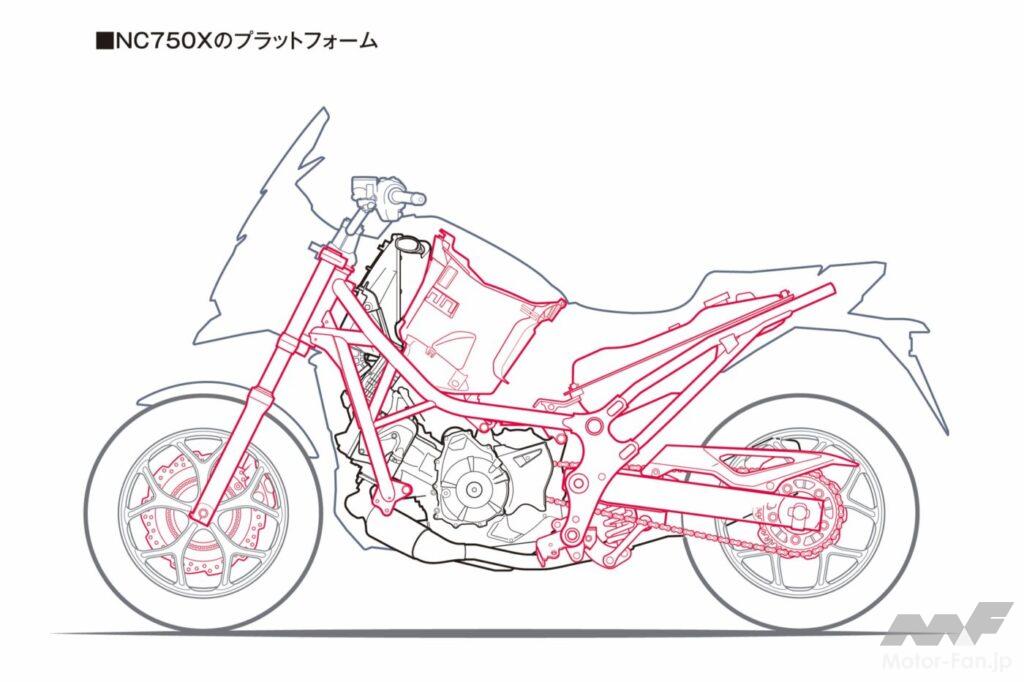
The layout is quite unique, as the luggage box is located where the fuel tank would normally be. This may also be a factor in the car’s distinctive handling. The fuel tank occupies the inside of the seat rail.
The 2016 model’s front forks were upgraded to SDBV (Showa Dual Bending Valve) and the link-type rear suspension was equipped with preload adjustment, and the latest model also follows these features. Although it does not move with the same high quality as the X-ADV, which shares the same platform, it still offers a comfortable ride.
There are two improvements that impressed me about the 2025 model. The first is the front brake. The previous single disc brake is sufficient for a single rider with no luggage, but the NC750S I was riding was clearly underpowered when I was carrying nearly 40 kg of luggage on a camping trip and riding at a good pace down a mountain pass. The new model with a double disc brake maintains the excellent controllability and gives a sense of ease even when suddenly decelerating from high speeds, so I very much welcome this update.
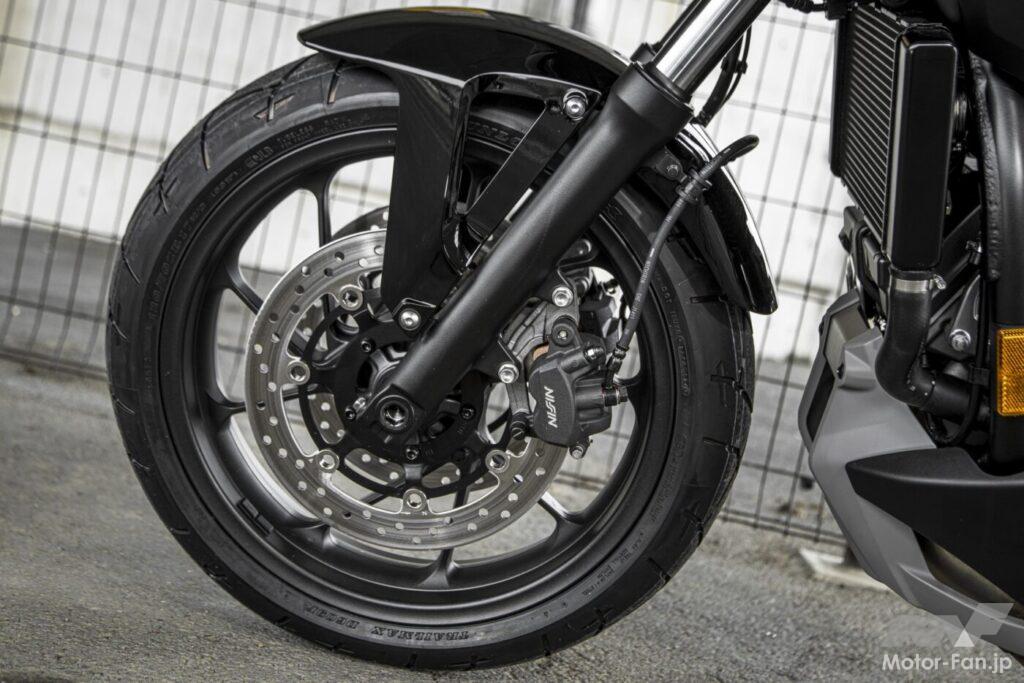
The front brake finally becomes a double disc. The caliper of the X-ADV is a radially mounted, opposed four-piston type, while that of the NC750X is a pin-slide, single-piston, two-piston type.
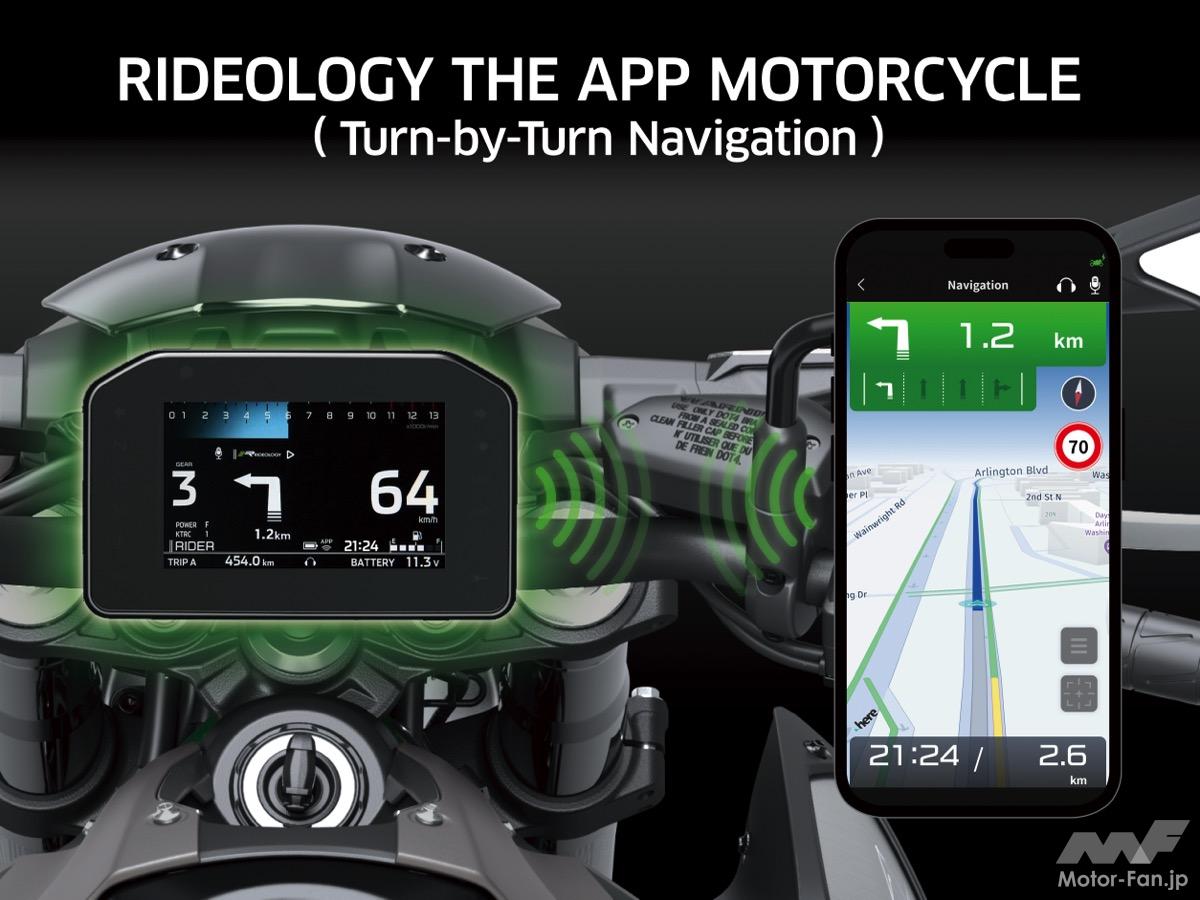
Another feature is the adoption of Honda RoadSync. This is a function that connects to a smartphone and intercom, and not only does it read out the contents of received LINE messages, but it also allows you to send a reply saying, “I’m driving.” I also tried out the navigation display this time, and although it is a turn-by-turn system that shows the direction to turn and the distance to the destination, I was able to reach my destination without any problems.
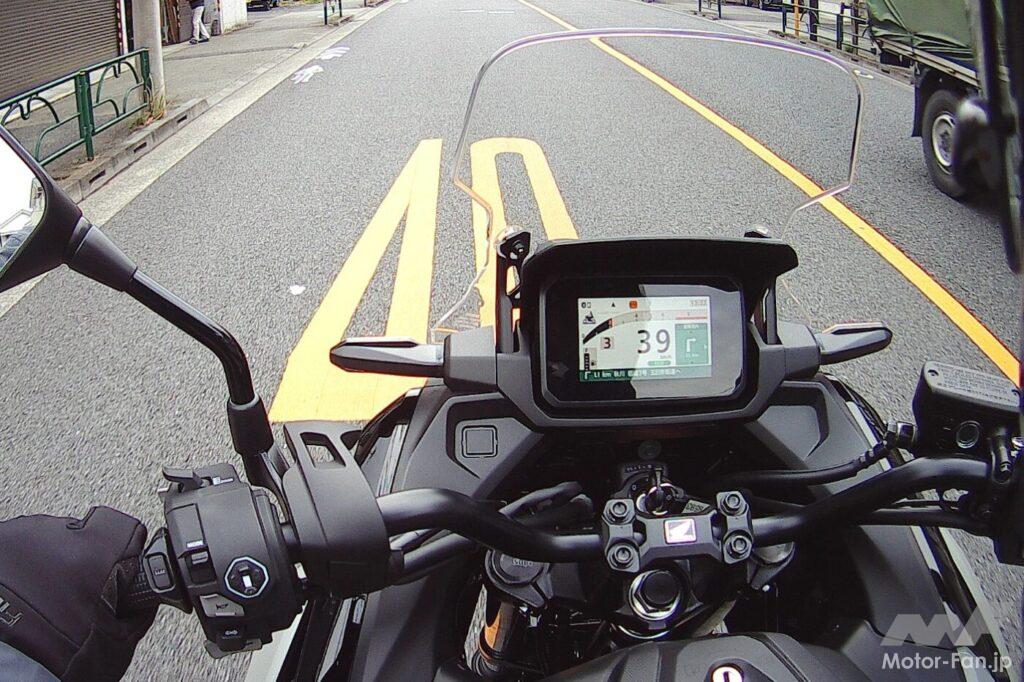
A scene showing the actual navigation display. Voice guidance can also be requested again by operating the select switch.
The 2014 NC750X DCT (ABS) was priced at 814,800 yen, so the price has risen by 31% in the last 11 years. However, when you consider the extremely convenient luggage box, the cowling and screen that provide excellent wind protection, and the standard equipment of heated grips and ETC2.0 onboard unit, it can be said that the bike still offers excellent cost performance. If you can tolerate the location of the fuel filler cap mentioned earlier and the weight of 226 kg, this bike will be a good companion.
Riding position and foot reach (175cm/68kg)
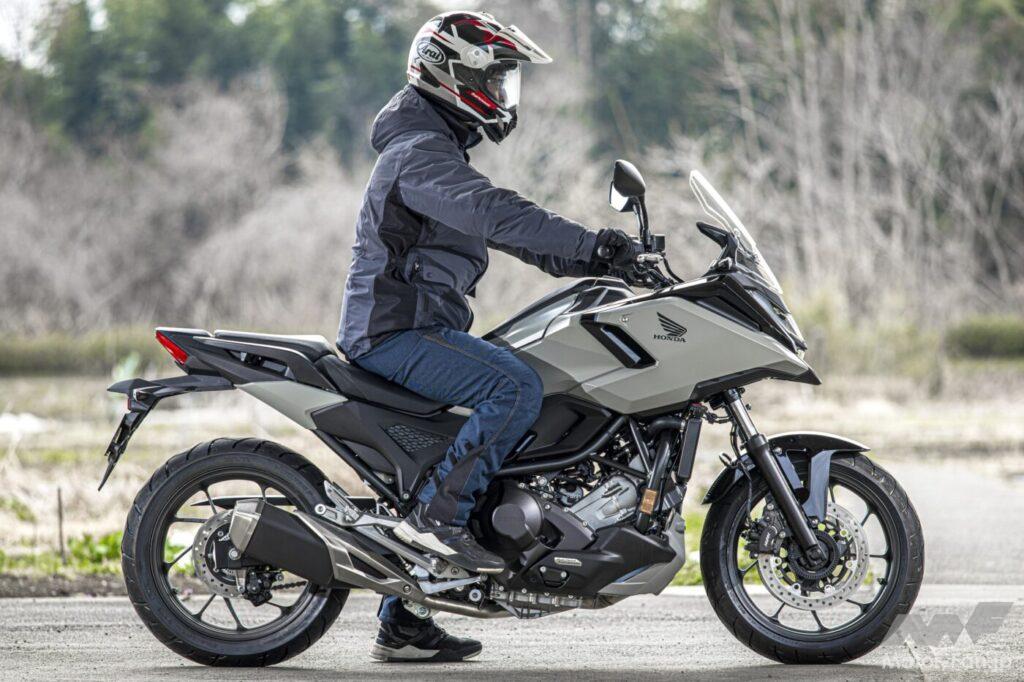
The upper body is almost upright, so the field of vision is wide, and the knees are gently bent, so fatigue is reduced. The luggage box is large enough to fit a full-face helmet, so the knee grip area feels slightly wider.
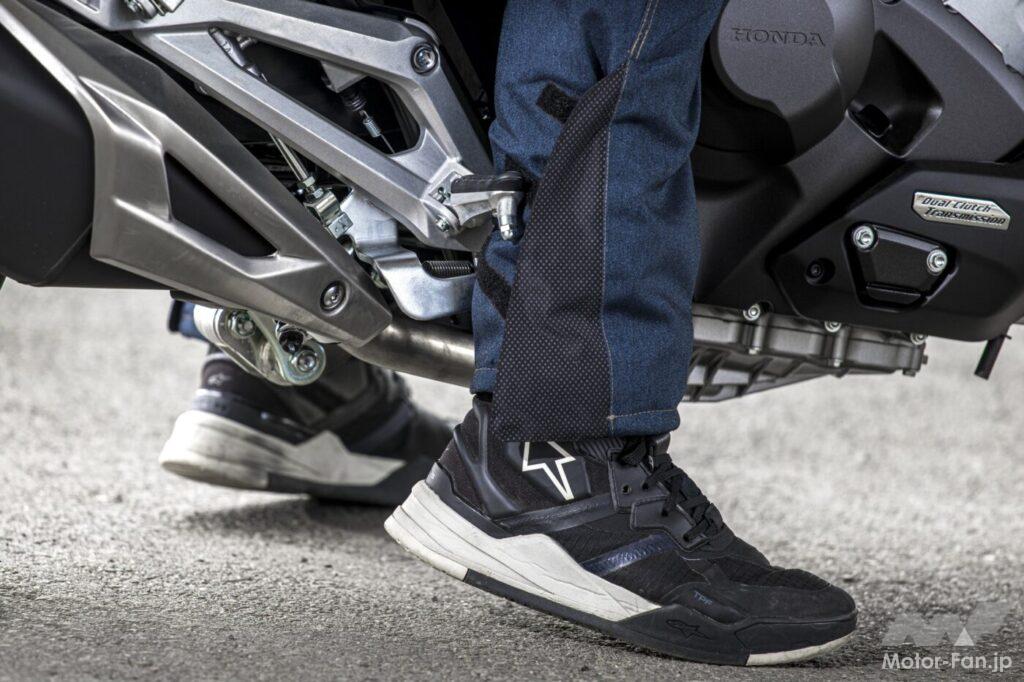
The seat height of the NC700X, which was released in February 2012, was 830mm, but in June of the same year an 800mm “Type LD” model was added, and these models were sold together until 2017. From 2018 onwards, it was standardized to 800mm. As you can see, the foot reach is good.