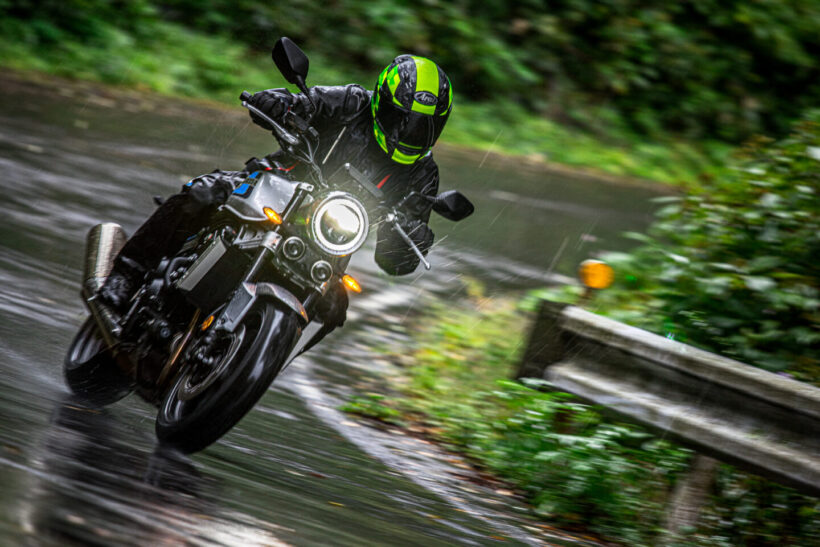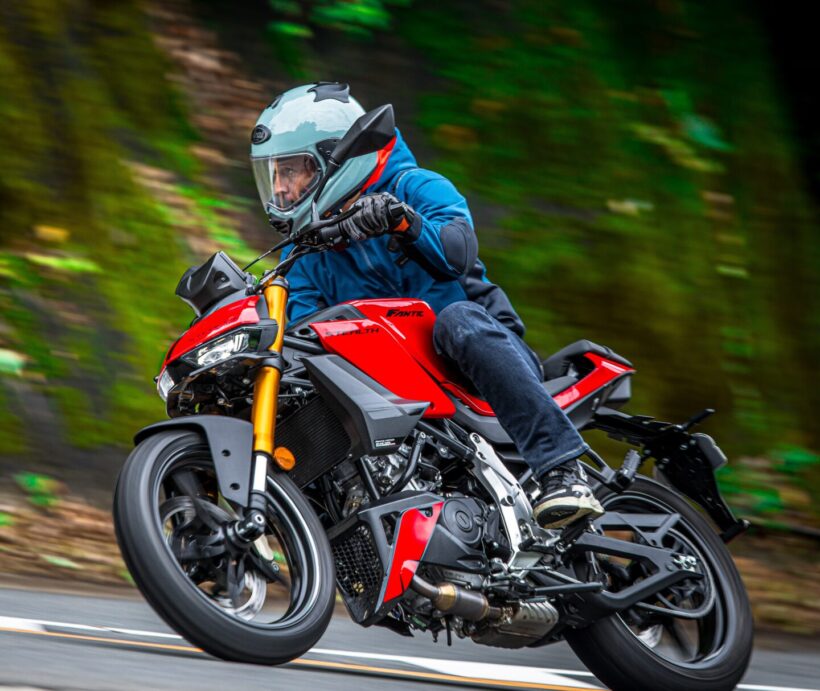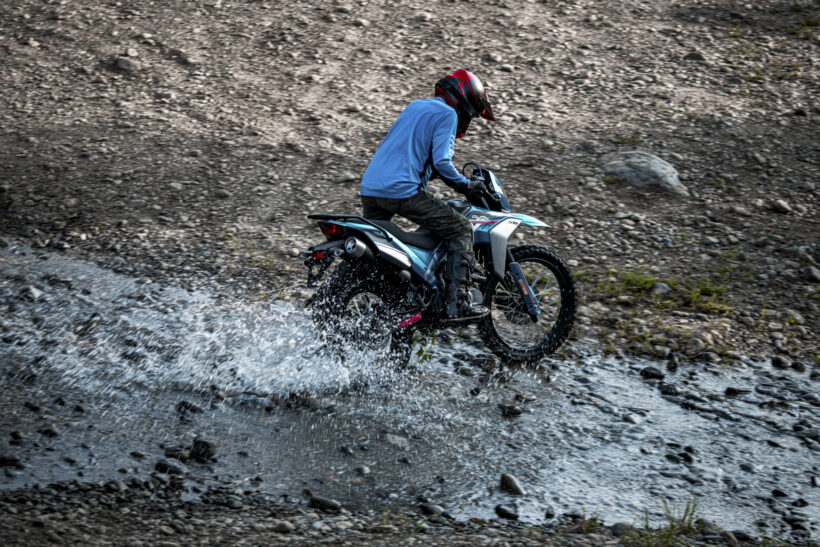



The classic style, free from pretense, now looks fresh.
Many of the models produced by Matt Motorcycles are based on British cars from the 1960s. Bikes with a traditional design are less susceptible to the influence of trends because they have a basic shape. This makes them great for long-term riding across generations. Among Matt Motorcycles' bikes, the Sabbath is a model that could be called the standard. Two classes are available: the 125, which is ideal for beginners, and the 250, which is just right for riders who have taken their skills to the next level.
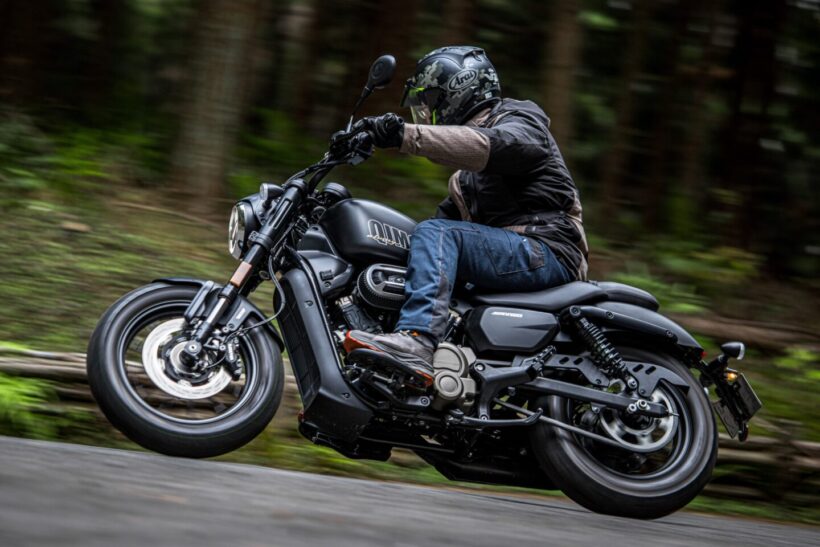
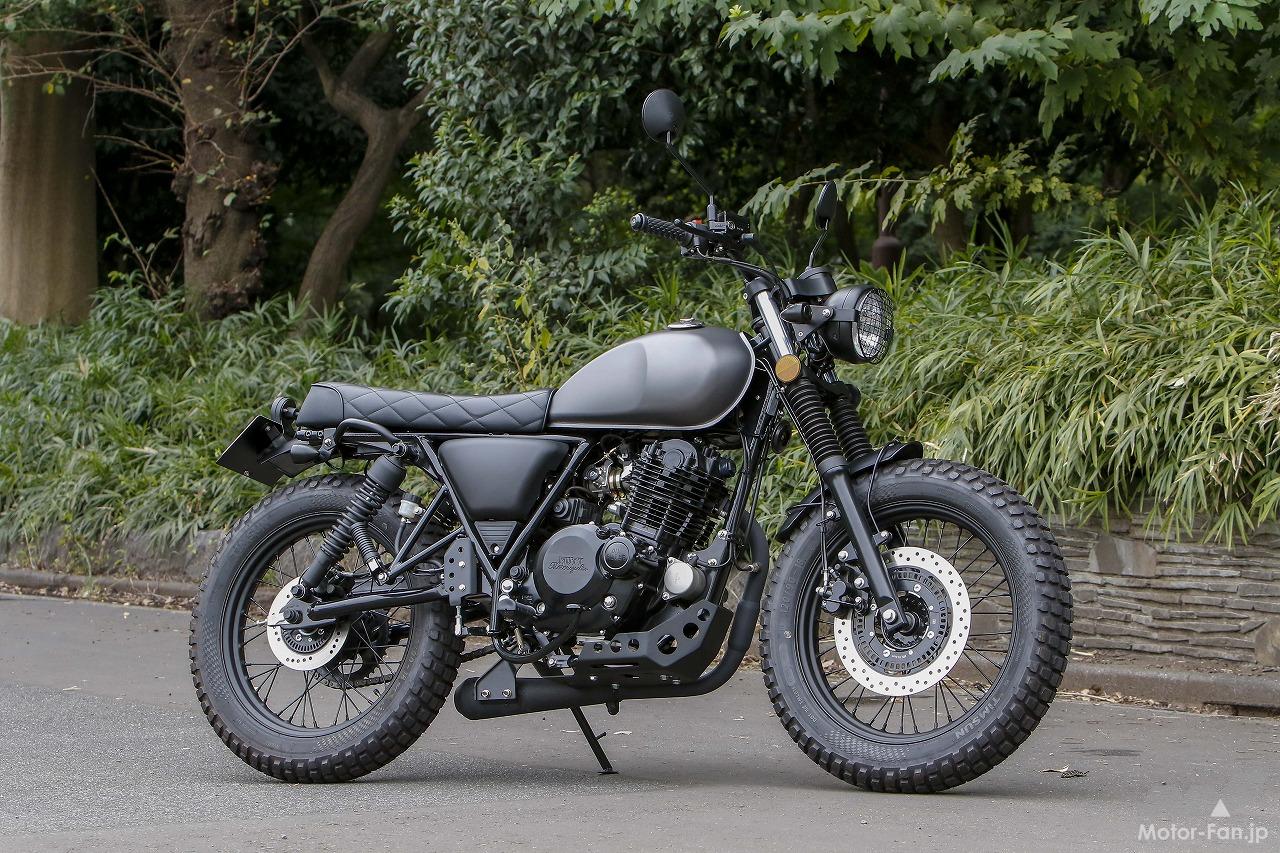
The Sabbas is basically classified as an on-road model, but it also has scrambler-like elements, such as wire-spoke wheels with extra-thick block tires and a headlight guard.
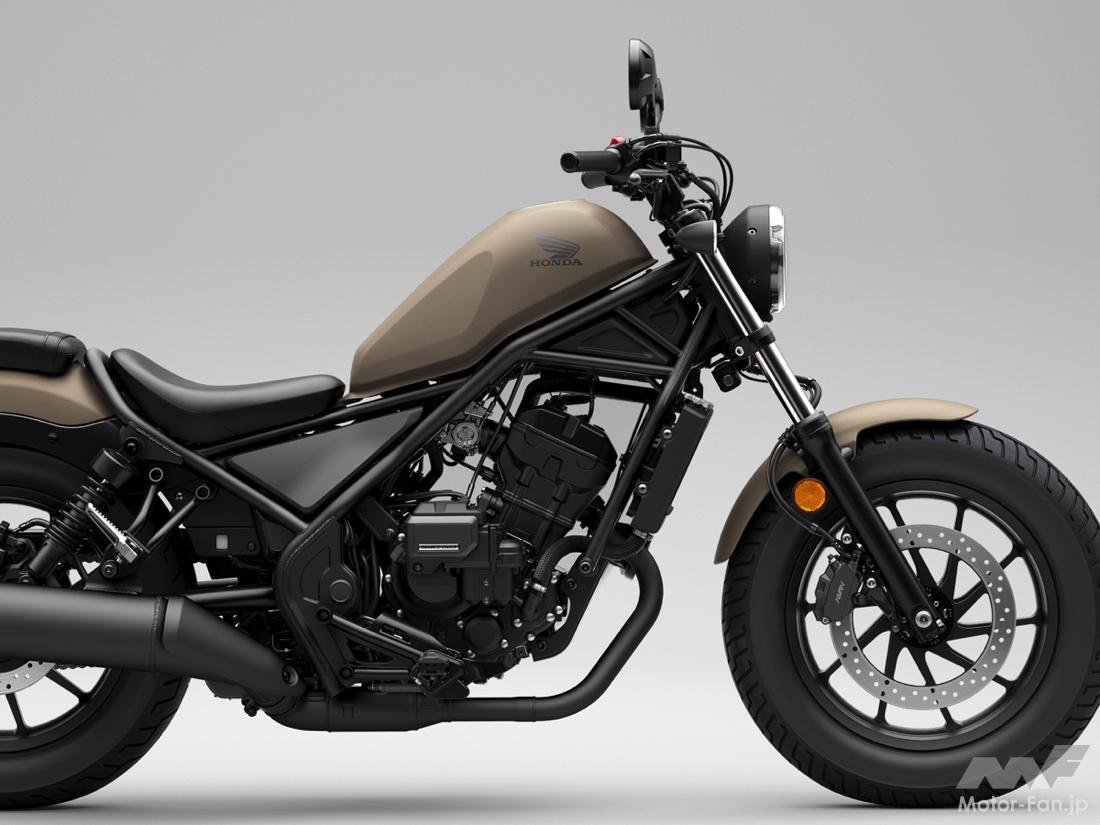
The curved fuel tank, side covers, elaborately designed seat, short front and rear fenders and short muffler create a classic and simple form.
Although the whole body exudes a custom feel, it is finished as a basic road model, giving it a friendly feel. On the other hand, the blacked-out engine and suspension give it a fearless look. In this day and age, we shouldn't separate men and women, but I feel that Sabbath has a masculine vibe.
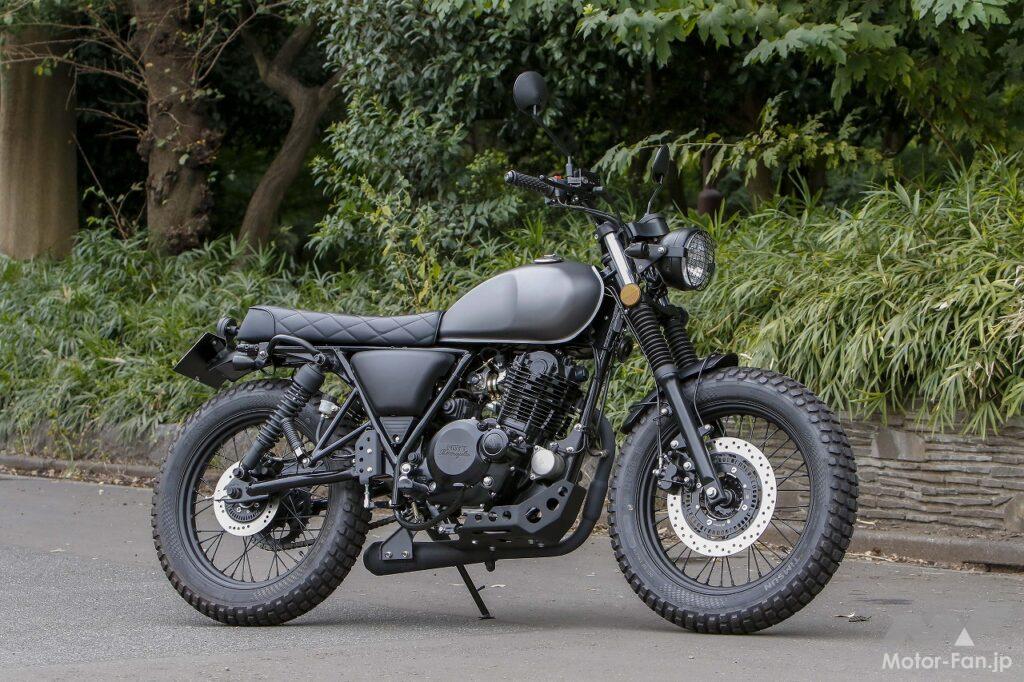
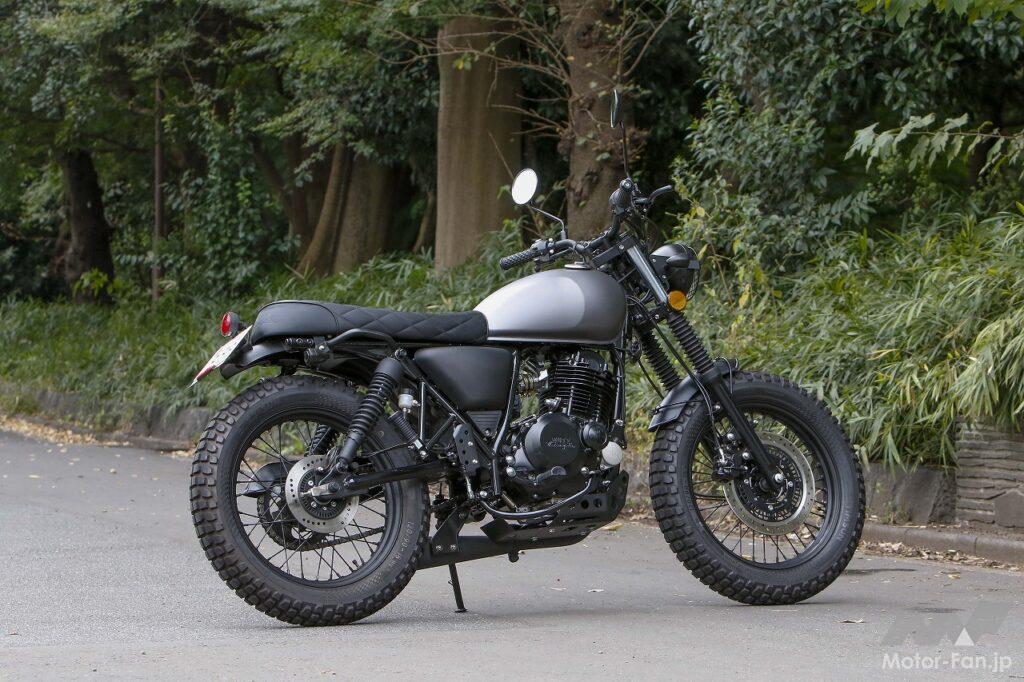
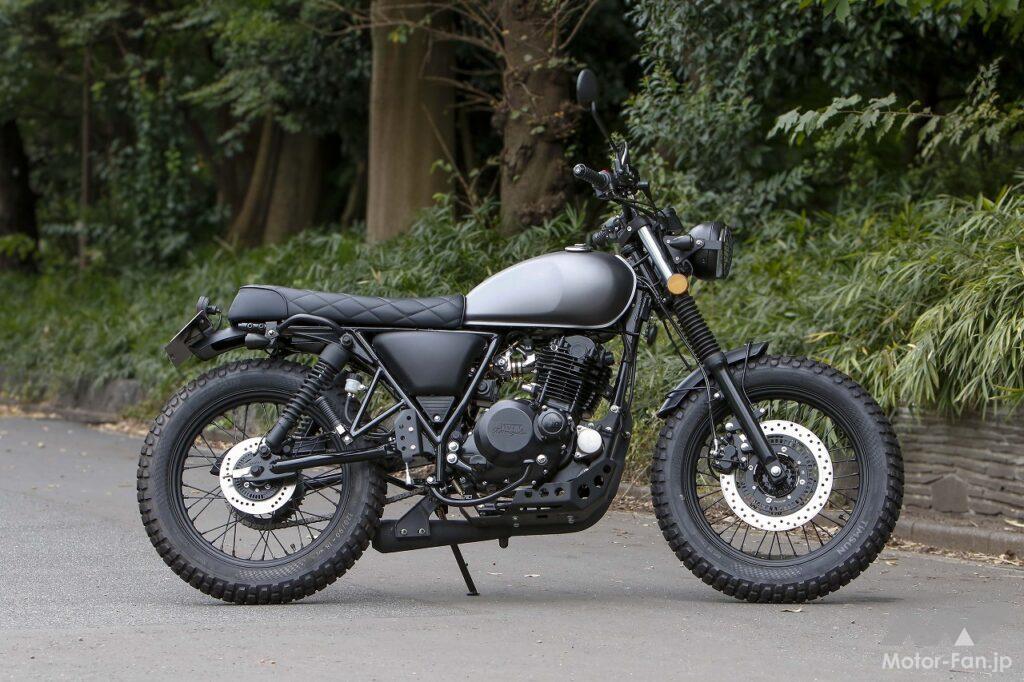
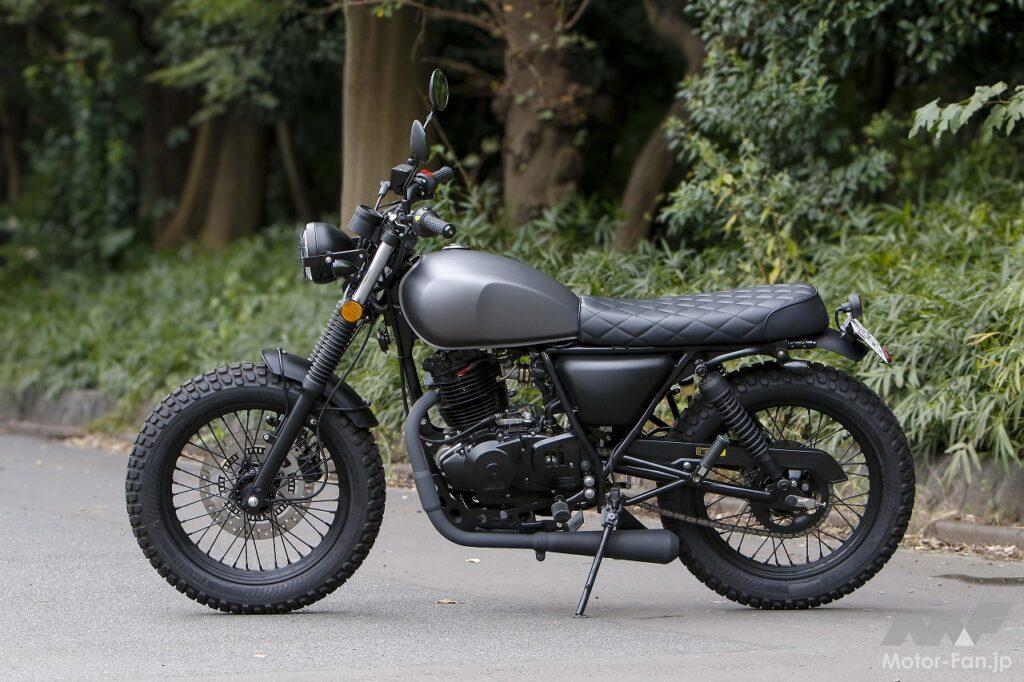
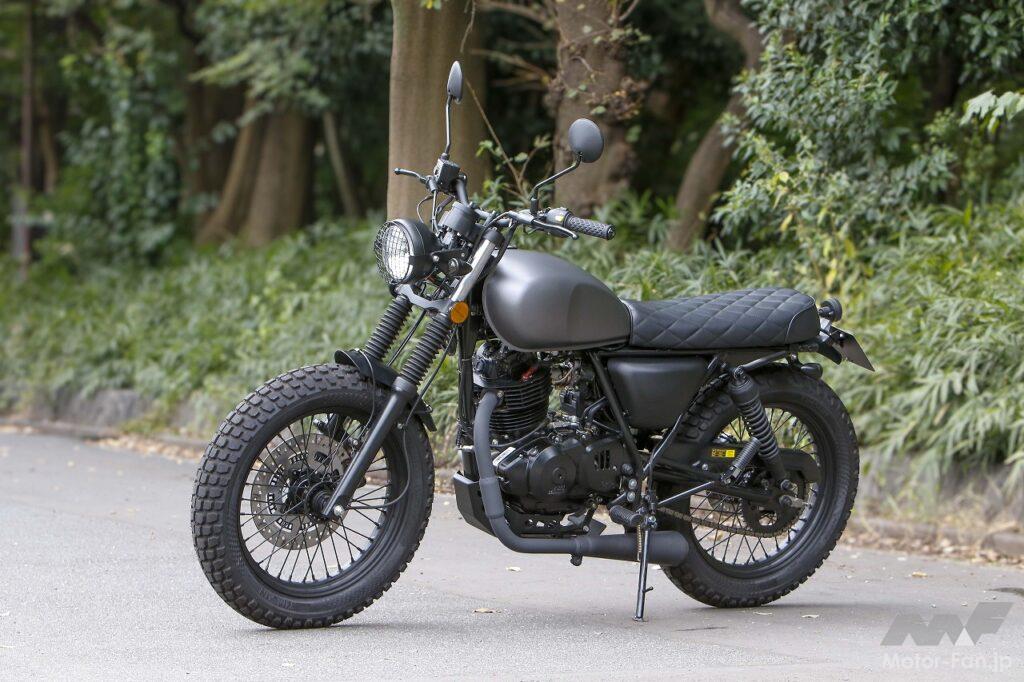


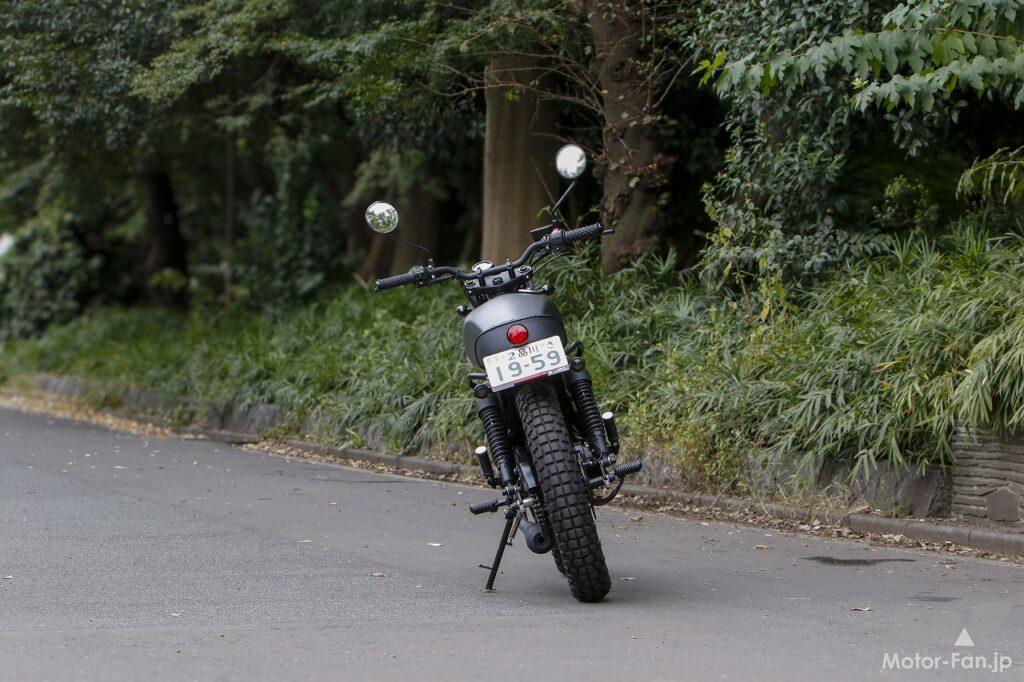

The body, with minimal equipment, is compact and clean. The footpegs are positioned forward, providing ample knee space.
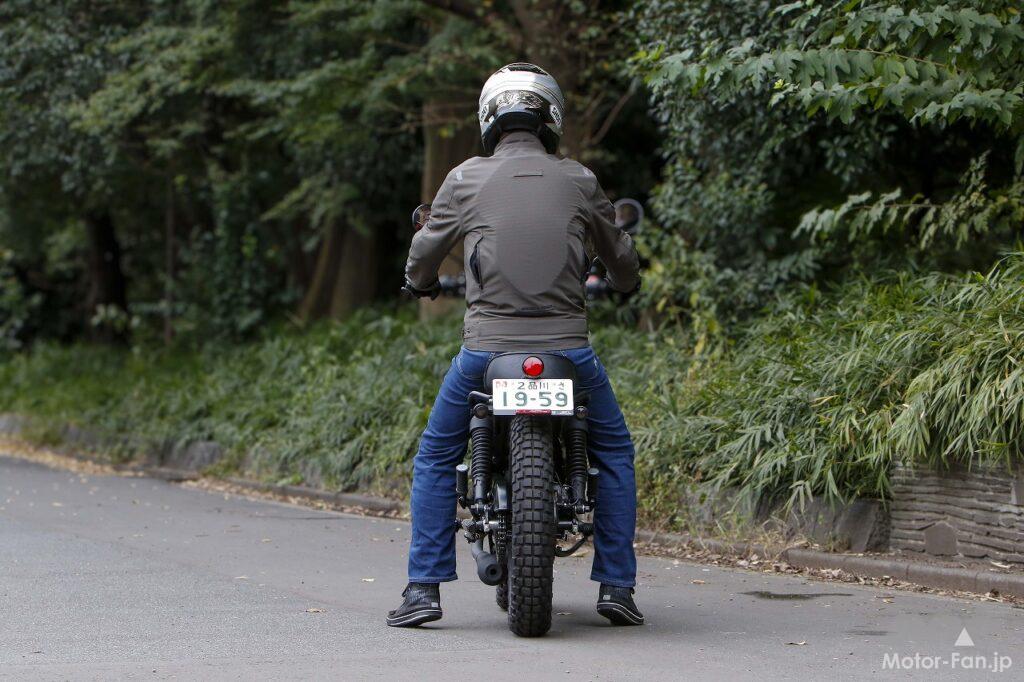
The seat height of 810mm feels a little high. The front and rear suspensions don’t sink very much, so it’s not easy to reach the ground.

For an average rider, the toes of both feet should be able to touch the ground.
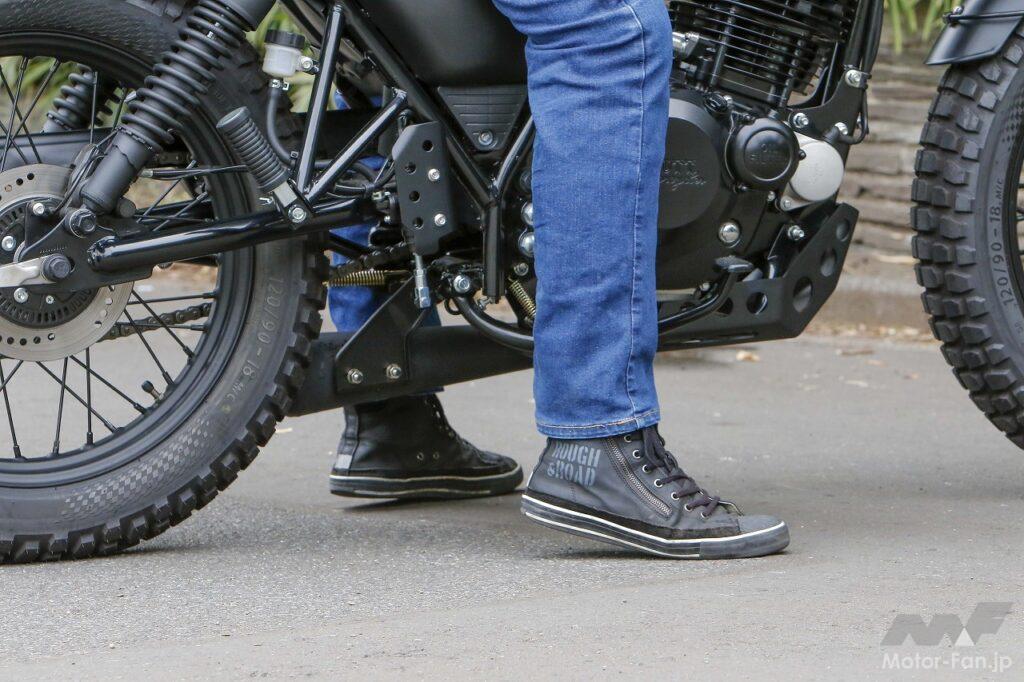
For now, I can put both feet on the road, and the weight of the car is only 130 kg, so I don’t have to worry about handling it.
An engine with just the right amount of performance for city driving
With the exception of the DRK-01, all of Matt Motorcycles' 250cc models are equipped with an air-cooled SOHC 2-valve single-cylinder engine. Specifications include a maximum output of 13kW and a maximum torque of 18Nm. This engine performance is quite modest compared to Japanese bikes in the same class. However, the Sabbas isn't a bike for speeding. It's better suited for smooth city travel and leisurely suburban touring while admiring the ever-changing scenery. When ridden with this purpose in mind, the power response is smooth and the acceleration from a standing start allows you to lead the flow of traffic, so I never felt a lack of power while riding around town. While there isn't a particular RPM range where you feel the torque is particularly strong, it delivers the acceleration performance I need in the low and mid-speed ranges I frequently use, so I wasn't dissatisfied.
The response isn't particularly agile, and you can't expect much high-speed extension, so it's not suited to riders looking for a sporty ride on mountain roads, for example. In fact, on mountain roads with many uphill sections, you may find it difficult to accelerate as you wish, which can be frustrating. However, it is perfectly suited to riding over mountain passes while enjoying cornering and admiring the scenery.
Immerse yourself in the joy of riding a motorcycle. I think the engine performance satisfies such fundamental desires of riders.
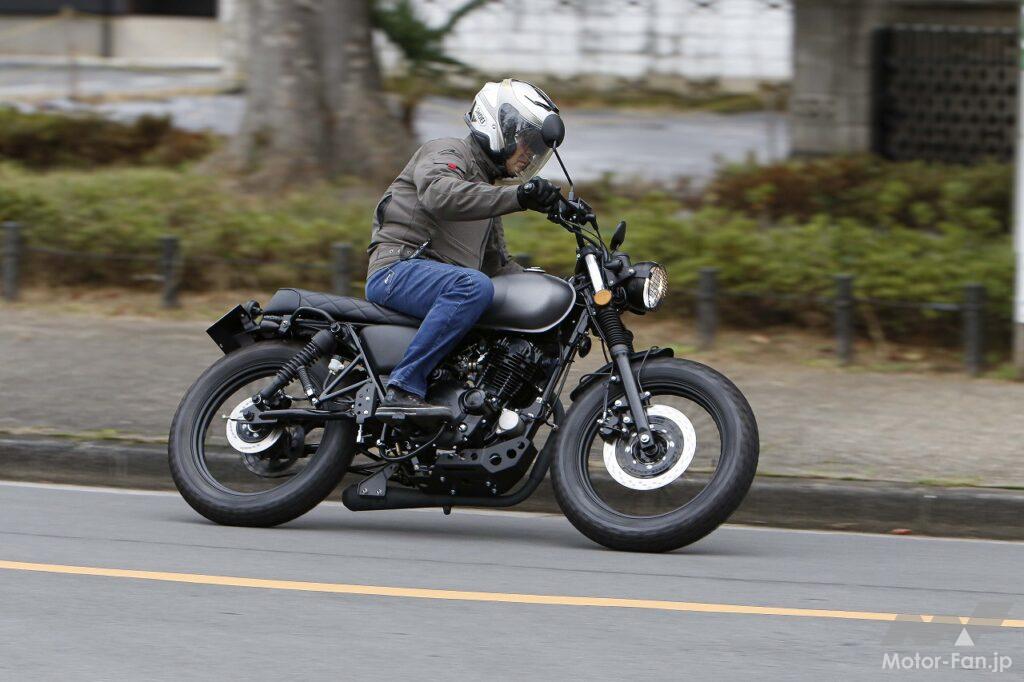
It doesn’t have strong acceleration performance, nor does it have excellent high-revving characteristics. However, it has engine characteristics that make it easy to use in everyday situations.

The engine that complies with Euro 5 is an air-cooled SOHC 2-valve single-cylinder 250cc, which is by no means a powerful characteristic.
Extra-thick tires that grip the road firmly create satisfying handling
With a seat height of 810 mm, riders of average build can reach the ground with both toes. However, the weight is kept to 130 kg, and the size is just right for a 250cc class bike, so there are no concerns about handling. The riding position, which allows for a natural upper body posture, is also very appealing.
The first thing you notice when you start riding is a stiff ride. This is true for all Matt Motorcycles models, but it's due to the stiffness of the front and rear suspension. I don't think the stroke itself is an issue, so taking some measures, such as changing to softer springs, should make it easier to ride. It also increases comfort, making it feel more familiar.
The handling is smooth and maneuverable. However, it does exhibit a slightly sticky maneuverability. I think this is likely due to the thick block tires (120/90-18) front and rear. If the front tire were one size narrower, it would feel more nimble. However, personally, I find this grip gives a sense of stability and is excellent.
Braking performance is also flawless. The Sabbas uses single disc brakes front and rear, and ABS is standard equipment. Considering the engine performance, size, and weight, the braking system is adequate. I mainly rode around town this time, and I didn't feel any lack of stopping power, even in stop-and-go situations. If I were to make a complaint, I felt the brake levers were a little far away, so I wish they'd included a lever adjustment mechanism. Another thing is that the short fenders are sleek and cool-looking, but they can get dirty easily when riding in the rain. Of course, this is a matter of personal preference.
Looking at the current motorcycle scene, it seems that the performance-first mentality of the past is fading somewhat, and riders are choosing bikes that suit their lifestyles. Retro models are becoming increasingly popular, one example of this. From this perspective, I think the Sabbas 250 will attract the attention of many riders.
Detailed explanation
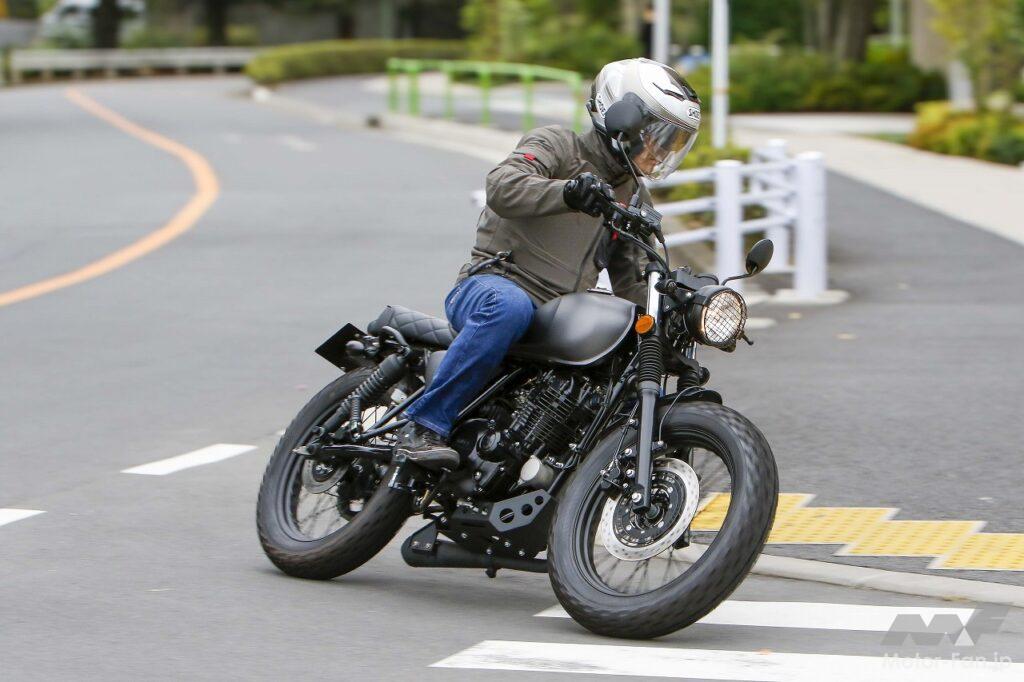
Although it is not agile, it has no quirks and exhibits highly stable maneuverability.
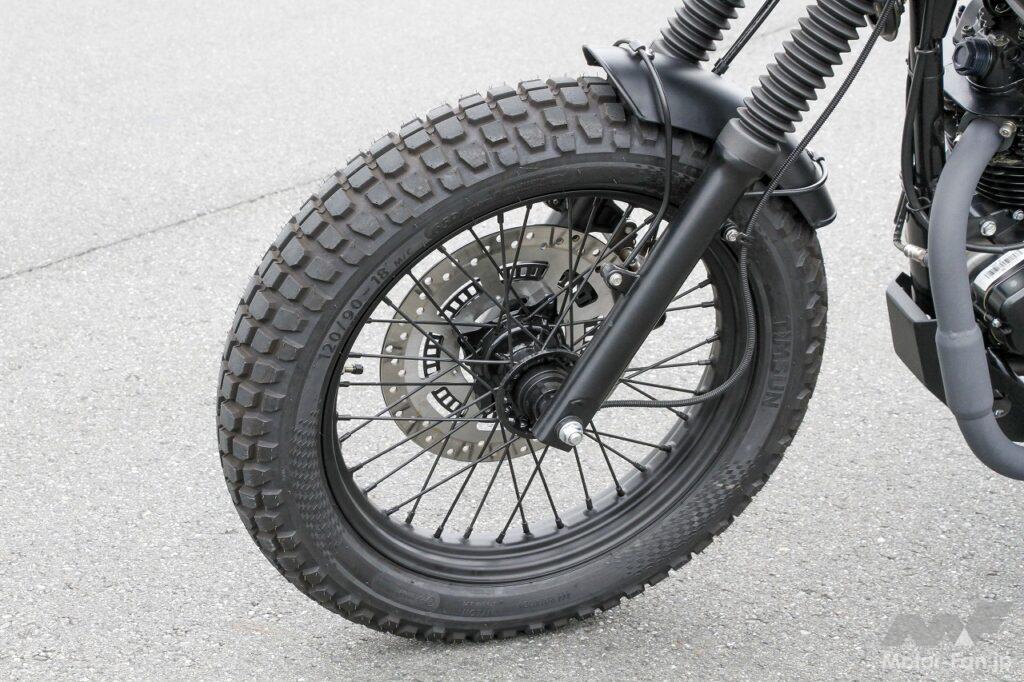
The tires are 120/90-18 and are very thick block tires.
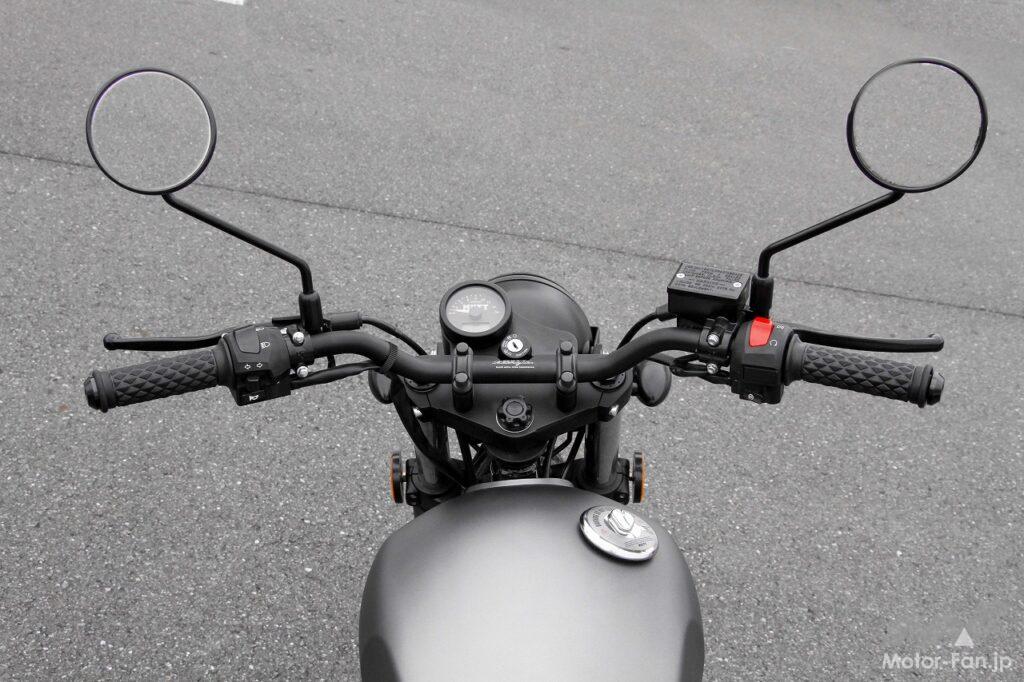
The semi-up type pipe handlebars allow you to maintain a natural upper body posture.
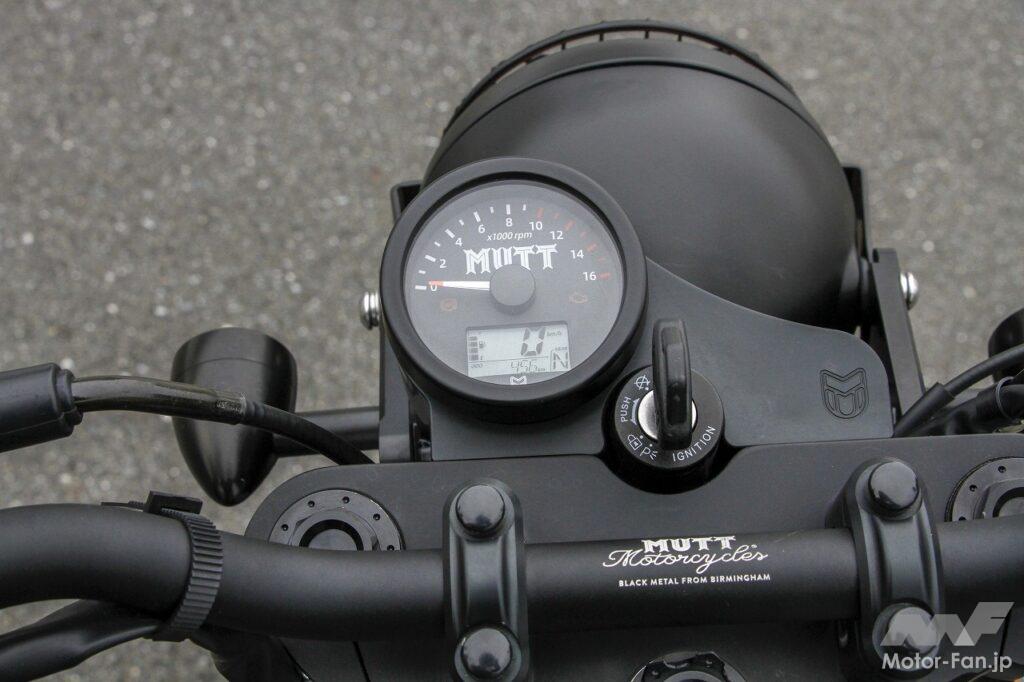
A small, simple round meter with a built-in digital meter in an analog tachometer. The neutral display can be checked by checking the gear position.

The switches for passing lights, headlights, and turn signals are all located on the left hand side.
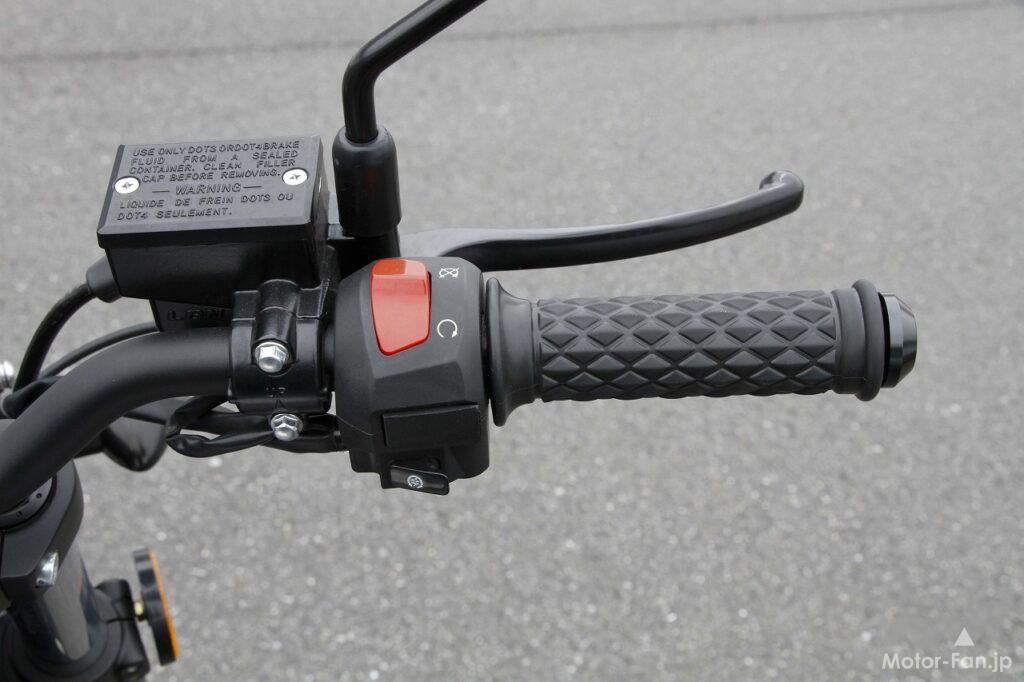
The kill switch and starter switch are located on the right hand side

A guard is attached to the front of the headlight. The light is halogen.

The small aluminum LED tail lamp gives the bike a custom look. The small turn signal lamps are mounted on aluminum brackets.

The beautifully shaped fuel tank has a capacity of 13L and a detachable key-lock type tank cap.
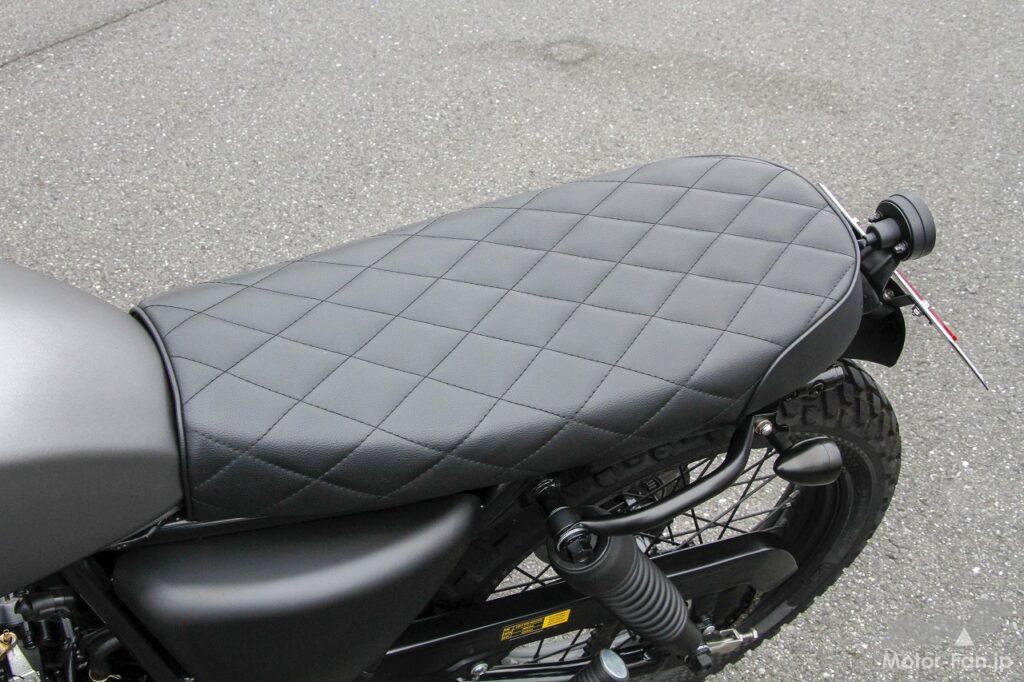
The seats have a beautiful finish. The upholstery design adds to the retro feel.

Front single disc brake equipped with 2-pot caliper

The rear brake is equipped with a small diameter disc brake. Both the front and rear are equipped with ABS.
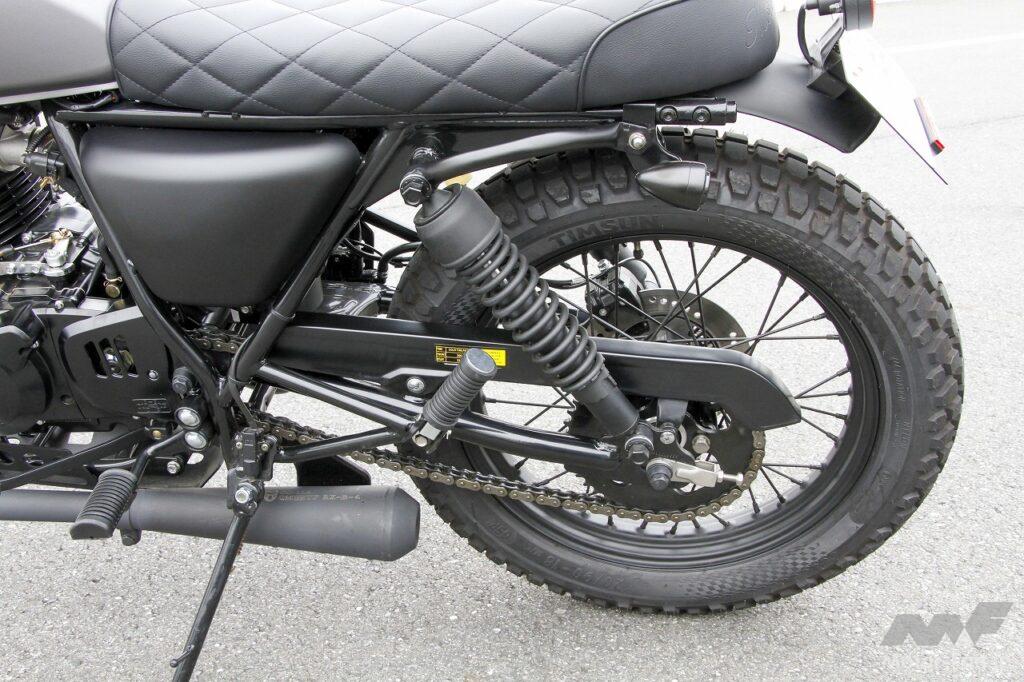
The rear suspension is a twin shock type with preload adjustment.
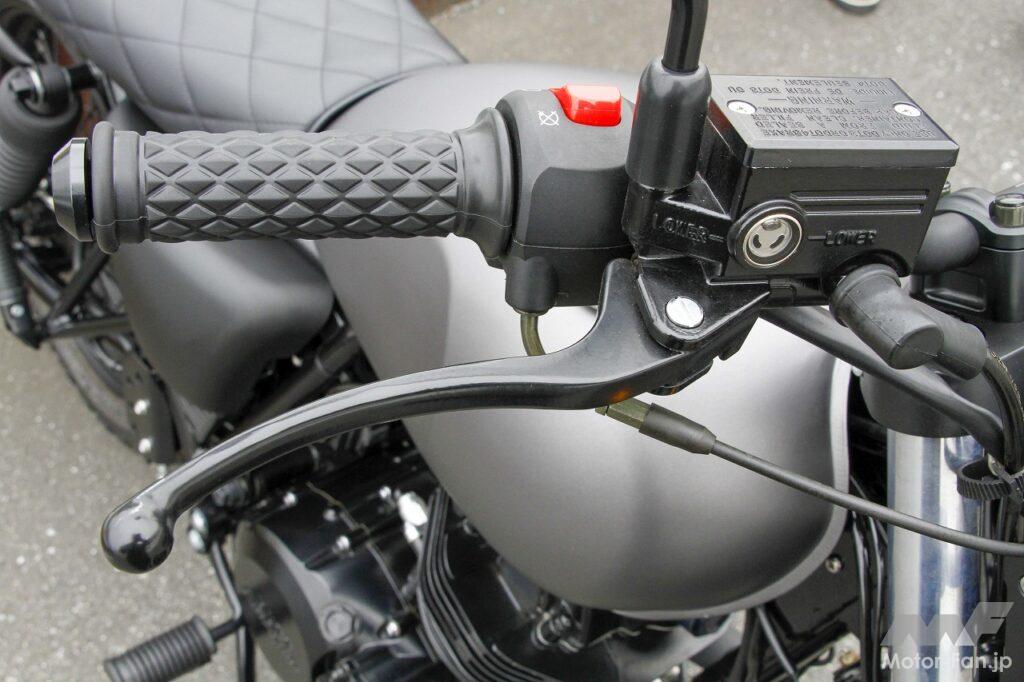
The lever is a little far away. It would be nice if it had an adjustment mechanism.
Main specifications
Displacement: 249cc (0.249L)
Transmission: 5-speed return
Maximum power output: 13 kW (17.2 hp)
Maximum torque: 18 Nm
Seat height: 810mm
Overall length x width x height: 2060mm x 760mm x 1150mm
Vehicle weight: 130kg
Fuel tank: 13L
Engine: 4-stroke single cylinder
Fuel supply system: Fuel injection
Standard: Euro 5
Tires and wheels (front and rear): 18-inch
Brakes: ABS brake system
Exhaust: Left-side exhaust