
![[Test Ride] Fantic’s large scrambler, the CABALLERO Scrambler 700, equipped with a Yamaha 689cc engine](https://motopeek.com/wp-content/uploads/2024/10/4294-1760973194844.jpg)

Born from a collaboration between Fantic and Yamaha
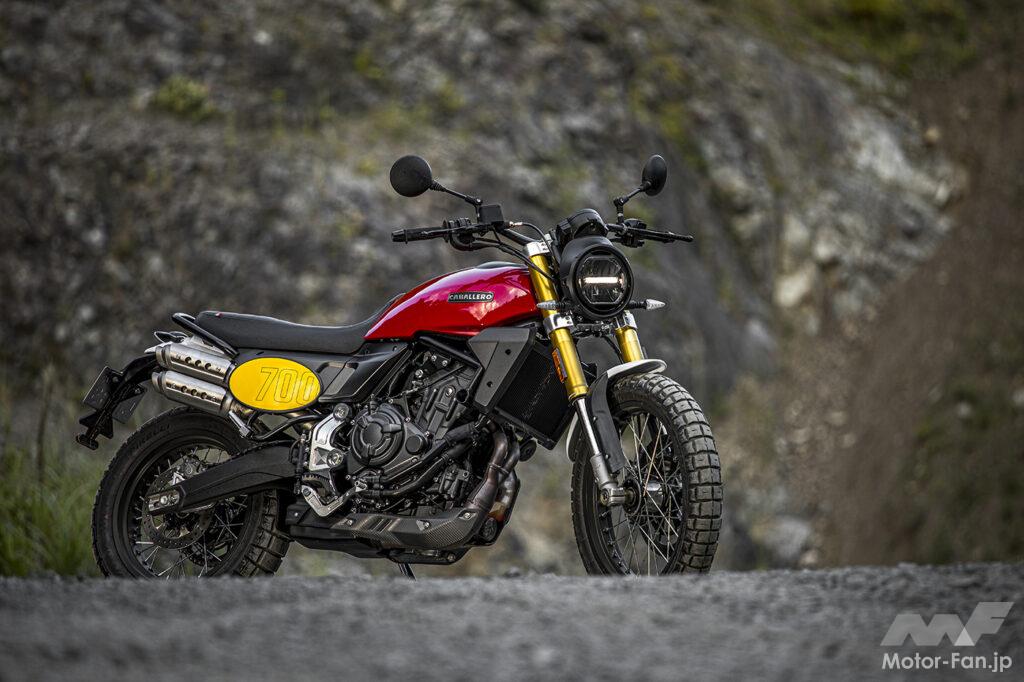
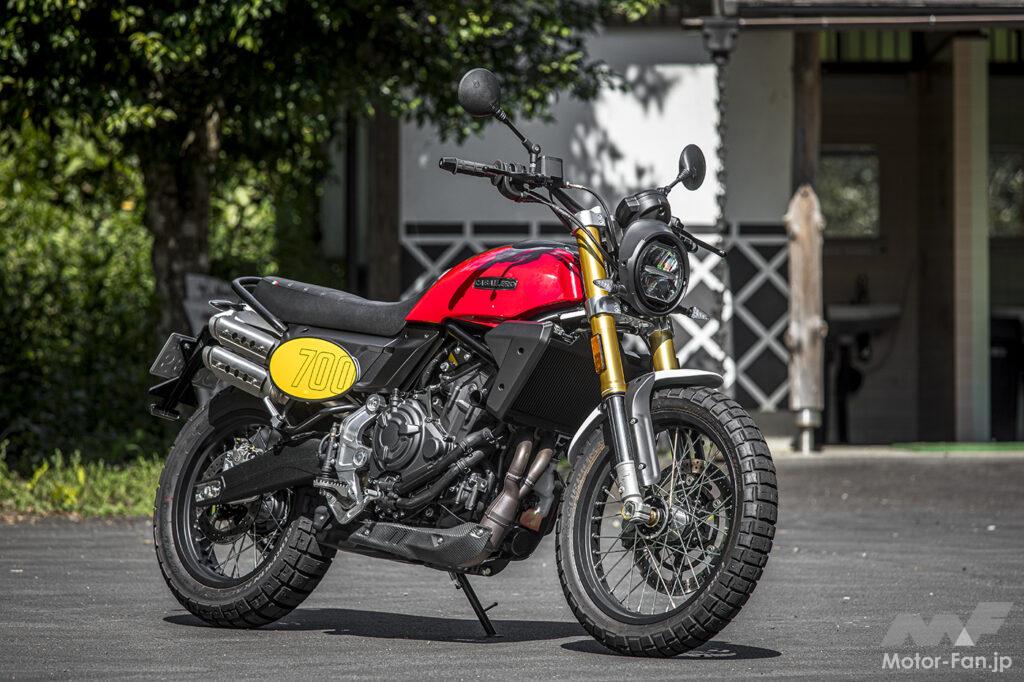
The latest and largest-displacement model from Italian motorcycle brand Fantic Motor (Fantic Motor, hereafter referred to as Fantic) is the CABALLERO Scrambler 700. Fantic has a wide range of models in its lineup, from competition models to trail models, including the Enduro series, which offers a wide range of displacements and engine types, the Motard series based on the Enduro series, the Rally series for competing in races like the Dakar Rally, and even the Caballero series, but the Scrambler 700 is the only one to use an engine type other than a single-cylinder.
Uniquely, this 689cc liquid-cooled DOHC 4-valve in-line twin-cylinder 270-degree crank engine, called the CP2, is manufactured by Yamaha. This compact CP2 engine, with its high basic performance, is installed in Yamaha’s core mid-displacement models, including the MT-07, XSR700, Ténéré 700, Tracer 700/7, and YZF-R7. The Scrambler 700 is the only CP2 engine to be installed in a brand other than Yamaha.
ADVERTISEMENT
This collaboration was made possible by the long-standing cooperative relationship between Fantic and Yamaha. The major trigger was Yamaha’s announcement that it would transfer its subsidiary, the Italian engine manufacturer Motori Minarelli (hereafter Minarelli), to Fantic and further strengthen the cooperative relationship between the two companies.
Minarelli is an Italian engine brand that once manufactured motorcycles and has won the World Road Racing Championship. Since becoming a subsidiary of Yamaha in 2002, they have been developing and manufacturing small-displacement engines for not only Yamaha but also other motorcycle manufacturers. The relationship between Fantic and Minarelli has continued since the 1970s, and the 125cc engine of the “CABALLERO” series, which was announced at EICMA in 2016, was manufactured by Minarelli.
After that, Yamaha and Fantic’s interests aligned through the Minarelli brand in their respective medium- to long-term business strategies, and all of Minarelli’s shares were transferred to Fantic.
The two companies are also collaborating in the field of electric mobility. In the spring of 2022, Yamaha unveiled six electric motorcycles, e-bikes (electrically assisted bicycles), and e-mopeds that will form the core of Yamaha’s next-generation mobility, titled “Switch On.” These included e-bikes and e-mopeds based on Fantic products that had been developed by Fantic and were already on sale in Europe. It is expected that the two companies’ collaborative relationship will continue in the EV field in the future.
The CP2 engine installed in the Scrambler 700 is the first step in the collaboration between the two companies in the ICE field.
Unique design created by the CP2 engine and original chassis
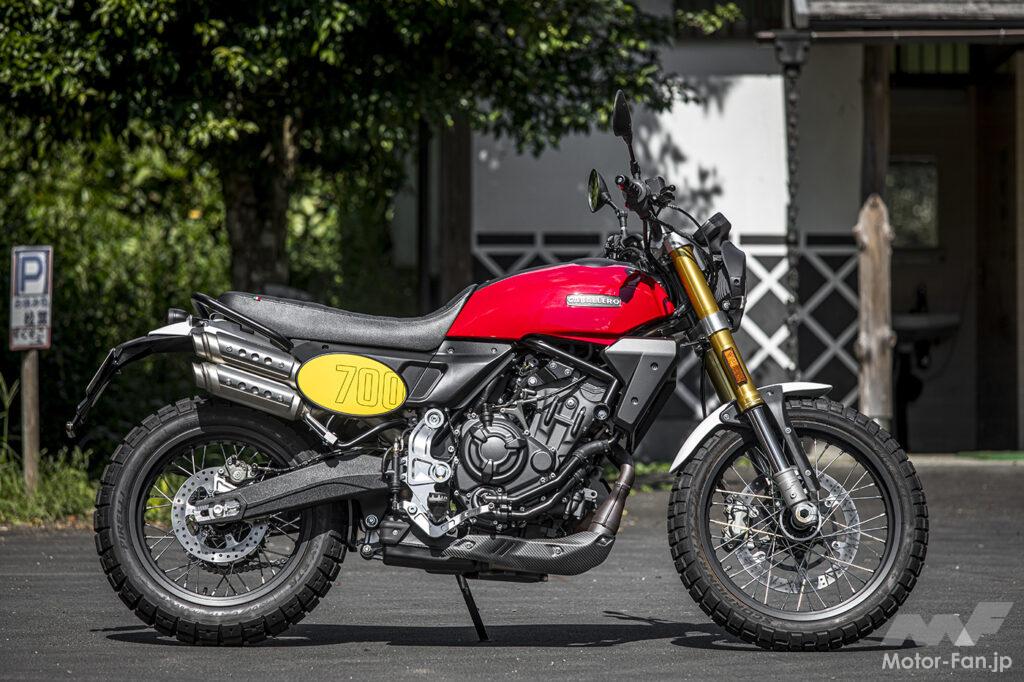
The Scrambler 700 was given a unique riding character that was different from the other Yamaha models equipped with the same CP2 engine. This was largely due to the frame being specially designed for the in-line twin-cylinder CP2 engine, while inheriting the same frame layout as the other CABALLERO series, with a chromoly steel main frame and a machined aluminum swingarm pivot.
ADVERTISEMENT
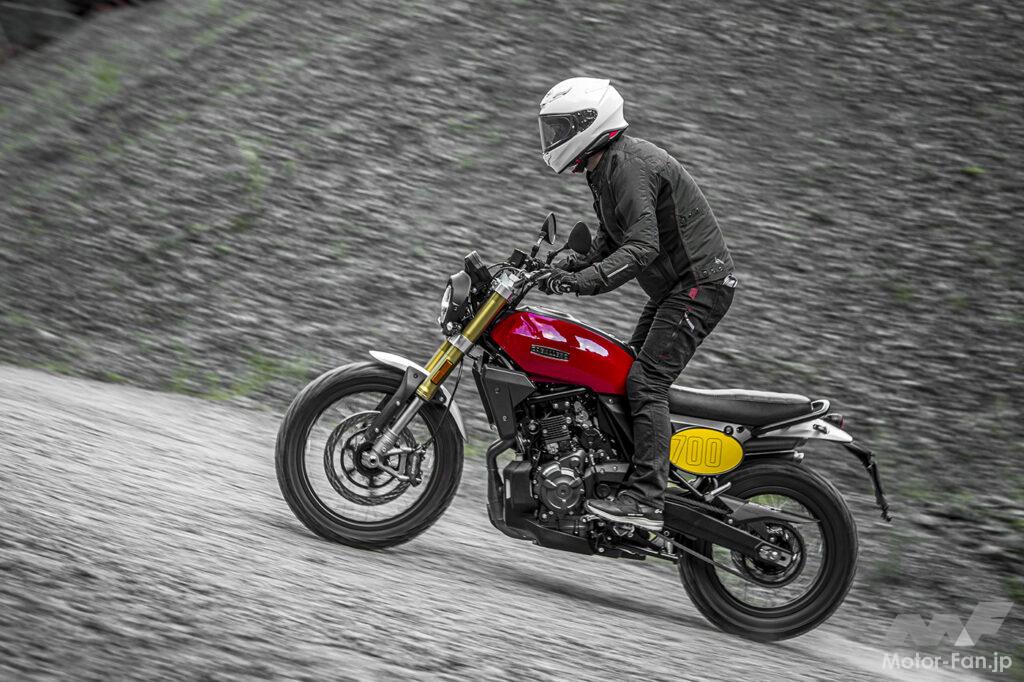
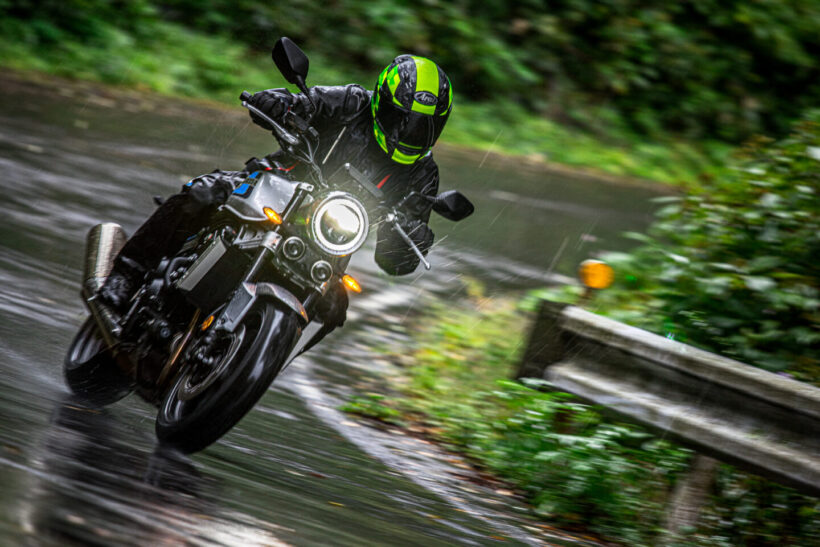
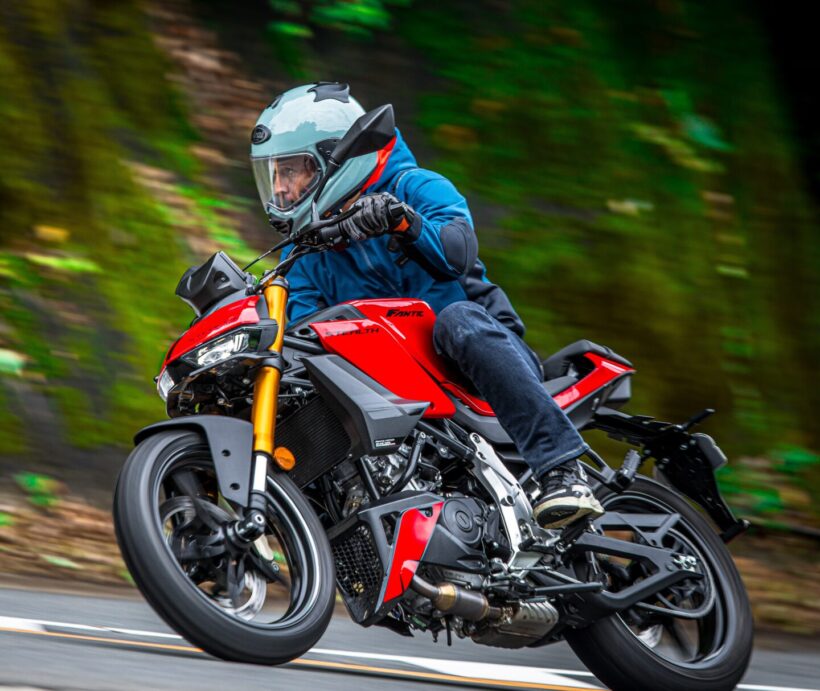
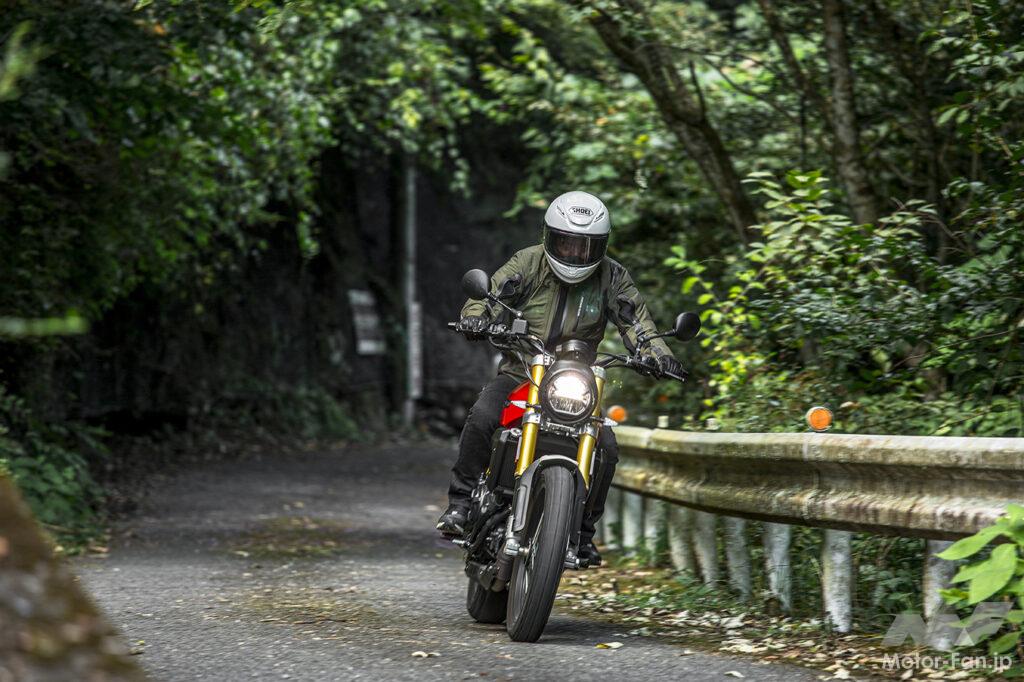
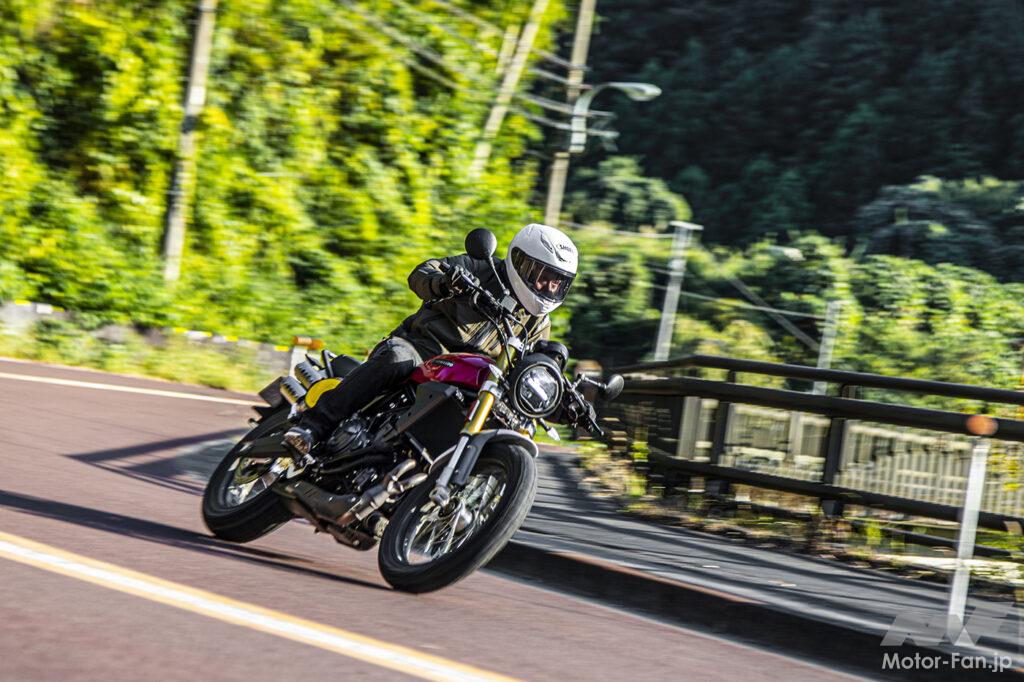
It is fitted with a 19-inch front wheel, as is typical of Scrambler models, but it rides more nimble than adventure models like the Ténéré 700, and more composed than the MT-07. Like other CABALLERO Scrambler series bikes, it can be ridden comfortably and reasonably fast on winding roads, but as the speed increases, the generousness unique to the 19-inch front wheel comes into play. It is quite fun to ride in a sporty manner, taking advantage of the suspension’s response by shifting the rider’s weight slightly more or by taking advantage of the 150mm of wheel travel both front and rear to actively shift the center of gravity forward and backward.
The CP2 engine’s output characteristics support the rider in these riding situations. Typically, when you think of a large-displacement two-cylinder engine, you think of the thumping sound that Harley-Davidson is known for, along with the powerful torque that accompanies it. However, that thumping sound can also create a unique jerky feeling when you try to accelerate again after the engine speed drops.
However, the CP2 engine doesn’t thump. CP stands for crossplane, a Yamaha-original engine design concept that reduces the inertial torque of parts that move up and down or rotate within the engine, efficiently extracting only the torque generated by combustion within the cylinder. By achieving this, the feeling of explosions within the cylinder and the rear tire gripping the road is clearer, making it easier to open the throttle and maximizing the feeling of controlling the bike. Unlike in-line four-cylinder and in-line three-cylinder engines, in theory, a two-cylinder engine cannot cancel out inertial torque, but the CP2 engine uses a 270° crank to suppress the rise in pressure inside the crank, resulting in clearer torque.
Therefore, the response of the engine and rear tires to the amount of throttle opening, as well as the feeling of the rear tires gripping the road, is very clear, making it easy to control the vehicle’s behavior not only on winding roads but also in city traffic with continuous stop-and-go traffic.
ADVERTISEMENT
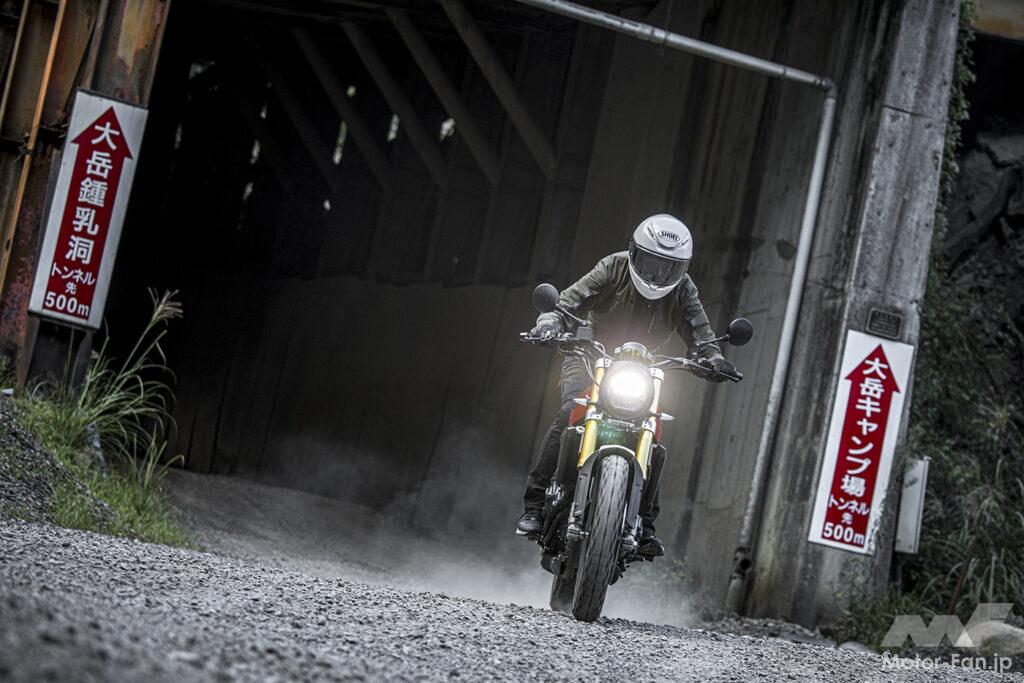
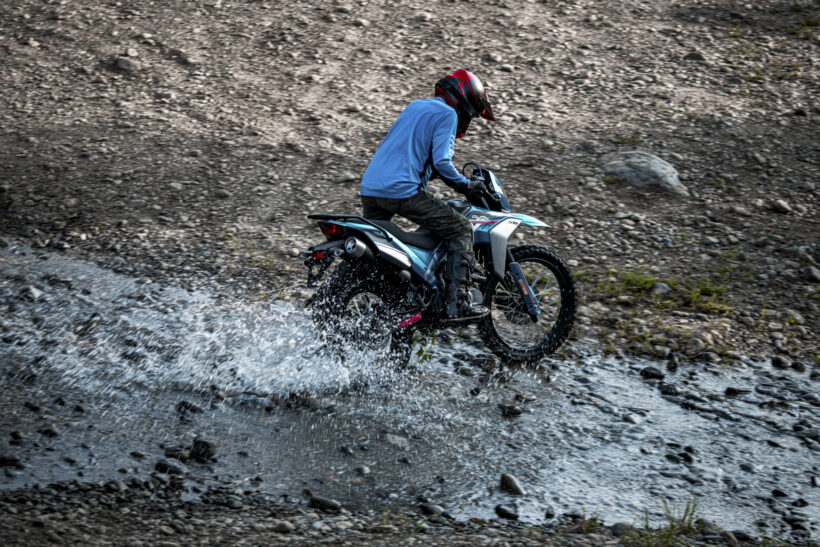
Due to my own skill level, I was only able to drive off-road at a moderate pace, but I still felt that the ease of control when the rear tire started to slip was largely due to the engine’s characteristics.
The CABALLERO series was only for connoisseurs, with its slightly more niche engine displacements of 125 and 500, but the Scrambler 700, equipped with a Yamaha 700cc twin engine, is a model that is approachable even for Japanese riders. At the same time, the feeling produced by the European-forged chassis and well-developed engine is one of a kind. Many riders will be captivated by the charm of the Scrambler 700 once they experience it.
Riding position and foot reach (170cm/65kg)
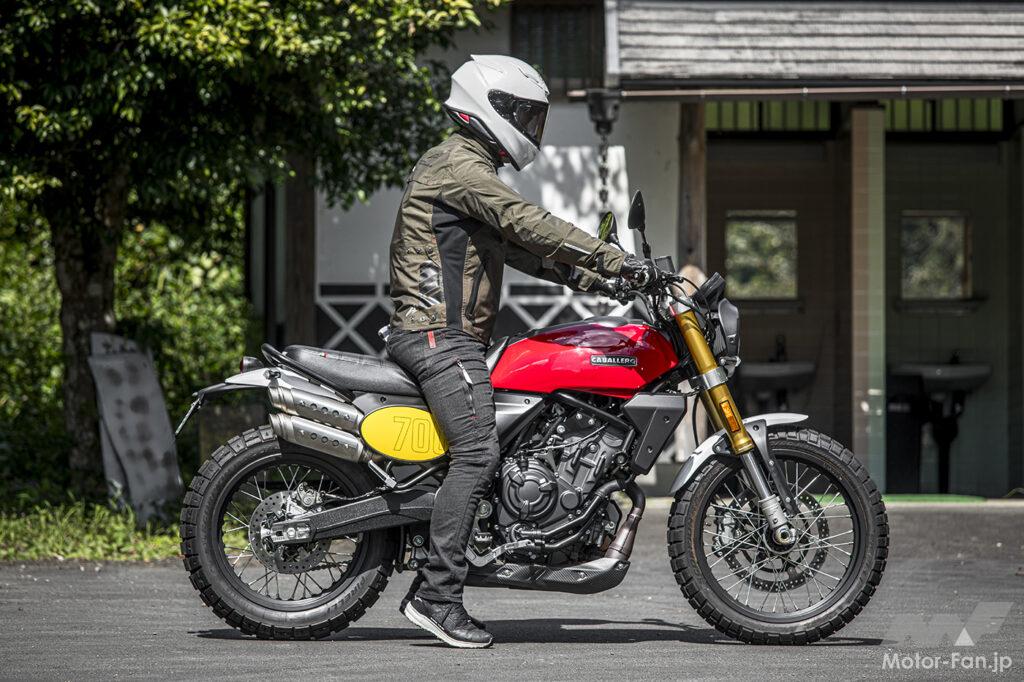
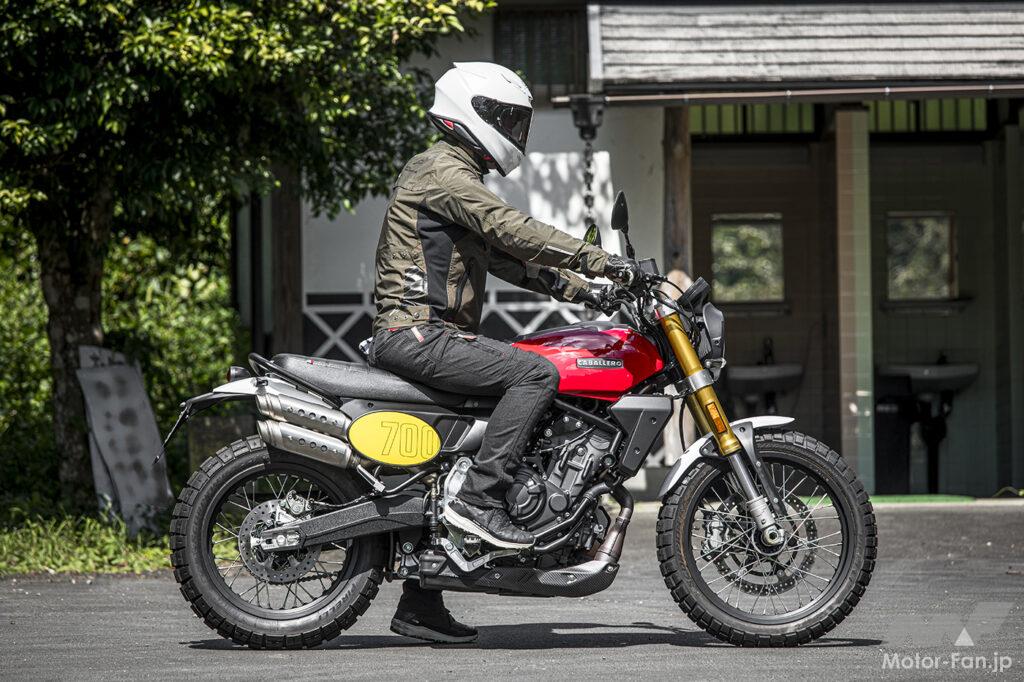
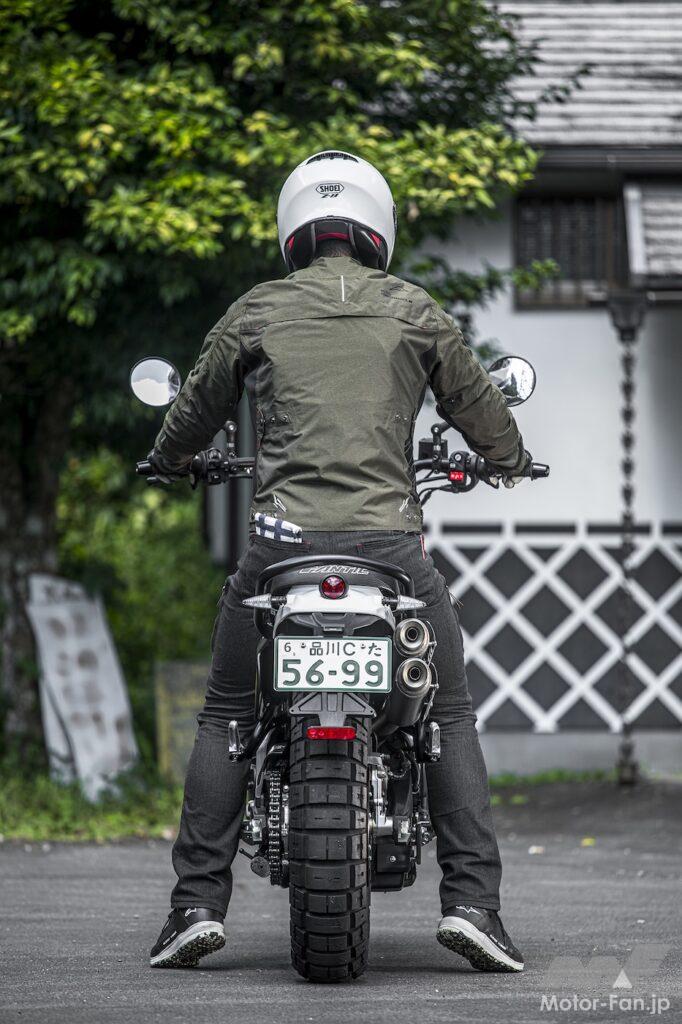
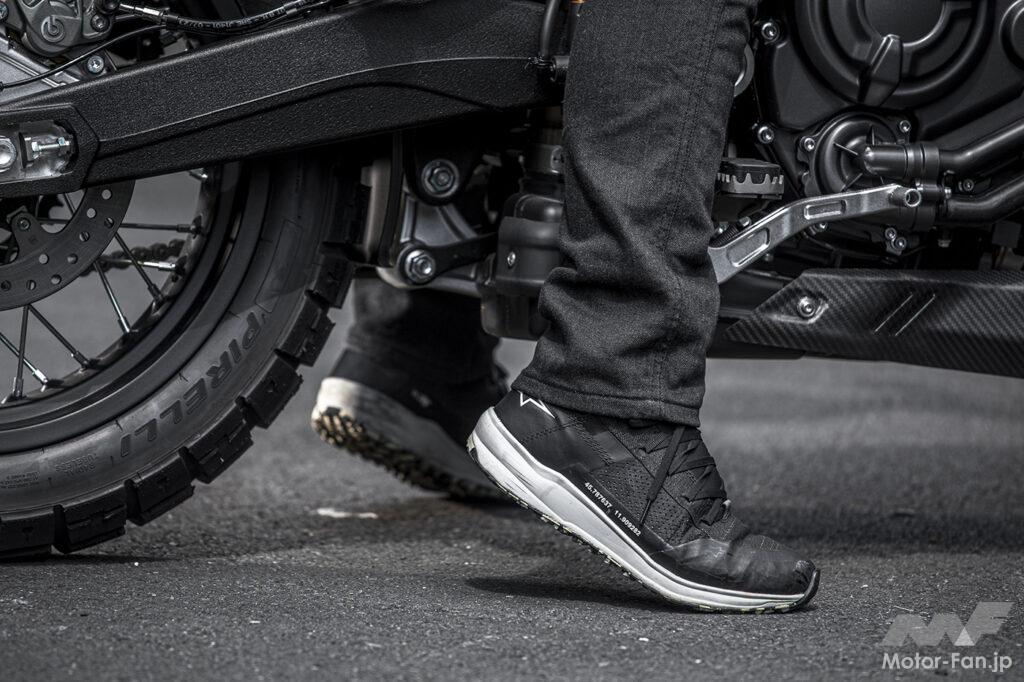
The seat height is slightly higher than its sister model, the Scrambler 500, but the shape of the seat and side covers makes it easier for the Scrambler 700 to reach the ground. The feeling when straddling the bike is also similar to the 500, maintaining a compact design.
Detailed explanation
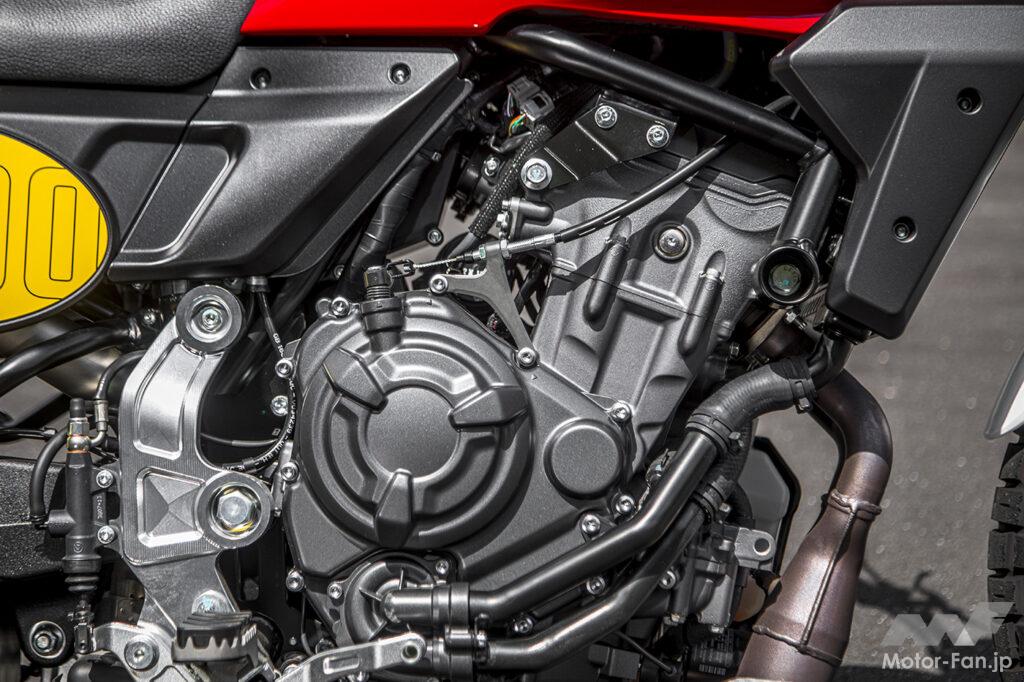
Based on the Yamaha CP2 engine, Fantic and Minarelli have meticulously crafted the output characteristics. It also comes equipped with an IMU (Inertial Measurement Unit) that accurately measures the movement of the vehicle. This enables advanced vehicle control such as cornering ABS and traction control, and it also comes with three riding modes: “Street,” “Off-road,” and “Custom.”
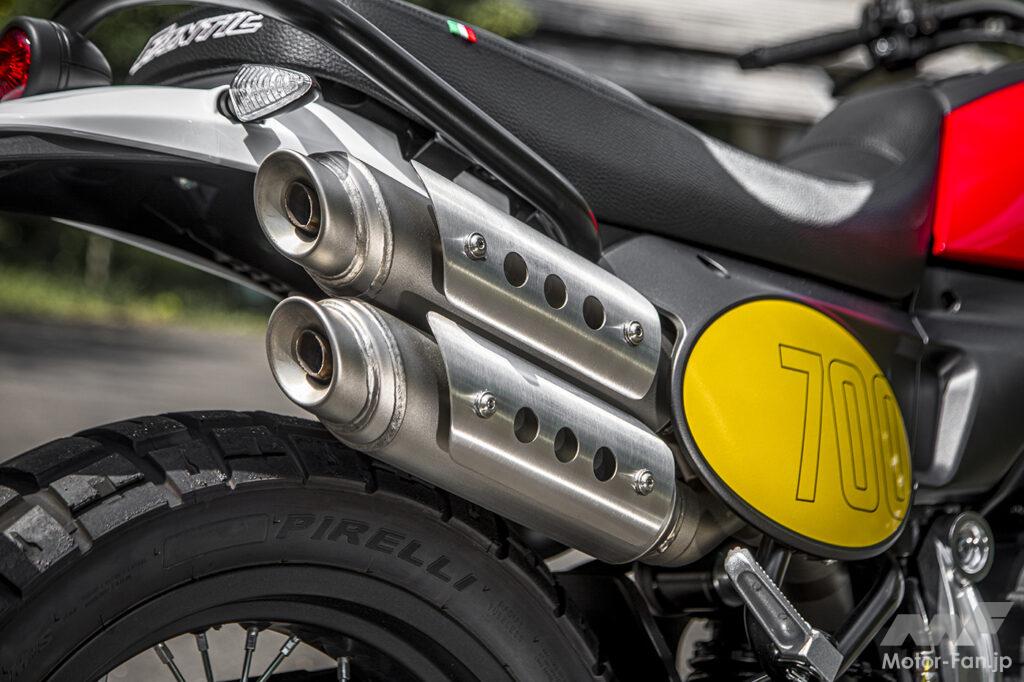
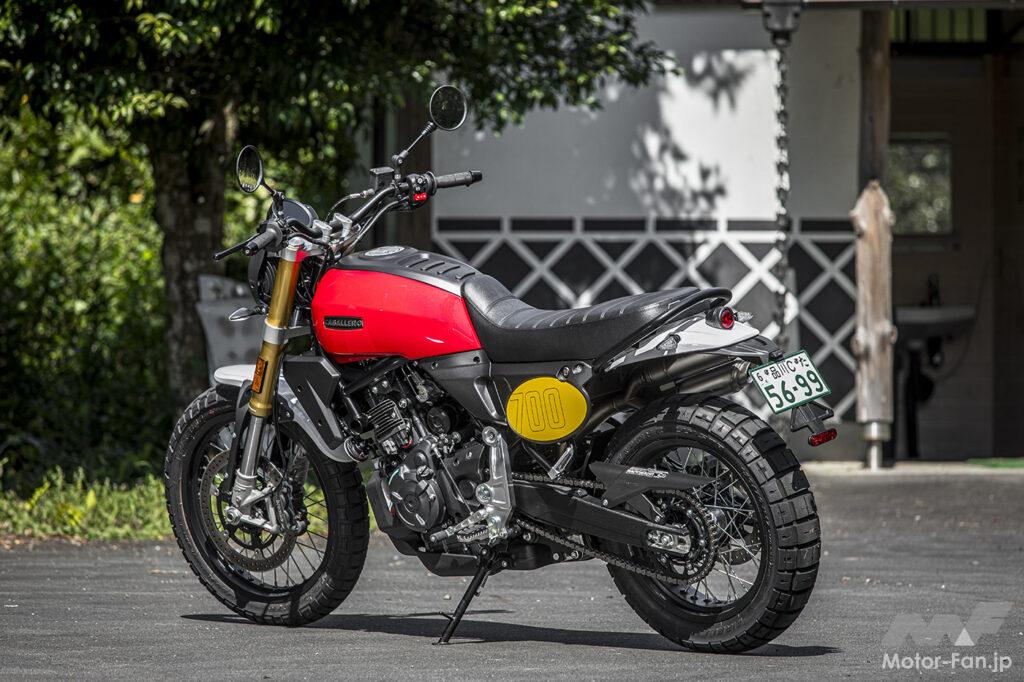
It also inherits the iconic detail of the CABALLERO Scrambler series, the up-type dual exhaust silencer. Unlike other CABALLERO Scrambler models, the exhaust pipes are laid out under the engine.
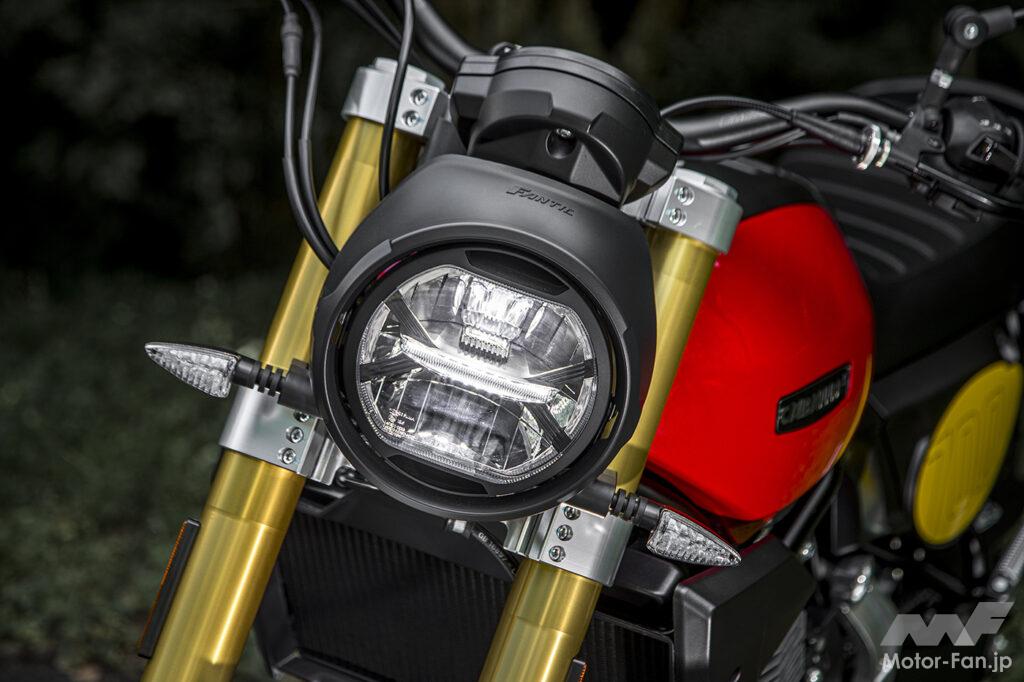
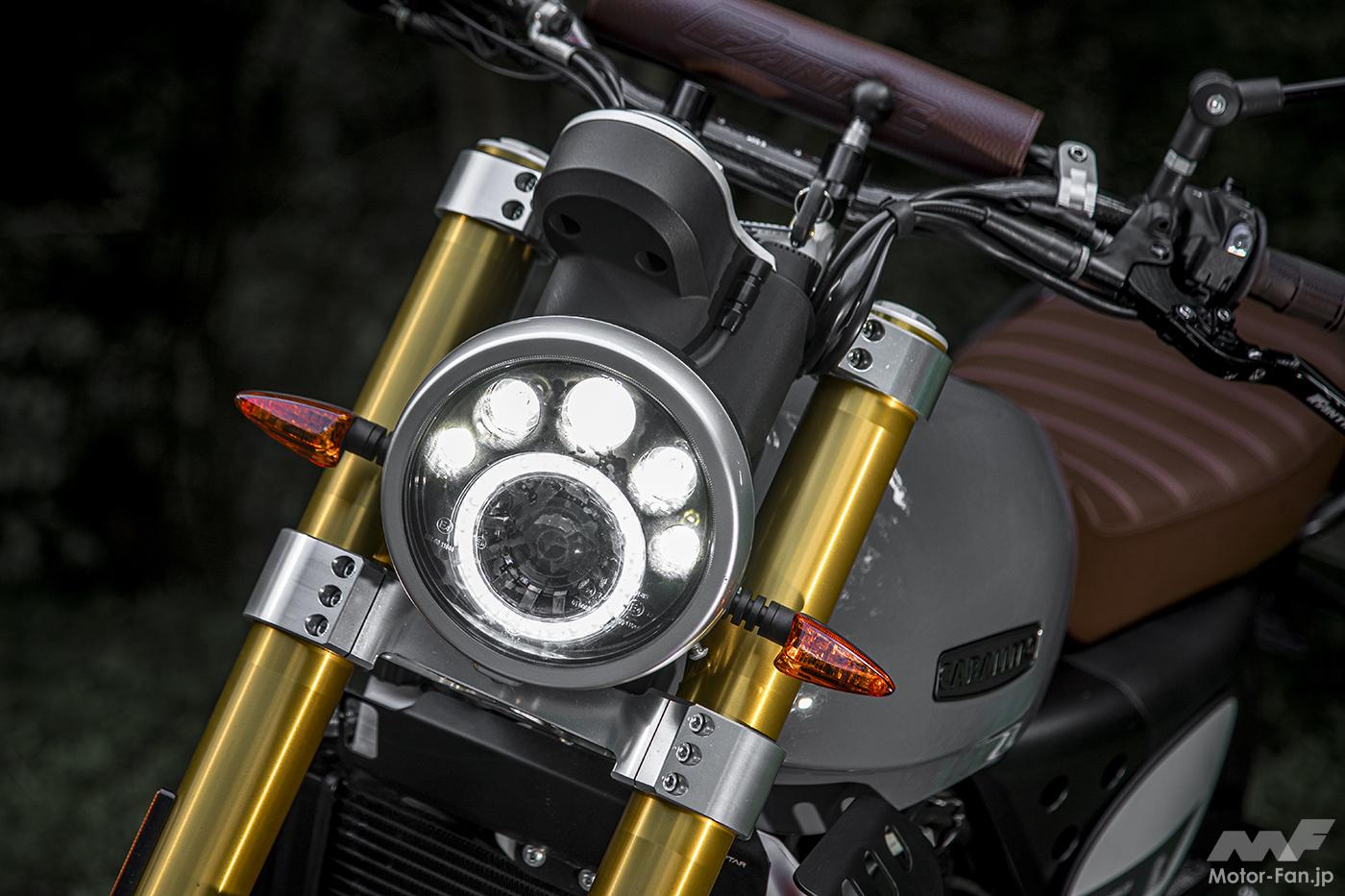
A bar-type daytime running light is set in the center of the classic round LED headlight. With its unique design, you can tell at a glance that it is a Scrambler 700.
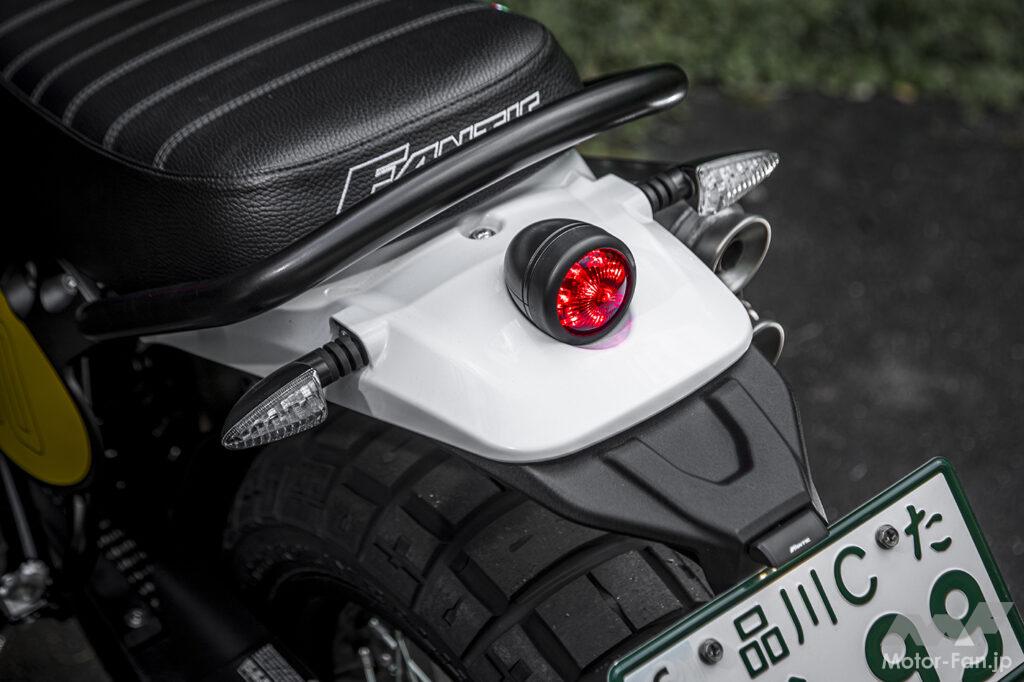
The small taillights and turn signals are also made of LED. They ensure high visibility while contributing to the classic style. The “FANTIC” logo is designed on the seat end. A grab bar is also standard equipment.
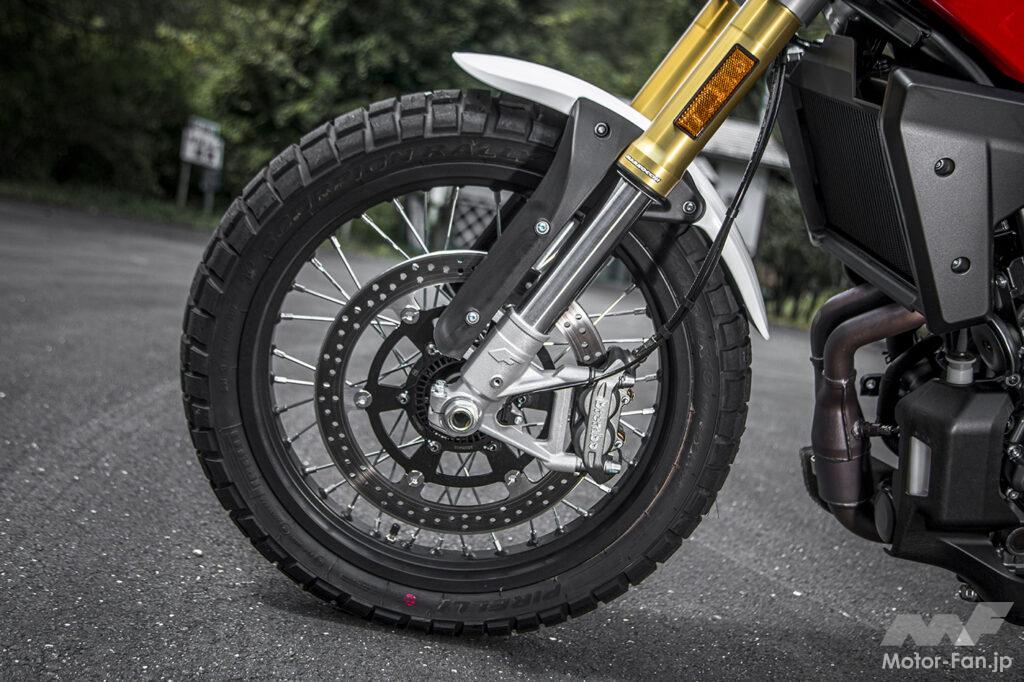
The front fork is a Marzocchi φ45mm inverted fork. The front 19-inch wheel is fitted with a single φ330mm brake disc. The suspension stroke is 150mm.
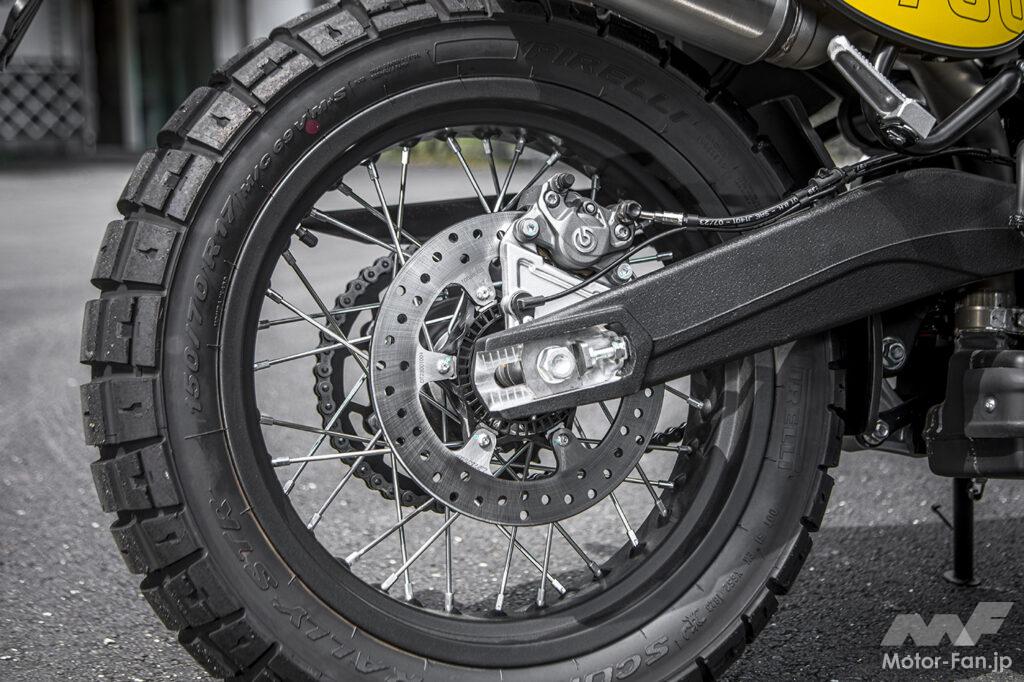
The rear brake system is also made by Brembo, just like the front. The rear wheel size is 17 inches. The front and rear tires are Pirelli Scorpion Rally STR, which is well-known as an adventure tire for both on and off-road use.
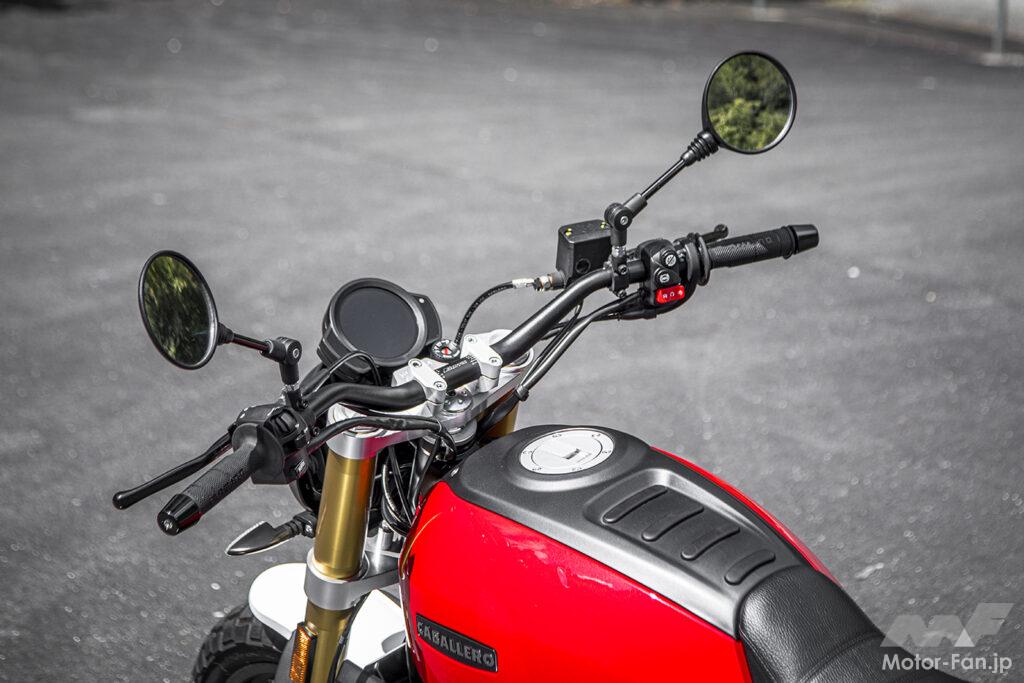
It uses slightly wider handlebars. It does not have the handlebar brace type that increases the rigidity of the handlebars used on its sister model, the Scrambler 500.
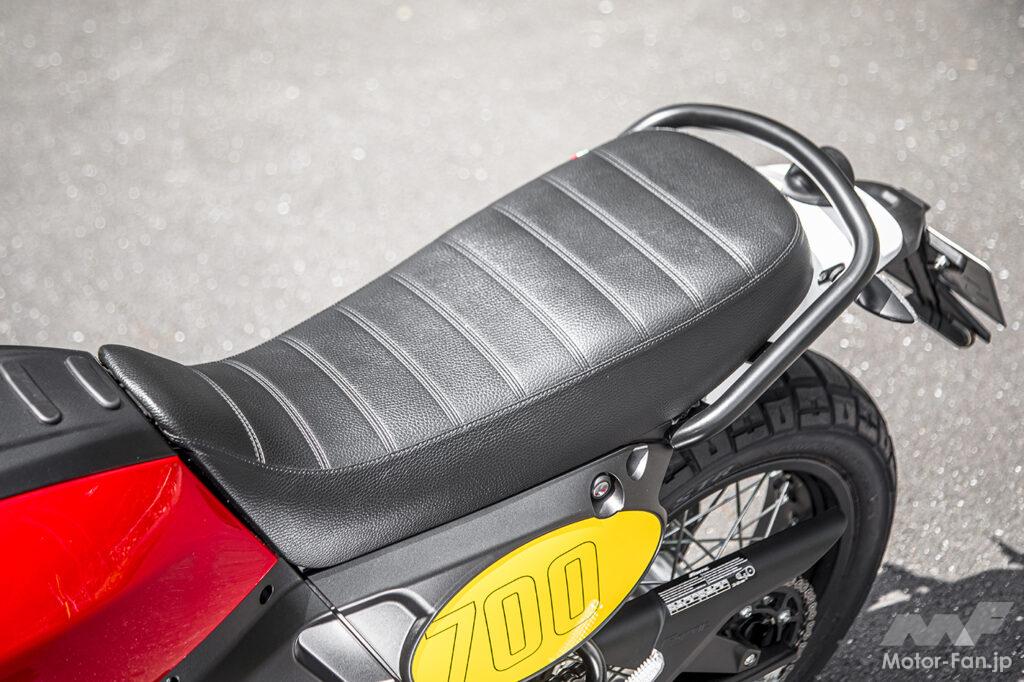
The flat double seat allows the rider to move easily back and forth. The thick seat foam increases comfort, while the narrow design of the seat tip improves foot reach.
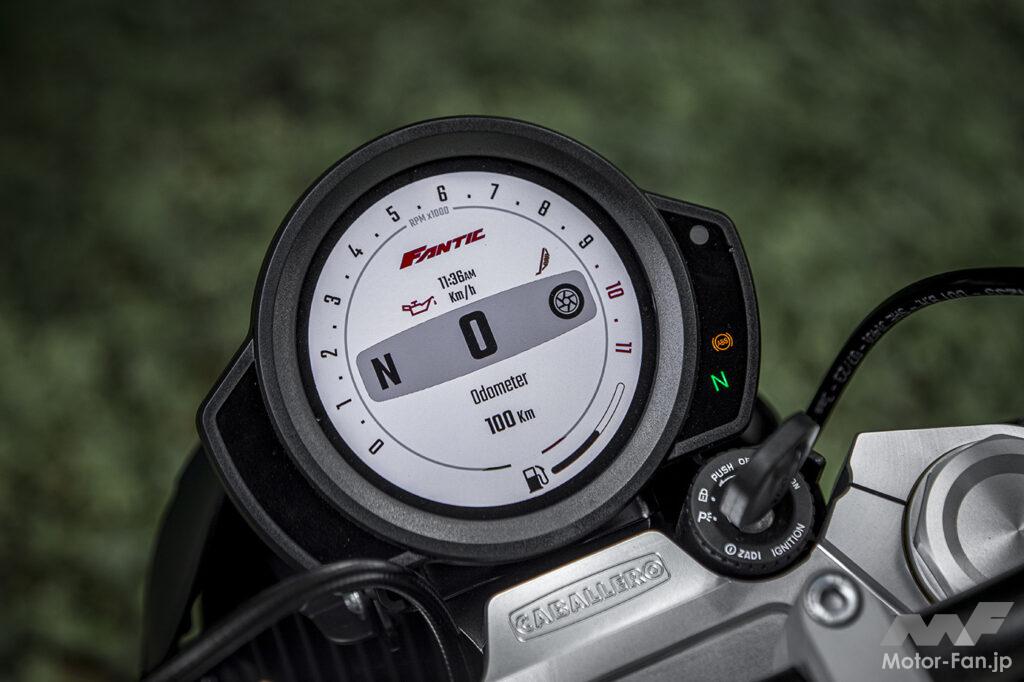
The color display has the gear position and speedometer in the center, surrounded by an engine tachometer. The riding mode is displayed as an illustration to the right of the speedometer.
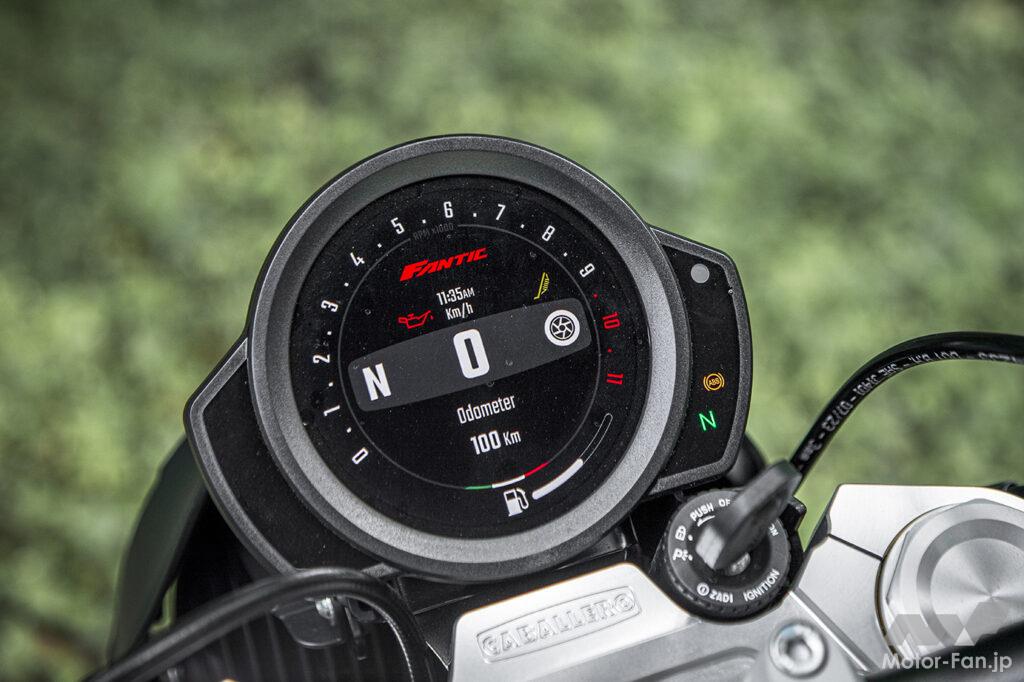
This display senses the brightness of the driving field and automatically switches. The white base is for daytime use, and the black base is for nighttime and tunnel use.
“CABALLERO Scrambler 700” main specifications
■Wheelbase 1,453mm
■Seat height 830mm
■Vehicle weight 175kg
■Engine type Water-cooled 4-stroke DOHC 4-valve in-line twin-cylinder
■Total displacement 689cc
■Bore x stroke 80 x 68.6mm
■Fuel supply system FI
■Maximum output 74ps @ 9400rpm
■Maximum torque 70Nm @ 6500rpm ■
Fuel tank capacity 13.5L
■Frame Chrome molybdenum steel diamond structure
■Suspension (front and rear) Marzocchi VRM system φ45mm inverted fork / 150mm travel / Marzocchi VRM system, preload adjustable / 150mm travel
■Transmission type 6-speed return
■Brake type (front and rear) 330mm single disc x BREMBO radial mount 4-piston caliper / 245mm single disc x BREMBO caliper
■Tires Pirelli Scorpion Rally STR
■ Tire size (front and rear) 110/80-19, 150/70-17
■ Price 1,750,000 yen (including tax)