
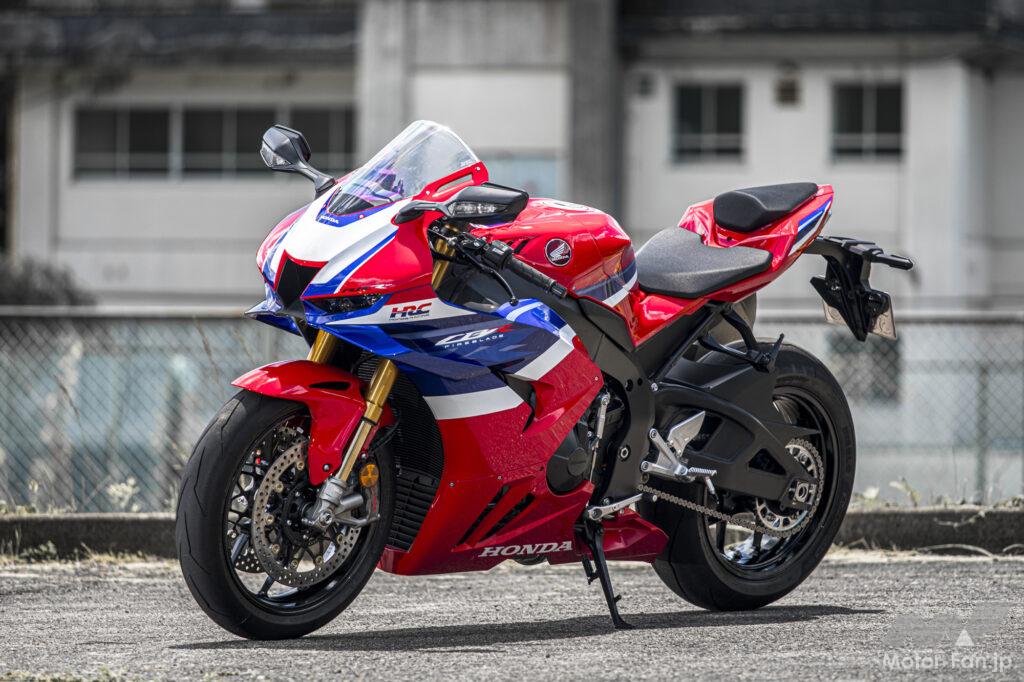
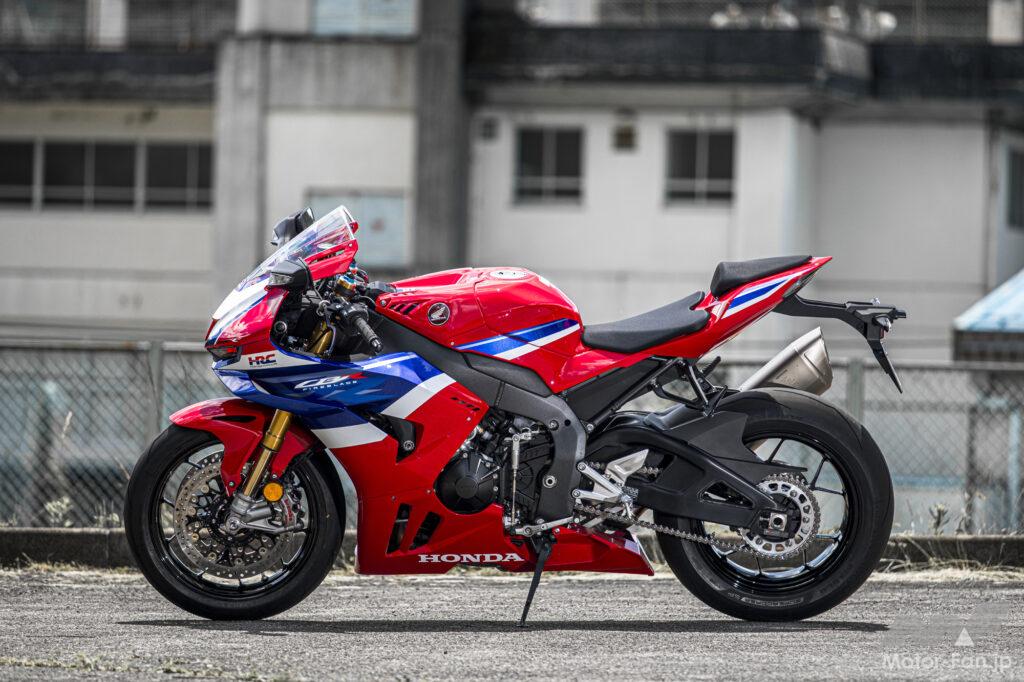
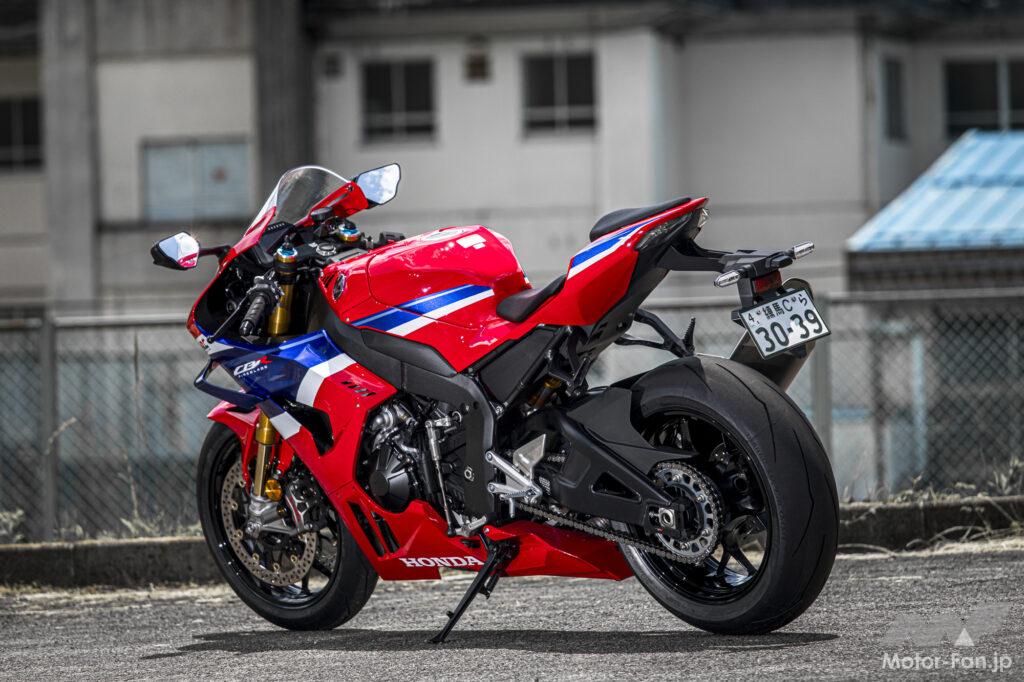
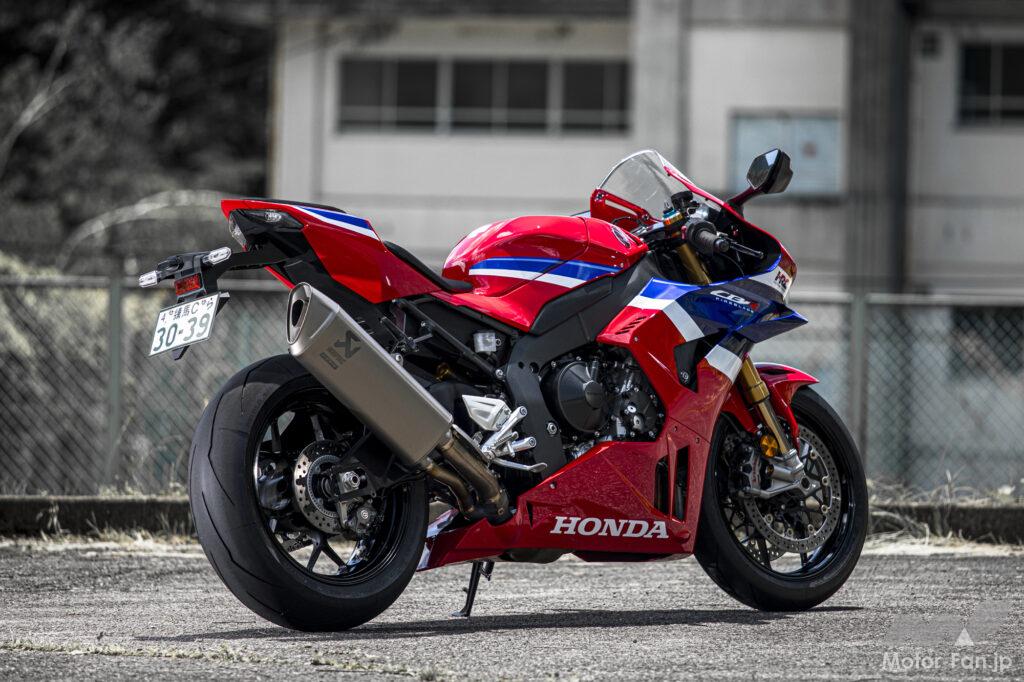
Honda CBR1000RR-R FIREBLADE SP….2,849,000 yen (tax included)
ADVERTISEMENT
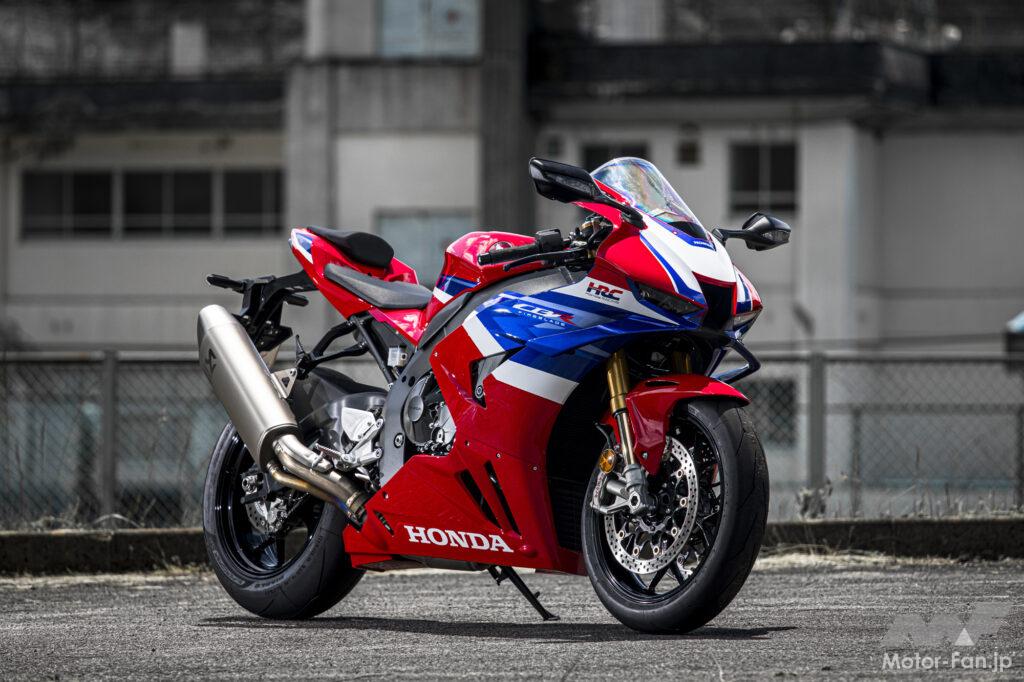
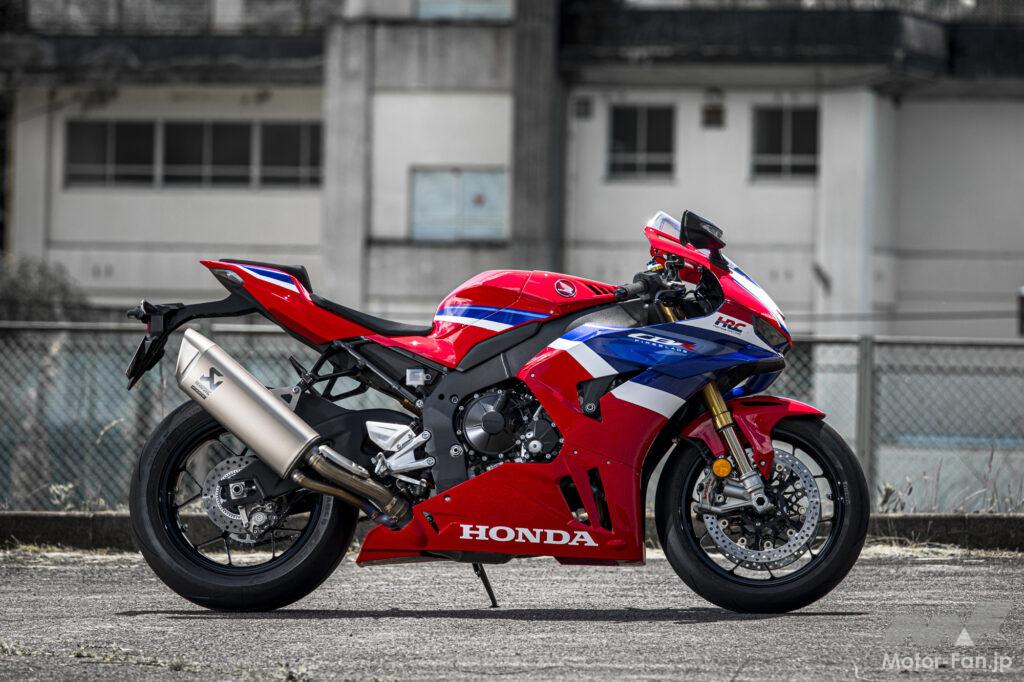
Grand Prix Red
Colors & Variations
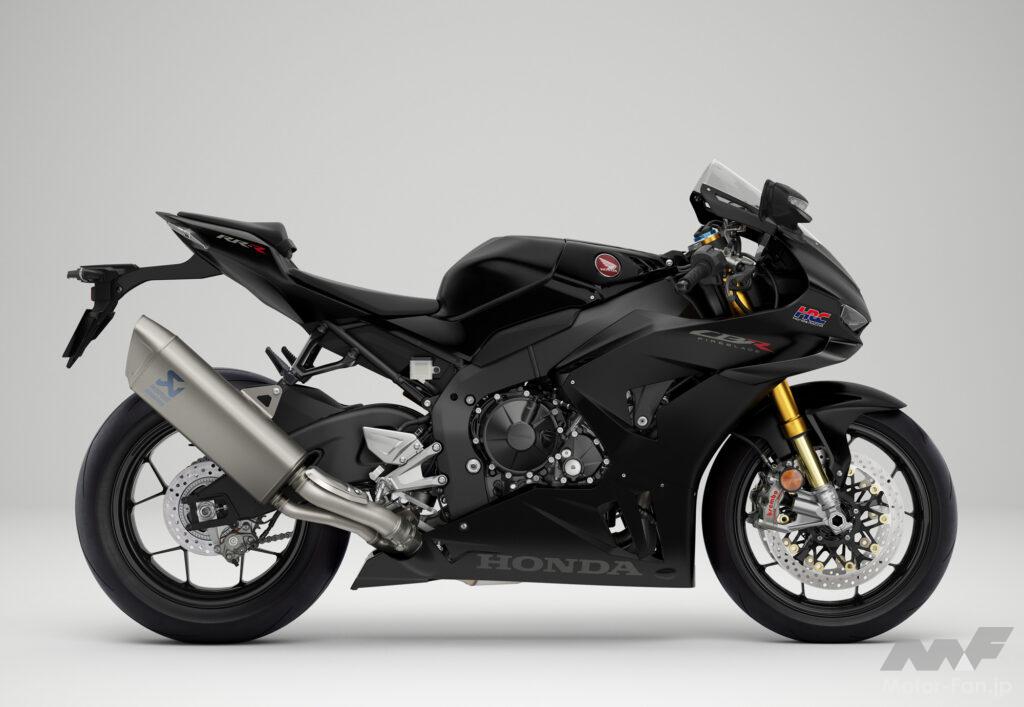
CBR1000RR-R FIREBLADE SP…….2,849,000 yen (tax included) Matte Pearl Morion Black
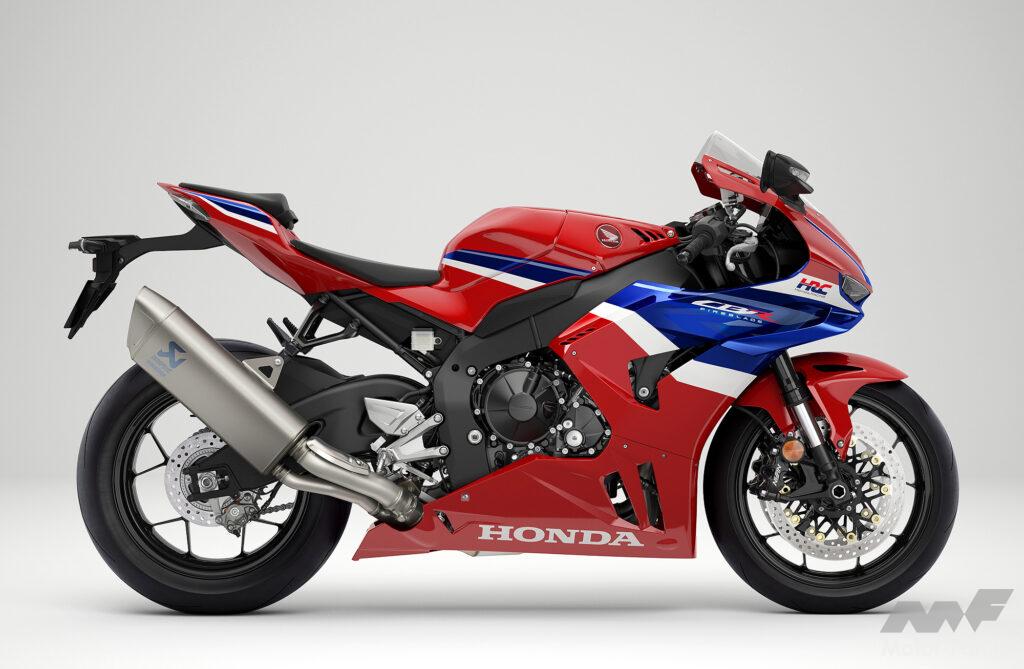
CBR1000RR-R FIREBLADE….2,486,000 yen (tax included) Grand Prix Red
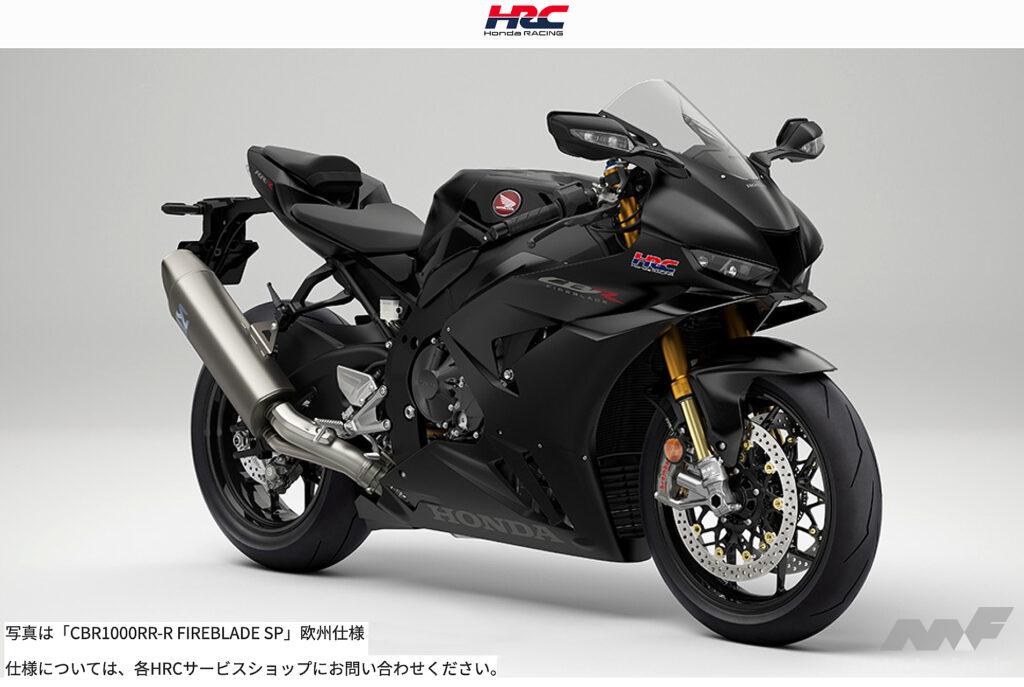
CBR1000RR-R FIREBLADE SP Race-based model (not suitable for road use)
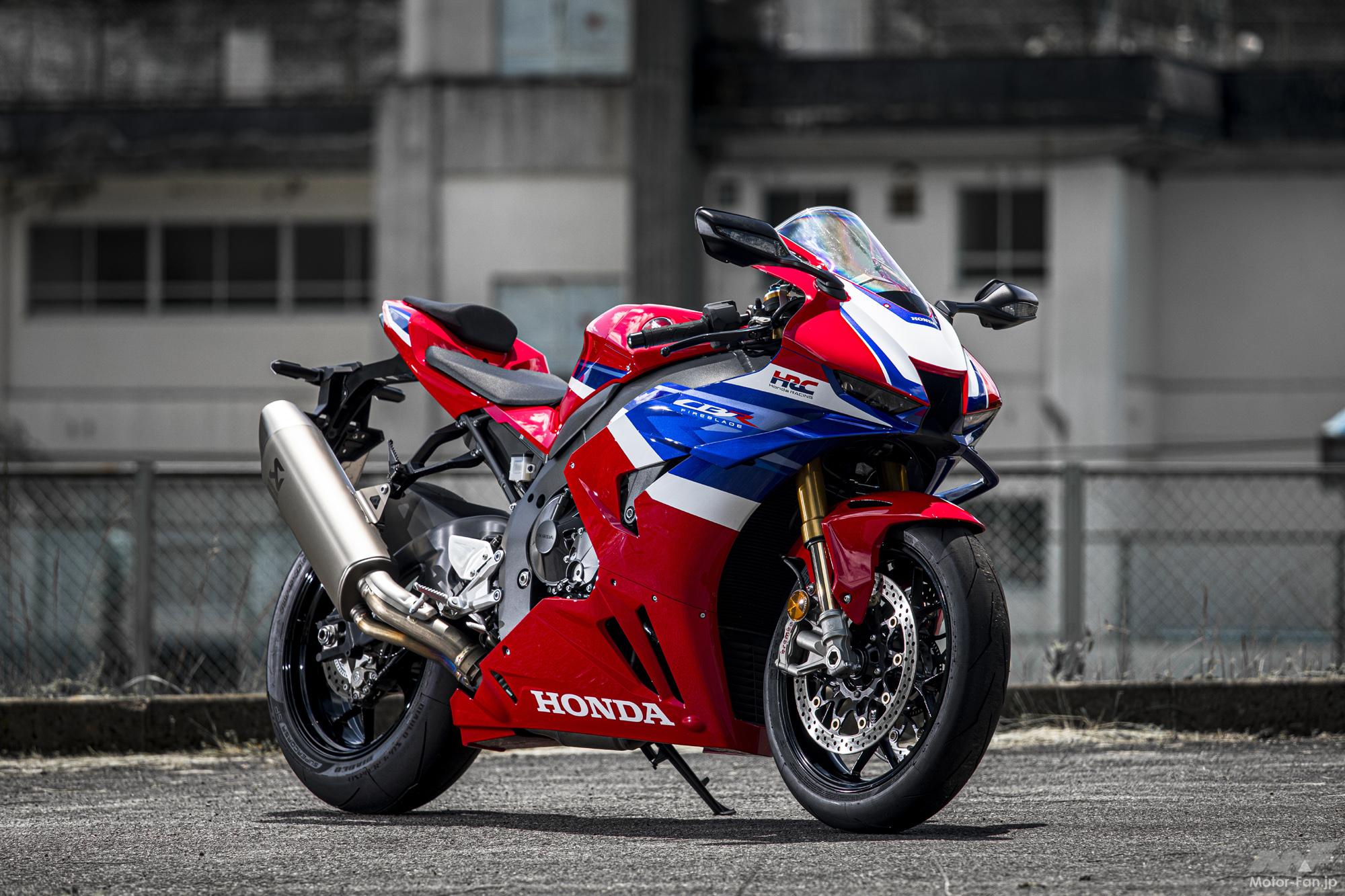


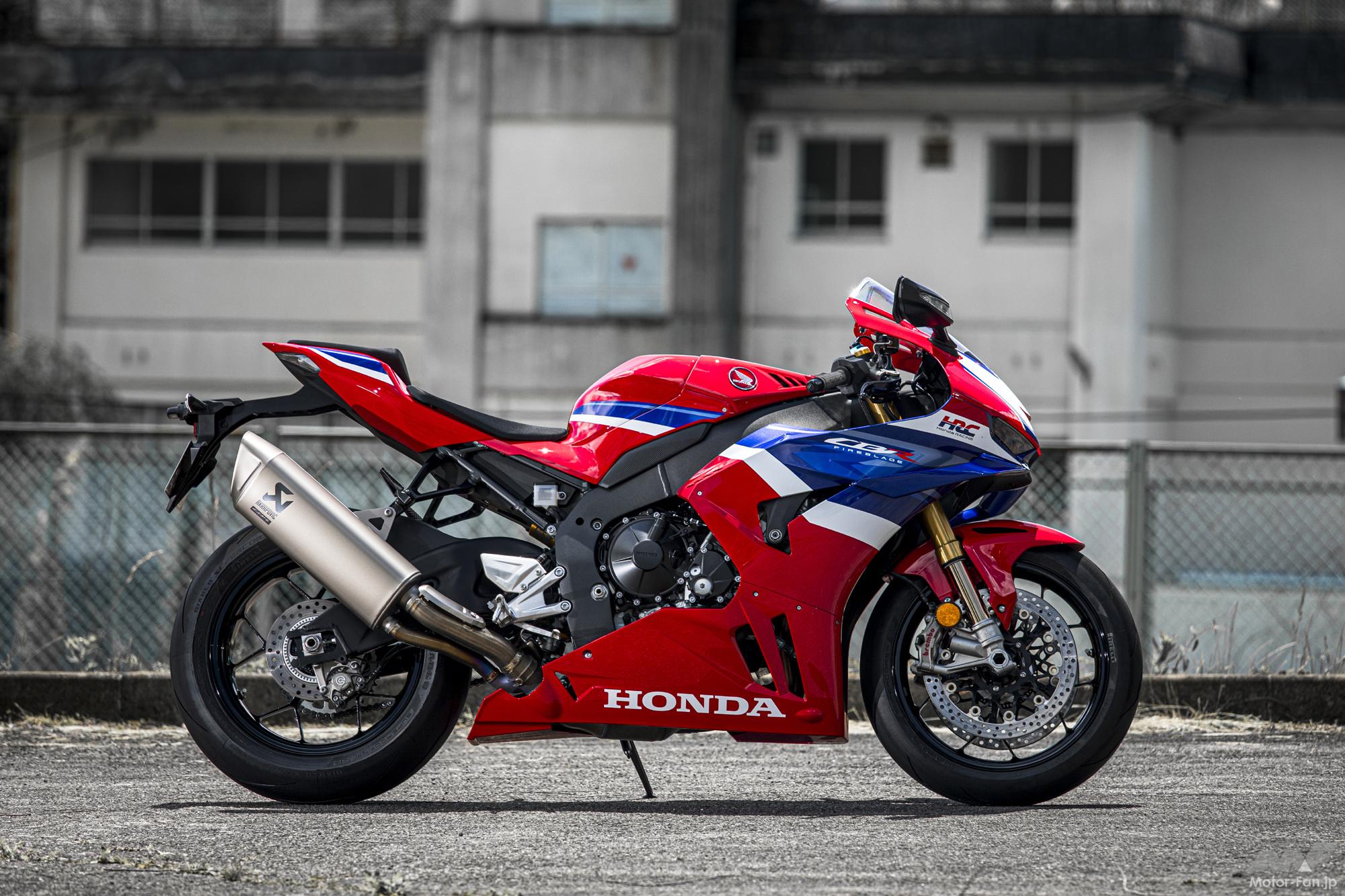
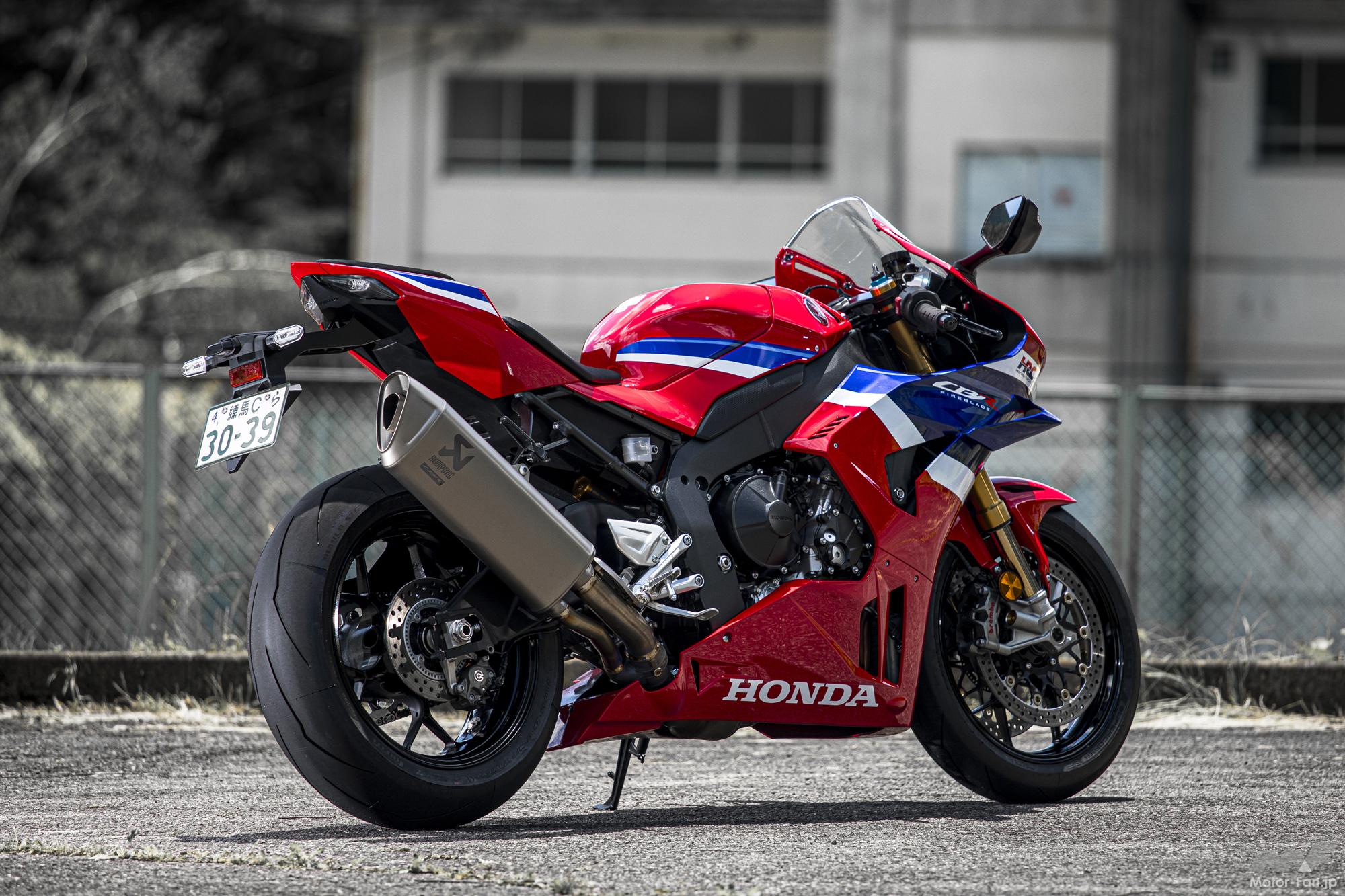
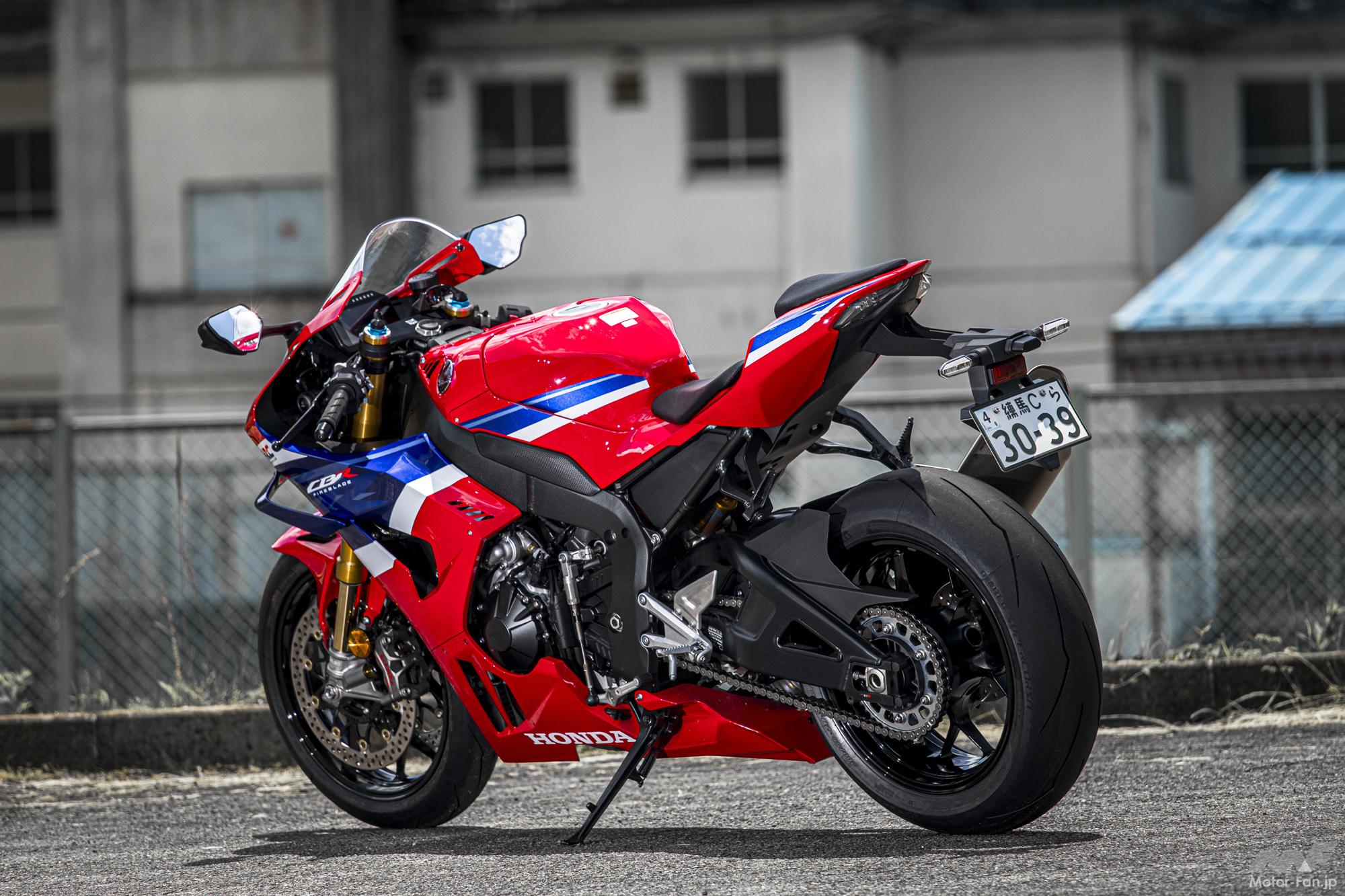
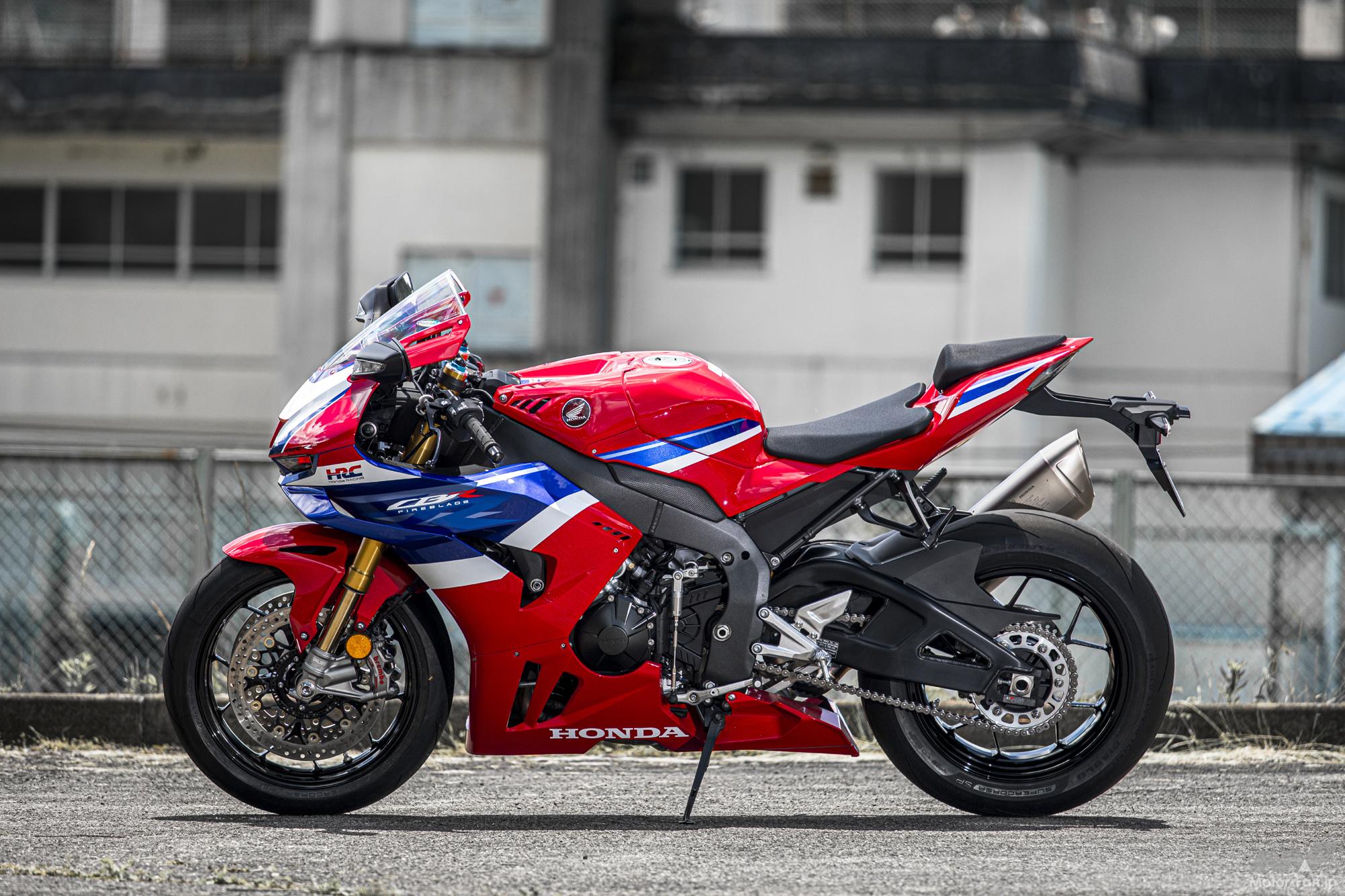
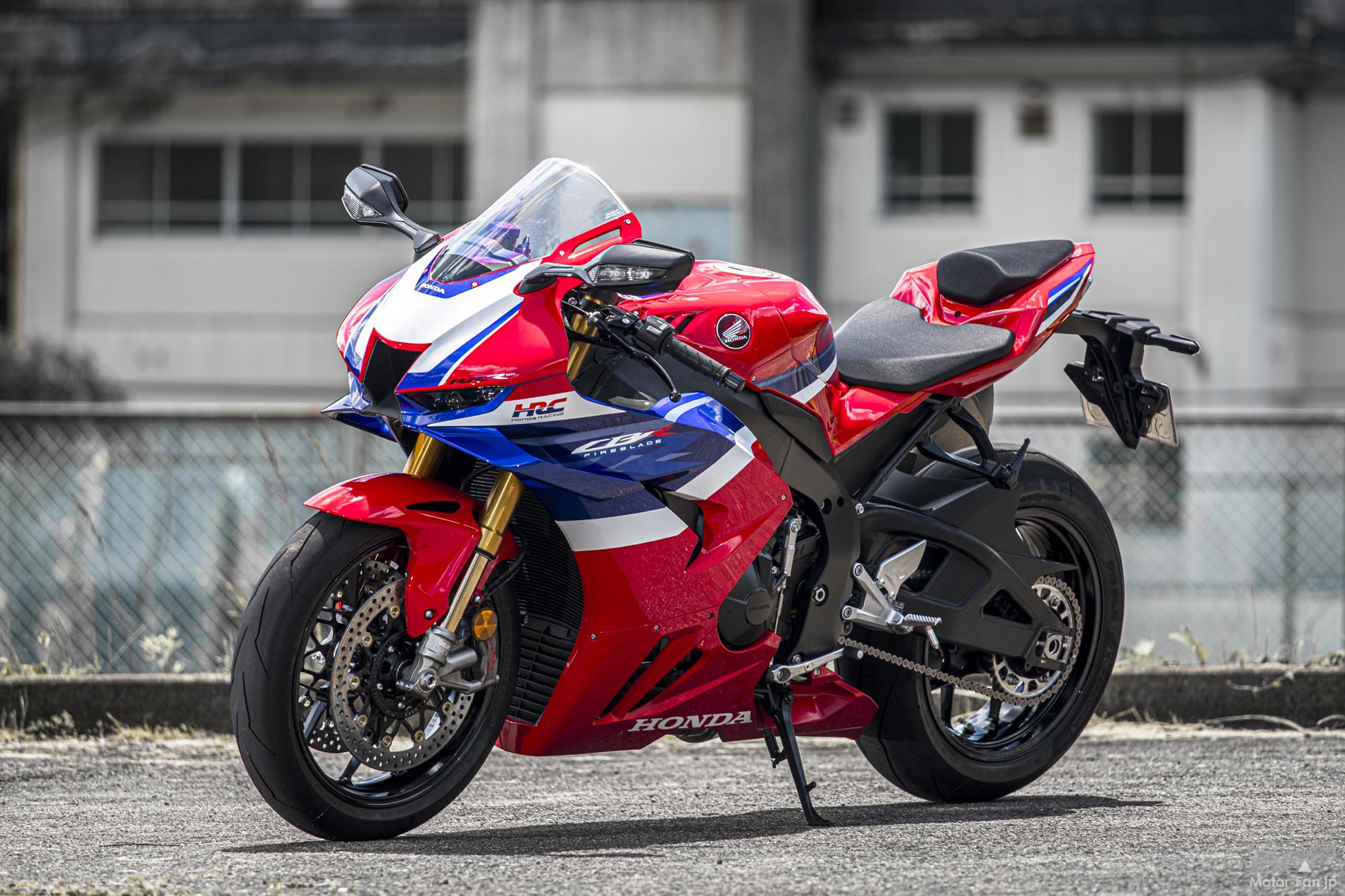
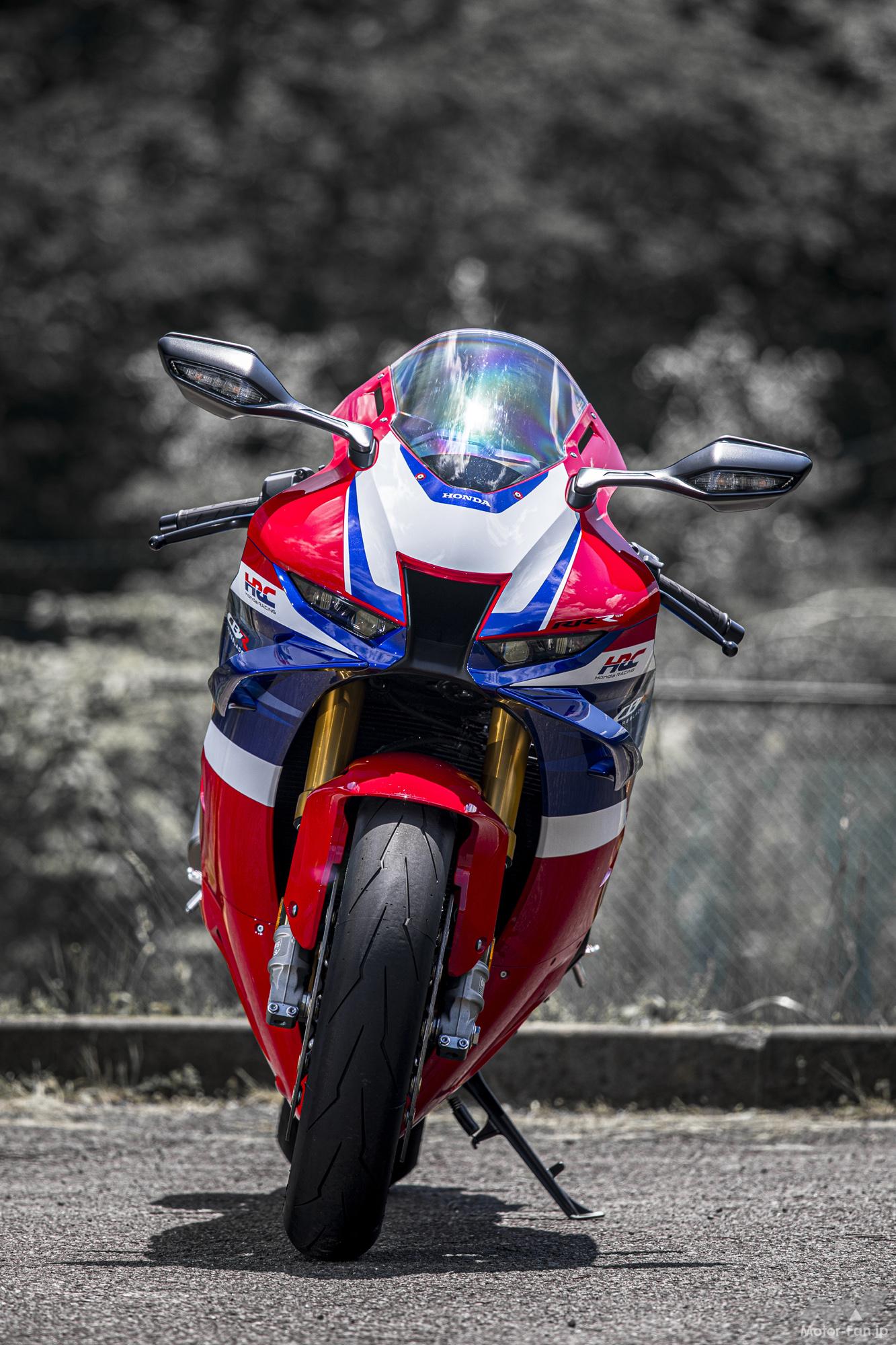
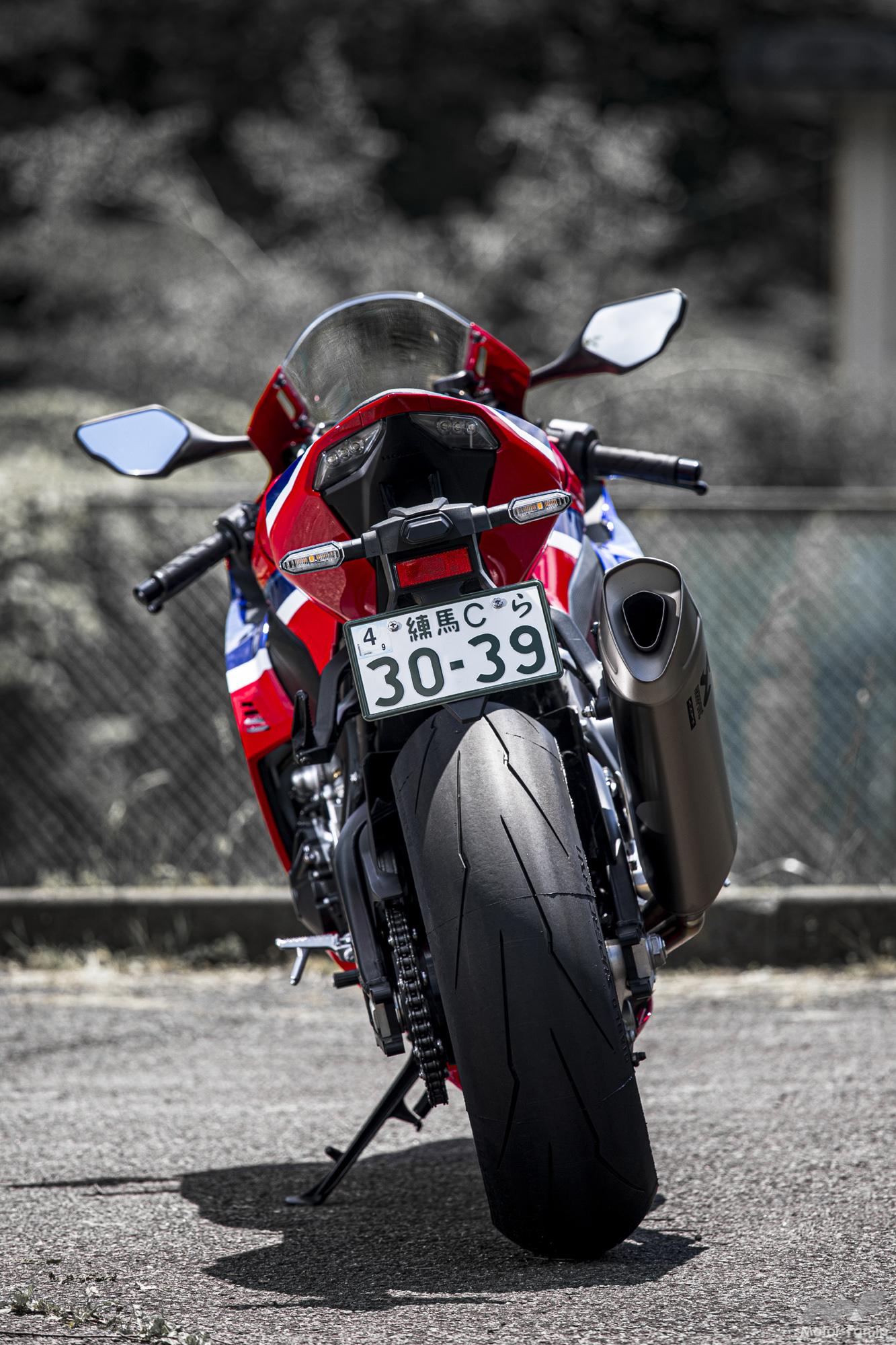
Features of the latest model
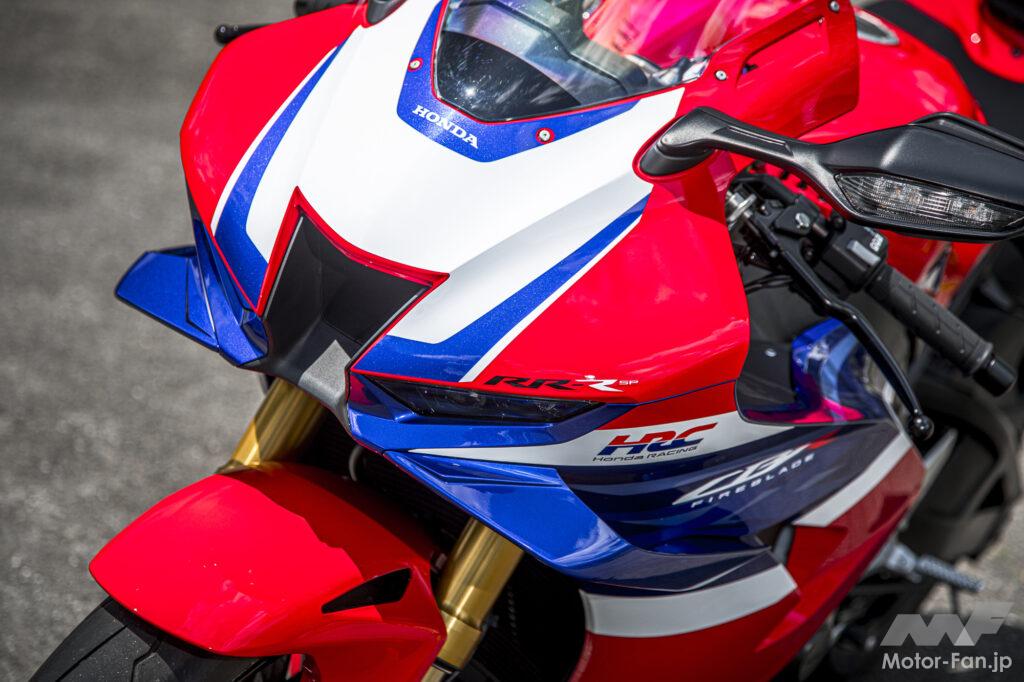
The central duct improves air intake efficiency while driving, and the redesigned winglets have a streamlined design.
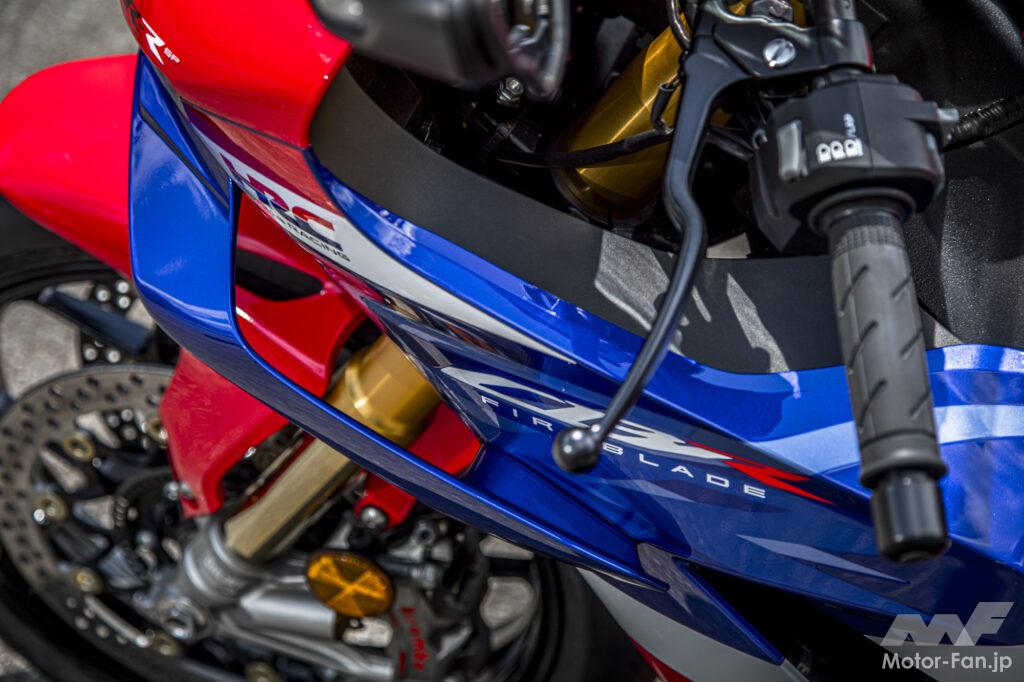
It provides effective downforce when driving at high speeds.
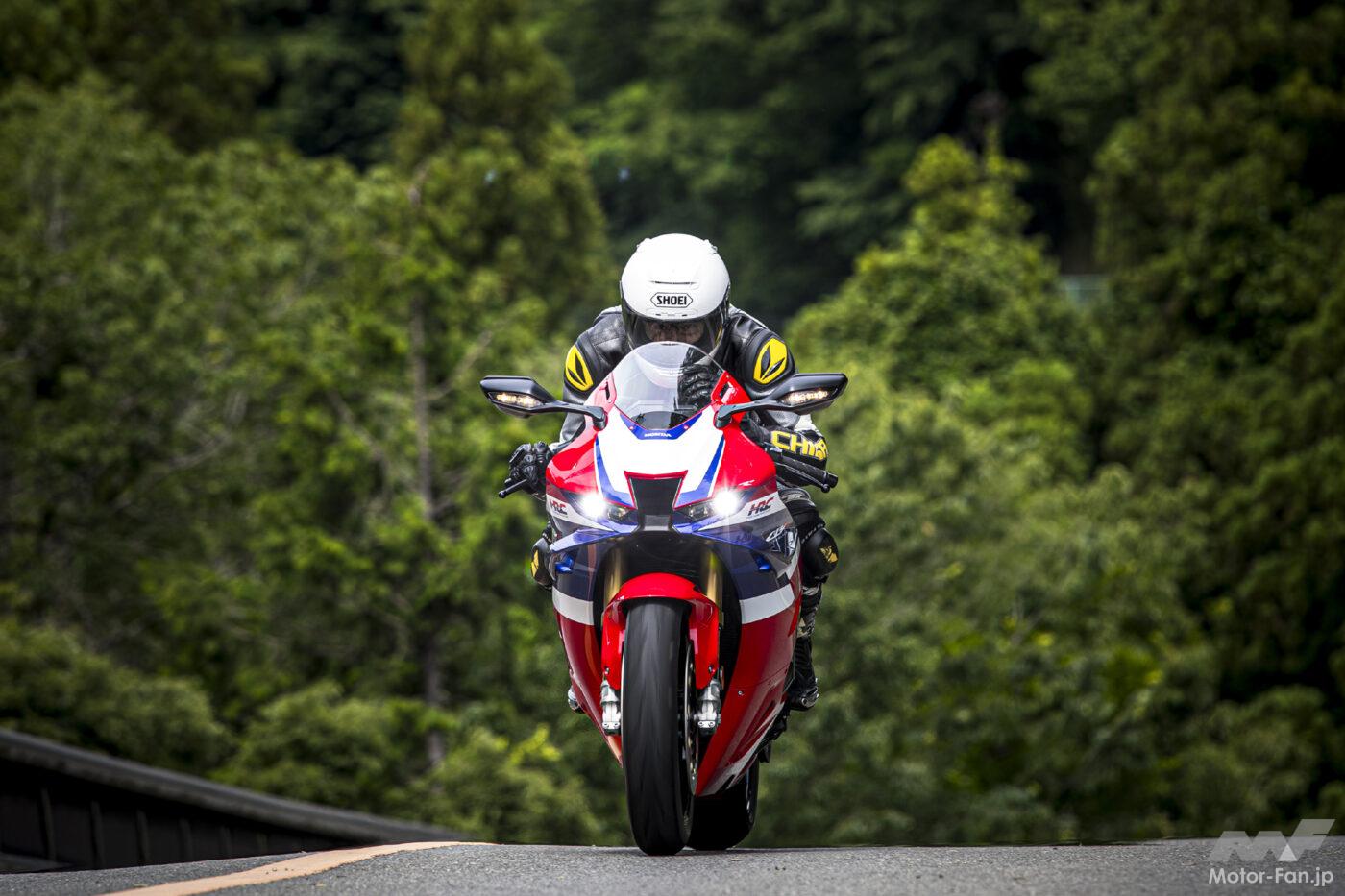
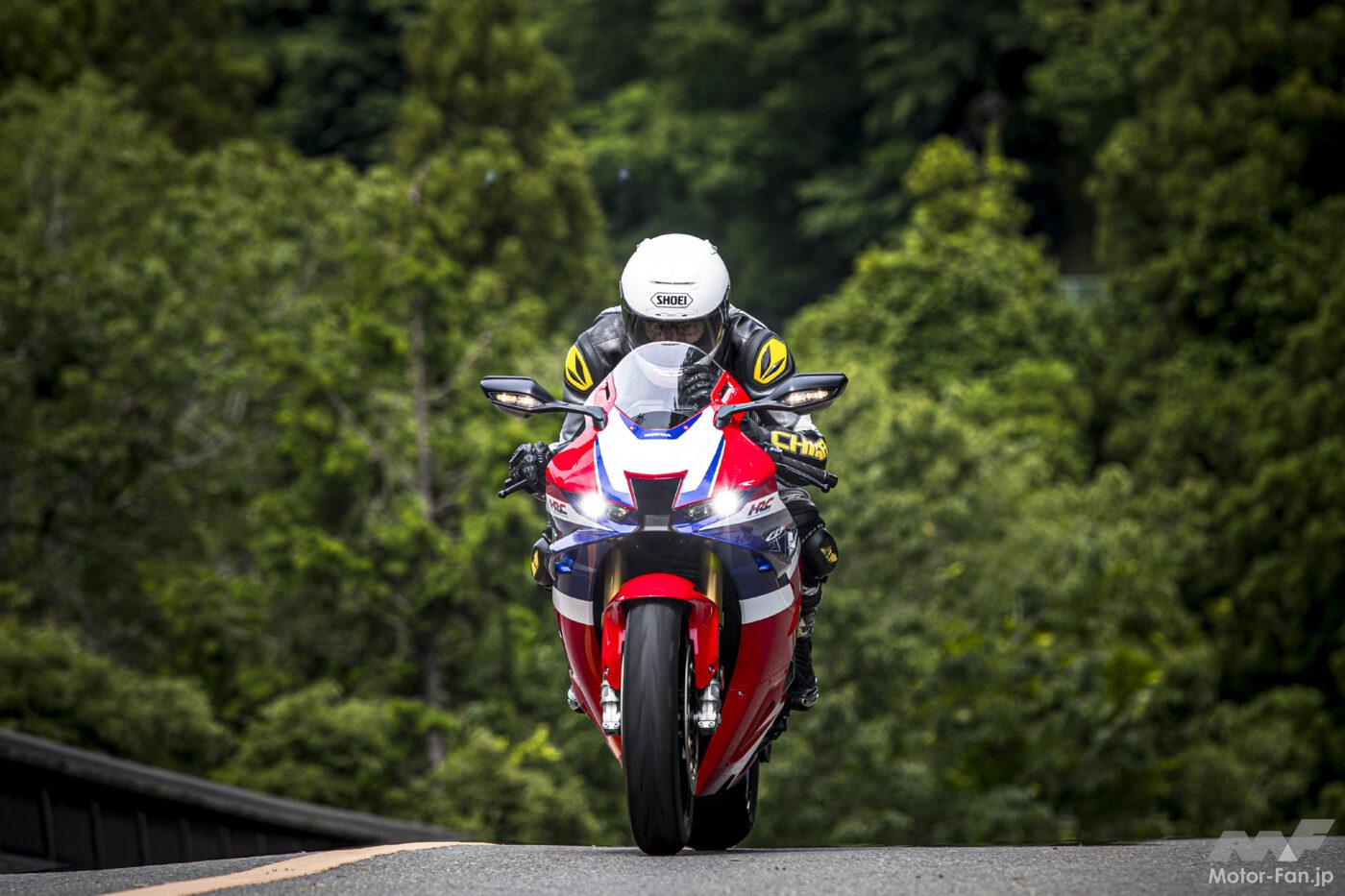
The CBR1000RR-R FIREBLADE SP that we test rode this time is the company’s flagship model, touted as the “top-end model of super sports.” At the same time, it is a model that symbolizes the racer replica model, bringing together the best of the technology inherited from the old CB.
The current model was released in March 2020. It underwent a minor change in March 2022, and the model we test rode today underwent further specification changes in March 2024.
The concept is “TOTAL CONTROL for the Track.”
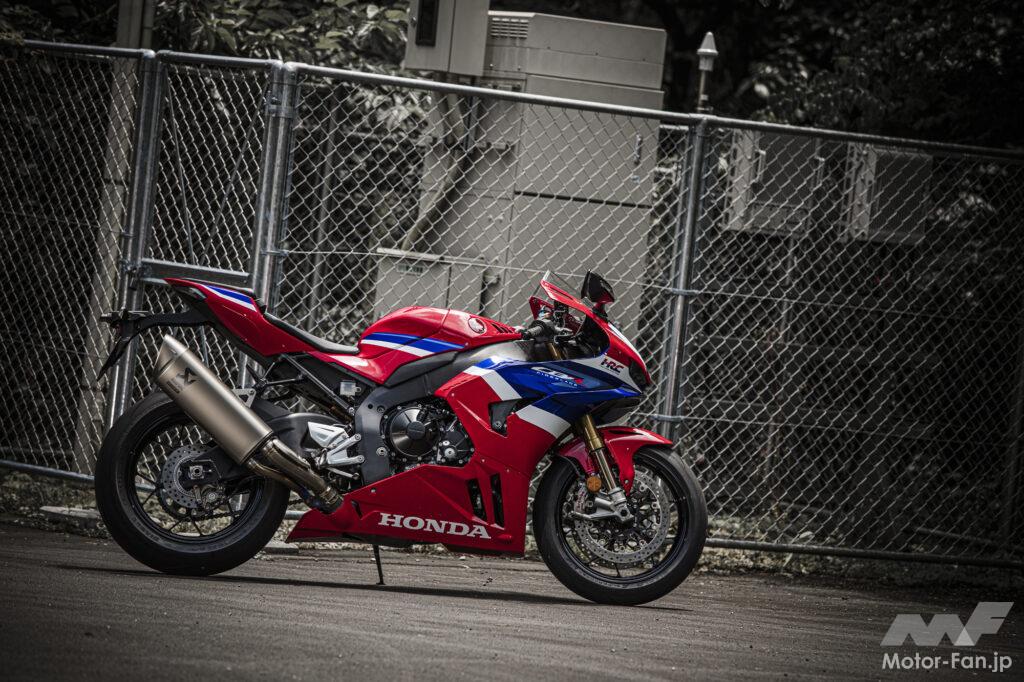
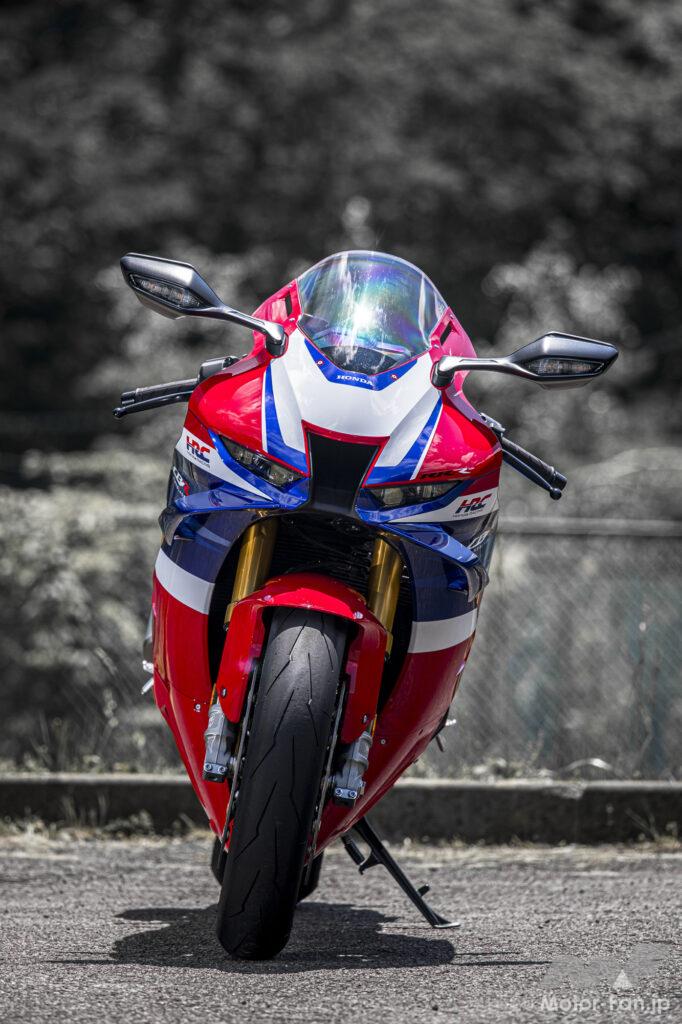
The first obvious exterior change is the design of the winglets. Comparing the old and new models in the signature Grand Prix Red (red, blue, and white) color scheme, there doesn’t seem to be much difference at first glance, but the middle and undercowls, including their attachment method, have been completely redesigned.
As you can see, the winglets, with their simple design, have a light and nimble finish. They don’t protrude to the left or right, creating a clean look. The character lines and edges are rounded, adding a gentle touch. The aerodynamic characteristics have been further refined, and the undercowl has also been completely redesigned. The company’s proactive and unsparing approach to incorporating the latest technology developed in the racing scene is impressive.
According to the press release, the new winglets effectively generate downforce with a smaller wing area, and further improve stability by reducing yaw moment (the force involved in changing the direction of the bike) by approximately 10%. Downforce refers to the force that presses the body of the bike down onto the ground, increasing stability, but simply increasing it can also have the effect of making maneuverability (handling when turning or maneuvering) worse. This means that a meticulous aerodynamic design was implemented to avoid this.
The rear end of the under-cowl, which is responsible for streamlining the airflow to the rear tire, has also been redesigned in detail. The shape of the lower wing that bridges the lower rear part of the exhaust pipe catalytic converter on both sides has also been revised, increasing ground clearance from 115mm to 130mm.
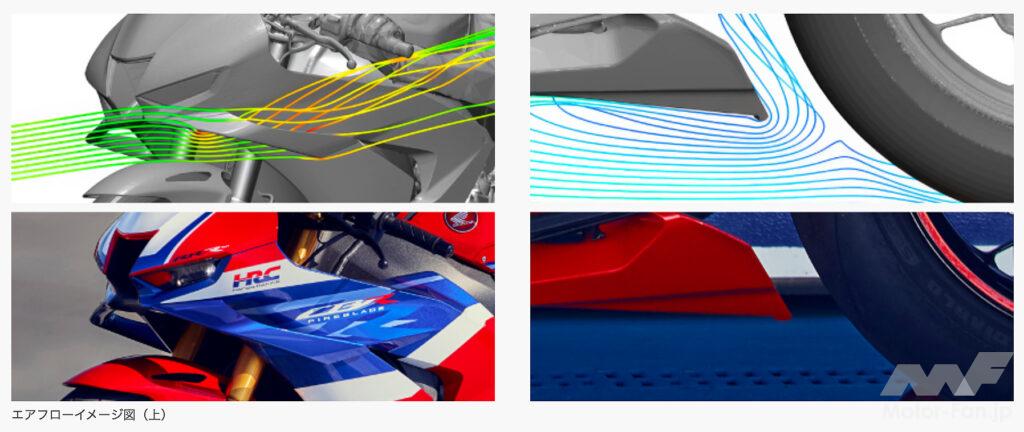
Not only the winglets, but also the middle and under cowlings have been completely redesigned.
The refinement and evolution of the engine and chassis, including the pursuit of aerodynamics, has been amply informed by extensive feedback from know-how cultivated in the MotoGP and WSB (FIM Superbike World Championship) racing scenes. The RC213V is a shining image leader, and its high potential and competitive spirit, as evidenced by three consecutive victories in the Suzuka 8 Hours, are a force to be reckoned with.
The 999cc engine boasts a shorter stroke than any other in its class, with an 81mm big bore and a 48.5mm stroke. The intake manifold leading to the narrowest possible angle, the piston crown shape, and the revised piston crown design have resulted in a high compression ratio of 13.6:1, delivering class-leading power output.
The crankcase’s rigidity has also been improved, and the crankshaft and forged titanium connecting rods have been redesigned, resulting in a 720g weight reduction in the engine alone, as well as reduced friction loss and inertial mass in each component.
The intake and exhaust valve timing and lift have also been revised. The sum of these small tweaks has resulted in improved throttle response, primarily in the mid-range, as shown in the performance curve. This undoubtedly contributes to easier handling in practical use. While
the maximum power and torque figures remain unchanged, the engine speed at peak power has risen from 13,500 to 14,000 rpm, and at maximum torque to 11,500-12,000 rpm, suggesting better performance at higher speeds.
Meanwhile, the WMTC mode fuel consumption rate has also improved from 15 to 15.4 km/L, likely due to the reduction in friction loss. Additionally, the standard lithium-ion battery has been upgraded from 12V 2.0 Ah to 2.3 Ah, making it an “HJ12L” battery.
Additionally, all reduction ratios have been revised, with the primary reduction ratio increasing from 1.630 to 1.687, and the secondary driven sprocket increasing from 43 to 44 teeth, resulting in a reduction ratio of 2.687 to 2.750.
While it may seem like the gear ratios have been lowered, in fact all of the six-speed transmission’s ratios have been increased. Judging by the overall reduction ratio, the difference is subtle, but all but first gear are slightly lower. It’s worth noting that the gear ratio gaps (gear ratio steps during shifting) between first and fourth gears have been narrowed (close ratios
). Conversely, the gaps between fourth and sixth gears have been slightly widened (wide ratios). While lower gears place a heavy load on the gear train during acceleration, these improvements appear to have improved the gearshift response and crisper shifting in this range. This not only
promises high performance on the circuit, but also improved ease of handling and comfort on public roads.
Compared to the previous model, engine speeds are slightly higher when cruising, but the difference is less than 50 rpm when cruising at 100 km/h in top gear. While
each part has already been designed to be highly efficient, lightweight, and compact, the latest model is truly impressive in that it has been meticulously redesigned, with every detail meticulously refined, even down to the most inconspicuous parts.
The electronically controlled throttle with a φ52mm throttle body now also features a new dual-motor control system. This allows for precise intake control, with independent control of the first and second throttles and the third and fourth throttles, allowing for easy handling and sharp performance when decelerating into a corner, turning through partial throttle, and dynamically exiting a corner with the throttle on.
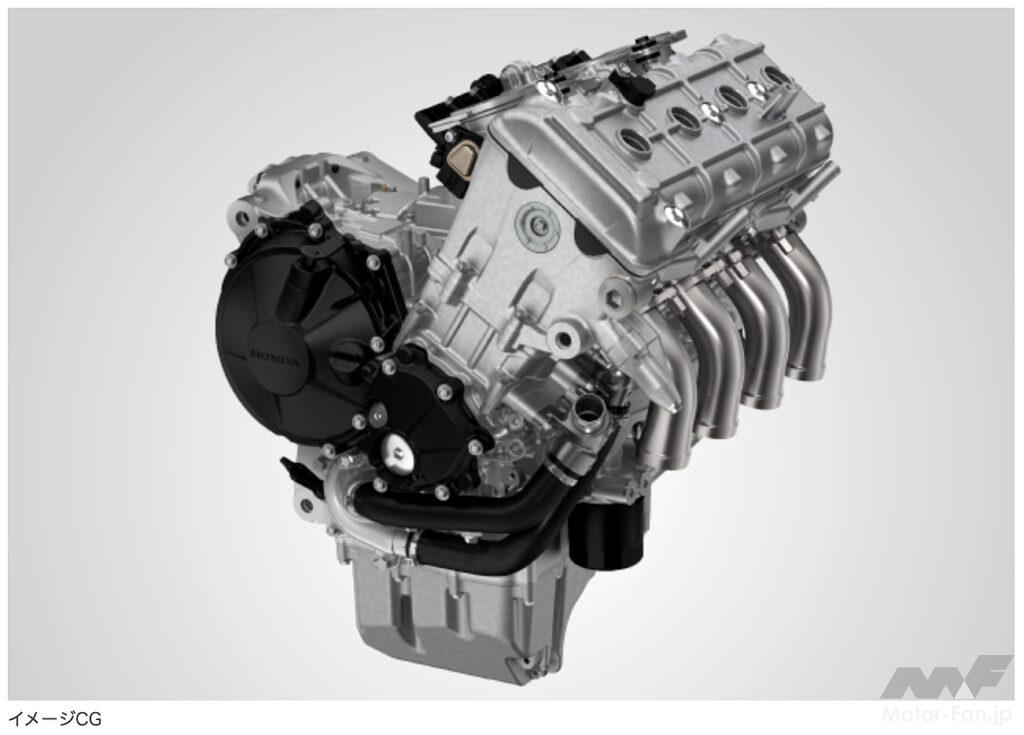
The compact 1L twin-cam engine has been lightened by 720g thanks to a complete redesign of the crankshaft.
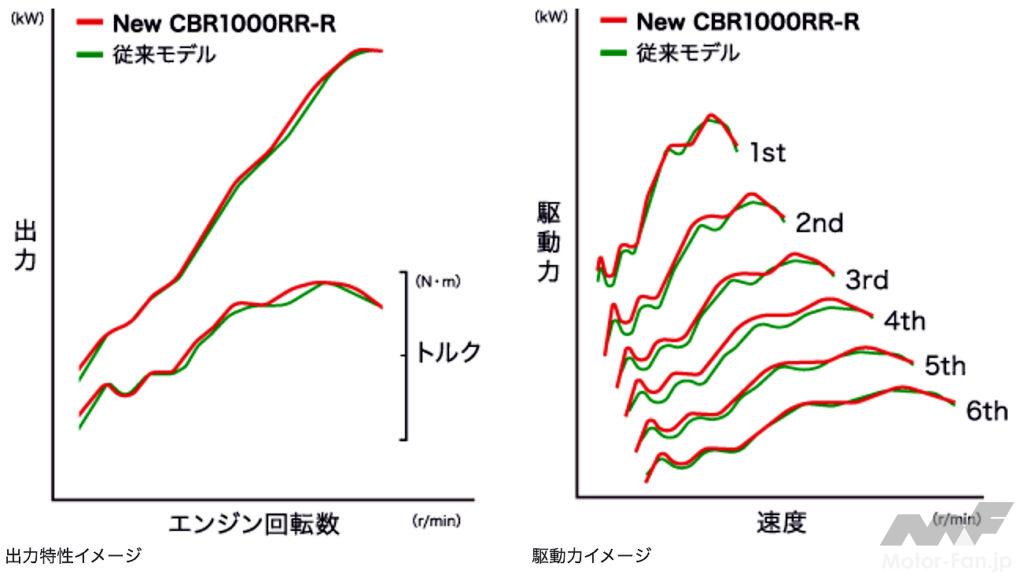
The output characteristics of the test vehicle are shown in red. The peak value is the same, but both power and torque have improved across the entire rev range.
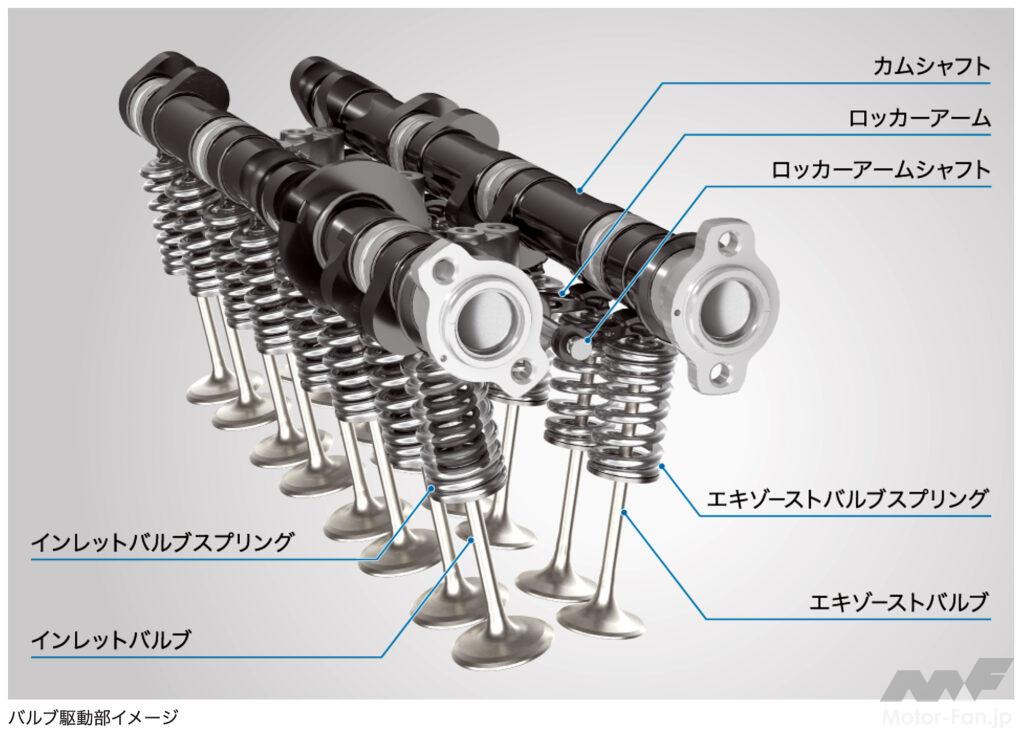
The 16 valves are driven via compact rocker arms.
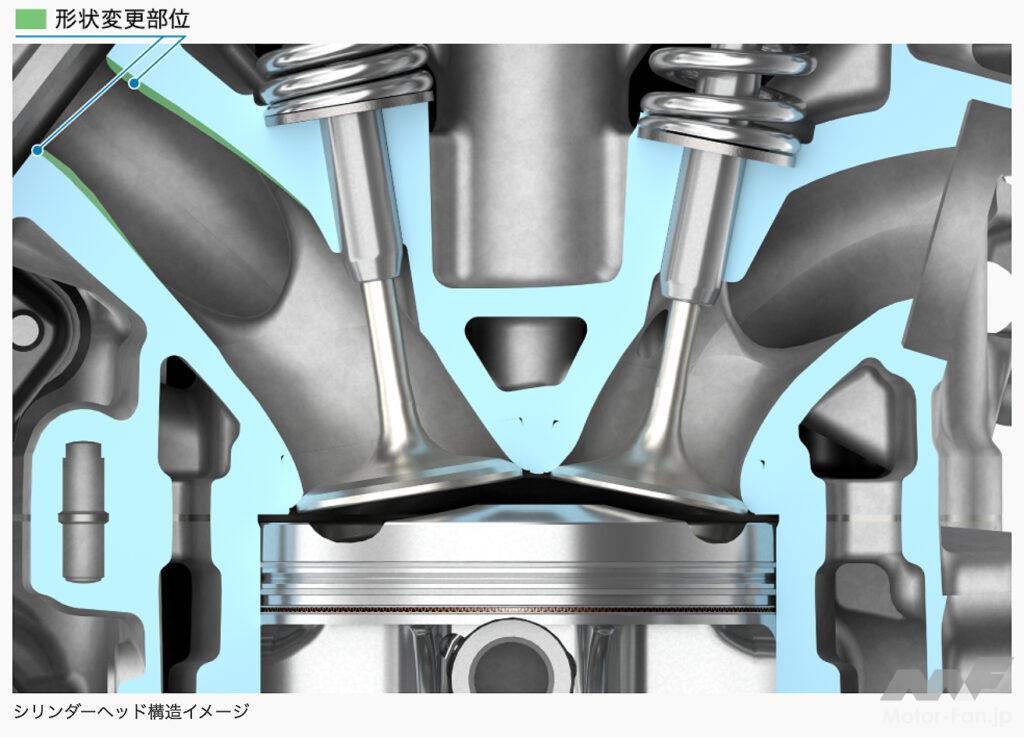
The intake port shape has been completely redesigned, and the intake valve features a narrow 9° angle setting.
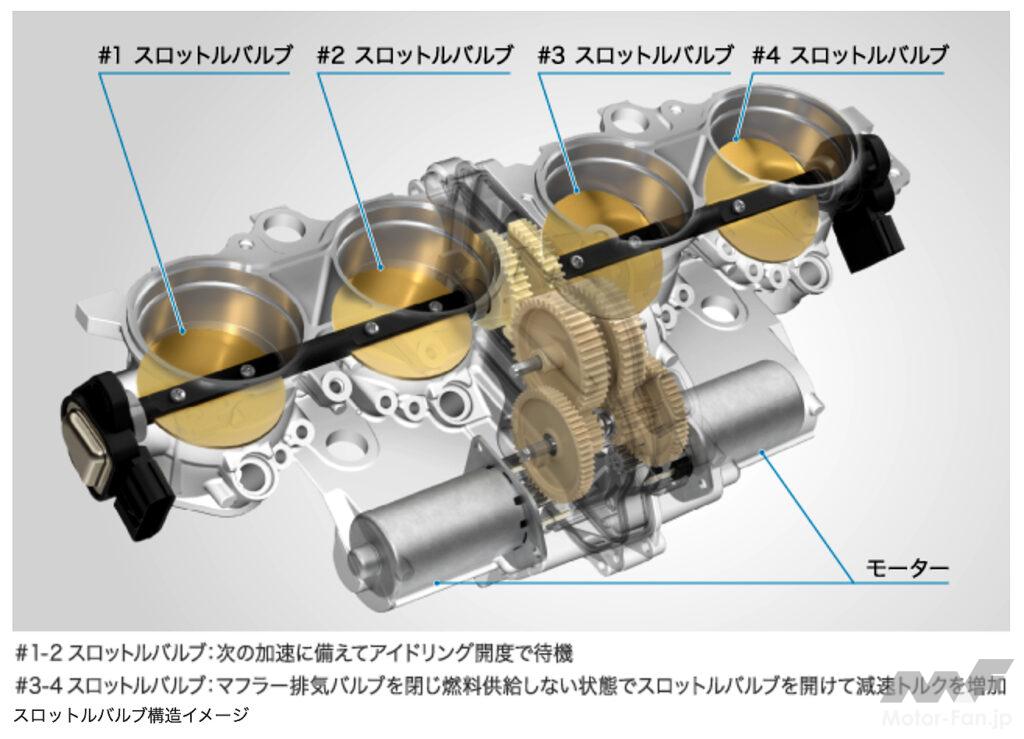
The electronically controlled throttle is controlled independently by two motors on the left and right sides.
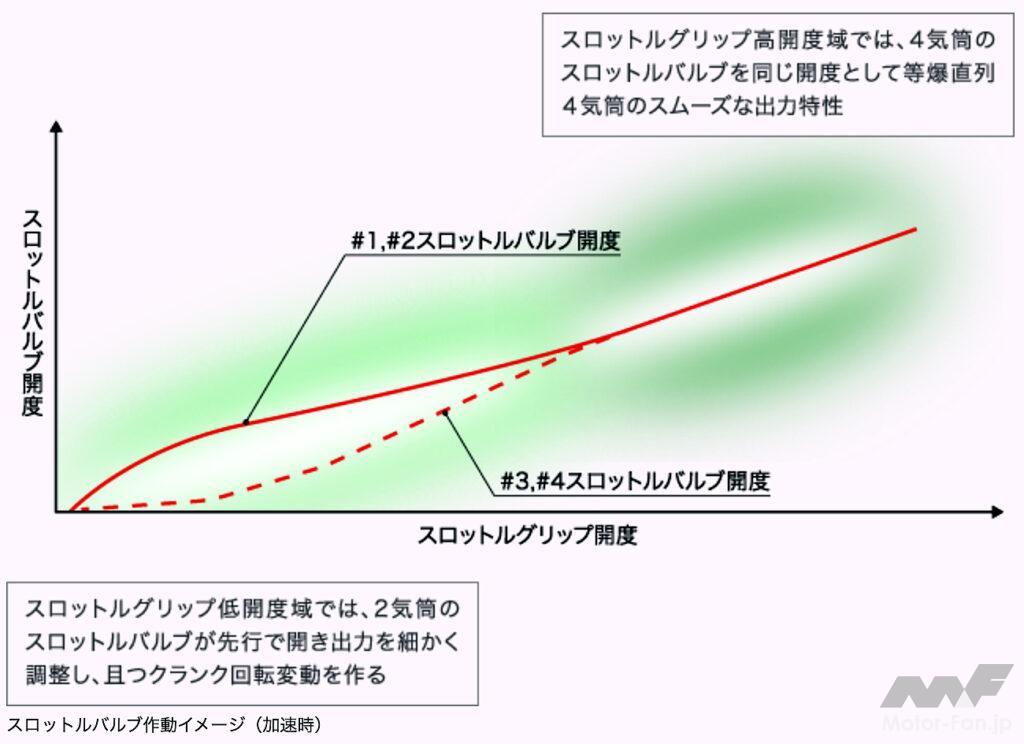
The two motors are phase-controlled according to the throttle opening.
The cast aluminum diamond frame has also clearly evolved. The latest casting analysis and manufacturing technology has been applied, resulting in thinner sections in key areas, and the hanger bolts have been replaced with two separate bolts (left and right) instead of the conventional through bolts. The frame’s rigidity balance has been revised, including the six rigidly mounted engine fastening points.
This has resulted in a 1.1kg weight reduction compared to the previous model, and a 17% and 15% reduction in frame lateral and torsional rigidity, respectively, resulting in improved maneuverability that allows the rider to control it exactly as intended.
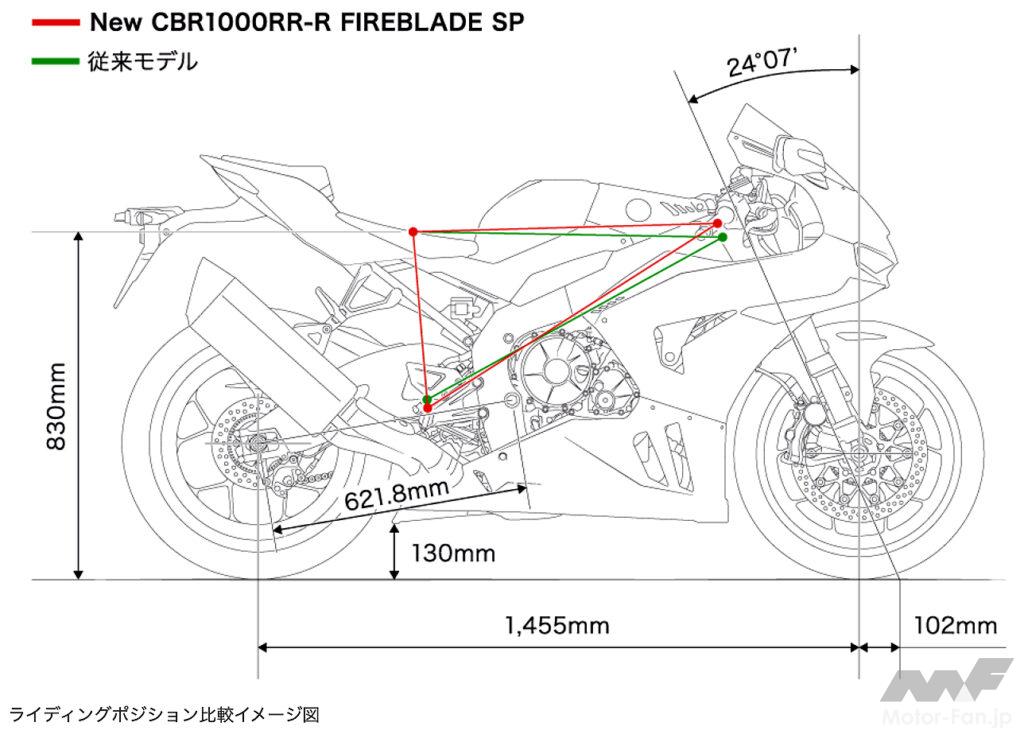
Looking at the details, the footpeg stays and muffler stays have also been completely redesigned. As shown in the riding position comparison image below, the footpeg position has been slightly lowered and the handlebar position has been raised by about one grip height. The caster angle has also been slightly tilted from 24 degrees to 24.7 degrees. This is likely a result of considering the overall balance of improved handling stability, including the refinement of aerodynamic characteristics and changes to frame rigidity.
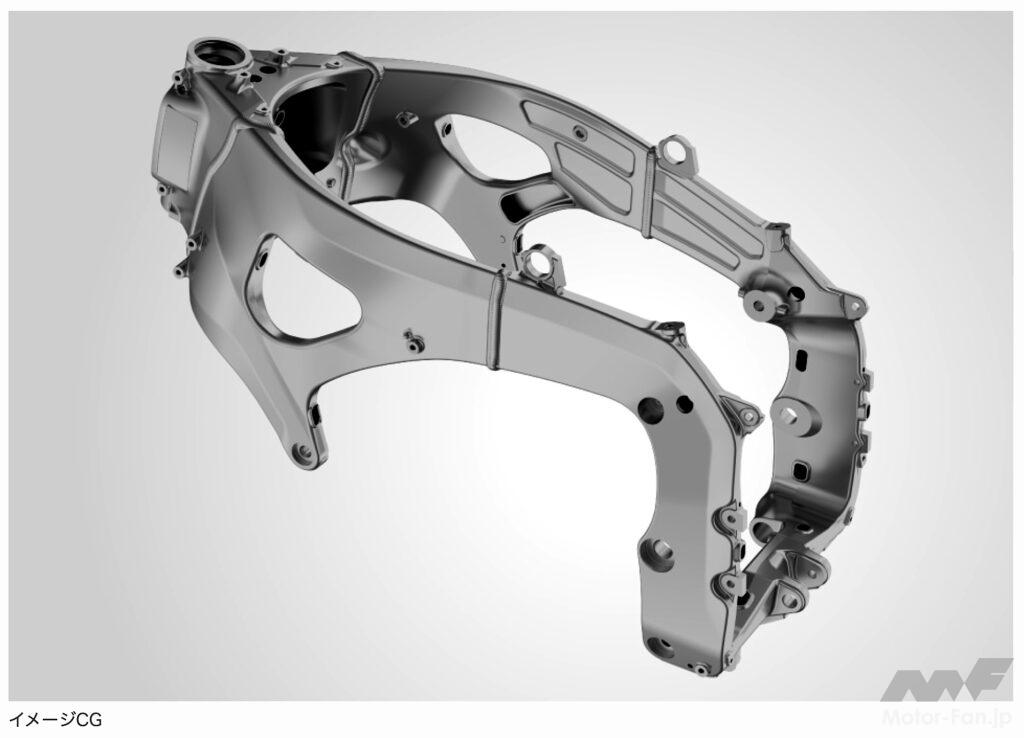
The entire frame has been redesigned, including thinning key areas, to optimize rigidity, while also achieving a weight reduction of 960g.
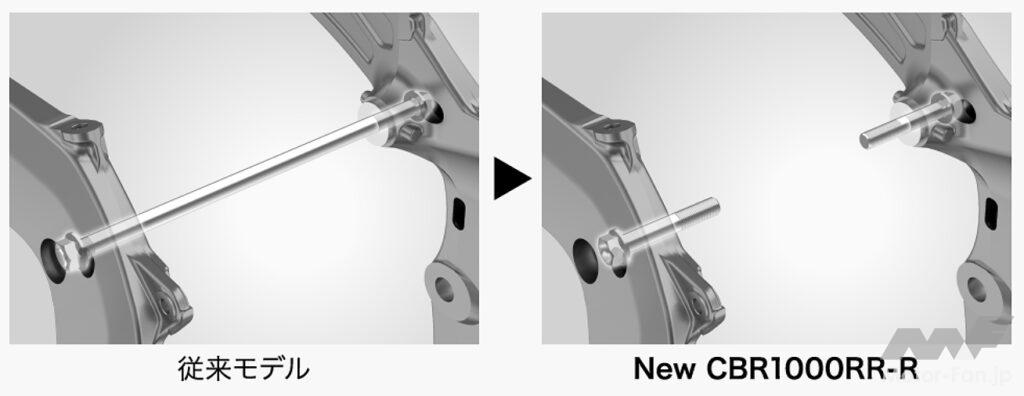
The change in fastening method shown above contributes to a weight reduction of 140g.
ADVERTISEMENT
The passion of the maker brings the perfect maturation.
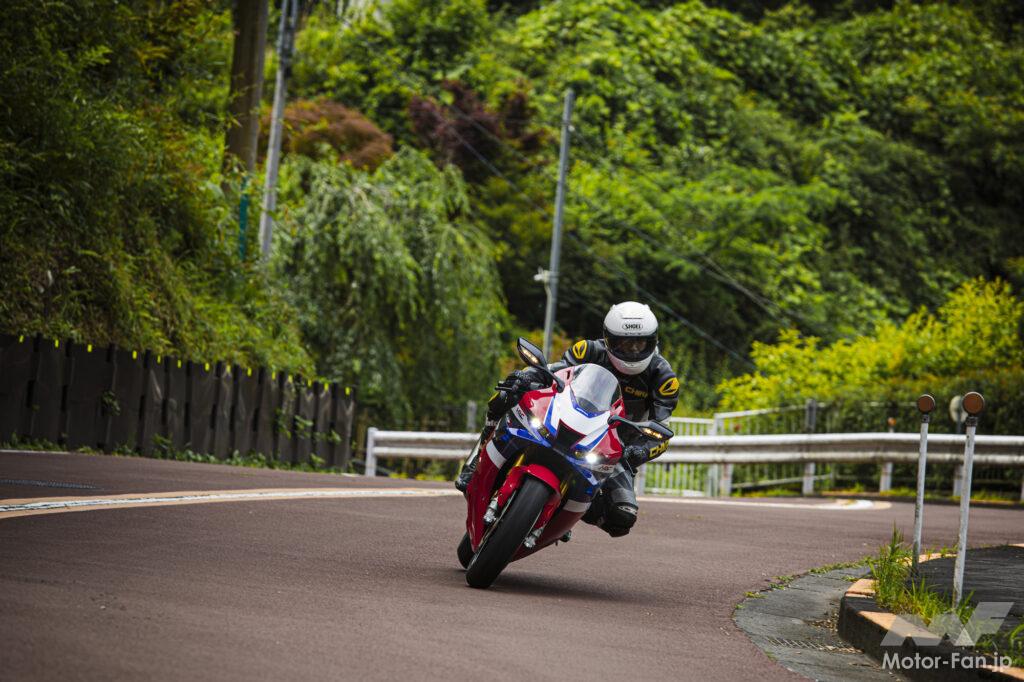
In my previous test drive review of the previous model, I wrote that the moment I straddled the test bike, I intuitively felt that “riding itself is a sport.” This was because the pure character of the supersport bike, as sensed from the aggressive riding position, was very impressive, starting with the comprehensive equipment (suspension and brakes) for riding that is similar
to that of a racing vehicle. To put it in a metaphor, it reminded me of the dynamic movement of a horse racing jockey, flexing his muscles throughout his body.
But what about this new model? As I sat on the seat and assumed a riding position, that refined feeling seemed somewhat softened.
At first glance, the only noticeable differences between the old and new bikes were the change from gold to black wheels and the completely redesigned winglets, but my first impression when I straddled felt subtly different.
After researching the documentation, I found that the footpegs were positioned slightly lower, the handlebars were slightly forward, and the grips were one handhold higher, with the bike set slightly more open. The fact that the bike seemed easier to handle for general street riding, including improved forward visibility, was a positive impression.
As with the last time, I donned a racing suit for the test ride. As expected, when I straddled Honda’s pinnacle supersport bike, I naturally felt a desire to show respect for its presence.
It’s strange how it brought back vivid memories of my youth when I admired the CB and the CR production racer. I’m impressed by how the lineage of supersport bikes that began with the CB has been passed down steadily and uninterruptedly for around 60 years, evolving and maturing over the years.
I think that the name, now with four “R”s in a row and concluding with “SP,” truly symbolizes Honda’s pinnacle.
With my left hand feeling the silky feel of the clutch lever, I started off, and the car accelerated smoothly and effortlessly. The gear ratio isn’t particularly high for a model of this type, making starting easy.
My impression when blipping the engine was that it had a very light rotational feel, demonstrating agile response as expected, but the torque, which was flexibly exerted from around 2000 rpm, seemed stronger.
With a maximum output of over 200 horsepower and a 1-liter displacement that reaches 14,000 rpm, it had a mature, calm demeanor that belied its high-revving, high-output engine. It was easy to handle, with less jerky, nervous behavior.
Shifting early, with a sense of ample power reserve, provided a pleasant touch to my left foot. I had no complaints about the quickshifter’s feel on the previous model, but the brisk operation and light pedal pressure demonstrated a steady evolution and maturity.
The test drive took place on an empty paved road in the suburbs. Taking a variety of twisting roads, from tight corners to medium-speed ones, the bike felt so smooth and comfortable it was hard to believe it was a 1-liter supersport bike weighing 201kg. Its easy-to-use, easy-to-control handling leaves the rider feeling refreshed.
The electronically controlled front and rear suspension is by no means soft, and its stroke isn’t long, but it responds with great sensitivity and maneuverability over even the smallest imperfections in the road. The shock absorption and damping work well from the initial subtleties, providing excellent roadholding.
Even when going over large bumps, the bike absorbs shocks well and damps well, providing a well-balanced finish that’s truly impressive.
Be careful, though, as your pace will naturally increase in the suburbs, where there are fewer cars on the road. While the rider needs to be rational, the bike maintains a stable posture throughout the entire process of slowing down before cornering, turning, and accelerating out of corners, providing an excellent ride quality.
Contributing to this high level of maneuverability is the literal touch of the finger. The braking performance, which allows for precise control even with a light two-finger operation, is also not to be overlooked.
Delicate speed control is possible even during deep-banking corners. Braking hard before a corner, the weight of the bike, including the rider’s weight, presses down on the front wheel, increasing grip, and eventually the tire’s grip reaches its limit, triggering the ABS. The rider’s sense of control is clearly conveyed to the rider, making it easy to control.
Even in situations where the rider misreads the curvature of a corner and rushes into it too fast, the braking power is not yet critical. There’s a sense of time and mental space to calmly recover.
And the engine’s dynamism is truly satisfying.
While its power is overwhelming during normal riding, opening the right hand wide a little creates a tremendous surge of power that’s both dynamic and smooth. The engine already delivers a strong torque from around 4,000 rpm, and the response is even more intense at 6,000 and 8,000 rpm. The engine speed also increases sharply, and you’ll quickly jump into the redline.
To be honest, I was tempted to try full throttle on a high-speed circuit somewhere, but the engine is also flexible and smooth enough to drive stress-free on public roads. I was once again impressed by the output characteristics, which are powerful yet by no means violent.
This bike has steadily evolved into a worthy racer replica, and its overall performance is excellent.
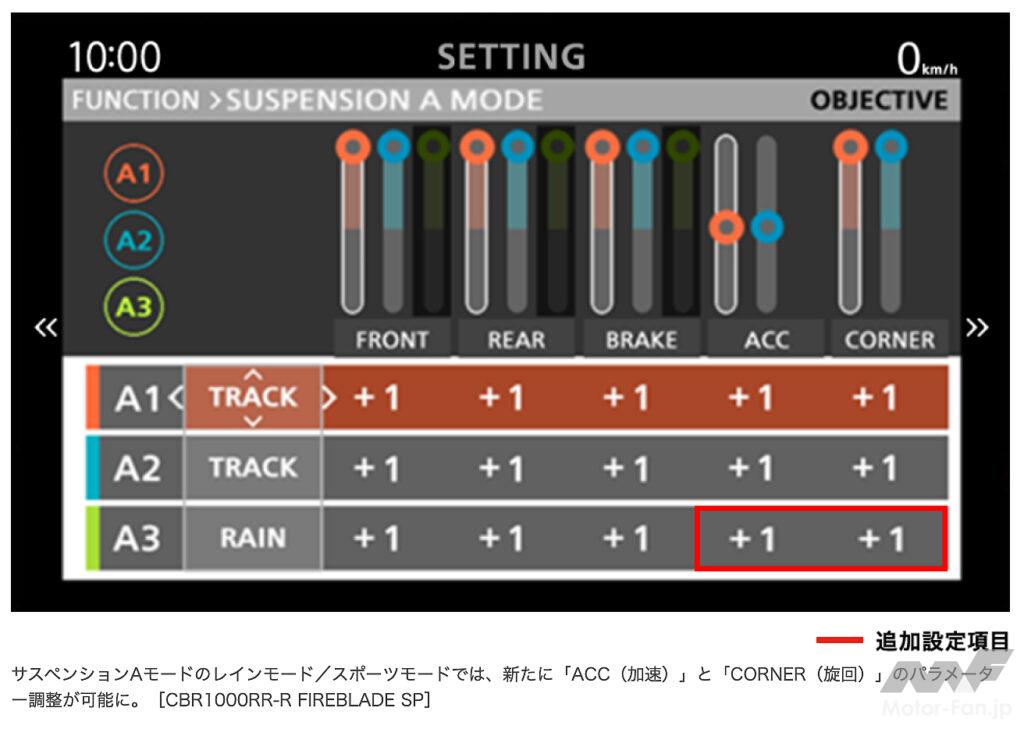
The electronically controlled suspension used in the SP allows for a variety of mode settings.
Foot reach check (rider height 168cm/weight 52kg)
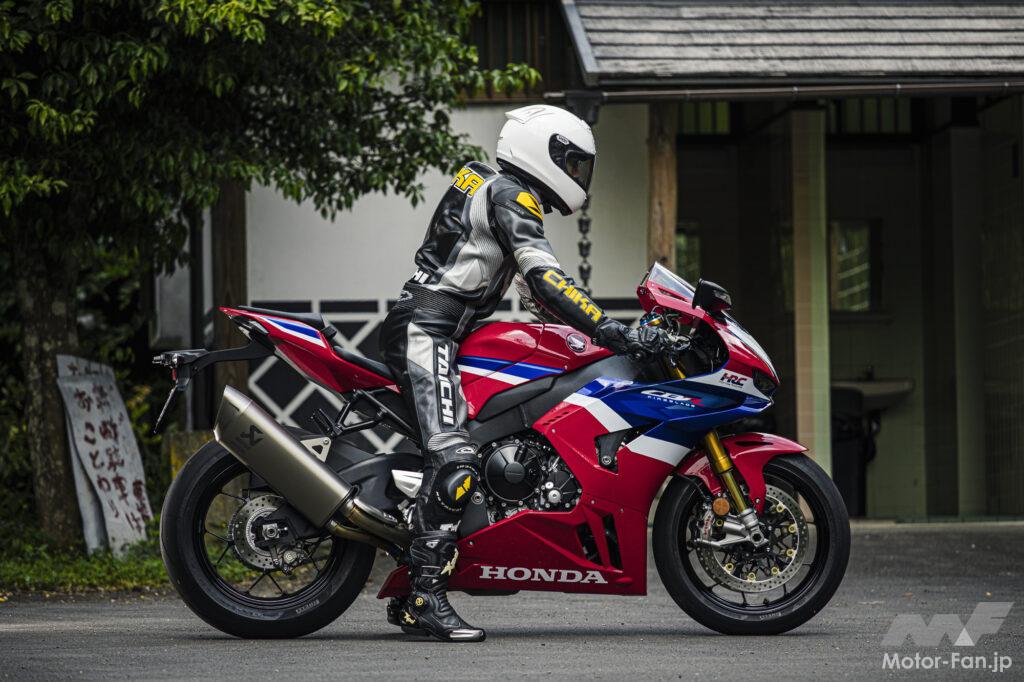
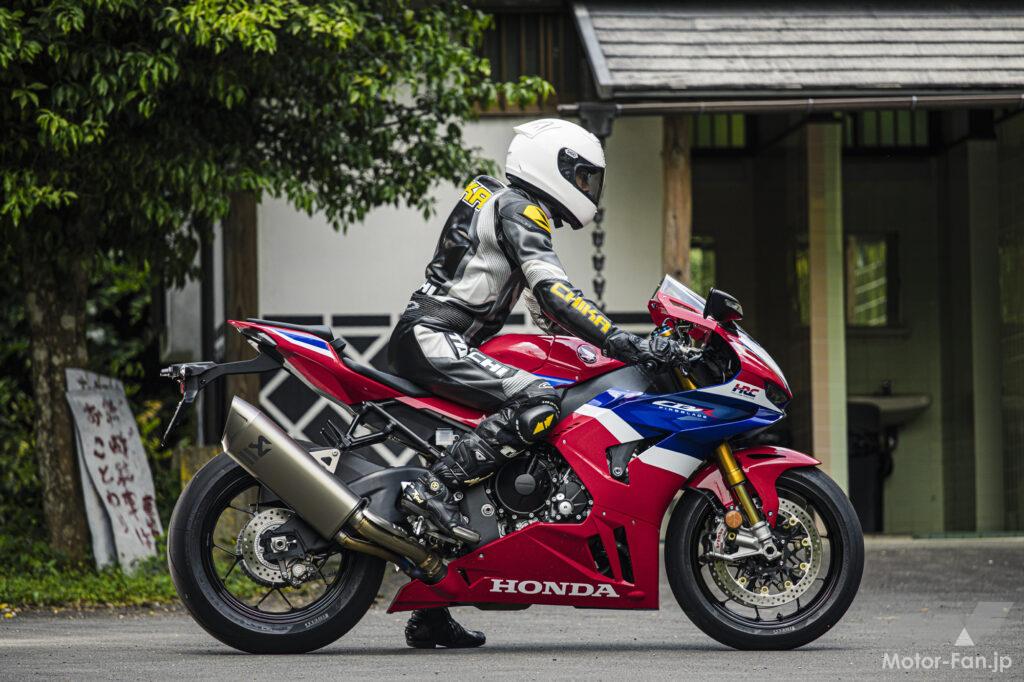
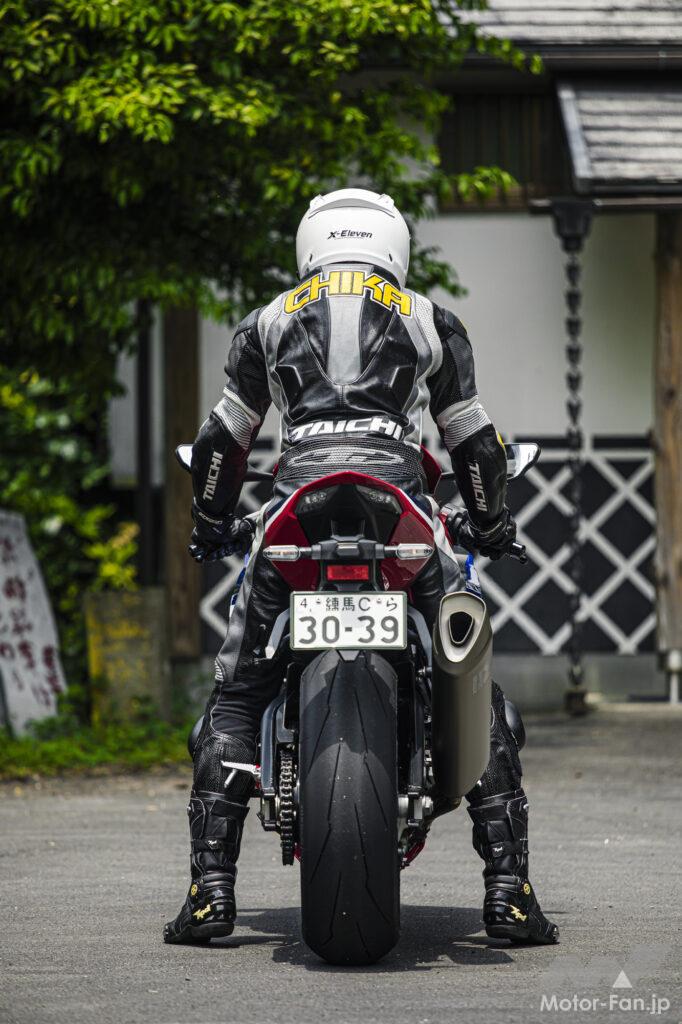
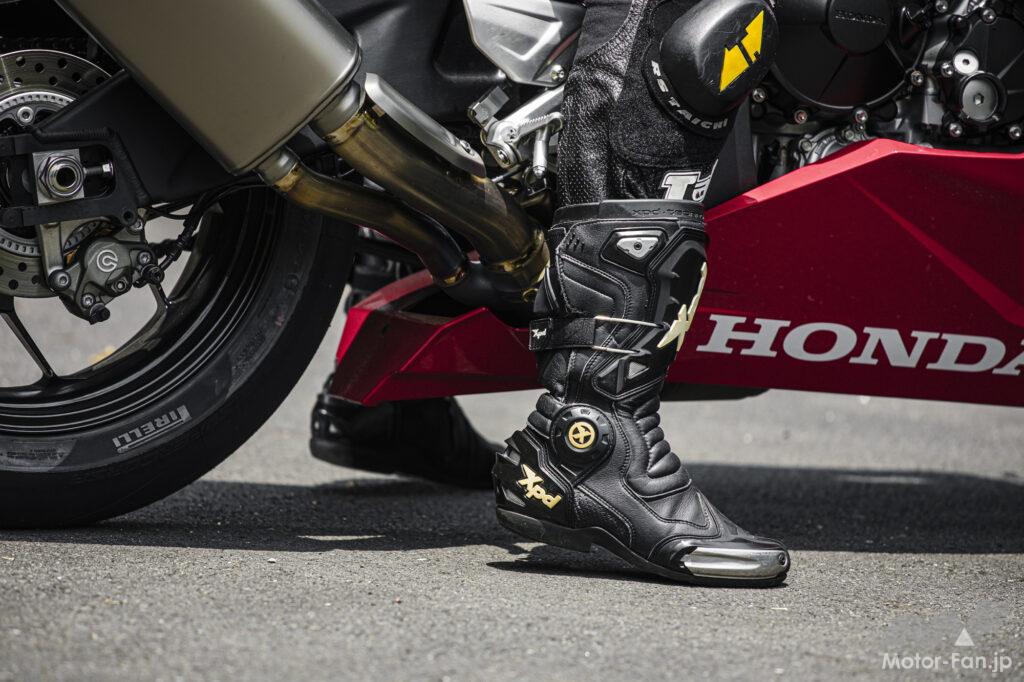
The seat height is 830mm. It has not changed from the previous model, and as you can see, the heels of both feet are slightly off the ground. The riding position has been slightly changed, with the footpegs slightly lowered and the handlebars slightly higher. It seems that the forward lean of the upper body has become somewhat more comfortable.