
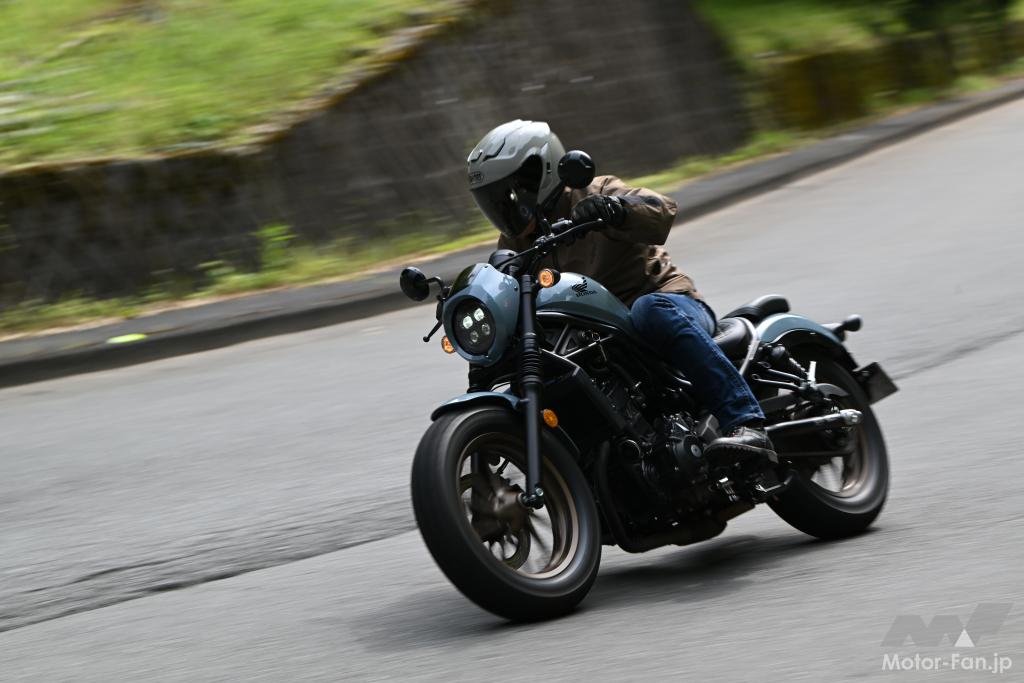
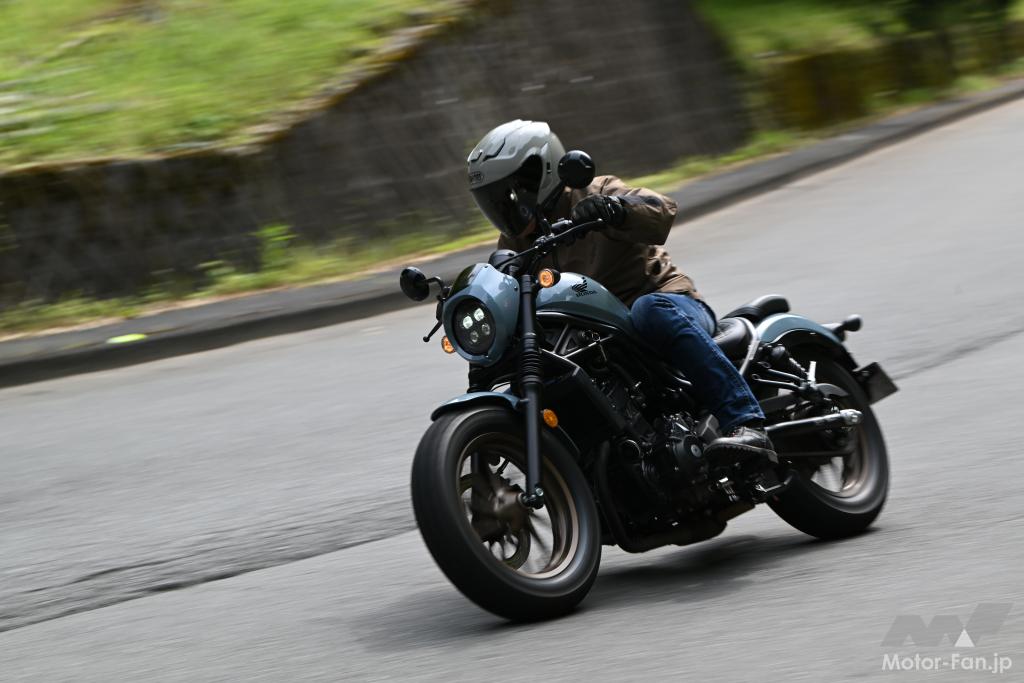
Honda Rebel 250 S Edition E-Clutch…731,500 yen

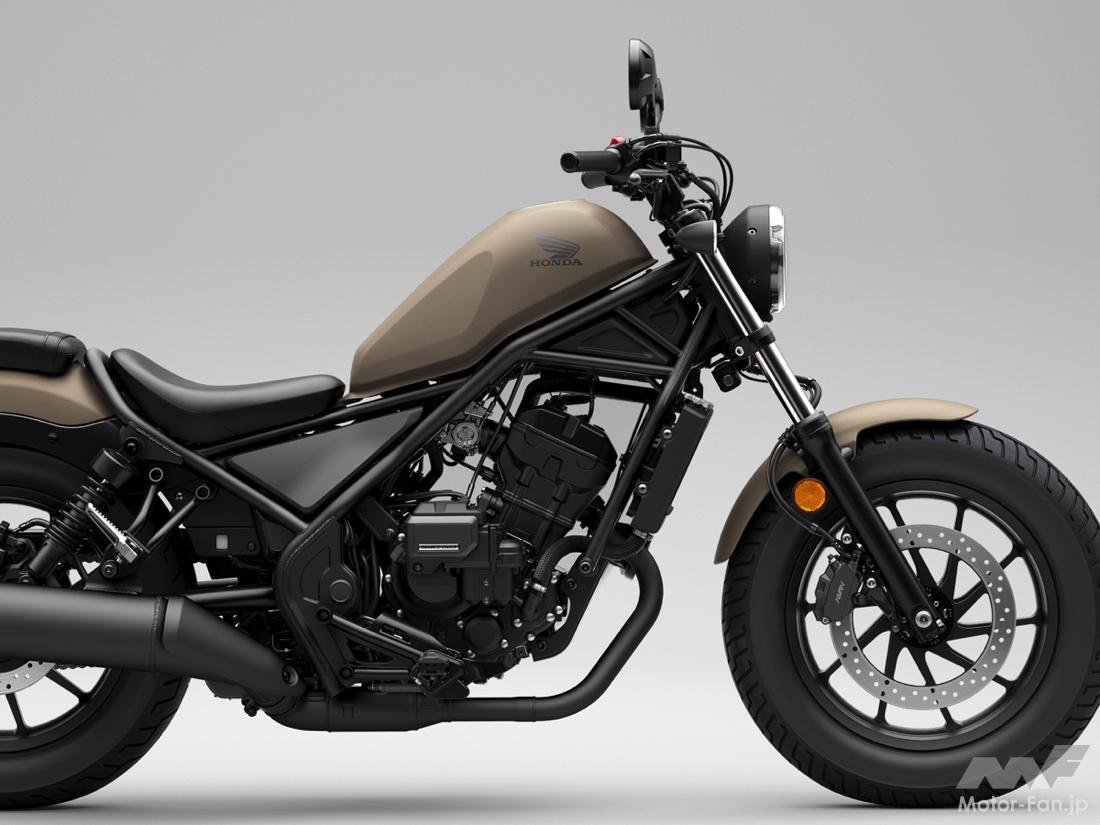
Sharing the same basic chassis design as the Rebel 500, the Rebel 250 is on the larger side by conventional 250cc class standards, with a wheelbase of 1490mm and a weight of 171kg (174kg for the E-clutch model, and 175kg for the S Edition E-clutch model).
The reason why it became a big hit model
The Rebel 250, which went on sale in April 2017, has maintained its top spot in sales in the 250cc class for seven consecutive years since 2018. When I talk to friends, acquaintances, and fellow riders about the reason for this bike’s huge success, everyone cites the extremely good foot reach, mainly due to the low seat (at 690mm, by far the lowest in the 250cc class), but I’ve always felt that this alone couldn’t be the reason for its success.

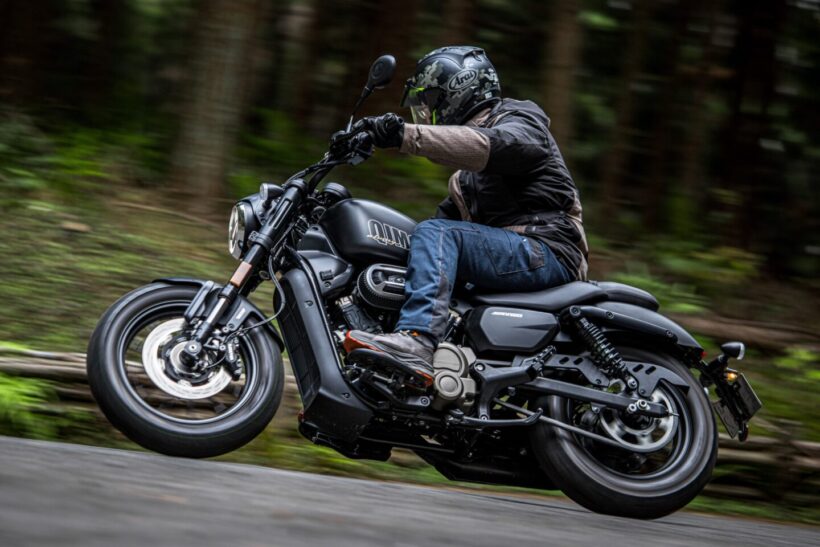
That’s because the Rebel 250 is a bike that’s fun to ride for sports. Writing this might lead to a comment like, “Sports riding on a cruiser with 16-inch tires front and rear?” However, this model responds precisely to the rider’s inputs, and thanks to the slanted angle at the front (the front fork angle is 30 degrees, but the frame head pipe angle = caster angle is 28 degrees), it turns surprisingly well, and the traction when opening the throttle is quite clear. Furthermore, the seating position and the low rider’s viewpoint mean there’s little anxiety when leaning the bike.

Of course, because the basic structure is that of a cruiser, if you try to ride it hard on winding roads, you will find yourself dissatisfied with various aspects such as the banking angle and riding position, but as long as you ride at a reasonable speed, you can still enjoy sporty riding. In other words, it is not only easy to reach the ground, but also fun to handle that is what has made the Rebel 250 such a big hit model (in Europe, the Rebel 500, which shares the same basic chassis design, has recorded strong sales).

Champions League solves Rebels’ problems
However, when I went on a long ride with this model in the past, I was disappointed by how uncomfortable the ride was. After riding about 300km, the pain in my hips and lower back became unbearable, and I wished I could put it on a trailer and go home. Of course, how you feel the pain in your body varies depending on your riding style and physique, so some people might say that 300km is no problem.

However, my dissatisfaction was resolved in an unexpected way when the Scrambler CL250 was released in 2023 as a derivative model of the Rebel 250. While reusing the engine and frame of the Rebel 250, the CL250 had specially designed exteriors as well as riding position-related parts and suspension, and by not overly striving for easy foot reach, it achieved a good ride comfort (seat height and front and rear wheel travel: Rebel 250: 690mm, 120/95mm, CL250: 790mm, 150/145mm. However, there is also a theory that the front wheel travel of the Rebel 250 is 140mm).
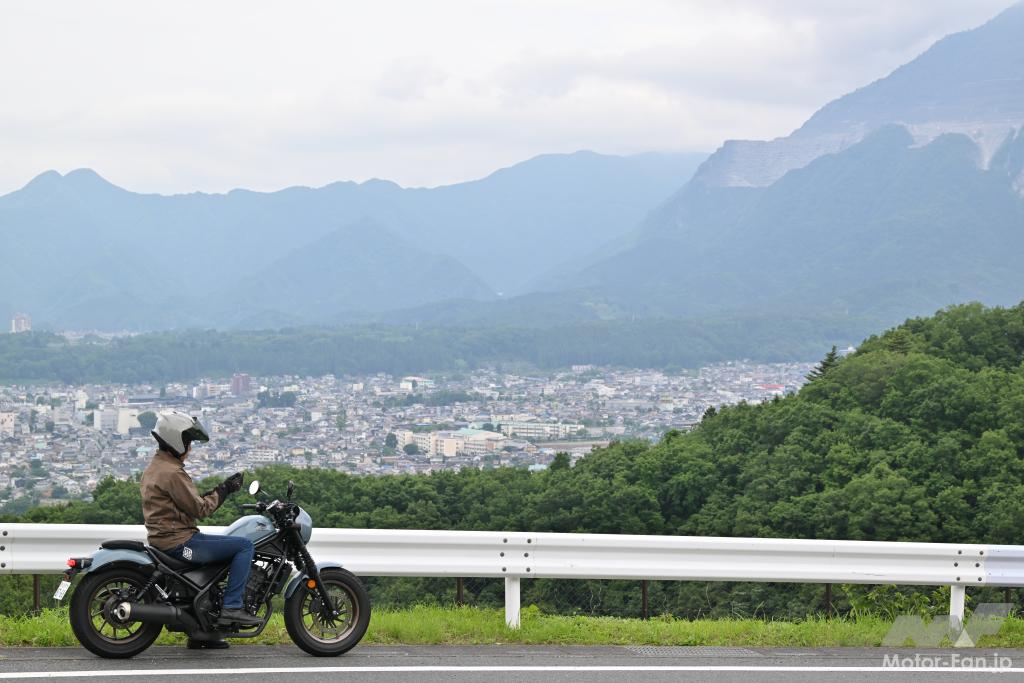
In any case, in recent years I have come to believe that the Rebel is for riders who prioritize easy foot reach above all else, while the CL is for riders who want to enjoy comfortable long runs, but the 2025 Rebel 250 has undergone changes to its specifications with comfort in mind. Specifically, the urethane inside the seat has been changed to a higher density material, the shape of the rear shock absorber bumper rubber has been revised, and the handlebars have been slightly tightened and narrowed. Judging from these changes, it seems to be better than the previous model, but don’t expect a dramatic improvement in comfort.
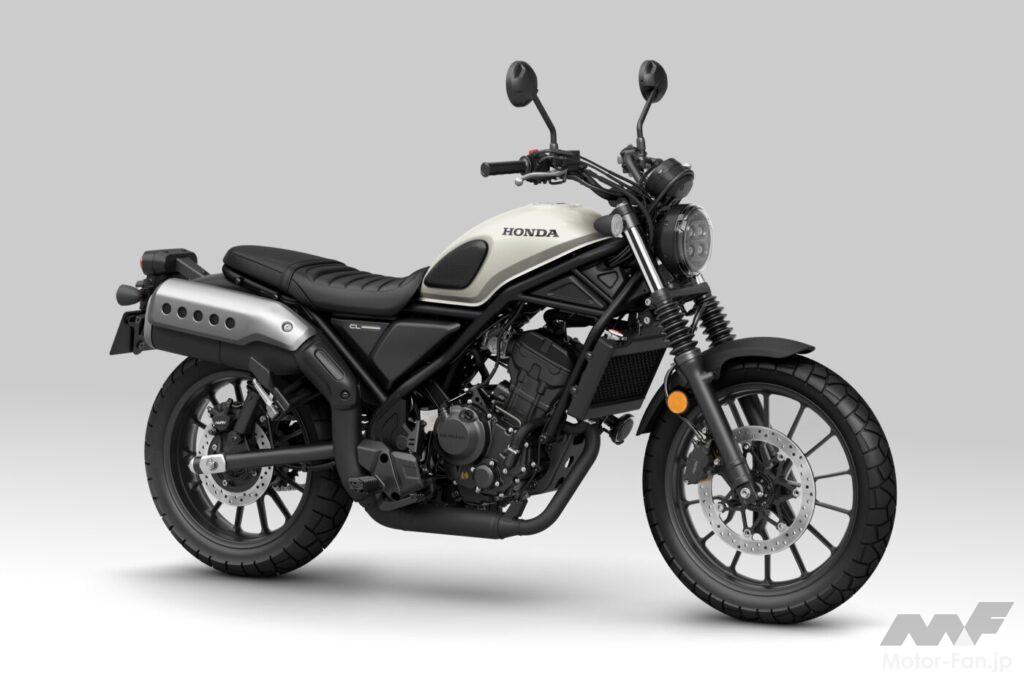
The CL250’s tire sizes are 19 inches front and 17 inches rear, designed for a wide range of riding, including rough roads. The engine is designed to be effective in the low and mid-range, with a maximum output of 24ps/8500rpm and a maximum torque of 2.3kg-m/6250rpm.
 The 2025 model has undergone an unexpected
 The 2025 model has undergone an unexpected
However, contrary to my expectations, the changes to the 2025 Rebel 250 were dramatic. In fact, this was even more surprising than the compatibility with the E-clutch that I mentioned in the first article, but during the two long runs I went on during this test ride, I didn’t feel any obvious pain in my lower back or buttocks.

The main reasons for this are the revised seat and rear shock, but the fact that the handlebar grips are now positioned closer to the rider, giving them more room to ride, and making it easier to lift your butt off the seat when going over large bumps in the road, must also have contributed to the comfort. Furthermore, the change from the original tires Dunlop D404 to IRC GS23 may also be a factor in the improved ride comfort.

However, I’m not sure if the comfort of the 2025 Rebel 250 is as good as that of the CL250. However, compared to the existing Rebel 250, I had the impression that this bike was too rough, making it difficult to enjoy long-distance touring, so I very much welcome the changes to the 2025 model. It’s amazing how they’ve managed to achieve such comfort without even slightly compromising the excellent foot reach and without any major overhauls.
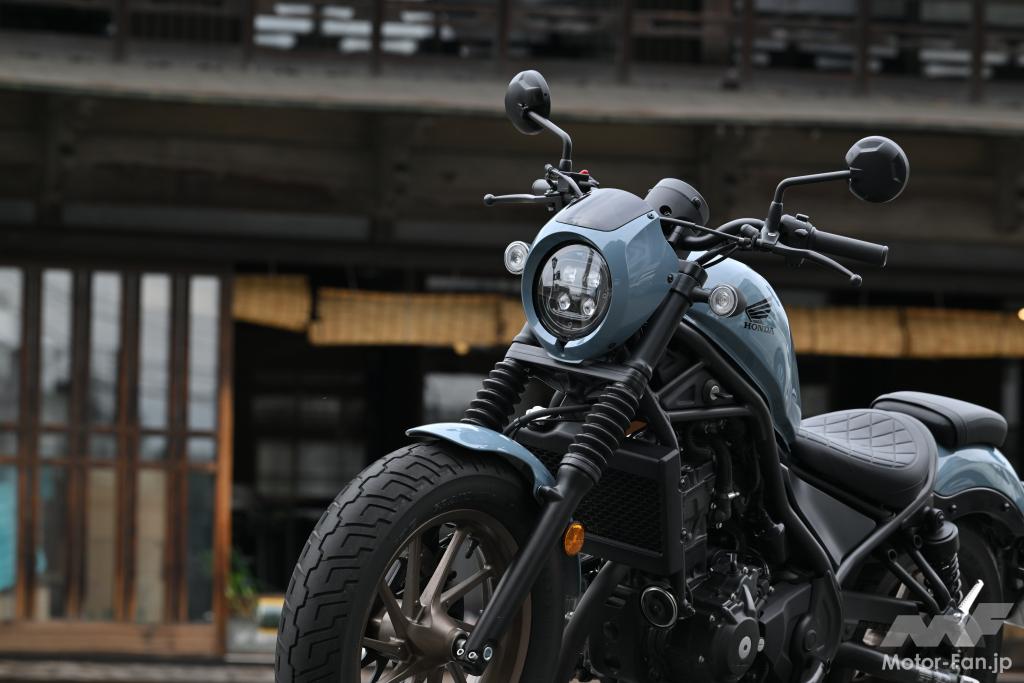
Discover the joy of leisurely cruising
Speaking of the benefits of improved comfort, the biggest one is reduced physical and mental fatigue, but another major benefit is that the enjoyment lasts longer. Furthermore, during this test ride, I realized that the water-cooled single-cylinder engine, based on the CBR250R, has a nice pulsating feel and makes for a fun, relaxed cruise. This may be a bit late for owners to know about, but in my case, once I had secured a certain level of comfort, I finally realized the appeal of the Rebel 250’s engine.

In any case, my preference for the Rebel 250 has skyrocketed, thanks to the introduction of the E-clutch, as mentioned in the first article, and the greatly improved comfort. That said, my preference remains the CL250, and up until now, when I have been consulted by riders who are considering buying a Rebel 250, I have always recommended the CL250, but from now on, I would like to talk about the merits of both bikes equally.
*In the third installment, which will be published soon, the author will explain each part from his own unique perspective, as well as introduce the actual fuel consumption measured after driving approximately 1,100 km.

Although it does not have an E-clutch, the improvements made to the 2025 Rebel 250 are also common to its big brother, the Rebel 500, which is equipped with a parallel twin-cylinder engine.
Main specifications
Model: Rebel 250 S Edition E-Clutch
Model: 8BK-MC49
Total length x width x height: 2205mm x 810mm x 1090mm
Center distance: 1490mm
Minimum ground clearance: 134mm
Seat height: 690mm
Caster/Trail: 28°/110mm
Engine type: Water-cooled 4-stroke single cylinder
Valve type: DOHC 4 valve
Total displacement: 249cc
Inner diameter x stroke: 76mm x 55mm
Compression ratio: 10.7
Maximum output: 19kW (26ps) / 9500rpm
Maximum torque: 22N・m (2.2kgf・m) / 6500rpm
Starting method: Self-starter
Ignition method: Full transistor
Lubrication method: Wet sump
Fuel supply system: Fuel injection
Transmission type: Constant mesh 6-speed return
Clutch type: Wet multi-plate coil spring
Gear Ratio
1st gear: 3.416
2nd speed: 2.250
3rd gear: 1.650
4th gear: 1.350
5th gear: 1.166
6th gear: 1.038
1st/secondary reduction ratio: 2.807/2.571
Frame type: Diamond
Front suspension: Telescopic inverted type φ41mm
Rear suspension: Swing arm, twin shock
Front tire size: 130/90-16
Rear tire size: 150/80-16
Front brake type: hydraulic single disc
Brake type: Hydraulic single disc
Vehicle weight: 175 kg
Fuel used: Unleaded regular gasoline
Fuel tank capacity: 11L
Passenger capacity: 2 people
Fuel consumption rate reported by the Ministry of Land, Infrastructure, Transport and Tourism: 47.0km/L (with two passengers)
Fuel consumption rate WMTC mode value Class 2-2: 34.9km/L (with one passenger)