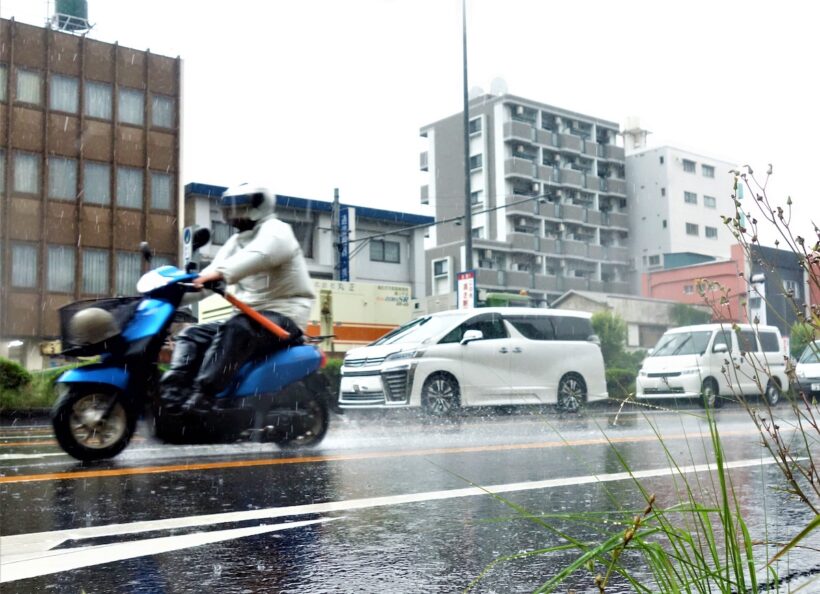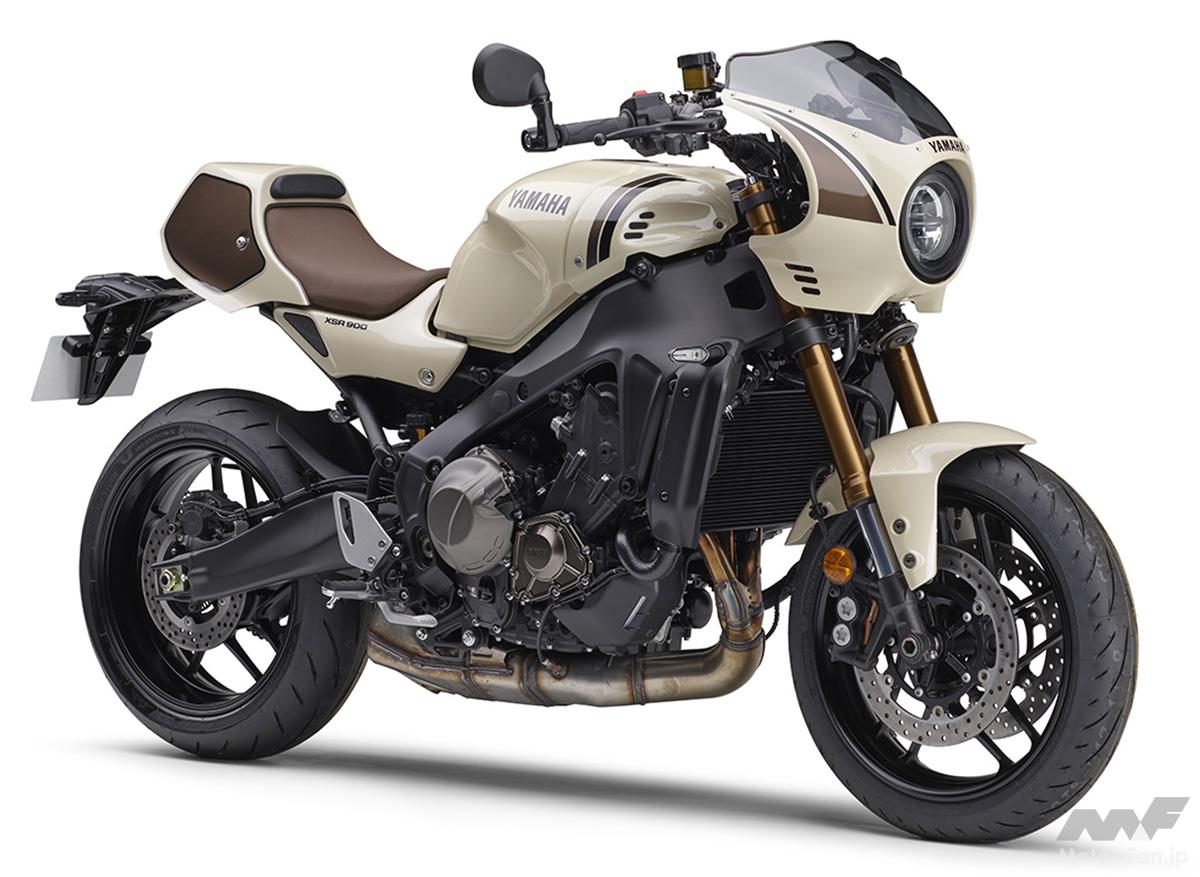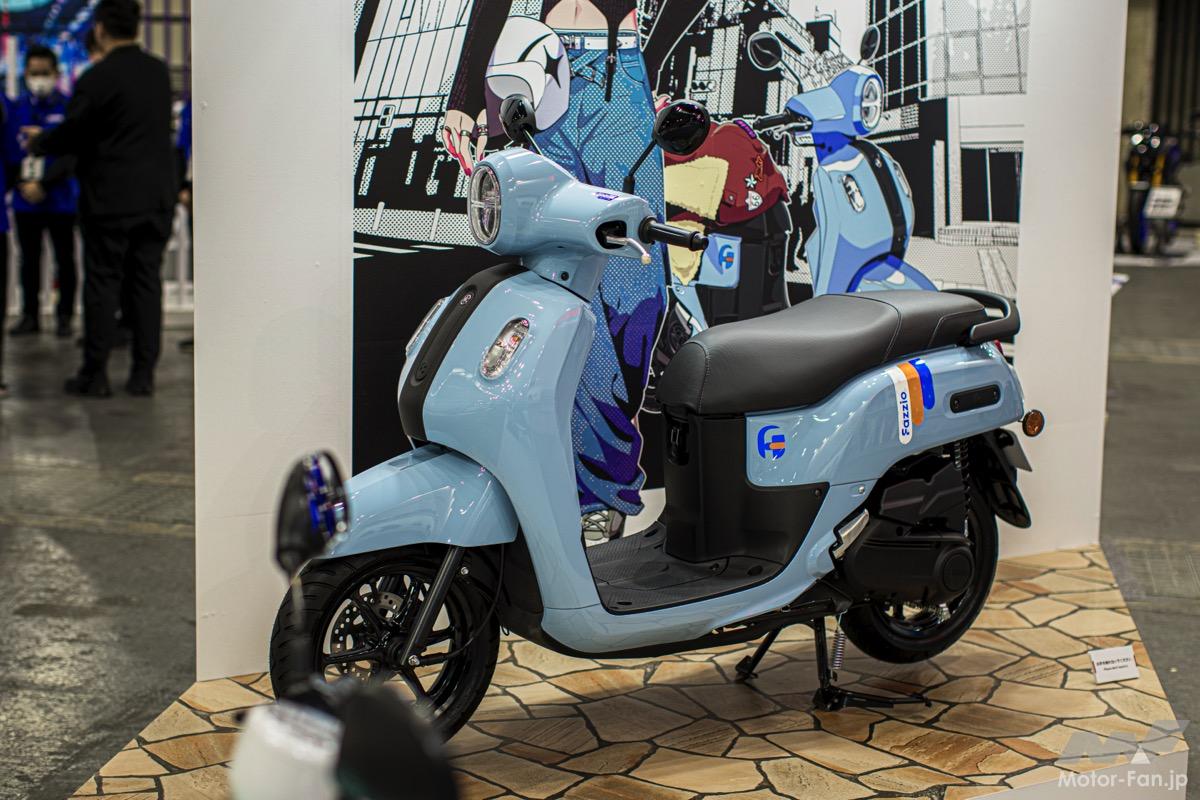

There are seven types of motorcycle licenses
First, let’s review what types of motorcycle licenses there are.
There are seven types of motorcycle licenses: moped, small-sized regular motorcycle, regular motorcycle, and large motorcycle, as well as automatic transmission-only licenses for small-sized regular motorcycle, automatic transmission regular motorcycle, and automatic transmission large motorcycle.
Each license has different regulations regarding the engine displacement of motorcycles that can be driven, the age at which a license can be obtained, and whether a license can be driven on expressways (or motorways only), but the specific regulations are as follows (as of the end of March 2025):
[Moped License]
・Motorcycle displacement that can be driven: 50cc or less (Moped Class 1)
・Eligible age to obtain: 16 years old
・Not permitted to drive on highways
*The revised Road Traffic Act Enforcement Regulations will come into effect on April 1, 2025, and “new standard mopeds” with a maximum output of 4.0 kW (5.4 PS) or less and 125 cc or less will be treated the same as Class 1 mopeds.
[Small-sized motorcycle license]
– Engine displacement of motorcycles that can be driven: 125cc or less (class 2 moped)
– Age required to obtain: 16 years old
– Driving on highways: Not permitted
[Normal AT Small Motorcycle License]
– Engine displacement: 125cc or less (AT only)
– Minimum age to obtain: 16 years old
– Driving on highways: Not permitted
[Regular Motorcycle License]
・Motorcycle displacement that can be driven: 400cc or less
・Eligible age to obtain: 16 years old
・Driving on highways: allowed
[Automatic Motorcycle License]
– Engine displacement of motorcycles that can be driven: 400cc or less (automatic)
– Age required to obtain: 16 years old
– Driving on highways: allowed
[Large Motorcycle License]
・Motorcycle displacement that can be driven: No restrictions
・Eligible age: 18 years old
・Driving on highways: allowed
[Automatic Transmission Only Large Motorcycle License]
– Engine displacement of motorcycles that can be driven: No limit (automatic transmission only)
– Age required to obtain: 18 years old
– Driving on highways: allowed
The AT-only license referred to here is a license for motorcycles that do not require clutch operation, that is, motorcycles equipped with CVT or AT (automatic transmission).
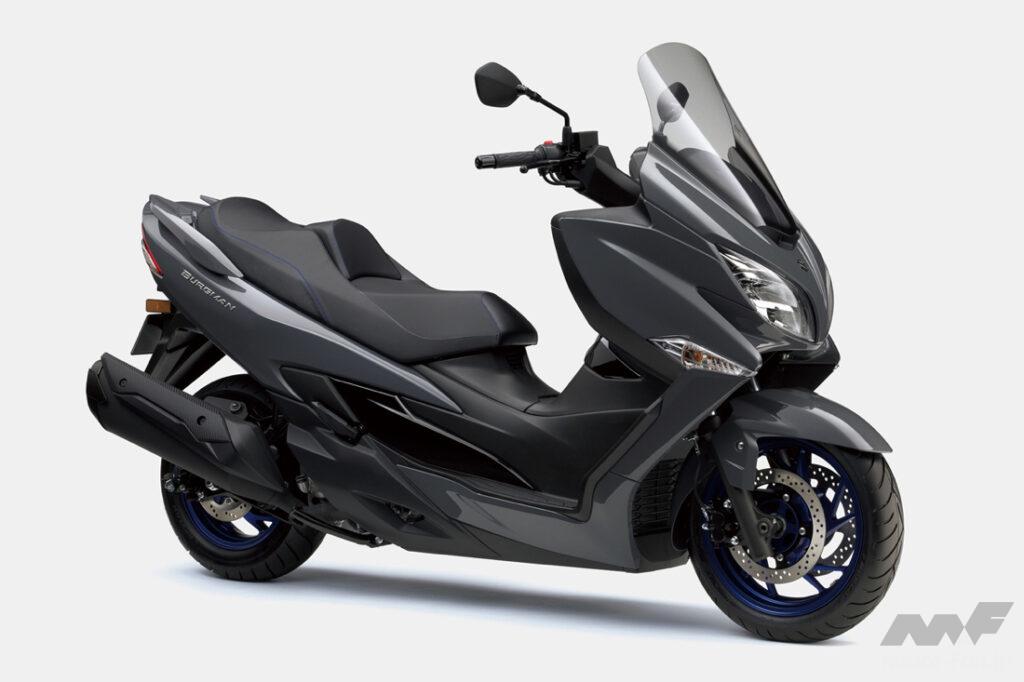
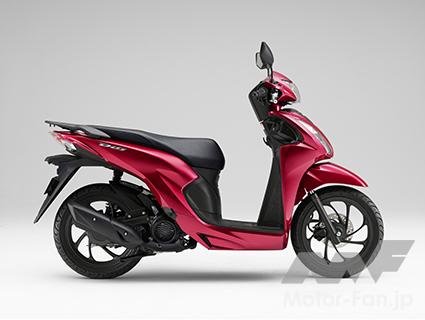
Scooters are the main type of vehicle that can be driven with an automatic transmission license (pictured is a Suzuki Burgman 400).
Most of the models are scooters, but for example, the Honda Gold Wing Tour, a massive bike with an 1833cc 6-cylinder engine, can also be driven with an automatic transmission-only large motorcycle license. This is because it is equipped with a unique automatic transmission mechanism called DCT (Dual Clutch Transmission), which eliminates the need to operate the clutch.
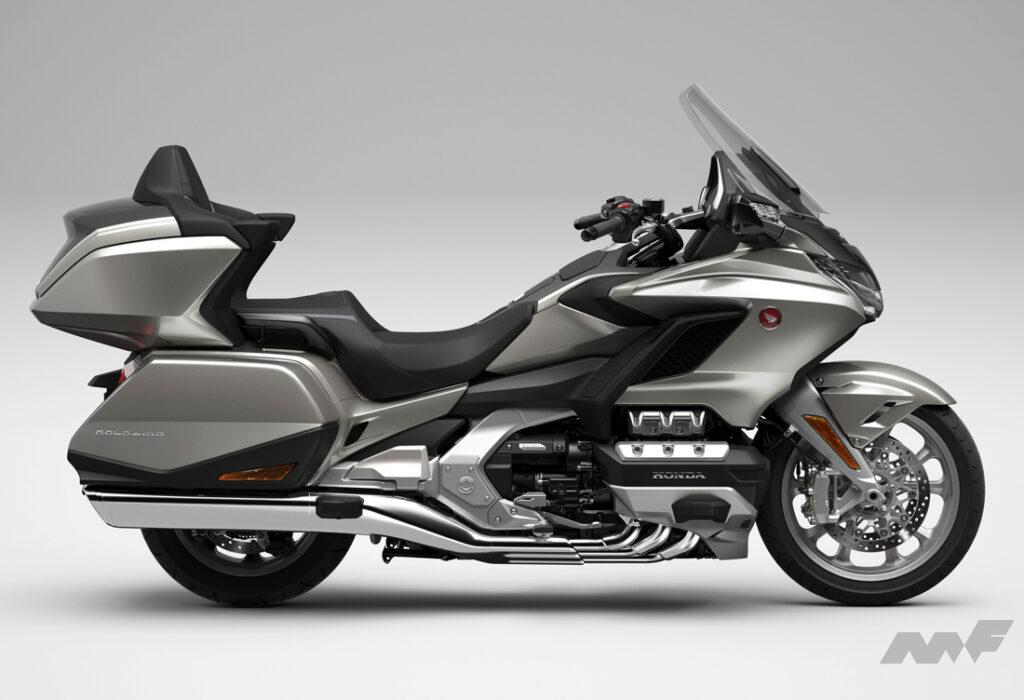
Honda Gold Wing Tour
Honda also uses DCT, which does not require clutch operation, on many of its other large models, including the CRF1100 Africa Twin, NT1100, and Rebel 1100, and all of these are compatible with licenses limited to automatic transmissions.
Yamaha will also be releasing models equipped with the automatic transmission mechanism “Y-AMT” from 2024.
Currently, it is used in large streetfighter motorcycles such as the MT-09 and MT-07. In Europe, the Y-AMT is also used in the large tourer Tracer 9GT/9GT+, and we can expect this specification to be introduced in Japan in 2025. Furthermore, these Y-AMT-equipped vehicles can also be ridden with an automatic transmission-only license, so it is expected that they will provide a comfortable ride to a wider range of riders.
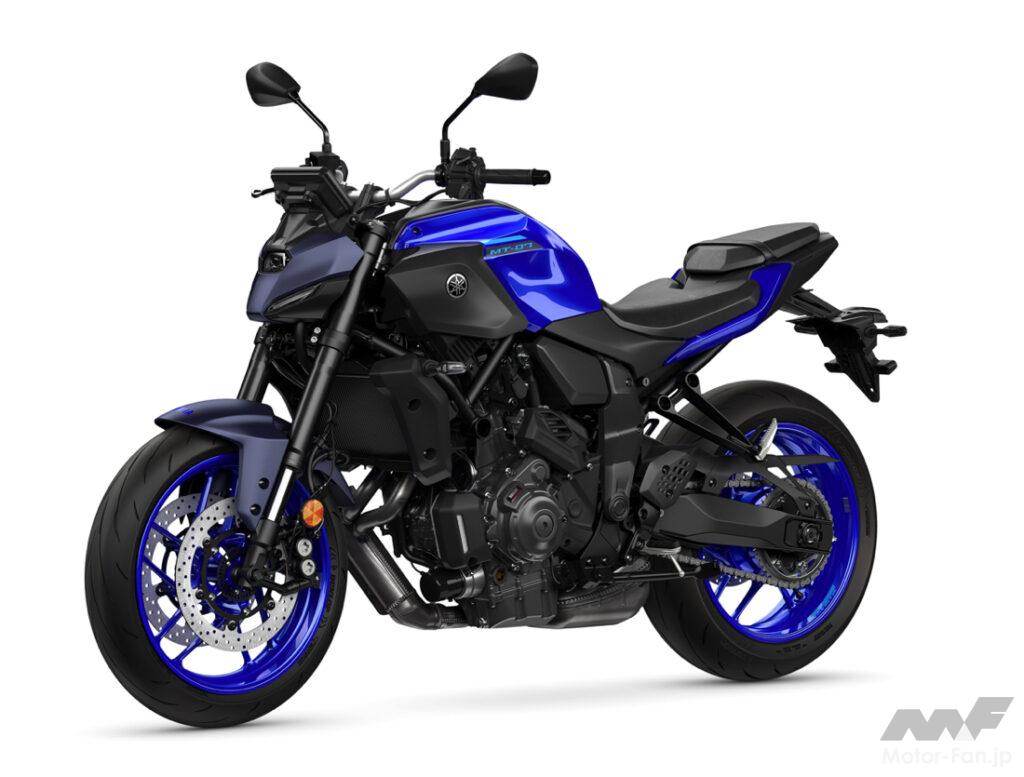
Yamaha MT-07 Y-AMT
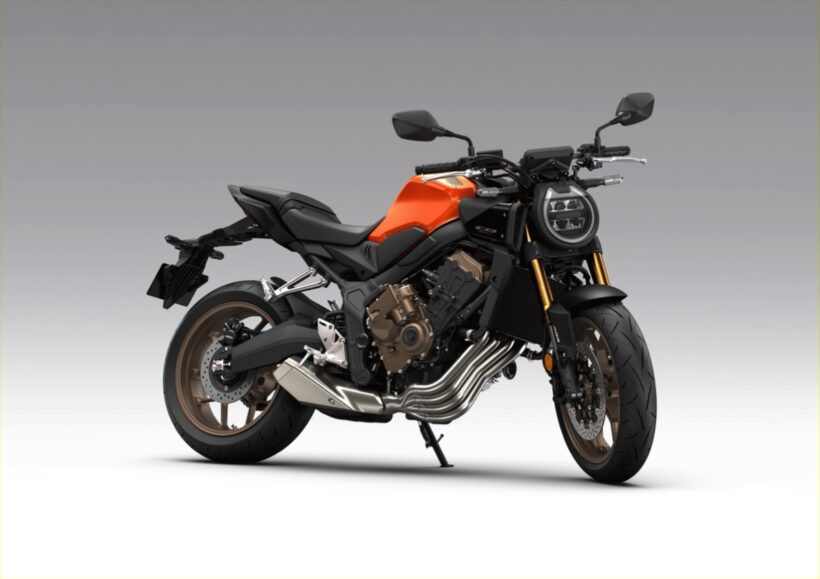
There is also a similar mechanism called the Honda E-Clutch, which is being installed on an increasing number of models, including the CBR650R/CB650R and Rebel 250/S. This also eliminates the need to operate the clutch lever or shift pedal from starting to stopping. However, perhaps because it also allows manual operation, the only person who can drive it is a manual transmission license (the Honda E-Clutch models for the CBR650R/CB650R require a large motorcycle license, while the Honda E-Clutch model for the Rebel 250/S requires a regular motorcycle license or higher).

Honda Rebel 250S E-Clutch
Furthermore, in April 2025, new standards for mopeds will be introduced, with the engine displacement of motorcycles that can be ridden with a moped license set at 125cc or less and a maximum output of 4.0kw (5.4PS) or less. This is because current motorcycles under 50cc will not be able to comply with the new exhaust gas regulations scheduled to come into effect in November 2025 (Reiwa 7). If things remain as they are, mopeds will no longer be able to be sold as new vehicles, putting them at risk of extinction. Therefore, new standards will be set for motorcycles with reduced power and under 125cc that can comply with the new regulations. Although the engine displacement will be 125cc or 110cc, the license and traffic rules for these new standard mopeds will be the same as for current 50cc motorcycles.
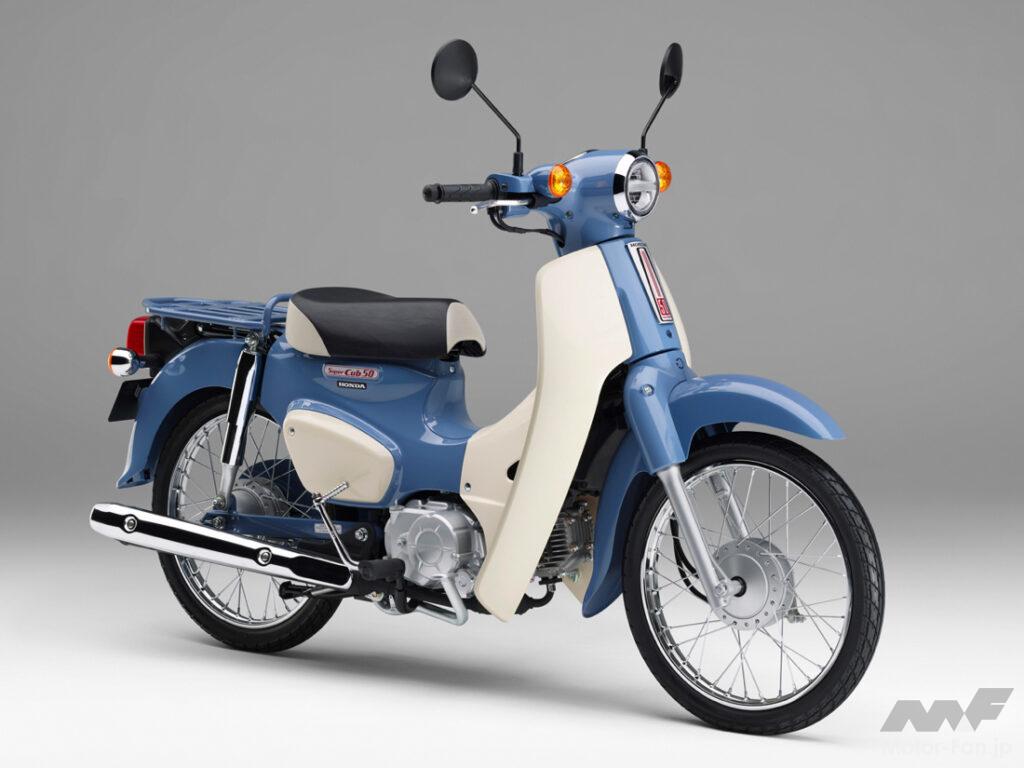
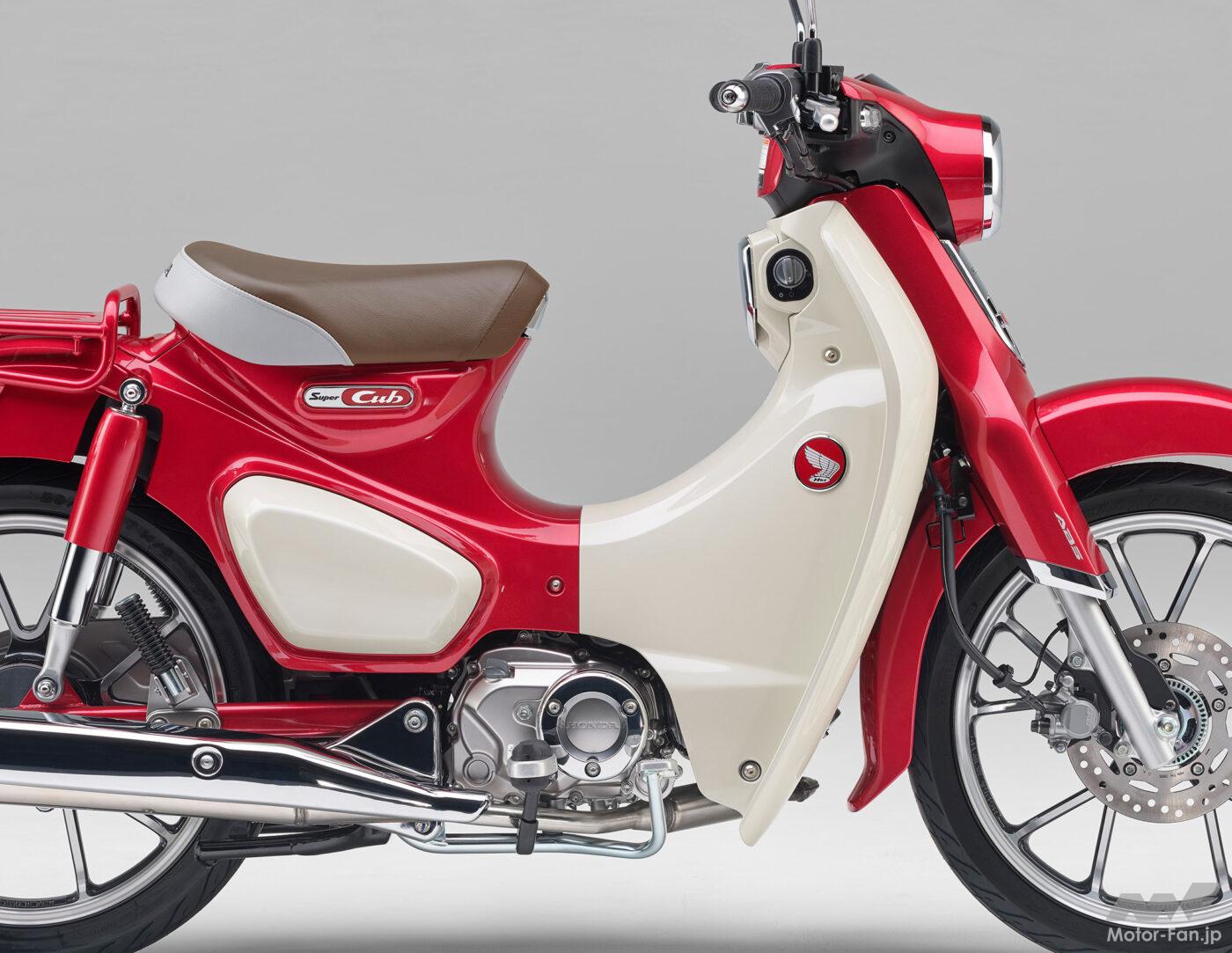
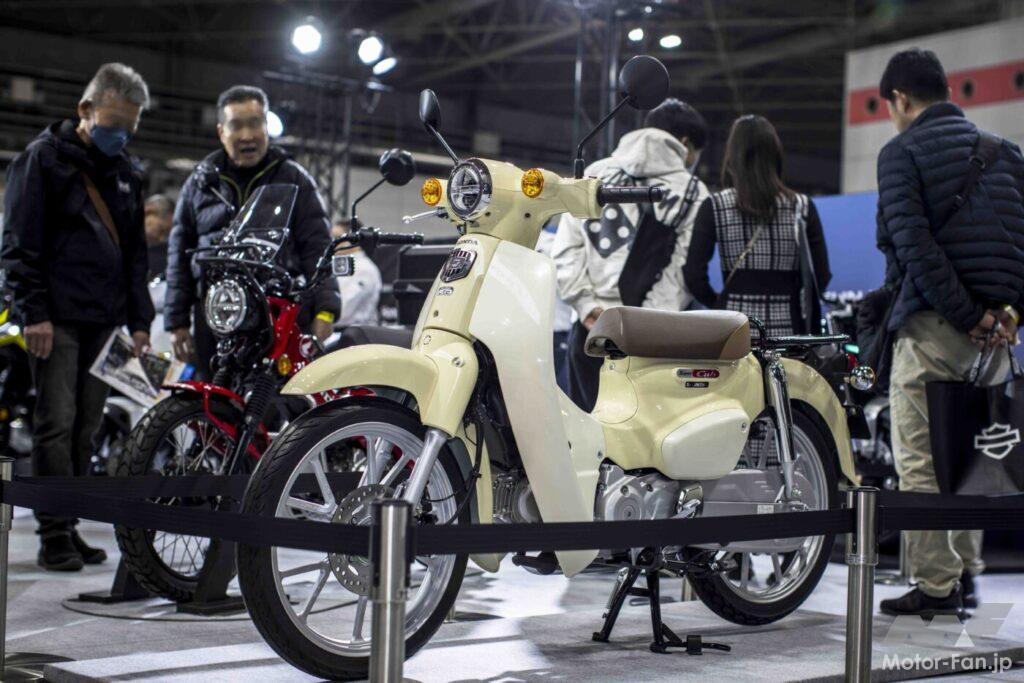
Current motorcycles under 50cc will no longer be available for purchase as new vehicles (pictured is the Super Cub 50 Final Edition).
As a result, even for the same 110cc or 125cc motorcycle, there will be two types: Class 2 mopeds, which do not require a two-stage right turn and are allowed to carry two people, and Class 1 mopeds, which require a two-stage right turn and have restrictions such as not being able to carry two people.
The licenses that can be used to drive them are also different; models that correspond to the previous Class 2 mopeds require a small-sized, standard two-wheeled or automatic small-sized, standard two-wheeled license, while models that correspond to the new standard mopeds are treated as Class 1 mopeds, so they can be included even if you have a moped license, a two-wheeled license of a higher level, or a standard driver’s license.
Incidentally, at the Osaka Motorcycle Show 2025 (March 21st-23rd, 2025, INTEX Osaka), Honda announced the Super Cub Light, a new moped model based on the 110cc business model Super Cub 110. It’s still in the concept model stage, and detailed specifications, price, and release date have yet to be announced. However, with production of the previous Class 1 moped model, the Super Cub 50, already being discontinued, this model is attracting a lot of attention as a new-generation Super Cub that can be driven with a moped license.
Steps for attending a driving school
There are two options for obtaining a motorcycle license (excluding mopeds): attending a driving school or taking the so-called “one-shot test” at a driver’s license testing center. A moped license can be issued if you pass an aptitude test and written test at a driver’s license testing center and take a moped course, and as mentioned above, it is included with obtaining a regular car license.
The general flow of each is as follows:
[If attending a driving school]
Theory and practical training
↓
Graduation test
↓
Aptitude test and theory test
↓ *
A license exemption from the practical test is issued
If you attend a driving school, you will need to take the written and practical lessons at the designated times (described below) and then pass the graduation test to graduate. After that, you will need to go to a driver’s license testing center and pass the aptitude test and written test to obtain your license.
Compared to the one-shot test, this method is relatively easy to obtain, as you are exempt from the practical test, etc. However, it tends to cost more than the one-shot test, not to mention the time and date required to obtain it.
The cost of training at a driving school varies depending on the type of license and the school, but even a regular automatic transmission small-sized motorcycle license, which requires fewer hours of training, can cost around 100,000 yen or more. A large motorcycle license, which requires longer hours of training, can cost more than 200,000 yen. For specific costs, please inquire directly with the driving school you plan to attend.
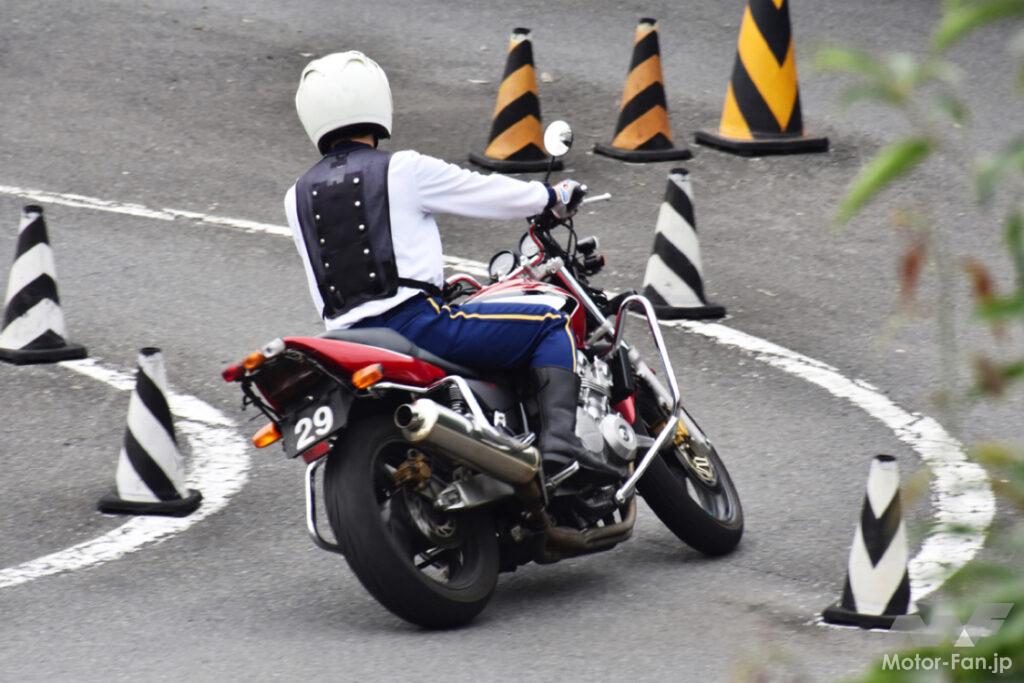
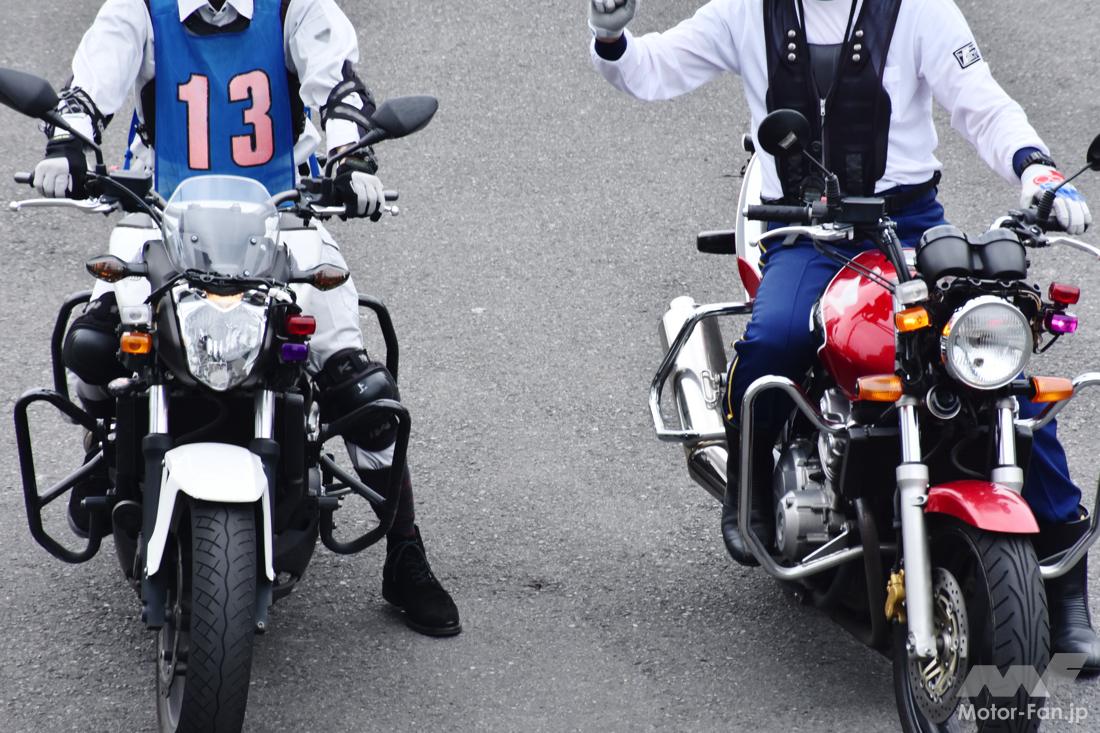
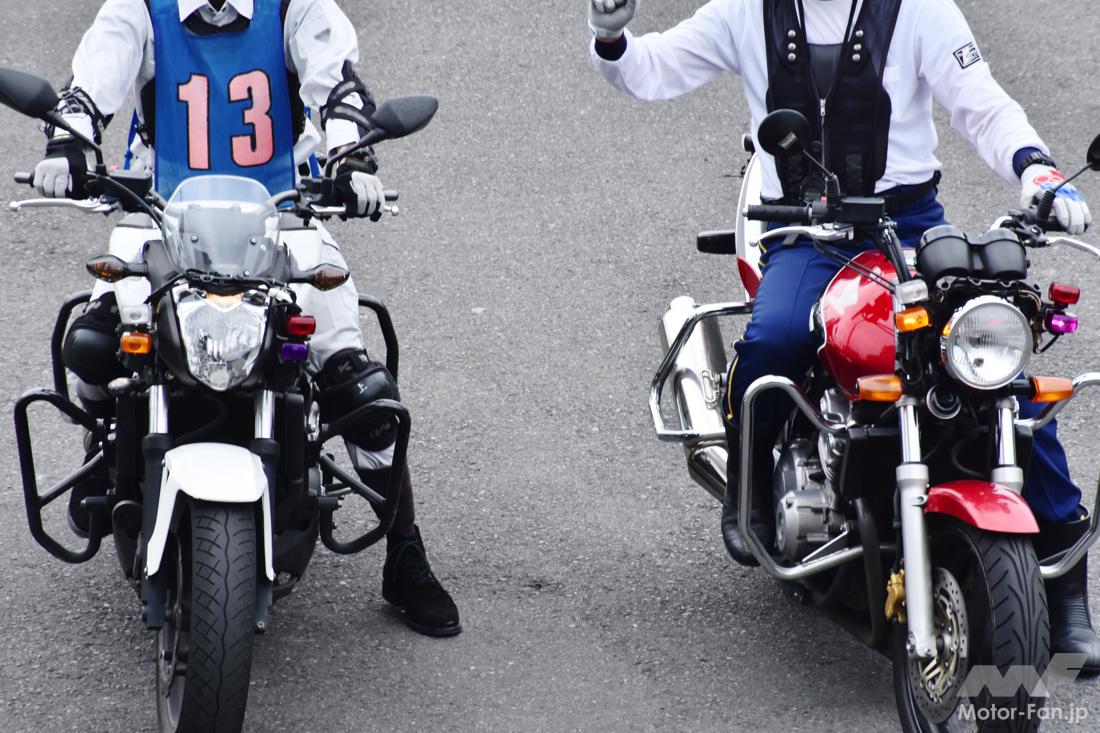
At a driving school, you receive theory and practical training.
Steps for getting a license in one test
[One-shot test]
Aptitude test, written test
↓
Practical test
↓
Acquisition course, first aid course
↓
Issuance of license
In the case of a one-shot test, you will be issued a driver’s license after passing the aptitude test, written test, and practical test at the driver’s license testing center, and then taking the initial training course and first aid course.The initial training course and first aid course are generally conducted at designated driving schools commissioned by the prefectural public safety commission.After passing the practical test, you can make a reservation and take the course at a designated driving school and then be issued a license.
The cost of this option will be discussed later, but it seems relatively inexpensive compared to attending a driving school. However, the practical driving test tends to be quite difficult, and it is said that few people pass on the first try. If you fail multiple times, it will take longer and cost more to get your license, so be careful.

In the case of a one-shot test, after passing the aptitude test, written test, and practical test at the driver’s license testing center, you will be issued a driver’s license after taking the initial training course and first aid course.
How to get a moped license
[For moped license]
Aptitude test and written test
↓
Moped training course
↓
Issuance of license
The aptitude test and written test for a moped license are also taken at a driver’s license testing center. The written test lasts 30 minutes and includes written and illustrated questions. The passing grade is 45 points out of 50 (90% or more). After passing, you will take the moped training course, where you will actually drive a moped, so you will need to wear clothing suitable for riding a motorcycle, such as long sleeves, long pants, and sneakers.
How long is the lesson time at the driving school?
When attending a driving school, the amount of time spent on theory and practical training varies depending on the type of license. It also depends on whether you already have a license. Below are examples for those with no license or only a moped license, and those with a regular car license. Incidentally, even under the same conditions, those with an automatic transmission-only license that does not require clutch operation tend to have relatively shorter practical training hours.
[Small-sized standard motorcycle license]
・If you don’t have a license or have a moped license
↓
Theory lesson: 26 hours Practical lesson: 12 hours
・If you have a regular driver’s license
↓
Theory lesson: 1 class Practical lesson: 10 classes
【AT small-sized limited regular motorcycle license】
・If you don’t have a license or have a moped license
↓
Theory lesson: 26 hours Practical lesson: 9 hours
・If you have a regular driver’s license
↓
Theory lesson: 1 period Practical lesson: 8 periods
[Regular motorcycle license]
・If you don’t have a license or have a moped license
↓
Theory lesson: 26 hours Practical lesson: 19 hours
・If you have a regular driver’s license
↓
Theory lesson: 1 class Practical lesson: 17 classes
[Automatic motorcycle license only]
If you don’t have a license or have a moped license,
then:
Theory lesson: 26 hours, Practical lesson: 15 hours
・If you have a regular driver’s license
↓
Theory lesson: 1 class Practical lesson: 13 classes
[Large motorcycle license]
・If you don’t have a license or have a moped license
↓
Theory lesson: 26 hours Practical lesson: 36 hours
・If you have a regular driver’s license
↓
Theory lesson: 1 class Practical lesson: 31 classes
[Automatic large motorcycle license]
・If you don’t have a license or have a moped license
↓
Theory lesson: 26 hours Practical lesson: 29 hours
・If you have a regular driver’s license
↓
Theory lesson: 1 class Practical lesson: 24 classes
The above is an example of a typical driving lesson time. Also, the number of hours of instruction per day that can be taken will vary depending on the driving school and the individual’s schedule, so the actual number of days until graduation will vary. This is especially true if you attend a regular driving school or a short-term training camp, so for more information, please consult directly with the driving school you plan to attend.
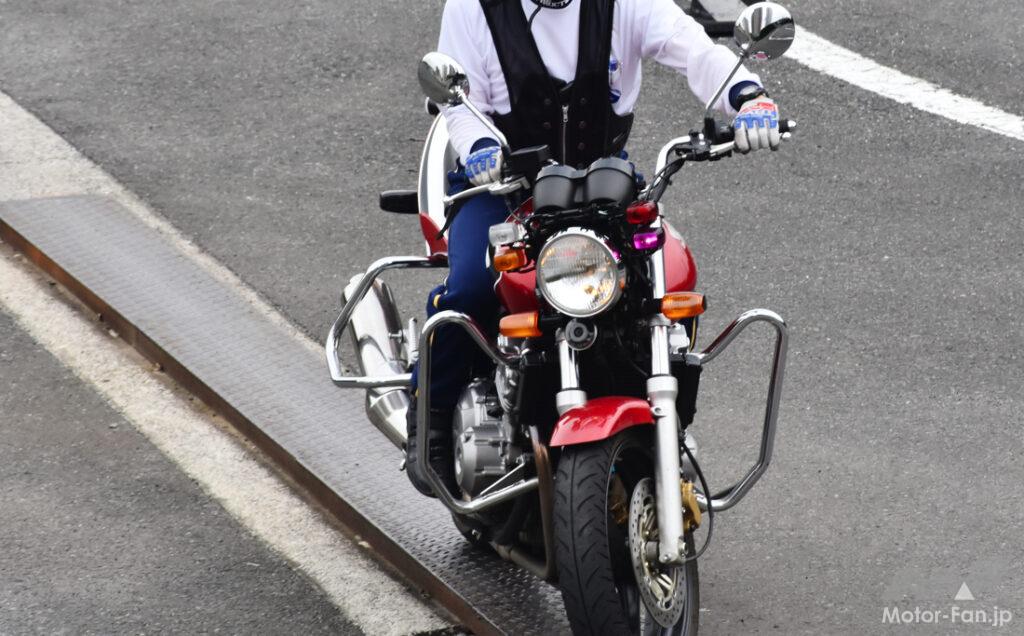
At driving schools, the lesson time varies depending on the situation, such as if you don’t have a license, only have a moped license, or if you have a regular driver’s license.
Introduction of My Number licenses and changes to license-related fees
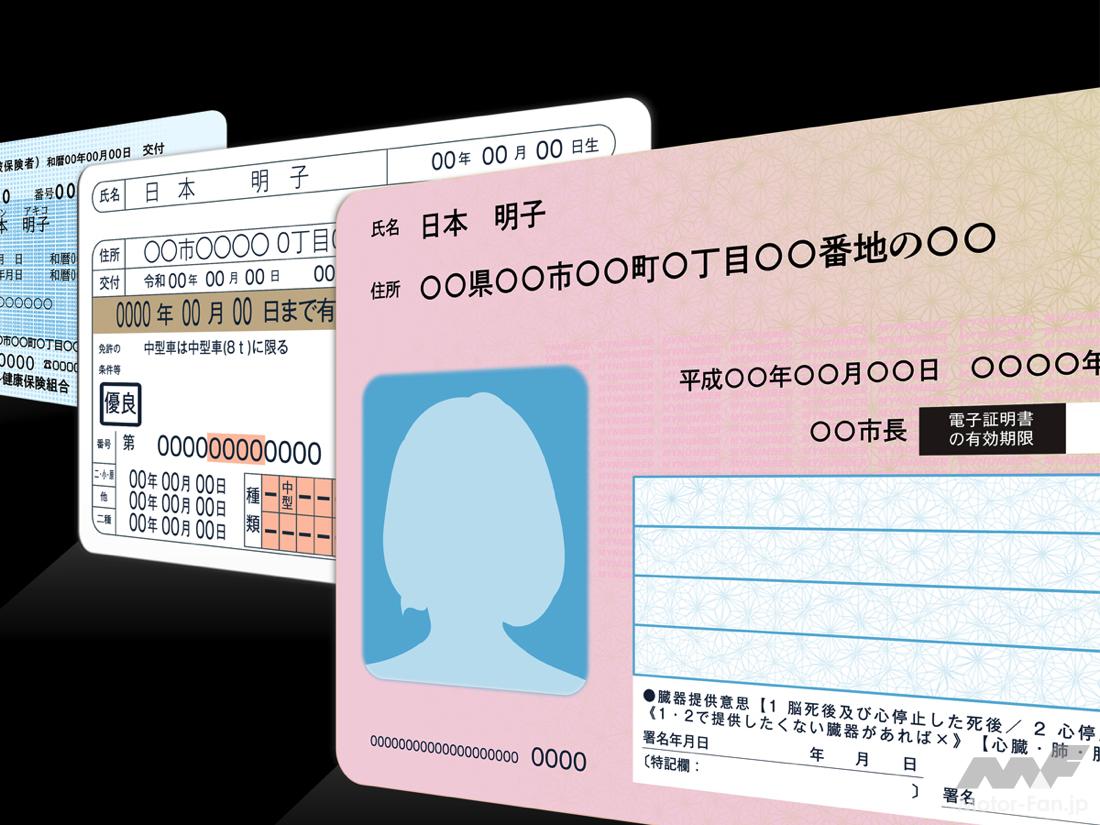
Starting March 24, 2025, My Number licenses will be introduced, which combine My Number cards and driver’s licenses. This will also apply to new motorcycle licenses obtained after March 24, 2025.
There are three options for obtaining a minor license: a traditional license, a minor license, or having two licenses: a traditional license and a minor license. Each option has different fees.
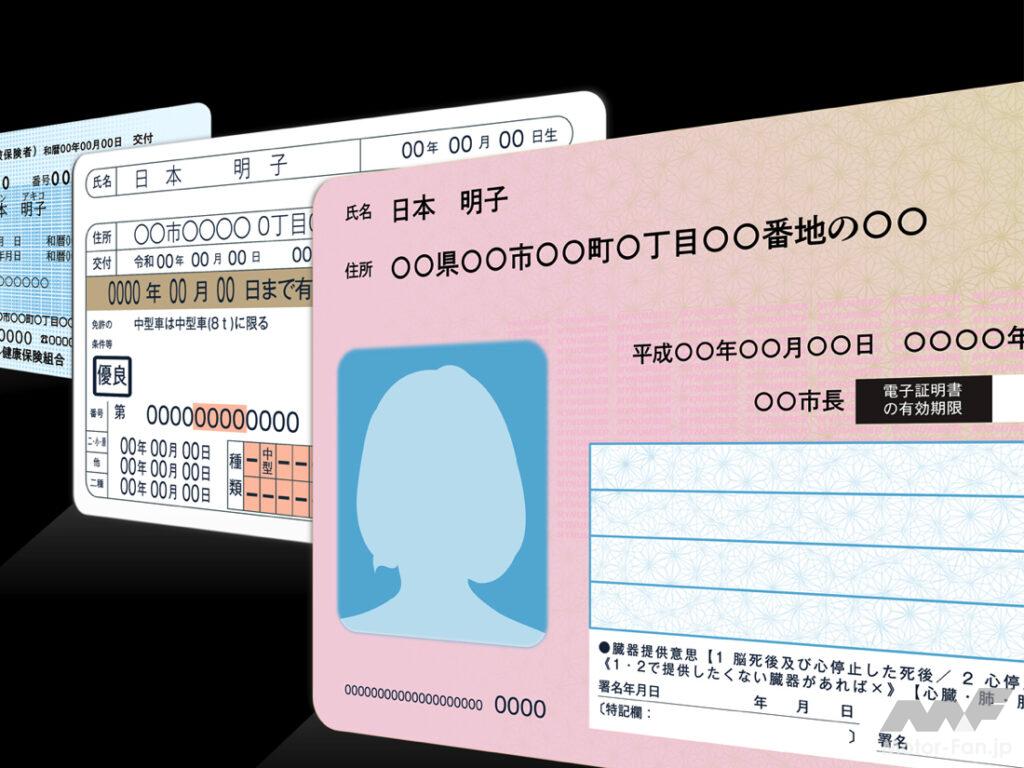
At the same time as the introduction of the My Number license, fees related to obtaining a license were also revised.
At the same time, some fees required at driver’s license testing centers have also increased, such as for taking a one-shot test, a written test taken after graduating from a driving school, and for obtaining a moped license. The main new fees are as follows:
New license-related fees, etc. (after March 24, 2025)
[For one-shot test]
・Exam fee: 2,800 yen
・Test vehicle use fee: 1,750 yen
・License issuance fee: 2,350 yen for a conventional license / 1,550 yen for a minor license / 2,450 yen for dual licenses
*Total 6,900 to 7,000 yen
In addition, the tuition fees for the initial training course and first aid course after passing the exam have also been revised as follows:
Large motorcycle license (including automatic transmission only): 18,450 yen
Regular motorcycle license (including small motorcycle and automatic transmission only): 18,150 yen
[If you graduate from a driving school and take the written test]
・Exam fee: 1,850 yen
・License issuance fee: 2,350 yen for a conventional license / 1,550 yen for a minor license / 2,450 yen for dual licenses
*Total: 4,200 to 4,300 yen
[Moped license]
Examination fee: 1,600 yen
License issuance fee: 2,350 yen for a conventional license / 1,550 yen for a minor license / 2,450 yen for dual licenses
*Total 3,950 to 4,050 yen
After passing the exam, the moped training fee will be 5,250 yen.
Pay attention to the eligibility requirements and exam locations
As mentioned above, the minimum age to obtain a motorcycle license is 16. However, please note that the minimum age to obtain a large motorcycle license (including automatic transmission licenses) is 18.
In addition, for one-shot tests, moped license tests, and written tests after graduating from a driving school, you must go to a driver’s license testing center in the prefecture where you live to be accepted.
Incidentally, the testing center also conducts a simple physical examination, including eyesight, and if you are deemed unfit for the test, you will not be eligible to receive a license. There are also other rules regarding eligibility to take the test, such as if you have previously had your license revoked (excluding novice license revocations), requiring you to take a course for those with revoked licenses within one year of taking the test and for the disqualification period to have passed. Please be sure to pay close attention to these points before attempting to get a motorcycle license.
If it’s your first time getting a motorcycle license, it’s recommended that you go to a driving school.
As you can see, there are many different ways to get a motorcycle license. Also, as mentioned above, the first-time test is very difficult, so if you are thinking of getting a motorcycle license for the first time, we recommend that you first attend a driving school.
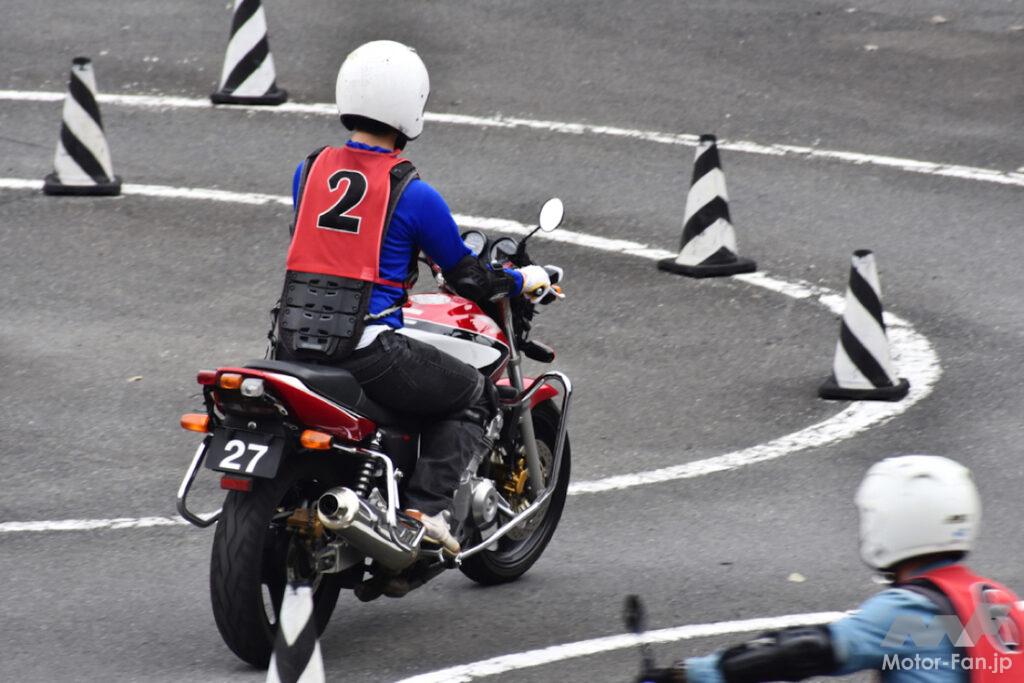
If you are getting a motorcycle license for the first time, it is recommended that you go to a driving school.
Furthermore, even if you are getting your motorcycle license for the first time, there is generally no problem in getting a large motorcycle license straight away, whether through a one-shot test or a driving school. However, large motorcycles of 400cc or more that can be driven with a large motorcycle license are heavy and have a lot of power. Therefore, although there are individual and age differences, it can be said that they tend to be relatively difficult for beginners who are not used to driving motorcycles.
For these reasons, some schools, especially those attending driving schools, recommend first obtaining a motorcycle license, which is easier to obtain, such as a standard motorcycle license or a small-size standard motorcycle license. This is to ensure that you are fully accustomed to operating a motorcycle before obtaining the more difficult large motorcycle license. Each driving school will have different policies regarding this, so please inquire with the school you plan to attend for specific information.
Also, the above information is only an explanation of a general motorcycle license. The content may differ depending on the driving school, so if you have any specific questions or concerns, please check directly with the driving school or driver’s license testing center.