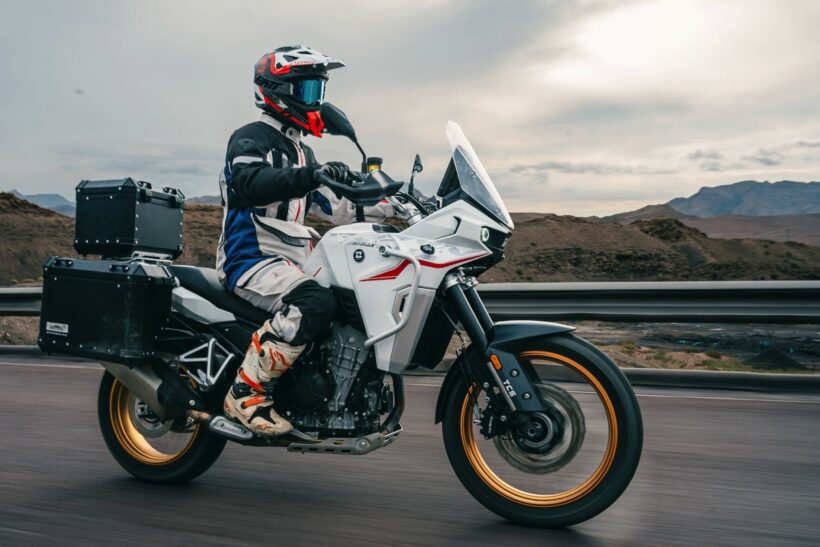


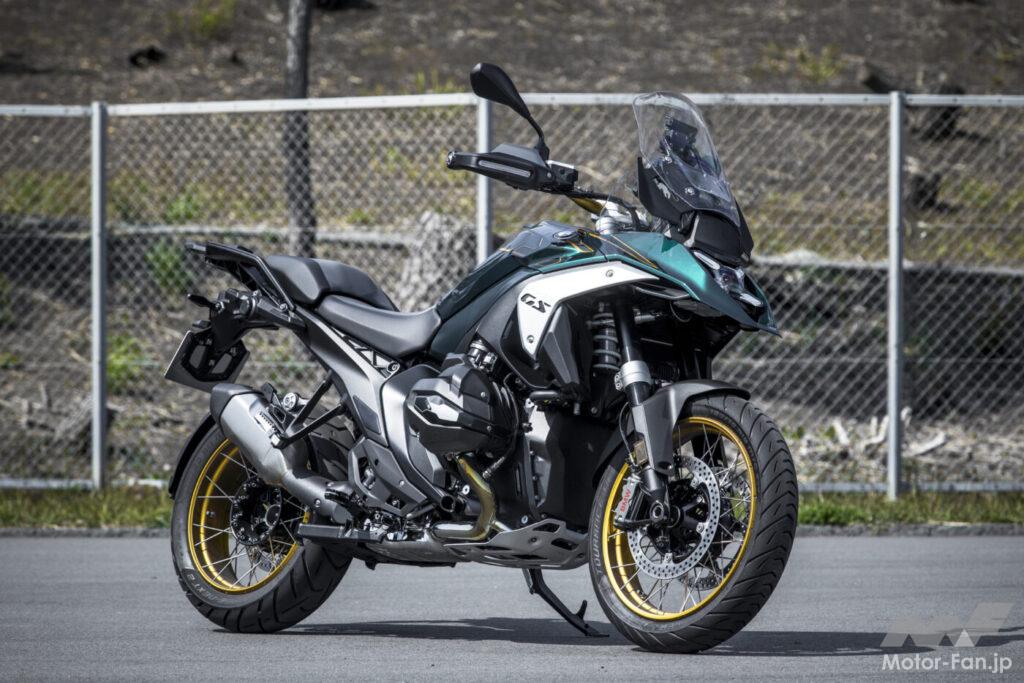
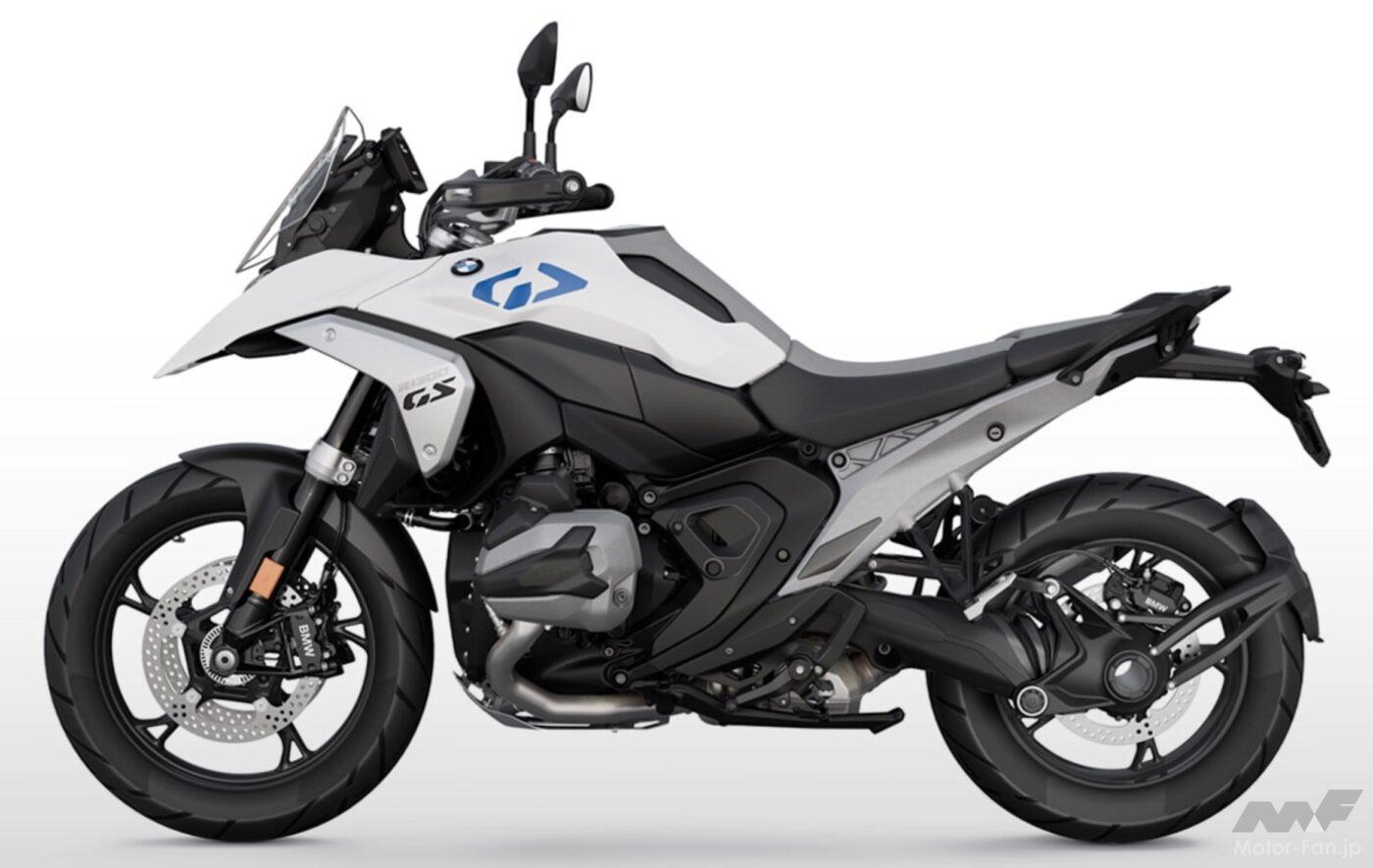
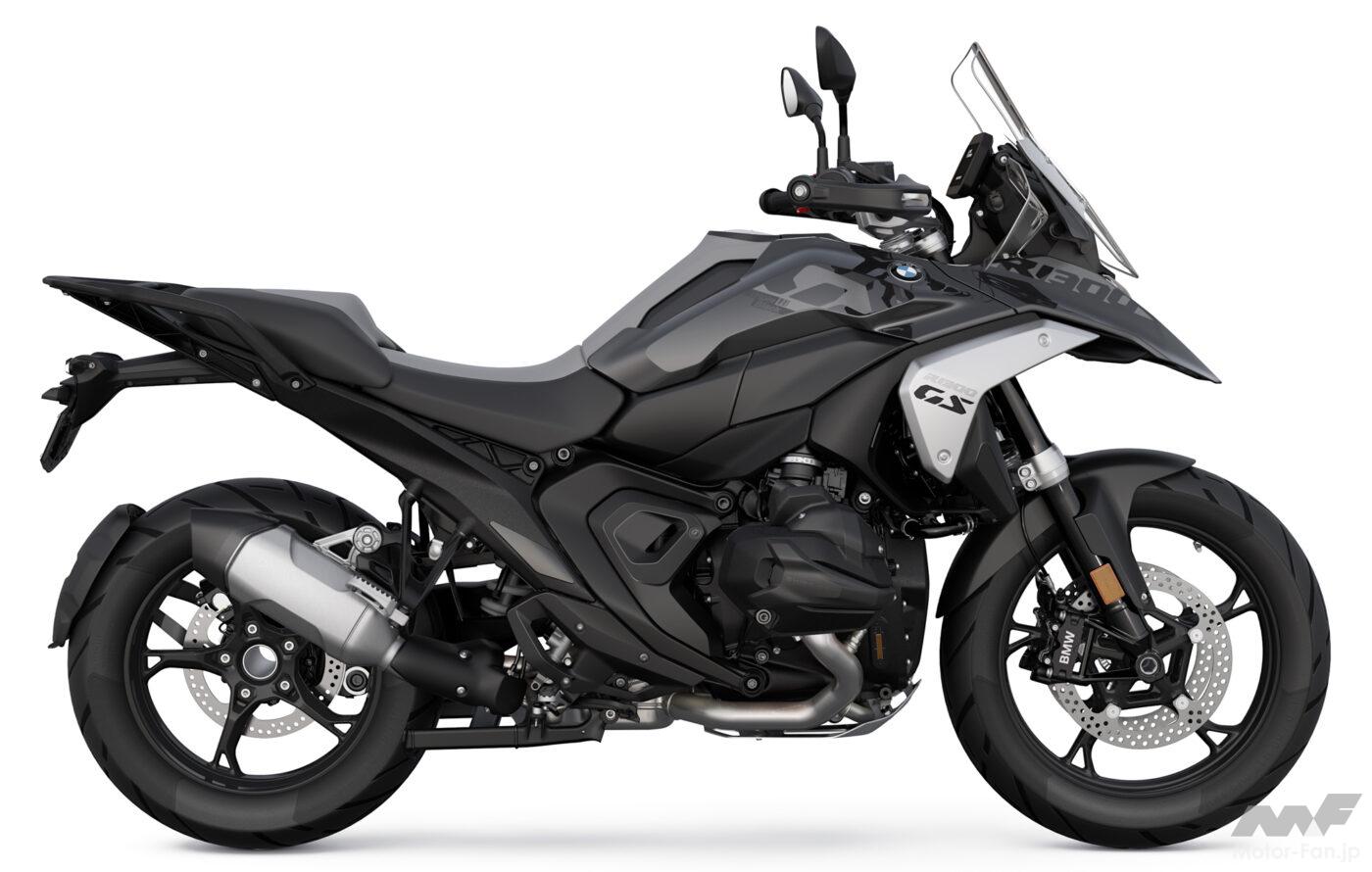
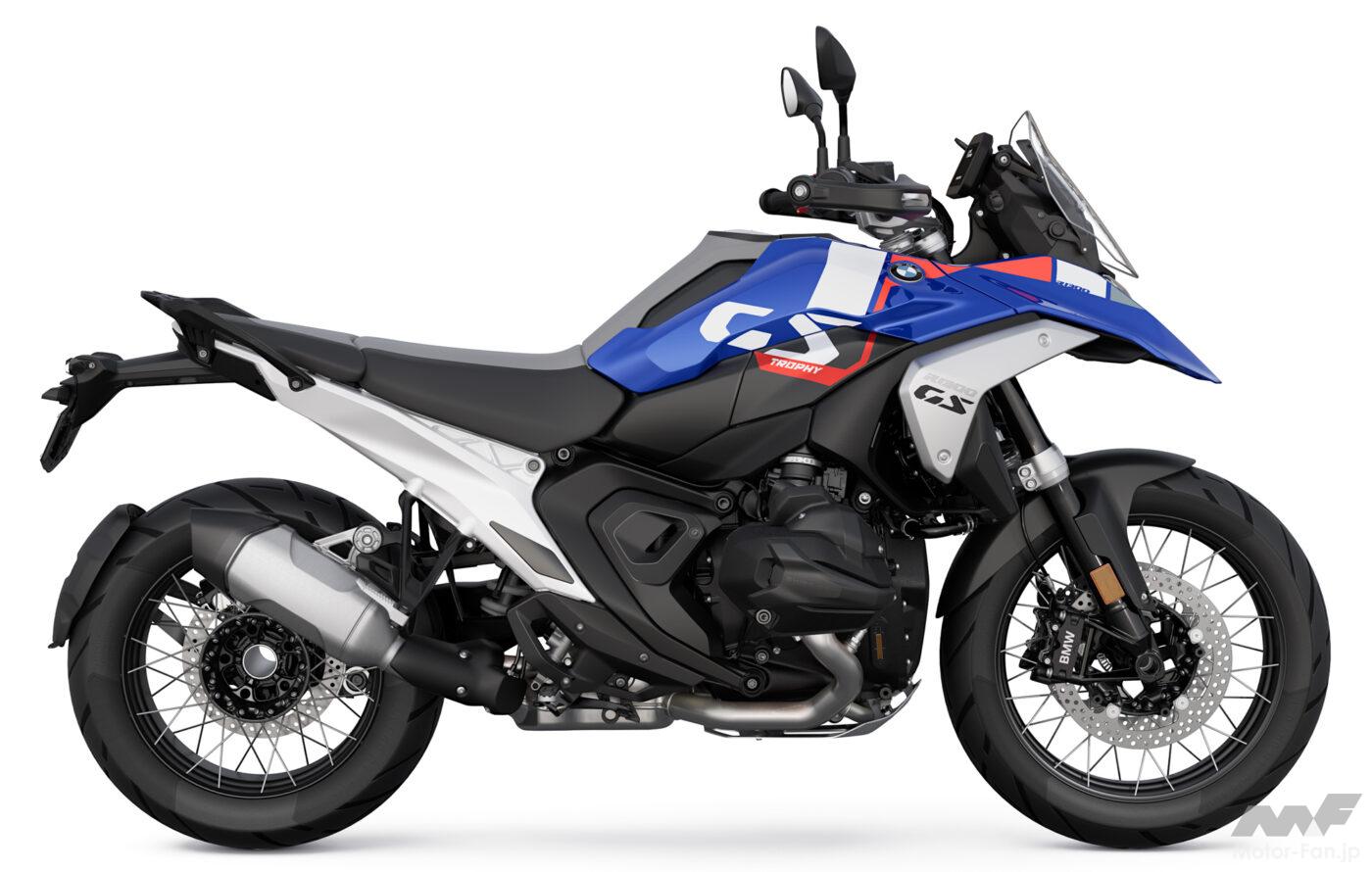
BMW R 1300 GS: From 2,850,000 yen (including 10% consumption tax)
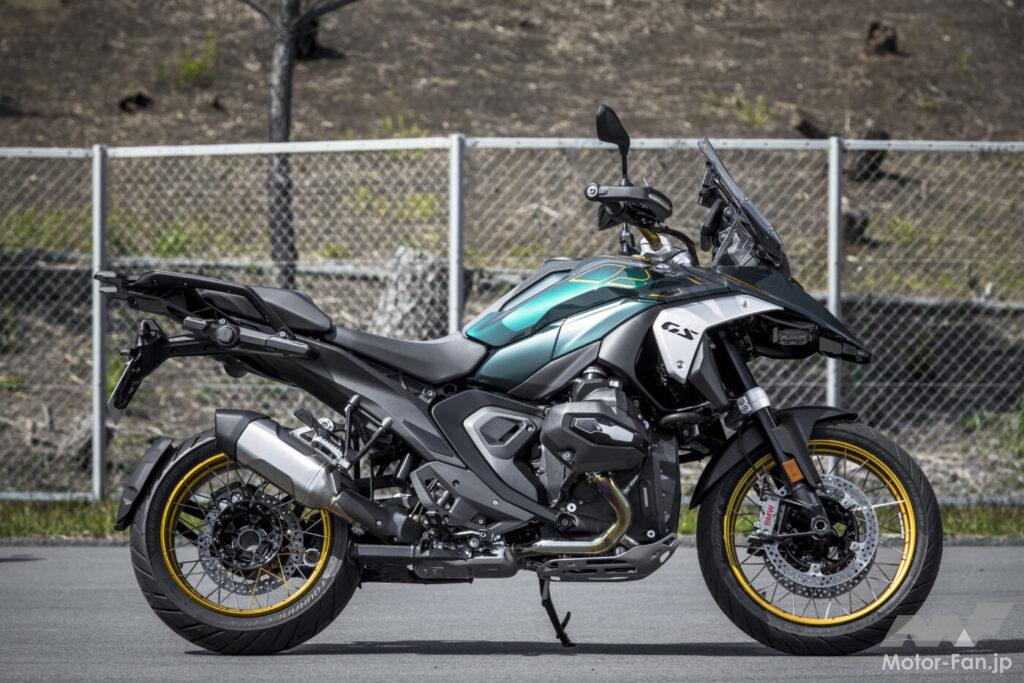


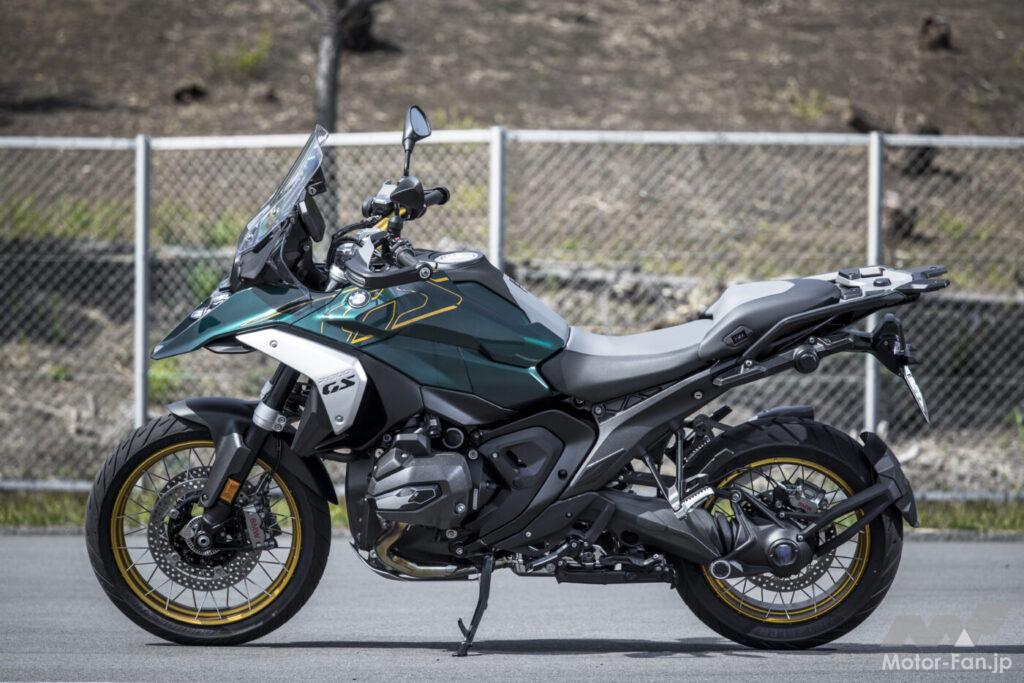
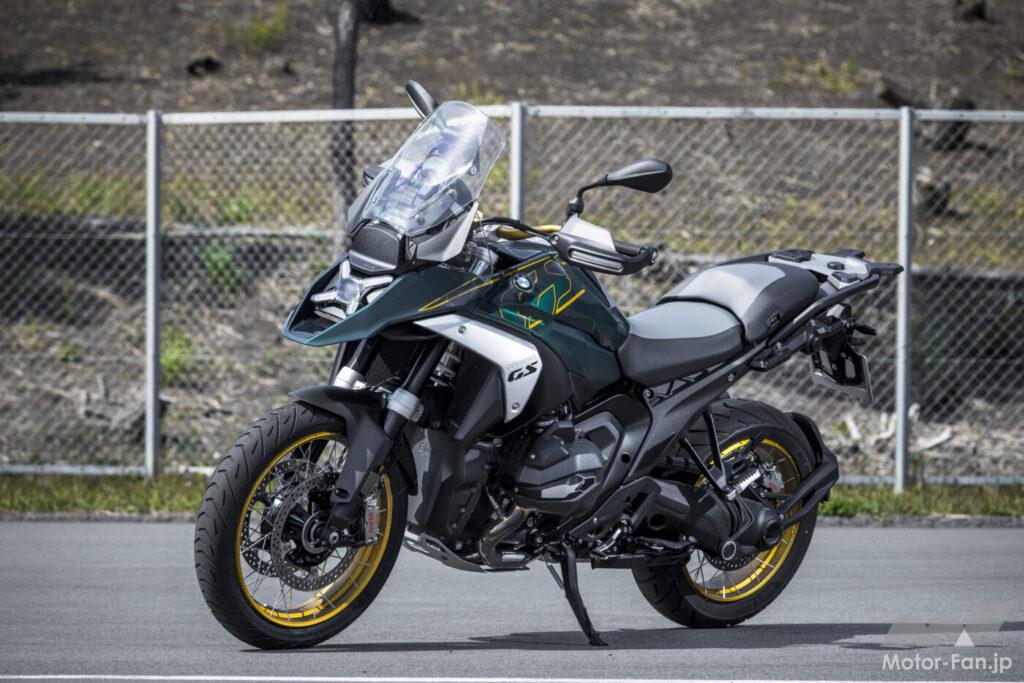
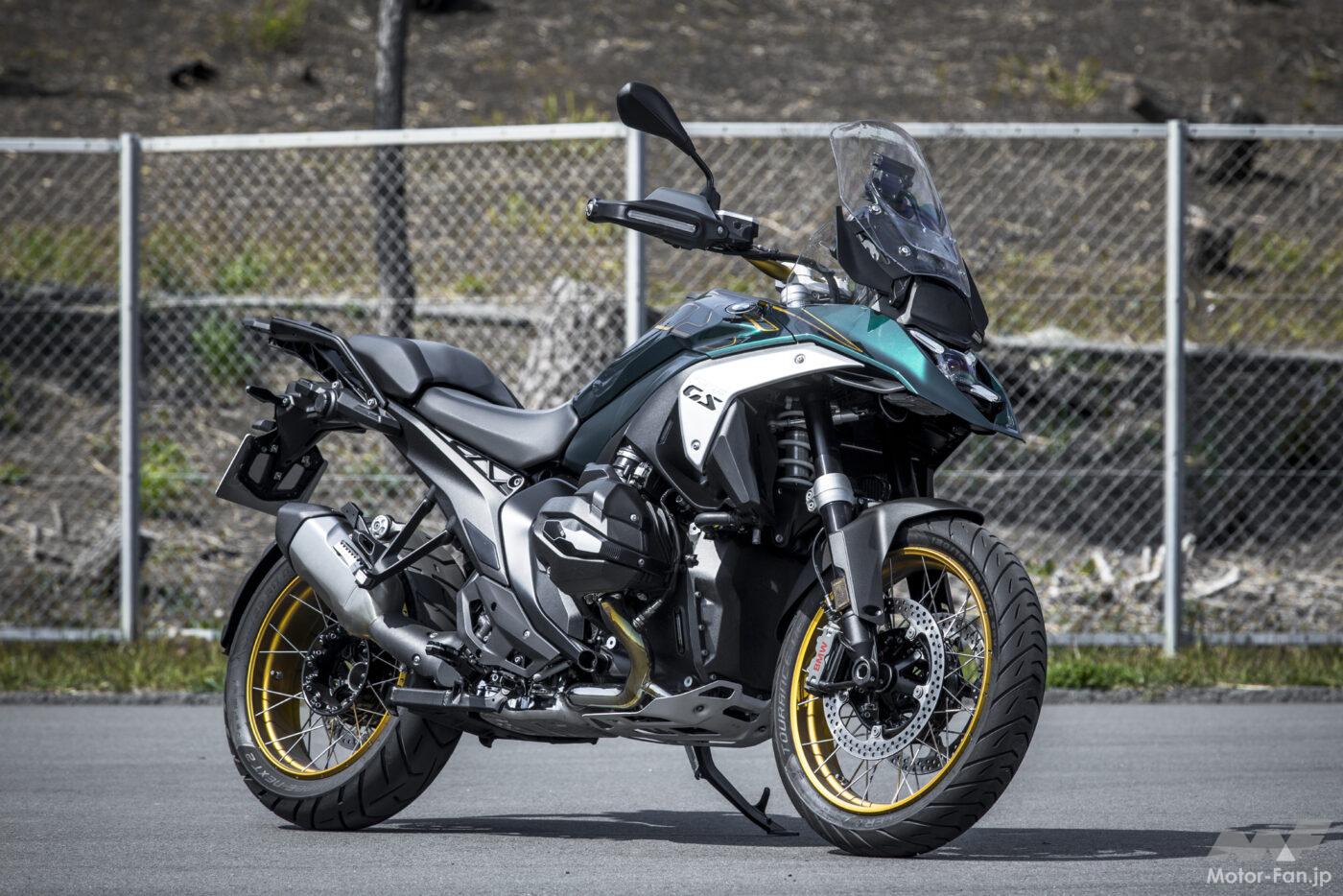
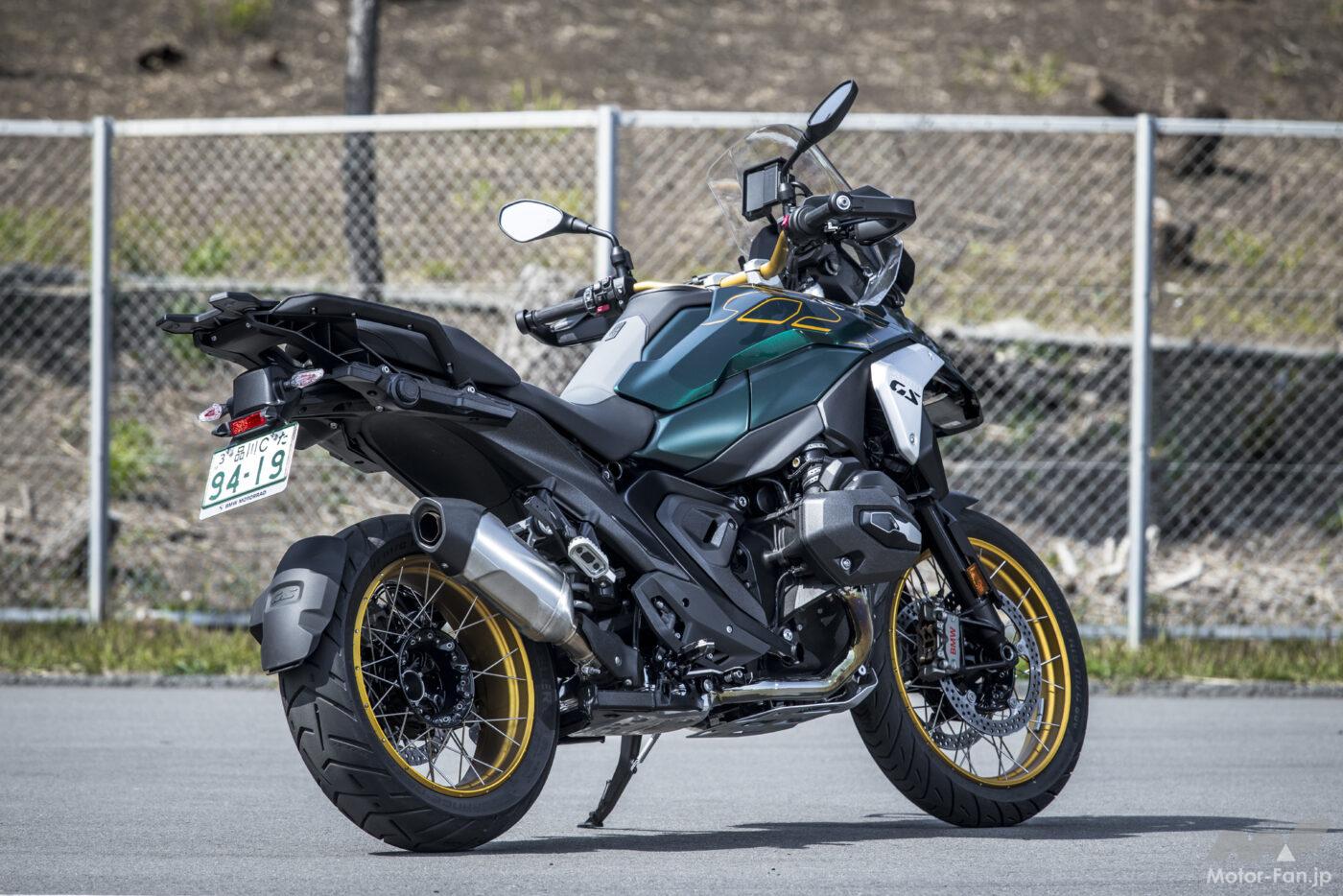
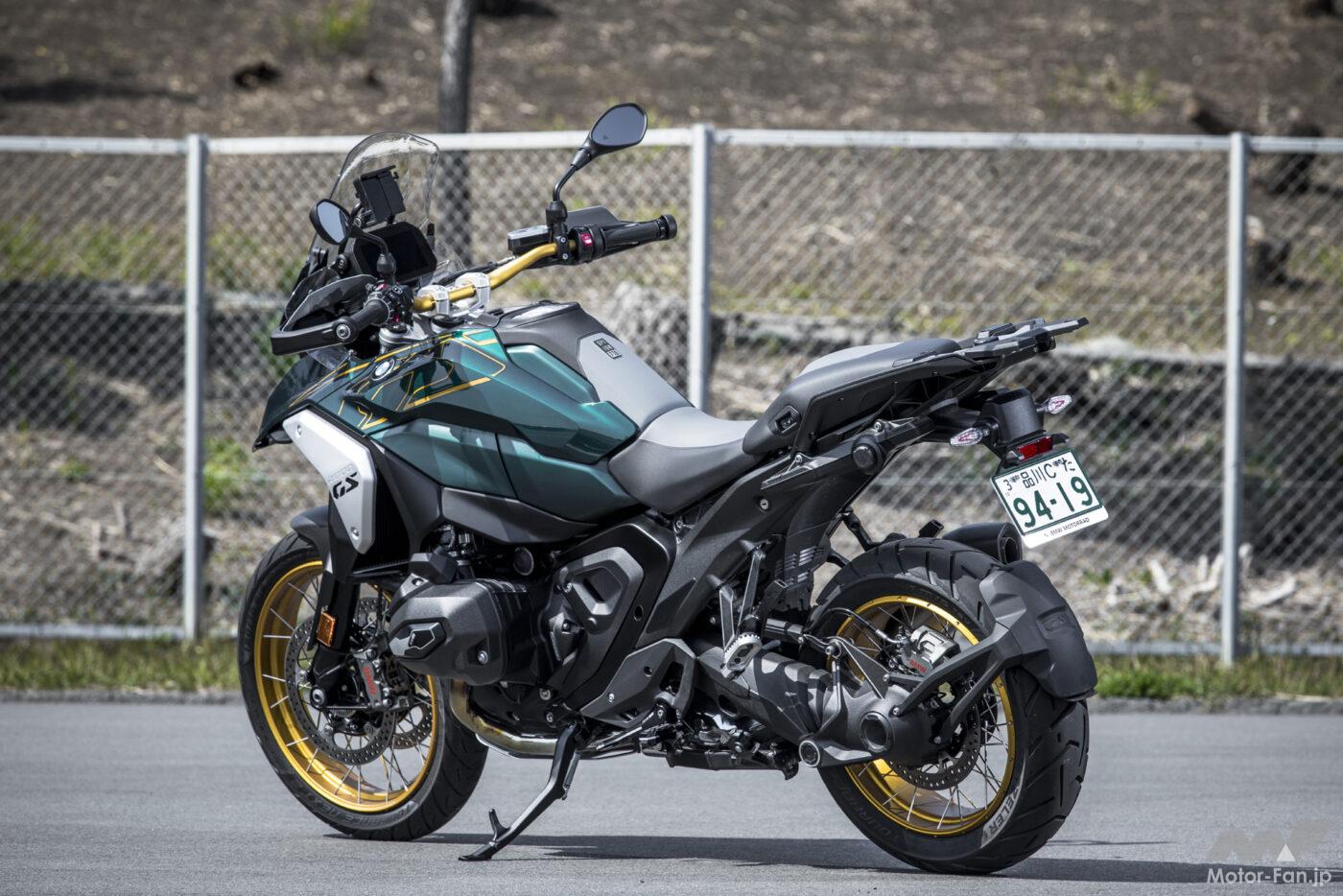
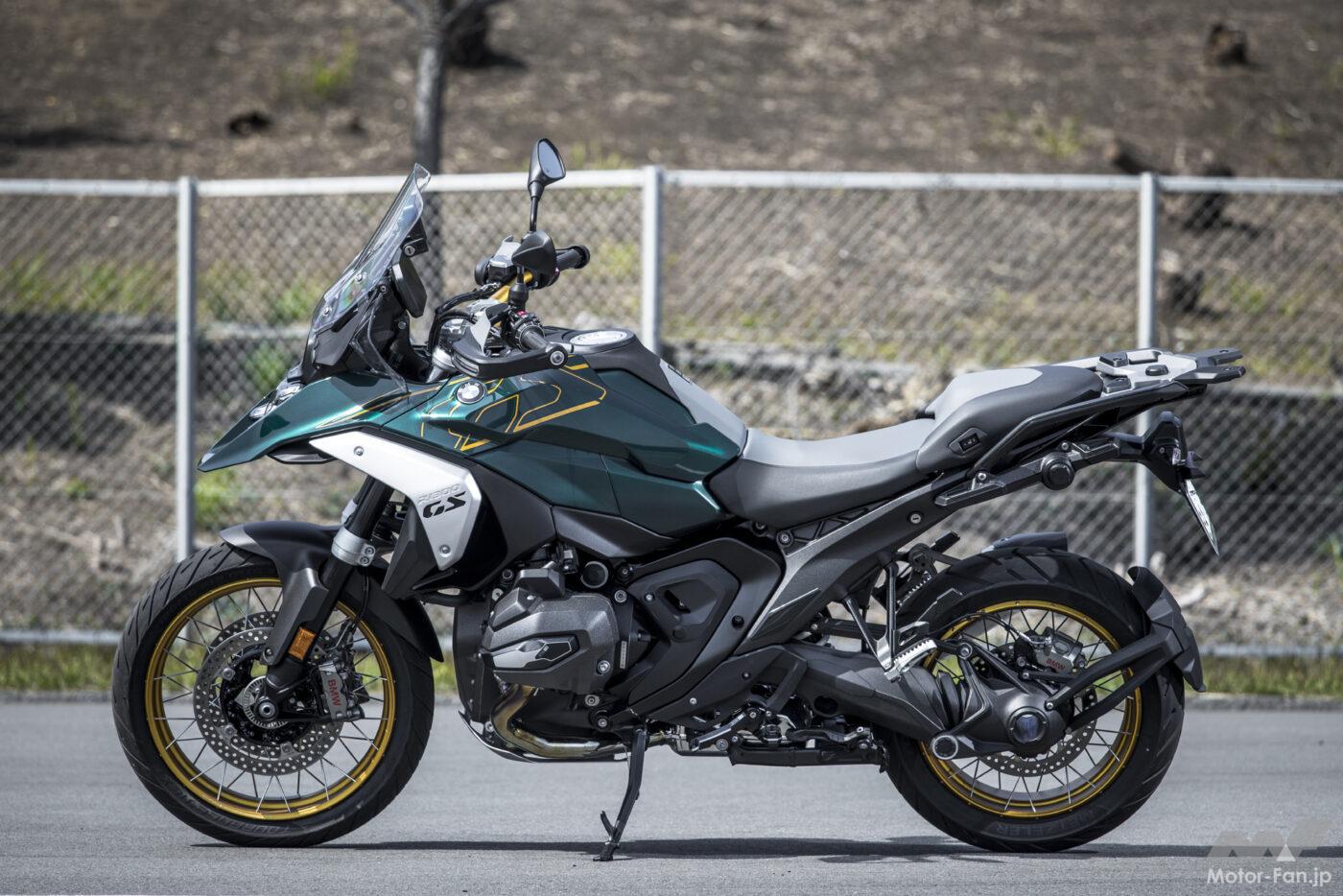
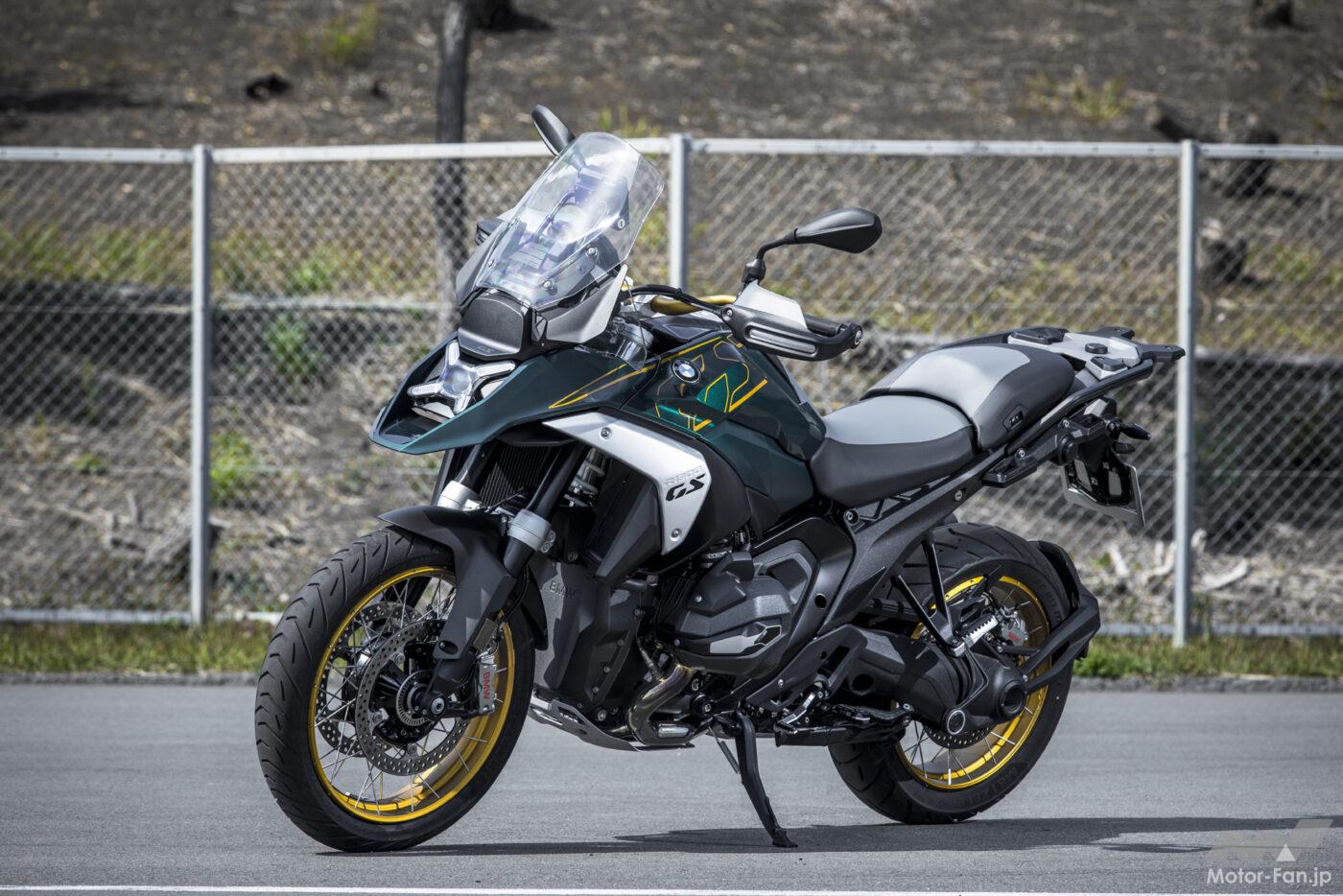
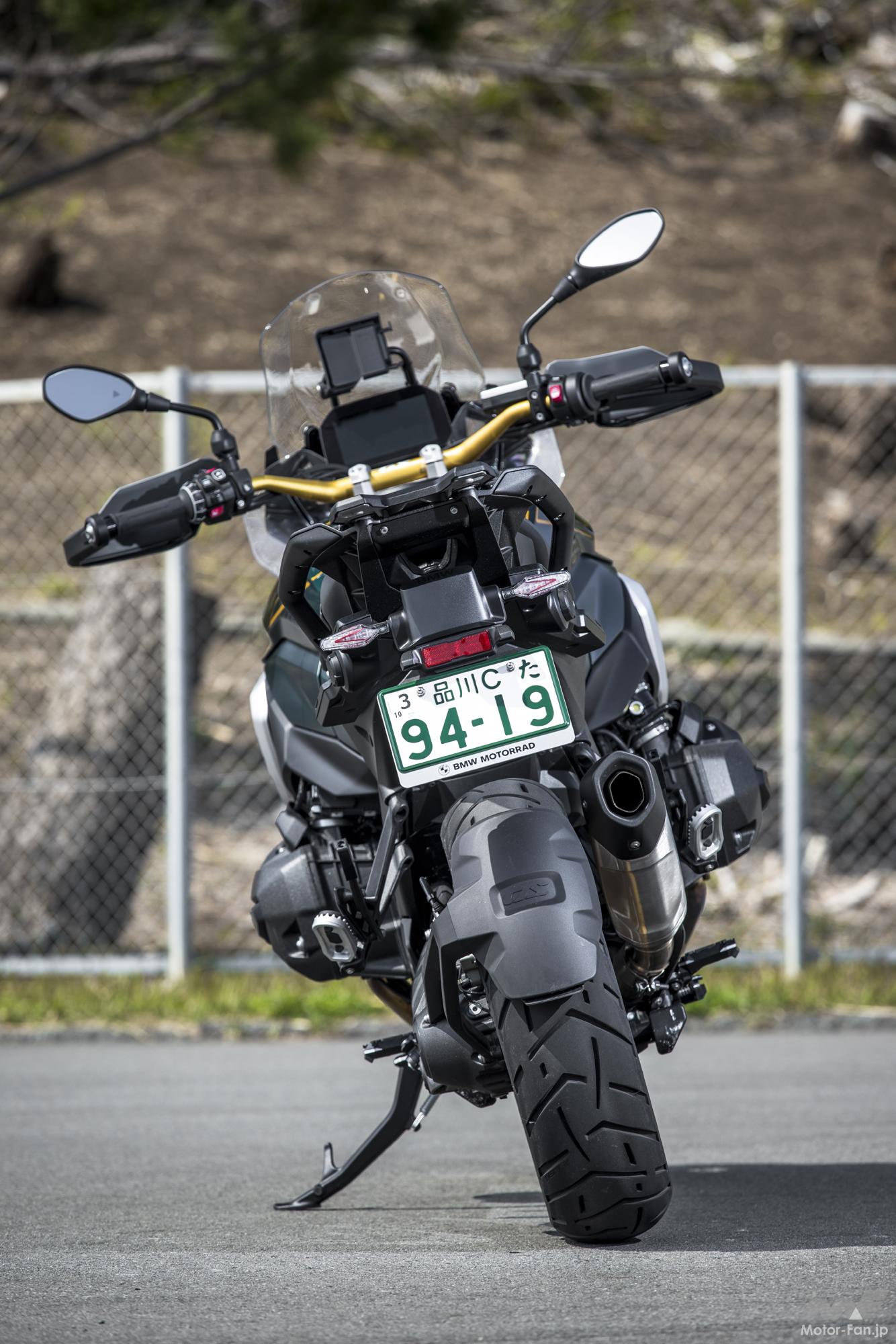
Aurelius Green Metallic (Touring ASA) Option 719 Tramuntana….¥3,587,000 (including 10% consumption tax)
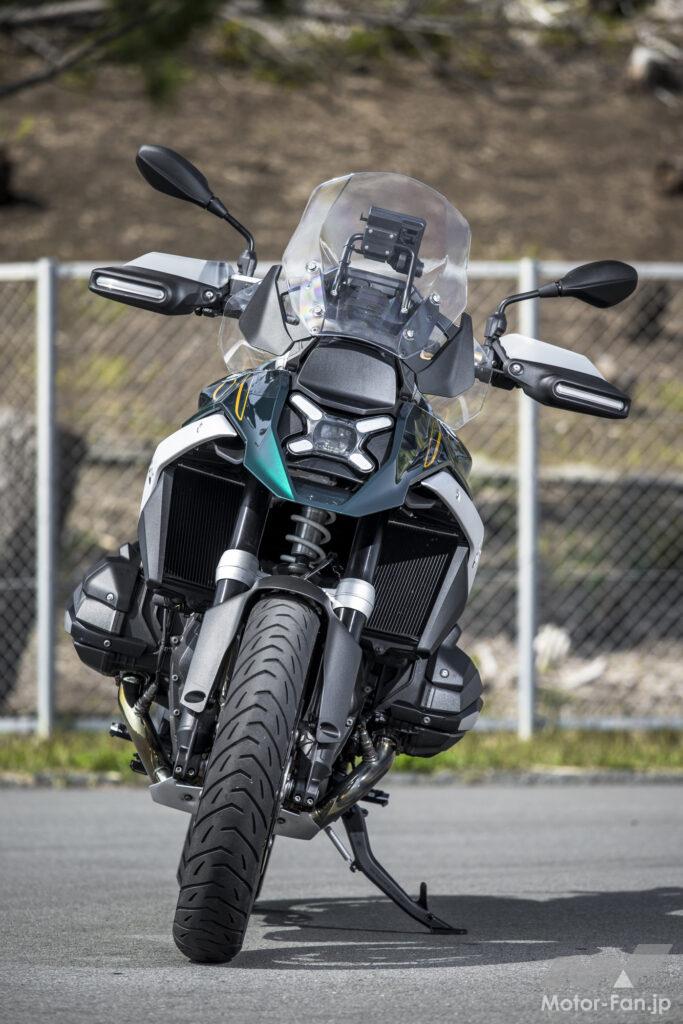

Variations
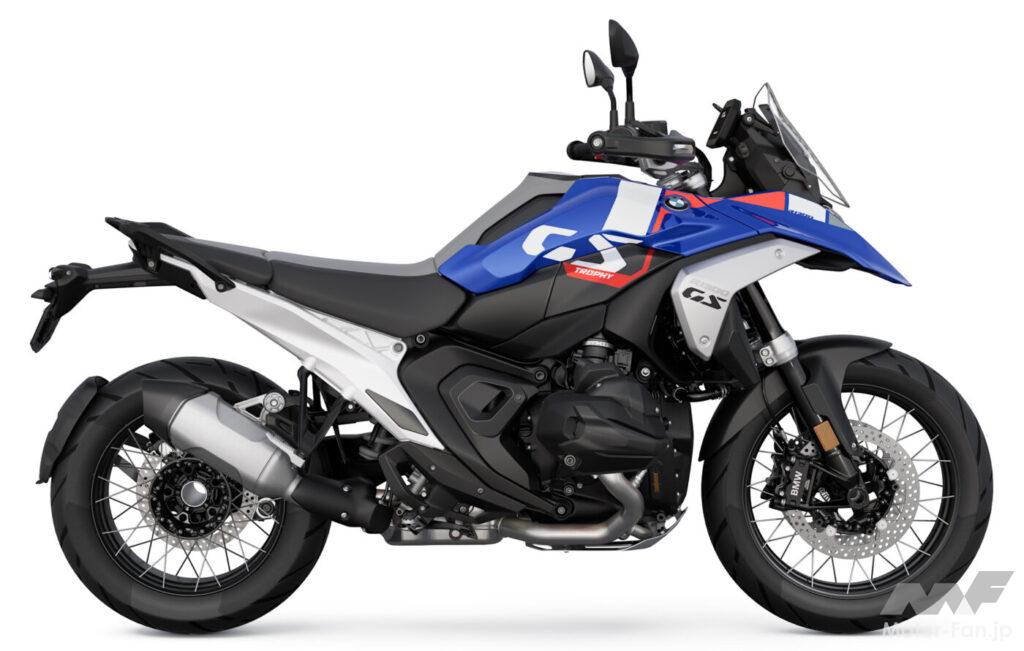
Racing Blue Metallic (Sports)….3,002,000 yen (including 10% consumption tax)
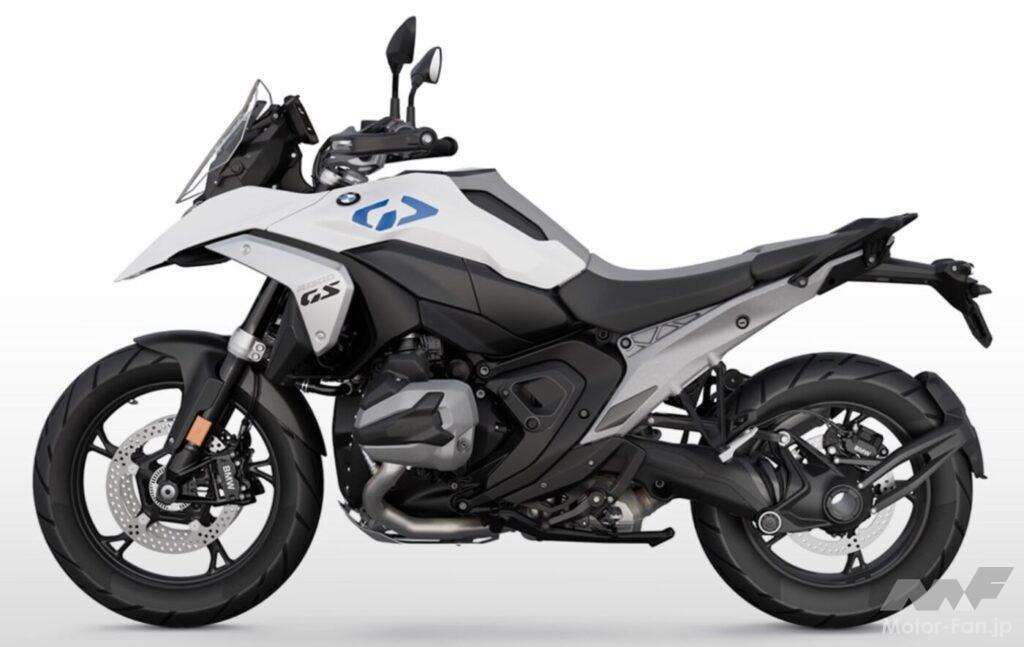
Light White: ¥2,850,000 (including 10% consumption tax)
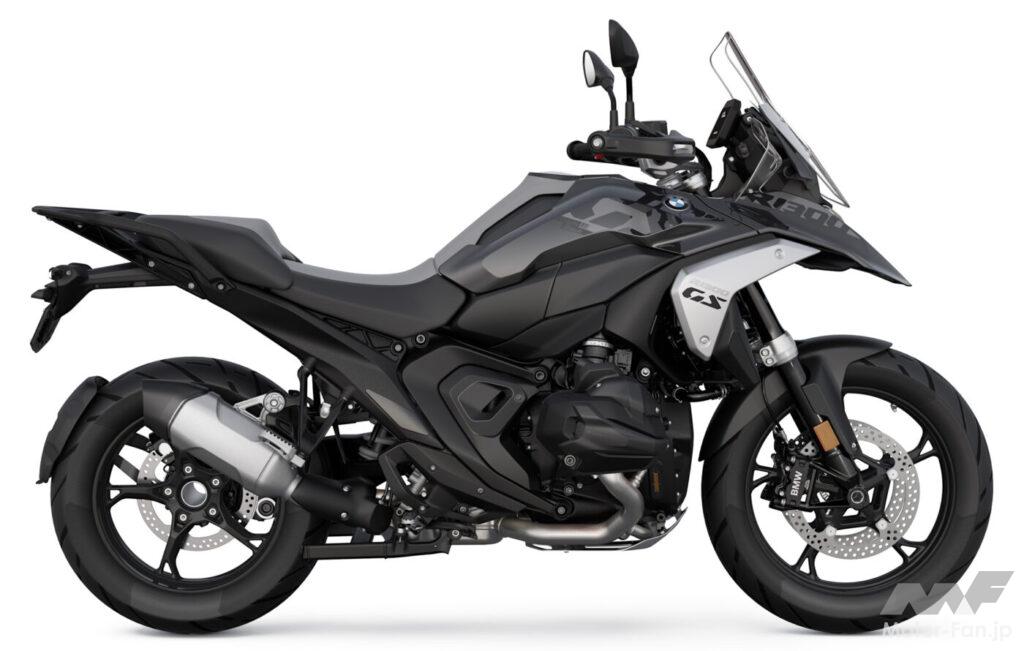
Black Storm Metallic (Triple Black Touring) – ¥3,288,000 (including 10% consumption tax)

Racing Blue Metallic (Touring)….3,294,000 yen (including 10% consumption tax)
Screenshot

Screenshot


ADVERTISEMENT
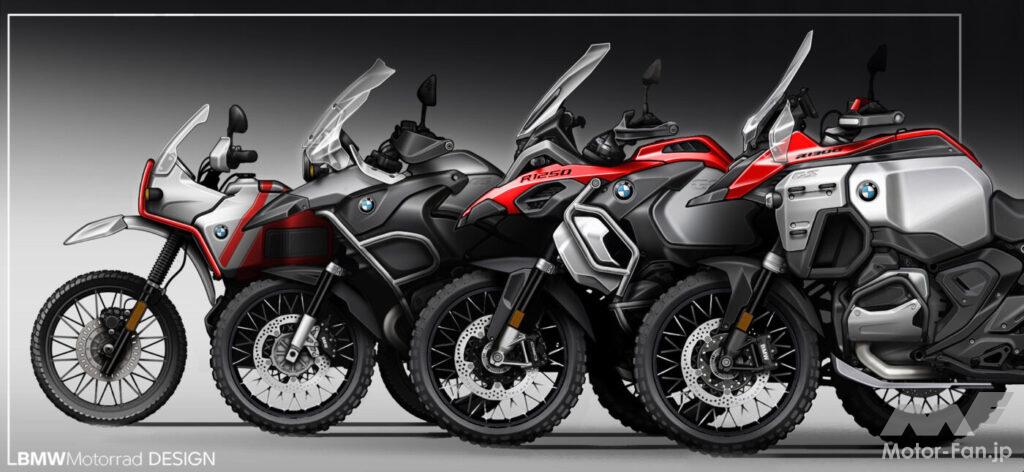
This is a sketch from the Adventure series, and shows the evolution from the R80G/S Paris-Dakar.
The R-GS boxer twin, which began with an 800cc engine, has evolved through repeated model changes and now boasts a 1300cc engine. Its price approaches ¥3 million, with some models even exceeding that. Its 250kg weight and imposing, voluminous form are a sight to behold.
This bike, which tickles the adventurous spirit, is renowned as a top-of-the-line model boasting reliable comfort as a touring bike, and its enduring popularity as a premium bike is well-known.
This model, the R1300GS, was introduced in Japan in November 2023, ahead of the Adventure model. It features a newly designed horizontally opposed twin-cylinder engine and new suspension functions. It is touted as a “new-generation GS model,” boasting a 12kg weight reduction compared to the previous model (European specifications). But most notably, the Touring model now comes with the ASA (Automated Shift Assistant) specification.
ASA stands for Automated Shift Assistant, and refers to the adoption of a new mechanism that automates clutch operation and gear shifting. In other words, you are freed from the “clutch lever operation” with your left hand and the “shift operation” with your left foot pedal, which are essential when operating a normal motorcycle.
Just like operating a scooter, all operations from starting to accelerating and decelerating, cruising and stopping are automatically controlled by operating the throttle with your right hand. Of course, braking with your right hand and right foot remains the same as before.
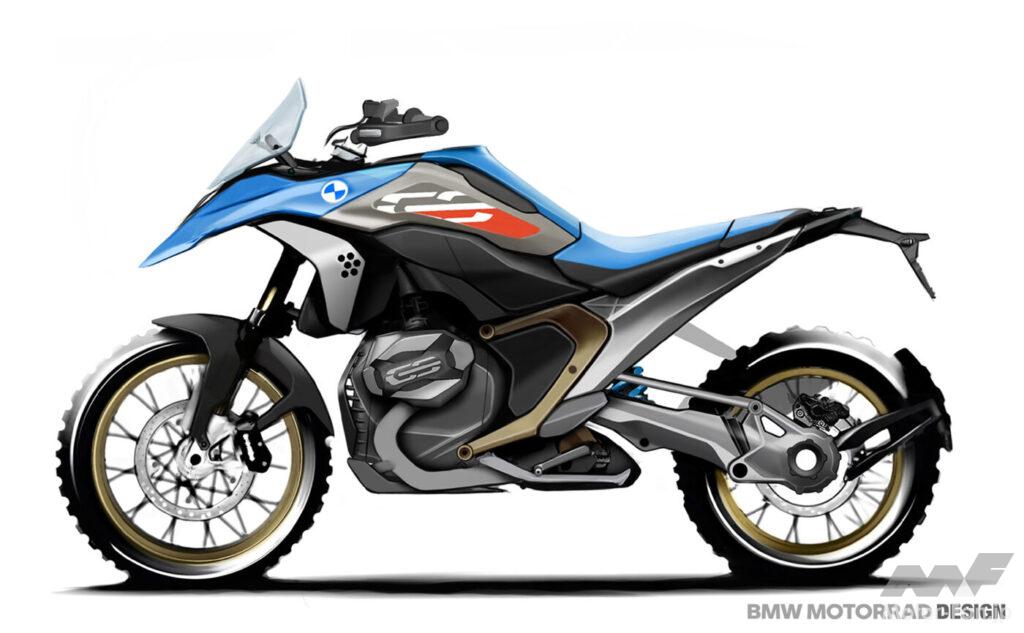
Final design sketch.

Numerous sketches were drawn and considered for the color scheme.

This illustration shows the skeleton before the exterior parts are attached. The frame shape also gives an unusual impression due to the front telelever.
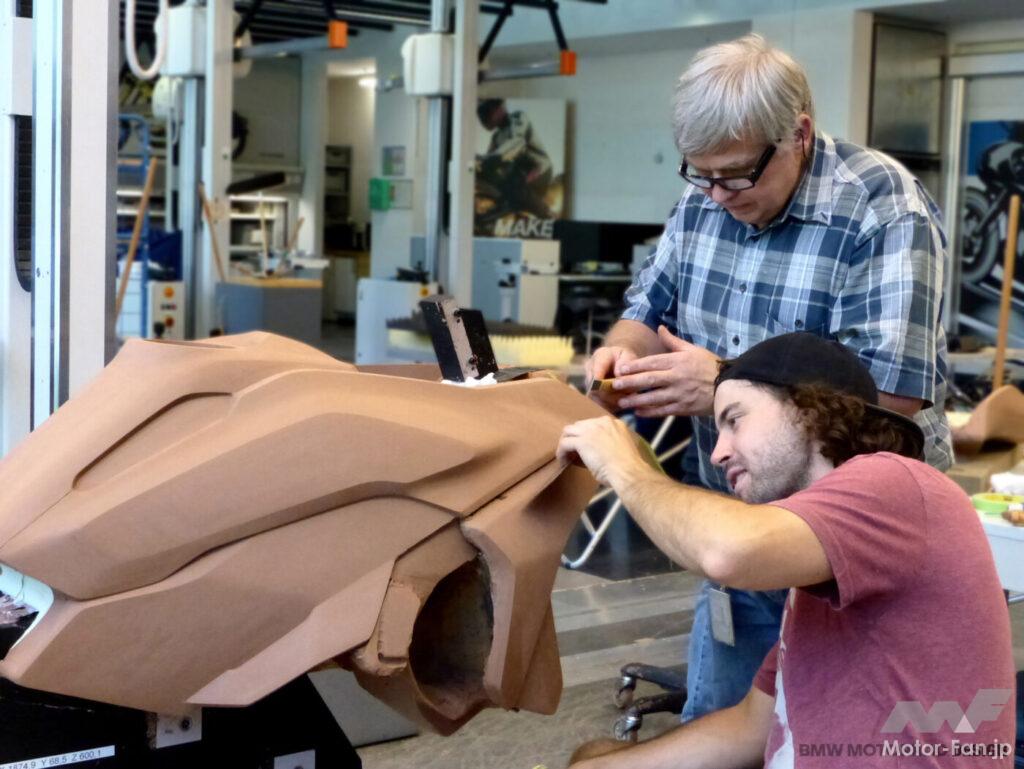
We are currently considering creating a clay model of the outer panel parts around the tank.
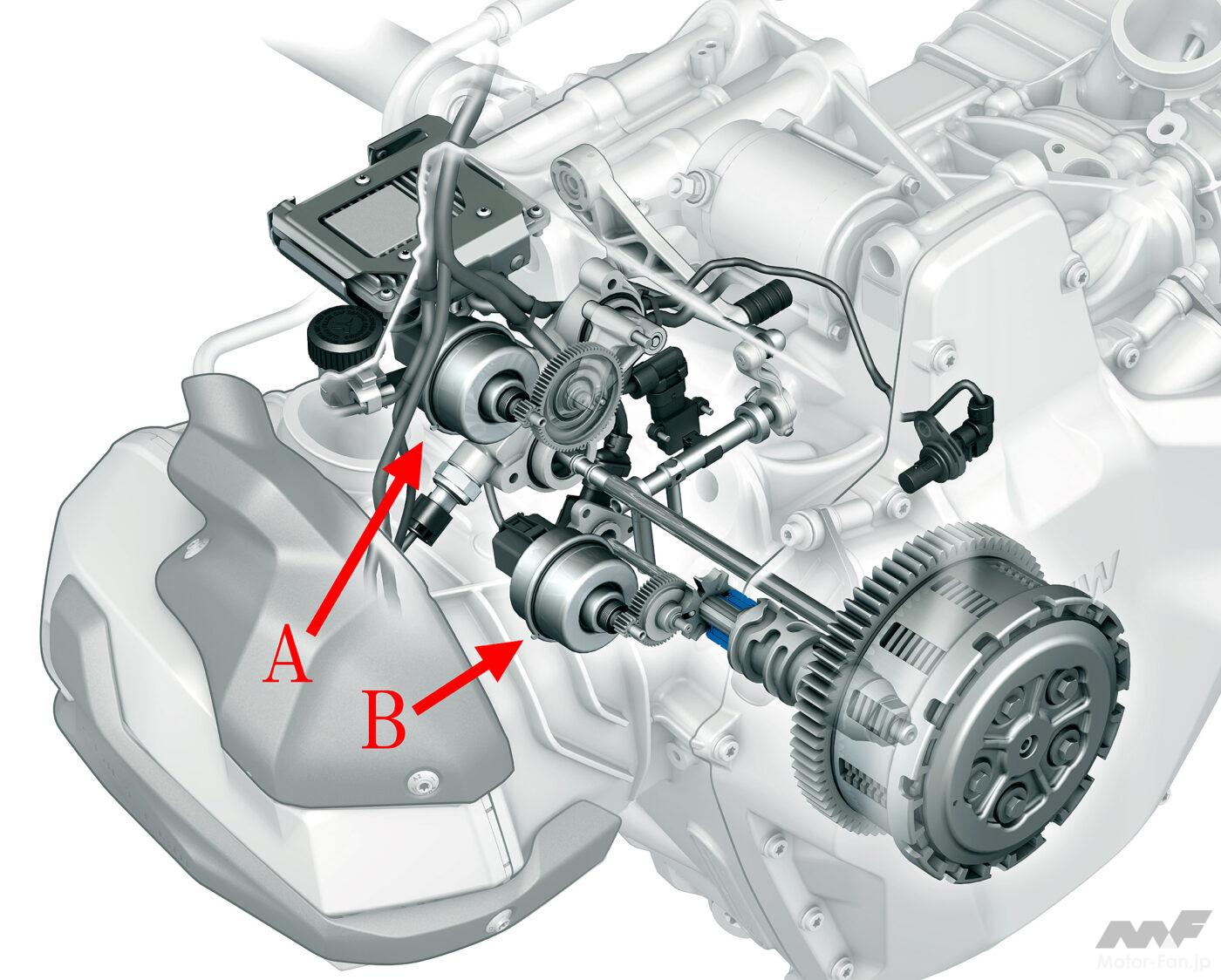
The following illustration provides a close-up of the new ASA mechanism. Not only has the latest engine increased displacement from 1250cc to 1300cc, but it also features a bottom-mounted gearbox located below the crankshaft for a more compact design. At the same time, the design also took into consideration the installation space required for the addition of an ASA system.
The illustration shows a perspective view of the crankcase from the upper right-hand corner of the front of the engine. As you know, the R-series features a boxer twin (horizontally opposed two-cylinder) engine with a vertically positioned crankshaft, driving the rear wheel via a rear shaft on the left side.
In the illustration below, the lower right corner represents the front of the bike, and the upper left corner represents the rear. In other words, the cylinder head depicted in halftone at the bottom left of the illustration is the one on the right side of the bike, while the rotating cylindrical object with the gear at the bottom right is a wet multi-plate clutch built into the front end of the crankcase.
Because the illustration is limited to the mechanisms directly involved with the ASA, the crank and the six-speed transmission gears are omitted, but the linkage mechanism from the left-foot shift pedal to the shift drum is clearly depicted. The drivetrain mechanism from the engine to the rear wheels is essentially the same as before, with no changes to the basic structure of the clutch and transmission.
The only difference is that the manual clutch lever and the conventional clutch release mechanism that receives its input (hydraulic) have been eliminated. Instead, you can see that an actuator (operating machine) is built in. It is an electric system that uses the rotational force of the motor, indicated by the red arrows A and B in the diagram.
A operates the clutch, and B operates the shift. The rotational motion of the actuator moves the clutch release via a gear, and A disengages the clutch by pushing a push rod connected to the clutch pressure plate. Returning it in the opposite direction transmits power (engages the clutch).
Meanwhile, B is interposed in the middle of the shift linkage mechanism. It is located just before the shift drum, and the movement via the gear also rotates the shift drum, thereby shifting the gears of the 6-speed transmission, i.e., changing gears.
Naturally, these are all automatically controlled in coordination with the engine management system, which integrates control of the electronic throttle, fuel injection, and ignition system, so the rider can enjoy an easy and comfortable ride by simply operating the throttle with their right hand.
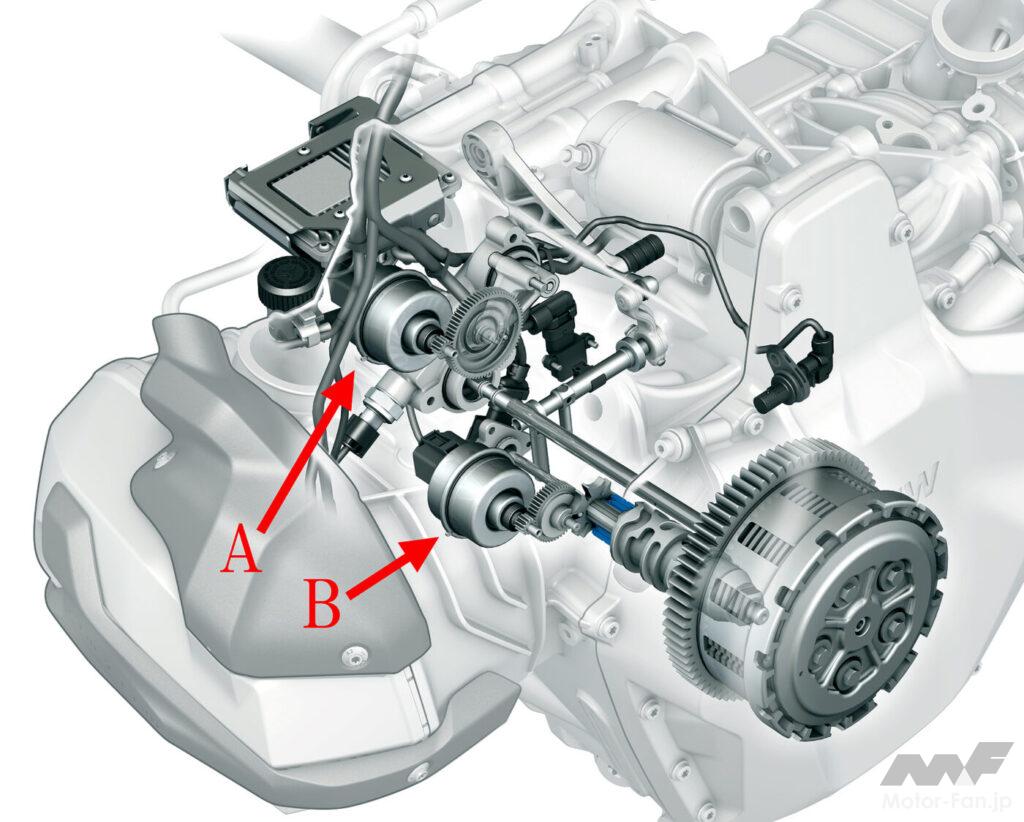
A mechanical illustration showing the ASA mechanism.
ADVERTISEMENT
The movie shows the easy riding that is made possible by the adoption of ASA.
The latest R-series boxer twin (horizontally opposed, two-cylinder) is rigidly mounted on a steel frame with a sheet metal shell structure, adding to the vehicle’s rigidity. The bolt-on rear frame is made of aluminum.
This engine is a cutting-edge next-generation model, and as the name suggests, its displacement has been increased by 50cc, but it boasts a completely redesigned, compact design. Compared to the previous R1250, the engine alone is 6.5kg lighter.
Even more impressive is the significant reduction in the engine’s length from front to back. The illustration below shows two images of the left side of the engine, one old and one new, superimposed on top of the other. By placing the R1300, outlined in blue, with its rear end aligned, on top of the R1250, you can see how significantly smaller it is. As
mentioned above, the gearbox (transmission) is bottom-mounted. The new design, with its two-story structure with the crankshaft, is a key feature.
Another notable feature is the clever positioning of the cam chain that drives the DOHC with the left and right cylinder heads. The cam chain is positioned rearward for the left cylinder and forward for the right cylinder.
As you know, when you look down on a horizontally opposed engine from above, the big ends (the parts that attach to the crankshaft) are in different positions, resulting in a misalignment between the left and right cylinders. In the case of the R engine, the left is offset toward the front and the right toward the rear. We’ve
long known that some people find this strange, but it has long been seen as a natural characteristic of the R engine, a symbol of the BMW brand.
However, this time, the engine’s length has been shortened and every detail of the design has been redesigned to reduce this misalignment to near zero.
In the previous R1250, the cam chain was located behind the left and right cylinders, turning a short primary shaft that then drove the intake and exhaust camshafts via gears.
In contrast, the R1300 has the cam chain running rearward for the front-facing left cylinder and frontward for the rear-facing right cylinder, directly driving two camshafts (intake and exhaust) for each.
In other words, although there is still misalignment between the internal cylinders, a clever design has been implemented that uses the space for the cam chain that passes beside them to correct the misalignment of the cylinder block. As a result, the front-to-rear misalignment seen on the left and right cylinders has been reduced, and the engine now looks almost symmetrical.
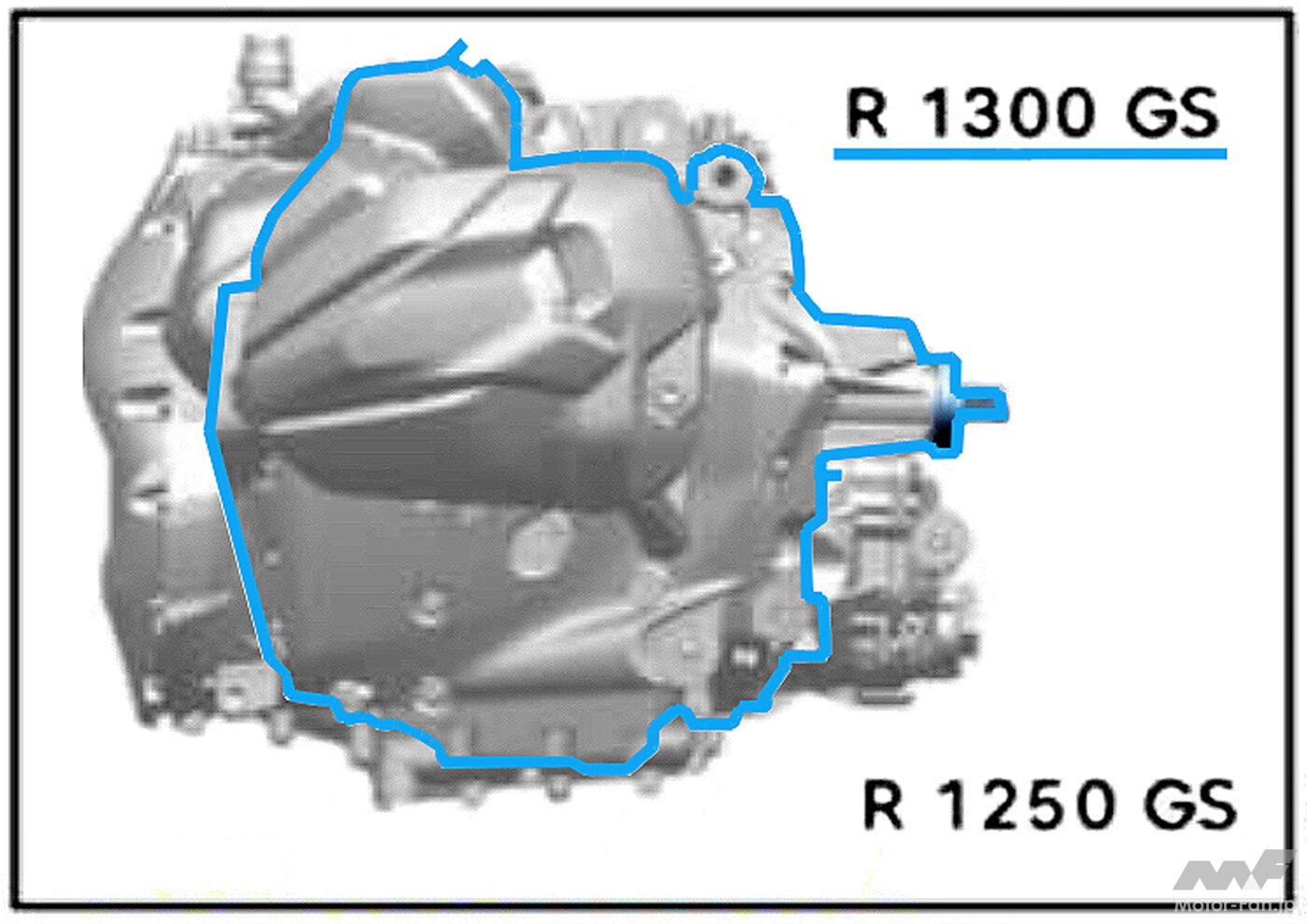
A comparison illustration of the engine viewed from the left side. The newly developed R 1300 GS has a blue outer frame. When you overlay it on a diagram of the 1250 GS, you can get a good idea of its compact design.
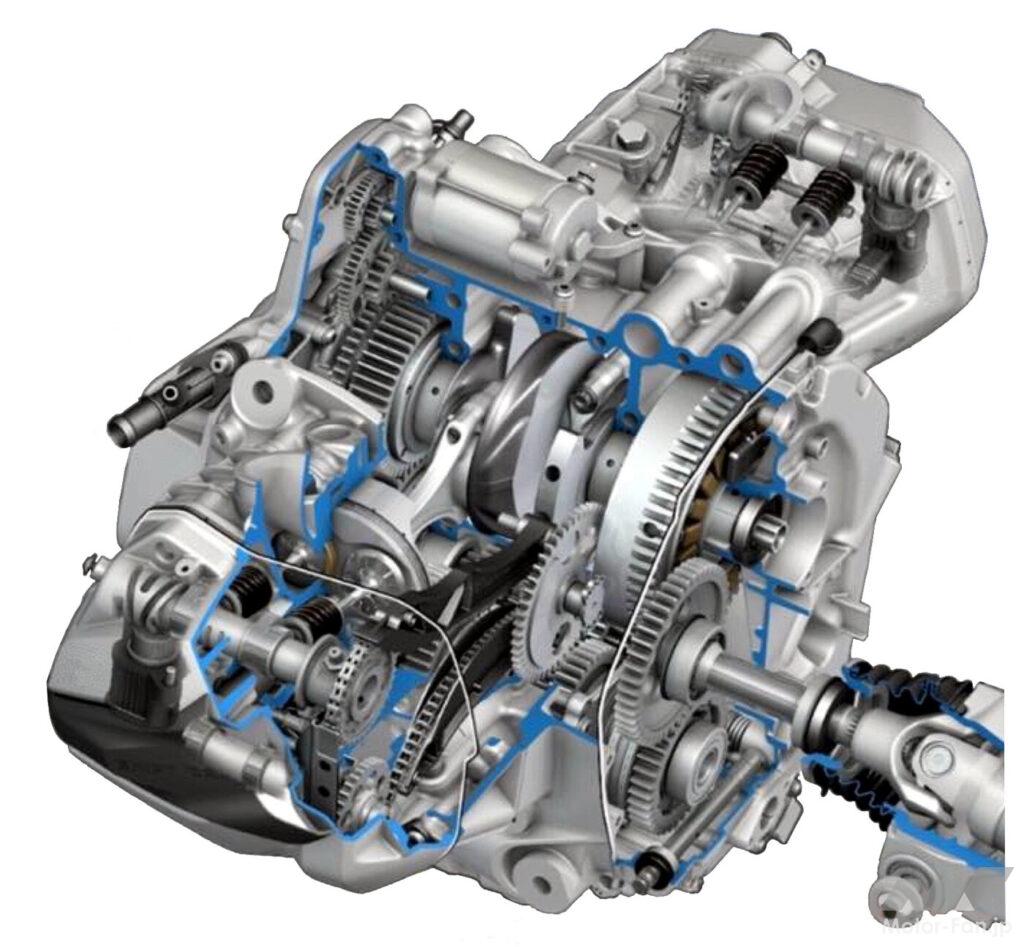
The R 1300 GS is a state-of-the-art boxer twin engine that has been newly developed.
The large cylinder bore, already over 10cm, has been expanded by another 4mm to 106.5mm. Conversely, the stroke has been shortened by 3mm to 73mm. This emphasis on the short stroke is also new. However, the original aim was to incorporate larger intake and exhaust valves into the cylinder head in order to pursue higher levels of combustion efficiency.
In fact, the intake side of the four valves per cylinder has been enlarged from 40mm diameter on the 1250 to 44mm on the 1300, while the exhaust side has been enlarged from 34mm diameter to 35.6mm. Naturally, the combustion chamber design has also been revised, resulting in an extremely high compression ratio of 13.3:1. For reference, the compression ratio of the 1250 was 12.5:1.
Incidentally, the intake camshaft uses a variable cam mechanism known as a shift cam, as has been the case in the past. Each intake valve has two cam profiles, positioned side by side. This provides appropriate valve timing for high speed (fully open) and partial throttle (held half-open). The system uses a computer-controlled actuator to shift the position of the camshaft (moving it forward or backward) to switch the cam used.
As a result, it produces a maximum output of 107kW (145PS) at 7,750 rpm and a maximum torque of 149Nm at 6,500 rpm. Although it’s a big two-cylinder engine, it can reach a maximum rotation speed of 9,000 rpm, which is in the redline.
The front suspension is equipped with an EVO Telelever, while the rear suspension is equipped with an aluminum single swingarm EVO Paralever. The bike is equipped with electronically controlled dynamic suspension, and the touring version test vehicle also features adaptive vehicle height control. Heated grips
and heated seats are also standard equipment. The bike is also equipped with a wide range of advanced safety and driving support systems, including ACC (Active Cruise Control).
The exquisite, majestic ride is comfortable.
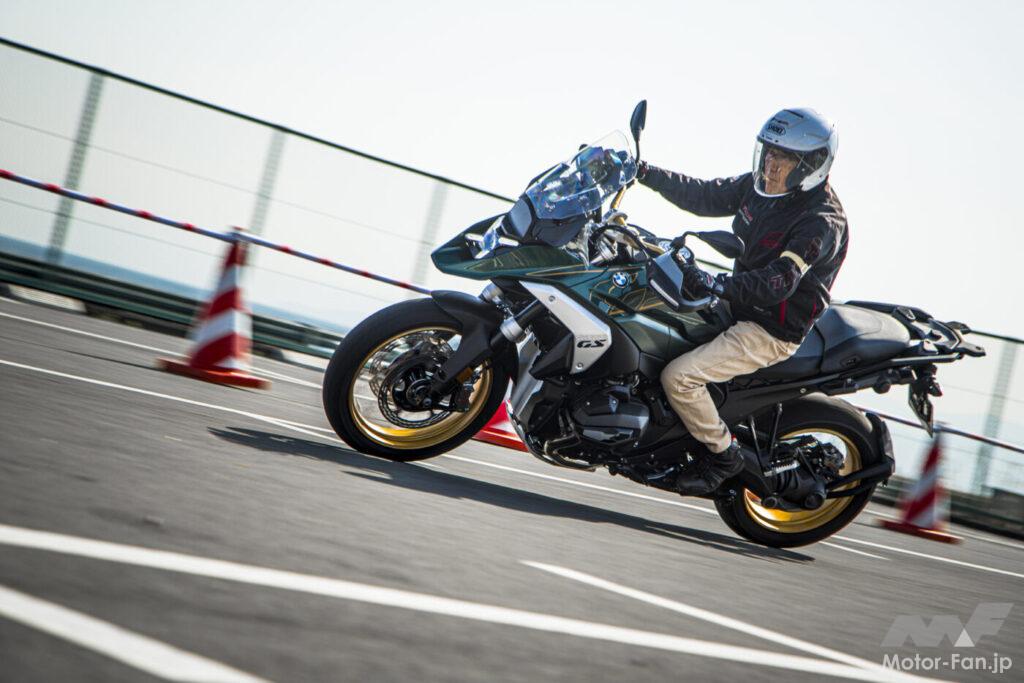
Seeing the test vehicle with my own eyes, I was impressed by its large, imposing form. The volume concentrated around the tank and engine, particularly near the front of the vehicle, was impressive. However, compared to the Adventure, which is equipped with a 30L aluminum tank, the shape of the bike felt surprisingly familiar, which is strange.
When I actually straddled the seat and raised the bike, I realized that the size and weight, which I had previously considered “daunting,” were actually within acceptable limits. The foot reach was also no problem. At least, as a big touring bike, on flat paved roads, I felt reassured that even a small and unpowerful reporter like me could handle it easily.
That said, my test vehicle was the premium, top-of-the-line Option 719 Tramuntana equipped with ASA, and its high price of over 3.5 million yen was surprising. Naturally, I handled it with caution.
Upon closer inspection, I could see that the engine was indeed compact. I believe the reason I wasn’t overwhelmed by the bike’s size and weight at first glance is largely due to the engine’s evolution. The narrower overhang (width) of the left and right cylinders also contributes to the intuitive familiarity.
The front-to-rear offset of both cylinder blocks is also so slight that it’s practically unnoticeable. Seeing the revolutionary transformation (evolution) unveiled in the latest version of the traditional flat-twin, I felt, though this is just my own impression, that I was looking at the refined techniques and attention to detail seen in Japanese cars.
German cars have always been stubborn in sticking to their beliefs, but the bold innovations in both large and delicate parts surprised me enough to overturn my old senses (memories).
This time, I was particularly interested in the ASA. Simply put, it automates clutch and shifting. After starting the engine and braking, select D (Drive) mode with the left-hand switch, and then simply twist the throttle with your right hand. All you need to do is control the bike in any situation.
Meanwhile, if you prefer M (Manual) mode, you can shift up and down freely with your left foot.
The shifting feel in this mode is similar to using a quick shifter, and my left foot felt a bit stiff. Even in D mode, where automatic control is the default, you can still manually shift up and down at any time by operating the left-foot shift pedal.
From the get-go, I was immediately impressed by the quality of the ASA. From starting to accelerating, decelerating to stopping, and even at slow speeds where half-clutch operation would normally be required, the intelligent automatic control of the clutch operation was truly impressive. Starting was
smooth, and the clutch disengagement upon stopping was very natural. The engine’s low-speed torque was also ample. There’s nothing that spoils the bike’s inherent operability, and the easy-to-handle ride feels incredibly reassuring.
The clutch and shifting (timing) are exquisitely crafted. I test drove it on congested roads, in urban areas, and on the Seisho Bypass, and I’m sure I’ll be constantly riding in D mode.
Looking for differences from conventional motorcycles, the clutch can’t be disengaged while riding. This differs from the Honda E-Clutch system. However, apart from special cases like eco-driving, this isn’t usually necessary, so it shouldn’t be a problem in practice.
With ample, reliable torque at all engine speeds, the bike always shifts up early and with a crisp, early-onset feel. The engine feels powerful and generous. The performance is truly rich and comfortable.
Using the ACC (Active Cruise Control) allows automatic cruise control, tracking the speed of the vehicle ahead. For example, if a car approaches from behind in the right lane, a warning light will come on immediately if it enters your blind spot, preventing you from overlooking it. This provides a great sense of security and prevents you from accidentally missing a car traveling alongside you.
There are other safety features as well. While this is a premium bike, the extensive range of state-of-the-art equipment contributes to safety and comfort, and is of great value.
Incidentally, the speed was 50km/h when the engine was running at 5,000 rpm in low gear. Cruising at 100km/h in top sixth gear, the engine speed was just over 3,300 rpm. The throttle response, which gives a sense of ample torque in any situation, is both gentle and powerful.
The handling is similarly impressive, with gentle yet responsive handling. From left to right turns and tight U-turns, the bike can be controlled smoothly and as desired, and the consistently calm ride provides a great sense of security and fatigue-free comfort.
The cylinders are positioned high on both sides, providing a deep bank angle even when attacking a circuit. The Full Integral ABS Pro, which is effective even when cornering, also provides a sense of security.
The front and rear suspension, which fully utilizes the stroke, exhibited excellent footwork, smooth movement and stable damping regardless of stroke position.
I found a time when I had the opportunity to monopolize a straight stretch on the dedicated test course and attempted zero-start acceleration just once. From a standstill, I simply opened my right hand fully, but I felt a strong G-force right from the start, and the sustained, abundant torque characteristics were truly impressive.
I didn’t measure it properly, but the 0-100 km/h acceleration took less than four seconds. Based on my own experience, I’d say the potential was probably in the low three-second range.
Of course, there are other sharper bikes with better speed data. However, the bike is as easy to handle as a scooter and effortlessly delivers supercar-level performance. And its safe, comfortable ride feels unrivaled.
Foot reach test (rider height 168cm / weight 52kg)

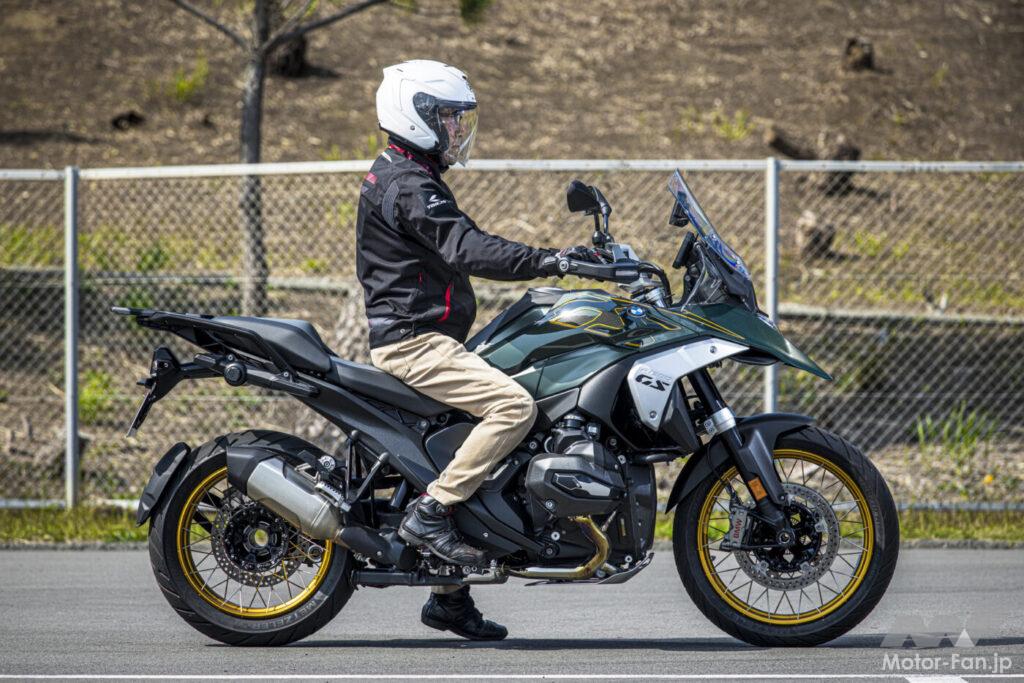
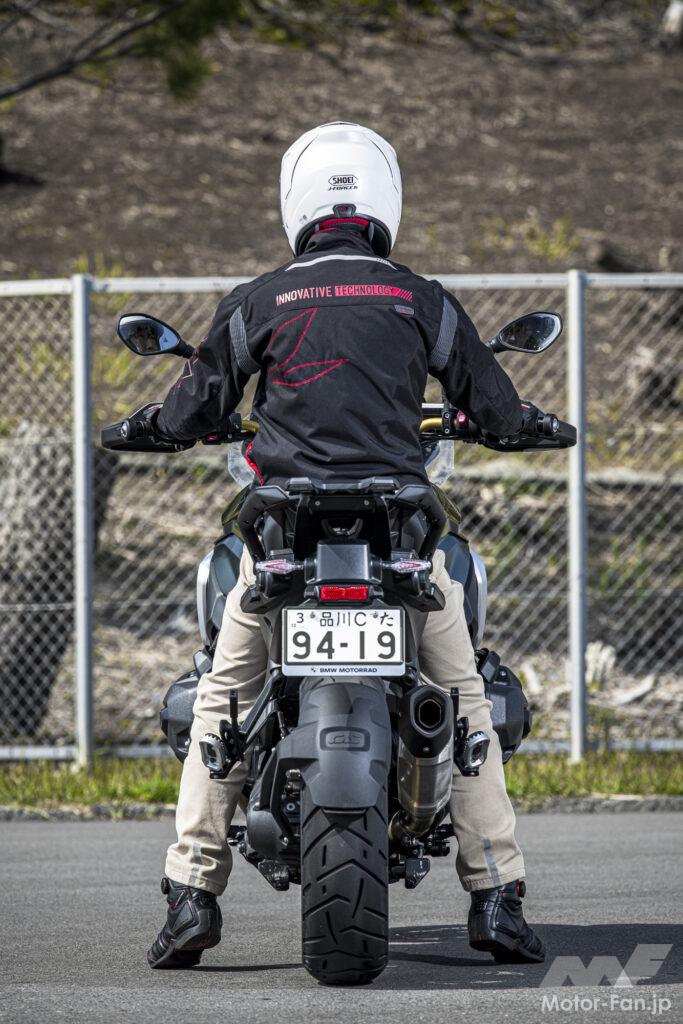

The seat height is 850mm. As you can see, both heels are off the ground, but the ground is still comfortable enough to support the bike. As long as you ride on a flat, paved road, you won’t feel particularly uneasy.