

Running out of gas can be surprisingly difficult!
As you know, running out of gas is when the gas in the fuel tank runs out and your motorcycle or car can no longer run. It doesn’t seem like it happens very often, but if it happens while you’re out and about, it can be quite a big problem.
For example, if you run out of gas and stop in front of a gas station, you’re lucky, but that’s rare. Even if the gas station is a few hundred meters away in a city, pushing the bike is heavy and quite tiring.
Furthermore, in suburban and rural areas, the number of gas stations has decreased significantly to begin with, so pushing a motorcycle to a place where you can refuel can be a considerable distance, and in some cases it is practically impossible.
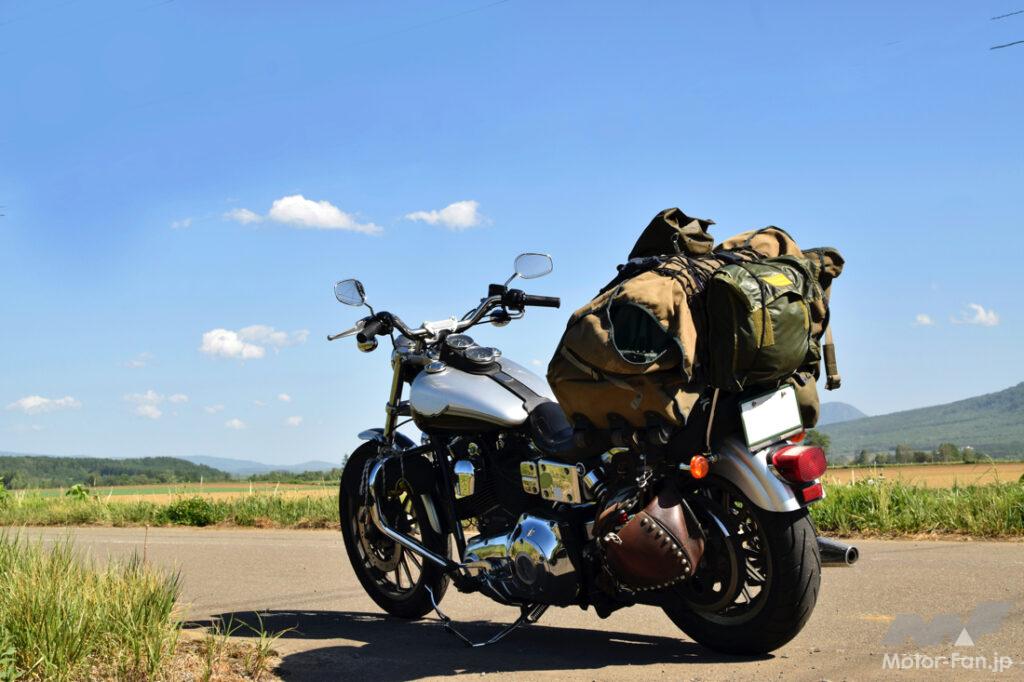
In suburban and rural areas where gas stations are becoming scarce, running out of gas can be quite a hassle.
Of course, in the worst case scenario, you can always call road service such as the Japan Automobile Federation (JAF). However, in suburban areas, you may have to wait hours for a tow truck to arrive, which would ruin your schedule for the day. To ensure a smooth motorcycle trip, it is best to avoid running out of gas as much as possible.
Find out your bike’s range with the specs
So, what should you do to prevent running out of gas? The first thing you need to know is your bike’s “range.” Knowing how far you can travel on one full tank of gas will help you decide when to refuel when you’re out and about.
There are two main ways to find out the cruising distance. The first is to look at the specifications (main specifications) of your car in the catalog or on the manufacturer’s official website and calculate it using the “fuel consumption rate” and “fuel tank capacity.”
The fuel consumption rate referred to here is what is commonly known as fuel economy. The fuel consumption rate column in the spec sheet lists the “constant fuel consumption value” and the “WMTC mode value,” but the WMTC mode value is said to be closer to reality, so we will calculate using this value and the fuel tank capacity.
The calculation formula is as follows:
Fuel consumption efficiency (WMTC mode value) x fuel tank capacity = cruising range
For example, the Kawasaki 250cc supersport Ninja ZX-25R SE has a WMTC mode value of 18.7km/L and a fuel tank capacity of 15L.
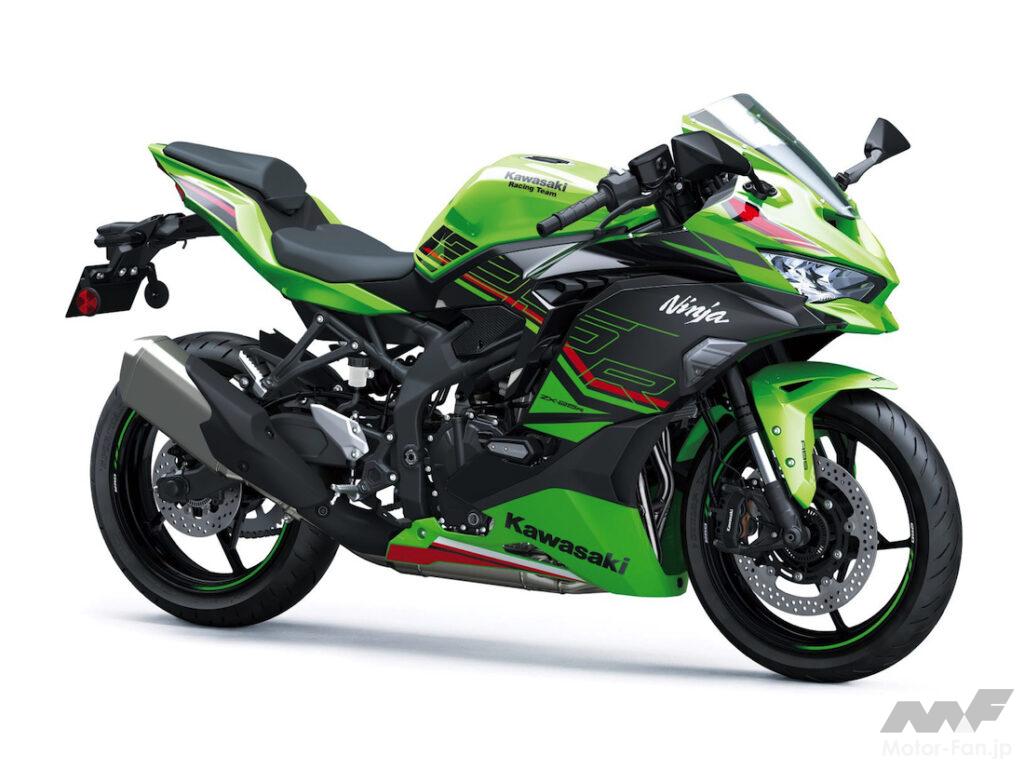
Kawasaki Ninja ZX-25R SE
Applying these numbers to the above formula,
18.7km/L x 15L = 280.5km
This means that the range is approximately 280.5 km.
Measure and calculate actual fuel consumption
However, the above figures are merely specs.
First of all, fuel economy and cruising range depend not only on how the rider uses the accelerator, but also on the state of vehicle maintenance, such as tire pressure and oil. Furthermore, many factors also have an effect, such as road conditions, such as the unevenness of the road surface, and weather, such as sunny or rainy. Actual fuel economy may be lower than the WMTC mode value, or it may be better.
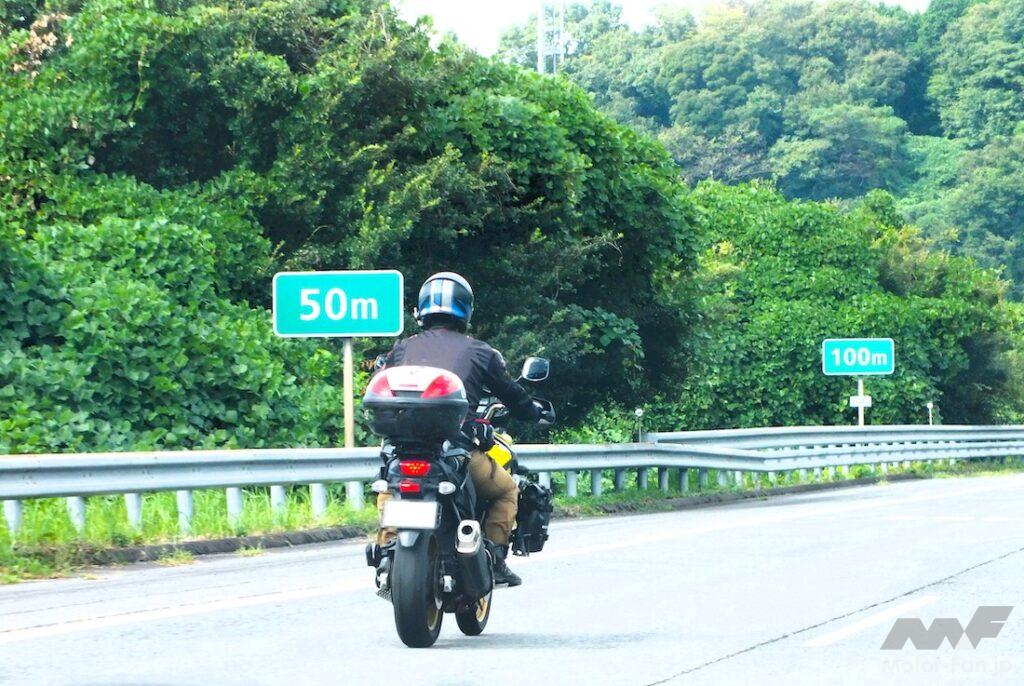
Fuel economy and cruising range vary depending on the rider’s riding style, the condition of the vehicle, and the weather.
Therefore, when a beginner rides a motorcycle for the first time, they should first calculate the cruising range using the specifications as a reference value.
After that, use that information as a reference and go on a few actual tours, making sure to refuel early. It’s a good idea to record the fuel consumption each time you actually drive and calculate the average fuel consumption and cruising distance. This will help you understand the fuel consumption and cruising distance depending on your driving skills, riding style, road surface, weather conditions, etc.
By the way, how big a difference is there between the figures listed in the catalogue and the figures you get when you actually ride it? Just as an example, let’s take a look at the data from a 1000km actual riding test of the Honda NX400 conducted by journalist Tomohiko Nakamura, which was previously featured on this site.
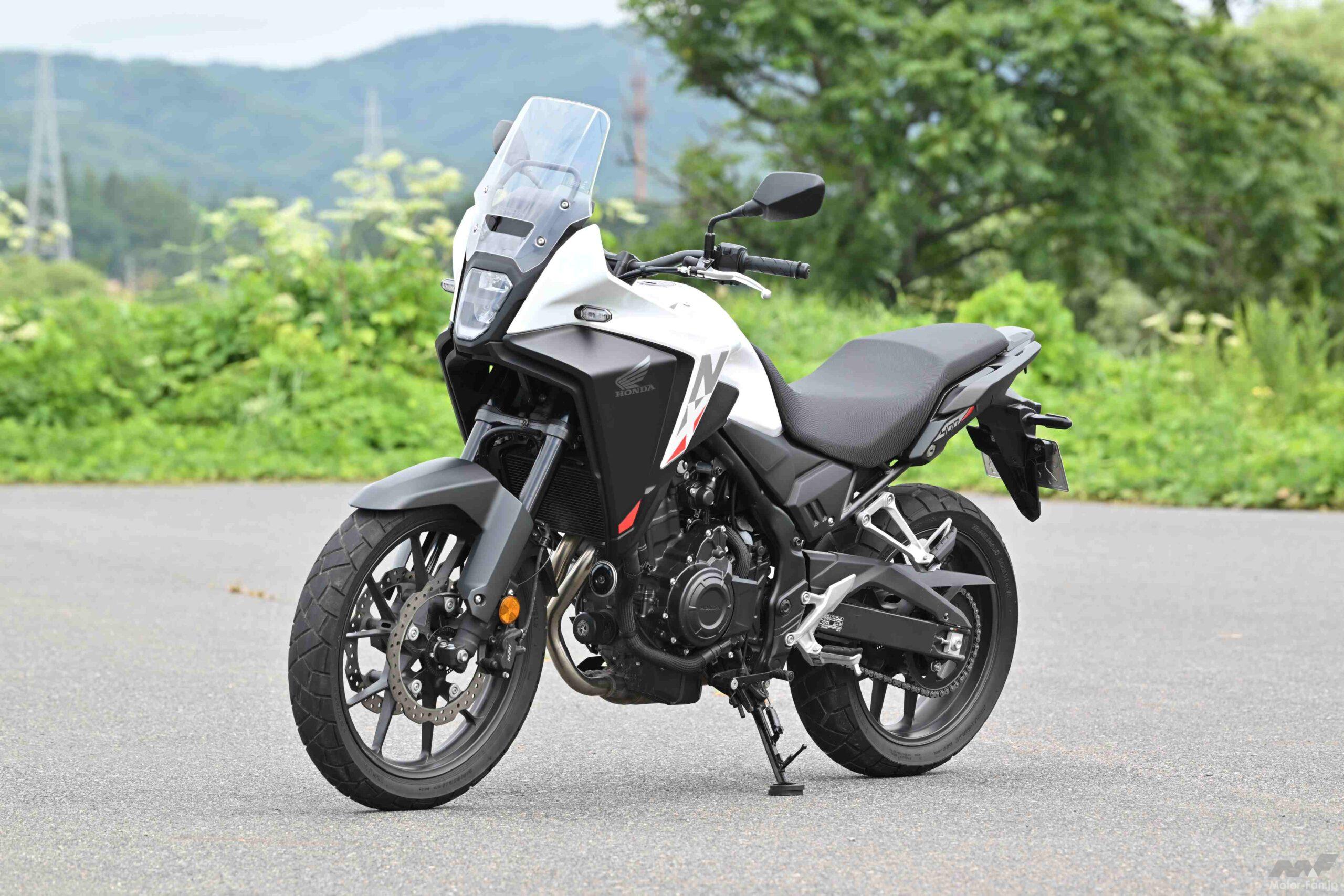
The Honda NX400 is a mid-size touring model equipped with a 399cc inline 2-cylinder engine. Its fuel economy is listed at 28.1km/L in WMTC mode and its fuel tank capacity is 17L.
Based on these figures, the spec range that can be traveled on a single full tank of fuel is
28.1km/L x 17L = 477.7km
This becomes:
Meanwhile, Nakamura conducted a real-world test in which he drove the car in a variety of situations over six separate trips, including touring, highway driving, and everyday use (total distance traveled: 1,843.4 km). At each refueling, he calculated and recorded the distance traveled, the amount of fuel replenished, and fuel economy.
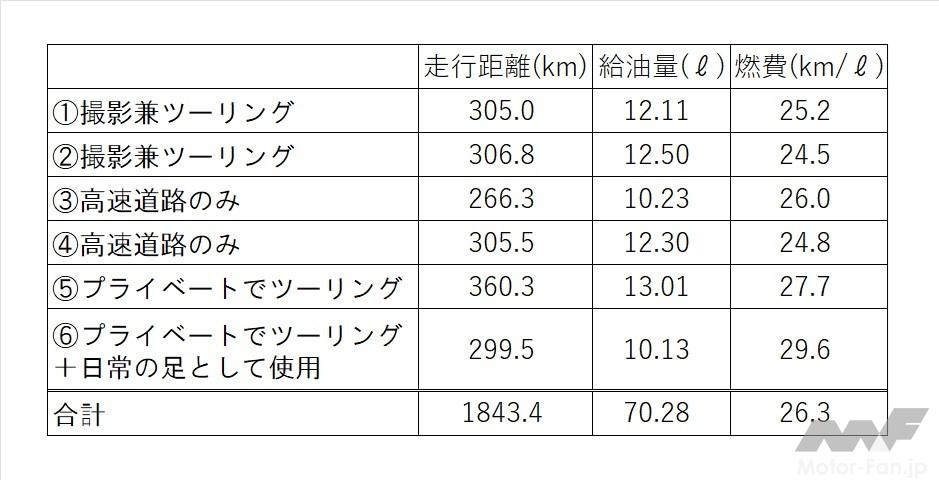
Based on this data, the average fuel consumption in this test was calculated to be 26.3km/L. As mentioned above, the fuel tank capacity of the NX400 is 17L. Based on these figures, the cruising range possible on a single full tank of fuel in this test was:
26.3km/L x 17L = 447.1km
As mentioned earlier, the spec calculations show that the cruising range is 477.7km. However, the actual driving distance was about 30km shorter.
It’s interesting to first calculate fuel economy and range in the catalog, and then compare them with records from actual touring.
For example, it can be used as a reference for determining what type of accelerator work and driving style will bring the actual driving data closer to the data in the catalog.
Gasoline prices have been rising recently, so fuel economy and range data is extremely useful not only for preventing gas shortages but also for driving in the most fuel-efficient manner possible.
Know your car’s fuel reserve
As mentioned above, if you know your car’s driving range, you can roughly determine when to refuel when you’re out and about. However, depending on where you are, you may have trouble finding a gas station, and you may be wondering how much gas is actually left in the fuel tank.
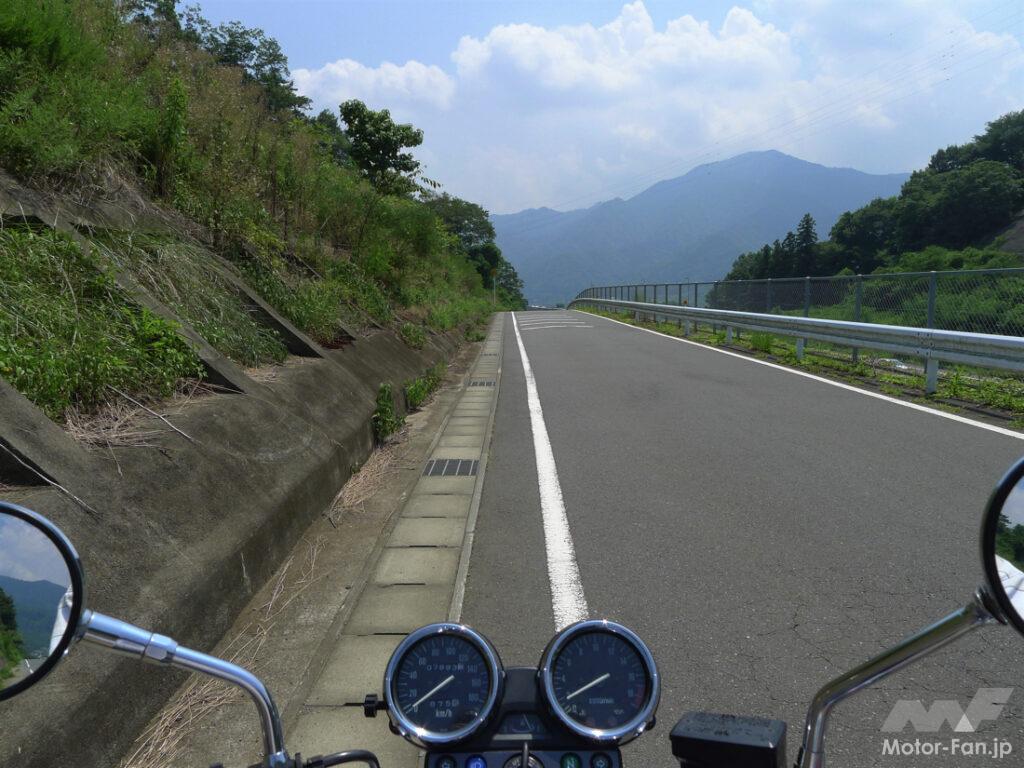
Depending on where you are, it may be difficult to find a gas station.
For times like these, it’s important to know the “reserve fuel” of your bike. Reserve means extra fuel for when the main fuel runs out.
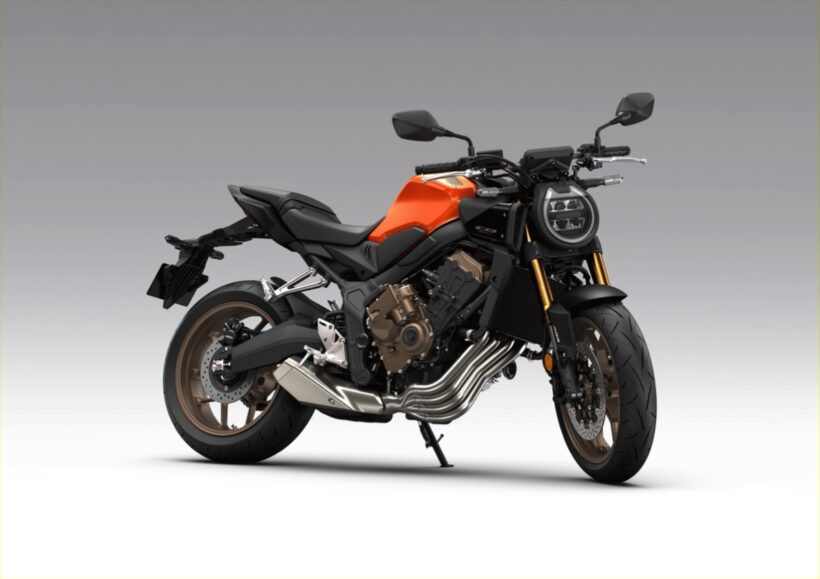
The amount of fuel reserve can be checked in the owner’s manual, for example, for the Honda CBR650R E-Clutch and its sister model, the CB650R E-Clutch.
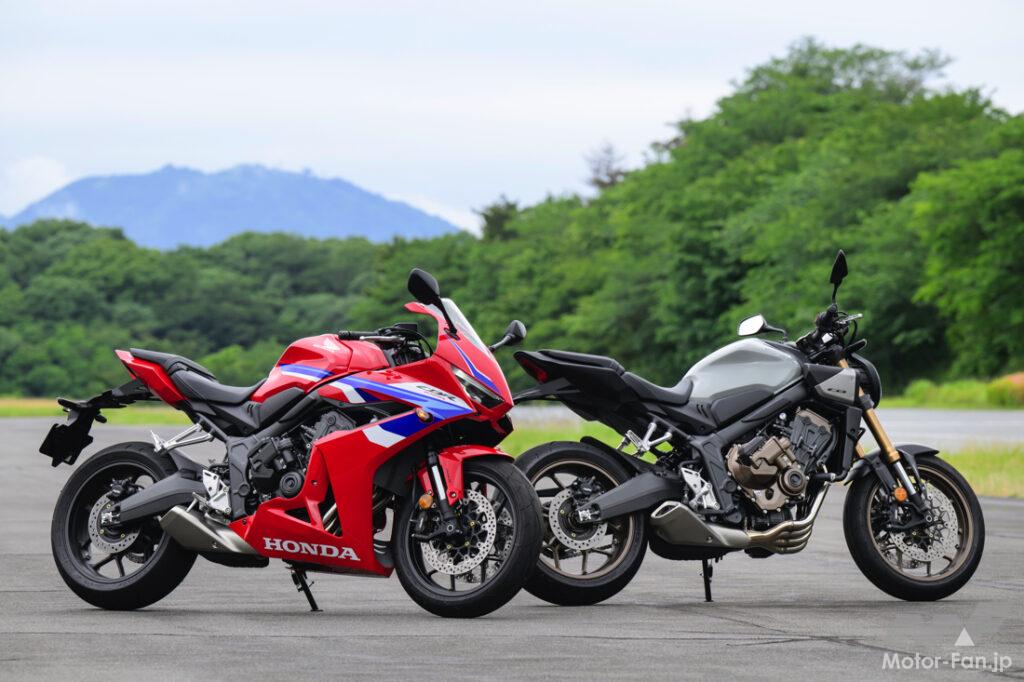
On the left is the CBR650R E-clutch, and on the right is the CB650R E-clutch
In these models, when the fuel gauge (FUEL) shows one mark, the display switches to the orange driving range (RANGE) and the remaining fuel (reserve fuel) at that time is approximately 3.0L.
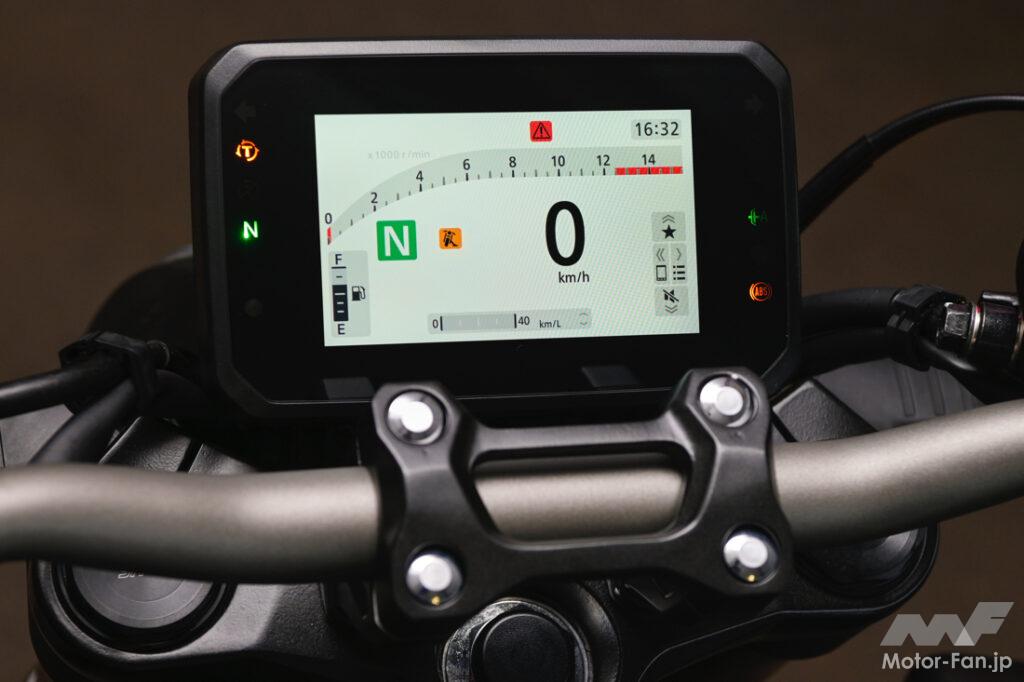
The CB650R E-Clutch has a fuel gauge on the bottom left.
The catalog fuel economy of the CBR650R E-Clutch and CB650R E-Clutch is 21.3km/L in WMTC mode. Therefore, when the reserve is reached, the calculated mileage is
21.3km/L x 3.0L = 63.9km/L
In other words, when the fuel gauge shows one mark, it means that you can travel about 63.9km/L. If possible, check the remaining fuel amount and cruising range when the fuel reserve is reached before going on a tour, as this will serve as a reference in case of an emergency.
Of course, as mentioned above, on the CBR650R E-Clutch and CB650R E-Clutch, when the fuel gauge (FUEL) reaches one mark, the remaining driving distance (RANGE) is displayed. Therefore, you can rely on it. However, there are also bikes that do not have this function, and even if they do, knowing the function in advance can help you feel more at ease.
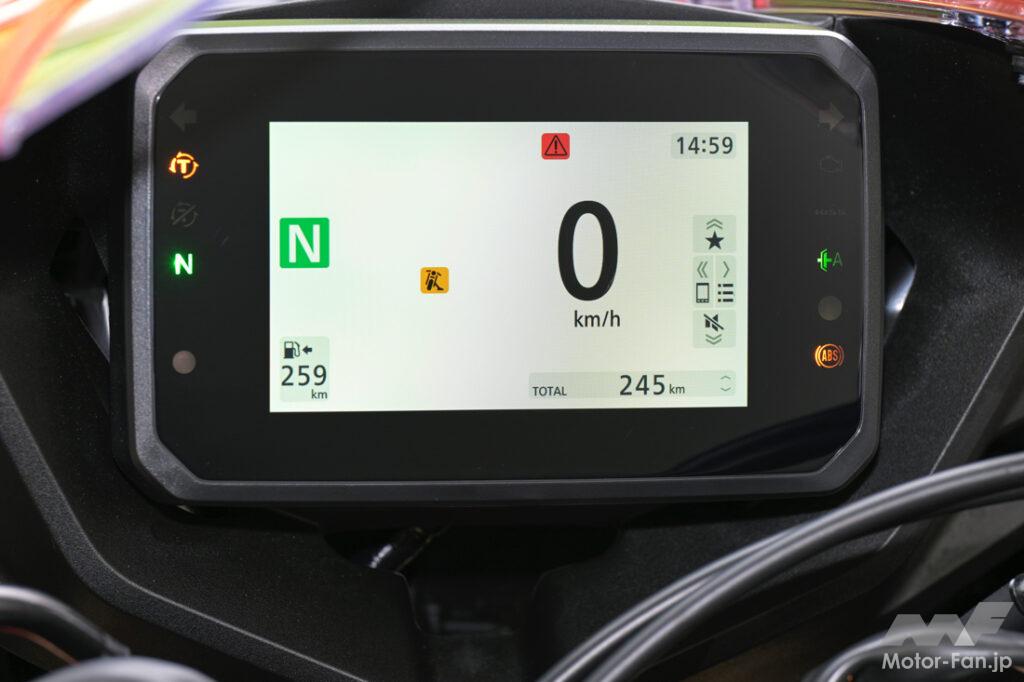
CBR650R E-Clutch meter. The fuel gauge can also be switched to show the remaining driving distance (RANGE).
Please note that the amount of fuel reserve varies depending on the type and manufacturer of the motorcycle. For example, even if it is the same Honda motorcycle and a similar style,
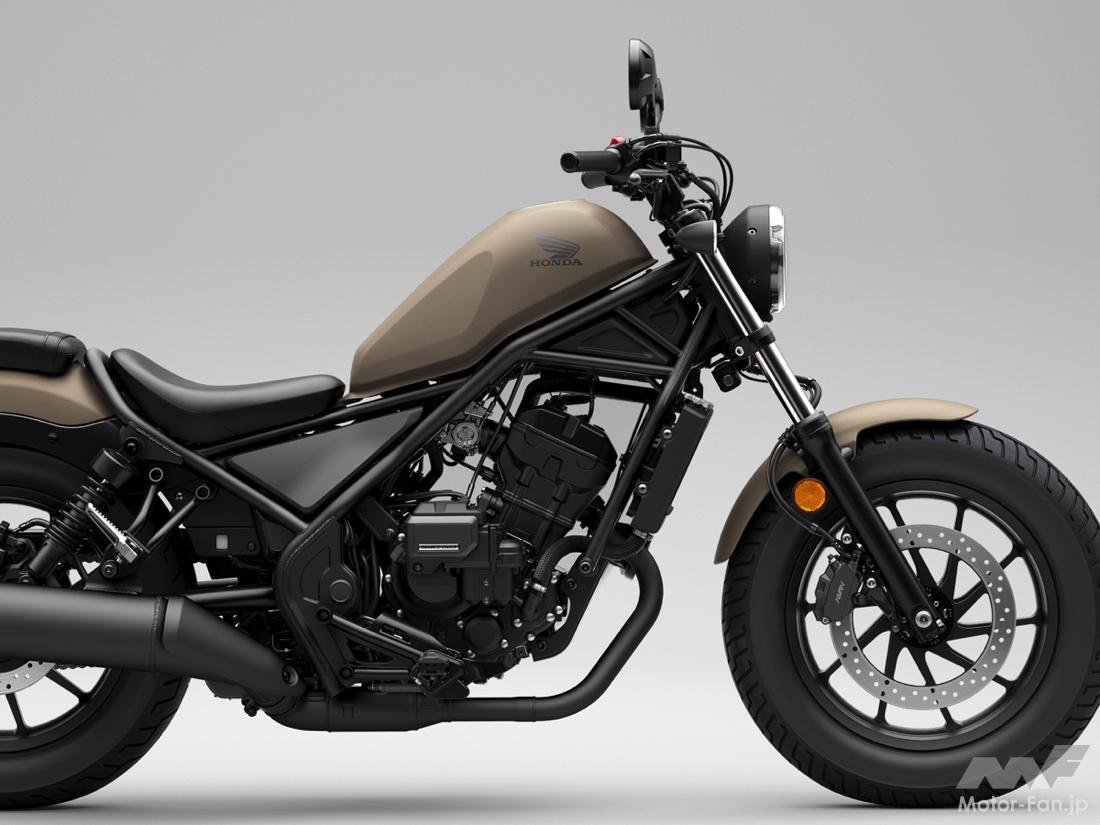
For the Rebel 250, when only one mark (E) flashes on the fuel gauge, the fuel level is approximately 2.2L.
For the Rebel 1100, when only one mark (E) flashes on the fuel gauge, the fuel level is approximately 4.0L.
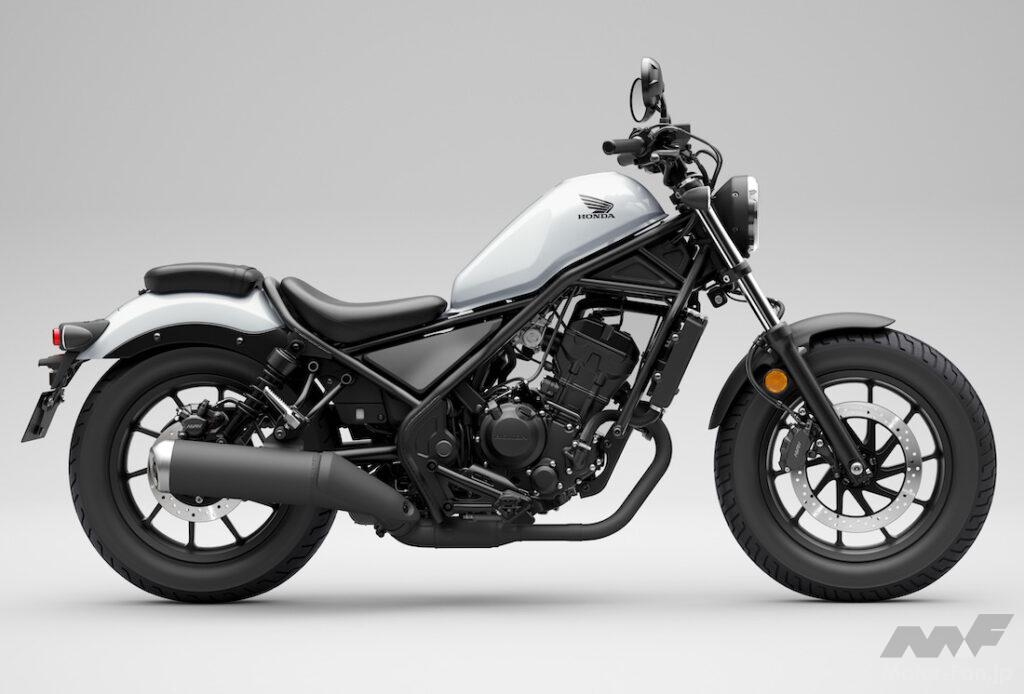
Rebel 250
ADVERTISEMENT
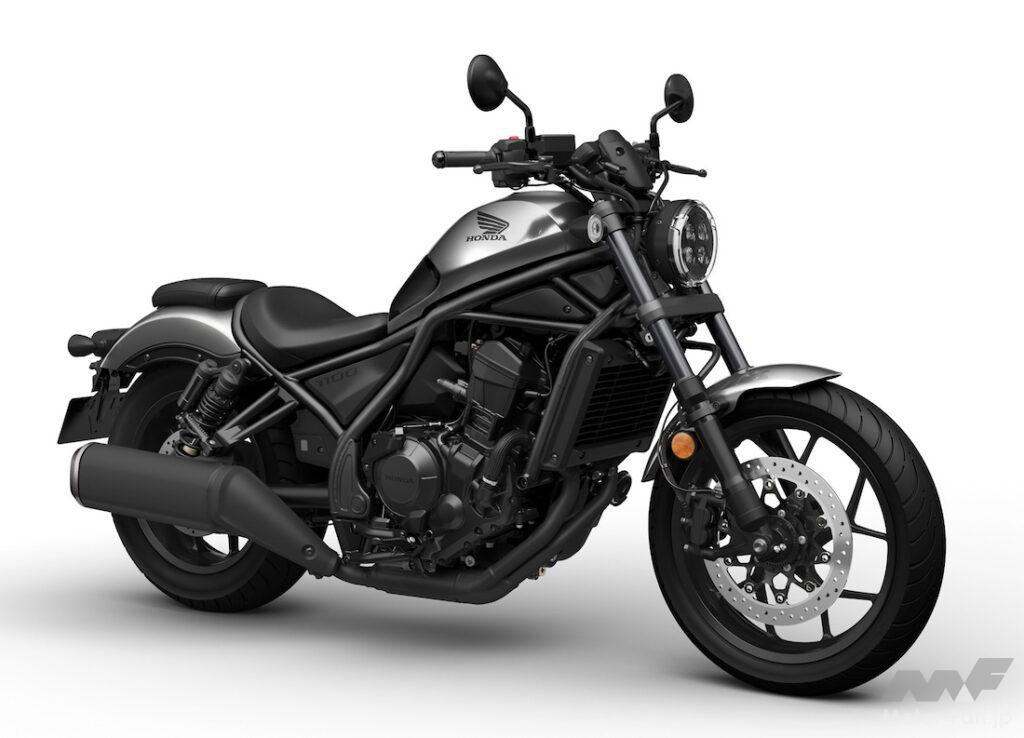
Rebel 1100
Therefore, when checking, we recommend checking the instruction manual for each motorcycle. Also, the actual remaining amount will vary depending on the situation at the time, so it is important not to be overconfident and to refuel early.
Check the location of your destination gas station in advance
Another way to prevent running out of gas is to check, if possible, the location and operating status of gas stations at your destination or where you are traveling.
Many gas stations in suburban areas, in particular, have fixed closing days, and are sometimes closed on holidays. You may also go there based on outdated information only to find out that the station has gone out of business. It’s also common to find that a gas station is closed when you try to fill up, so be careful.
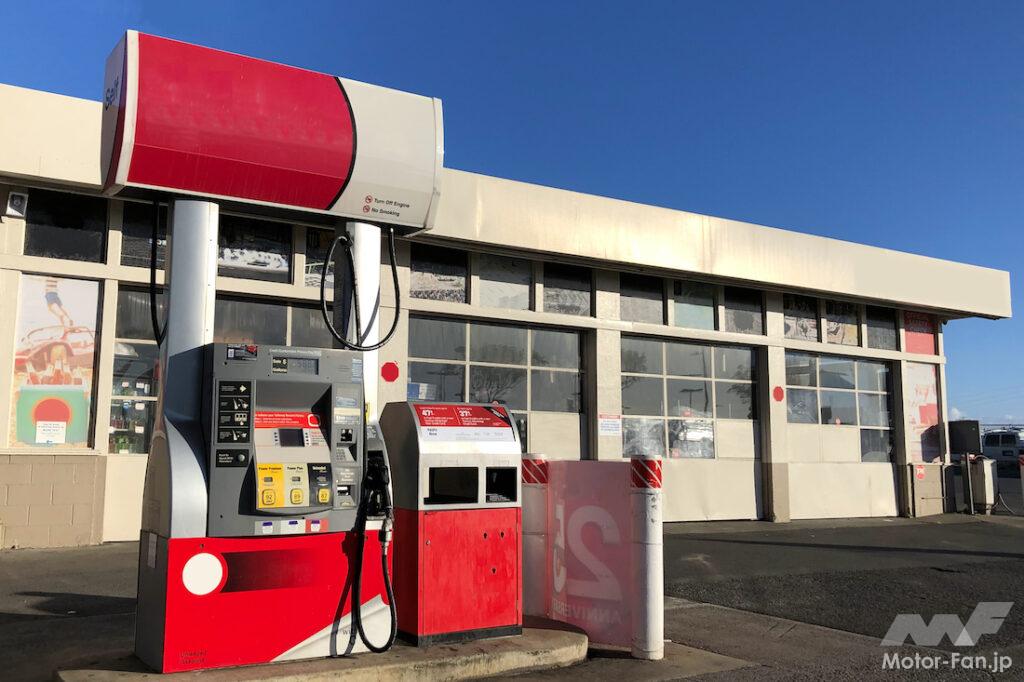
Some suburban gas stations are closed on public holidays and other days.
In any case, if you are constantly worrying about running out of gas, you will lose concentration, it will be dangerous, and you will not be able to fully enjoy your motorcycle trip. So, when you are out and about, make sure to refuel as early as possible to enjoy a safe and comfortable tour.