

Drive smoothly without making sudden maneuvers
First of all, the first point is to avoid any sudden operations.
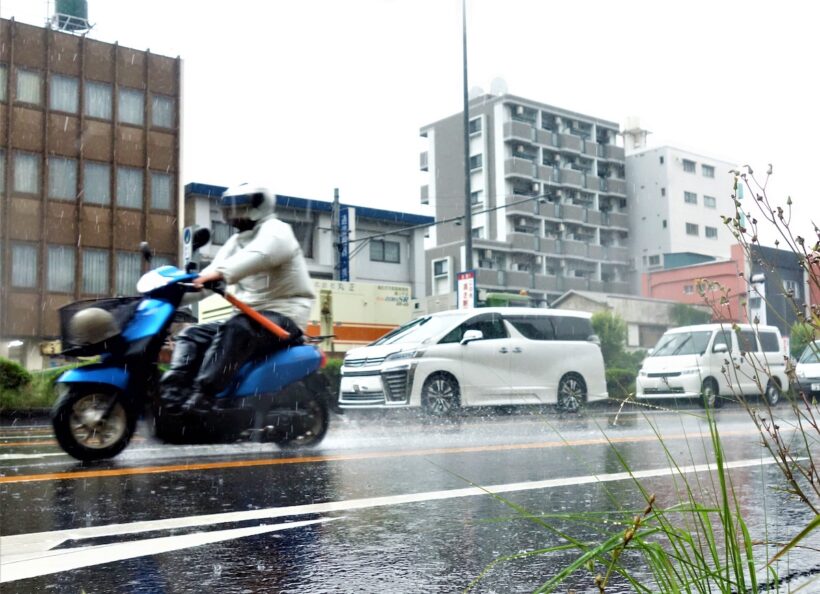
In particular, sudden starts and sudden braking are strictly prohibited. This is because wet roads are slippery and tires do not warm up easily. Unlike sunny days, tires have less grip on rainy days, increasing the risk of slipping or locking the tires and falling. On rainy days, it is wise to avoid rough throttle work and braking as much as possible and drive smoothly.
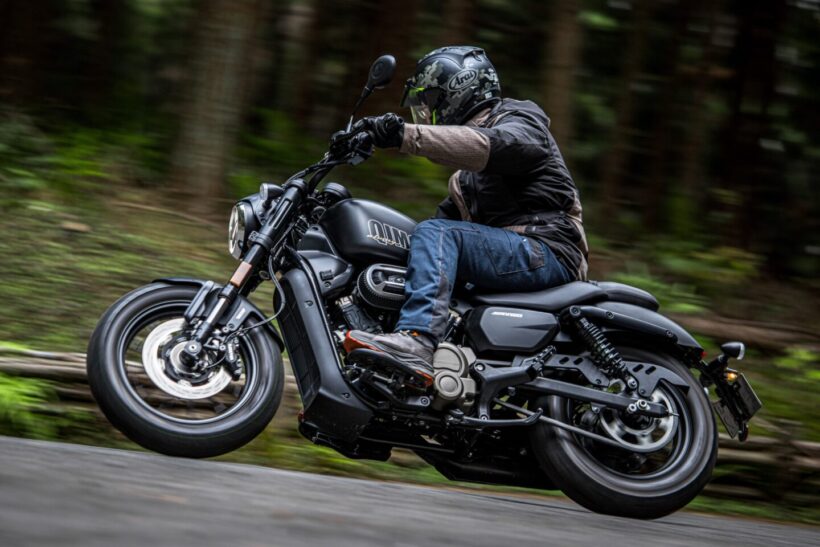
Also, when cornering, you want to avoid leaning the bike as much as possible. The greater the lean angle of the bike, the less tire contact there is with the ground, and there is a risk that the tire will suddenly lose grip, especially on wet roads.
Therefore, it is important to keep the motorcycle as close to vertical as possible when cornering. Of course, it is difficult for a motorcycle to turn without completely tilting the body. However, by slowing down sufficiently before the corner and riding slowly while turning, you can keep the body as upright as possible and minimize the risk of slipping.
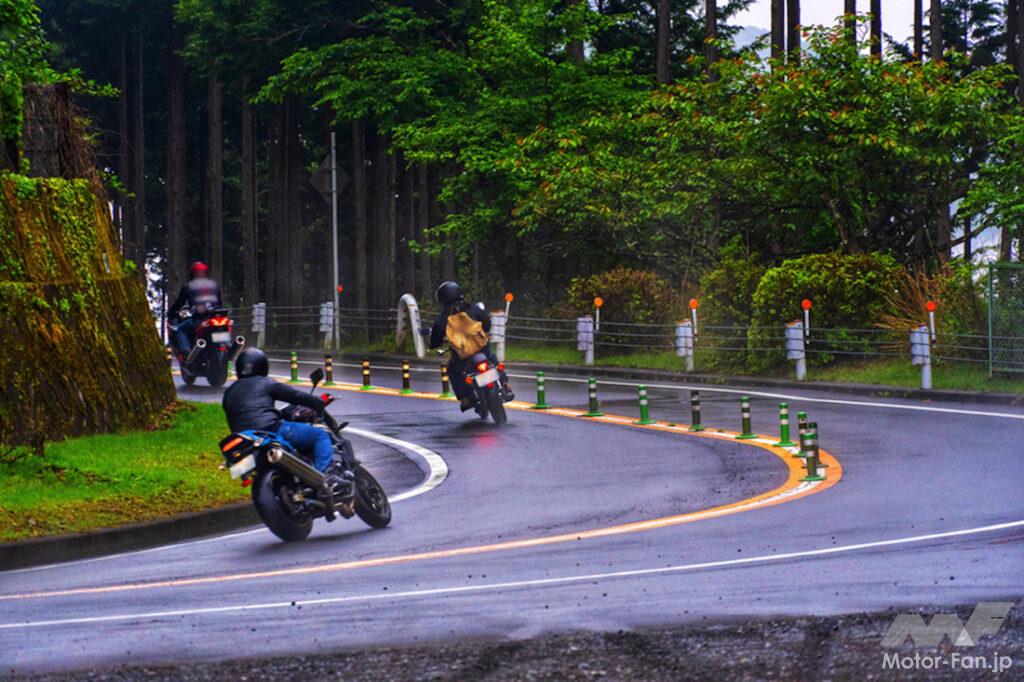
When cornering on a rainy day, try to avoid leaning the bike as much as possible.
Keep a larger following distance than usual
It’s also important to keep a longer distance between you and the car in front than you would on a sunny day. For example, if the car in front of you suddenly stops or suddenly cuts in front of you from the next lane, if the distance between you is too short, you’ll have to brake suddenly, which could cause you to slip and fall.
Also, by leaving a sufficient distance between vehicles, you should be able to ride with more peace of mind and ease of mind. In particular, beginners and other riders who are not used to operating a motorcycle want to avoid becoming tense and stiff in order to respond as best they can to sudden movements of other vehicles. By leaving a sufficient distance between vehicles, you can maintain a calm mind and be able to take appropriate evasive action.
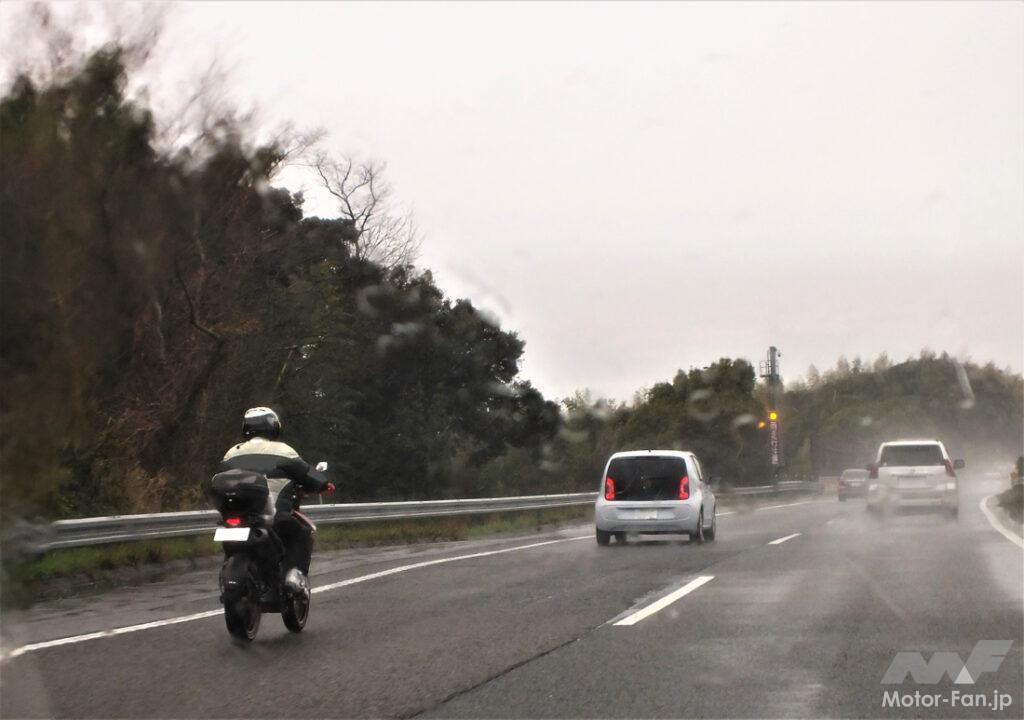
On rainy days, be mindful of the distance between cars.
Manholes, white lines, and road joints are slippery
On rainy days, you need to be careful of road conditions. For example, manhole covers on the road surface and metal joints on bridges and roads. If you drive on these surfaces when they are wet from the rain, your tires will be very slippery, so be careful.
In particular, if you are driving too fast or leaning the vehicle too much when turning at an intersection or curve, the risk of slipping and falling is significantly higher.
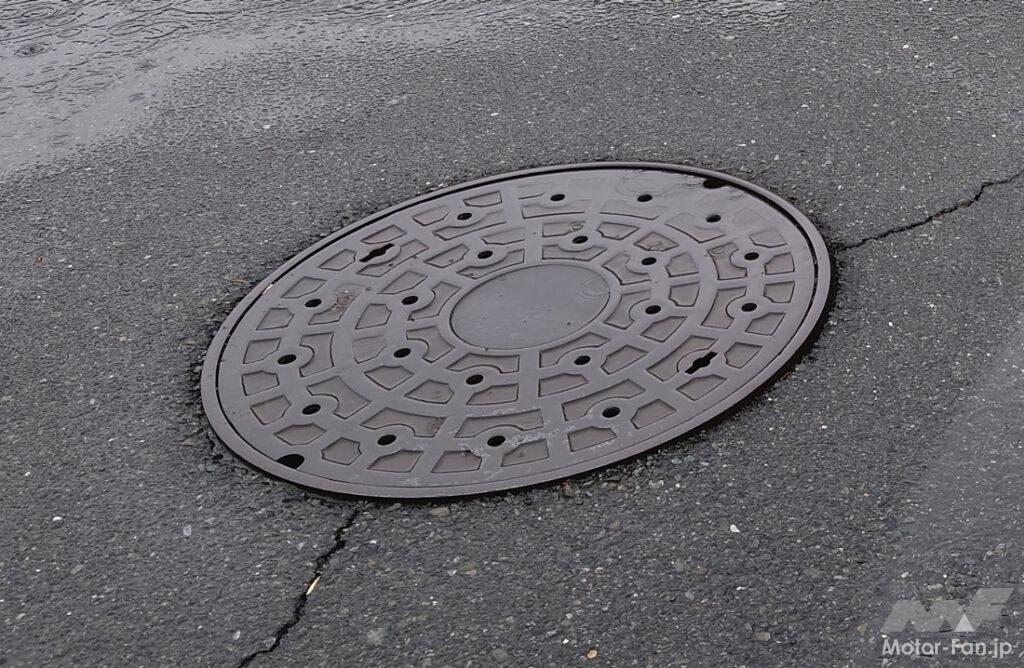
Wet manhole covers are slippery
ADVERTISEMENT
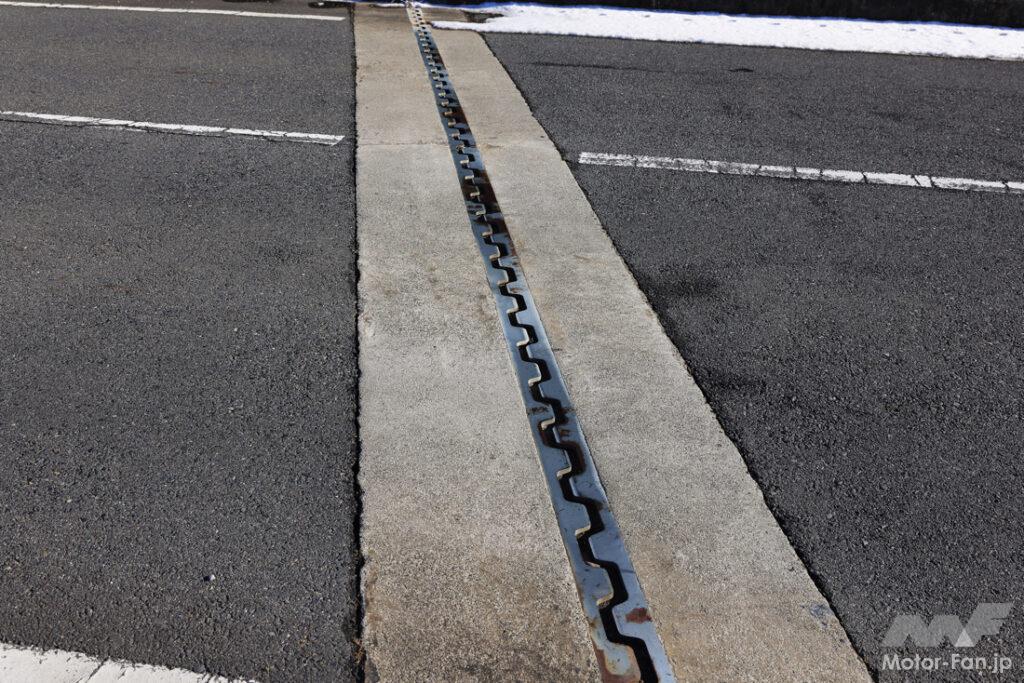
When it rains, be careful of metal joints on bridges and roads.
Additionally, painted lines in the center and left of lane lines, as well as at crosswalks at intersections, can be slippery when wet. For example, when trying to pass a car on the left side of a congested road, if your tires run over the white line on the left side of the lane, you could slip or, in the worst case scenario, fall over.
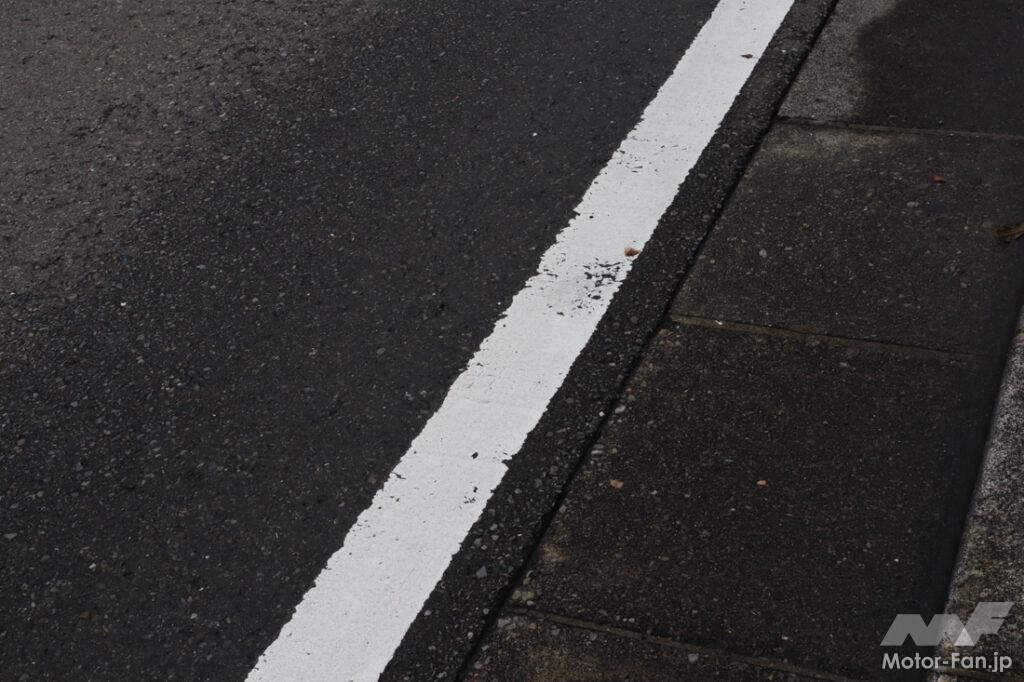
Wet white lines are also dangerous
As mentioned above, the basic principle is to avoid sudden acceleration and braking, and to take corners slowly. You should also avoid passing through other vehicles, but in addition to these, you should also be careful of “dangerous things for motorcycles” on the road.
Why roads become slippery when it starts to rain
Another risk is increasing your speed when it starts to rain, thinking, “Let’s hurry home so we don’t get wet.” This is because even when the road surface isn’t very wet, dust and debris can float up onto the surface, making it more slippery.
This rule applies not only to regular roads, but also to highways and other roads you’re touring on. Even when it starts to rain and the road surface is half-wet, it’s important to keep your speed moderate and keep the bike slightly upright when cornering.
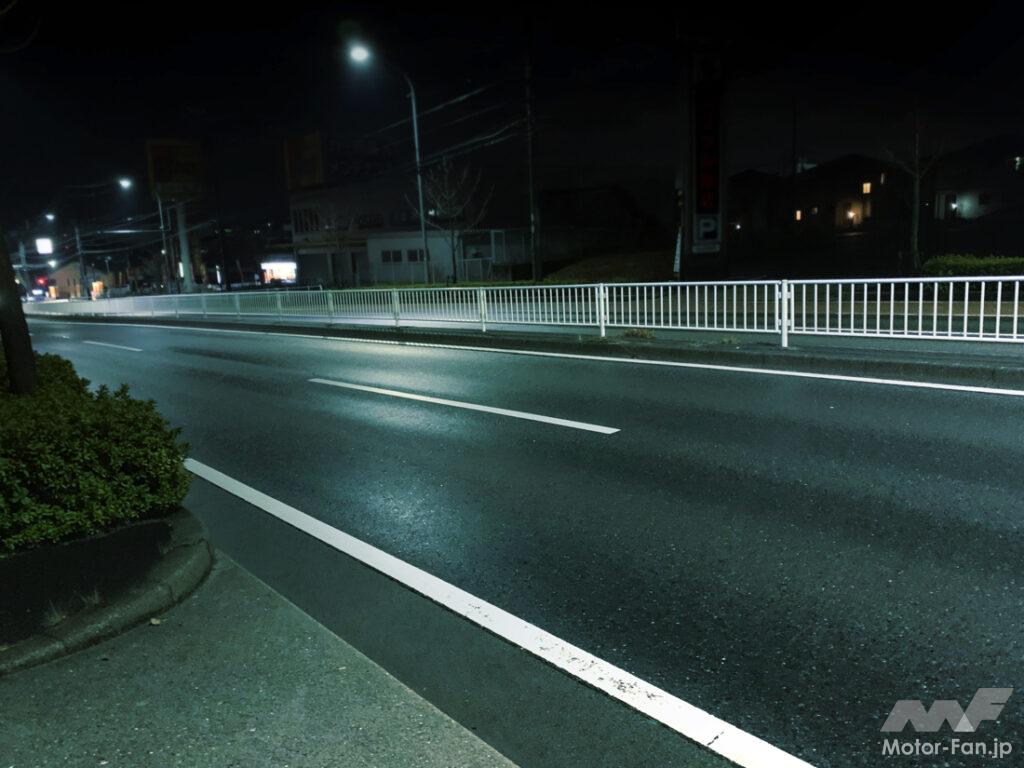
Half-wet roads, where wet and dry areas are mixed, can be surprisingly slippery.
The steering wheel and brakes may not work!
On the other hand, if it rains heavily, beware of hydroplaning. This is a phenomenon in which a film of water forms between the tires and the road, making steering and braking ineffective. This can cause the steering wheel to be taken away from you, making it impossible to control the vehicle, and even if you try to stop, you may not be able to.
Hydroplaning is said to be more likely to occur on highways and other roads where the vehicle travels at a certain speed, but it can also occur on ordinary roads. It is also said to be more likely to occur in places where there are puddles on the road, so if you are driving on a highway, you should try to avoid such places as much as possible.
Furthermore, if you are on a public road and there is a puddle on the driving line of a corner and you cannot avoid it, it is important to slow down well beforehand. If you are not interfering with the surrounding traffic, you should drive as slowly as possible to prevent unexpected slippage.
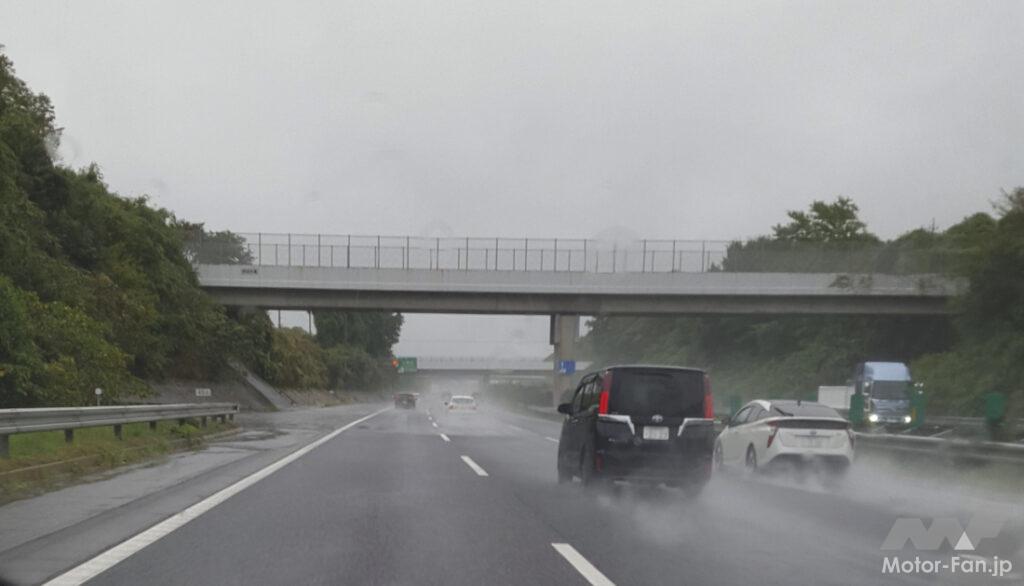
Beware of hydroplaning on rainy highways
Driving while splashing mud is against the law!
By the way, when riding on public roads, be careful not to drive into puddles on the road surface and splash rainwater or mud on pedestrians. Not only is this bad manners while riding, but if you do this, it is also a violation of the Road Traffic Act.
The basis for this is Article 71-1 of the Road Traffic Act, which states the following as one of the “things drivers must comply with”:
“When passing through mud or puddles, wear mudguards or drive slowly to avoid scattering mud, sewage, etc. and causing inconvenience to others.”
If you violate the law, it will be considered a “mud splashing driving violation” and you will be fined 6,000 yen for motorcycles and 5,000 yen for mopeds. Although there are no penalty points, it is a nuisance to pedestrians.
This rule applies not only when it is raining, but also when puddles remain after the rain has stopped. Before and after the rain, be sure to maintain a safe distance from pedestrians and drive carefully to avoid splashing mud.
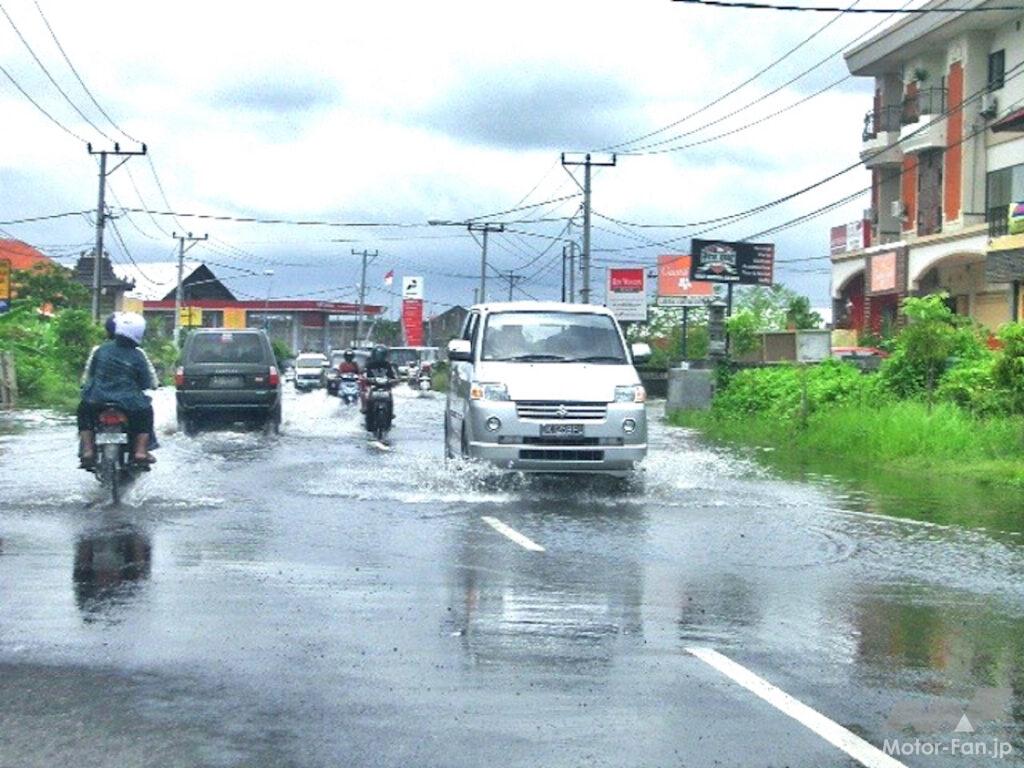
Mud driving is illegal
During heavy rain, avoid rivers and places where rainwater is likely to accumulate.
In recent years, there has been an increase in the number of serious damages caused by heavy rainfall due to linear rain bands. At times like these, it is extremely dangerous to ride a motorcycle, so you should avoid it as much as possible.
However, there may be times when you are caught in heavy rain while out or traveling. In such cases, you should not only evacuate until you are sure it is safe, but also avoid dangerous areas immediately after the heavy rain has passed.
For example, rivers with rising water levels, underpasses where rainwater tends to accumulate, and areas at risk of landslides. It is important to always make life your number one priority.
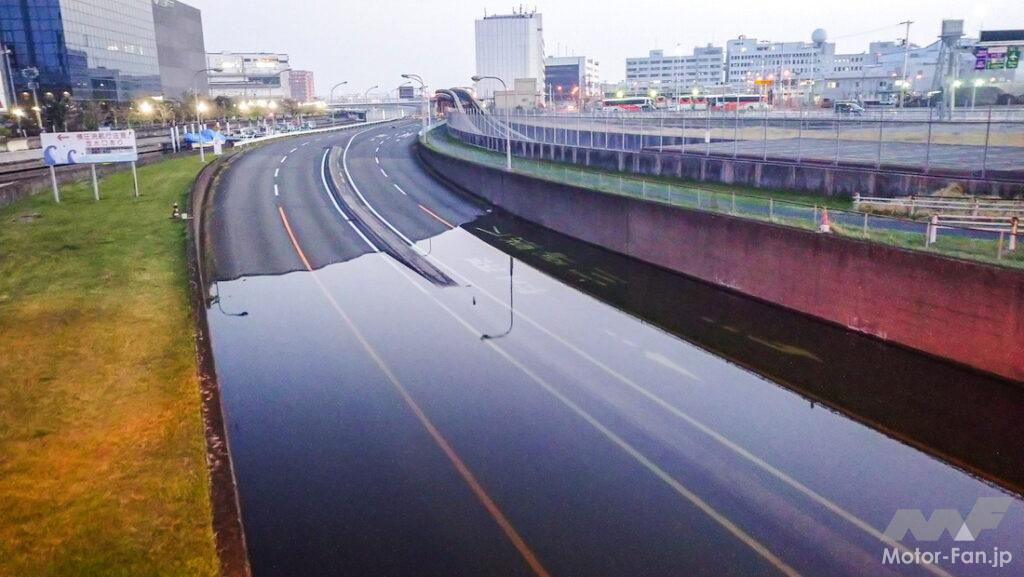
It is also important to avoid driving through underpasses where rainwater is likely to accumulate during or immediately after heavy rain.
Be mindful of tire wear and deterioration
There are also a few things to pay attention to when it comes to motorcycle equipment. First, tire wear. As you know, tires that are significantly worn out have low grip even when it’s not raining. This makes it even more dangerous on rainy days when the road is wet and already slippery.
It is also said that tires with worn treads are more likely to cause the aforementioned hydroplaning phenomenon. Even if the tires have treads, they can still be dangerous if the rubber has deteriorated over time.
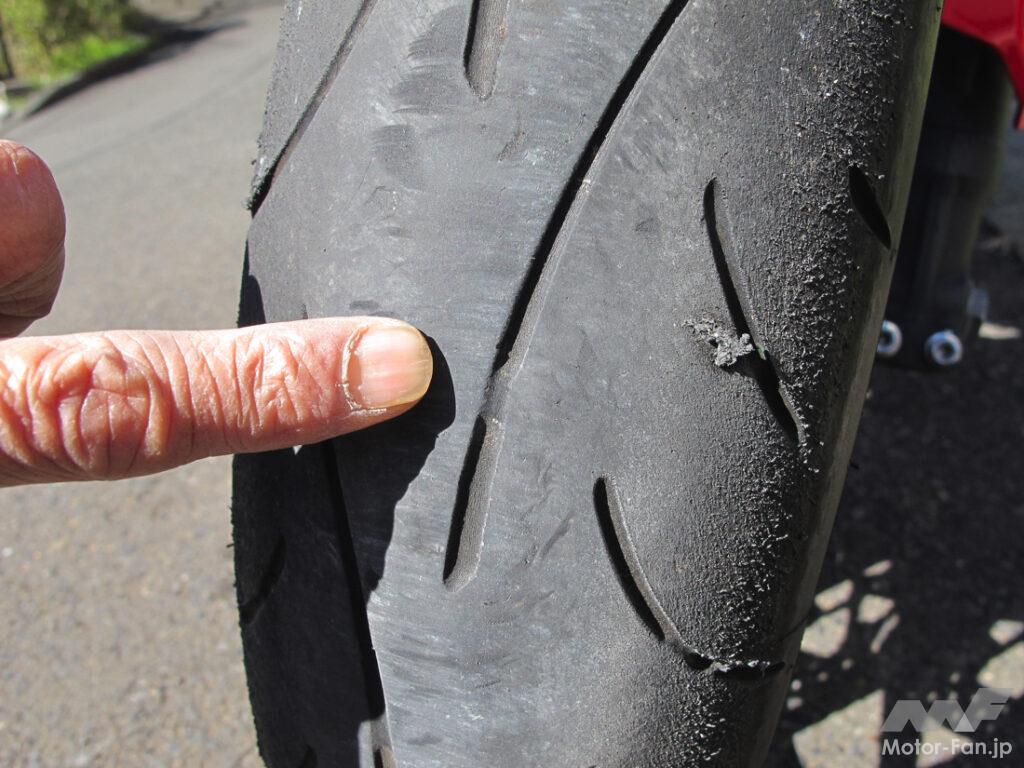
If the tire shows signs of slipping, it has reached its limit of wear and needs to be replaced.
This doesn’t just happen on rainy days, but if the tires deteriorate and have cracks or scratches, air can leak out through these holes, causing the tires to not maintain the correct air pressure while driving, and in the worst case scenario, they could burst.
Tires have a major impact on various aspects of motorcycle riding, such as handling and braking. In particular, for motorcycles, which require balance on just two wheels, tires are more important than cars with four wheels in terms of driving stability and braking power.
It’s important to replace worn or deteriorated tires early, not just during the rainy season. Even if your tires aren’t worn or deteriorated, checking the air pressure before driving is the first step to driving safely during the rainy season.
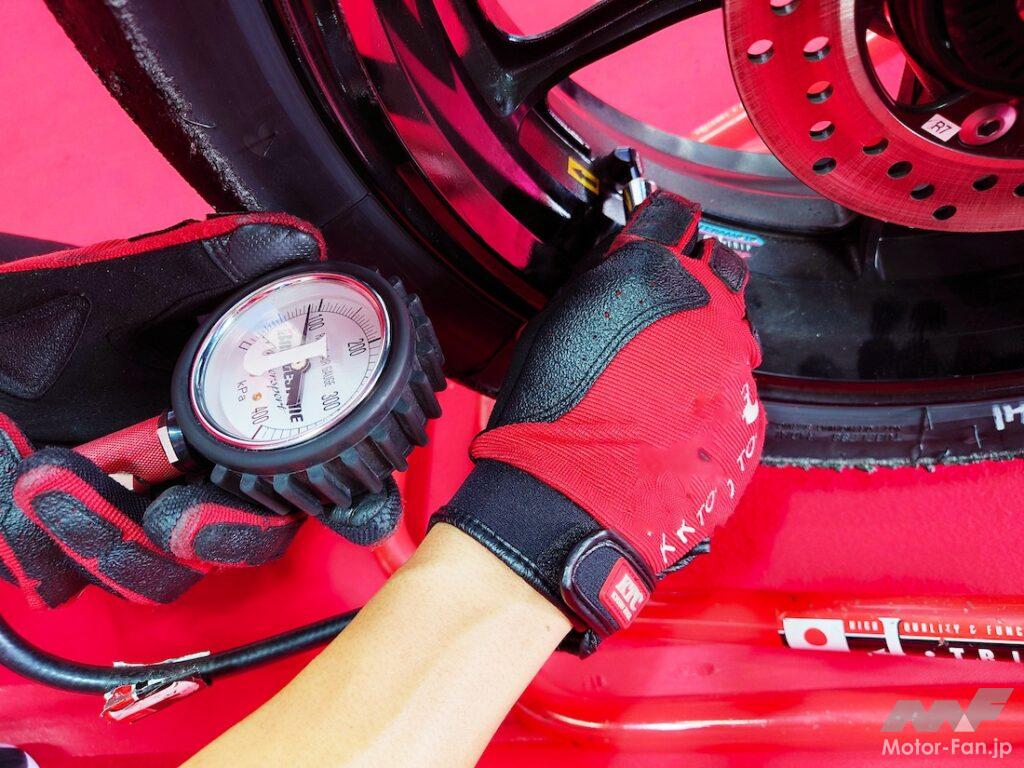
It is also important to check the tire pressure before driving.
Make sure your helmet shield is water-repellent and anti-fog.
To ride safely on rainy days, you should also pay attention to the items you wear. Helmet shields are especially important. On rainy days, visibility can often be reduced due to fogging and water droplets making it difficult to see ahead. For this reason, it’s important to take measures and perform maintenance in advance to make sure you can see as clearly as possible ahead.
For example, if the surface of the shield is coated with a water-repellent coating, it will repel water droplets and make it easier to maintain visibility. This is quite effective because motorcycles do not have wipers like car windshields.
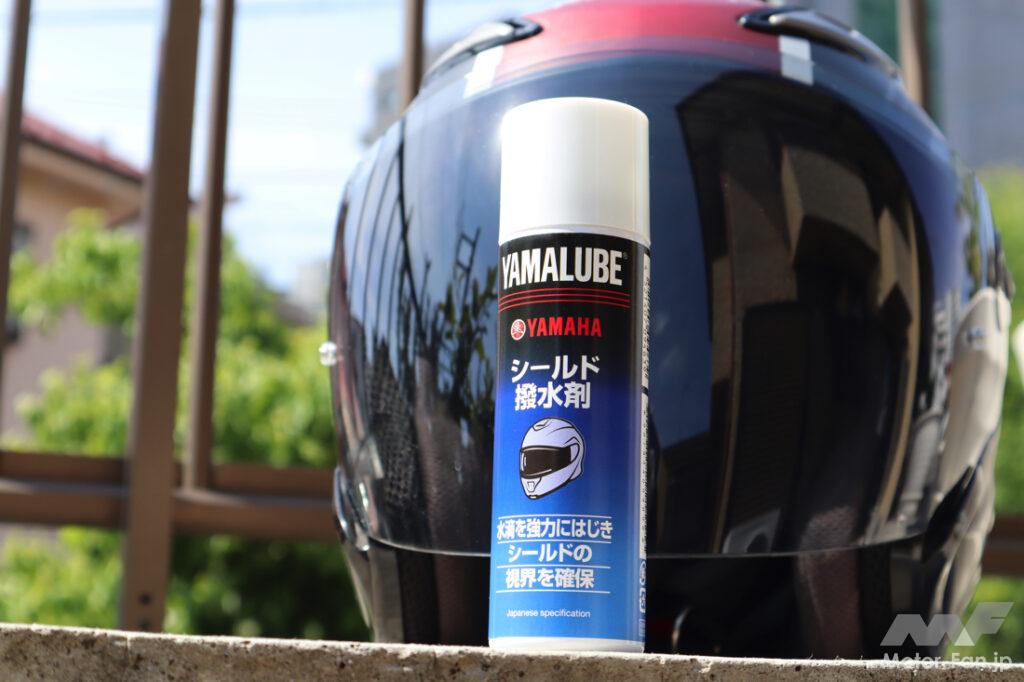
Applying a water-repellent coating to the surface of the shield is also effective. The photo shows Yamalube Helmet Shield Water Repellent (1,485 yen including tax).
ADVERTISEMENT
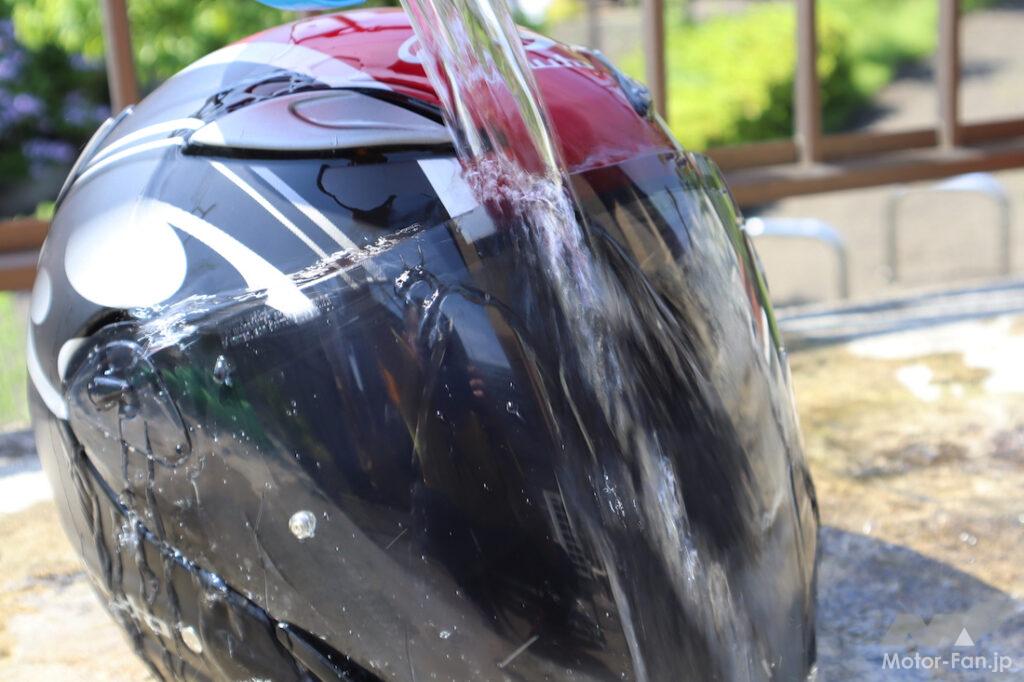
Spray water on the shield surface coated with water repellent

Repels water droplets, making it easier to maintain visibility even in rainy weather
It’s also a good idea to use an anti-fog spray on the shield to prevent fogging on the inside. Recently, various helmet manufacturers have started selling items such as Pinlock sheets that can be attached to the inside of the shield to prevent fogging. I personally use these, and they are useful because they can be worn all year round, not only on rainy days but also on cold winter days, as they hardly fog up the shield at all.
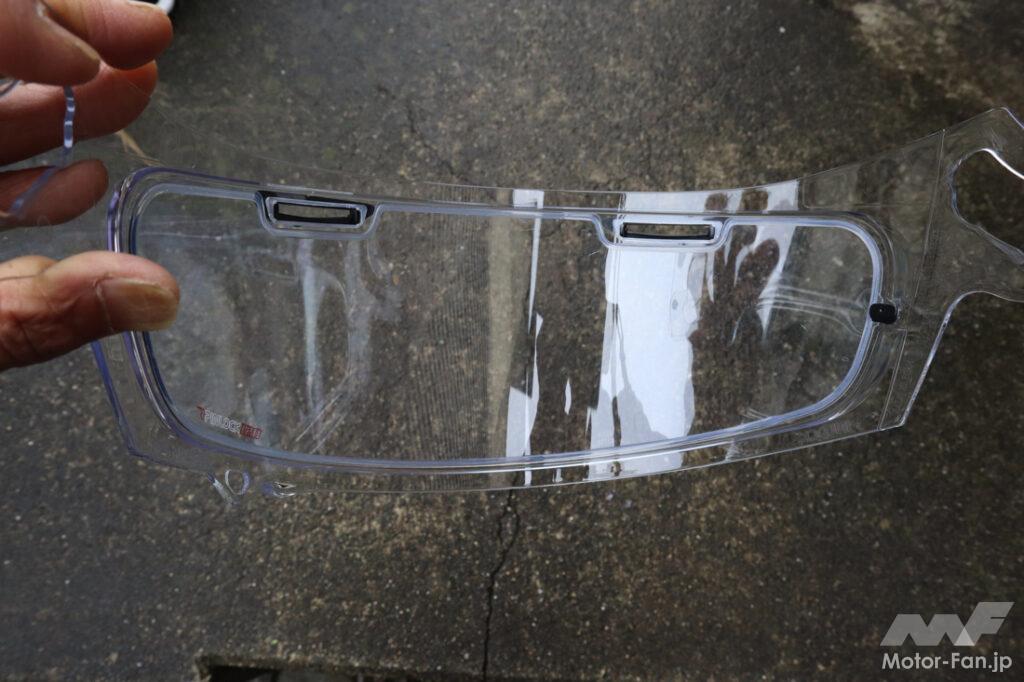
You can also use a pinlock sheet to prevent fogging by attaching it to the inside of the shield.
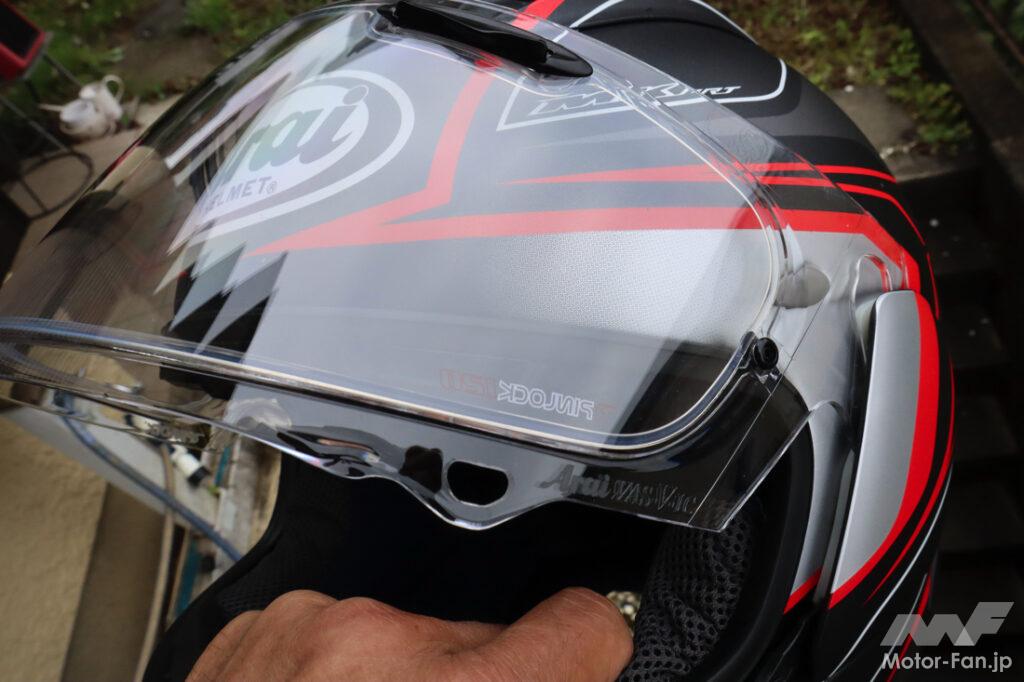
Shield with pinlock sheet attached
For riders who wear glasses, like me, it may be that the shield doesn’t fog up but the glasses do, so it’s also effective to spray an anti-fog spray on the glasses themselves.
Also, if your hair gets wet when you take off your helmet due to a sudden rain shower, putting your helmet back on can make the shield more likely to fog up. In such cases, it’s a good idea to wipe your hair with a dry towel to remove some of the moisture before putting on your helmet, as this will help prevent fogging.
We recommend buying rainwear one size larger
When it comes to rainwear, it depends on the manufacturer’s sizing, but it’s best to choose a size that’s a little larger, such as one size up. This is because you’ll often be wearing it over your riding clothes if it suddenly starts raining while you’re out touring.
Also, if your rainwear has been used for many years and has lost its waterproofing effect, it’s best to buy new ones if possible. If your inner clothes get wet while riding in the rain, your body heat will be lost and you will become more fatigued. This can be especially dangerous when touring, as it can make you lose concentration.
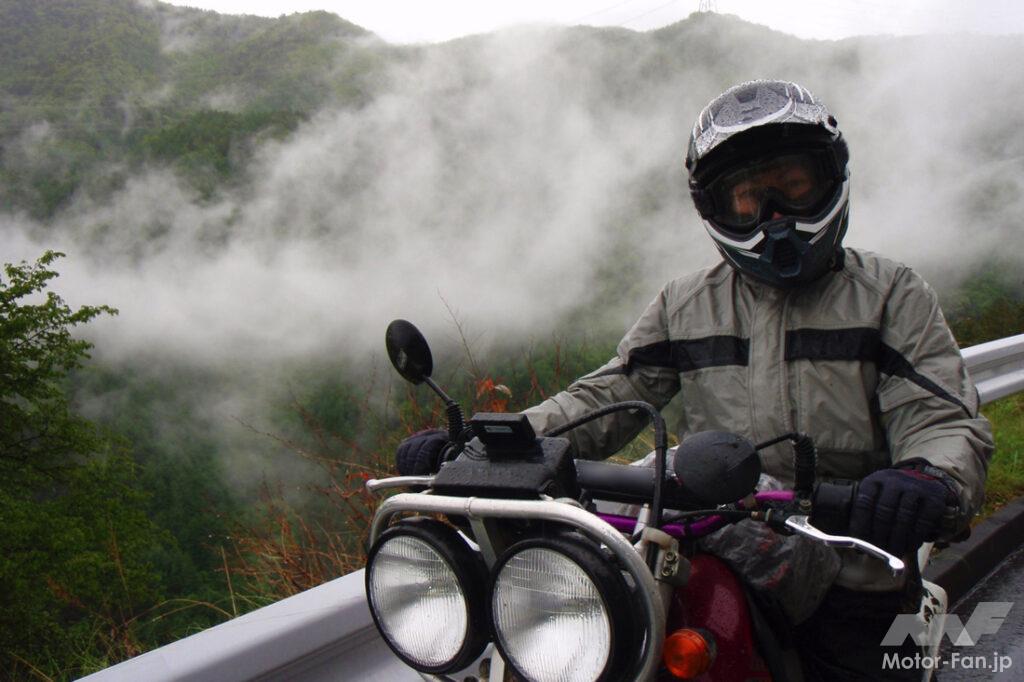
Rainwear should be a little larger in size
It is also important to use rain gloves, boot covers, and other items to keep your body as dry as possible when riding in the rain.