
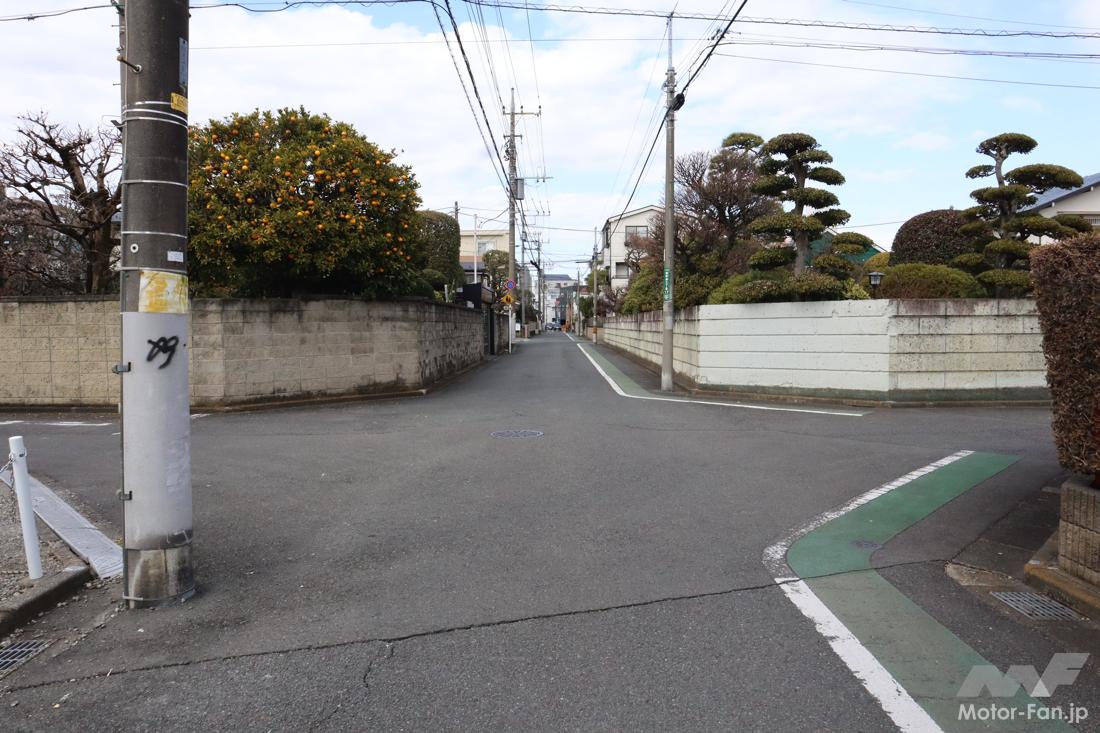
How should you determine priority at an intersection?
There are many intersections without traffic lights in residential areas and roads with little traffic, and it is not uncommon to pass through such places in daily life. In particular, when you are driving on an unfamiliar road and come across such an intersection, it is common to become confused about who has the right of way.
So how should you judge this? First, at intersections without traffic lights, you should basically check to see if there is a right-of-way sign. This sign is a blue background with a thick white arrow running vertically and a thin line crossing it.
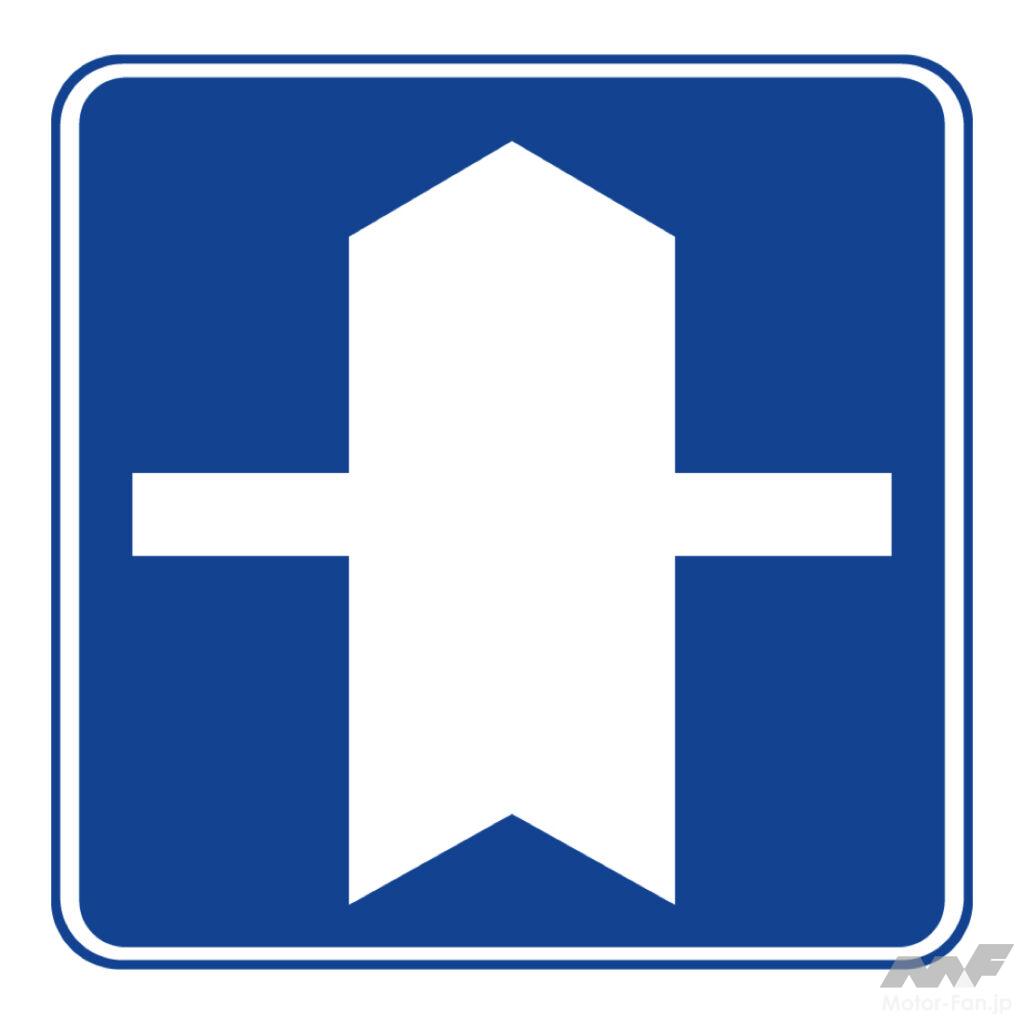
Priority road sign
If this sign is installed on the road you are driving on, you know that your motorcycle or car has the right of way at the intersection. However, even in such cases, it is important to check your surroundings and drive safely. As we will explain in more detail later, it is best to be cautious and slow down or even stop at intersections with poor visibility.
On the other hand, if you don’t have the right of way on the road you’re on, for example, there’s a road sign with an inverted triangle on the road. This sign means “there’s a priority road ahead,” meaning the intersecting road has the right of way. Therefore, you need to slow down or stop at the intersection and not get in the way of cars on the priority road. The same applies if there’s a “stop” or “slow down” sign, even if there isn’t this sign. This indicates that there’s a priority road ahead, so you need to be very careful.
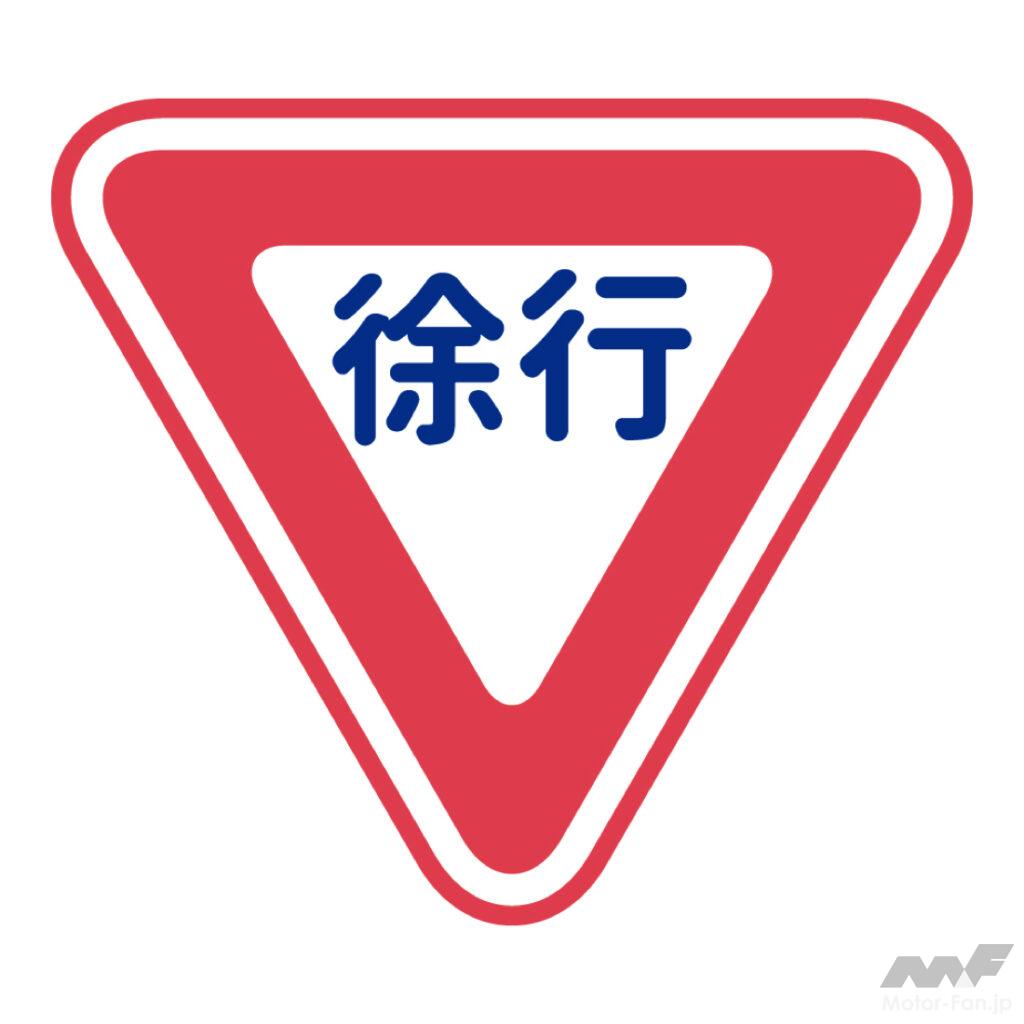
Slow down sign
How to drive on roads with no traffic lights or priority signs
So what about intersections that don’t have traffic lights or priority signs? In these cases, the basic criteria for making a decision are:
1. Whether there is a center line or not.
2. Determine by the width of the road.
1. When there is a center line on either road. Basically, in this case, the road with the center line has priority.
The second method is to judge by road width. If the widths of the intersecting roads are noticeably different, the wider road has priority.
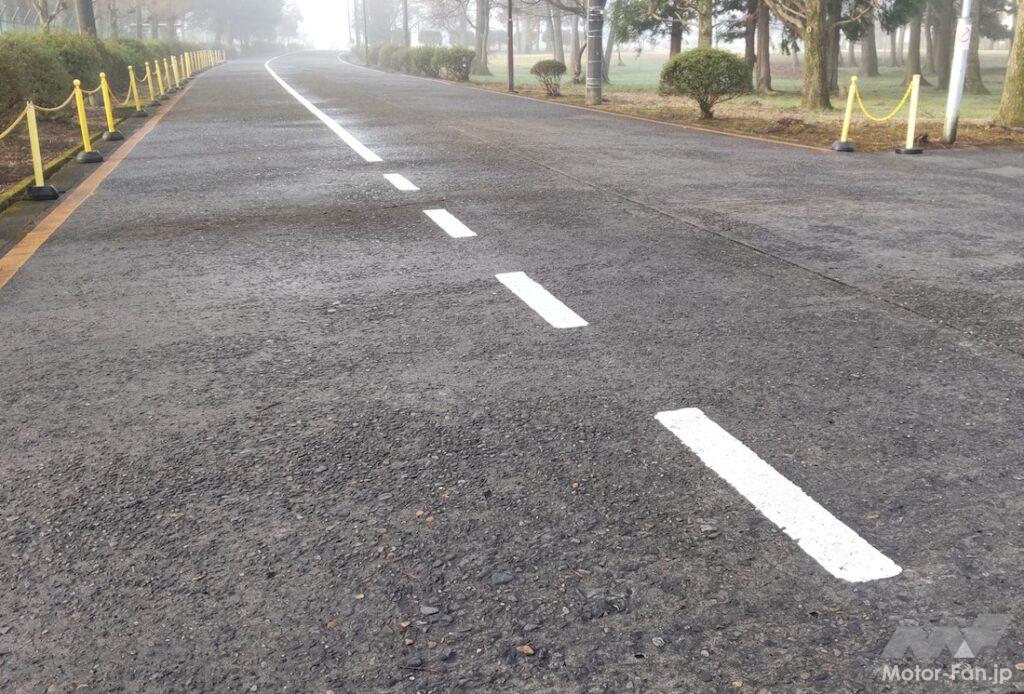
Roads with center lines have priority
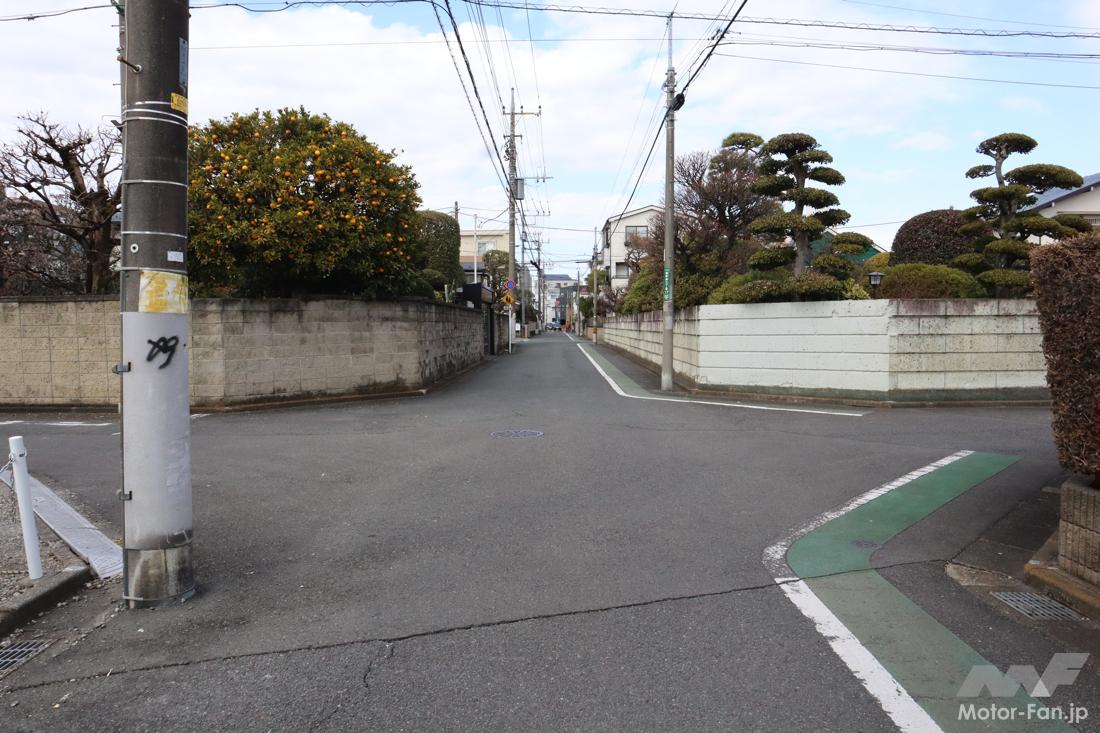
So what about intersections where there are no traffic lights, priority signs, or center lines, and the intersecting roads are all about the same width?
Basically, such roads often have signs such as “stop lines,” “stop” signs, and “temporary stop” signs. As mentioned above, if there are such signs on the road you are driving on, you have no right of way, so you should consider the other side to have priority and drive according to the instructions of the signs (such as stopping temporarily).
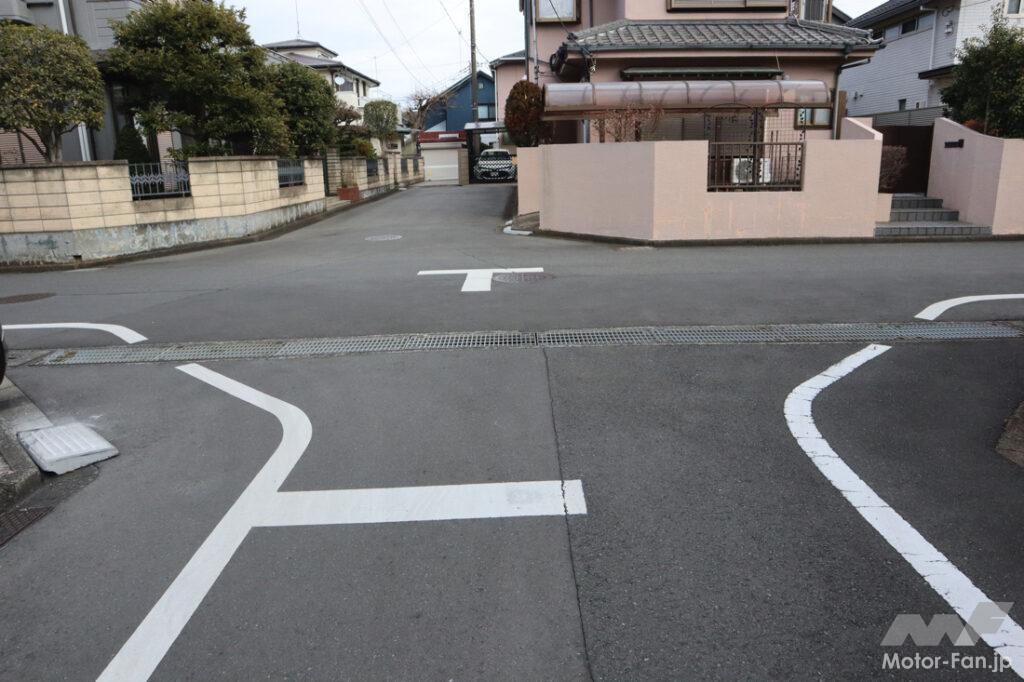
At intersections without traffic lights, be sure to check for stop lines.
ADVERTISEMENT
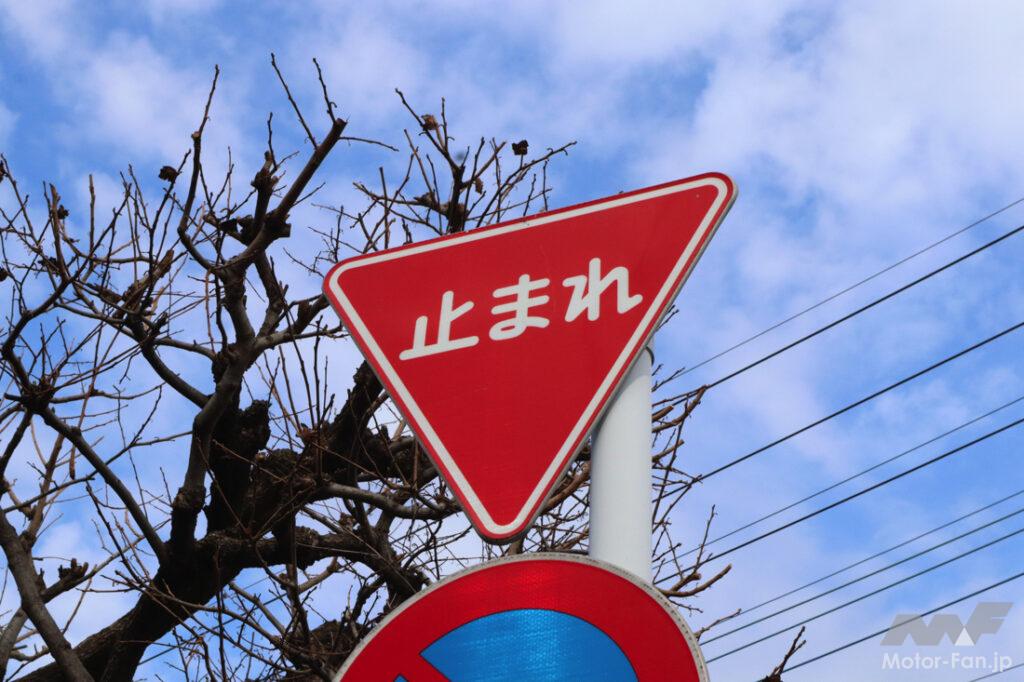
Stop sign
However, if neither of these conditions are met, then the “left-hand side has priority” rule is in place according to Article 36, Paragraph 1 of the Road Traffic Act. In other words, priority is given to those driving on the left side of the road. This rule applies not only to intersections, but also to T-junctions and other intersections. In such cases, vehicles coming straight from the left have priority, and vehicles turning right or left must stop temporarily.
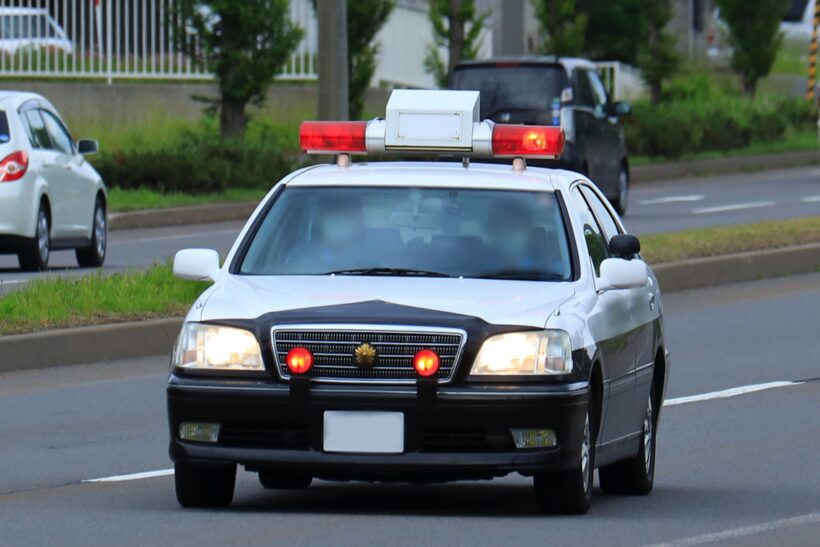
It is a violation to obstruct a vehicle traveling on a priority road.
These are the basic criteria for driving at intersections where there are no traffic lights and it is difficult to know who has priority. If you obstruct a car on the priority road, you will be caught for “obstructing a car on a priority road.”
Penalty points: 2 points
Penalty fee: 7,000 yen for standard vehicles, 6,000 yen for motorcycles, and 5,000 yen for mopeds
is imposed.
In addition, when an accident occurs at such an intersection, it depends on whether or not the aforementioned criteria for judgment are in place, but it is generally said that the vehicle traveling on the right side often bears a greater share of the fault because it did not have the right of way.
With that in mind, if you are unsure about your ability to judge priority, it is best to slow down at intersections. This will help prevent accidents and minimize damage if an accident does occur.
Also, at intersections without traffic lights or signs, even if you are driving on the left side of the road (as seen from the other side of the intersecting road), meaning you have the right of way, you should still be very careful when passing through intersections with poor visibility.
As mentioned earlier, you should slow down or stop and check for safety before entering an intersection. In places with poor visibility, vehicles coming from the right may enter the intersection without noticing your motorcycle. This increases the risk of a head-on collision, which could result in serious injuries that could be life-threatening.
Incidentally, Article 42, Paragraph 1 of the Road Traffic Act stipulates that drivers are obligated to slow down when “entering an intersection where visibility to the left and right is poor, or when passing through a part of an intersection where visibility to the left and right is poor.” Slowing down at intersections with poor visibility is also stipulated by law.
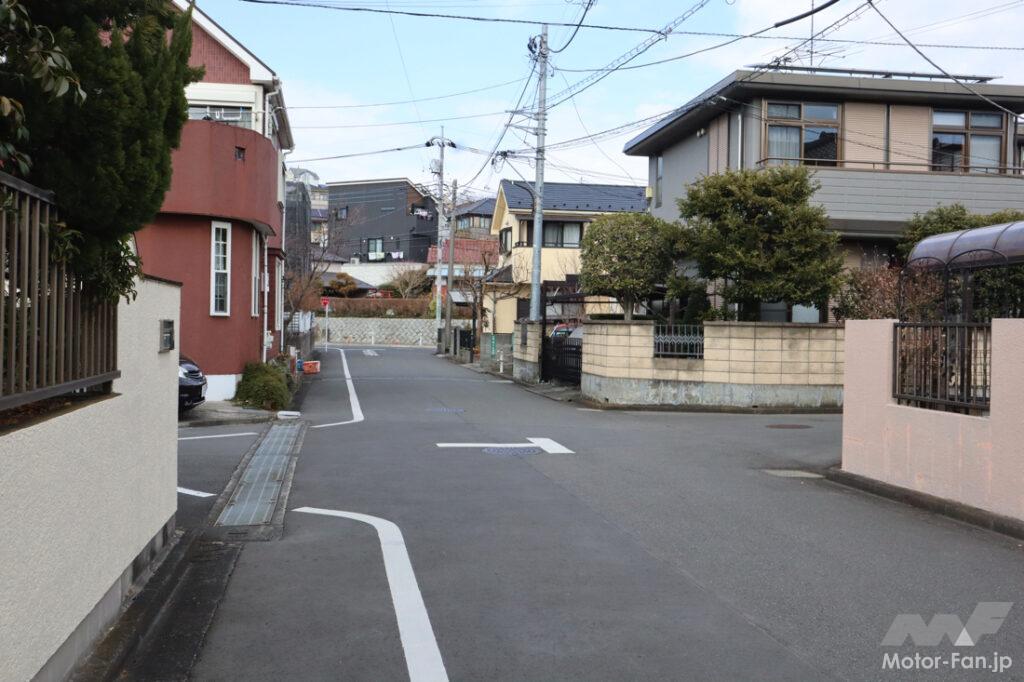
Be careful when passing through intersections with poor visibility
In any case, intersections are places where accidents are likely to occur, regardless of whether there are traffic lights or signs. Dangers are always present, not only on unfamiliar roads, but even in places you are familiar with, so be sure to pass through them with due caution.