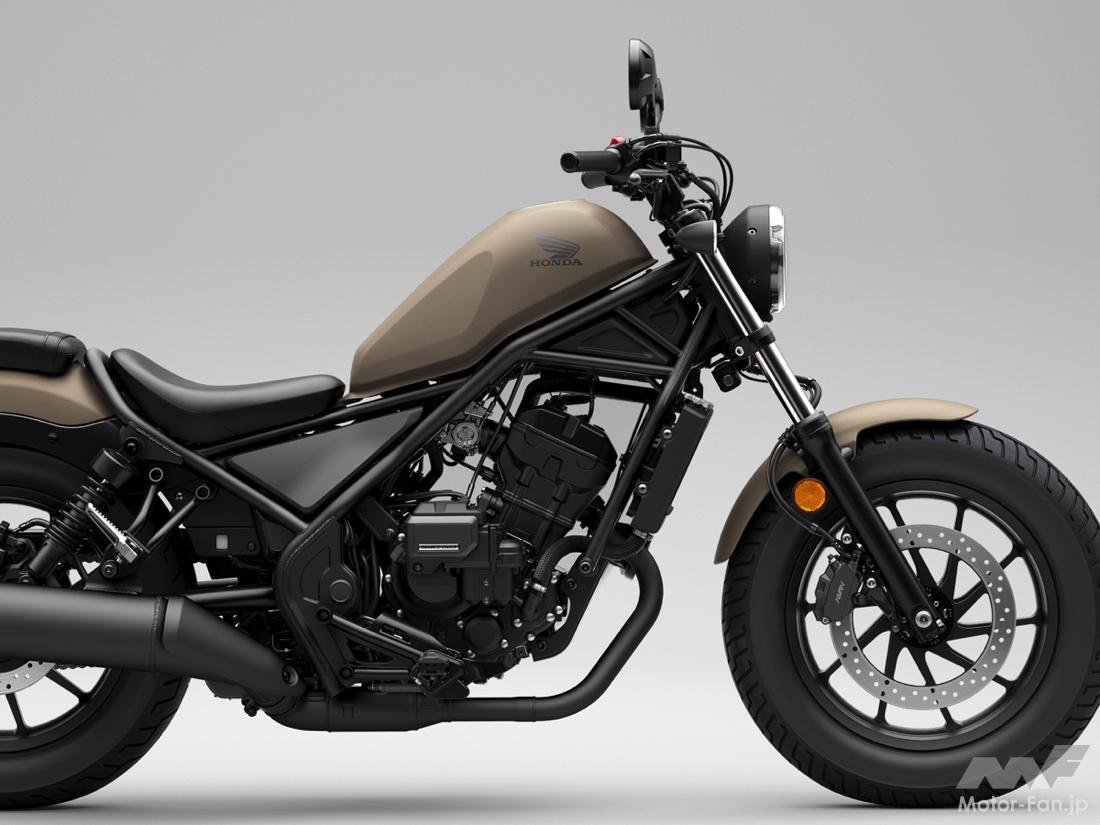

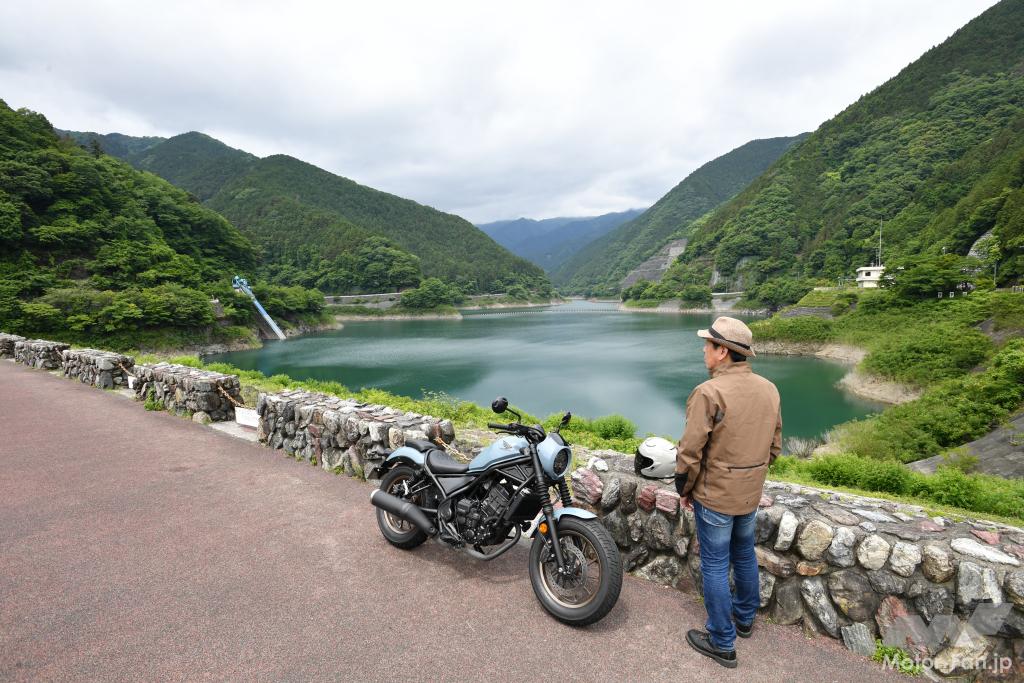
Honda Rebel 250 S Edition E-Clutch…731,500 yen

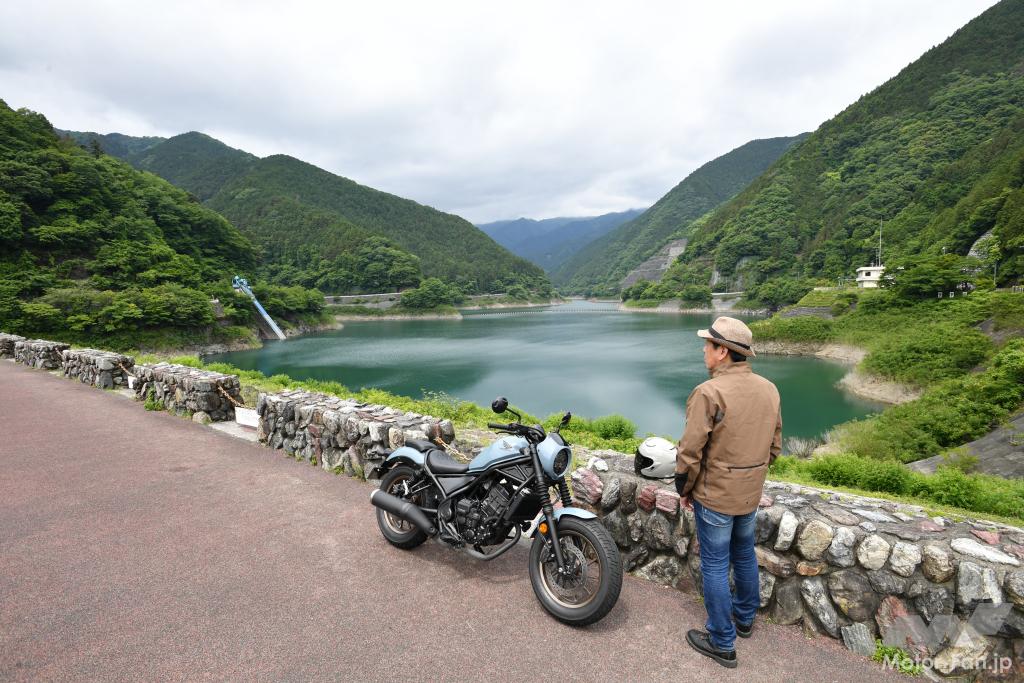
The test vehicle this time was the S Edition, which comes standard with genuine accessory parts such as a headlight cowl, fork boots/covers, and a seat with diamond-stitched wadding.
Reigning as 250cc class champion for seven consecutive years
It seems that many people were “waiting for” the E-Clutch specification that Honda added to the Rebel 250/S Edition in March 2025, and  as of May, it seems that about 80% of new car buyers had chosen it. Learning this fact left me with mixed feelings.

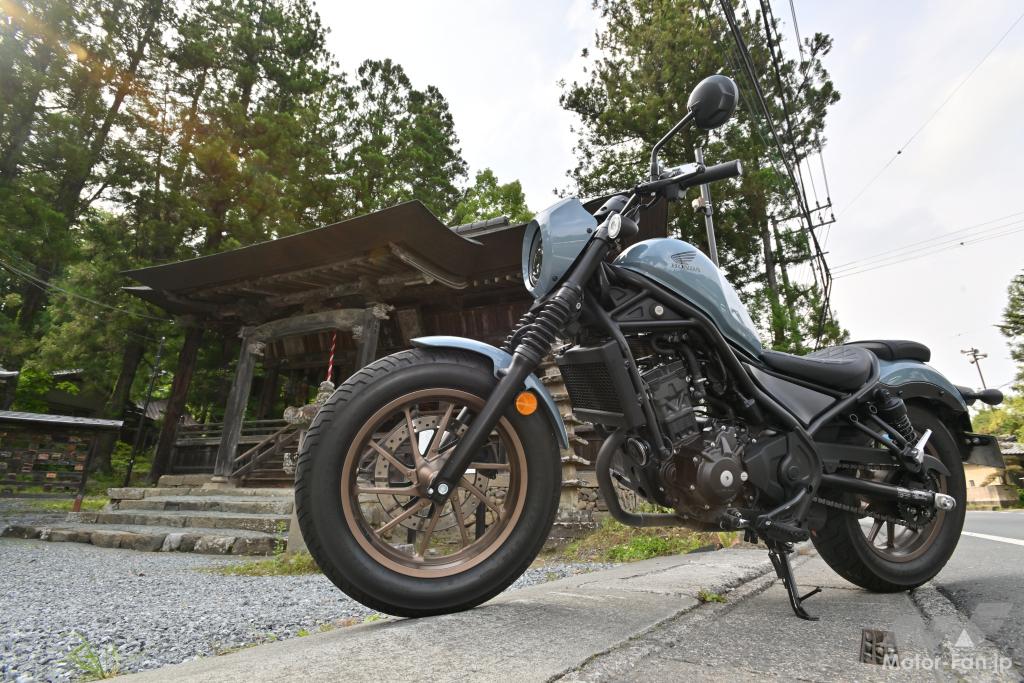
When it first debuted, the headlights were conventional halogen bulb type, but they were changed to a four-light LED type from the 2020 model. At the same time, the front and rear turn signals and taillights were also redesigned and converted to LED.
That’s because Honda’s current lineup includes the scrambler-style CL250, a derivative model created by repurposing the basic design of the Rebel 250, and as someone who prioritizes comfort and maneuverability over ease of reaching the ground, I prefer the CL250 (seat height and front and rear wheel travel: Rebel 250: 690mm, 120/95mm, CL250: 790mm, 150/145mm. However, some say the Rebel 250’s front wheel travel is 140mm). Moreover, when I looked at the E-clutch specification of the CBR650R, which I previously featured in a Serious 1000km article, I got the impression that it wasn’t a must-have feature for someone like me who doesn’t normally find clutch operation difficult.

The E-clutch motor unit located on the right side of the power unit didn’t bother me at all on the CBR650R, but it does seem to be a bit of a hassle on the Rebel 250. The water-cooled single-cylinder engine has its roots in the CBR250R, which was released in 2011, and the CRF250L series of trail bikes is also equipped with a similar unit.
So, although I wasn’t too keen on featuring the Rebel 250 with an E-clutch in this article, I couldn’t help but wonder if it was really okay for someone working in the motorcycle media to have such an opinion about a model that has maintained the top spot in the 250cc class sales for seven consecutive years since 2018 (it debuted in April 2017).So I decided to borrow a Rebel 250 with an E-clutch from Honda and spend about two weeks getting to know it.
What are the benefits of an E-clutch?
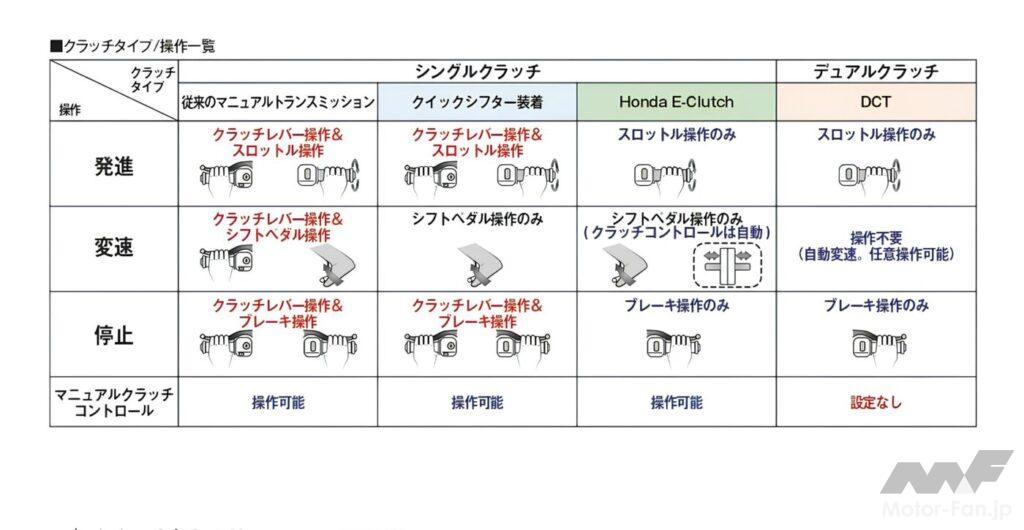
Before we get into the main topic, let me give you an overview of the E-Clutch. The beauty of this mechanism is that it eliminates the need to operate the clutch when starting, changing gears, or stopping. However, as you can see from the diagram above, the rider still has to change gears, so it’s not as easy as an automatic DCT, but compared to existing MT (manual transmission) vehicles, it makes riding significantly easier.

Unlike other automatics, including DCTs, the E-Clutch instantly switches to manual transmission when the clutch lever is pulled. This means that it’s up to the rider to decide whether or not to operate the clutch themselves. However, while the CBR650R/CB650R, the first models to feature an E-Clutch, can be switched to full manual transmission mode with an electronic switch, the Rebel 250 does not have such a mechanism. This had been bothering me before the test ride…
The Rebel 250 and the E-clutch are a perfect match
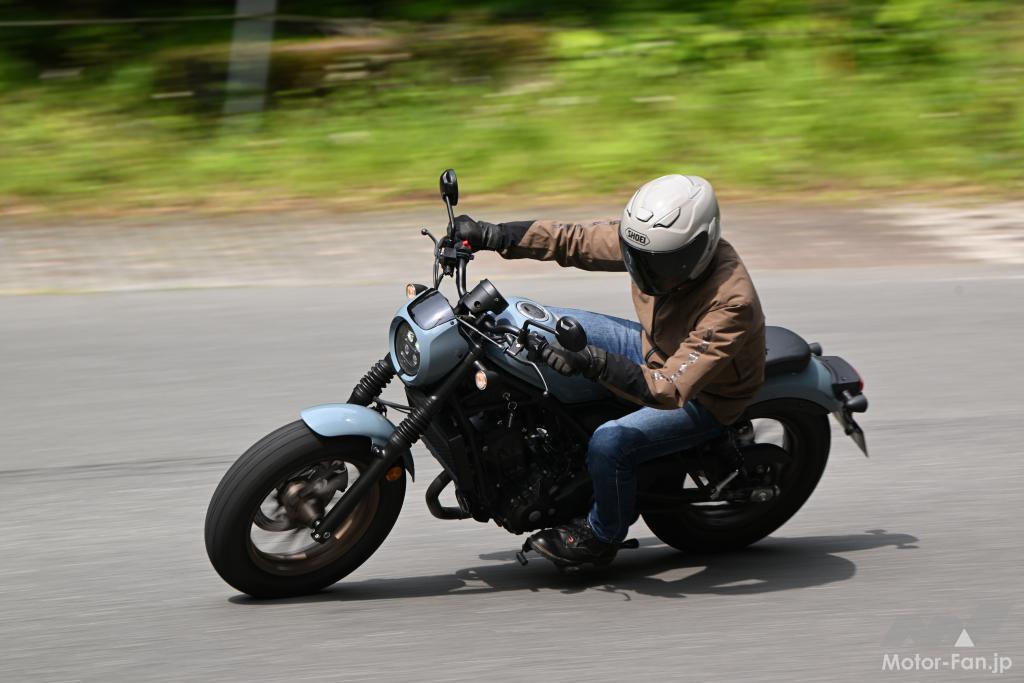
There were no problems at all. To be honest, during the test drive, I only grabbed the clutch lever a few times, right after borrowing the vehicle, and I didn’t feel the need for MT mode at all. However, during the second half of the long run, I was very impressed with the convenience of the E-clutch.

Hmm. I think this is a pretty big change of heart for me, but it doesn’t mean that the clutch feels any better than the CBR650R’s E-clutch. The Rebel 250 seems to have a longer ignition cut and half-clutch time, but the CBR650R’s E-clutch was also natural and smooth.

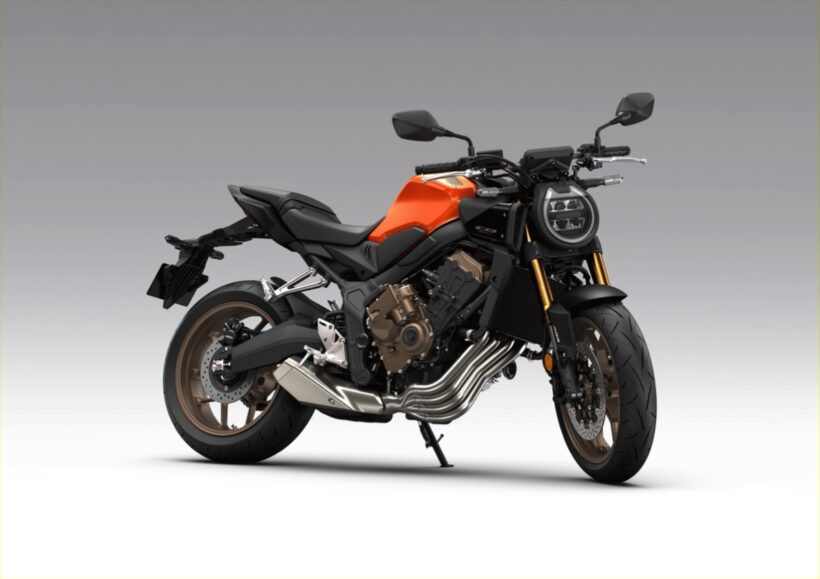
Along with the naked CB650R, the 2024 CBR650R was the first vehicle to adopt an E-clutch.
So what’s the difference? I think the biggest reason is the character of the vehicle. Even though it has a touring-like feel, the CBR650R really shines when riding sportily on mountain roads at high RPMs, and in those situations I didn’t really feel the advantage of the E-clutch. However, the Rebel 250’s engine is focused on the low-to-mid RPM range, so you don’t ride it as aggressively on mountain roads (although you can still enjoy sporty riding), so I felt that gear changes without clutch operation were somehow comfortable and matched the character of the vehicle…

However, many of my fellow riders say that the CBR650R/CB650R’s E-clutch model allows them to concentrate on braking and taking lines because they no longer need to operate their left hand, making it faster and more enjoyable to ride than a manual transmission. I don’t intend to deny that opinion, but when I was riding the CBR650R with the E-clutch model on mountain roads, I wasn’t as able to clear my mind as I was with the Rebel 250 with the E-clutch model.
The next major factor after the vehicle’s character is power and torque. There’s a significant difference between the figures for the two bikes (CBR650R: 95ps/12000rpm・6.4kg-m/9500rpm, Rebel 250: 26ps/9500rpm・2.2kg-m/6500rpm), so if you were to ride at the same pace, the Rebel 250 would require far more gear changes. So it’s only natural that the benefits of the E-clutch would be more noticeable on the Rebel 250.
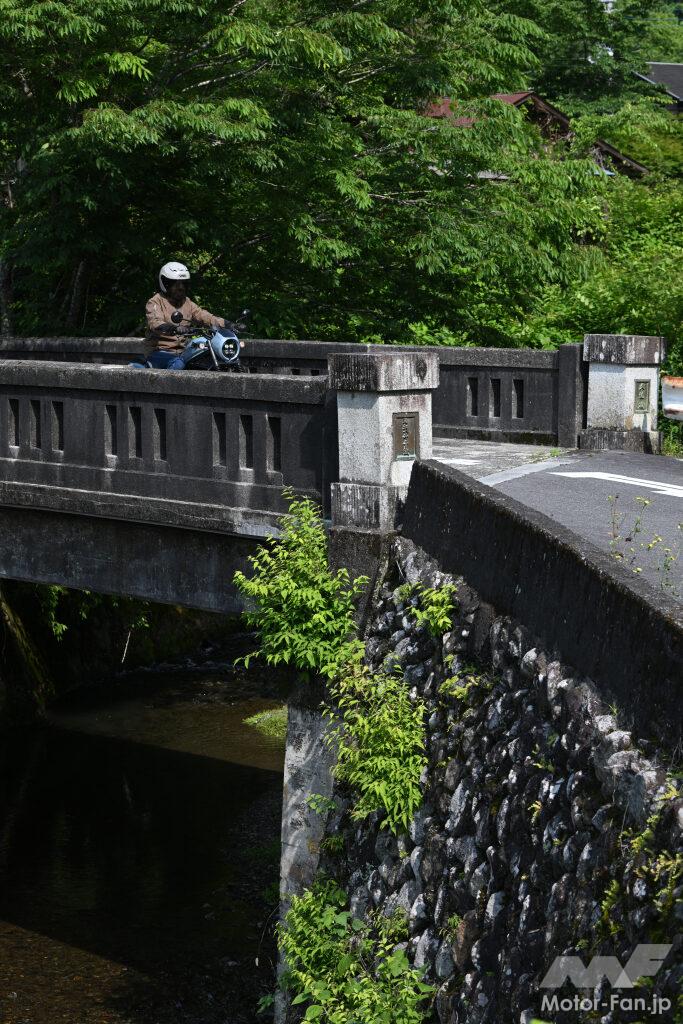
However, as I mentioned earlier, I don’t remember ever finding clutch operation difficult, and I felt that frequent gear changes to maintain a certain speed were one of the joys of riding a bike under 250cc. However, during the two long tours I went on during this test ride, I really felt that the E-clutch greatly contributed to reducing fatigue.
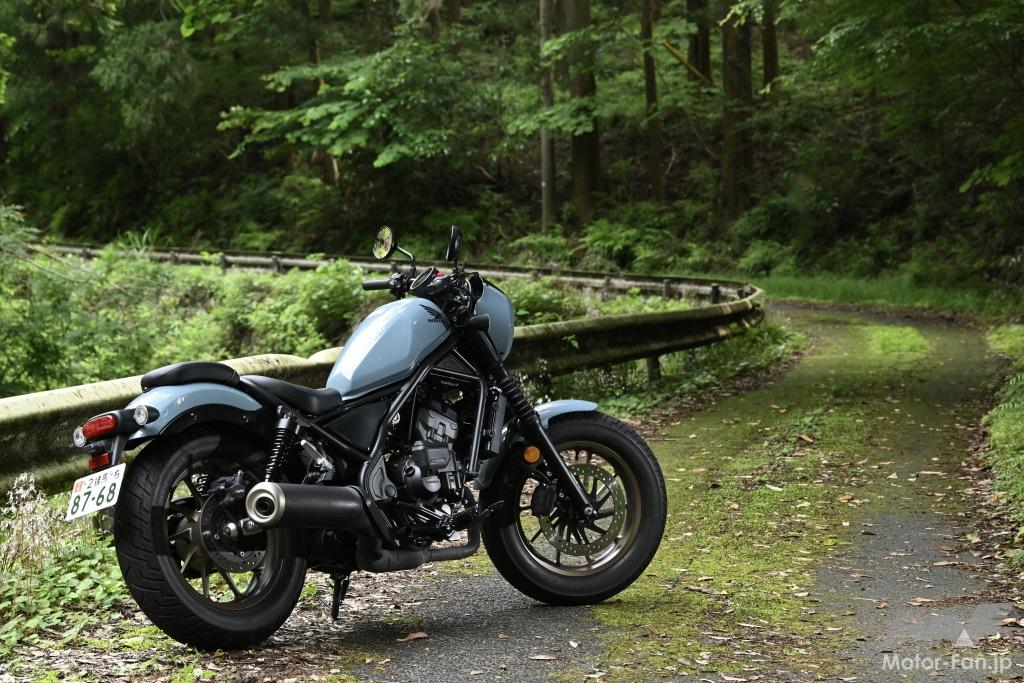
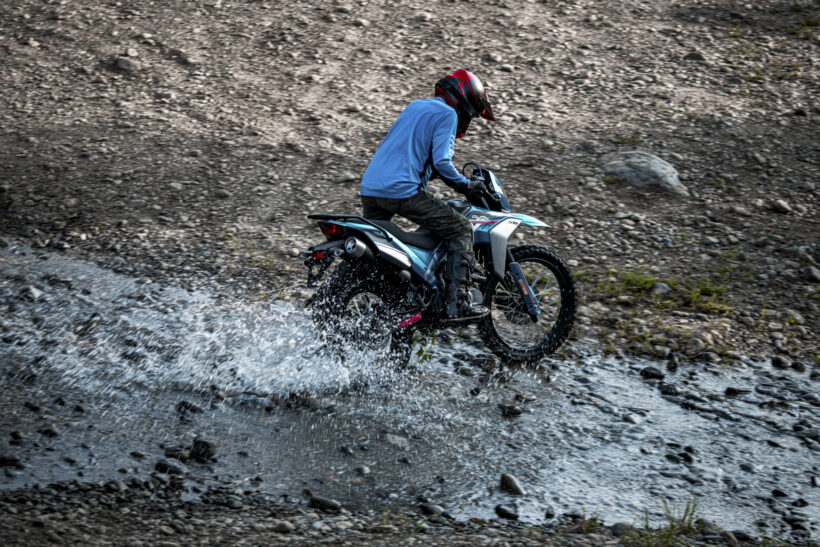
Also, the biggest difference I noticed between the E-clutch of the CBR650R and the Rebel 250 was the ease of handling on unpaved forest roads and the ease of making U-turns. The CBRR650R tends to be timid, and personally I felt more secure holding the clutch lever and switching to MT mode, but the Rebel 250 is perfectly fine with the E-clutch. The reason behind this is probably the size and engine characteristics, and while riding the Rebel 250 with the E-clutch on unpaved forest roads, I began to daydream that since it has the same engine, it might be a good idea to make an E-clutch version of the CRF250L/Rally.
Operational feel similar to that of the Super Cub
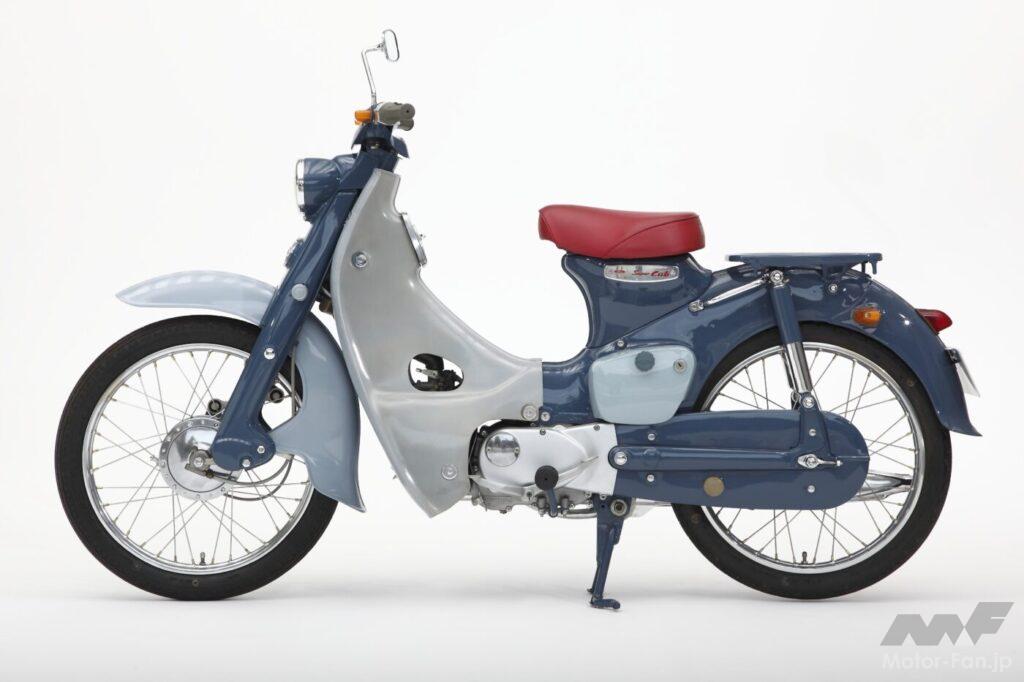
By 1958, the first-generation Super Cub C100 no longer required left-hand operation.
So, in a complete reversal of my previous stance, I became a supporter of the E-clutch with this model, and halfway through the test ride, the Super Cub came to mind. The Super Cub’s clutch is an automatic centrifugal type, so you need to release the throttle when changing gears, but the fact that you can shift up and down smoothly without needing to operate the left hand is an element that the E-clutch and the Super Cub have in common. Thinking about it, the CBR650R’s E-clutch specification should have had those qualities as well, but perhaps because the engine is a powerful and torquey in-line four-cylinder, I didn’t realize that fact.

Well, I didn’t think too deeply about it as I continued writing, and ended up writing quite a few words just about the E-clutch, but the 2025 Rebel 250 has also achieved a level of evolution that could be described as dramatic in terms of comfort. I would like to introduce the details in the second part, which I plan to post soon.

The 2025 Rebel 250 comes in three models: a standard manual transmission model (colored in Matte Dim Gray Metallic), a standard E-clutch model (colored in Matte Gunpowder Black Metallic and Matte Fresco Brown), and an S Edition E-clutch model (colored in Pearl Shining Black and Pearl Cadet Gray).
Main specifications
Model: Rebel 250 S Edition E-Clutch
Model: 8BK-MC49
Length x Width x Height: 2205mm x 810mm x 1090mm
Wheelbase: 1490mm
Ground Clearance: 134mm
Seat Height: 690mm
Caster/Trail: 28°/110mm
Engine Type: Water-cooled 4-stroke single cylinder
Valve Type: DOHC 4-valve
Total Displacement: 249cc
Bore x Stroke: 76mm x 55mm
Compression Ratio: 10.7
Maximum Power: 19kW (26ps) / 9500rpm
Maximum Torque: 22N・m (2.2kgf・m) / 6500rpm
Starting Method: Self-starter
Ignition Method: Full Transistor Lubrication Method:
Wet Sump
Fuel Supply Method: Fuel Injection
Transmission Type: Constant Mesh 6-Speed Return
Clutch Type: Wet Multi-Disc Coil Spring
Gear Ratio
1st: 3.416
2nd: 2.250
3rd gear: 1.650
4th gear: 1.350
5th gear: 1.166
6th gear: 1.038
1st and 2nd reduction ratios: 2.807 and 2.571
Frame type: Diamond
Front suspension: Telescopic inverted type φ41mm
Rear suspension: Swing arm twin shock
Front tire size: 130/90-16
Rear tire size: 150/80-16
Front brake type: Hydraulic single disc
Rear brake type: Hydraulic single disc
Vehicle weight: 175kg
Fuel used: Unleaded regular gasoline
Fuel tank capacity: 11L
Passenger capacity: 2 people
Fuel consumption rate (Ministry of Land, Infrastructure, Transport and Tourism notification value): 47.0km/L (2 people)
Fuel consumption rate (WMTC mode value, class 2-2): 34.9km/L (1 person)