



Large-scale investment to respond to the expanding motorcycle market
Moto Honda da Amazonia Ltda (HDA), Honda’s local subsidiary in Brazil that manufactures and sells motorcycles and power products, will invest approximately 1.6 billion reais in its Manaus plant over the four years from 2026 to 2029. This investment will prepare the plant to meet increasing demand in the expanding Brazilian motorcycle market.
In recent years, Brazil’s motorcycle market has been expanding rapidly. In addition to increased demand for motorcycles as a means of personal transportation, the market expansion is also driven by growing commercial needs such as delivery services. As this market is expected to continue expanding in the future, HDA has begun to strengthen its production system.
Production capacity to increase to 1.6 million units
The Manaus plant began operations in 1976 and currently produces 19 models ranging from 110cc to 1100cc with an annual production capacity of 1.4 million units. The total production volume to date has exceeded 31 million units, and the plant has a track record of exporting not only to Brazil but also to 17 countries including the United States, Australia, and Mexico.
With this investment, the company plans to expand its production capacity to 1.6 million units by 2026. In addition to expanding production capacity through the introduction of new equipment, it will also optimize production processes by changing the layout of processes and improve logistics within the factory. This will create a system that can respond more quickly and flexibly to market changes, increasing demand, and future expansion of the product lineup.
Creates approximately 350 new jobs
With the expansion of production capacity, HDA expects to create approximately 350 new jobs. The Manaus plant will employ approximately 9,000 people as of October 2025, and further employment expansion will strengthen its contribution to the local economy.
Through nearly 50 years of manufacturing operations in Manaus, Amazonas, HDA has earned the trust of the Brazilian people by providing high-quality products and supporting their daily transportation. This investment is part of further business expansion based on this long-standing track record.
A major production base for 19 models
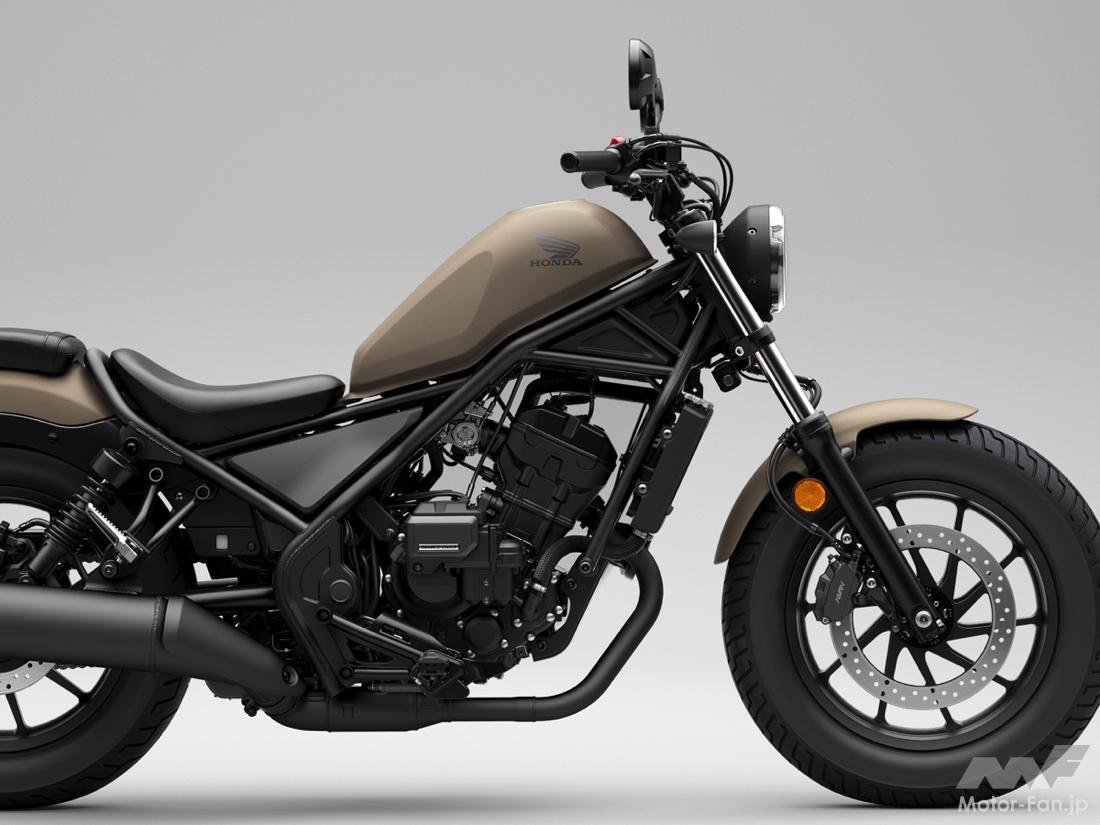
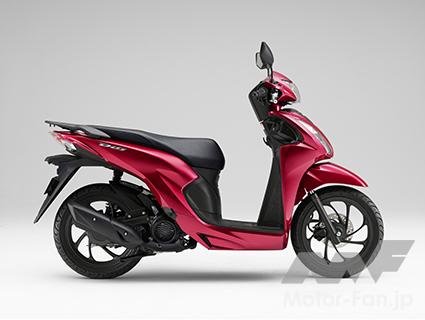
The models currently produced at the Manaus plant range from commuter and utility models such as the CG160, Biz125, and POP110i, to off-road models such as the NXR160 Bros, XRE190, and XRE300 Sahara, to scooters such as the Elite125, ADV160, and PCX160.
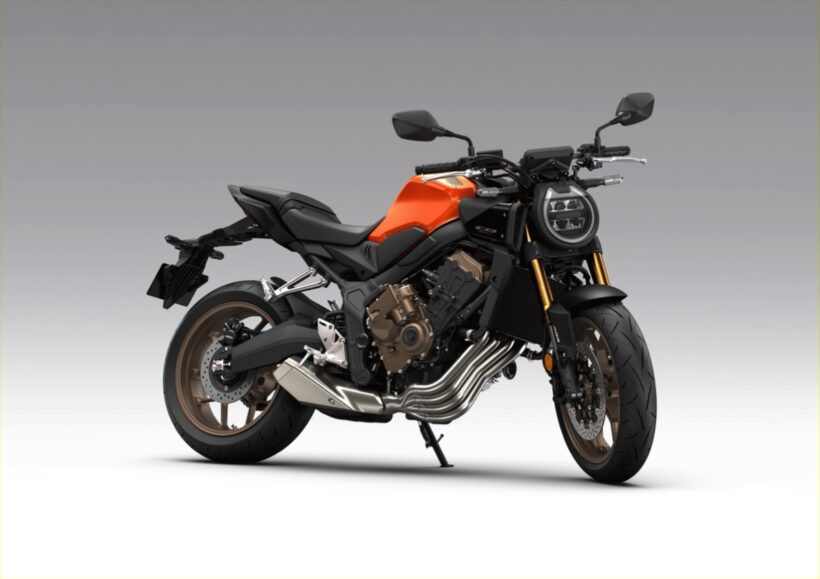
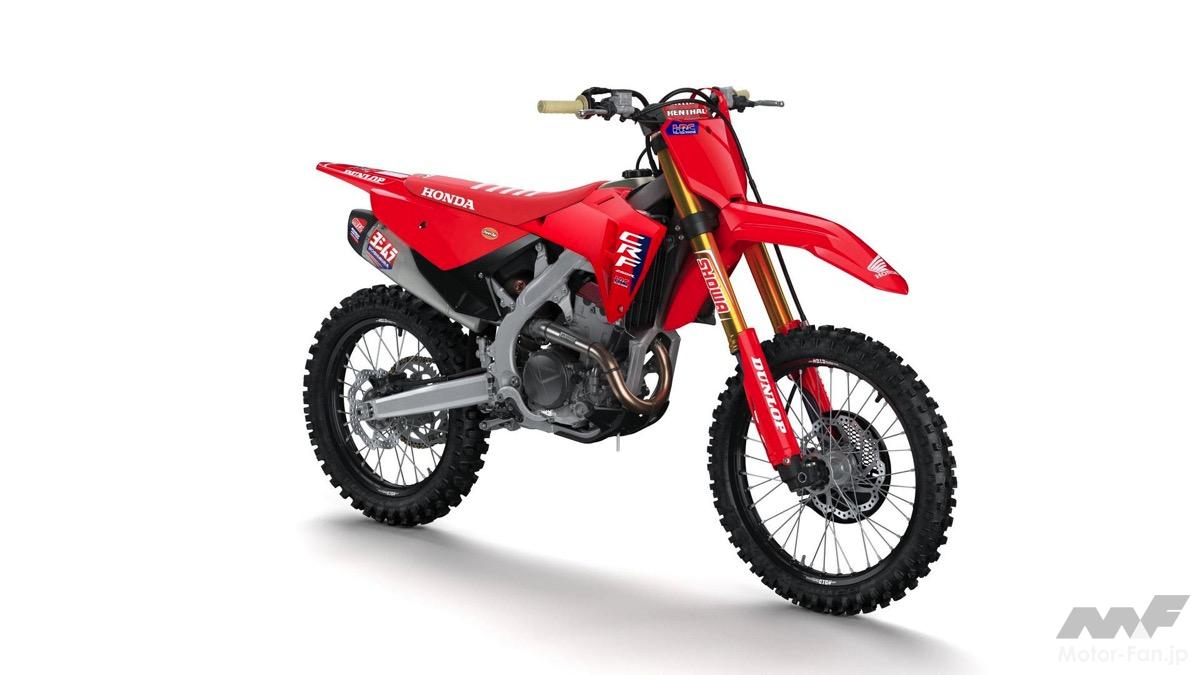
Furthermore, the company offers a wide range of models, from mid-class models such as the CB300F Twister, CRF300F, and XR300L Tornado, to medium and large models such as the Hornet500, NX500, CB650R, and NC750X, to flagship models such as the CRF1100, CB1000, and TRX420.
Unwavering belief in the Brazilian market
Commenting on the investment, HDA President Arata Ichinose said, “Honda believes in Brazil’s potential and continues to work toward the sustainable development of local communities. This new investment once again demonstrates Honda’s unwavering belief in Brazil, its business partners, and its domestic market.”
Ichise further emphasized the company’s ongoing commitment to the Brazilian market, saying, “We will always place our customers at the center of our business, and will continue to strive to further strengthen our business operations, with continued growth, job creation, and our top priority being to meet the needs and expectations of Brazilian consumers.”
Overview of Moto Honda da Amazonia Ltda
HDA was established in July 1975 and began production in November 1976. Its headquarters are in Manaus, Amazonas, and it is capitalized at 2.14 billion real, with Honda South America Ltda. holding a 100% stake.
The company’s business involves the manufacture and sale of motorcycles and power products, with a current production capacity of 1.4 million units, which is expected to expand to 1.6 million units after the investment is completed in 2026. The company currently employs approximately 9,000 people, and the new investment is expected to add approximately 350 employees.
Honda’s motorcycle business in Brazil aims to make further strides through this large-scale investment, clearly demonstrating its commitment to contributing to the development of local communities while responding to expanding market needs.