
Follow the old Koshu Kaido road and enjoy the Edo atmosphere as you head towards Saruhashi
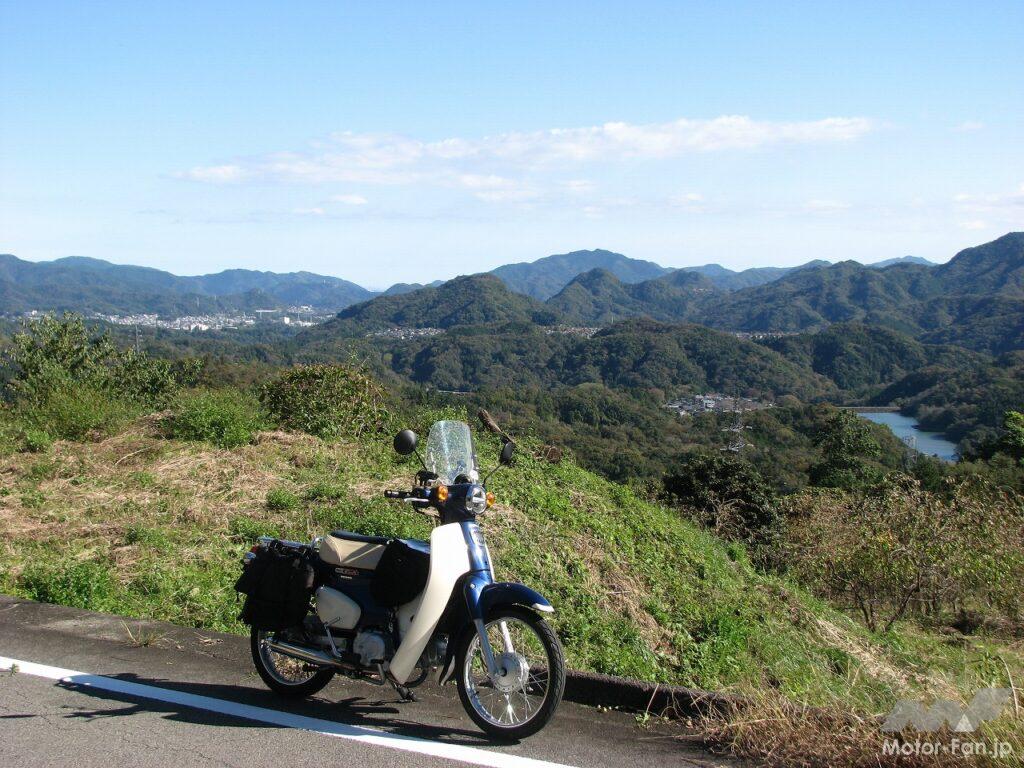
Like most people, I don't like riding on crowded national highways. Especially on main roads, visibility is poor due to the large trucks, and there are safety concerns. That's why I often ride back roads like prefectural, municipal, and farm roads when touring. While it often involves a detour, a leisurely ride on a Super Cub with minimal traffic offers plenty of scenic views. So, this time, I decided to head to Saruhashi in Otsuki City, connecting the back roads of the old Koshu Kaido. The
Chuo Expressway and National Route 20 run from Tokyo to Yamanashi, and these two roads are the main routes to Saruhashi. I'll be excluding the Chuo Expressway, though, because my Super Cub 110 is a Class 2 moped, which is not permitted on expressways. So, while I'm heading for Route 20, I want to avoid national highways as much as possible, so I'll follow the intermittent stretches of the old Koshu Kaido.
From Takao to Lake Sagami, we will take National Route 20 and cross Otarumi Pass. Kobotoke Pass on the old Koshu Kaido is a hiking trail and motorcycles are not allowed. Therefore, we will continue on the old Koshu Kaido from beyond Otarumi Pass. Naturally, there are post towns on the old road, but from Kobotoke Pass onwards there are 10 post towns: Obara-juku, Yose-juku, Yoshino-juku, Sekino-juku, Uenohara-juku, Tsurukawa-juku, Nodajiri-juku, Inume-juku, Torisawa-juku and Saruhashi-juku. Since we are here, we will visit all of these post towns on our journey.
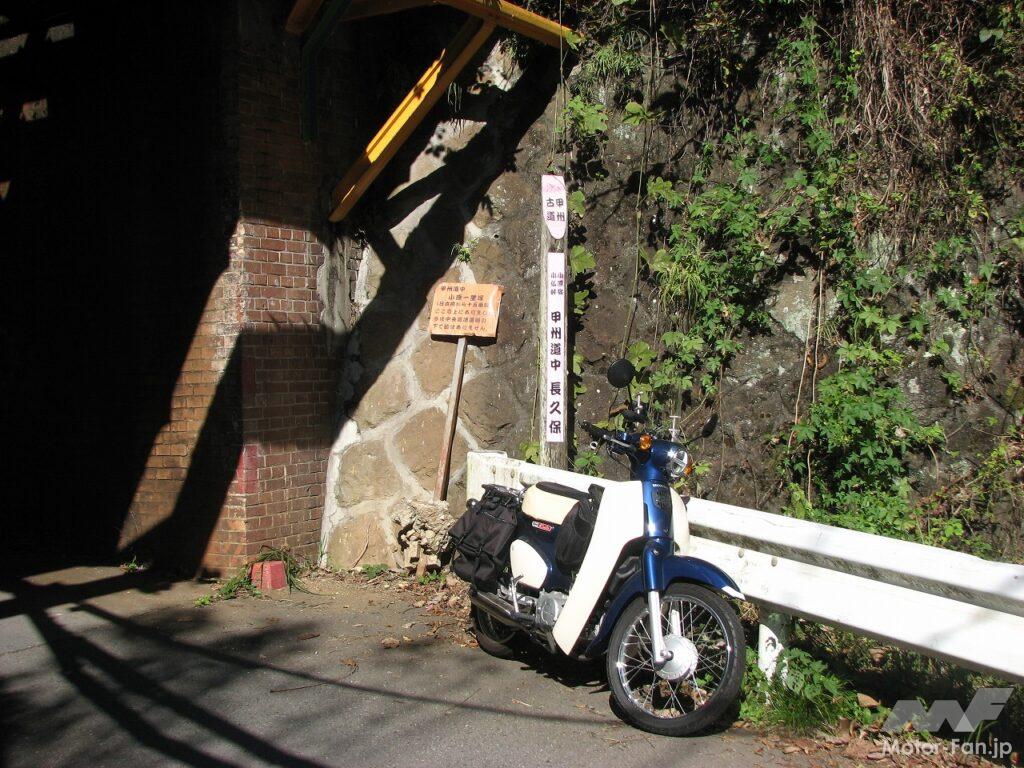
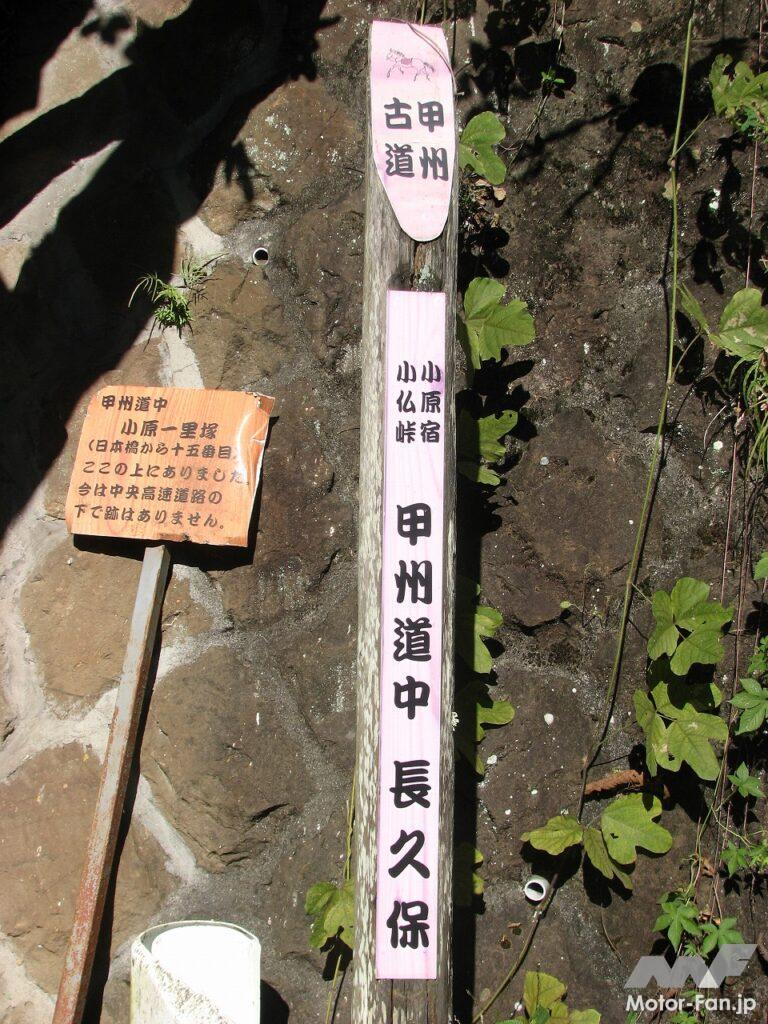
A guidepost on the old Koshu Kaido road between Kobotoke Pass and Kohara-juku
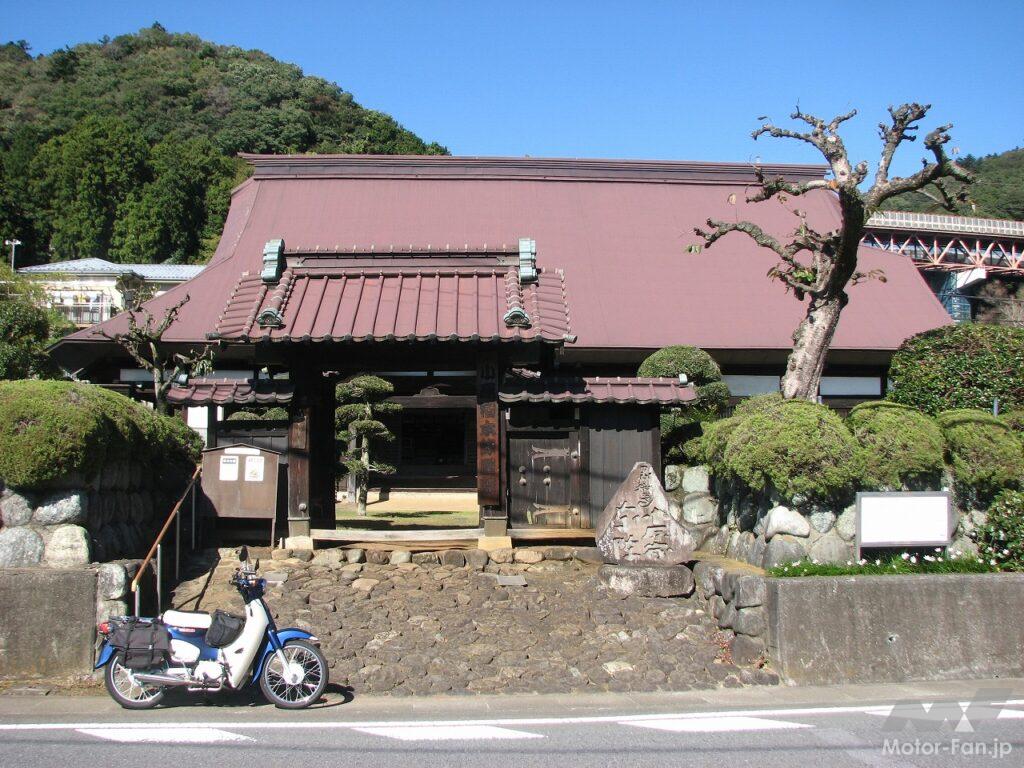
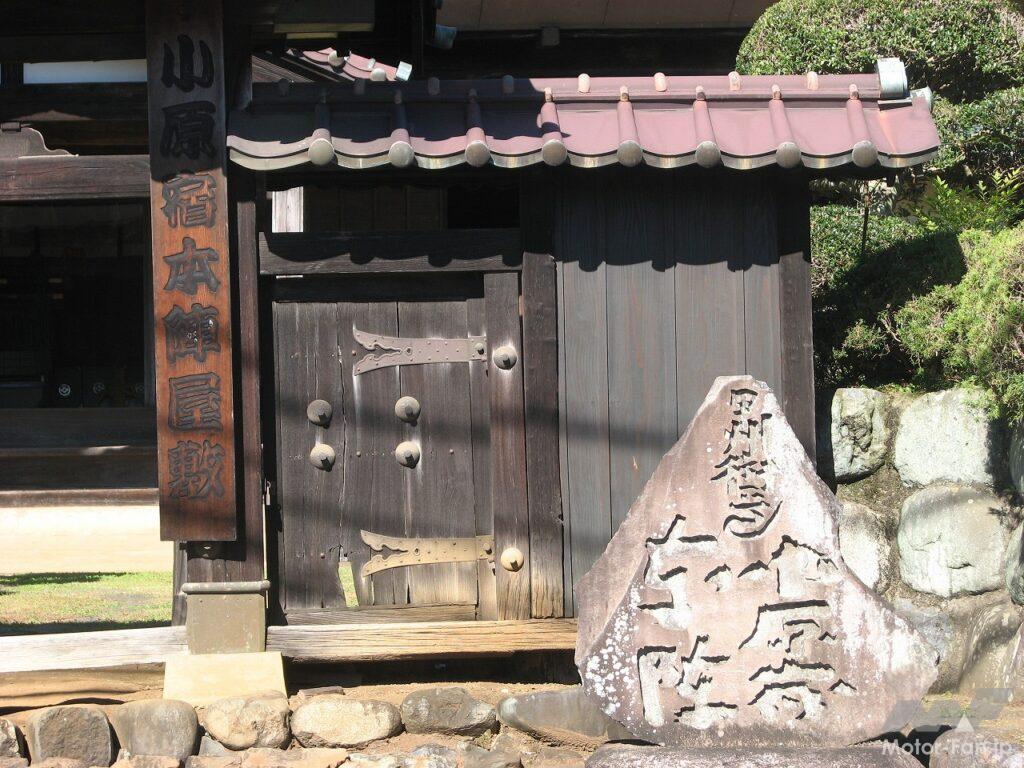
Obarajuku Honjin is a prefectural important cultural property
You can tour the inside of the main building
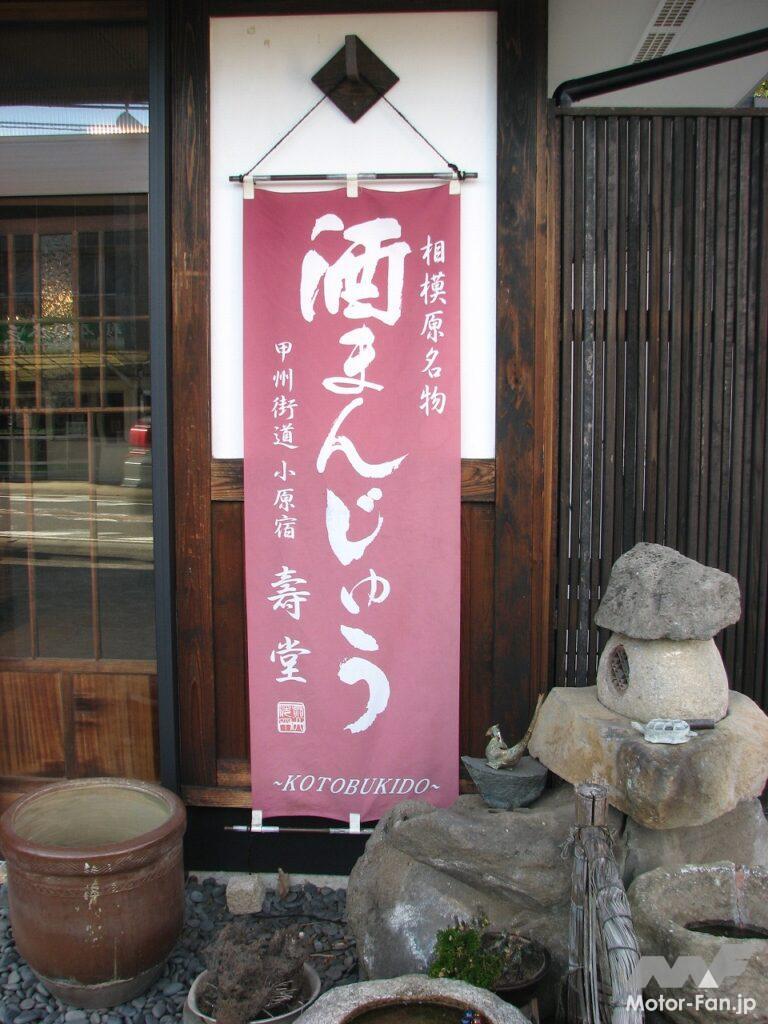
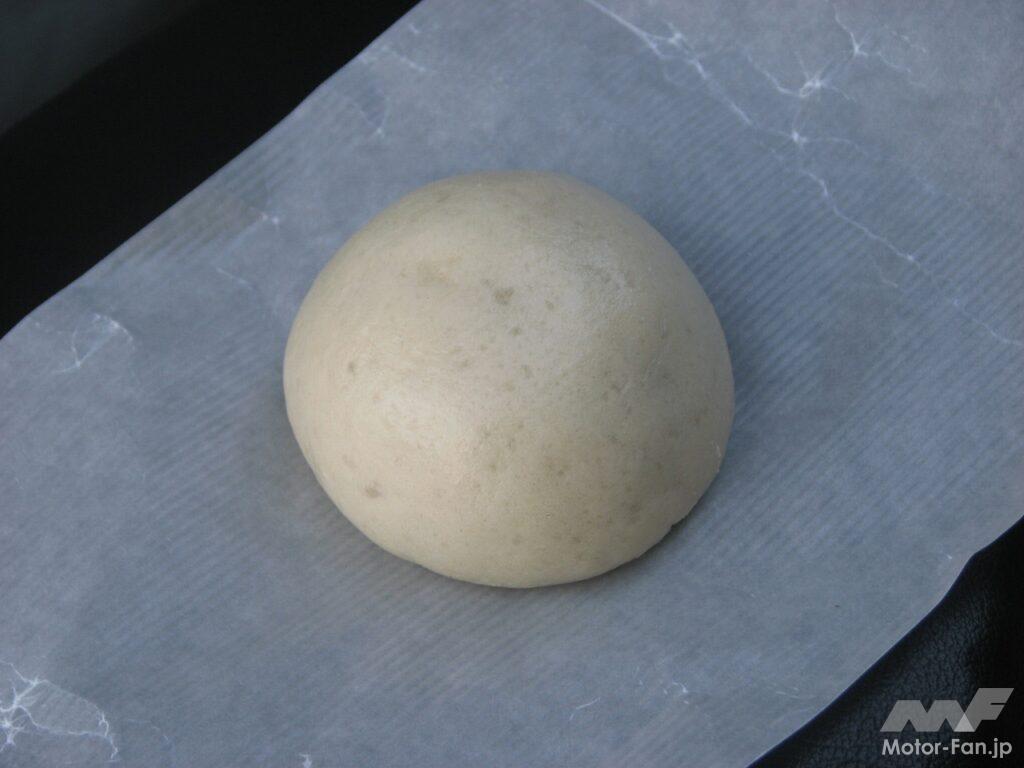
A specialty of Obara-juku(?) – Sake Manju from Kotobukido
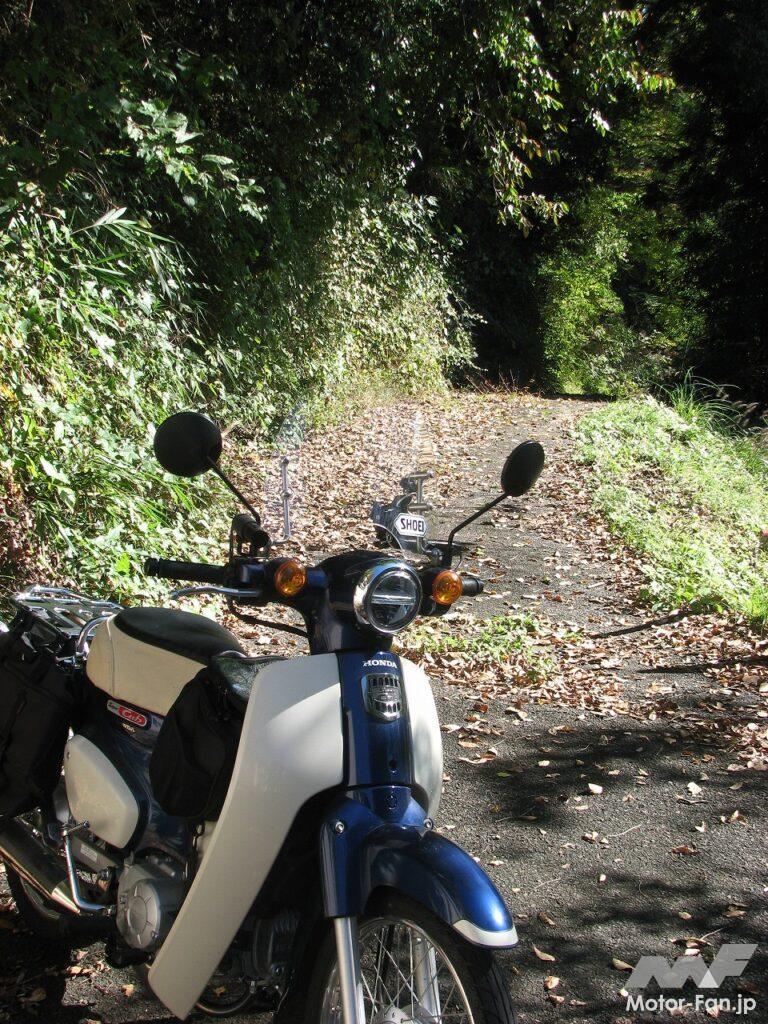
At the end of the narrow road is Yose Milestone

Remains of the notice board in Yoshino-juku
Before entering Obara-juku, I headed toward Kobotoke Pass. There were Koshu Kodo signboards scattered throughout, as well as a stone monument of Bato Kannon. A short distance from National Route 20, I found the main inn of Obara-juku on my right. This building, designated an Important Cultural Property by the prefecture, is open to the public for tours. One thing that caught my eye here in Obara-juku was a banner advertising sake manju (sake buns). They're a local specialty made by a Japanese confectionery shop called Kotobukido, and somehow they seemed to fit the atmosphere of the post town perfectly, so I bought one for a snack. It cost 160 yen.

Just before the Sagamiko Interchange, I left Route 20 and took a side road. Uphill, among the scattered houses, is Yose-juku. There are supposedly remains of a milepost, but I couldn't find it. I continued along the old Koshu Kaido, and just before exiting National Route 20, I found a wooden pillar from Yoshino-juku's notice board. There are also remains of the main inn along the national highway.

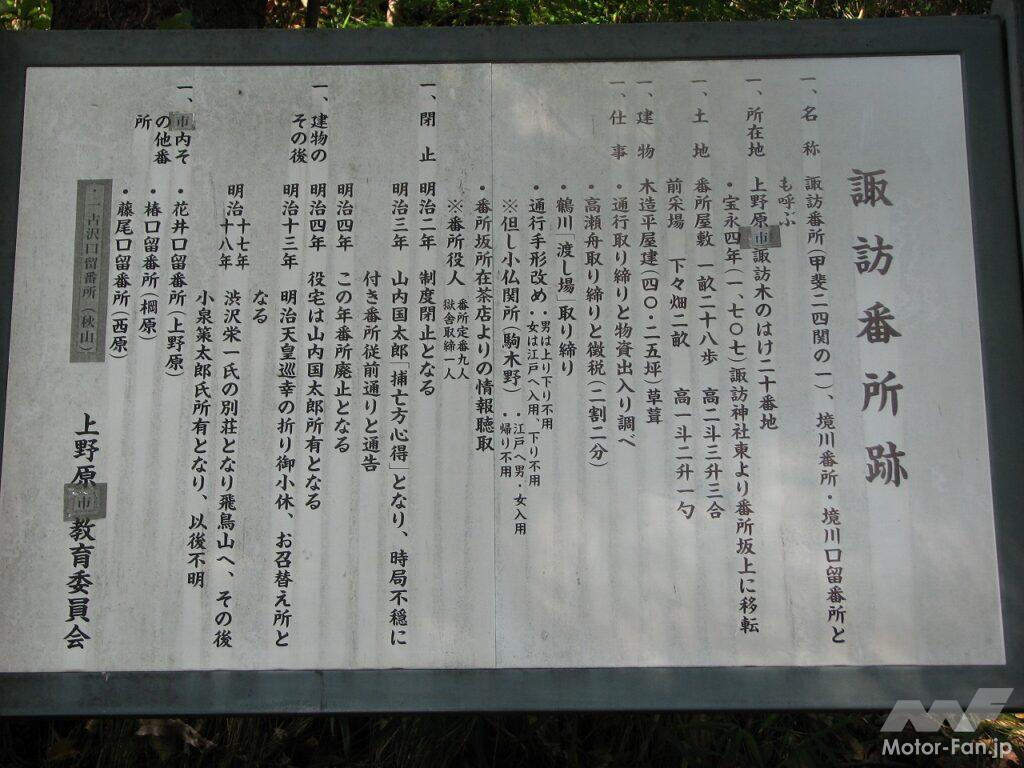
Suwa Barrier, located between Sekinojuku and Uenoharajuku. There is a stone monument there now.
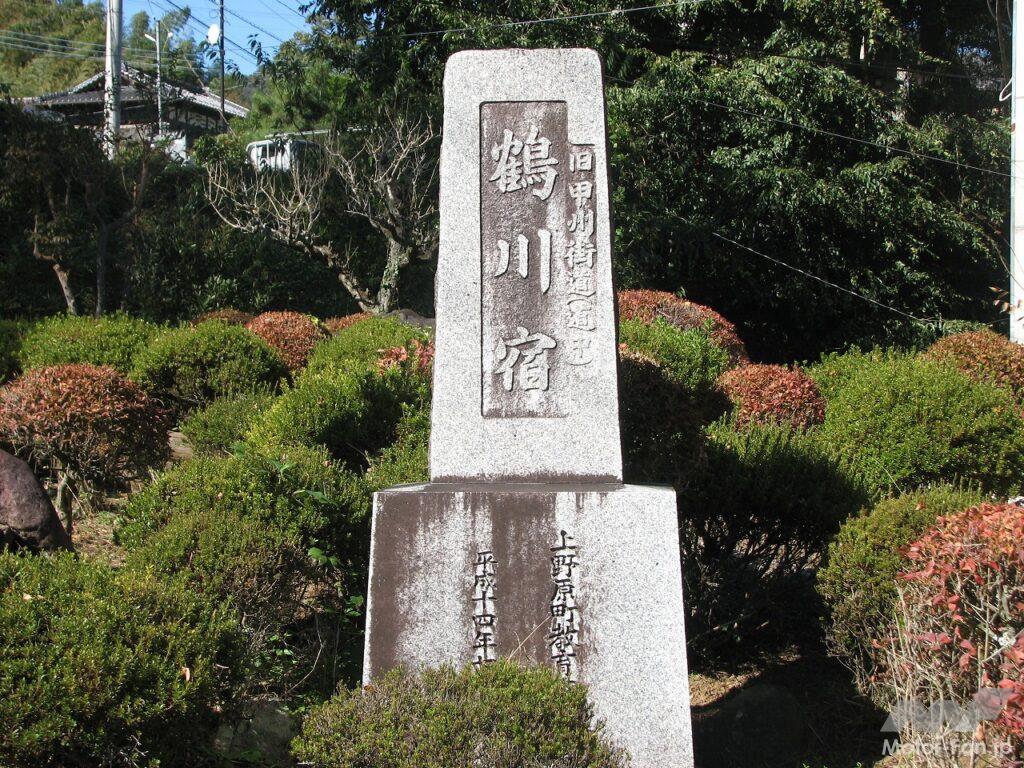
The first post town you come across after entering Prefectural Route 30 is Tsurukawa-juku.
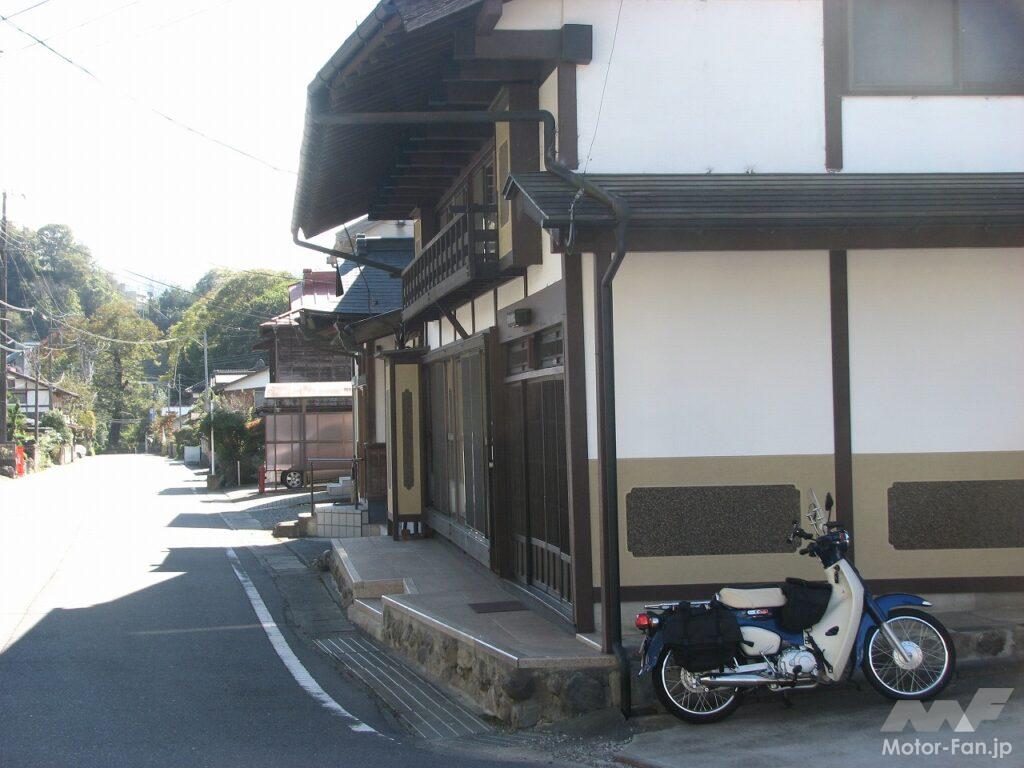
The Edo atmosphere still remains in one corner of the village
I continued on National Route 20 until my next stop, Sekino-juku. Apparently, there's a roadside sign for the former headquarters after Fujino, but I missed it. Here, I left the national highway again and headed down toward the Sakai River. I crossed the small Sakaisawa Bridge, which was the border between Sagami Province (Kanagawa Prefecture) and Kai Province (Yamanashi Prefecture), and joined Prefectural Route 520. Turning right, I passed a hairpin bend and came across a stone monument marking the former Suwa Barrier. While it's true that a barricade would exist at the border, it was a refreshing first sight.

I passed Uenohara-juku. I left the city on National Route 20, passed the city hall, and joined Prefectural Route 30. This prefectural route roughly parallels the old Koshu Kaido, and is a road I personally enjoy and often travel. Along the way, there are three post towns—Tsurukawa-juku, Nodajiri-juku, and Inume-juku—that offer a glimpse into the atmosphere of the Edo period. There are signs for the "Old Koshu Kaido" everywhere, and with unpaved areas and remaining cobblestone roads, it's a route that history buffs will love. Well, I'm not a history buff so I'm not too keen on it, but the lack of traffic and the charm of the road make it much more enjoyable than driving on the national highway.
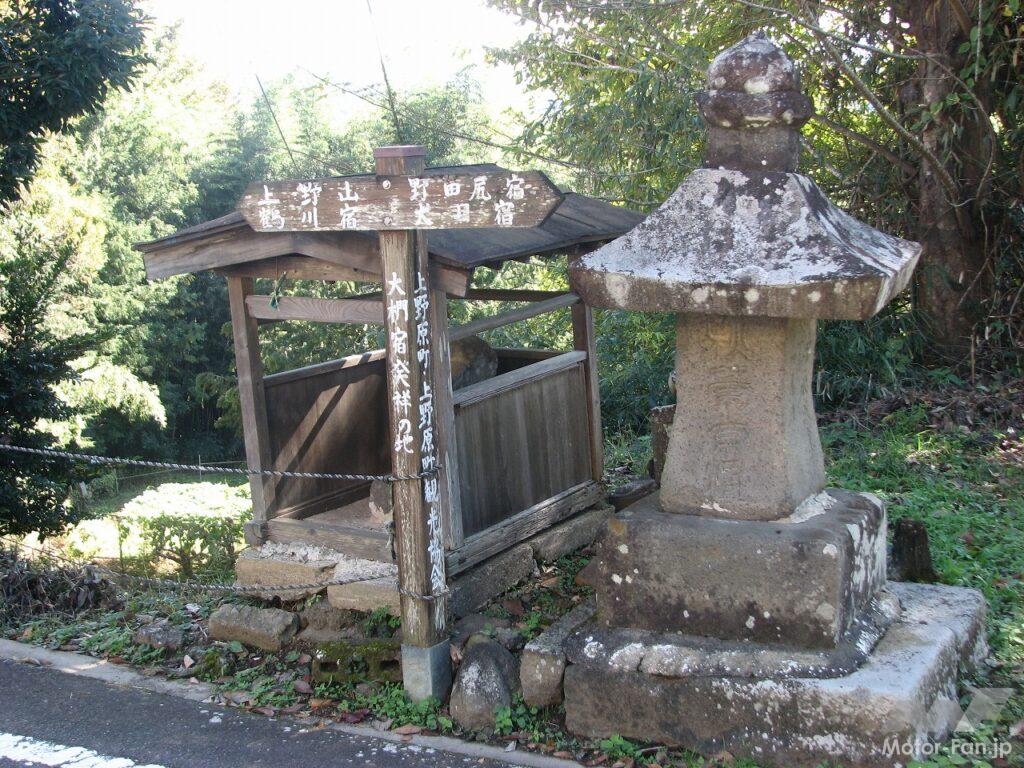
Between Tsurukawa-juku and Nodajiri-juku there is a monument marking the birthplace of Oguno-juku.
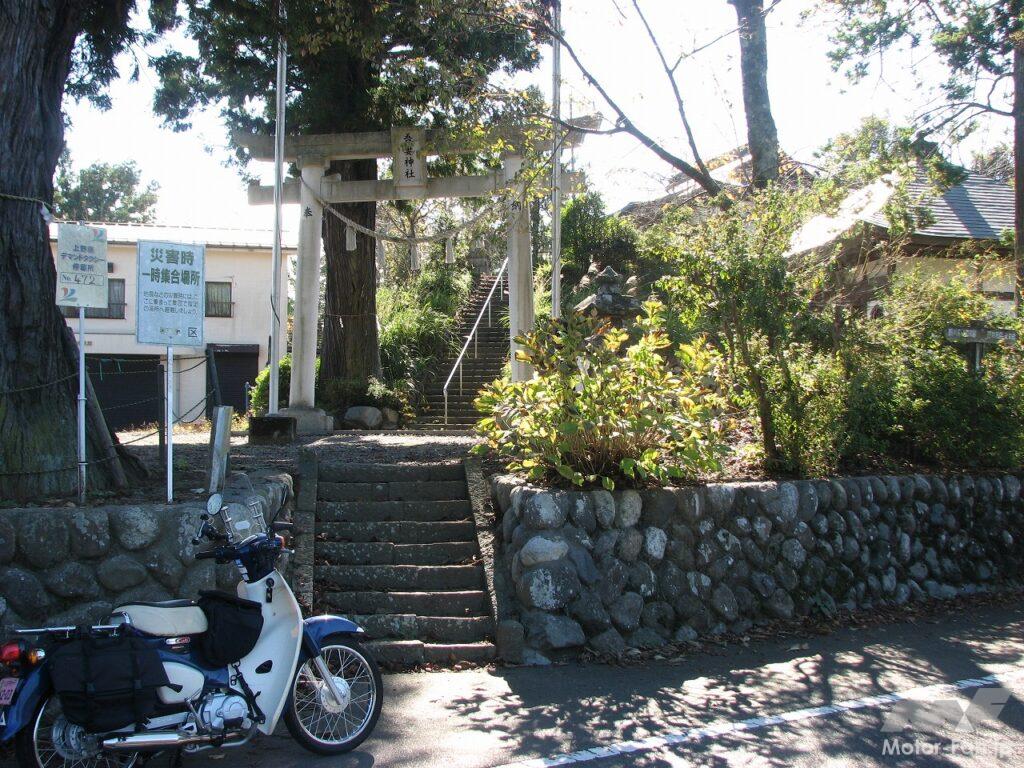
Azuma Shrine in Oguno

Nodajiri-juku, showing its traditional appearance
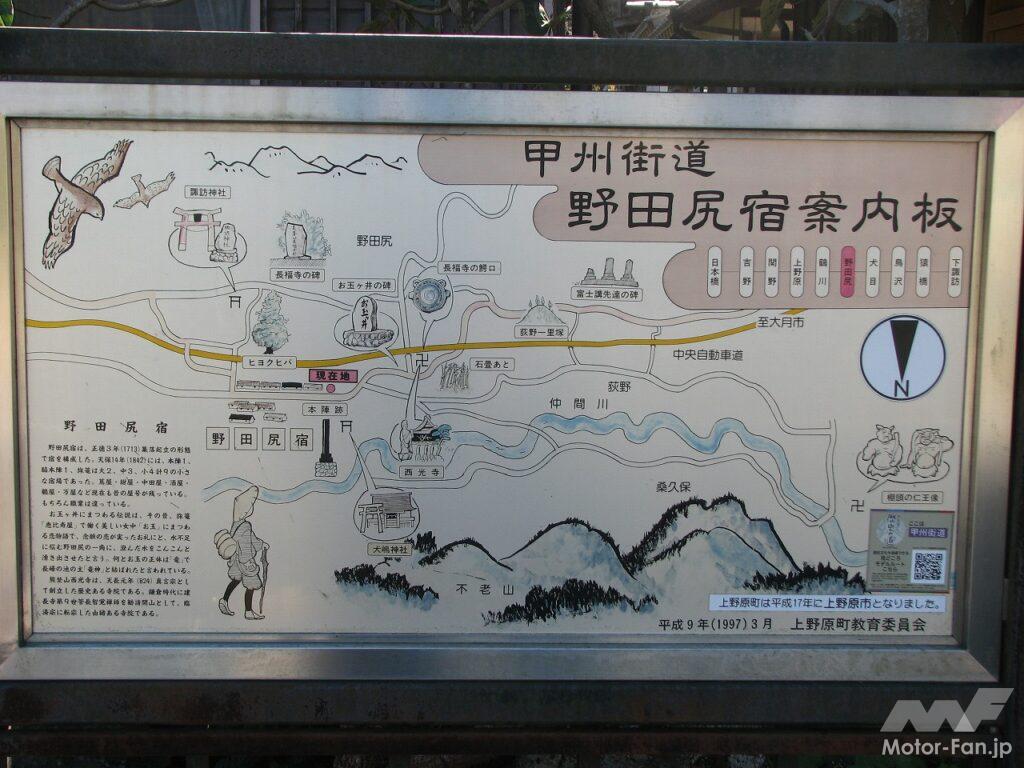
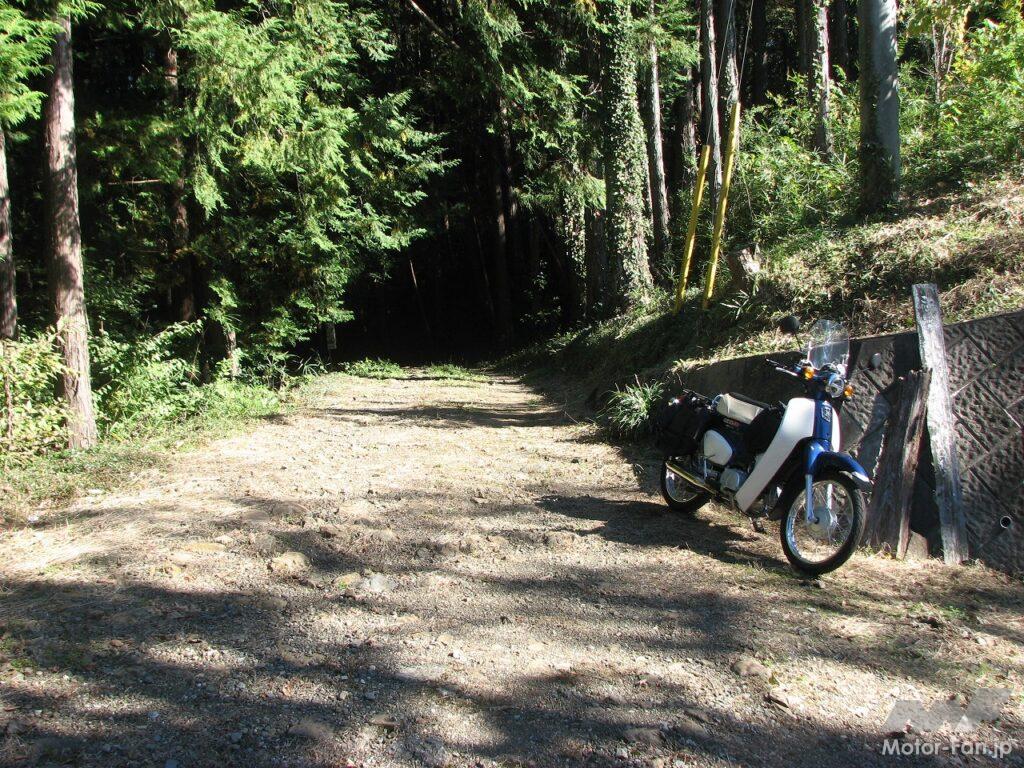
When following the old Koshu Kaido, you will occasionally come across unpaved roads.
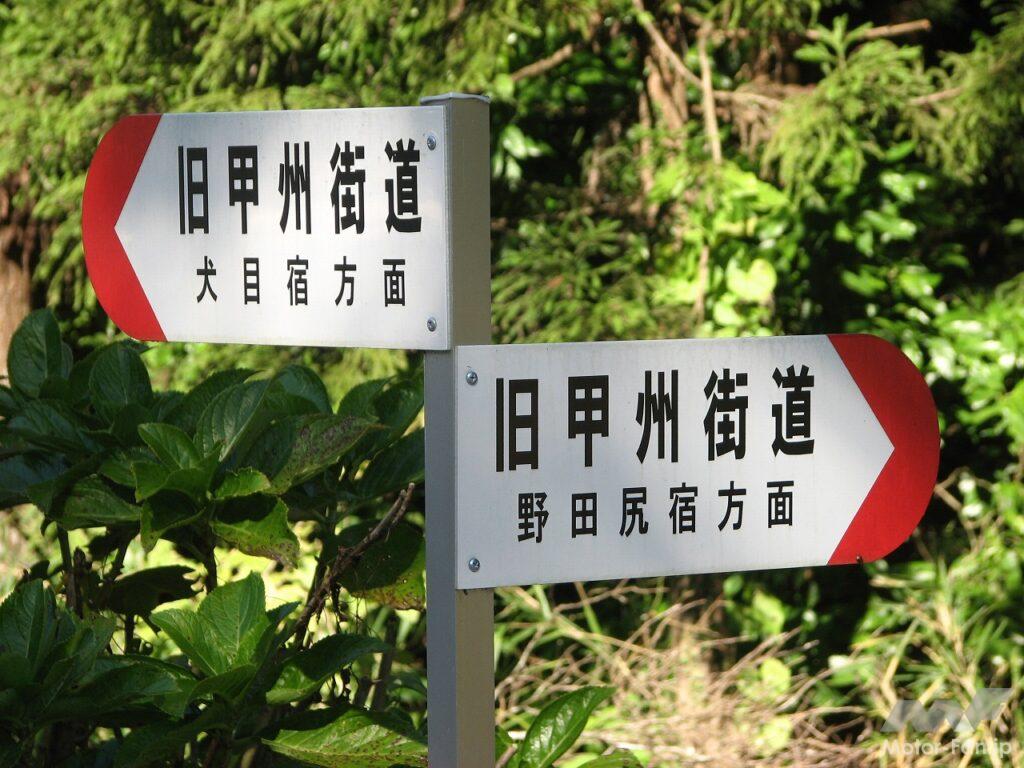
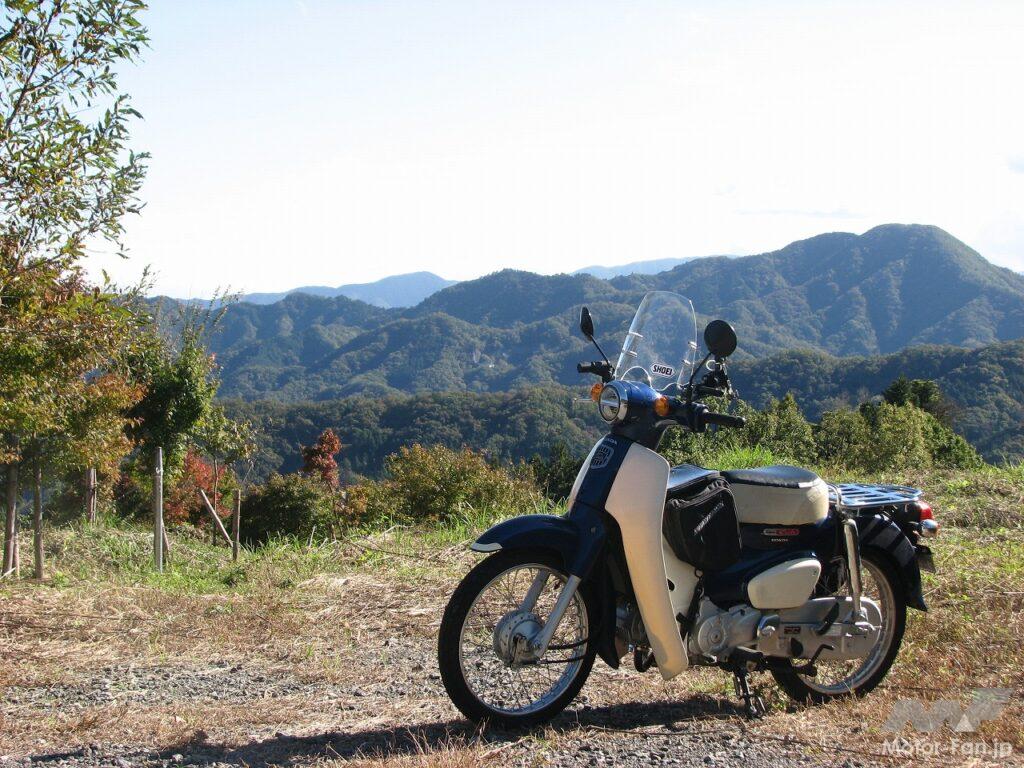
View of Mt. Fuji from near Inume Pass
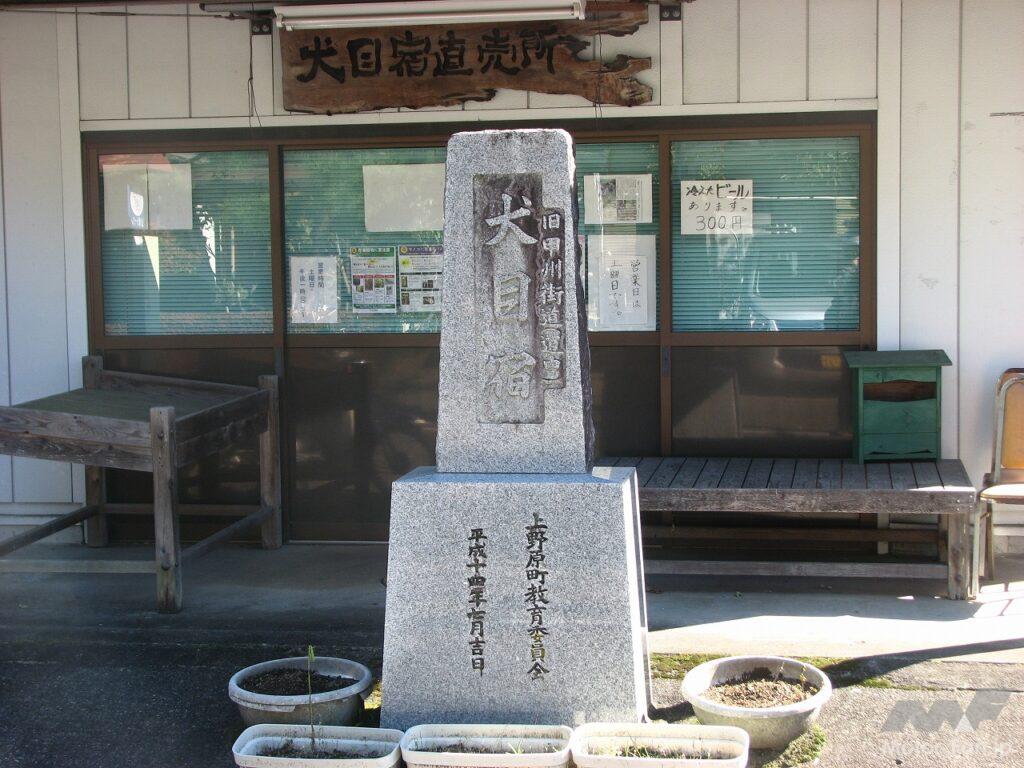
Inumejuku
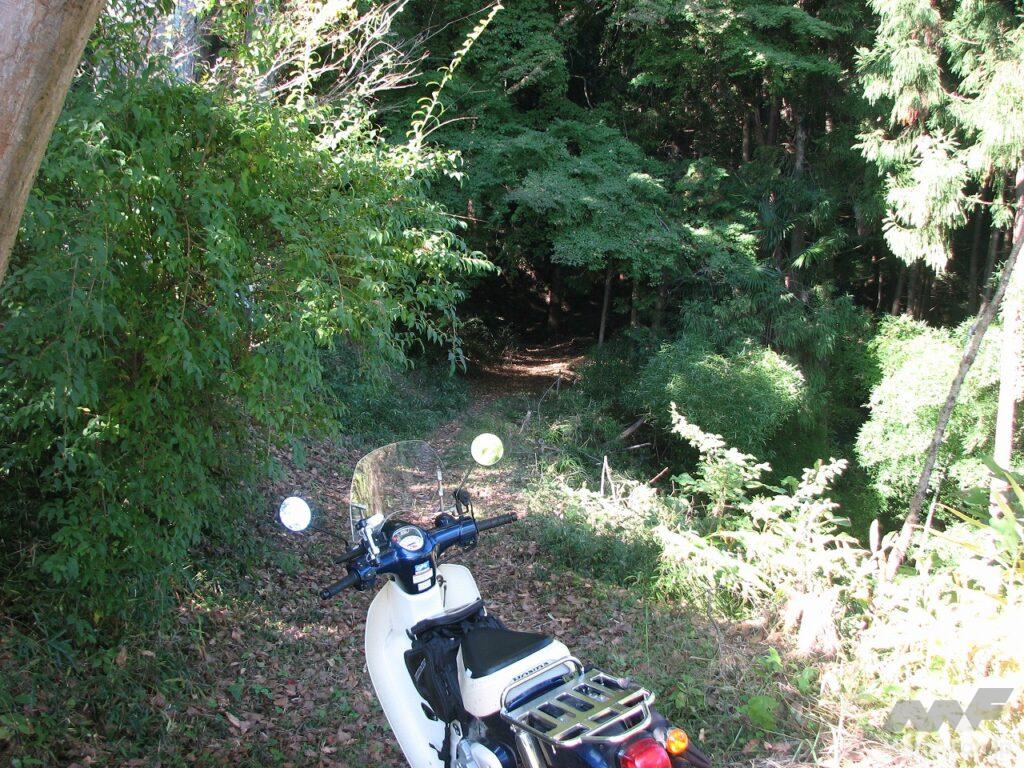
As you pass through the village of Inumejuku, the old Koshu Kaido continues as a mountain path.
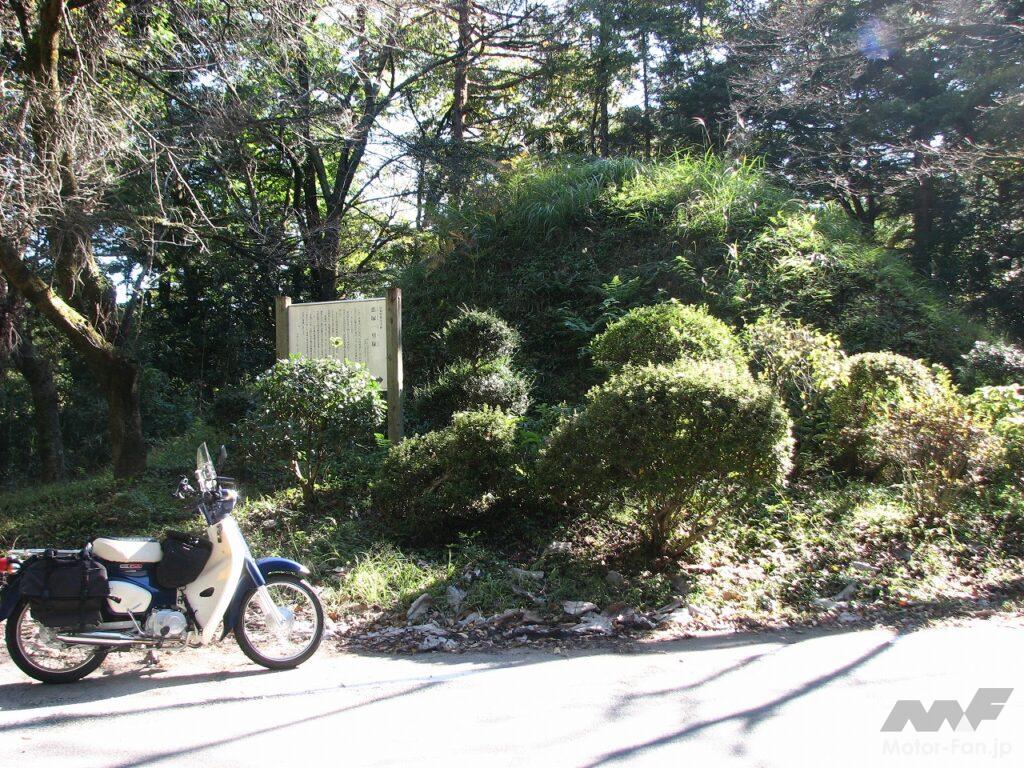
Between Inume-juku and Torisawa-juku there is the Koizuka Milestone.
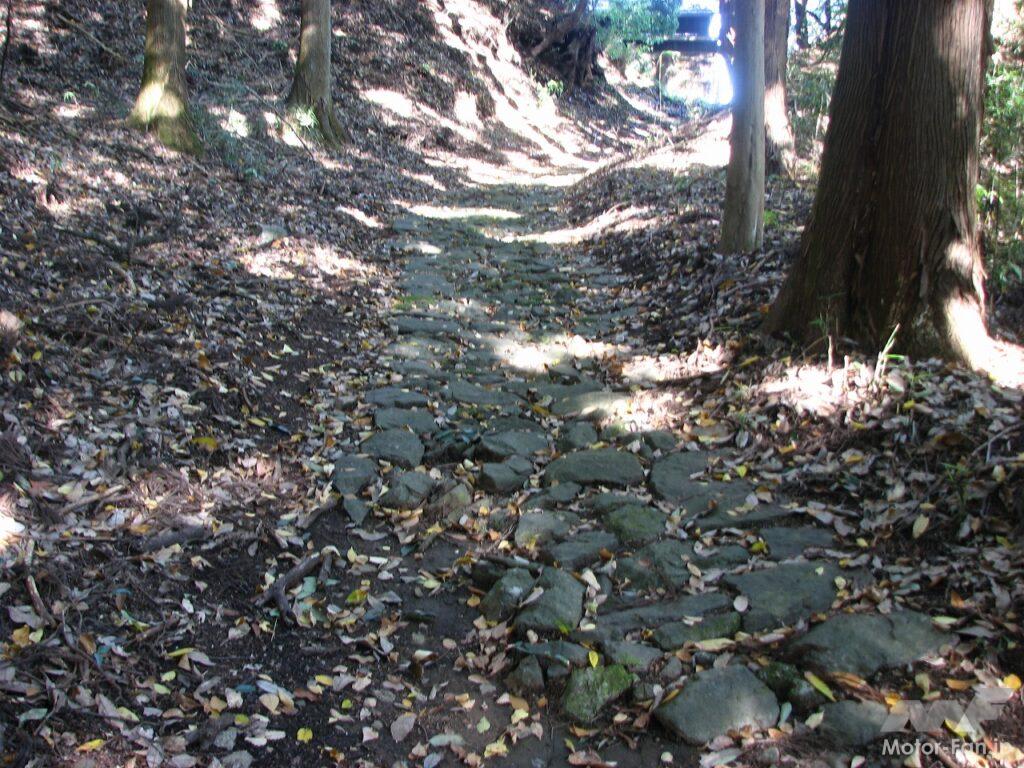
Cobblestone streets that retain the atmosphere of the past
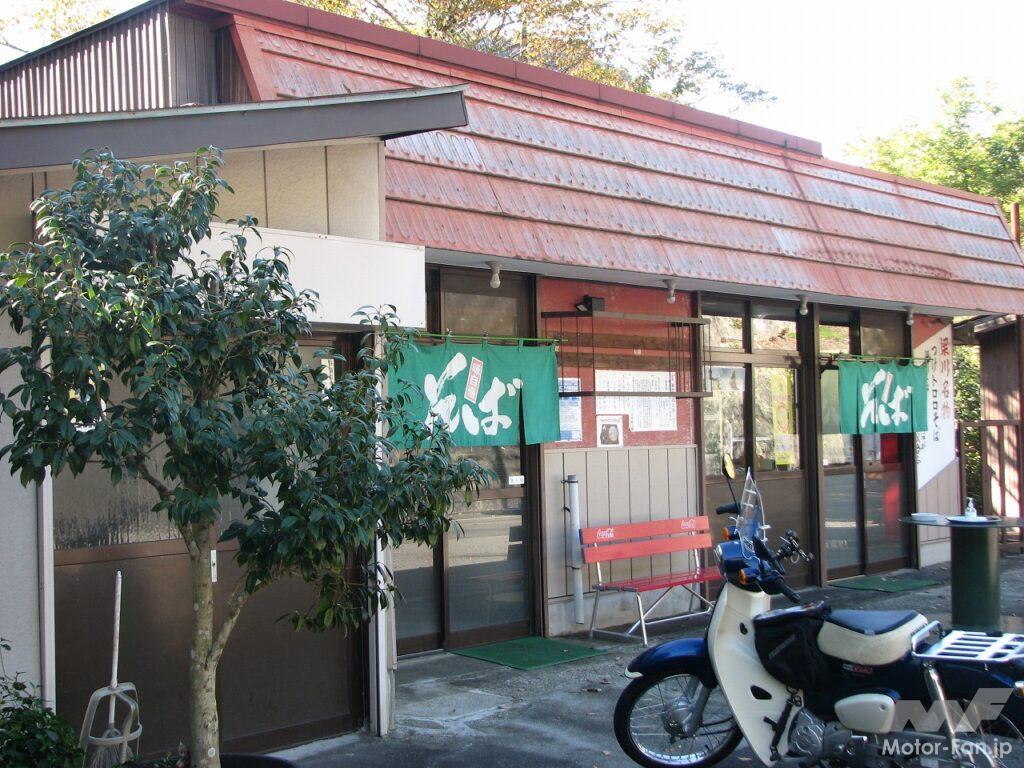
“Tateruya” near Yanagawa Station
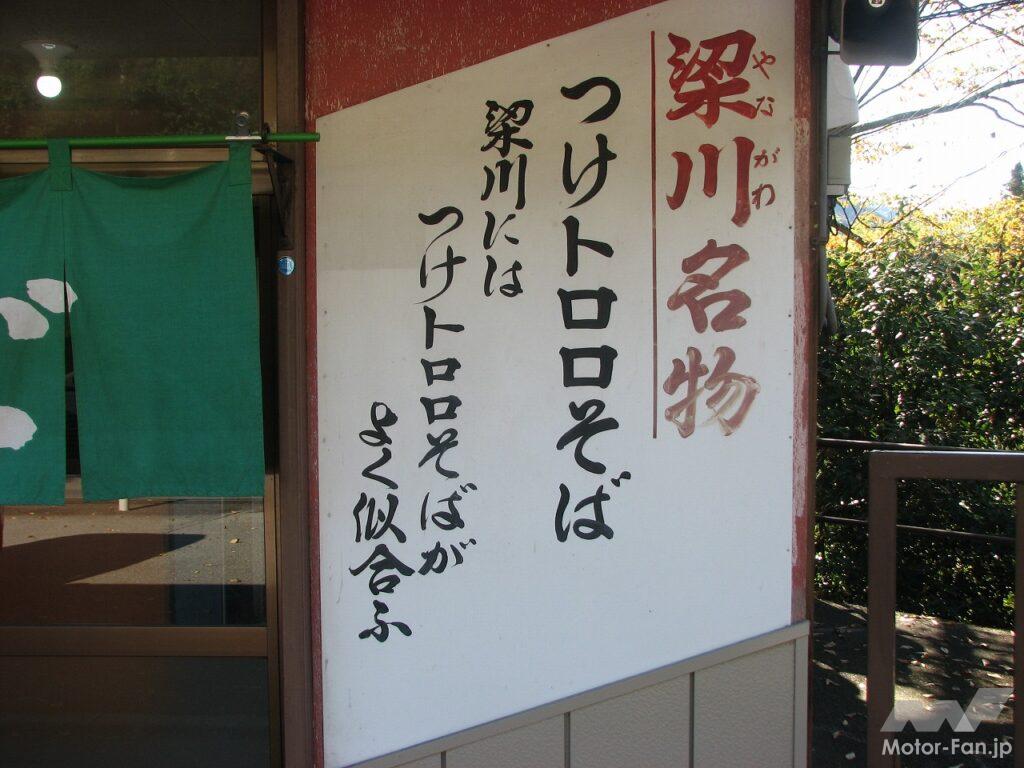
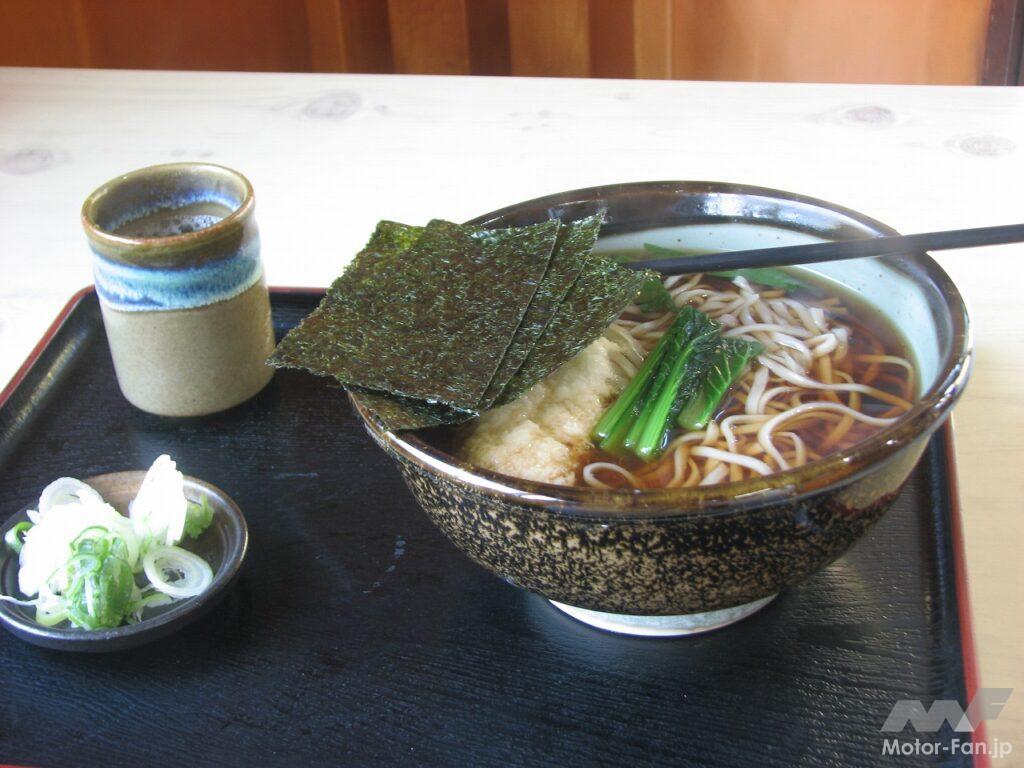
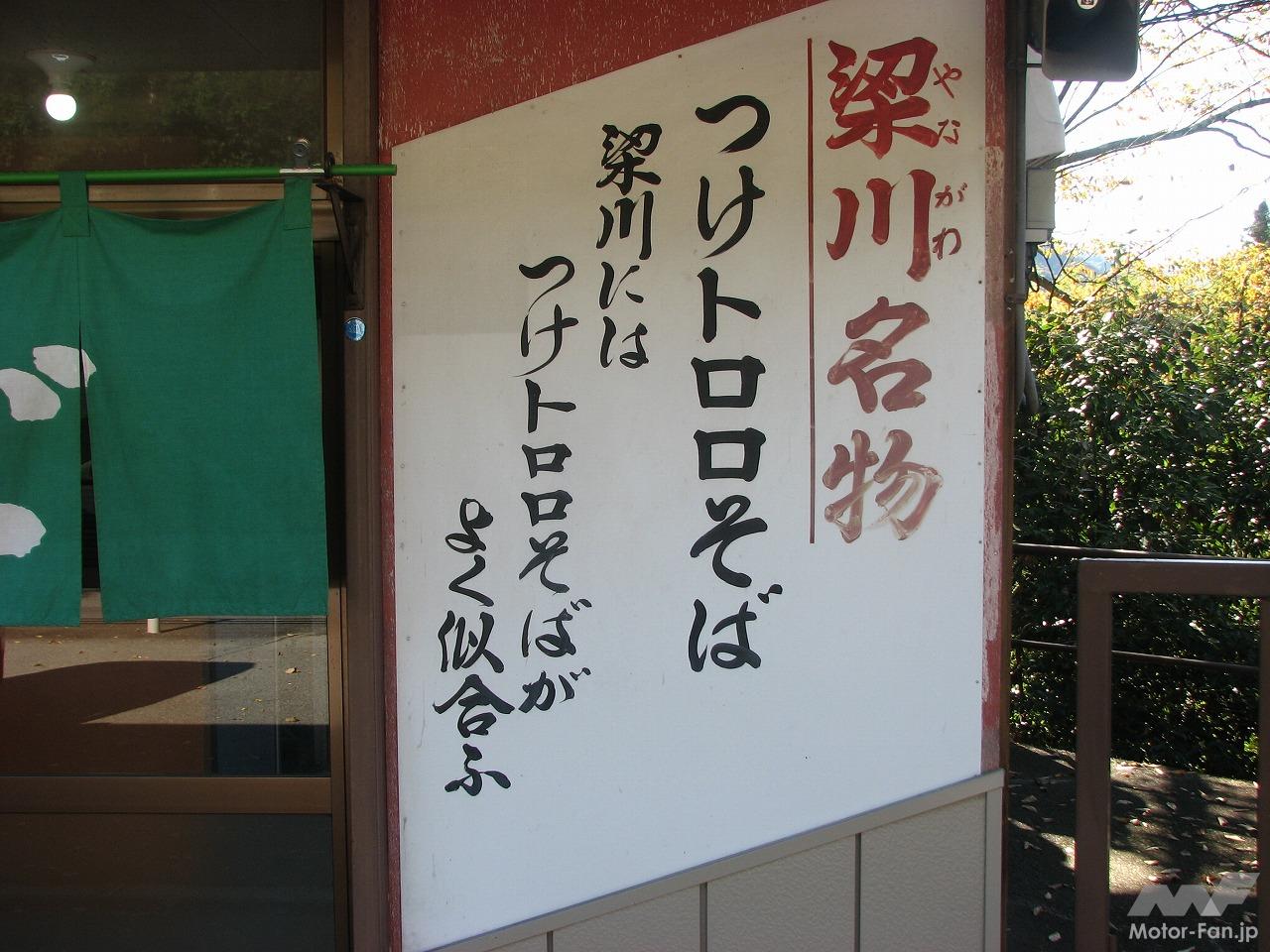
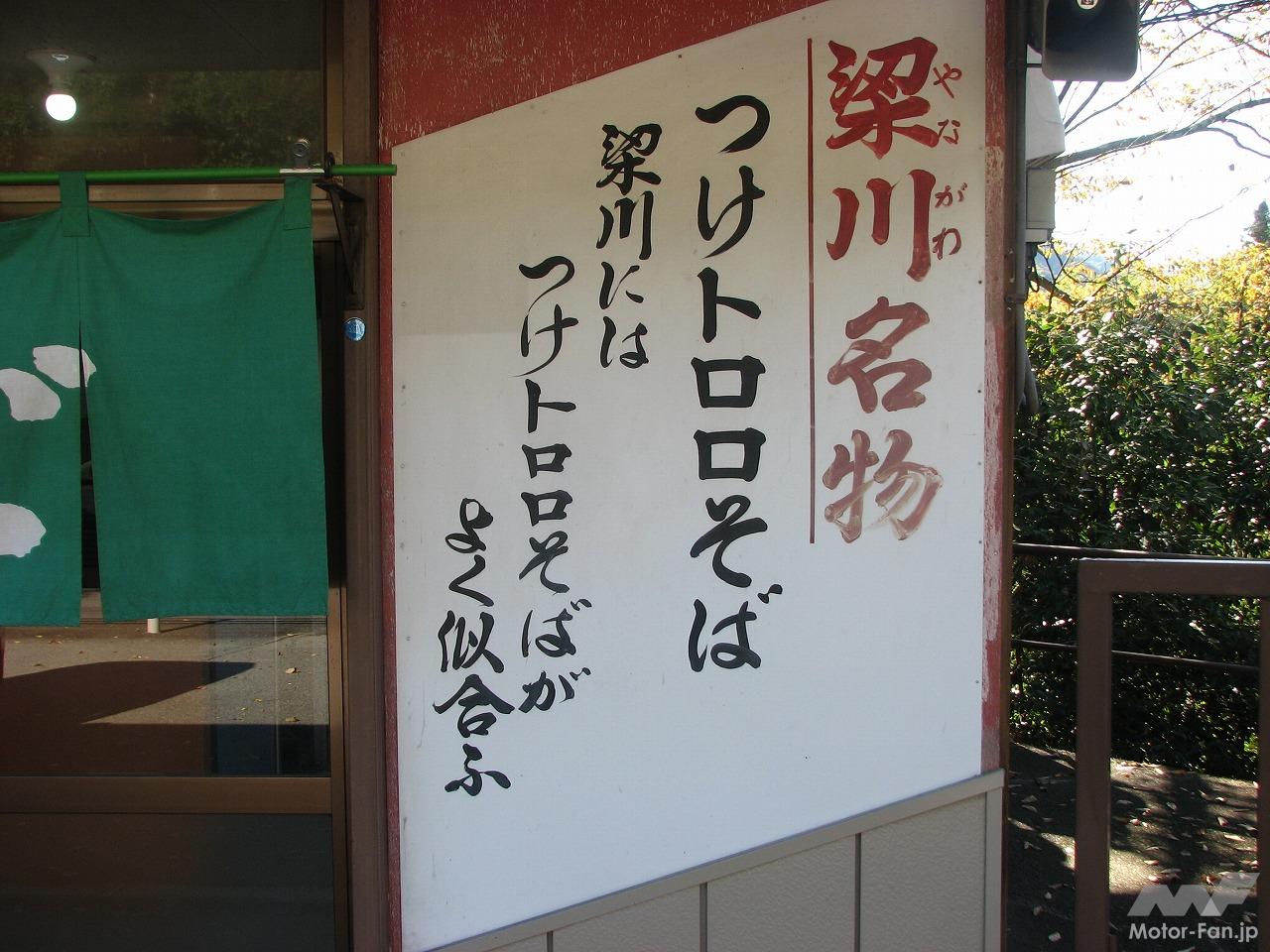
Tororo soba, a Yanagawa specialty
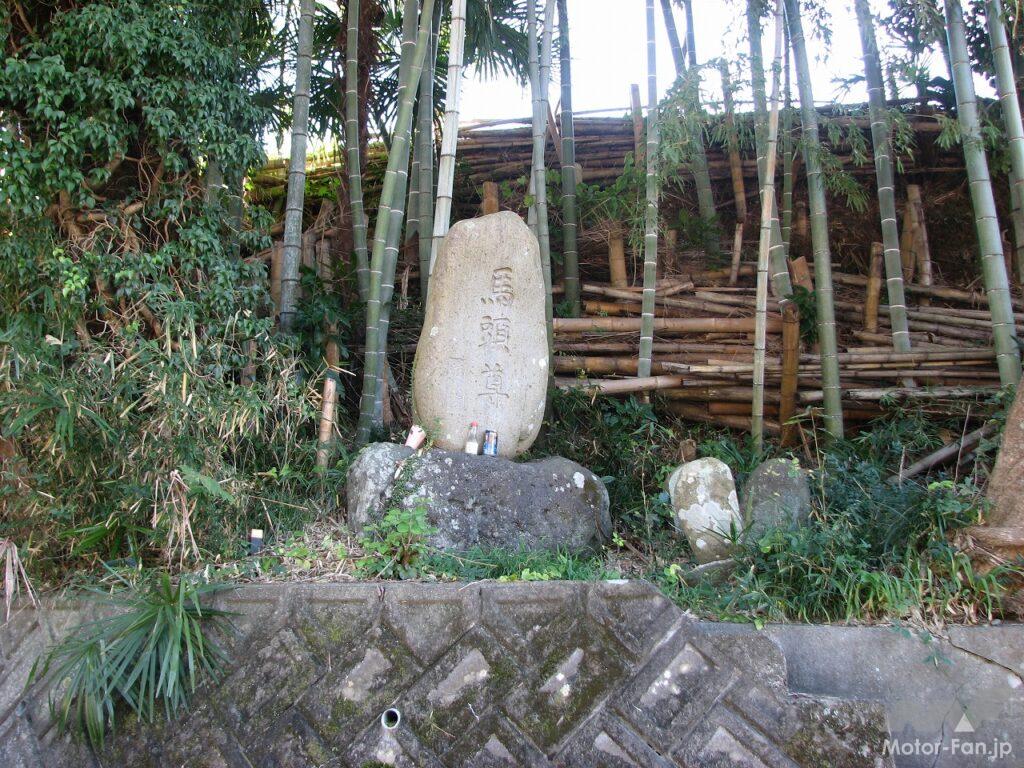
A stone monument of Batoson on the outskirts of Torisawa-juku
After passing Inumejuku and coming out onto National Route 20, I headed back towards Yanagawa. Along the national highway, I came across a restaurant with a flag and the famous Yanagawa Tsuke Tororo Soba, so I decided to have some soba. It was already past lunchtime, so I was the only customer. I enjoyed the famous Tororo Soba in a restaurant with Showa era pop music playing. The price was 850 yen.
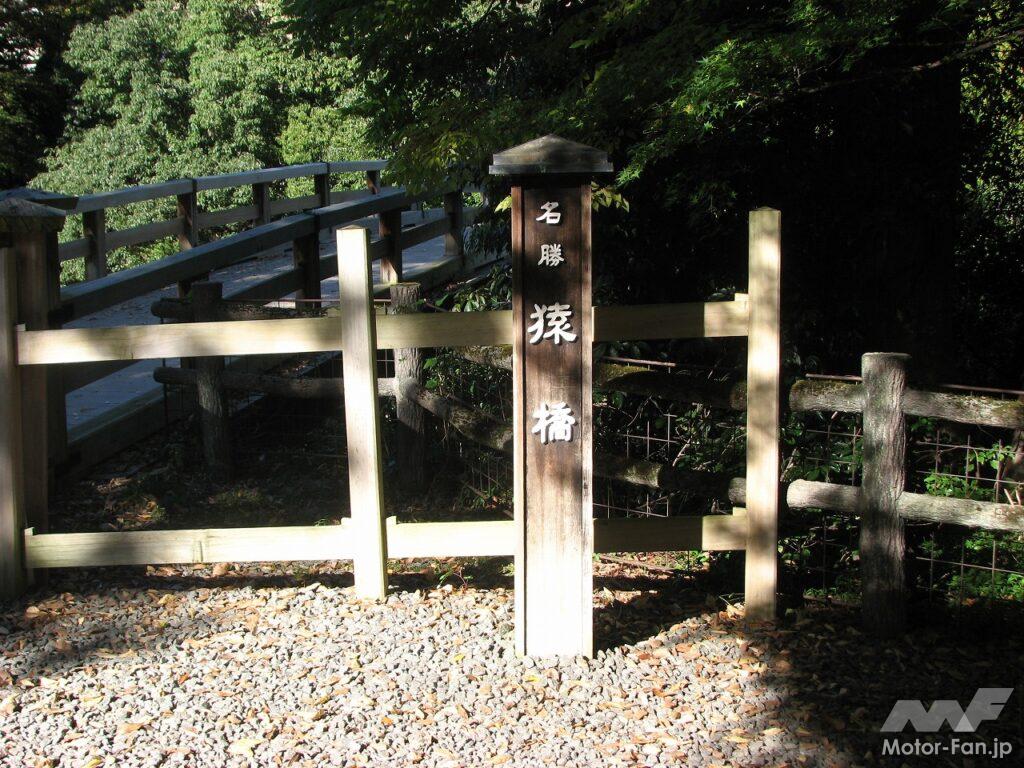
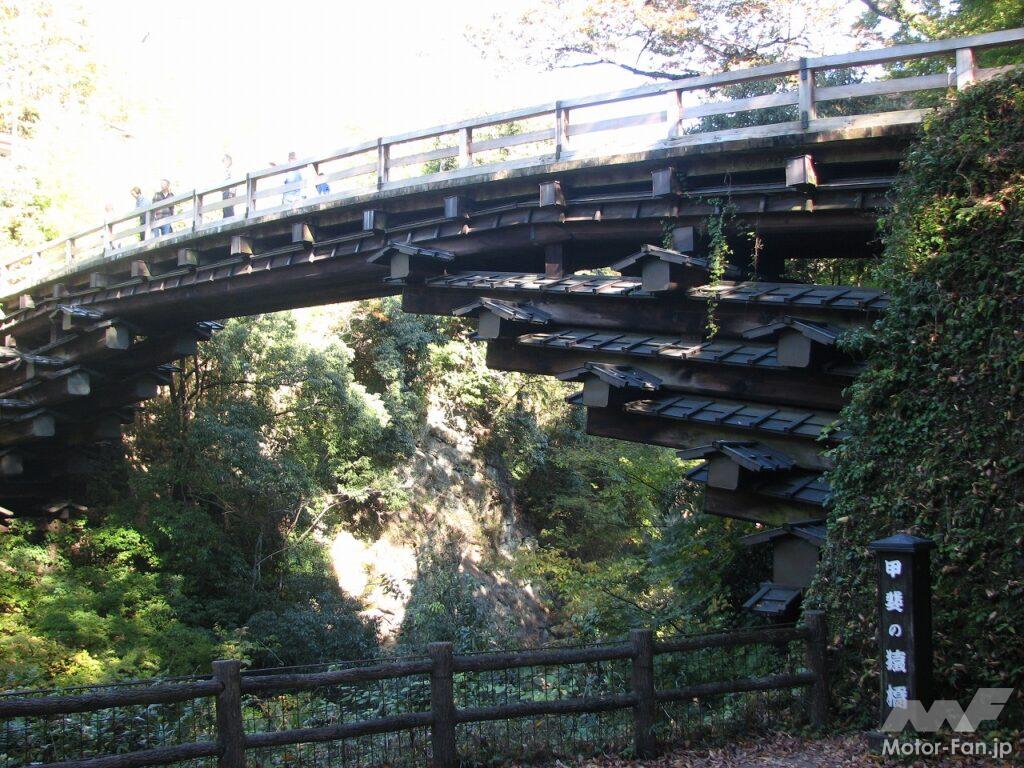
Kai no Saruhashi Bridge, one of Japan’s three most unusual bridges, is a wooden bridge with a unique structure supported by four layers of onions extending from both banks.
With our stomachs full, we continued on National Route 20 to Torisawa-juku. The inn's streetscape stretched along the highway, with quaint buildings lined up along the eaves. We admired the atmosphere of this post town as we drove, arriving at Saruhashi Bridge in Kai. Saruhashi Bridge is considered one of Japan's Three Unusual Bridges, along with Kintai Bridge in Boshu and Iwakuni, and Aimoto Bridge in Etchu and Kurobe. However, since Aimoto Bridge no longer exists, it seems the group also includes Shinkyo Bridge in Nikko and Kazurabashi Bridge in Iya. However, because the bridges are structurally different, I think Kintai Bridge and Saruhashi Bridge alone are sufficient. Japanese people seem to be obsessed with the number three. Saruhashi Bridge, which spans the Katsura River valley, has no piers; instead, it is supported by four layers of supporting beams called "hanegiso" (handle beams) that jut out from both sides of the cliffs. It's a type of bridge called a "hanegiso" (handle bridge), and I think it's quite a spectacular structure.

I followed the old Koshu Kaido road all the way to Saruhashi, but some of you may have thought it was strange that the inns continued through Inume, Torisawa, and Saruhashi. Yes, when you think of dogs, birds, and monkeys, you think of Momotaro. Everyone knows the old tale of Momotaro's ogre-slaying, but it's set in Kibi Province, Okayama Prefecture. However, it seems there's also a Momotaro legend here in Yamanashi. Well, Yamanashi is also a peach-producing region, so it's not surprising that there's a legend.
So, with a safe arrival at Saruhashi, my leisurely CubTwo trip came to an end. On the way back, I followed Prefectural Route 30, but from Uenohara, I had no choice but to take National Route 20 back to Tokyo. The distance was 135 km. I used 2 liters of gasoline. The total cost was 1,326 yen.












![[Izu City, Shizuoka Prefecture] A great touring spot to visit by motorcycle | Passing the Amagi Pass through central Izu.](https://motopeek.com/wp-content/uploads/2025/11/4734-1762339049801.jpg)