
There is a girl living in Shimizu Ward
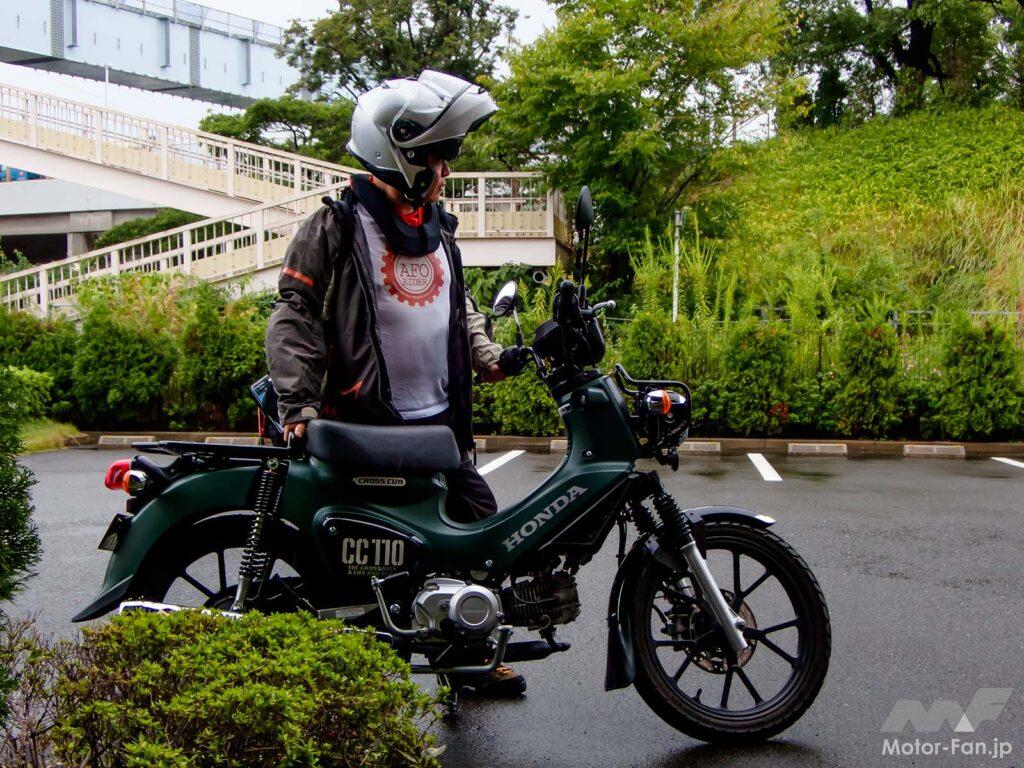
As I left the inn, light rain started to fall. It wasn’t enough to get me soaked, but it would be a hassle if it started pouring on me mid-way. I decided to grab my rain gear and head out for a run.
Shimizu Ward in Shizuoka City was Shimizu City until it was incorporated into Shizuoka City in 2005. Takahashi, who spent his childhood here, still can’t get used to calling it “Shimizu Ward.”
Speaking of a nationally beloved anime set in Shimizu City before it became a ward, he puts the finishing touch on “Chibi Ko-chan.” He pretends to know what he’s talking about: a masterpiece that depicts the joyful daily life of elementary school girls in a heartwarming style, but unfortunately, he’s never actually seen it.
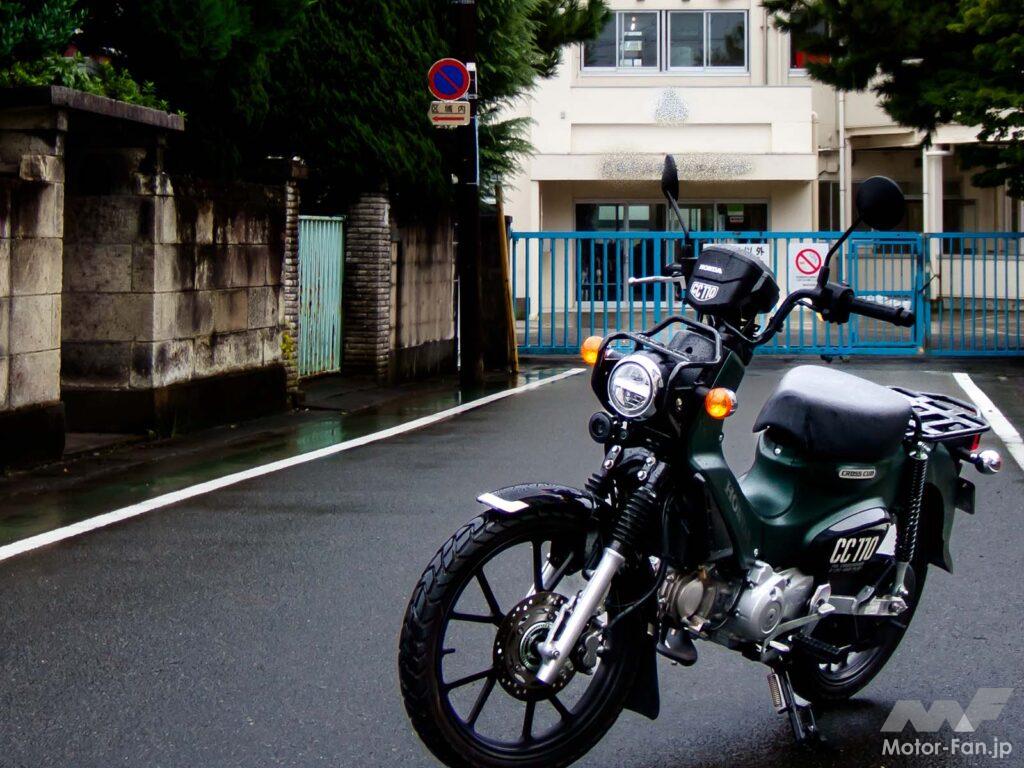
This is a street near the elementary school that Chibi Ko is said to have attended. It’s a famous spot that is well-known among Chibi Ko enthusiasts, but please refrain from loitering around the area as you could be mistakenly arrested as a pervert who preys on children.
Shimizu Port is just a stone’s throw away from the inn. Shimizu Port is home to S-Pulse Dream Plaza, which celebrates the local soccer team, and within it is Chibi Ko-chan’s official holy land, “Chibi Ko-chan Land.” In addition to a theater room, the land also features a park and classrooms that realistically recreate the setting of the anime.
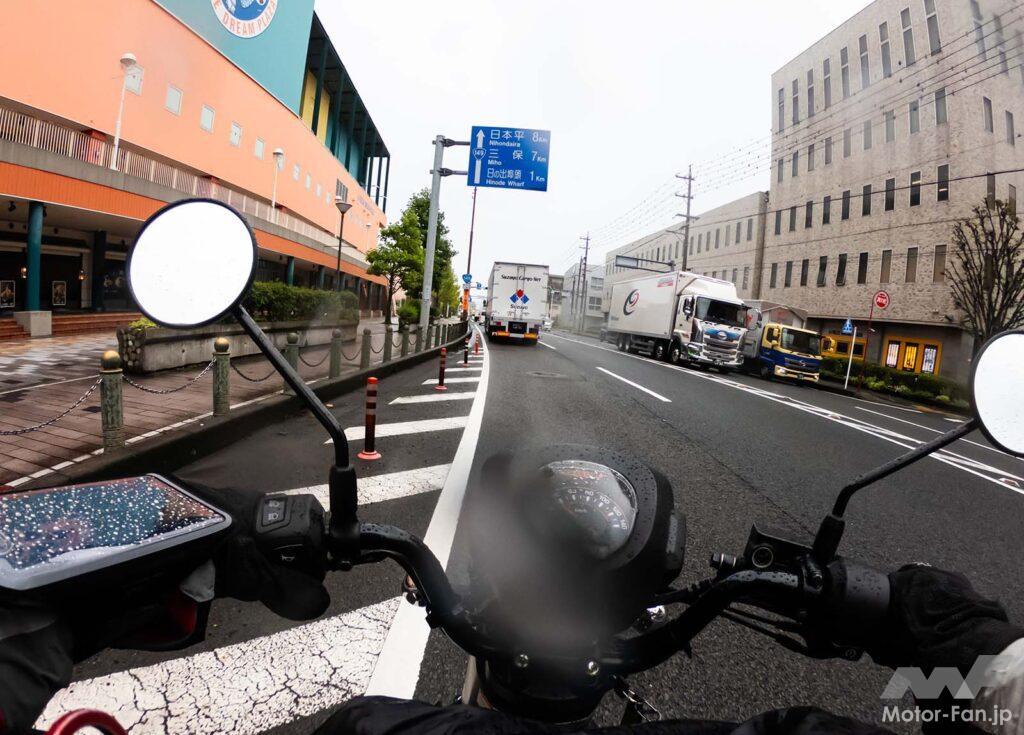
National Route 149 runs through Shimizu city towards the sea. Just beyond the blue sign is Shimizu Port.
However, this park is a facility aimed at innocent children and hardcore fans, so it’s honestly questionable whether middle-aged men whose brain functions have completely dulled with age and whose sensitivity has completely dried up will be able to lose themselves and get excited and dance wildly like Pompokorin.
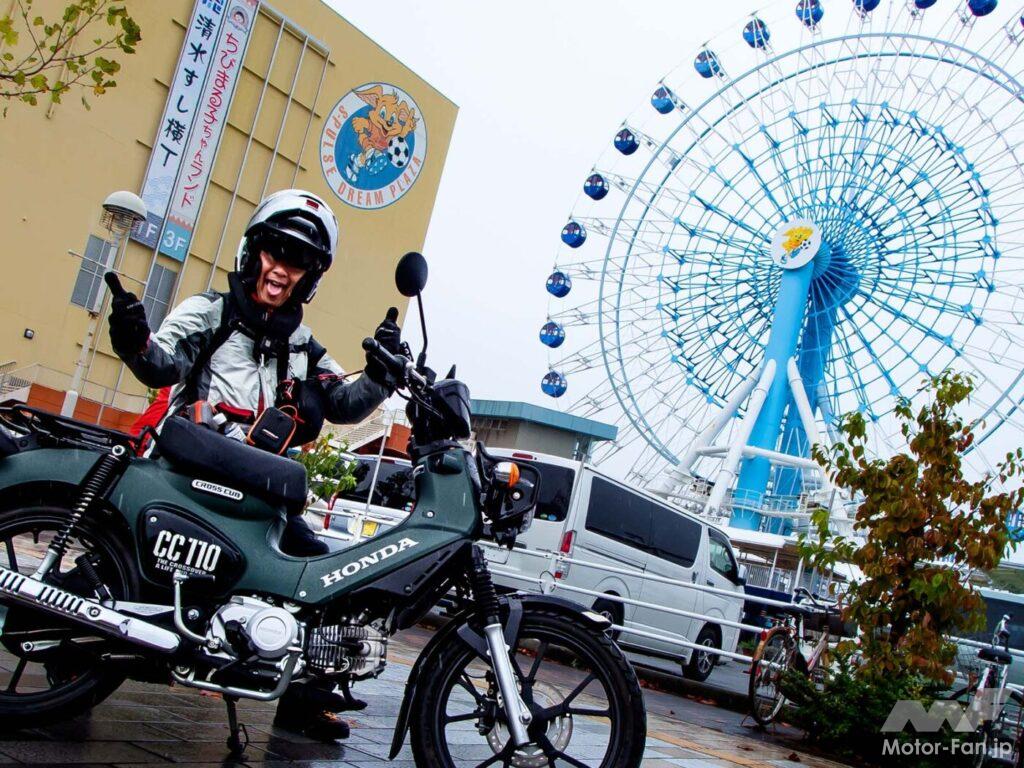
The land on the third floor of Dream Plaza is probably a nice place, but since it’s a facility inside a building, it lacks the “land feel.” From the outside, it looks like a “building with Chibi-chan tenants.”
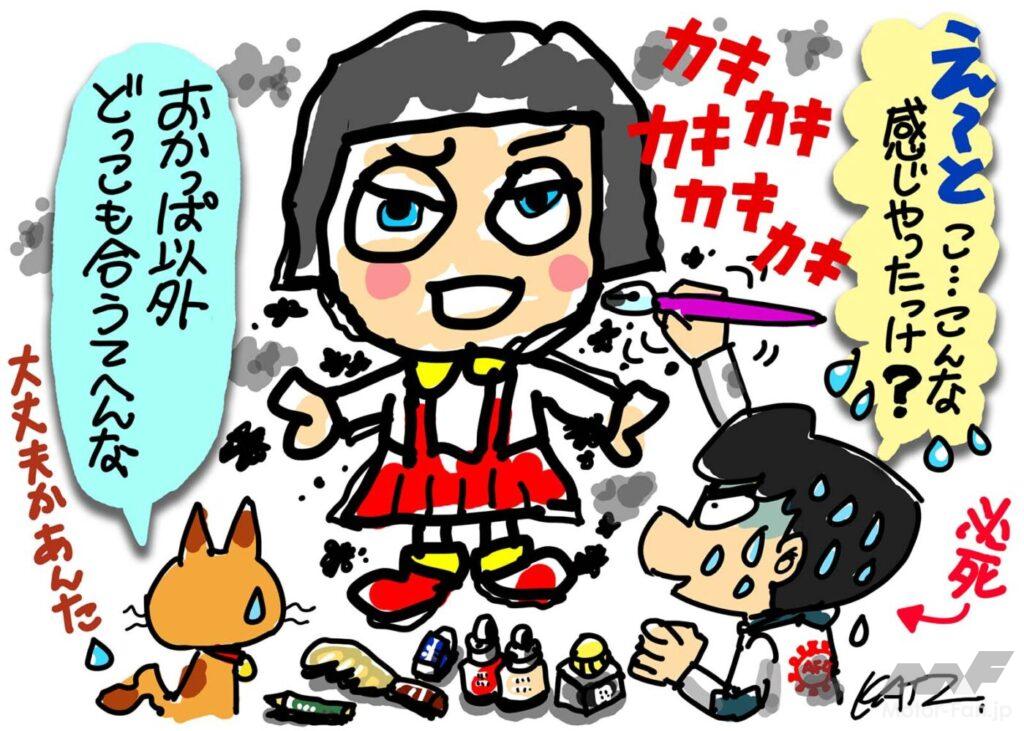
This is what happens when you draw an anime you’ve barely seen based on your imagination. It seems to be mixed up with the popular mascot CG that’s popular these days. If you’re not careful, you might get complaints from NHK, which has nothing to do with it.
Leaving Shimizu Port, we detoured south through Shizuoka city onto National Route 150. Buffeted by the gray sea breeze, we passed Mt. Kuno and continued west.
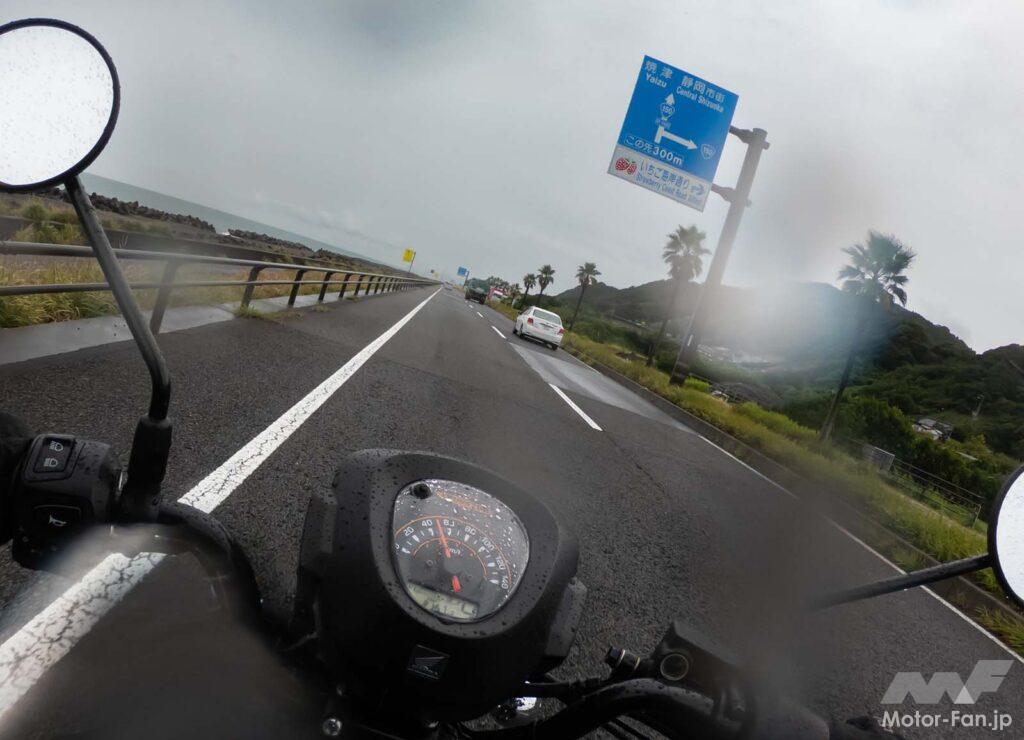
On the right is Strawberry Coast Street, which runs parallel to National Route 150. The two routes merge near Mount Kuno.
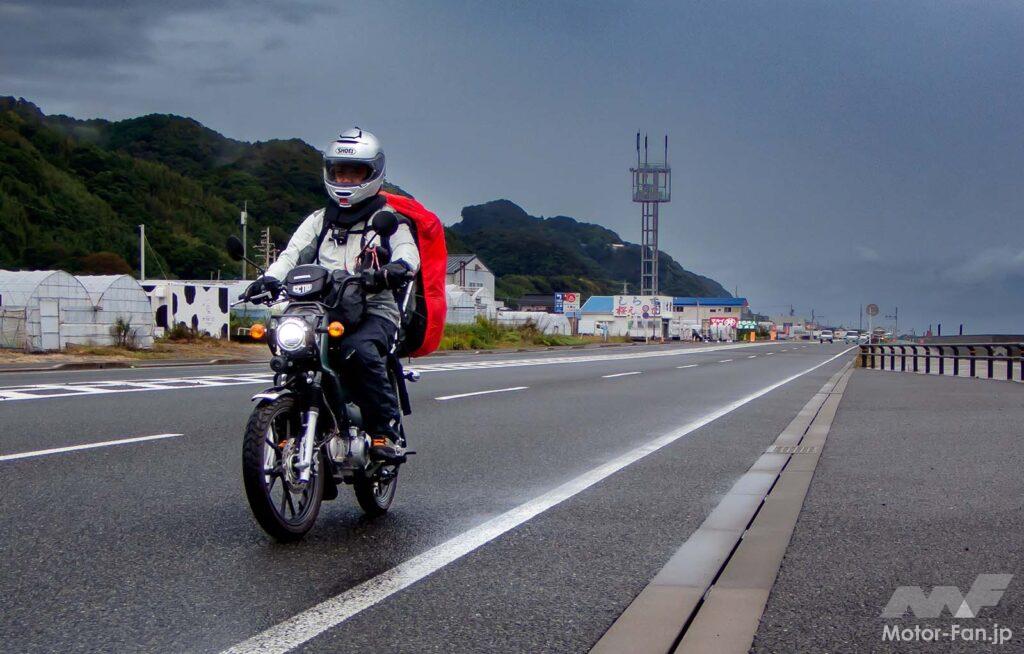
The spectacular seaside route, with its panoramic views of the deep blue Pacific Ocean, is nothing more than a lonely country road on a rainy day.
From Maruko-juku to the old road
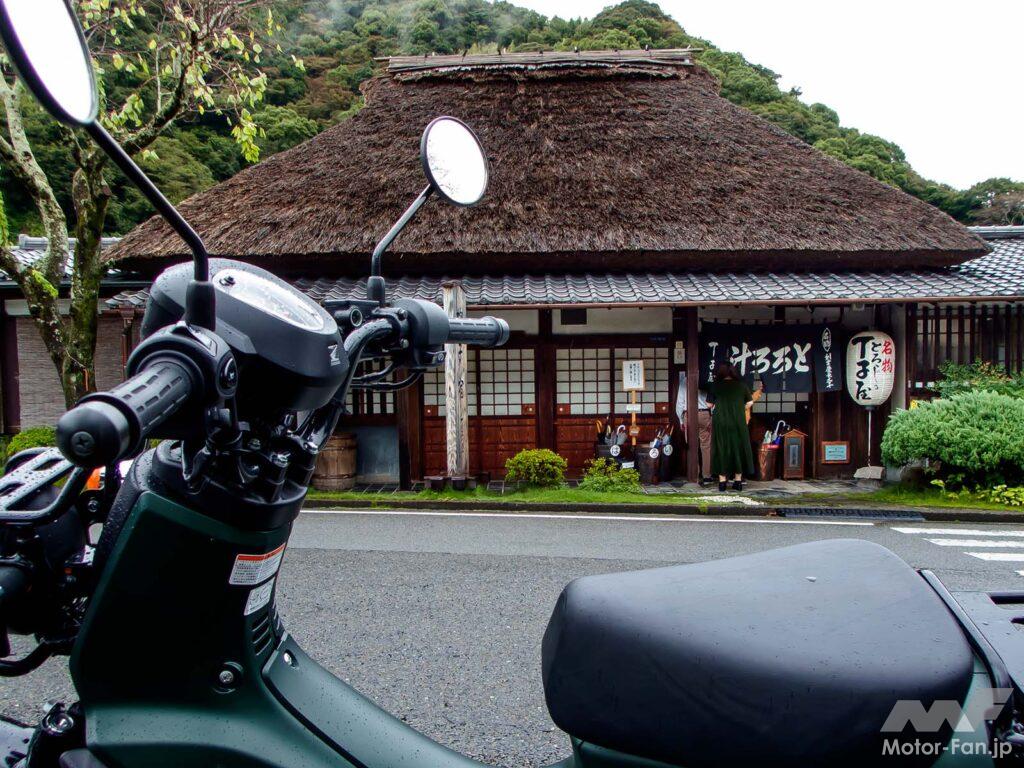
Maruko’s Chojiya has been selling grated yam soup to travelers since the Edo period. It is a famous shop that continues to operate today in the same style as depicted in Utagawa Hiroshige’s “Maruko Famous Tea Shops: One of the Fifty-three Stations of the Tokaido.”
Crossing the Abe River on National Route 150, we turned north and took National Route 1 from Maruko (Mariko) Inn. National Route 1, which heads west from Shizuoka City, is mostly an elevated highway-like bypass. Many roads are inaccessible for motorcycles under 125cc, and Google Navigation is useless. It’s a modern-day hellish place where it’s easy to get lost and, if you’re unlucky, you could even get arrested for a traffic violation.
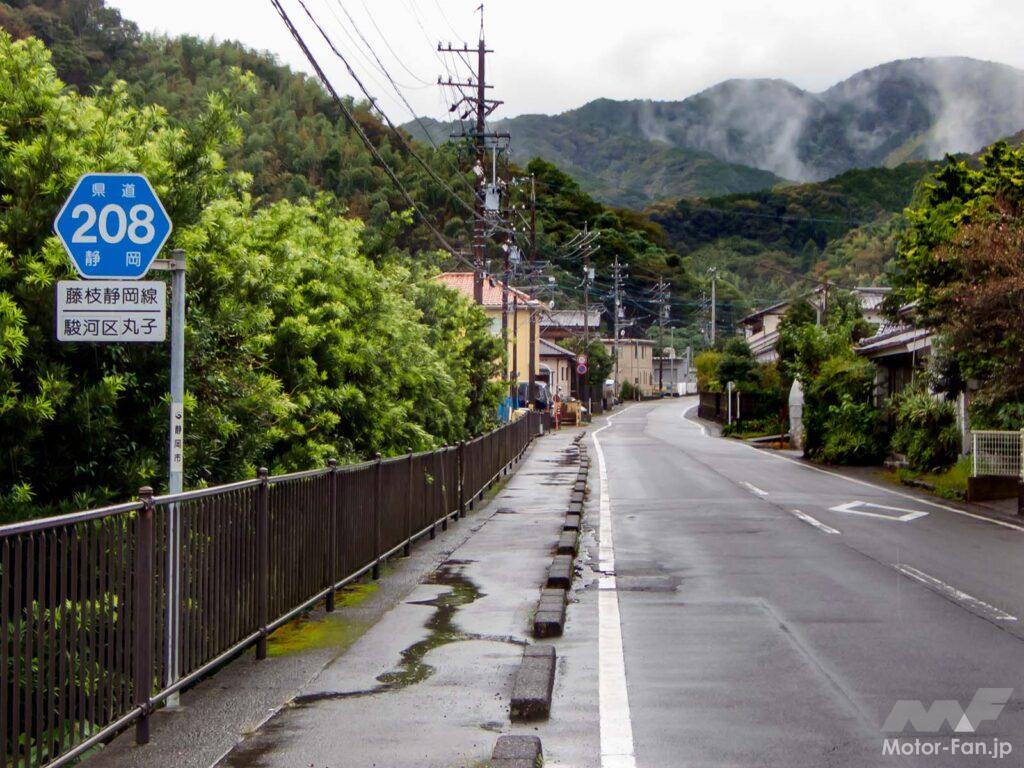
The old Tokaido/Prefectural Route 208, which heads west from Maruko-juku, is swallowed up by National Route 1 Okabe Bypass further ahead.
The area along the old national highway, away from the bypass, has been left behind by the benefits of modern transportation networks, but for that reason there are many towns that retain the atmosphere of the Edo period and have retained the appearance of the old highways. One such town is the village of Utsunoya, which remains along the mountain pass of Shizuoka Prefectural Route 208, a few kilometers west of Maruko-juku.
According to official announcements from the Edo Shogunate, there were 53 post towns on the Tokaido between Nihonbashi in Edo and Sanjo in Kyoto, but there were sections where the official post towns could not meet the needs of travelers, so pseudo-post towns were built in those areas. Utsunotani was one of these unofficial facilities, known as “Ainoshuku,” that are not counted among the 53 stations.
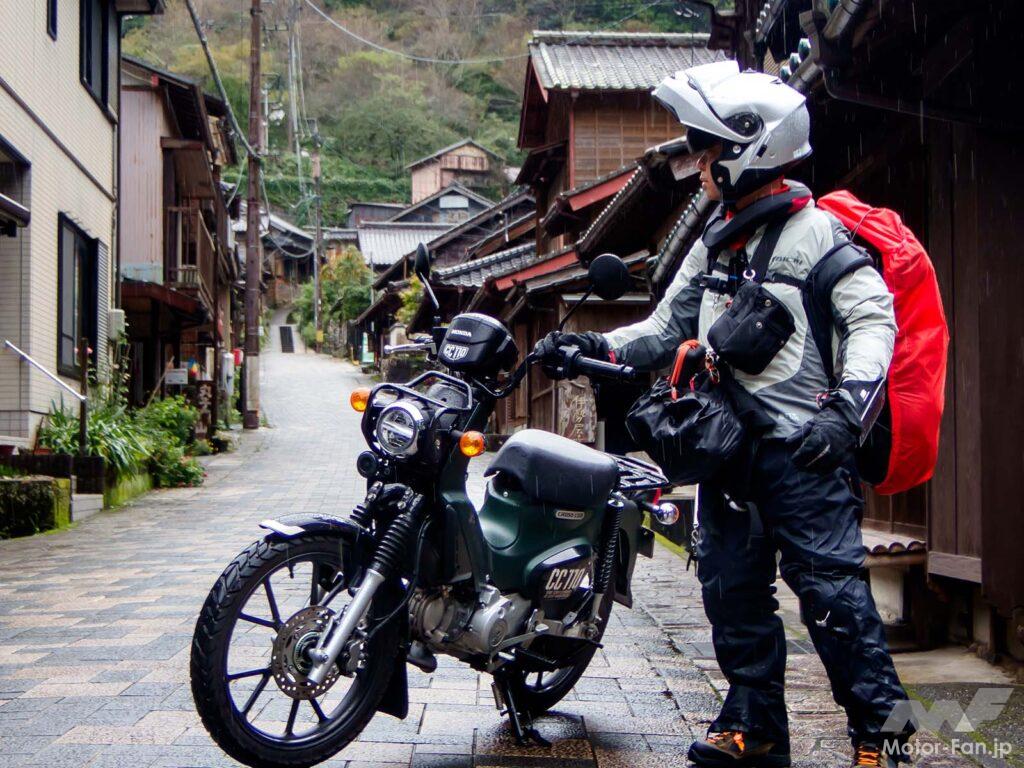
The row of houses in Utsunotani. It looks like a typical post town, but it is not called a “post town” because overnight stays were prohibited.
Utsunotani is a beautiful town that should be flooded with tourists, but perhaps because it has no real tourist attractions, it has not become particularly popular, and it is strange that it remains isolated in the mountains.
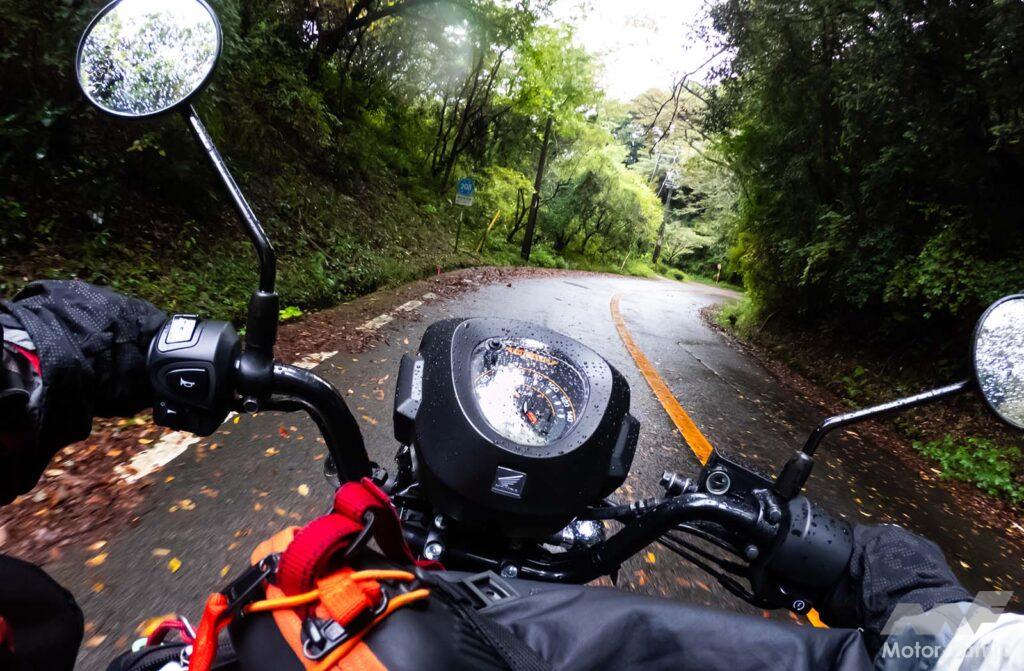
Prefectural Route 208 crosses Utsunotani Pass. The main road traffic has already shifted to National Route 1 Bypass, and there is now very little pedestrian or vehicular traffic on this road.
The footsteps of a gas-depleted
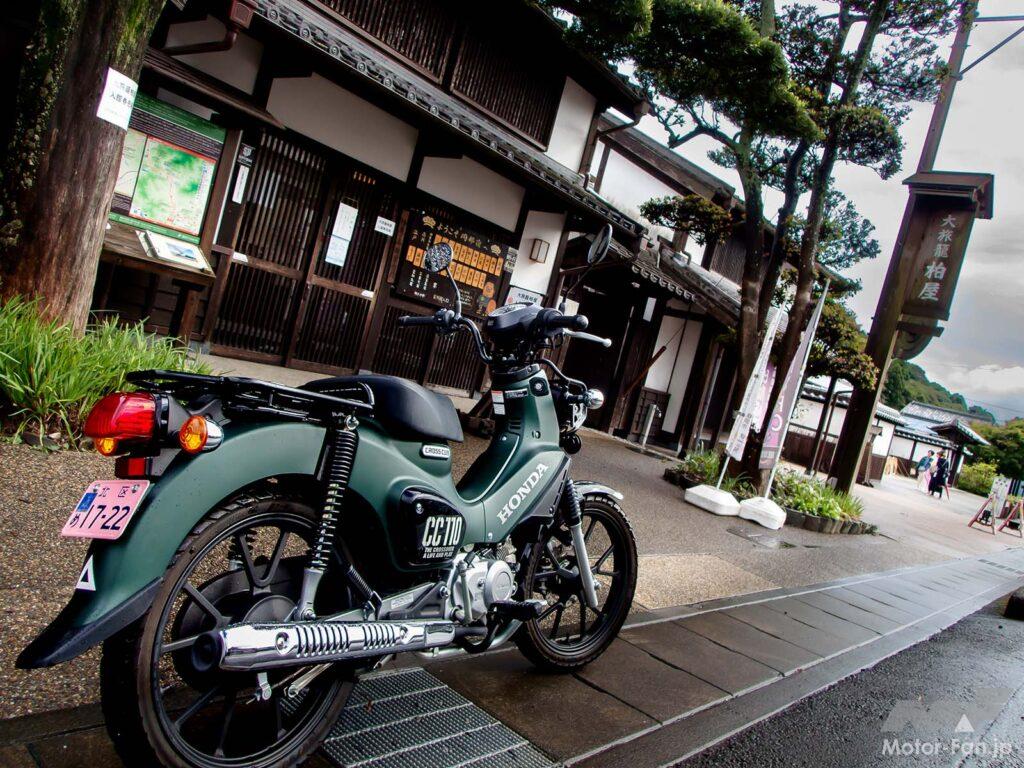
Okabe-juku flourished during the Edo period. The large inn Kashiwaya remains as a museum.
After passing Okabe-juku, Prefectural Route 280 passes under the National Route 1 Bypass and changes its name to Prefectural Route 381. However, both routes are actually National Route 1 that has been downgraded to prefectural roads, so they are essentially the old National Route 1, with just a change of name.
The final low-gas warning light has been flashing continuously since this morning. In fact, I’d noticed that the throttle response had occasionally become sluggish since around Utsunotani. However, it could just be that Takahashi’s hypersensitive heart, which shrinks in fear of running out of gas just by seeing the fuel meter flash, is creating an illusion of a malfunction. Just after I’d felt a slight discomfort in my right grip, everything was back to normal.
However, once I entered Fujieda city, my suspicion that I’d run out of gas became a certainty. Even the most insensitive rider could tell there was something wrong. Just when I thought the engine wouldn’t respond at all with the throttle wide open, the next moment it came back to life with a shocking jolt and sped off. Immediately after that, the bike lost traction and lurched forward, and when I quickly opened the throttle, it accelerated again with a bang. This extremely bumpy ride continued for about 2km.
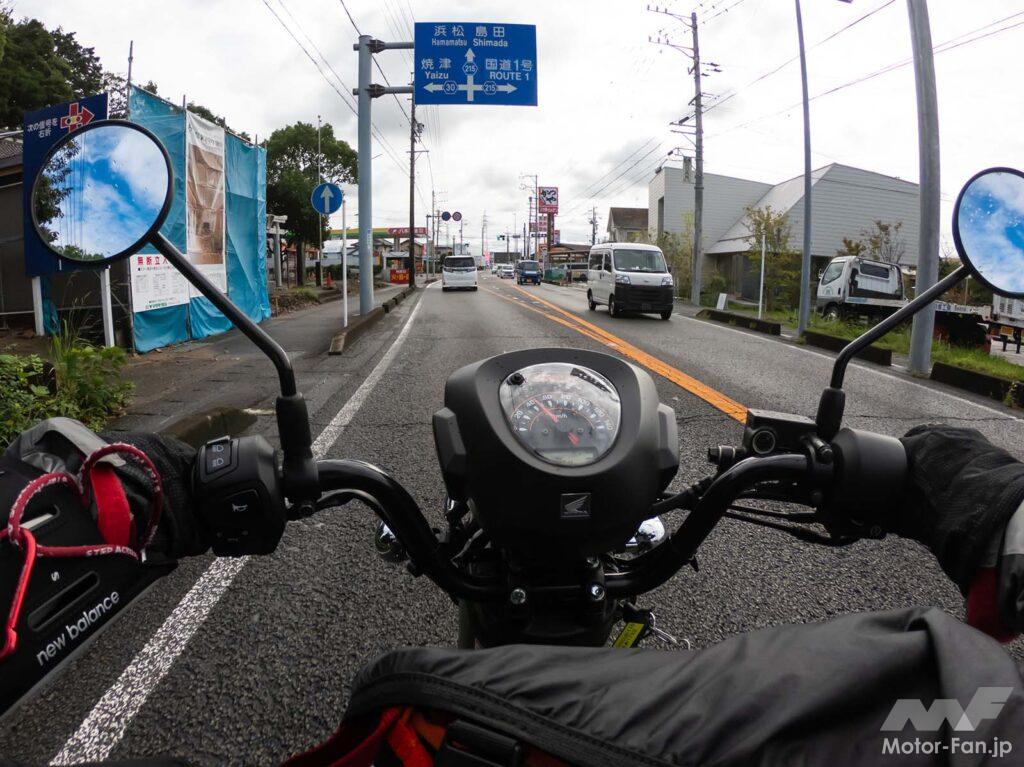
As the car rattles, making throttle control a struggle, the engine power and the weather change like a cat’s eye. Only the sky reflected in the mirror remains clear.
Even running out of gas on today’s high-quality Japanese motorcycles is beautiful. Most motorcycles have a clean, slamming, halting engine, and by the time you notice, the bike has stopped moving. In comparison, a Cross Cub’s running out of gas is a very muddy experience.
However, according to Takahashi, the Tokaido’s king of running out of gas, the muddy, sloppy stopping of a Cross Cub is actually the ideal way to run out of gas. You never know what kind of environment you’ll run out of gas. But no matter where you run out of gas, if you can ride two kilometers before coming to a complete halt, you can at least pull the bike to a safe location in almost all cases. I hope
motorcycle manufacturers don’t focus on a clean, elegant running out of gas, but instead strive to design and manufacture motorcycles that achieve this kind of muddy, sloppy running out of gas. It’s far safer in the event of an emergency. Of course, the top priority is to refuel properly and avoid running out of gas.
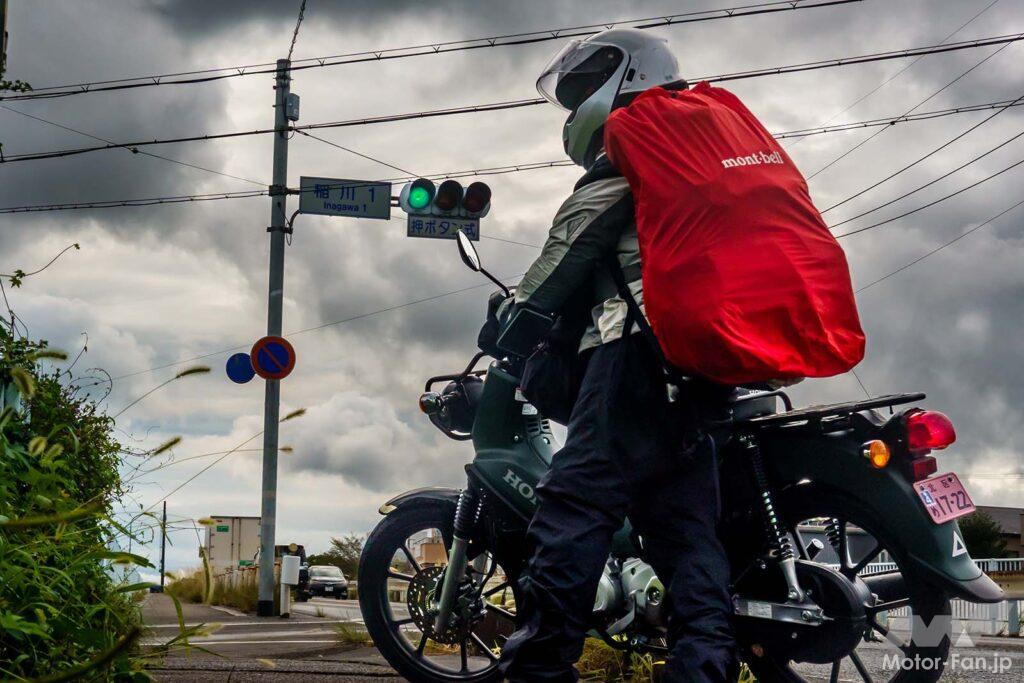
We ran out of gas and stopped in Fujieda city. As the setting sun began to shine through the clouds, our Cross Cub journey came to a finale.
Takahashi and the Cross Cub were finally brought to a complete halt on the old Tokaido Prefectural Route 381 Shimada Okabe Line, near Inagawa 1-chome, Fujieda City. The trip meter read 248.1 km.
Using a full tank of 4.1 liters of gasoline, the fuel economy from Nihonbashi was approximately 60.5 km/L. The catalog listed WMTC mode fuel economy as 67.9 km/L, so the actual difference was a loss of 7.4 km per liter. Compared to other machines I’ve looked at so far, the difference is a little large, but not so large that it’s worth getting upset about. It’s a pretty reasonable fuel economy.
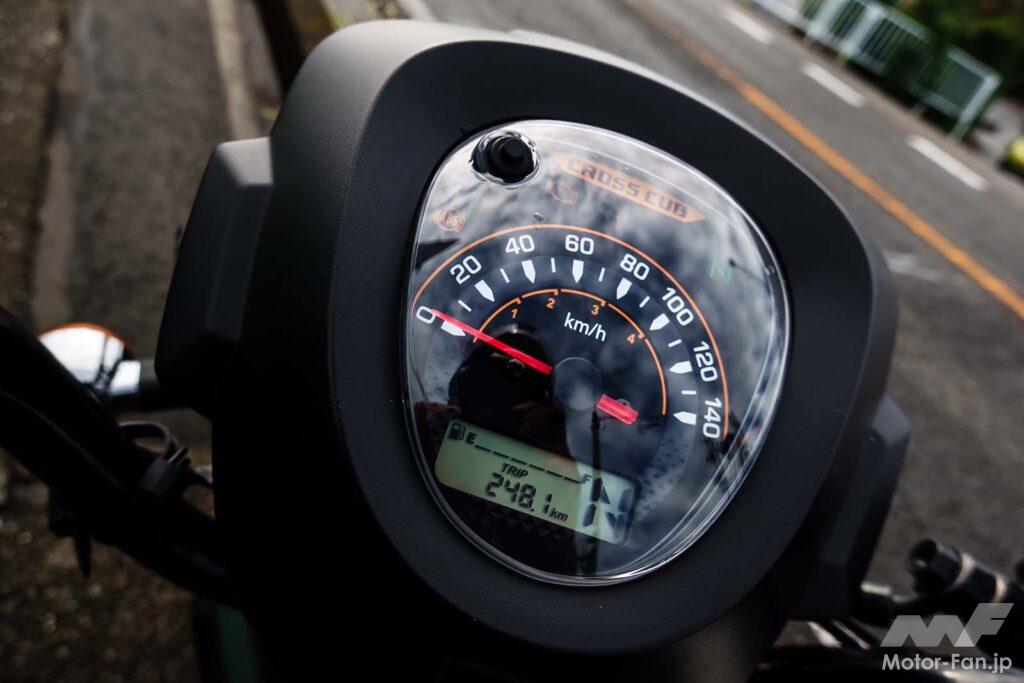
I ran out of gas after 248.1km of the trip, and drove 45.0km on the final day. By the way, the fuel meter continued to blink even after I ran out of gas.
Once he runs out of gas, his work will be over. But before that, he might as well receive the only reward of the Gas Out Challenge.
From the time he leaves Nihonbashi until he runs out of gas, Takahashi is driven like a horse, unable to even eat lunch, but there is a rule that “once he reaches the point where he runs out of gas, he can eat the local specialty.” He heard there is a good goldfish restaurant in Fujieda City, so he decides to take a look.
The warm golden bell of Fujieda-juku
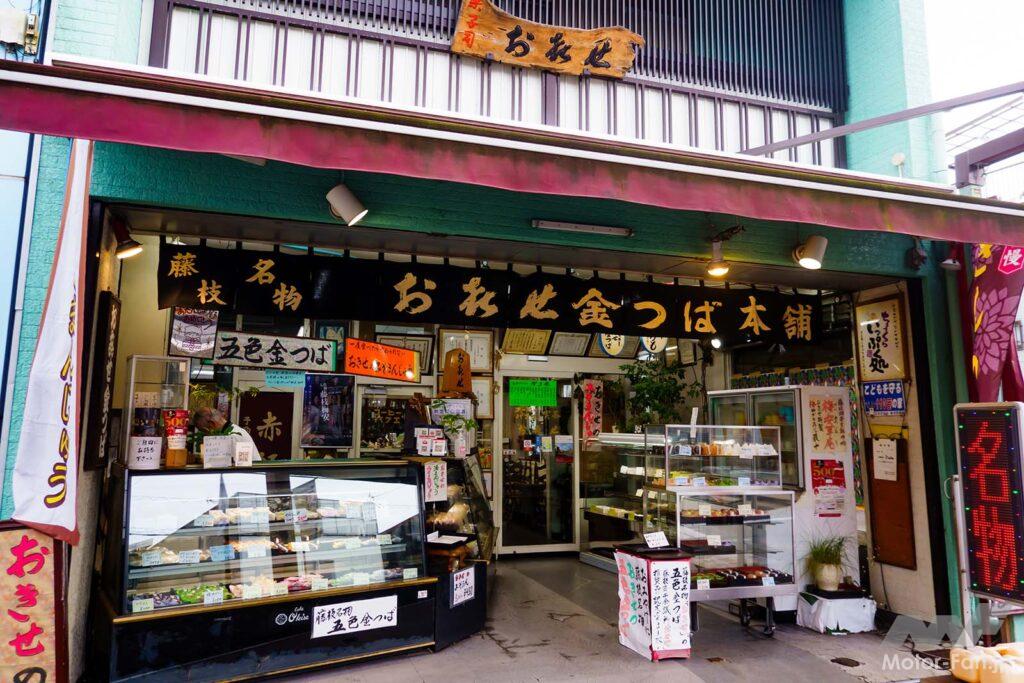
[Okise Kintsuba Honpo] 4-2-8 Fujieda, Fujieda City, Shizuoka Prefecture / (In principle) Open all year round / Business hours: 9:00-19:00 / TEL: 054-641-0739
Okise Kintsuba Honpo is a long-established shop that has been selling sweets in Fujieda city since the Taisho era and has been loved by the local community for many years. It was founded by an ordinary housewife named Okise, who made sweets as a hobby but became popular, and at the urging of her neighbors, she opened a shop and began selling kintsuba. It’s a heartwarming story that is reminiscent of a Japanese folk tale.
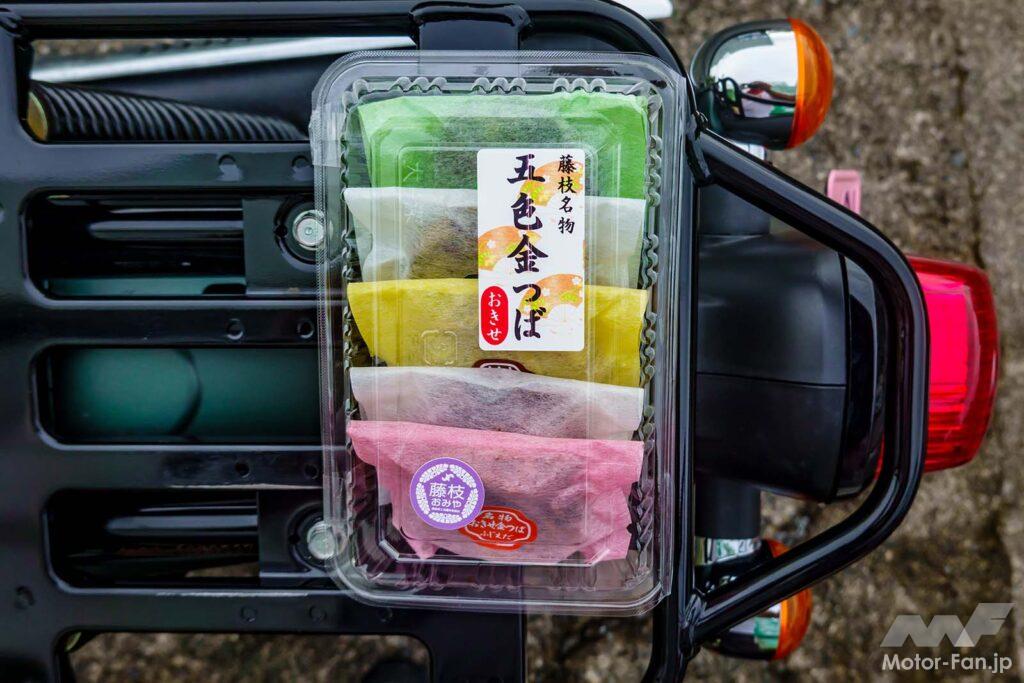
Okise Kintsuba Honpo’s “Five-Color Kintsuba” is a set of five eye-catching colors that costs 670 yen. Unlike the square Kintsuba, which is a newcomer but has quietly become mainstream, this is a traditional round Kintsuba.
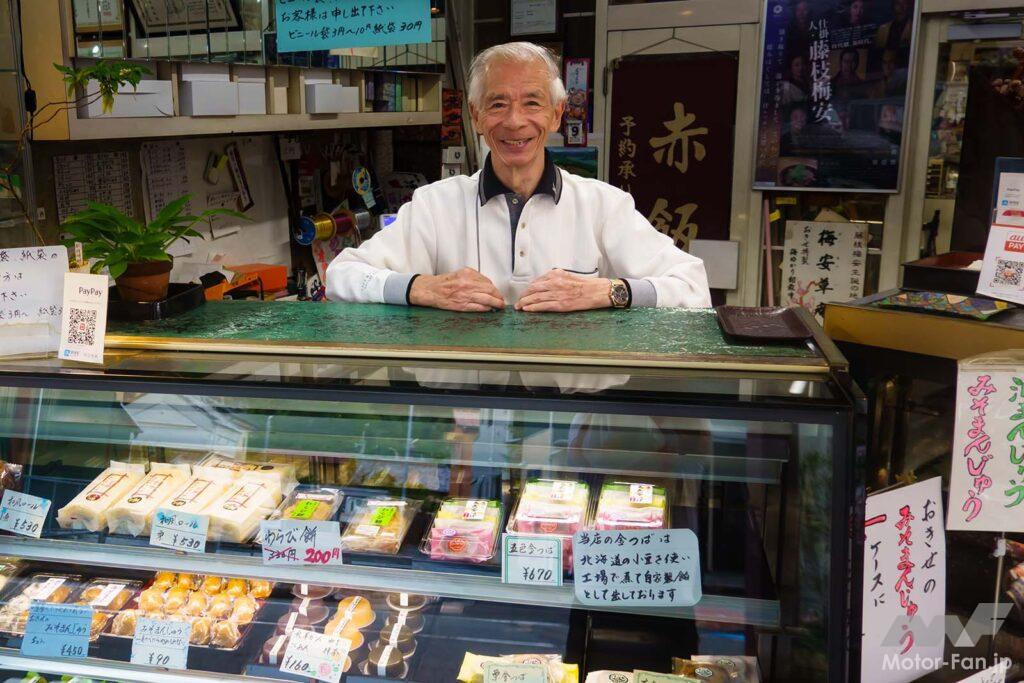
The owner, a handsome man who is still going strong despite his years, is the grandson of the founder, Mr. Okise.
A local elementary school student had come shopping, clutching a bag of coins, because he was going to invite a friend over to hang out. Takahashi watched as he walked out with a spring in his step, clutching a bag of Kintsuba. He then bought a Goshiki Kintsuba and devoured it in a nearby park.
The simple, crumbly bean paste is far from refined, encased in a taut, thin skin. It has a unique texture closer to that of a thin-skinned manju than the typical kintsuba. I had imagined a sticky, sweet country confection, but I was surprised by its soft, refined, and deep sweetness. It’s a nostalgic flavor that brings back warm memories of childhood spent with a kind old woman (← named Kiyo), something that a commoner like Takahashi never had.
The ignorant Takahashi was filled with prejudice and prejudice, thinking that Fujieda was nothing more than a small post town during the Edo period and that there couldn’t be anything good there anyway. But after tasting Okise’s delicious kintsuba, he changed his mind and realized that Fujieda wasn’t such a bad place after all. He ate
three kintsuba in one go and his stomach was full. He also filled up on gas. He had no further business in Fujieda. He decided to head back to Tokyo.
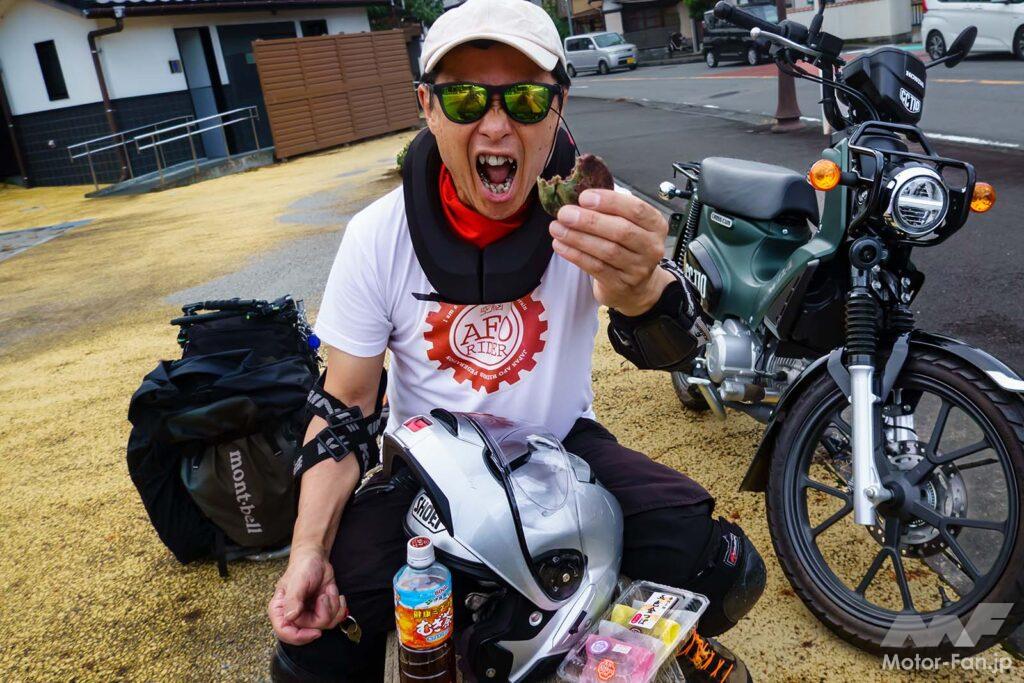
I devoured some golden saliva on the side of the road while being looked at with disdain by drivers waiting at traffic lights, took some cheap, AFO-esque photos that made it look like I was shouting “Delicious!”, and left Fujieda with a mysterious sense of accomplishment filling my whole body.
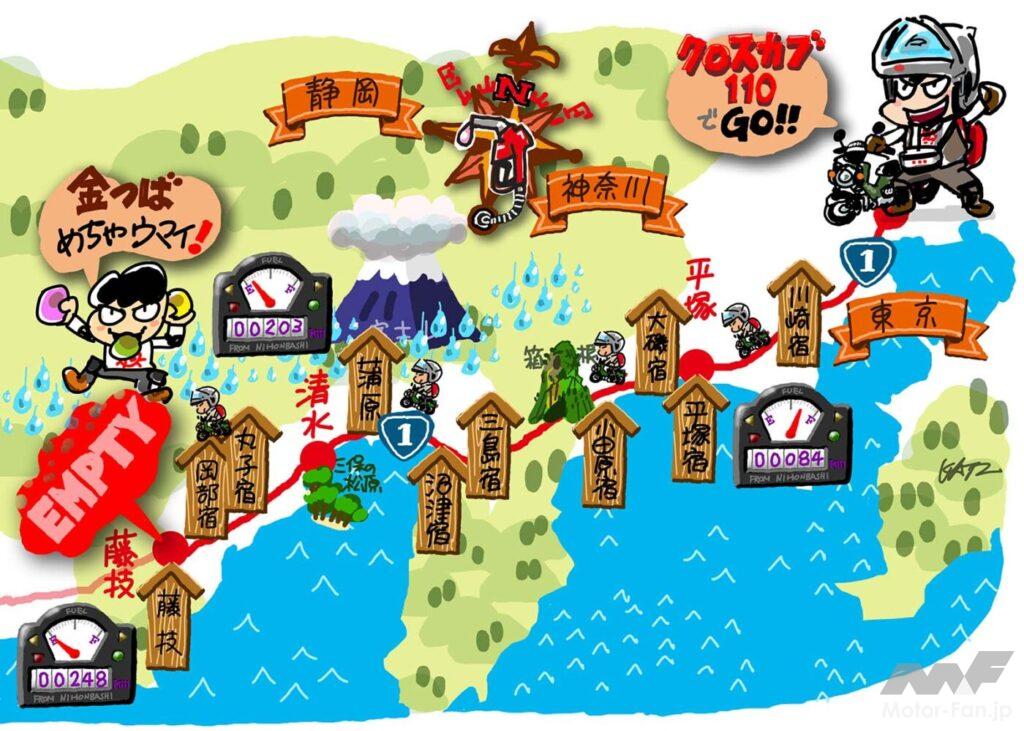
[MAP] Tokaido Gas Challenge #8 Honda Cross Cub 110 [Nihonbashi to Fujieda]
 How far can a Honda Cross Cub 110 go with a full tank of gas? Part 8 of the Tokaido Gas Challenge, from Nihonbashi, Tokyo to Kyoto! [Day 1]
Riding a Honda Cross Cub 110, we set off on a full-fueled one-way attack on the Tokaido Highway from Nihonbashi, Tokyo, to Kyoto, and a pilgrimage to sacred sites. First up is Shonan, a place dedicated to youthful basketball! REPORT ● AFO RIDER Takahashi (AFO RIDER Takahashi) PHOTO ● Takahashi Katsuya (KATSUYA Takahashi) ILLUSTRATION ● Takahashi Katsuya (KATSUYA Takahashi)
ADVERTISEMENT
 Rain & Rain! How far can a Honda Cross Cub 110 go with a full tank of gas? Part 8 of the Tokaido Gas Challenge from Tokyo to Kyoto! [Day 2]
Riding a Honda Cross Cub 110, we set off on a full-fueled one-way attack on the Tokaido and a pilgrimage from Nihonbashi, Tokyo, to Kyoto. The roar of the Toyota 4A-G echoes through the mountains of Hakone! REPORT ● AFO RIDER Takahashi (AFO RIDER Takahashi) PHOTO ● Takahashi Katsuya (KATSUYA Takahashi) ILLUSTRATION ● Takahashi Katsuya (KATSUYA Takahashi)