


The view of Lake Tama from the dam. The intake tower adds an accent, creating an exotic atmosphere. The Belluna Dome, home of the Seibu Lions, can be seen in the distance.
Around Lake Tama and Lake Sayama, there is a mixture of winding roads where motorcycles are prohibited and dirt roads where motorcycles are permitted.
I used to ride the Seibu Line to Sayama Ski Resort and Seibuen Amusement Park when I was in elementary school. In junior high, I went there as part of a school event called the 13km marathon around Lake Sayama, which was a real nuisance. I'm not sure if that was traumatic, but I rarely went to Lake Tama or Lake Sayama after that, let alone made it a touring destination. It wasn't until I started riding a Class 2 moped as a convenient means of transportation that I started making annual trips to the Sayama Hills. Since I couldn't use the expressway, I rediscovered the area as an easy place to get to by taking the local roads.
On a beautiful spring day, I decided to head to the Sayama Hills on my Super Cub. My first stop was Lake Tama in Higashiyamato City, Tokyo. There's a road called Tamako-dori that circles the lake, but most of the road is closed to motorcycles. Because it's a winding road, in the 1970s and 1980s, street racers, or "rolling tribes," would drive around wildly, creating noise and causing accidents, causing a lot of trouble, and as a result, motorcycles were no longer allowed on the road. Things have changed since then, but the anachronistic regulations remain in place. During the day, you can get to the parking lot at Sayama Park. There's a parking space, so I parked my Super Cub there and walked along the dam. The lake stretches out to the west of the dam, offering a refreshing view. The cylindrical water intake tower adds a nice accent to the scenery. You can also see the Belluna Dome, home of the Seibu Lions professional baseball team, in the distance.

The road around Lake Tama is currently closed to motorcycles, including mopeds. This was a measure to combat the rolling tribes of the past, but I think it’s an anachronistic regulation.

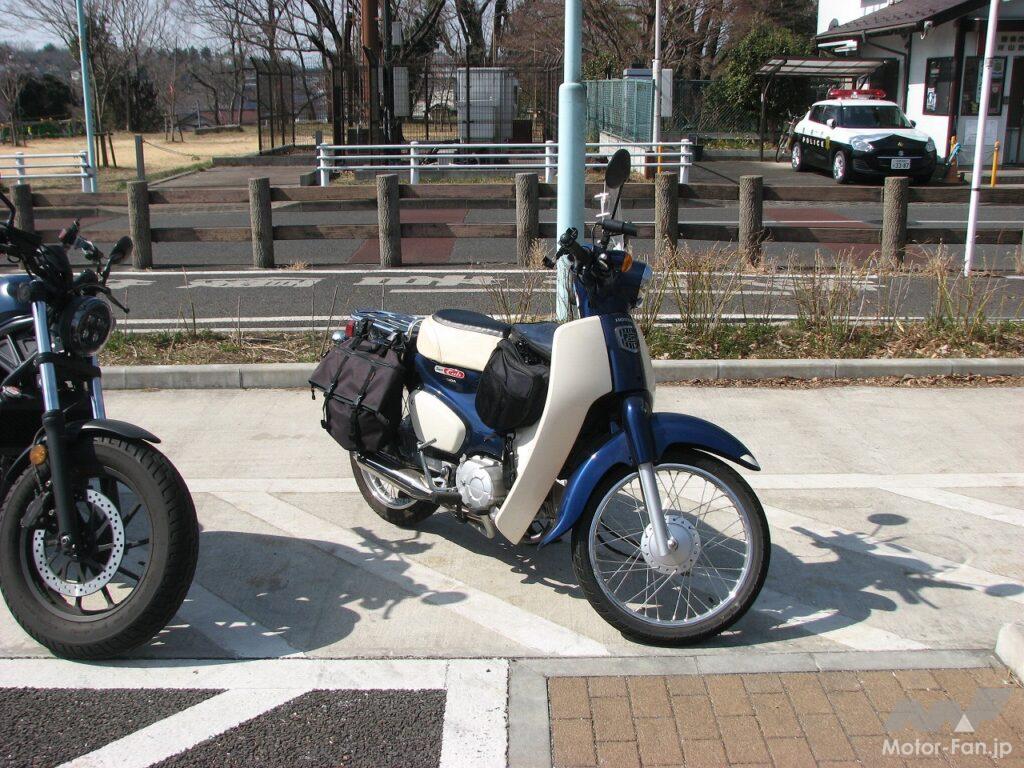
The parking lot at Sayama Park, adjacent to Lake Tama, has parking spaces for motorcycles.
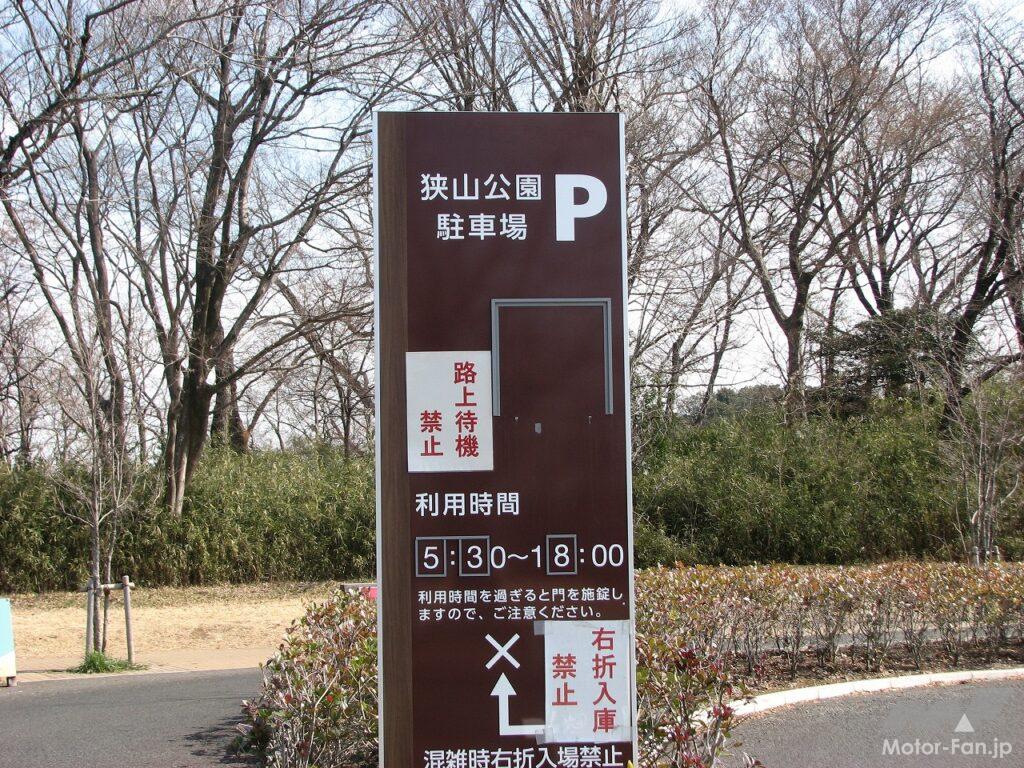
Parking is free
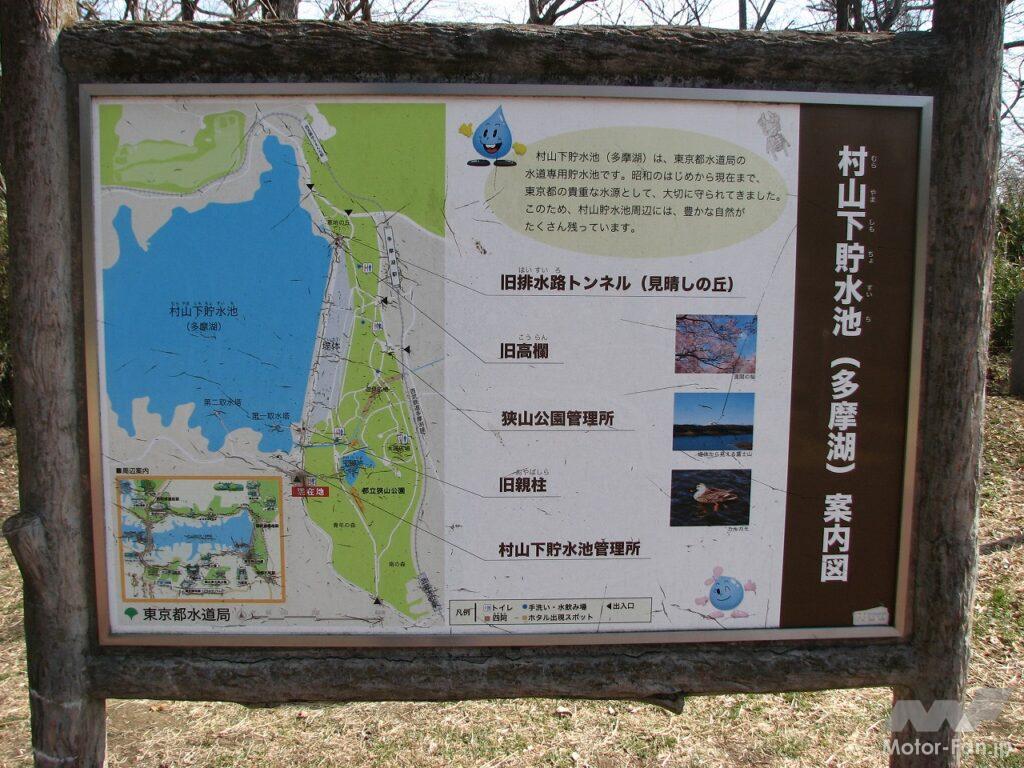
Lake Tama is a reservoir, so fishing and boating are not permitted.
After leisurely enjoying the scenery, I headed back down Tamako Street, then turned onto Akasaka Street near Musashi-Yamato Station on the Seibu Tamako Line. I passed the east side of Sayama Park, entered Tokorozawa City, Saitama Prefecture, and turned left at the end of Seibuen Amusement Park. I continued north along Yamaguchi Castle Ruins Street, following the north side of the dam. At the Yamaguchi intersection, I turned left onto Prefectural Route 55, and after a short distance, I arrived at the base of the dam at Lake Sayama, which is part of Tokorozawa City. I parked my Super Cub at the Lake Sayama bicycle parking lot and tried climbing the dam on the footpath. I arrived at the top of the dam, quite exhausted from the uphill climb and stairs. I sat on a bench and gazed at the lake until the pain in my legs and back subsided.
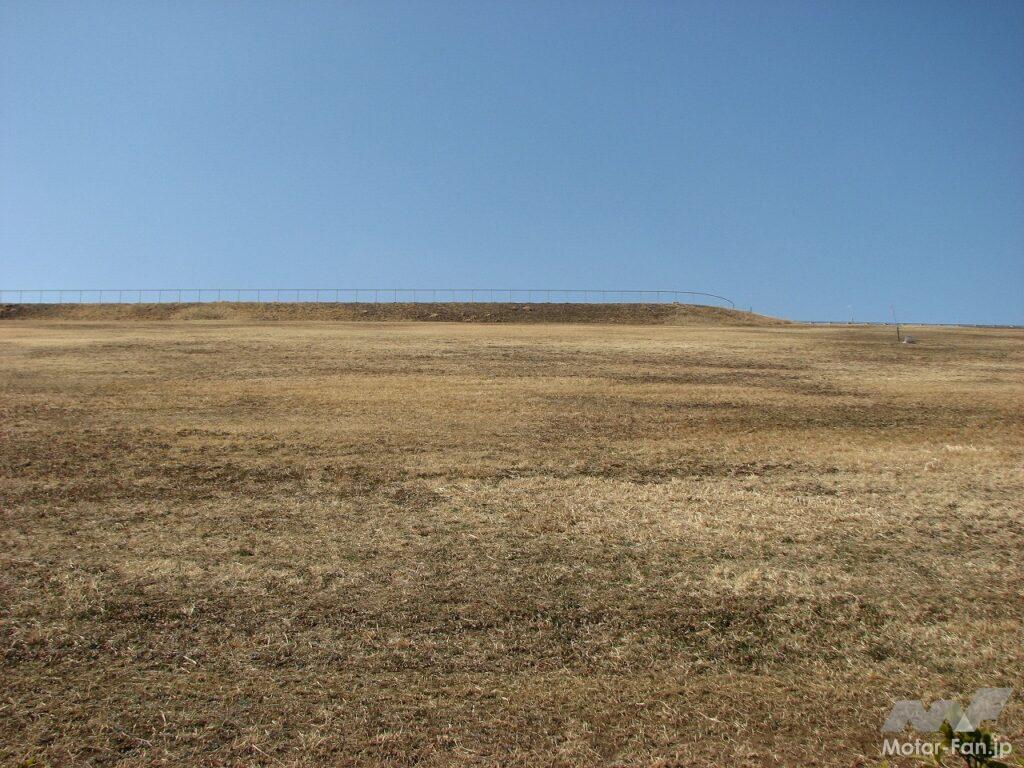
The area around the dam of Lake Sayama is also a park.
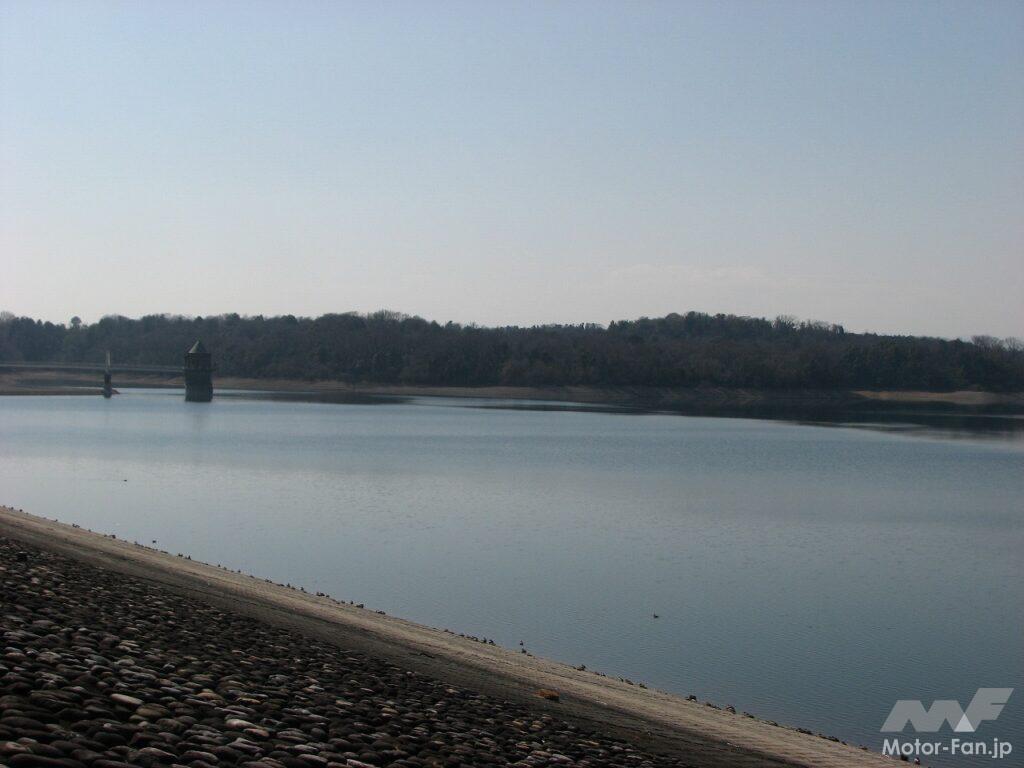
Lake Tama is in Tokyo, but Lake Sayama is in Saitama.
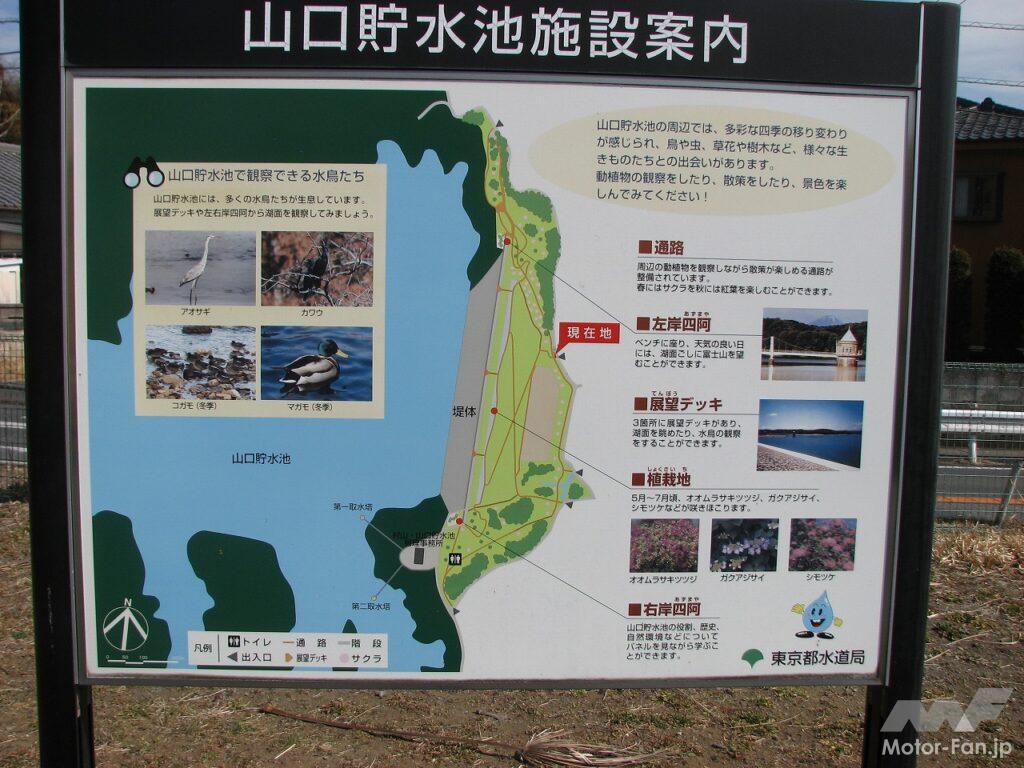
Lake Sayama is also a reservoir, so you can’t play in the water.
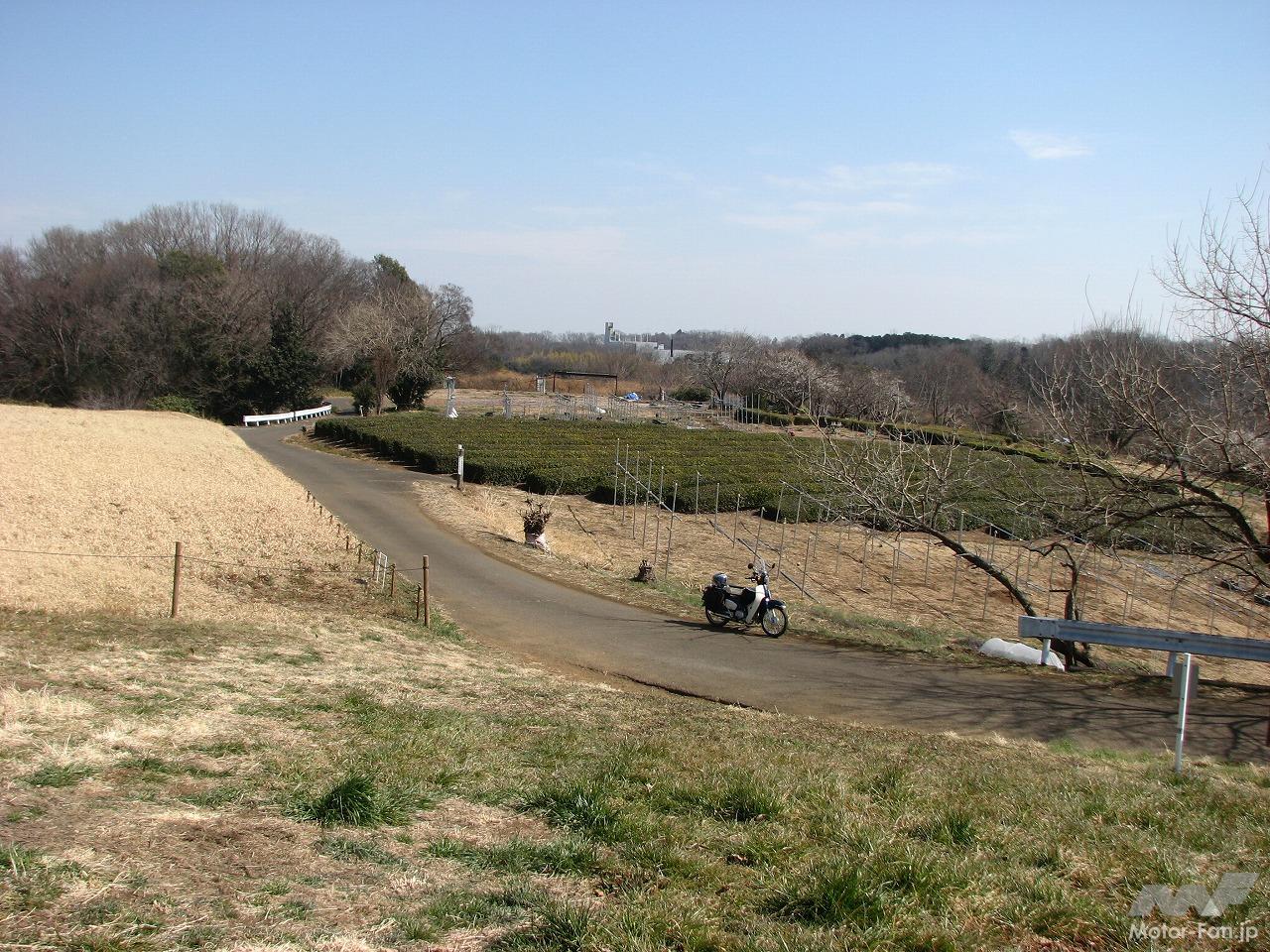
I hop back on my Super Cub and head off Sayamako Street onto the Lake Sayama Periphery Road, which runs along the north side of Lake Sayama. After a while, the pavement ends and the road becomes dirt. From here, the road continues dirt for just under 5 kilometers. There are no views of the lake, and I ride through the forest the entire way. This forest is said to have been one of the settings for Studio Ghibli's "My Neighbor Totoro," and the land acquired by the Totoro Hometown Trust is preserved as "Totoro Forest."
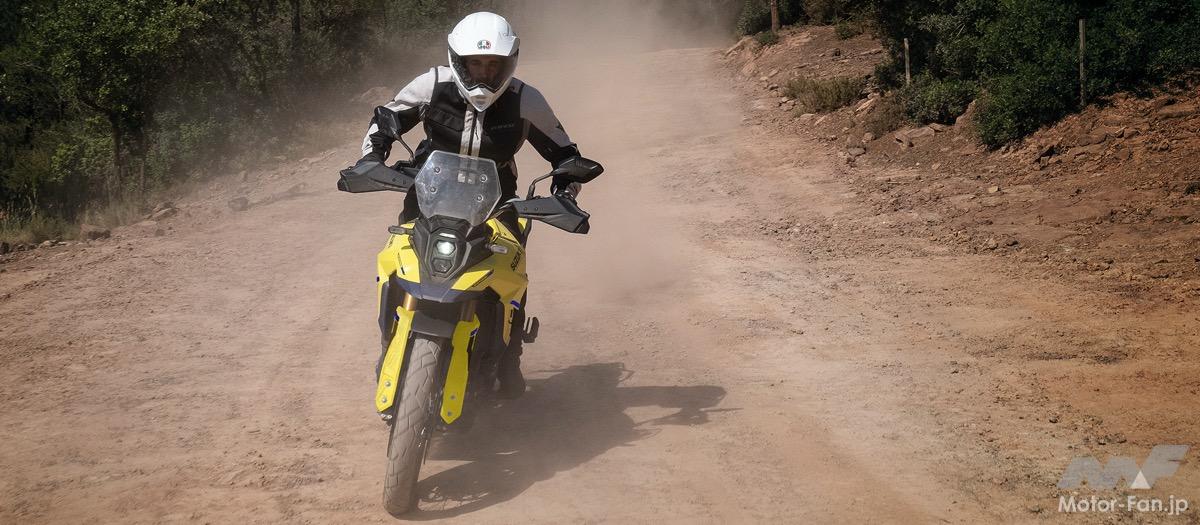
Halfway through, the road becomes so narrow that passing cars becomes difficult, so I slow down even further. While cars are rare, I often encounter cyclists and hikers, so it's best not to ride too recklessly. The road is flat and rut-free, making off-road riding enjoyable even on a Super Cub.
After about 2 kilometers, I come across a paved road branching off to the right. Following this path, the view soon opens up, and a small hill with a bench appears before me. This is Hira Hill, the highest point in Tokorozawa. Surrounded by ranches and tea fields, it overlooks the city of Tokorozawa. Hira Hill is a famous scenic spot among locals, and in the summer sunflowers paint the area yellow.
Many people come on weekends to see this spectacular view, so it's best to visit on a weekday. There were several cars there on the day we visited. In fact, Hira Hill can only be accessed from the city by paved roads.
ADVERTISEMENT
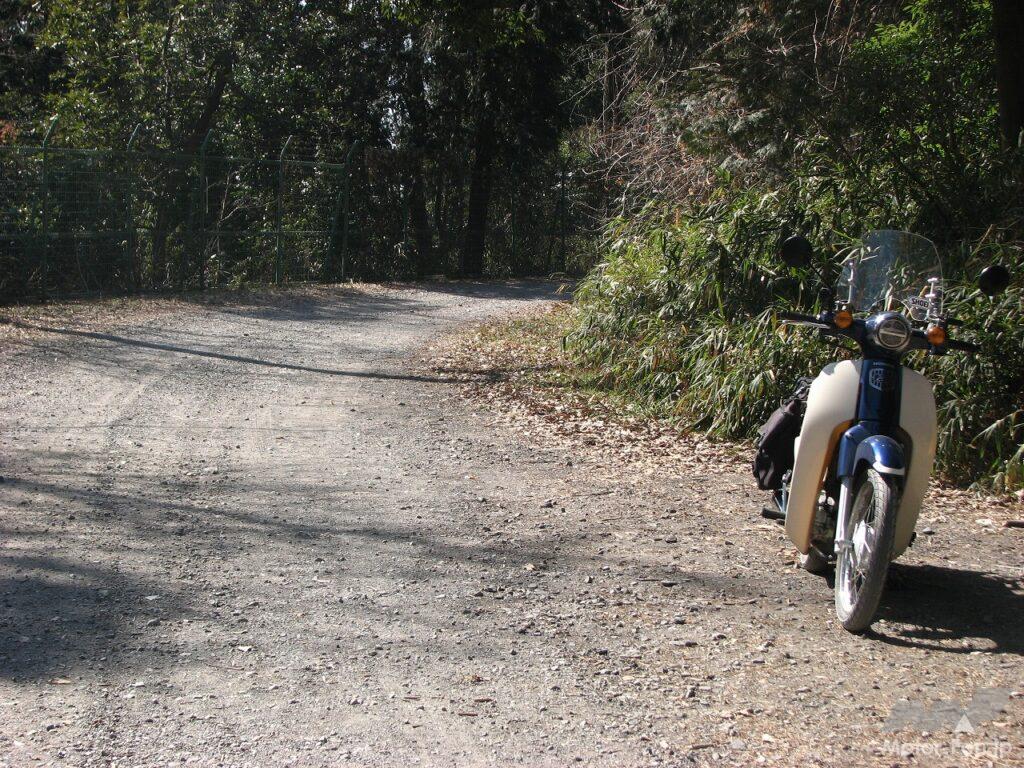
Just under 5km of the Lake Sayama Circumferential Road is a dirt road that runs through the forest. What’s more, motorcycles can also ride on this dirt road. The road surface is flat, making it easy to ride. However, there are many cyclists and hikers, so it’s important to ride slowly and safely. If you cause trouble by riding recklessly, motorcycles may be banned, just like the Tama Lake Circumferential Road. We want to make sure that this rare dirt forest road doesn’t disappear.
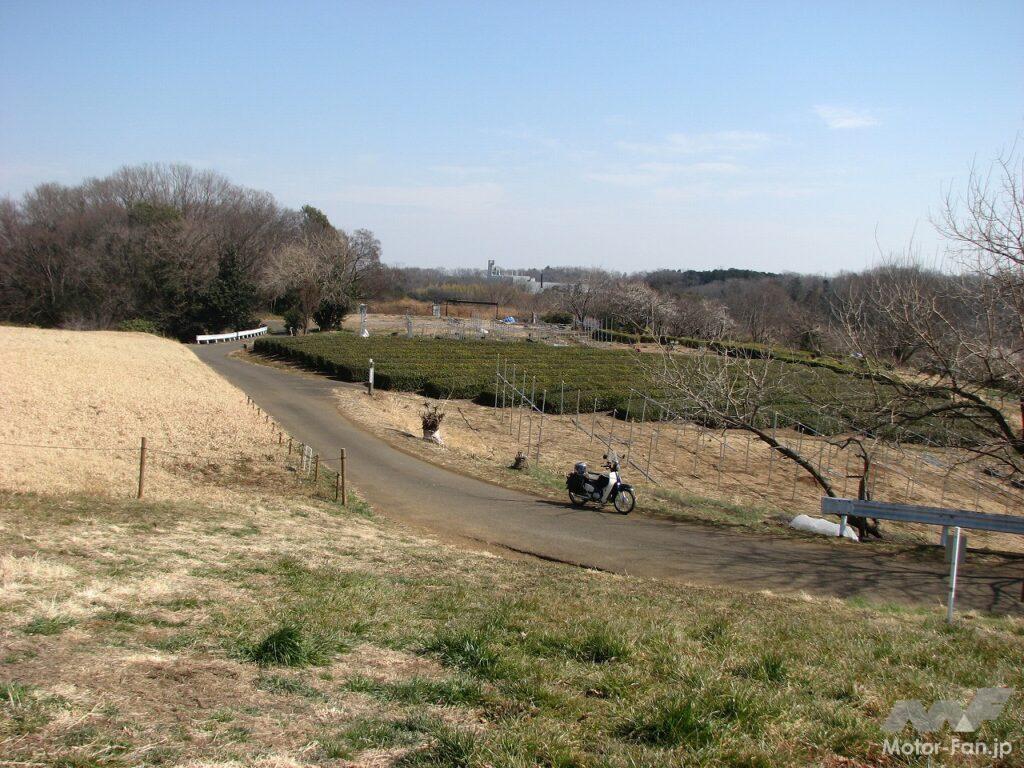
The view from Hira Hill, the highest point in Tokorozawa
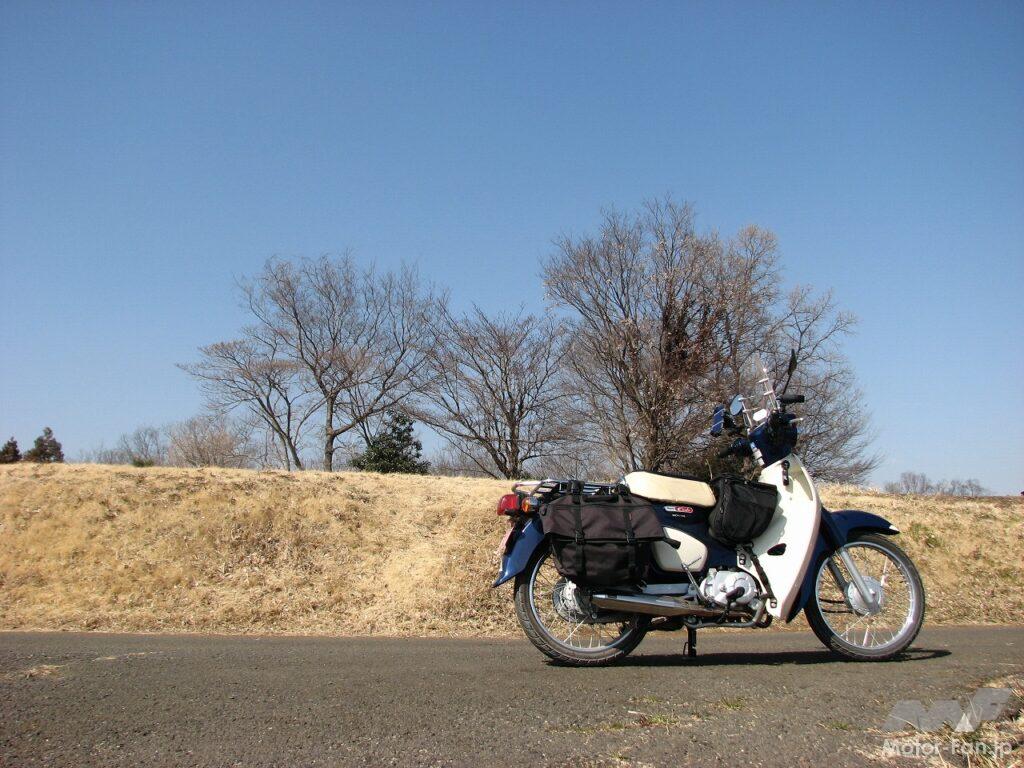
In summer, the entire area is dyed yellow with sunflowers
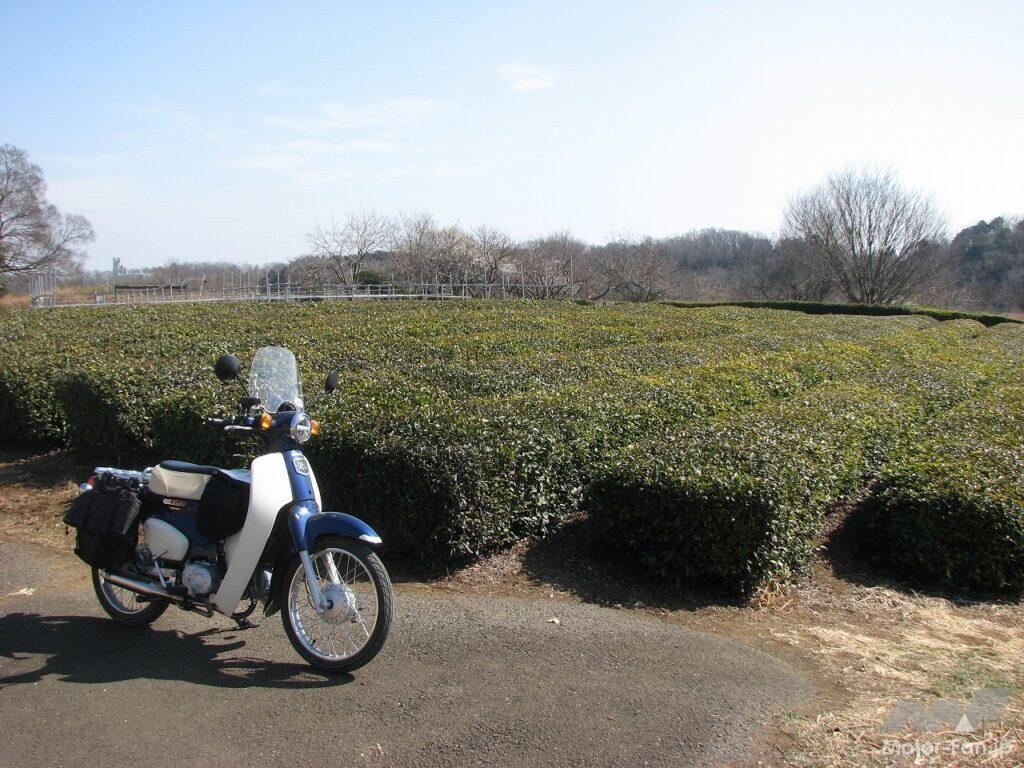
In addition to the sunflower fields, there are also tea fields, as befits the home of Sayama tea. There is also a ranch and much more to see.
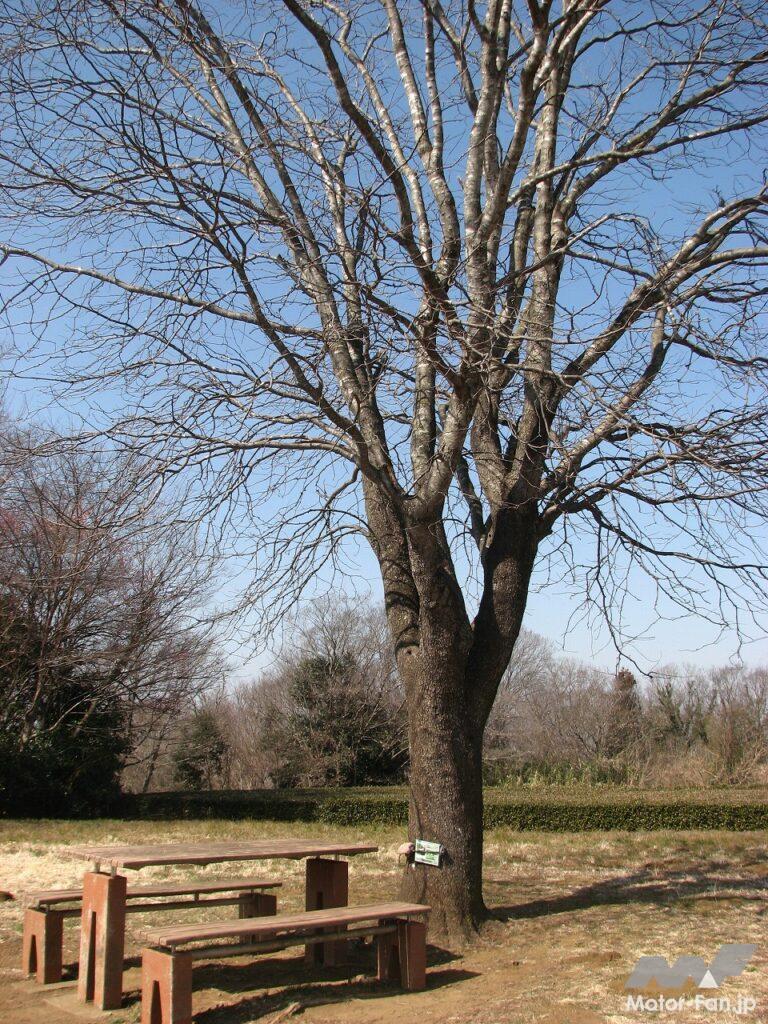
There is a table and benches at the top of the hill, and many people enjoy lunch while admiring the view.
We headed west again on the Lake Sayama Perimeter Road, commonly known as Lake Sayama Forest Road, and the dirt road ended about 3km later at Ishihata Water Supply Station. South of here is Noyamakita/Rokudoyama Park, which straddles Mizuho Town and Musashimurayama City. Continuing east along the road within the park, we came across the Rokudoyama Park Observation Tower. Since we were there, we decided to go up. From the rooftop, we could see views to the east, south, and west.
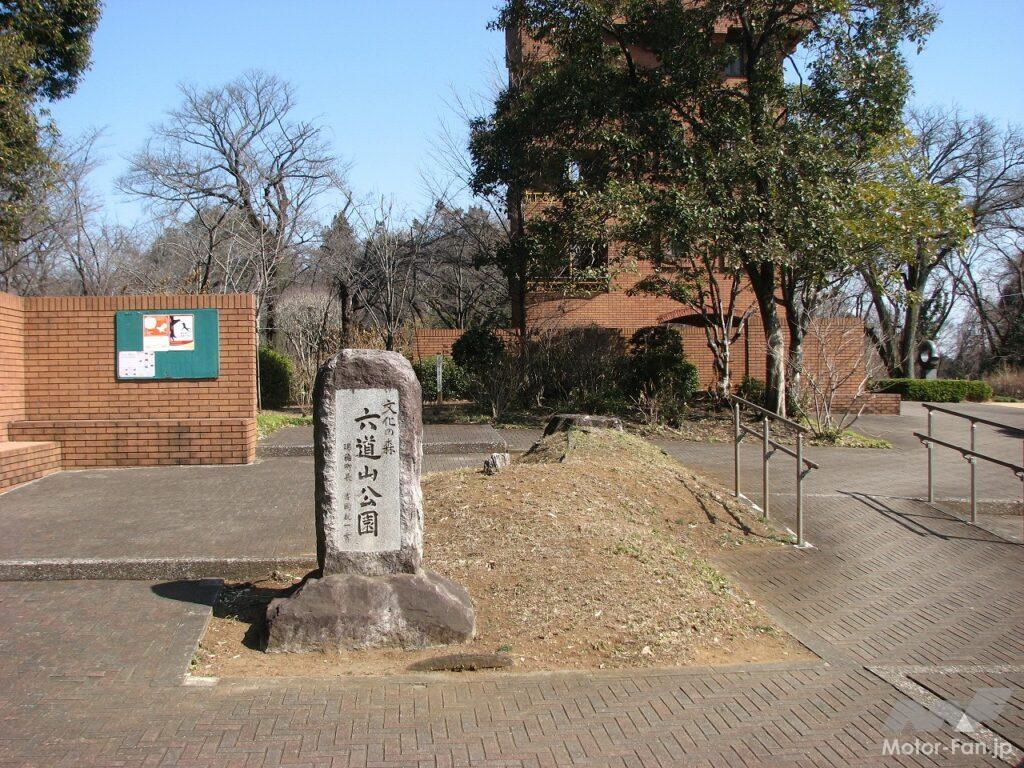
Rokudoyama Park is adjacent to Lake Sayama.
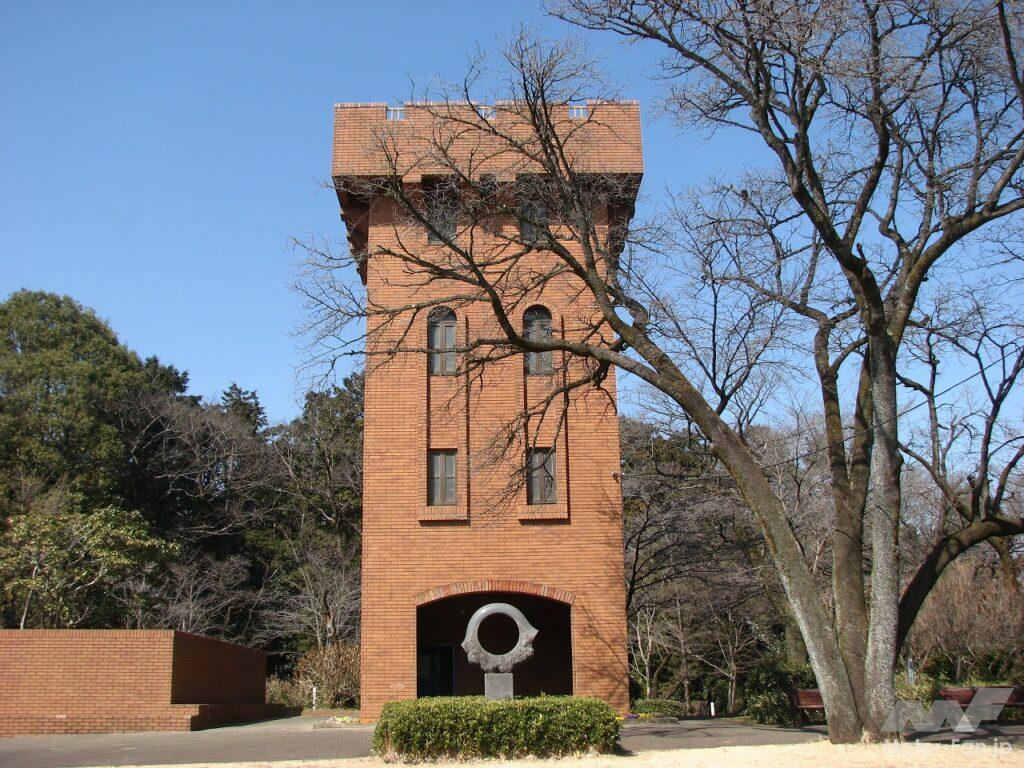
Observation deck in the park
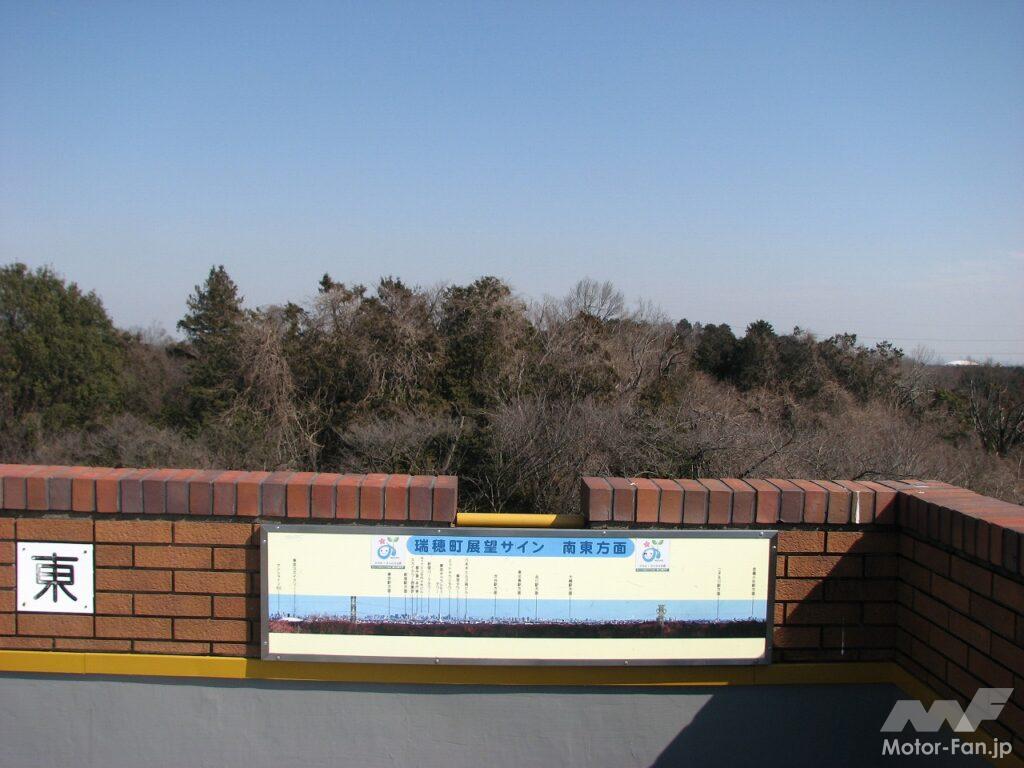
The observation deck offers views to the east, south, and west.
From Ishihata, we headed south down Gakko-dori Street, then along Ome-kaido Road to Satoyama Minka. This is one of the facilities within Noyamakita/Rokudoyama Park, and is a thatched-roof Satoyama Minka that is a reproduction of a house from the Edo period. The main house, storehouse, barn, work shed, and other buildings have been reproduced, giving the illusion of literally traveling back in time to the Edo period. There are also rice paddies and farms in the surrounding area, allowing you to enjoy the atmosphere of Satoyama from the past. What's even more exciting is that there is also a motorcycle parking area.
ADVERTISEMENT
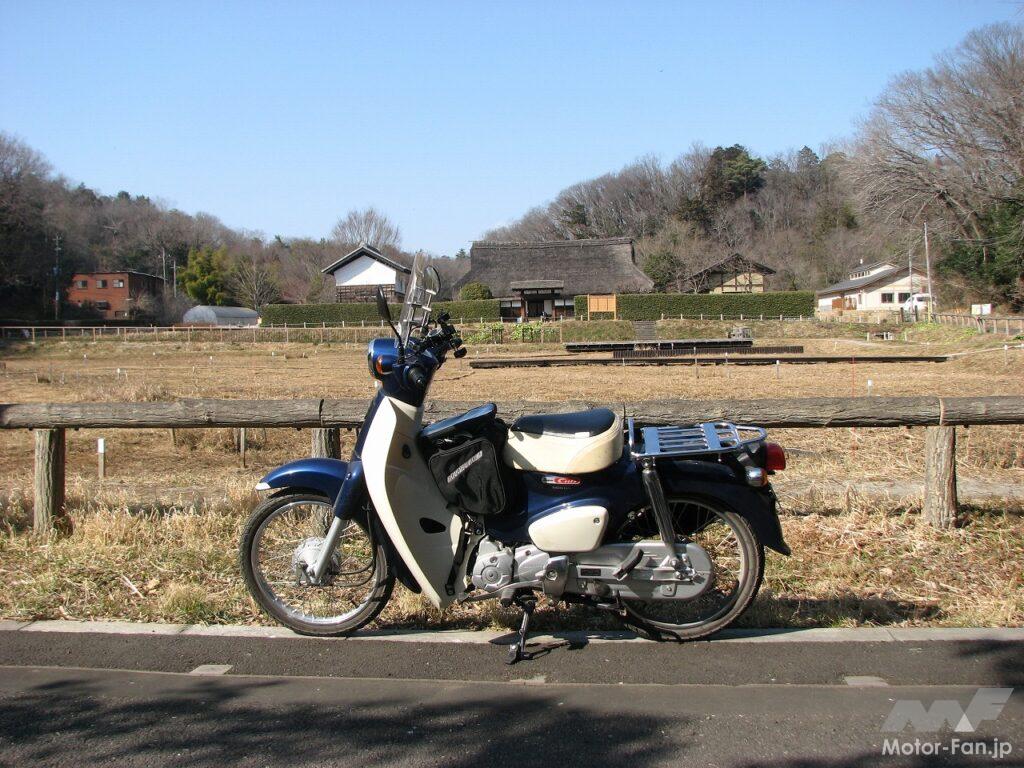
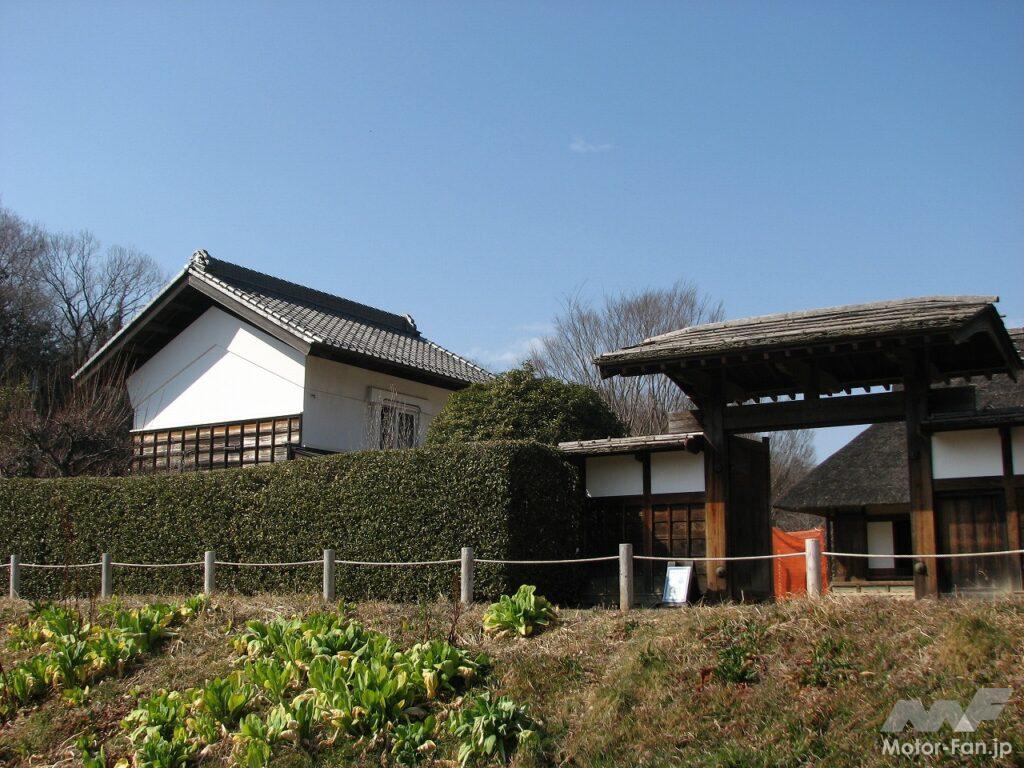
Satoyama private house in Noyamakita Rokudoyama Park
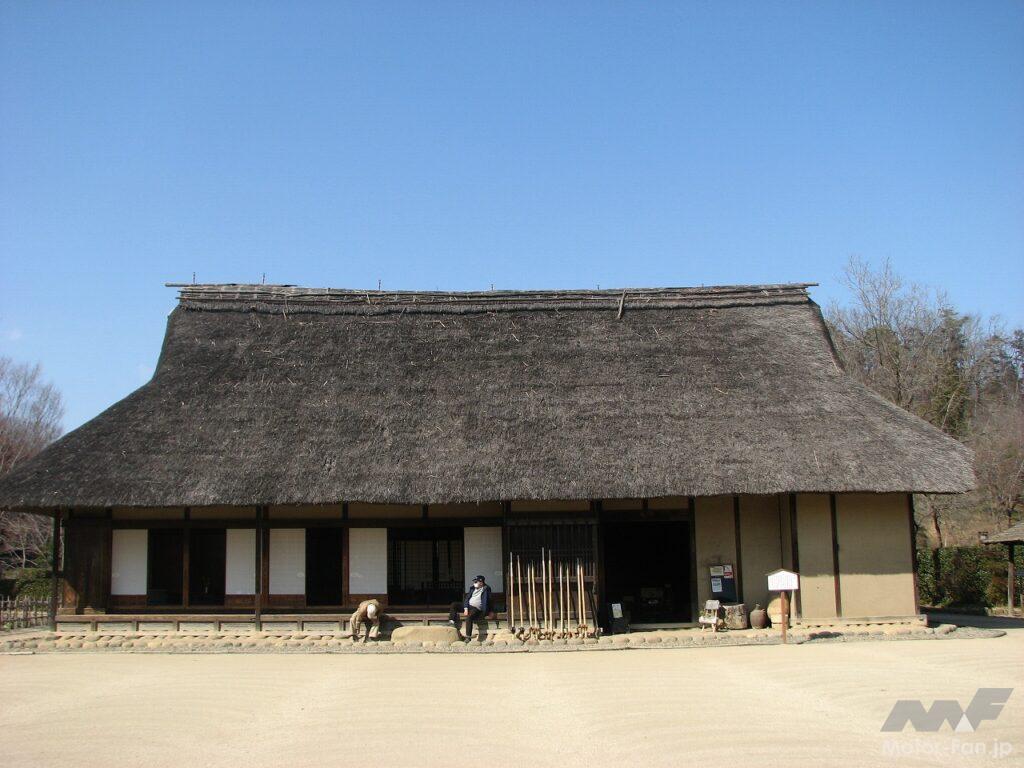
The thatched roof main building gives a glimpse into the lives of people in the Edo period
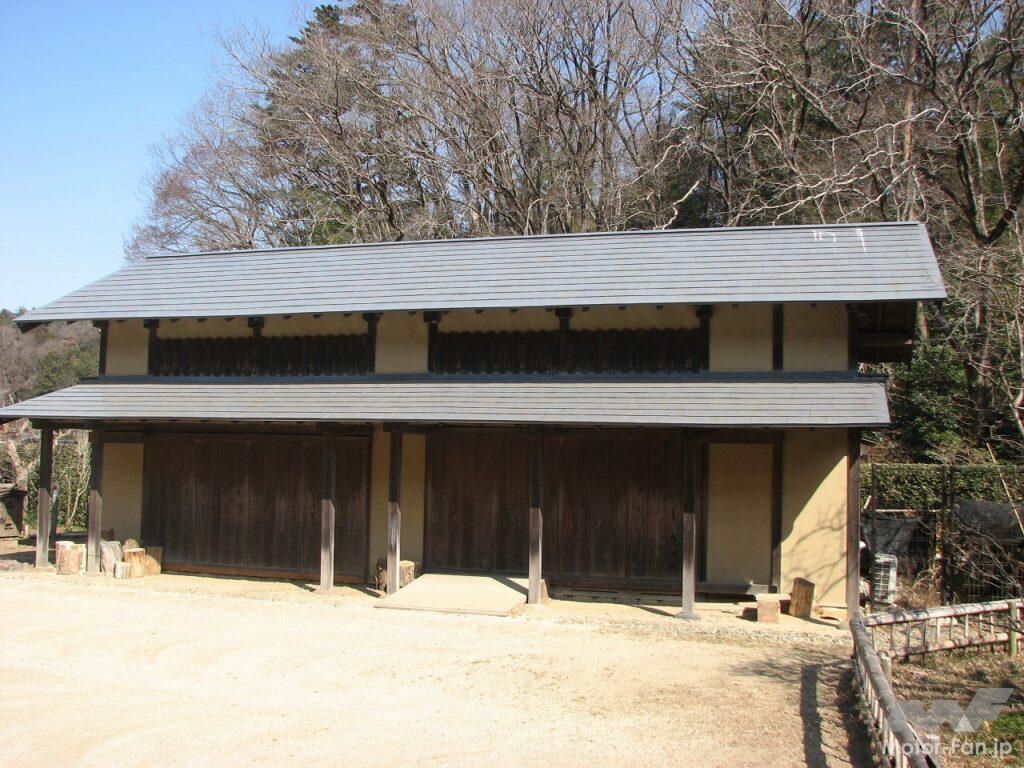
There is a barn behind the main house
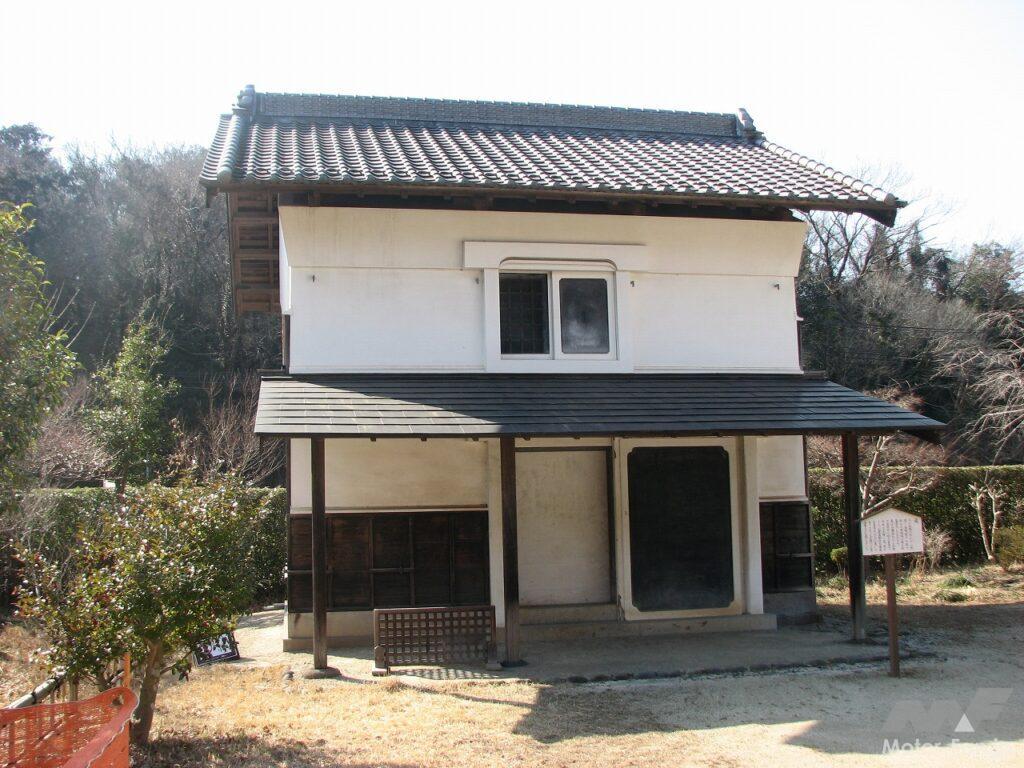
A magnificent storehouse is also recreated
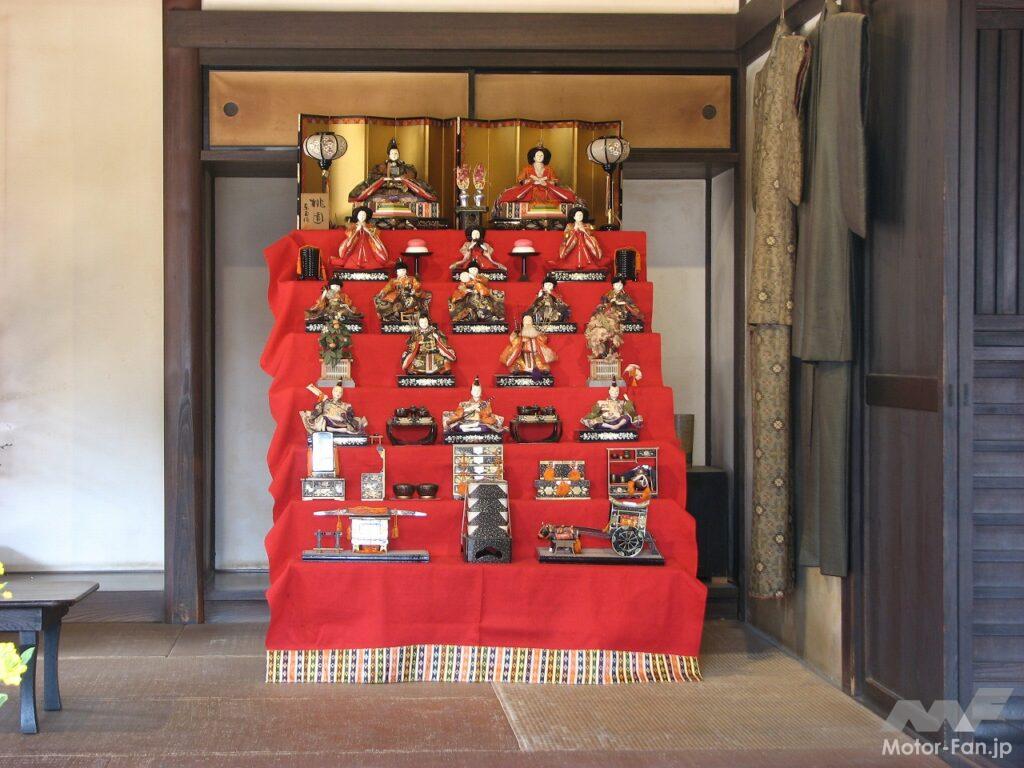
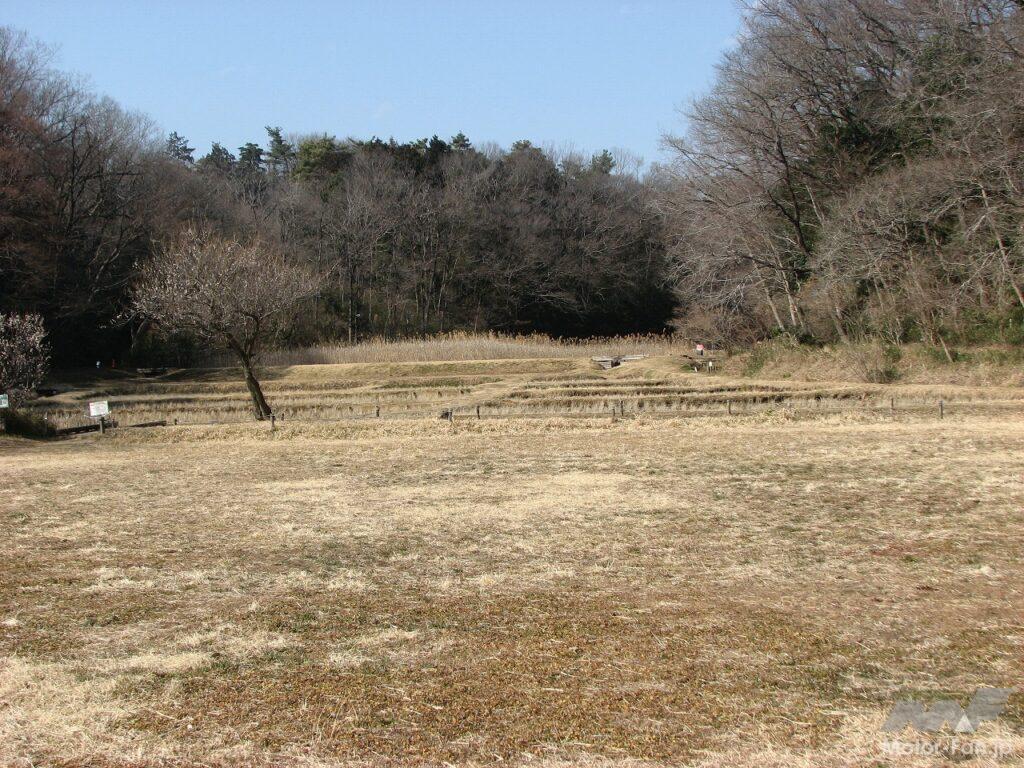
Rice fields and farmland are also managed.
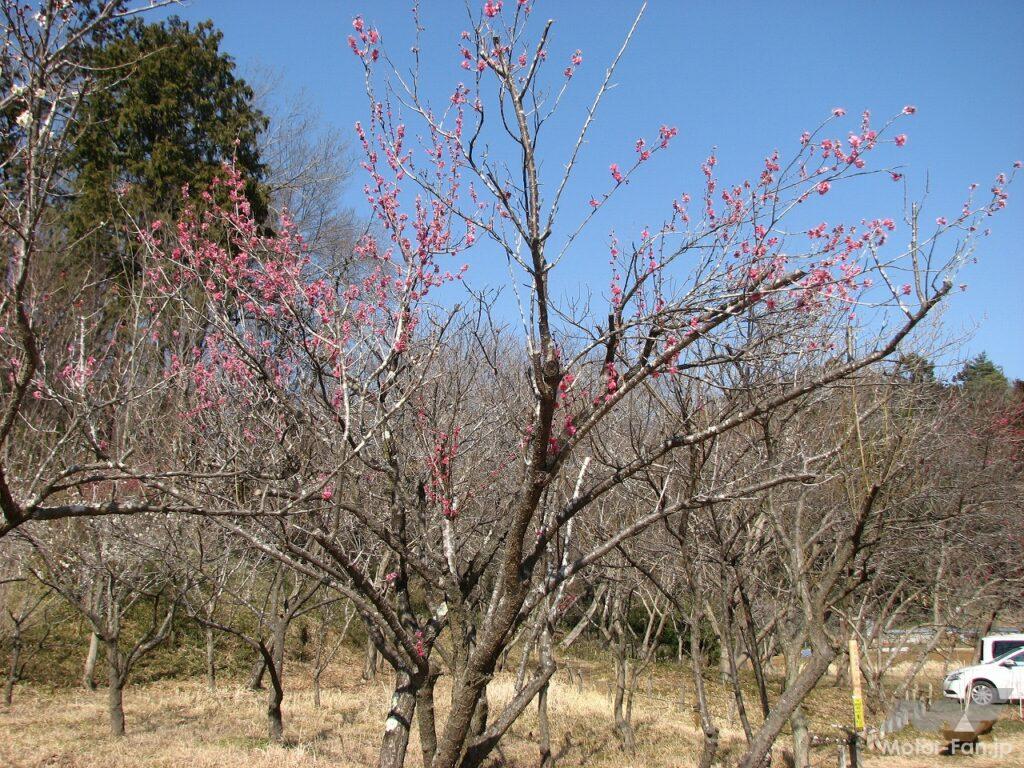
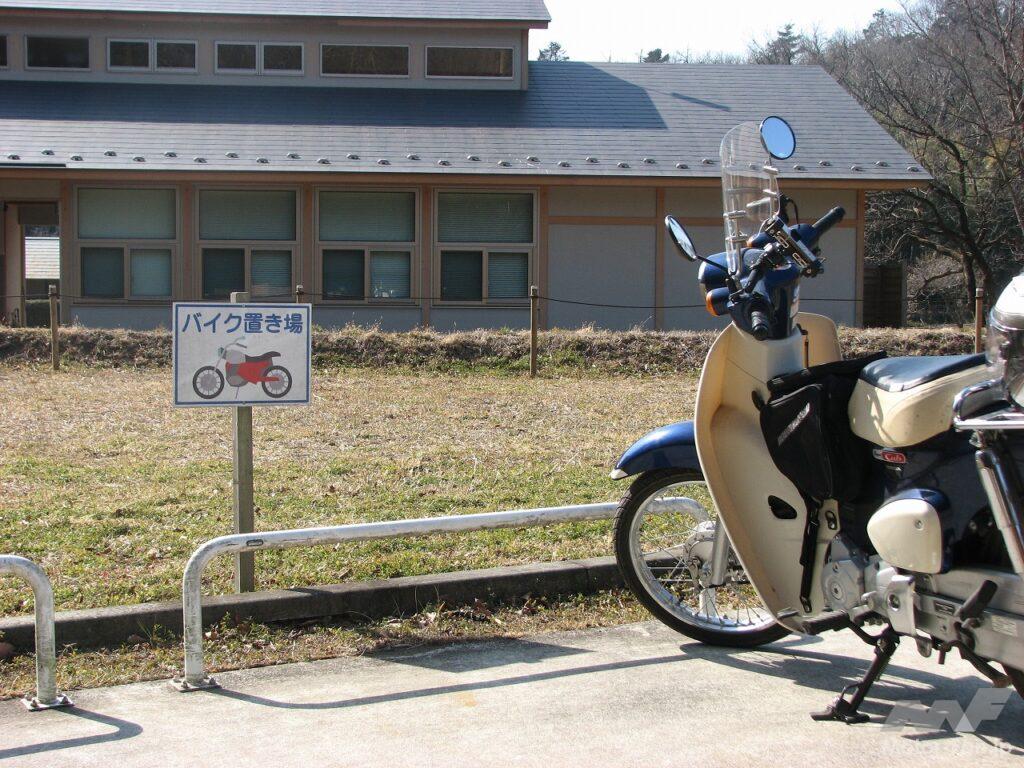
Satoyama houses are also equipped with motorcycle parking spaces
Returning to Ome-kaido, my final destination was an udon restaurant. Udon has long been a specialty in the area, and there are many restaurants serving the so-called Musashino udon. Among them, I decided to try locally produced udon at Mangetsu Udon in Musashimurayama. It was late afternoon, but it seemed to be a popular restaurant, as there were several people queuing up in front of the restaurant, which is located in a residential area. I was shown inside the restaurant in about 15 minutes, and immediately ordered dipping udon noodles. The thick, chewy, slightly dark udon noodles were dipped in a dipping sauce packed with ingredients, and I thought they were very satisfying due to their firm texture. I might become a repeat customer.
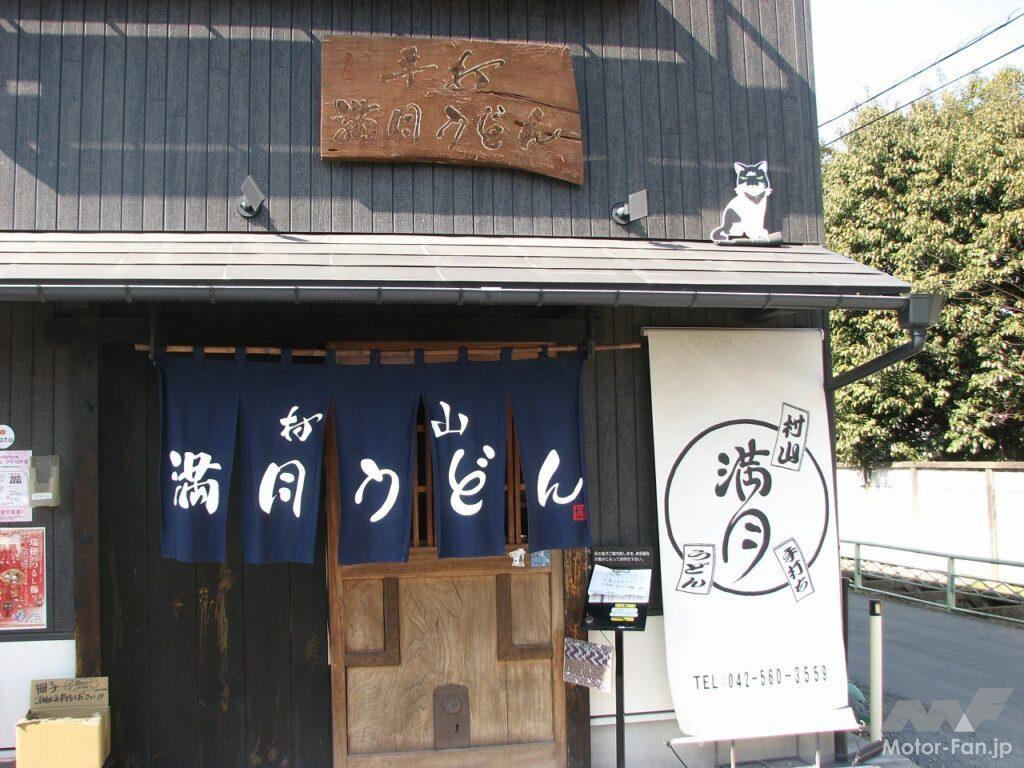
“Mangetsu Udon” is a popular restaurant located in a residential area of Musashimurayama.
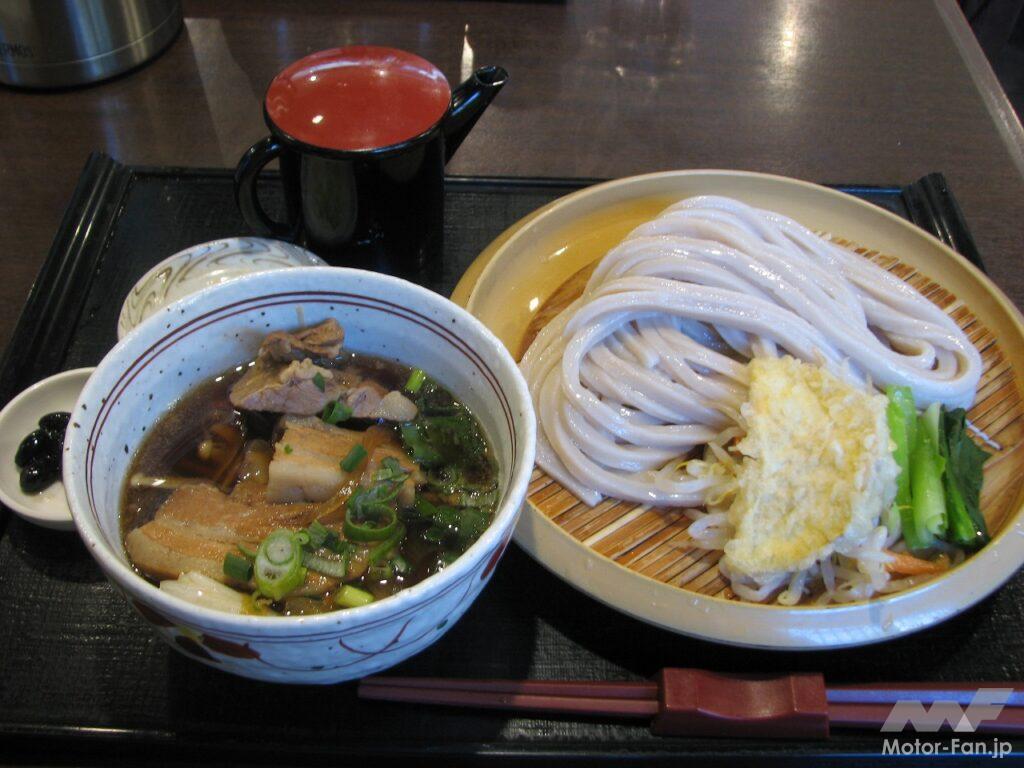
I ordered mushroom udon noodles. They were thick and chewy Musashino udon noodles.
This relaxed Cub tour, which took in two lakes with exhilarating views, a rare dirt road, a rural mountain landscape brimming with Edo atmosphere, and the local specialty udon, was more satisfying than I had imagined. The trip covered 65 km and used 1.2 liters of gasoline. Including meals, it was a short trip costing about 1,200 yen.










![[Izu City, Shizuoka Prefecture] A great touring spot to visit by motorcycle | Passing the Amagi Pass through central Izu.](https://motopeek.com/wp-content/uploads/2025/11/4734-1762339049801.jpg)