

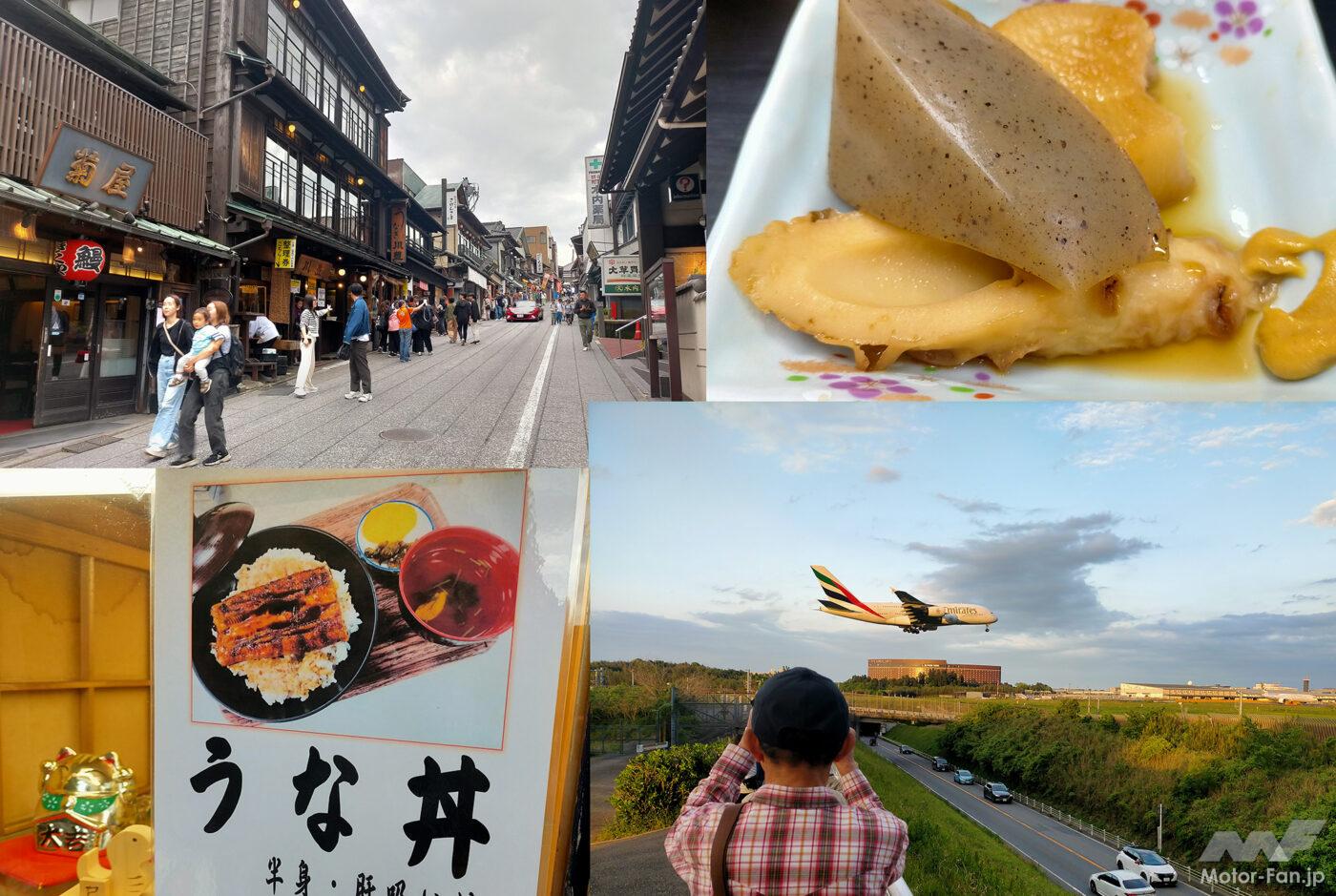
A full day of fun! A touring course unique to Narita, a city of history and airports
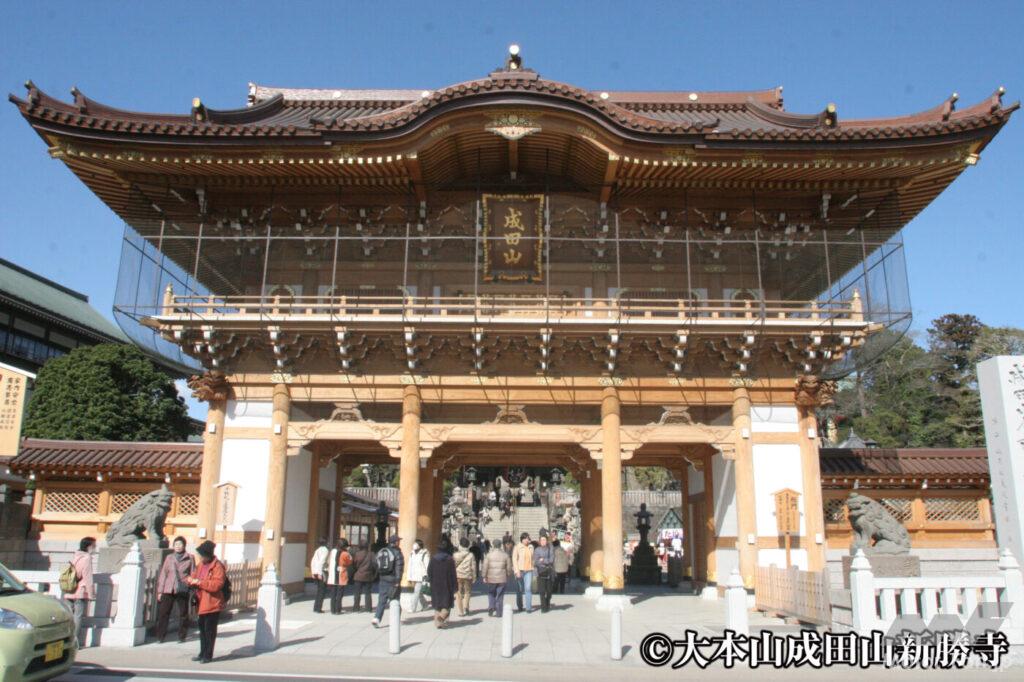
The main gate of Naritasan Shinshoji Temple. Photo courtesy of Naritasan Shinshoji Temple
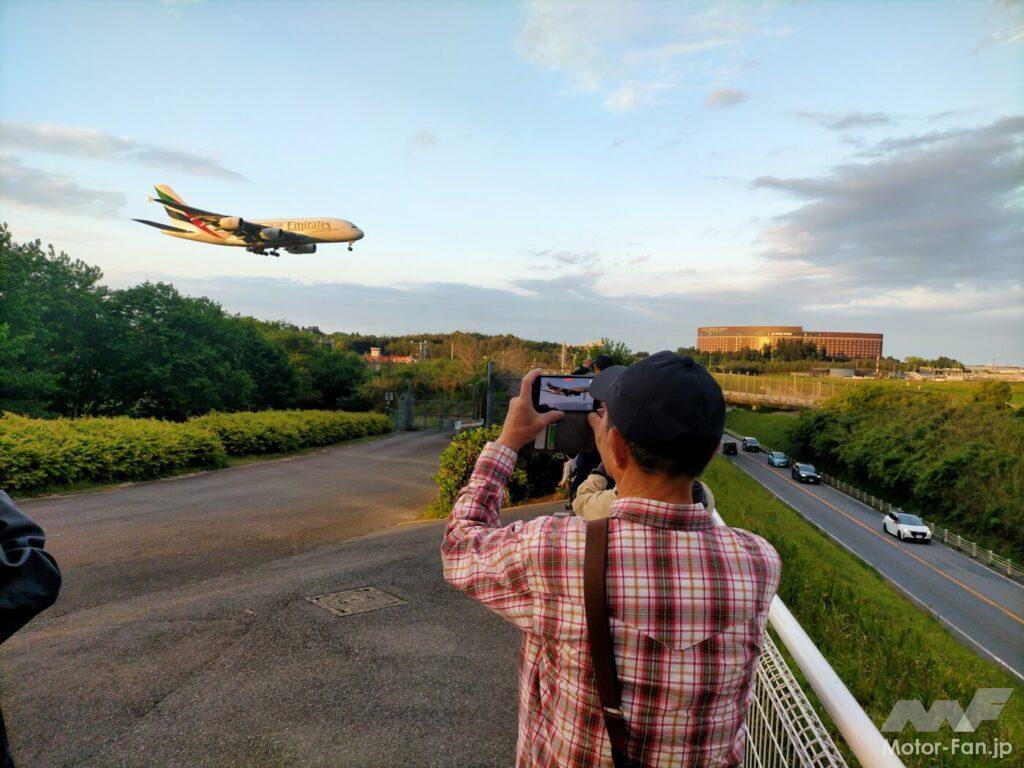
Narita City Sakuranoyama is a park near Narita Airport where you can witness large aircraft landing.
What comes to mind when you hear “Narita City, Chiba Prefecture”? Narita International Airport, Naritasan, Narita’s eels, and so on, but let’s start with the streets, which are inseparable from motorbikes.
Narita Kaido, which can be called the main street of Narita City, is a historic road established during the Edo period that leads to Naritasan Shinshoji Temple, one of the city’s most famous landmarks. It branches off from Shinjuku on the Mito Kaido, passes through Funabashi (now Funabashi City) and Sakura Domain (now Sakura City), and was developed as the main road to Naritasan Shinshoji Temple.
The current Narita Kaido runs from Nakanogi Intersection in Maehara-nishi, Funabashi City, Chiba Prefecture on National Route 296 to Shisui Intersection in Honsakura, Shisui Town, Inba District, Chiba Prefecture, to Shisui Intersection in Honsakura, Shisui Town on National Route 51, and to Teradai Interchange in Teradai, Narita City, Chiba Prefecture.
The Narita Kaido was once used as a route for visiting Naritasan Shinshoji Temple, and along the road in the Sakura Domain (Sakura City), which flourished as a castle town, there were also inns (hatago – accommodations that provided lodging and meals for travelers). Remnants of this can still be seen today in Sakura City, a castle town adjacent to Narita City.
Here, you can enjoy sightseeing in the atmospheric city of Narita, as well as a beautiful park where you can fully enjoy watching aircraft taking off and landing at Narita Airport. We will introduce a touring course unique to Narita City where you can fully enjoy history, gourmet food, and airplane observation all day long.
Naritasan Shinshoji Temple: One of the best places for New Year’s visits in the Kanto region
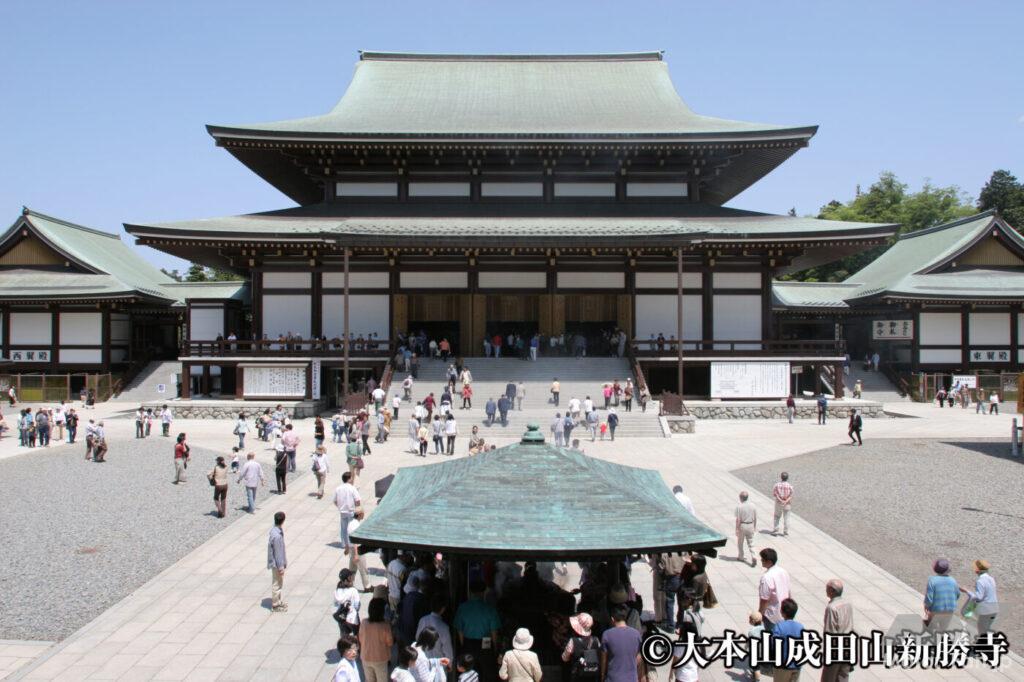
The main hall of Naritasan Shinshoji Temple. Photo courtesy of Naritasan Shinshoji Temple
ADVERTISEMENT
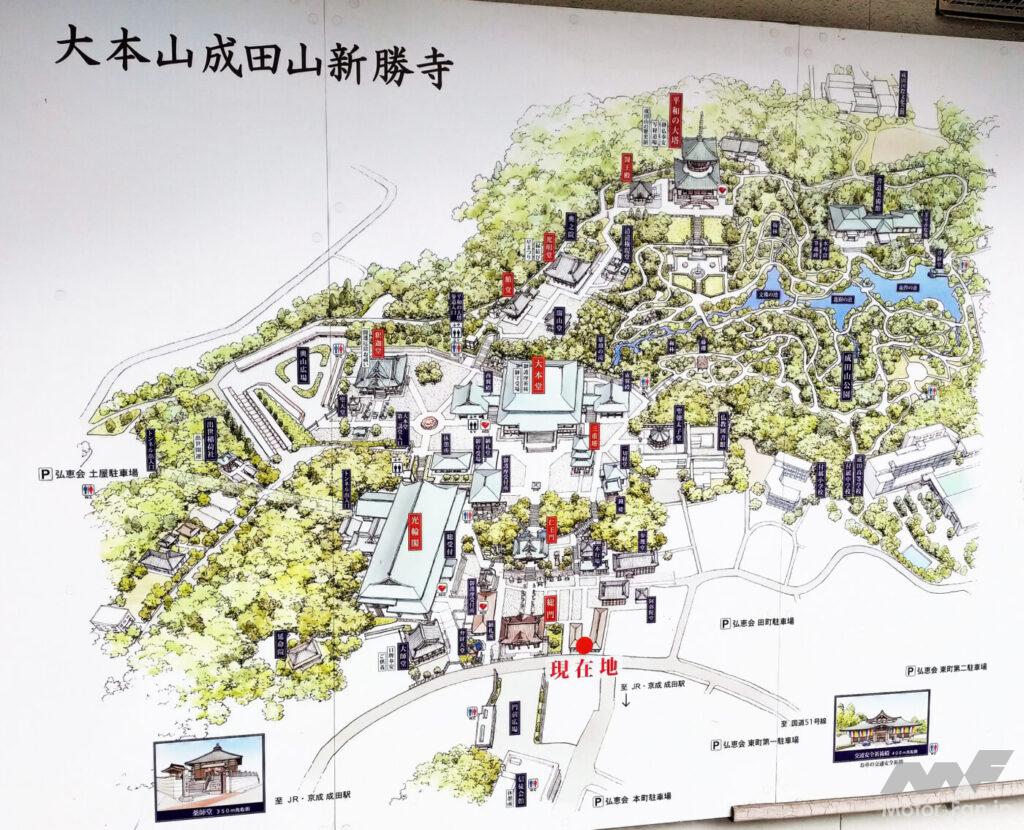
The vast grounds of Naritasan Shinshoji Temple.
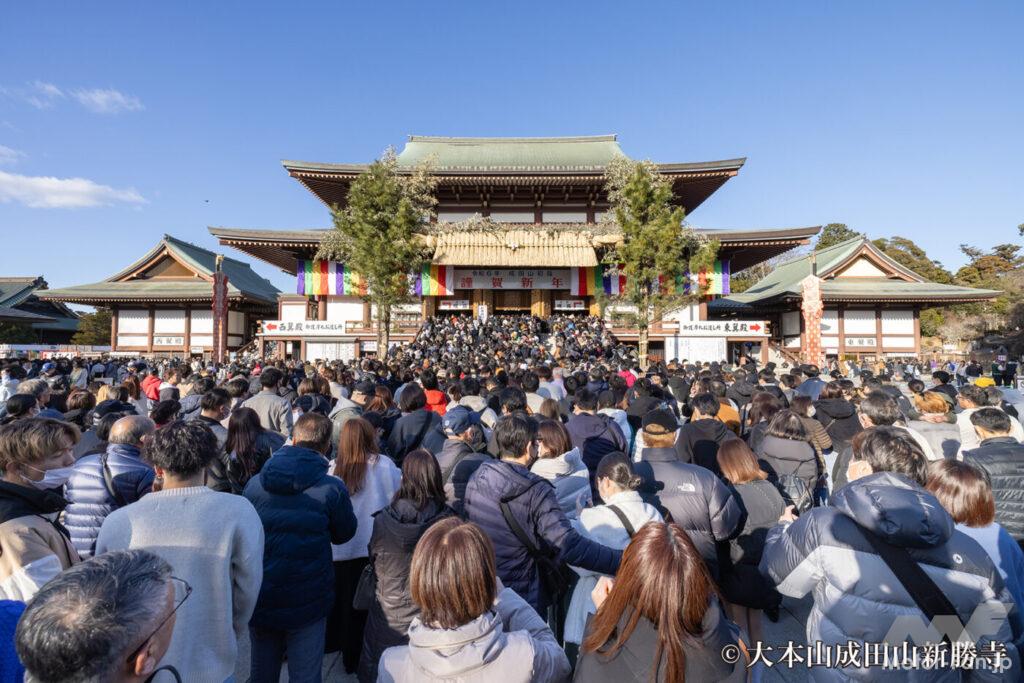
A scene from the first shrine visit of the year. Photo courtesy of Naritasan Shinshoji Temple
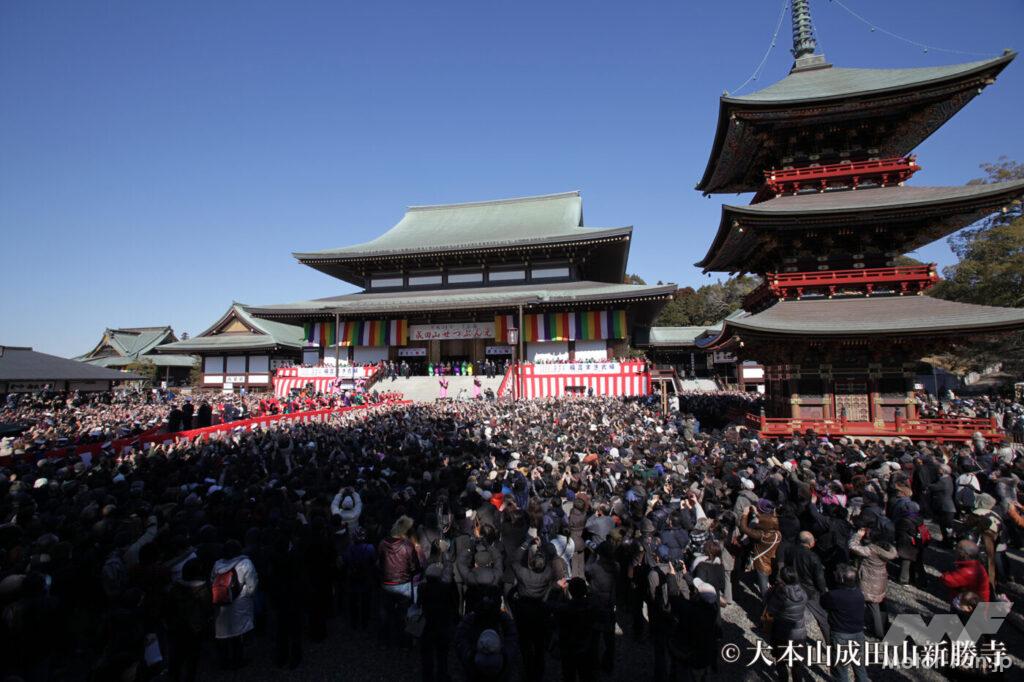
A scene from the Setsubun ceremony. Photo courtesy of Naritasan Shinshoji Temple
Naritasan Shinshoji Temple, which has a history of over 1,080 years, is the head temple of the Chizan school of Shingon Buddhism in Narita City, Chiba Prefecture. Located about a 15-minute walk from JR Narita Station and Keisei Narita Station on the Keisei Line, the temple is known as one of Japan’s leading New Year’s shrine visit spots, with approximately 3 million people visiting every year during the first three days of the New Year alone.
The Keisei Main Line will be hosting major New Year’s events, with trains running all night between Keisei Ueno Station and Keisei Narita Station on New Year’s Eve and additional trains running over the New Year’s holiday period (varies by year).
Naritasan Shinshoji Temple, the head temple of the Chizan school of Shingon Buddhism and the center of Fudo Myo-o worship across the country, is also famous for being the site of worship for many figures, including Minamoto no Yoritomo, Mito Mitsukuni, and successive generations of Ichikawa Danjuro (Kabuki actor). As the name “Naritasan” suggests, it is located on a sloping mountain area, and the grounds, which are full of slopes and stone steps, are home to many valuable historic buildings. It is a fascinating spot that is irresistible for temple and history lovers.
Every year on Setsubun, February 2nd, Naritasan Shinshoji Temple holds the Naritasan Setsubun Ceremony. The event is famous for the fact that various celebrities, including sumo wrestlers and popular actors who appear in NHK historical dramas, throw beans from a special stage set up in front of the main hall. This event is broadcast on the TV news every year, so many people will remember it.
Within the grounds of Naritasan Shinshoji Temple is the vast Naritasan Park, covering an area of approximately 3.5 Tokyo Domes (165,000 m2), where you can enjoy the changing seasons of plum blossoms, cherry blossoms, wisteria, chrysanthemums, and autumn leaves. There are also haiku monuments inscribed with poems by famous writers such as Matsuo Basho and Takahama Kyoshi in various places within the park, allowing you to feel the footsteps of our ancestors.
Inside the main hall, monks chant sutras, giant drums are beaten, and rituals are held, creating a unique temple atmosphere and a peaceful atmosphere.
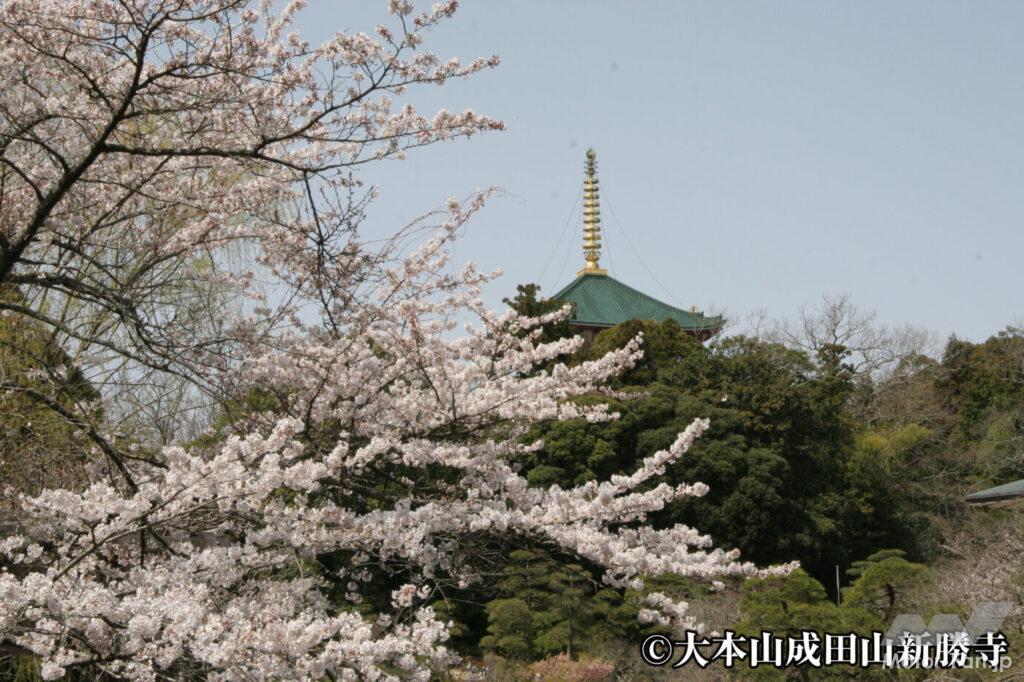
Naritasan Park (photographed in spring when the cherry blossoms are in full bloom). Photo courtesy of Naritasan Shinshoji Temple
ADVERTISEMENT
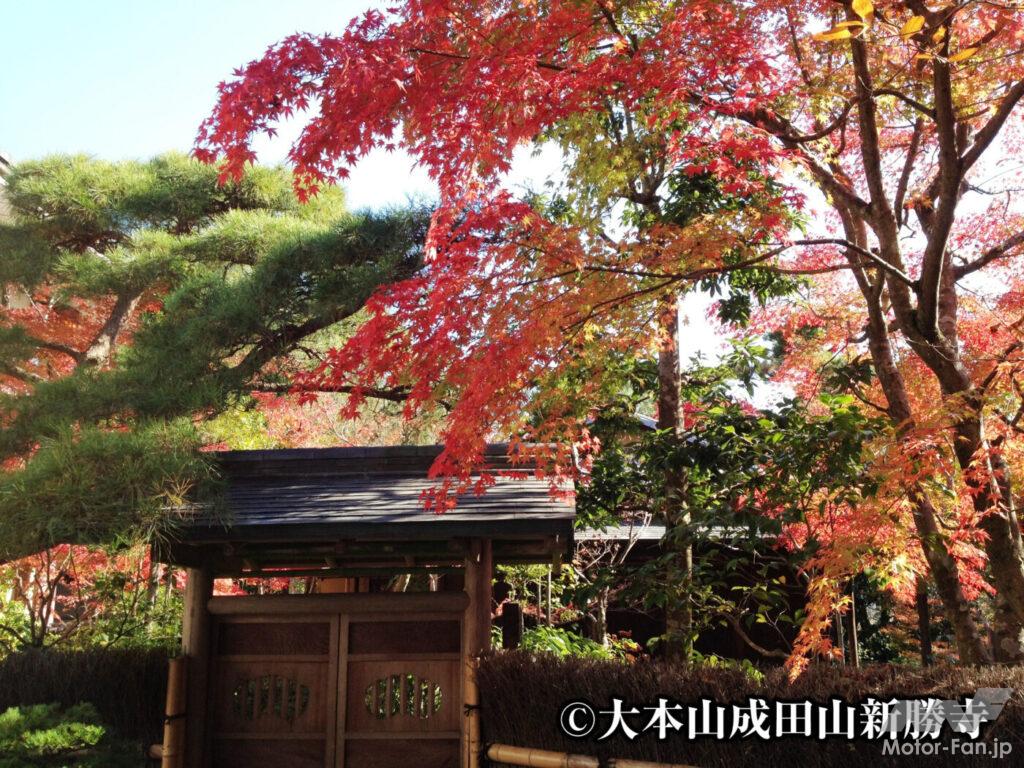
Naritasan Park (photographed in autumn when the leaves are beautiful). Photo courtesy of Naritasan Shinshoji Temple
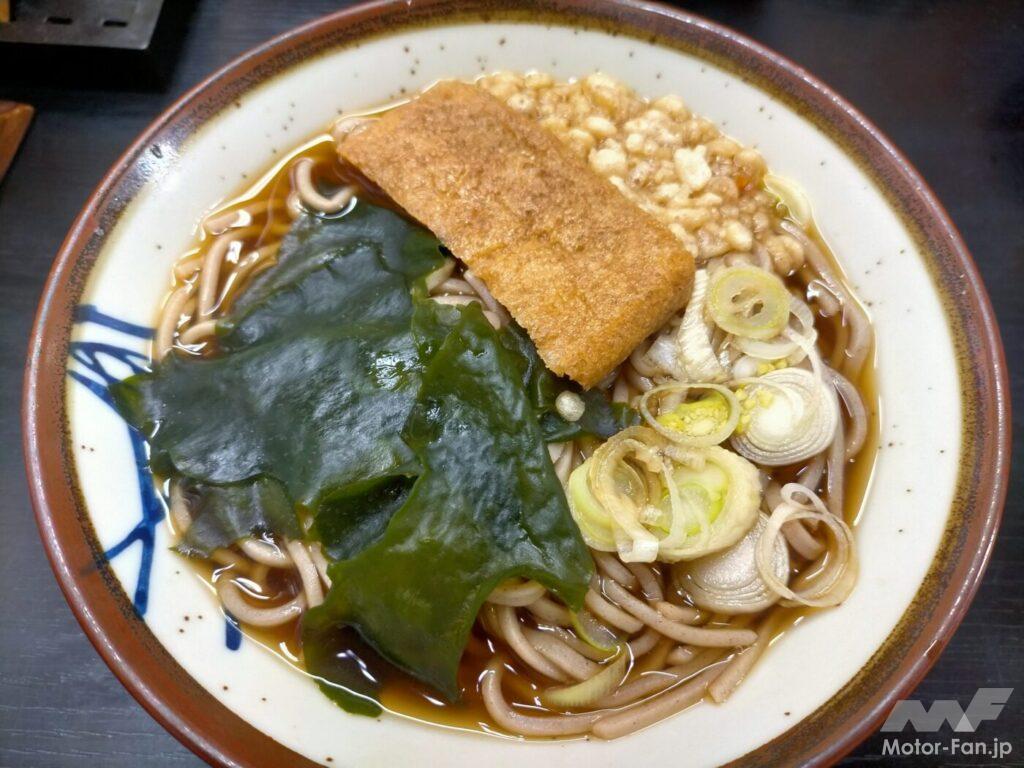
This is the tanuki soba that the author had at a restaurant in the grounds of Naritasan Shinshoji Temple.
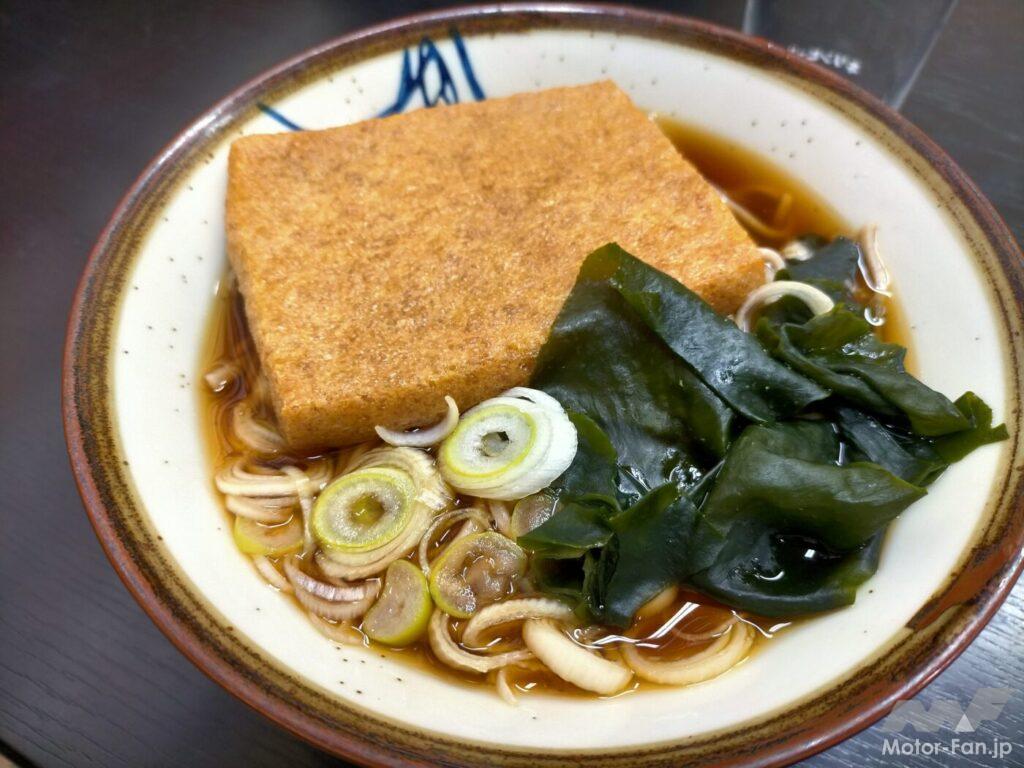
I had kitsune udon at the same restaurant.
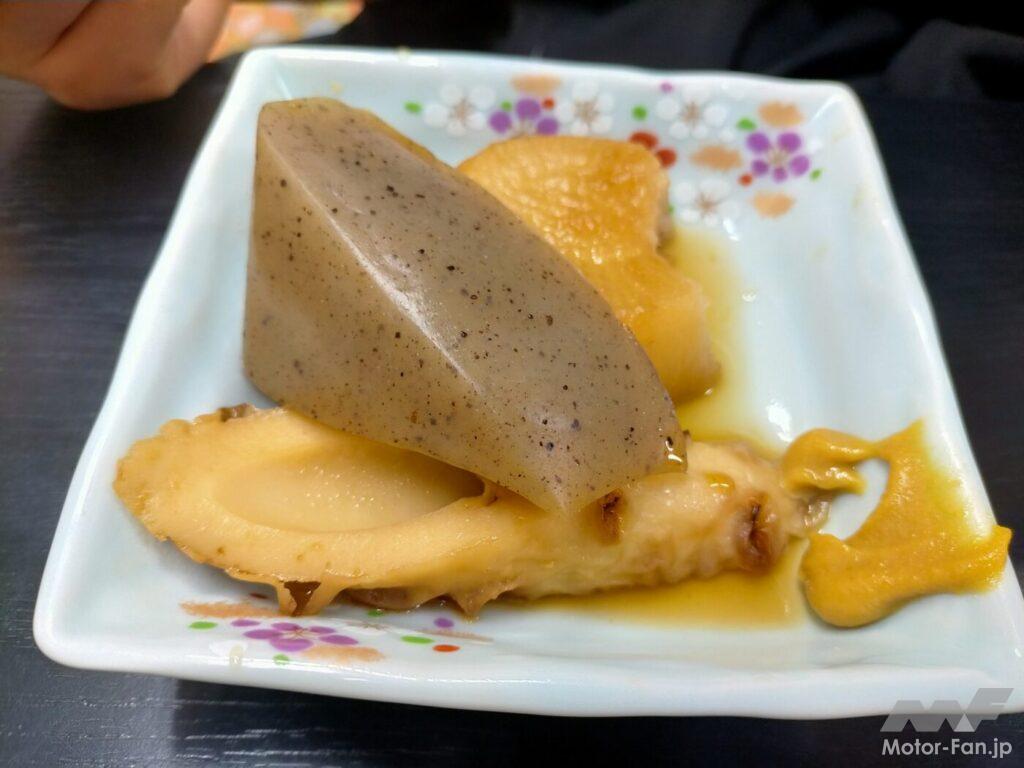
Hot oden.
Enjoy eel from a long-established restaurant! Omotesando is lined with over 150 restaurants and souvenir shops.
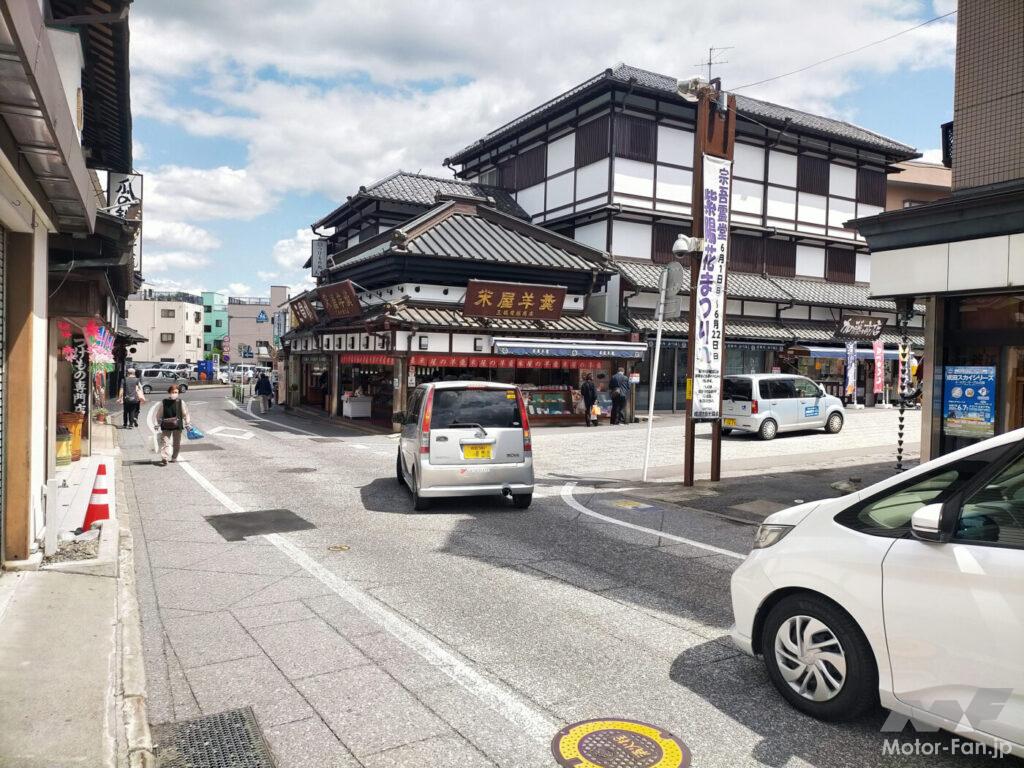
Omotesando is a historic street stretching for about 800m from JR Narita Station and Keisei Narita Station to near Naritasan Shinshoji Temple.
ADVERTISEMENT
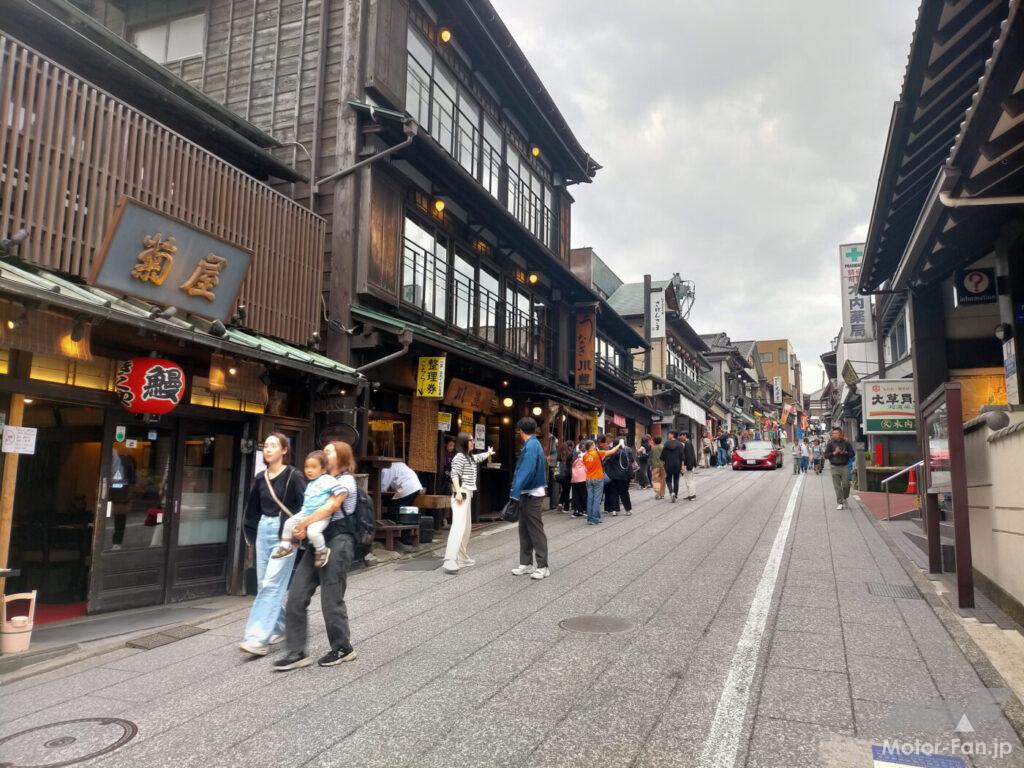
Omotesando is lined with over 150 restaurants and souvenir shops.
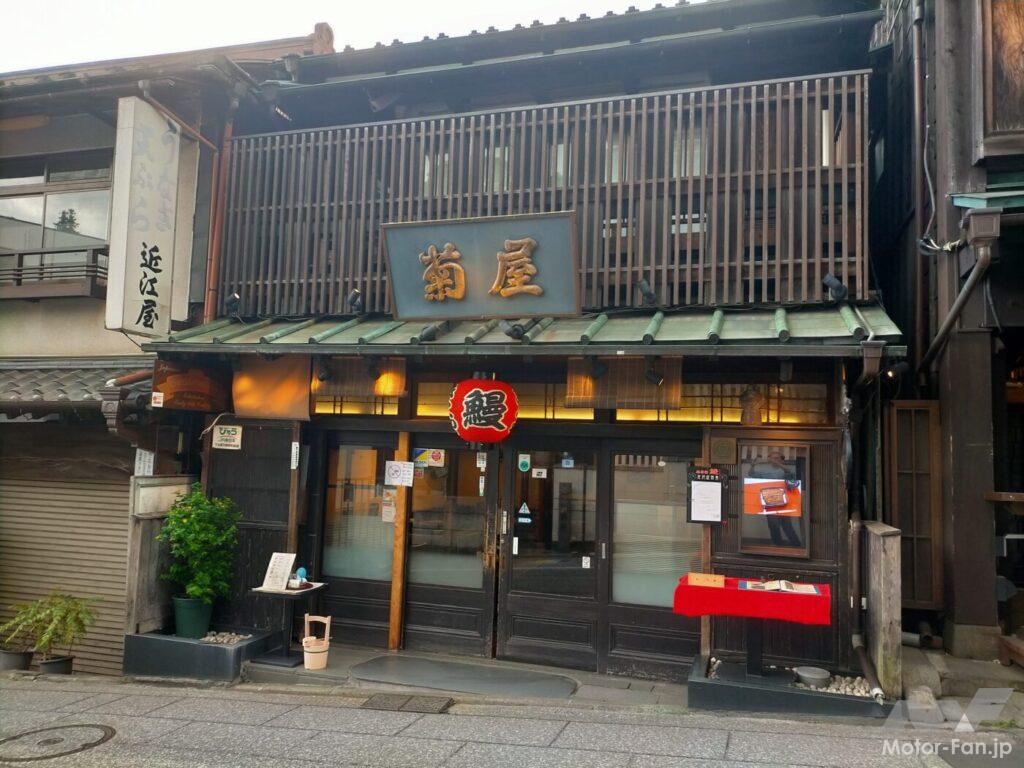
A long-established restaurant famous nationwide for its eel dishes.
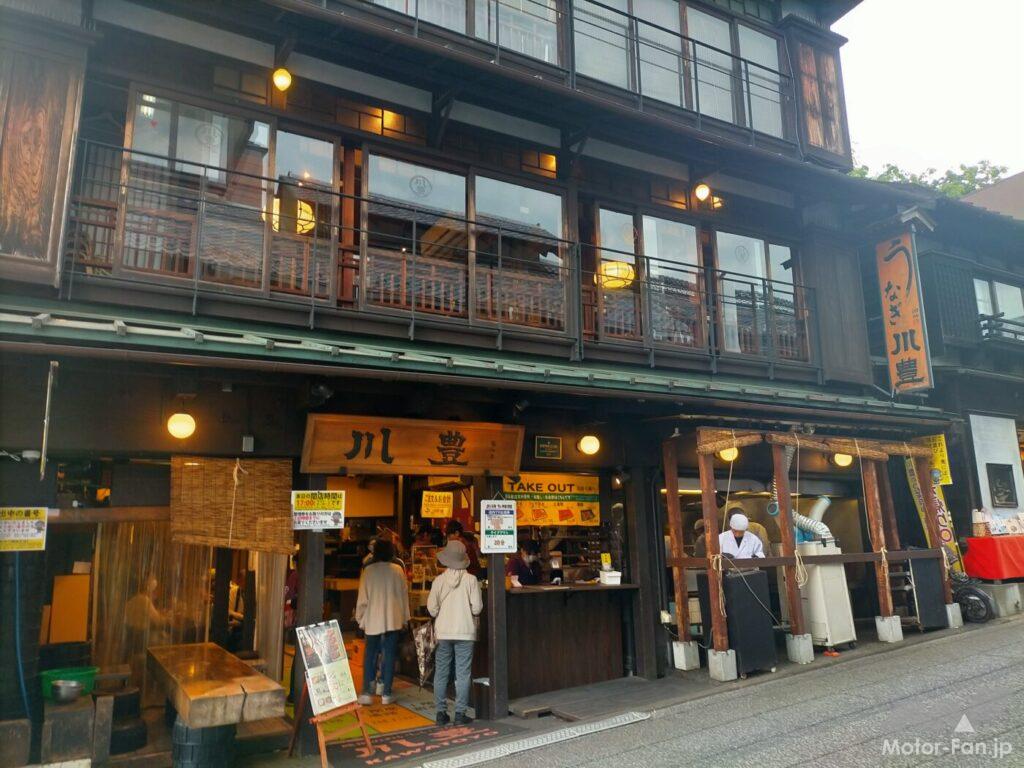
Narita City, sandwiched between Lake Inban and the Tone River, has been a place where wild eels have been caught since the Edo period. There are about 20 restaurants serving eel and other dishes in and around Omotesando.
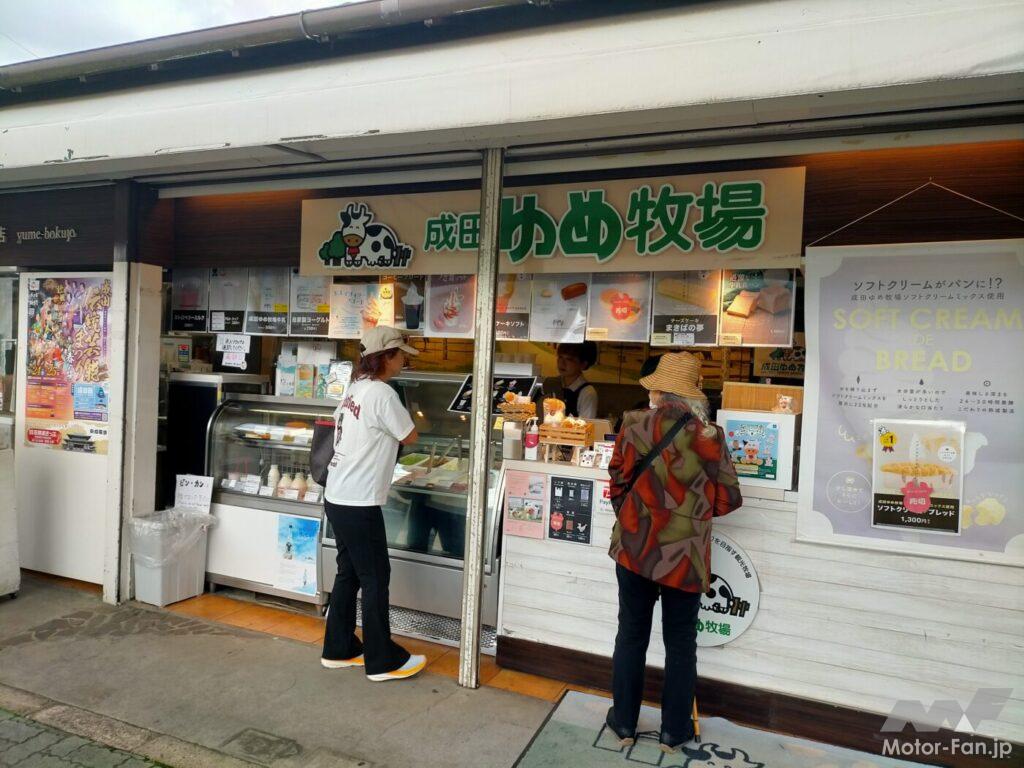
Near Naritasan Shinshoji Temple, soft serve ice cream, a favorite among Chiba residents, is also on sale at Narita Yume Ranch in Narita City, Chiba Prefecture, and at the adjacent site.
Omotesando, which stretches for about 800 meters from JR Narita Station and Keisei Narita Station to near Naritasan Shinshoji Temple, is another famous landmark in Narita City. Even on weekdays, it is bustling with tourists (especially foreigners).
This narrow, one-way street (from the station side to Naritasan Shinshoji Temple side) is open to regular cars and motorcycles and has flourished as a temple town since the Edo period, and even today retains the historic atmosphere that remains from that time. Over 150 restaurants and souvenir shops line the approach to the temple, where you can enjoy plenty of gourmet food and local specialties, including the famous eel dishes.
This was my first visit in 20 years, and even though it was a weekday, the streets were packed with inbound foreign tourists. Also, unlike 20 years ago, there are more modern shops selling sweets and other items, and the area is becoming somewhat more like a resort.
However, locals still come shopping on their bicycles, and elementary and junior high school students are walking home from school at their usual time. The townscape, which preserves tradition while successfully blending the lives of ordinary people with the tourist industry, is the same today as it was 20 years ago.
It takes about 20 minutes by train from Narita Airport Station to Keisei Narita Station. The above spots are stops on the way to the city center. Many tourists also stop by on their way from the city center to the airport. For foreigners in particular, this area is a place where they can experience Japanese culture firsthand, and there is no doubt that it is a mysterious and mystical place of the Orient.
Both Naritasan Shinshoji Temple and Omotesando are places that would be a shame to just pass by. There are plenty of parking spaces around Naritasan Shinshoji Temple (around 800 yen a day), so be sure to stop by and take your time exploring!
| [Access from Tokyo to Narita Station (example)] ・JR Ueno Line “Tokyo Station” to JR “Abiko Station” to JR Joban/Narita Line “Narita Station” *Travel time: approximately 1 hour 30 minutes / Fare: 1,170 yen ・Keisei Main Line “Ueno Station” to “Keisei Narita Station” *Travel time: approximately 1 hour 20 minutes / Fare: 860 yen |
| [Access to Narita City by Expressway (Example)] – Higashi-Kanto Expressway – Get off at Tomisato IC and drive for about 10 minutes by car or motorbike |
Why did eel become a Narita specialty?
ADVERTISEMENT
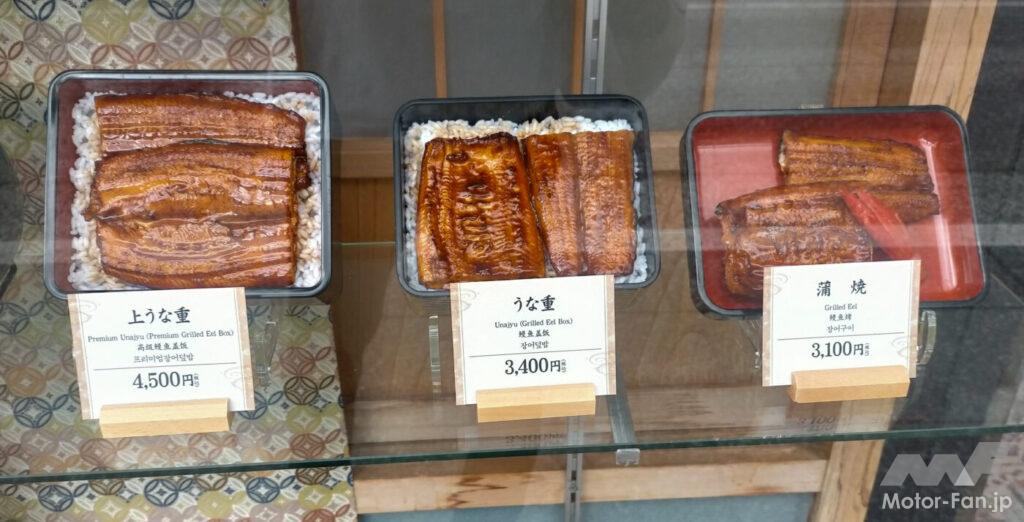
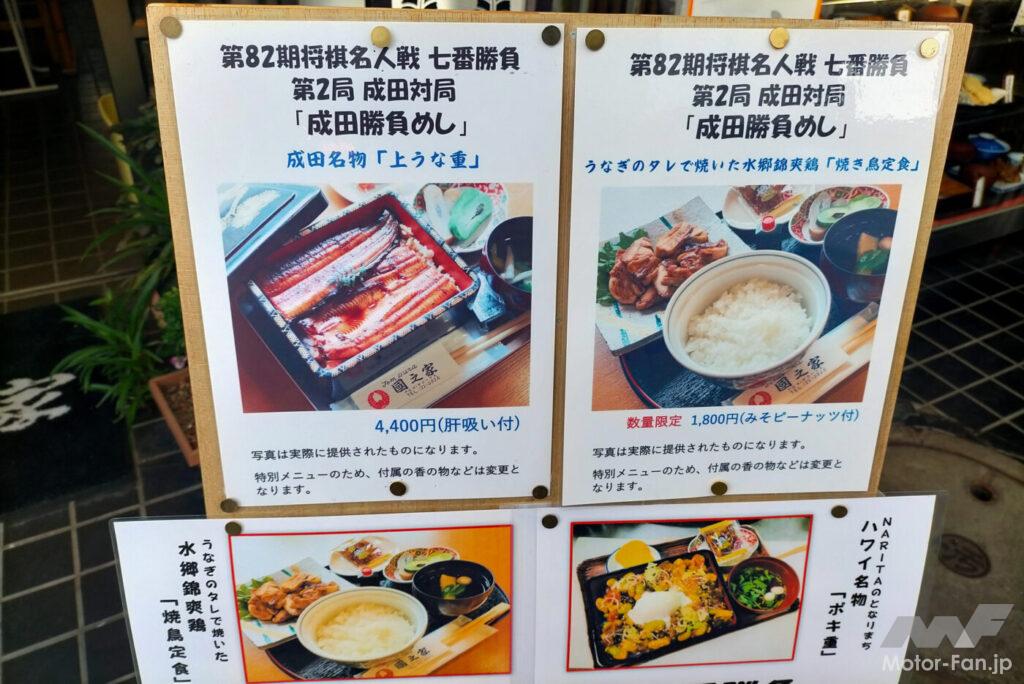
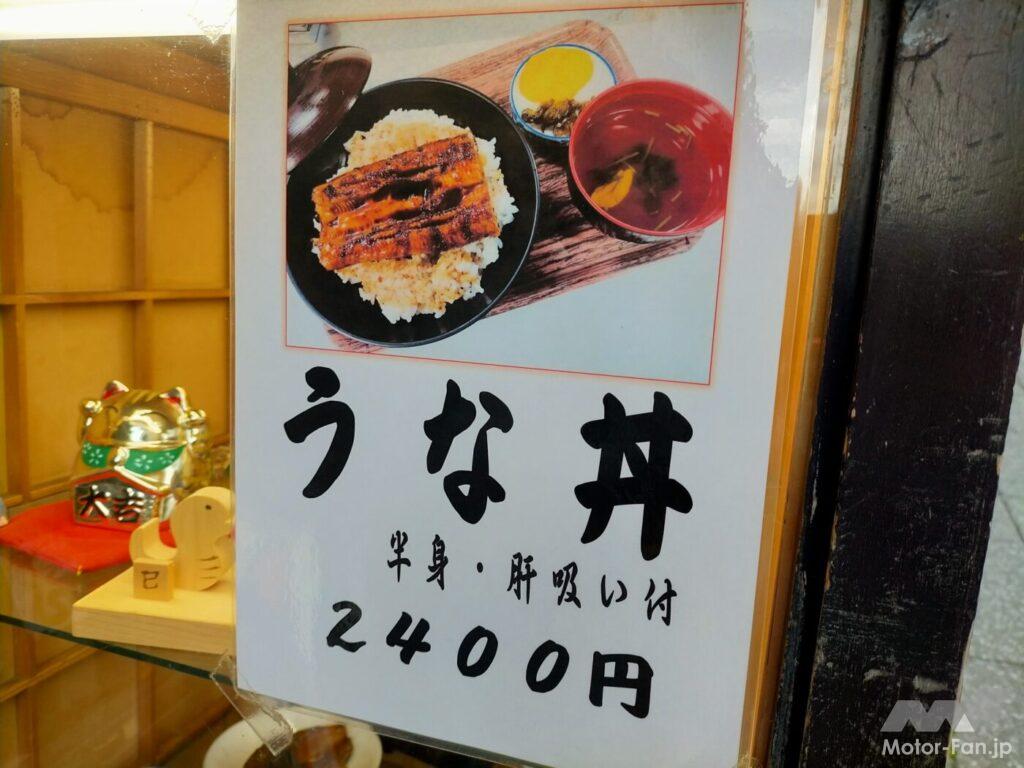
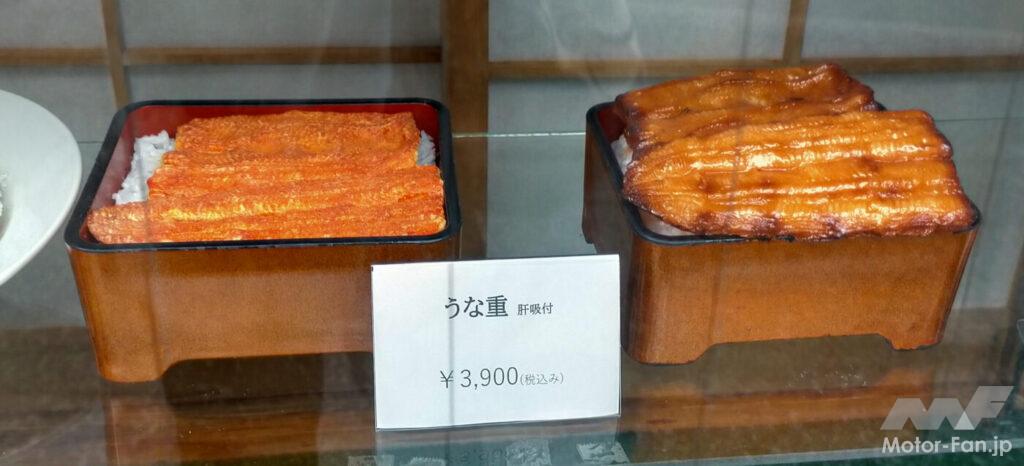
Narita City, sandwiched between Lake Inban and the Tone River, has been a place where wild eels have been caught since the Edo period. Eel dishes are a source of stamina that were served to soothe the tired bodies of people who had walked diligently along the Narita Kaido road to make pilgrimages.
Remnants of this tradition still remain today, with around 20 long-established eel specialty restaurants in and around Omotesando, as well as restaurants serving dishes like unaju (eel rice bowl), unadon (grilled eel), and kabayaki (grilled eel). If you’re in Narita, why not splurge a little (or even a lot) and try some delicious eel?
After enjoying Naritasan Shinshoji Temple and Omotesando, it’s time to go see the giant planes taking off and landing on the runway at Narita Airport. Check out Part 2 for more!
 A complete guide to Amami Oshima, a remote island in Kagoshima Prefecture, a World Natural Heritage site that Japan is proud of! “Basic knowledge” / Touring spots you’ll want to visit by motorcycle
Amami Oshima, a natural treasure trove, was registered as a World Natural Heritage Site in 2021. Located about 380km from Kagoshima City, this remote island in Kagoshima Prefecture is a hidden gem that can be called a “treasure of the world,” with its blue sea and deep greenery two sides of the same coin. With its warm climate, Amami Oshima is a place where you can enjoy touring all year round. This report will introduce the features and points of Amami Oshima, a place you’ll want to visit at least once in your life, in two parts: “Travel Preliminary Knowledge” and “Travel Practice”! PHOTO/REPORT●KITA Hideaki Interview date: Mid-April 2025 (3 days) *Note: Some of the content in the article is from the day of the interview and may vary depending on the season, time, weather, etc.
 A one-way trip for a moped costs 3,450 yen. Let’s go to Amami Oshima, a remote island in Kagoshima Prefecture, a World Natural Heritage site that you should visit at least once in your life! “Practical Edition” / Touring spots you want to visit by motorcycle
Amami Oshima, a natural treasure trove, was registered as a World Natural Heritage Site in 2021. Located about 380km from Kagoshima City, this remote island in Kagoshima Prefecture is a hidden gem that can be called a “treasure of the world,” with its blue sea and deep greenery two sides of the same coin. Amami Oshima’s warm climate makes touring enjoyable all year round. This report covers the features and points of Amami Oshima, a place you’ll want to visit at least once in your life. Following on from the “Basic Travel Knowledge” section, we will introduce the “Practical Travel” section♪ PHOTO/REPORT●KITA Hideaki Interview date: Mid-April 2025 (3 days) *Note: Some of the content in the article is from the day of the interview and may vary depending on the season, time, weather, etc.