
Vespa GTS150 Classic… 649,000 yen (orders start May 9, 2023)
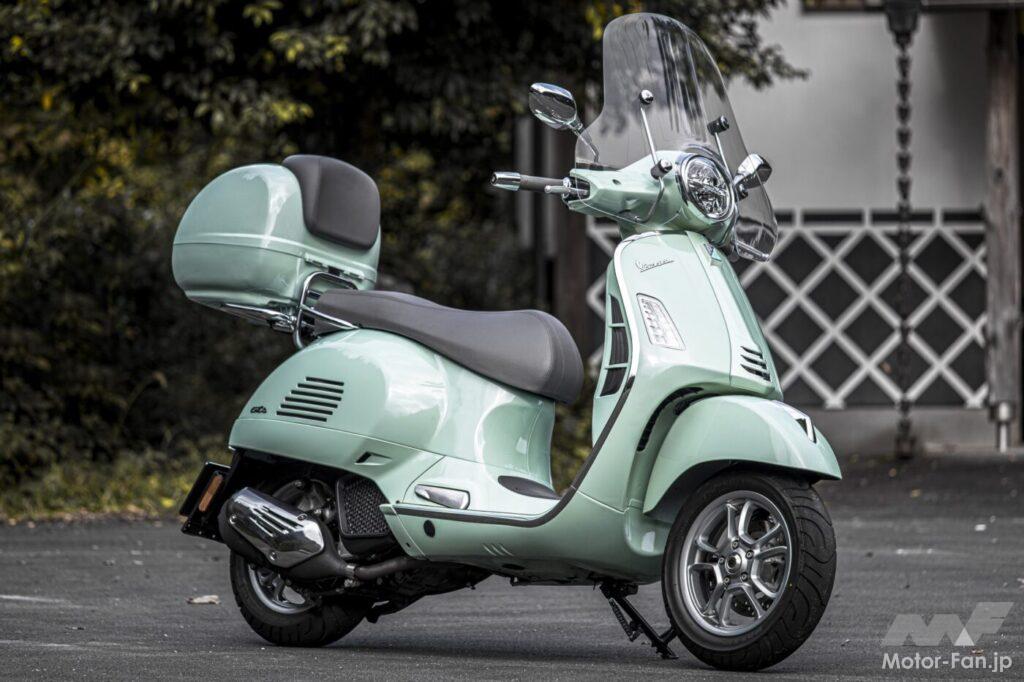
Currently, the GTS officially sold in Japan comes in two engine sizes: 300 (278cc) and 150 (155cc). The former comes in Super Tech and Super Sport, while the latter comes in Super and Classic, for a total of four models. The 150 Classic that I test rode comes in two color variations: Sabbia Beige and Relax Green.
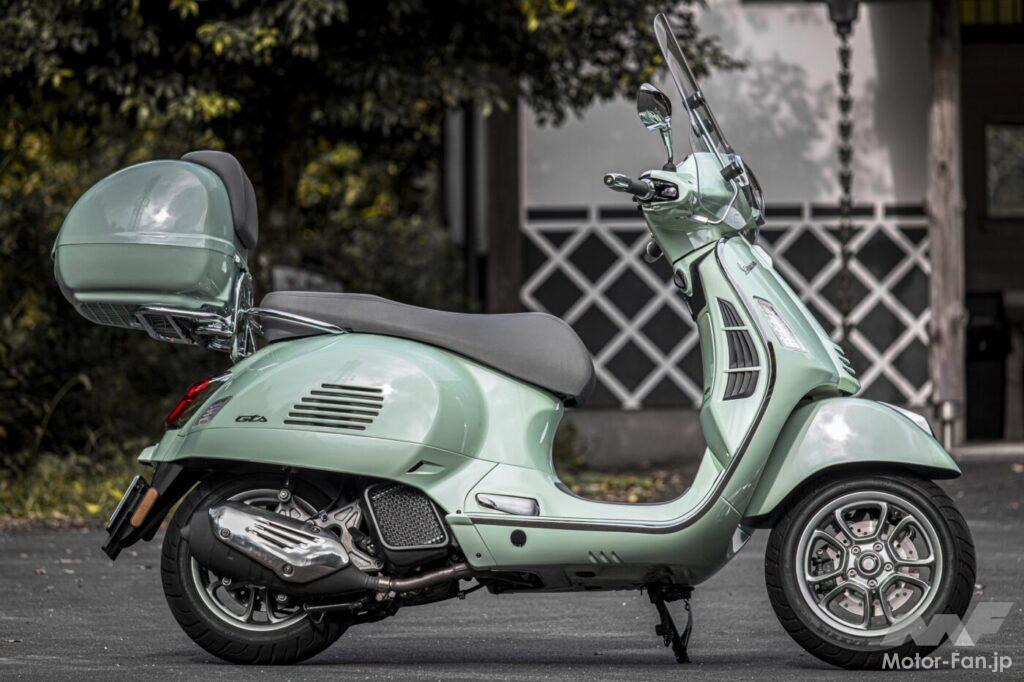
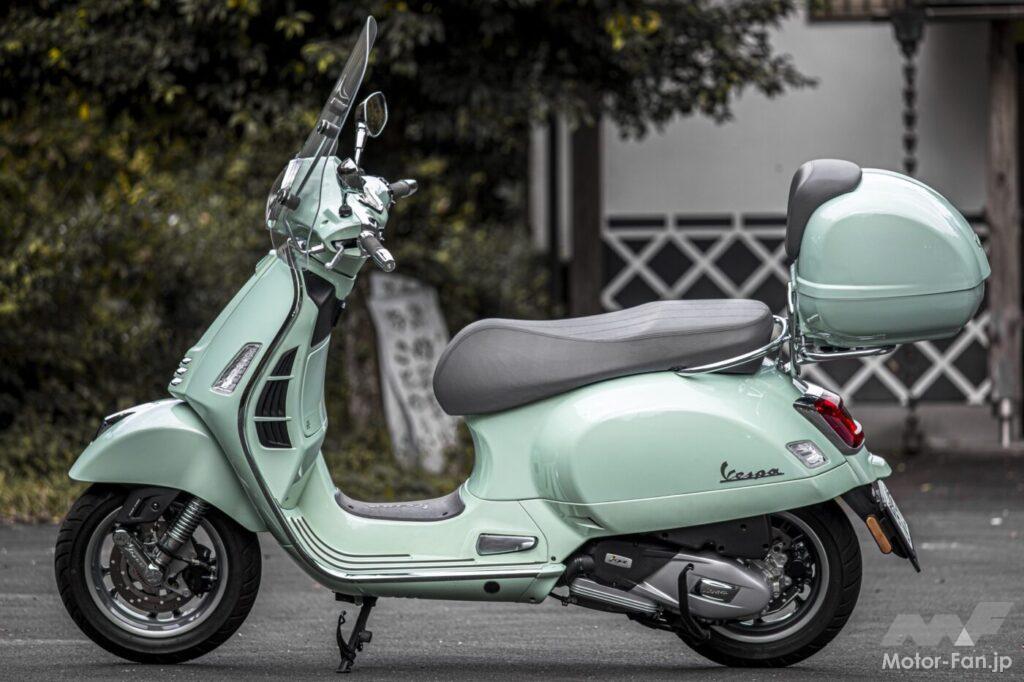
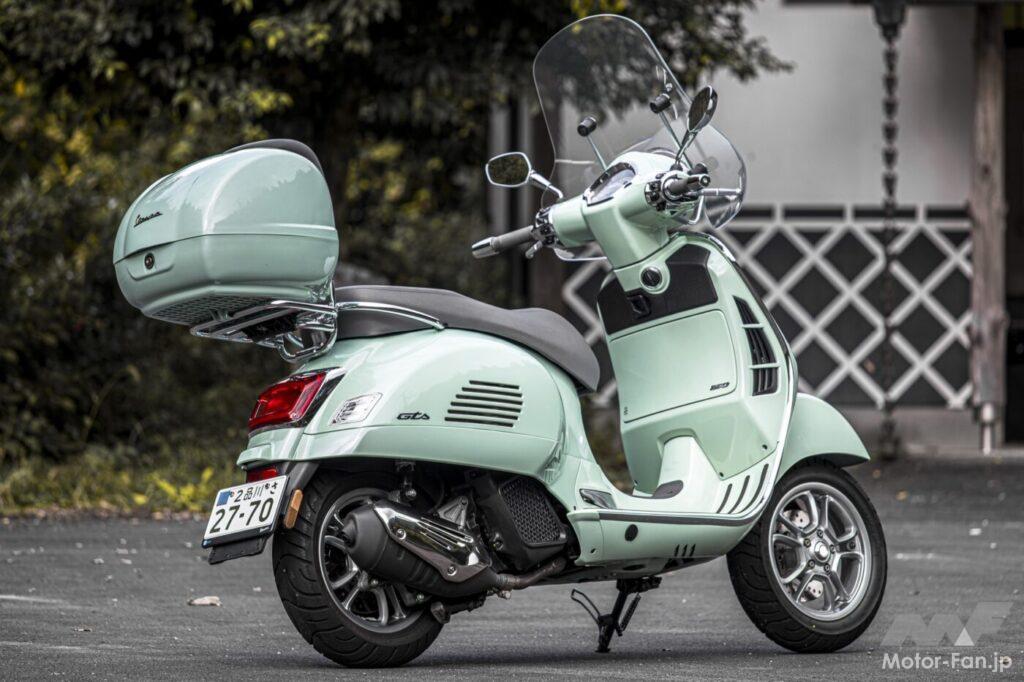
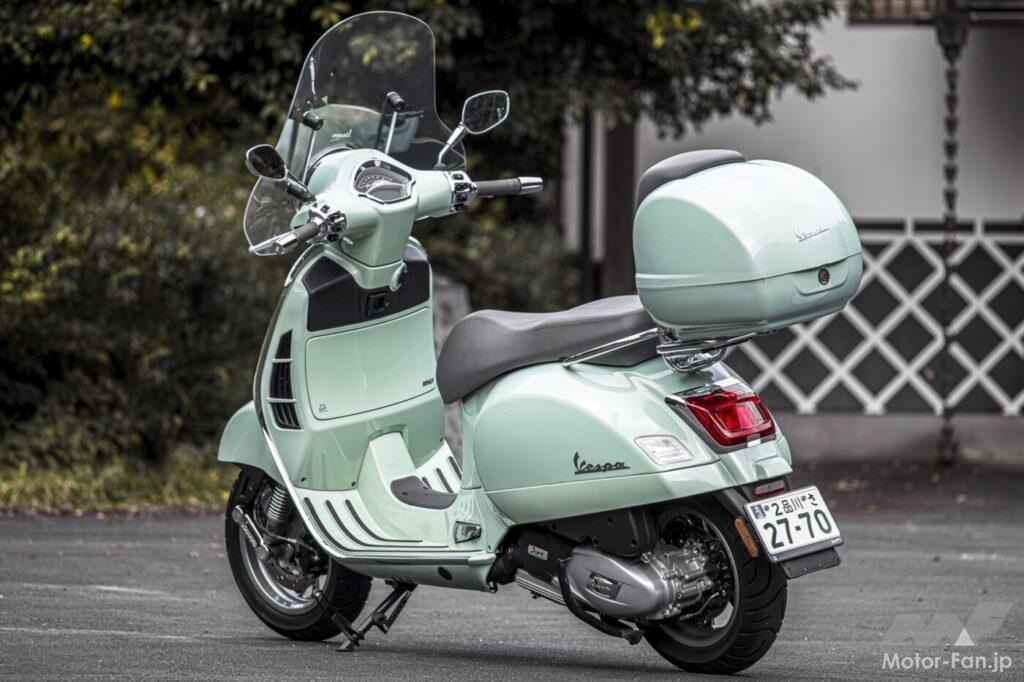
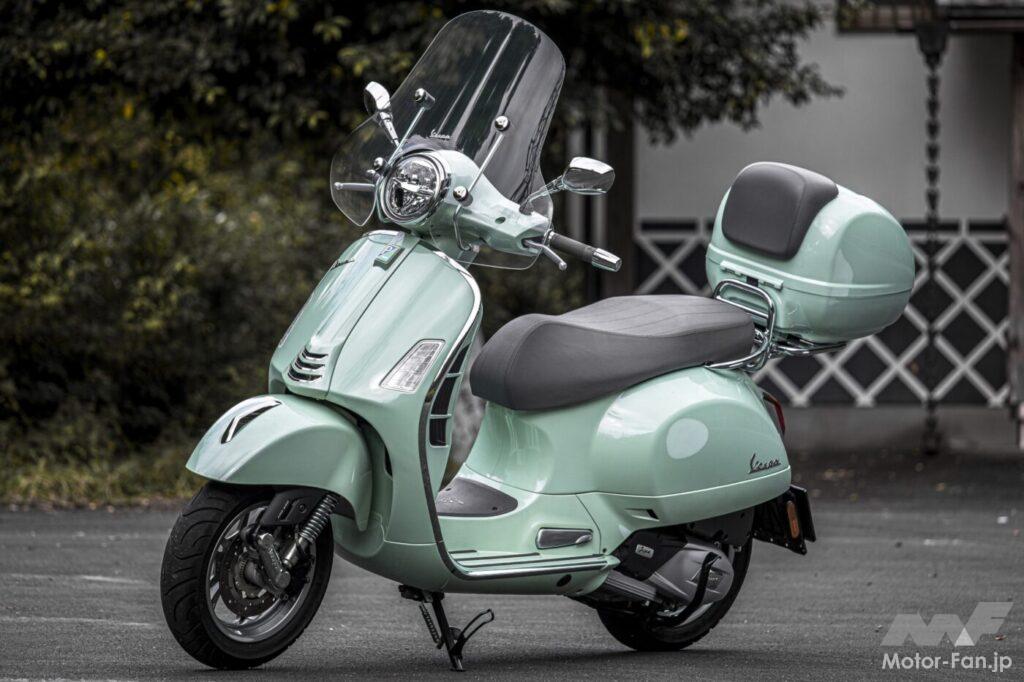
The 2023 model has been redesigned to include keyless entry, as well as front and rear wheels, mirrors, taillights, switch boxes, etc. Incidentally, the price of the GTS150 Super when test-driven by our media in 2021 was 561,000 yen, so this represents an increase of 88,000 yen.
Usually use a slightly higher rotation range, and open the throttle widely for a faster speed.
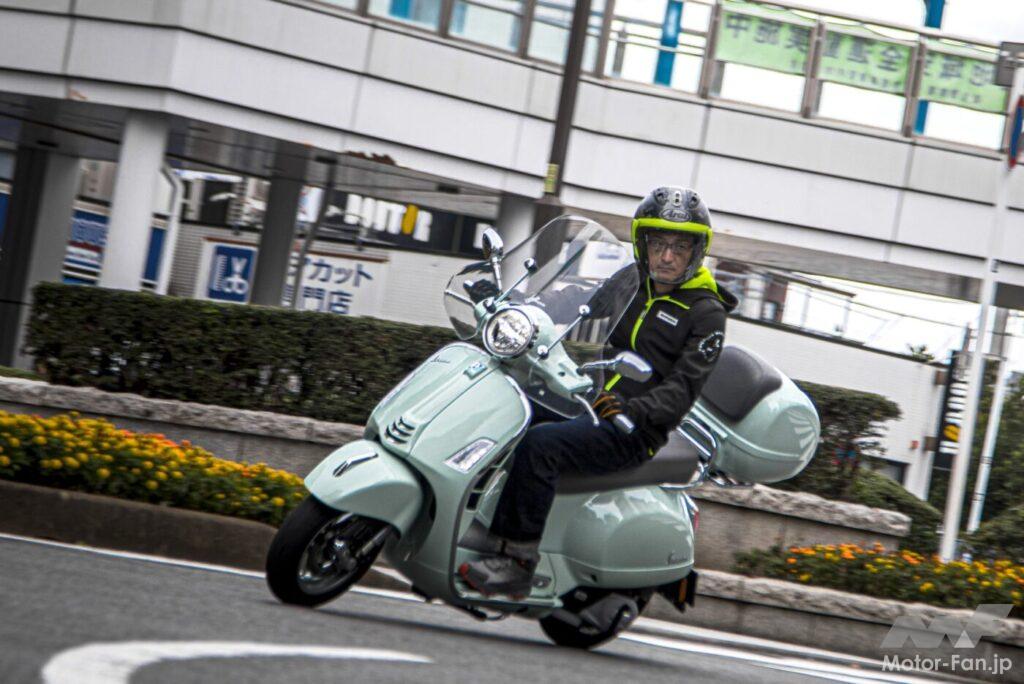
The history of Piaggio scooters began with the Vespa 98 in 1946. The Vespa ET2/ET4 in 1996 marked a dramatic shift to a more modern design, and subsequent models came to be known as Modern Vespas. The ET series proved a success, leading to the addition of the larger GT series in 2003, which evolved into the GTS series at the end of 2014.
The GTS currently on sale was redesigned in 2023, and in Japan there are four models available: GTS300 Supertech (913,000 yen), GTS300 Supersport (880,000 yen), GTS150 Super (649,000 yen), and GTS150 Classic (649,000 yen). Each model is available in two color variations, with no common colors. As an Italian manufacturer, they are extremely particular about the colors, and will be very attractive to those who want to express their individuality.
The model I test rode this time was the GTS150 Classic. It shares the same steel monocoque large body structure as the 300 and is equipped with a water-cooled, four-stroke, single-cylinder SOHC, four-valve “i-get” engine that produces 15.8ps. Incidentally, the only difference between it and the GTS150 Super is the color of the body, but the grip rubber, footboard rubber, wheels, front suspension springs, etc. are different colors, but the main specifications are the same. Going to the trouble of preparing parts in different colors must have created a considerable burden in parts management, etc., and by not compromising on this point, it seems that they are trying to differentiate themselves from other manufacturers.
Let’s start with the engine. On the same day, I also test rode the Vespa Sprint S150, and although they share the same 155cc displacement, the Sprint S150’s engine is an air-cooled, 4-stroke, SOHC, 2-valve unit with a claimed maximum output of 12.5ps, 3.3ps lower. On the other hand, the Sprint S150 is 18kg lighter, making the power-to-weight ratio extremely close.
When starting or accelerating in urban areas, the Sprint S150 is better because the centrifugal clutch engages immediately when you first open the throttle, and combined with its lightweight and compact body, it runs briskly. On the other hand, the GTS150 Classic seems to have a slightly higher normal RPM, so you need to open the throttle more to run as energetically as the Sprint S150. However, it is slightly more powerful than a 50cc scooter and can firmly lead the flow of traffic in the city.
On the other hand, when cruising smoothly on country roads without traffic lights, the comfort of the GTS150 Classic shines through with its smooth response and quiet mechanical noise. As the name suggests, it gives off a Gran Turismo-like impression, and although I wasn’t able to try it out this time, I imagine it would be less tiring to travel on the highway. The idle stop function, which the Sprint S150 doesn’t offer, also worked well, and I had no complaints.
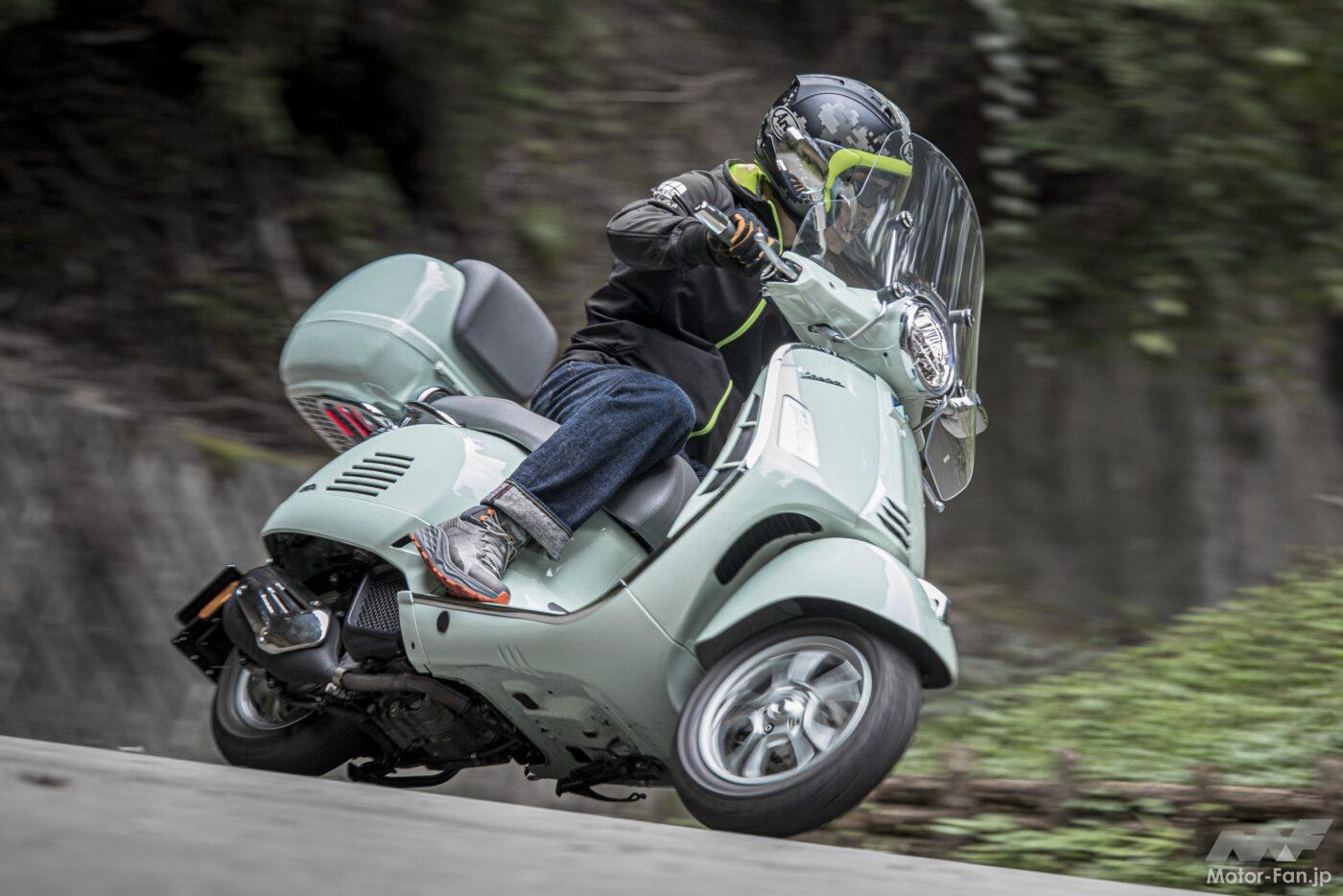
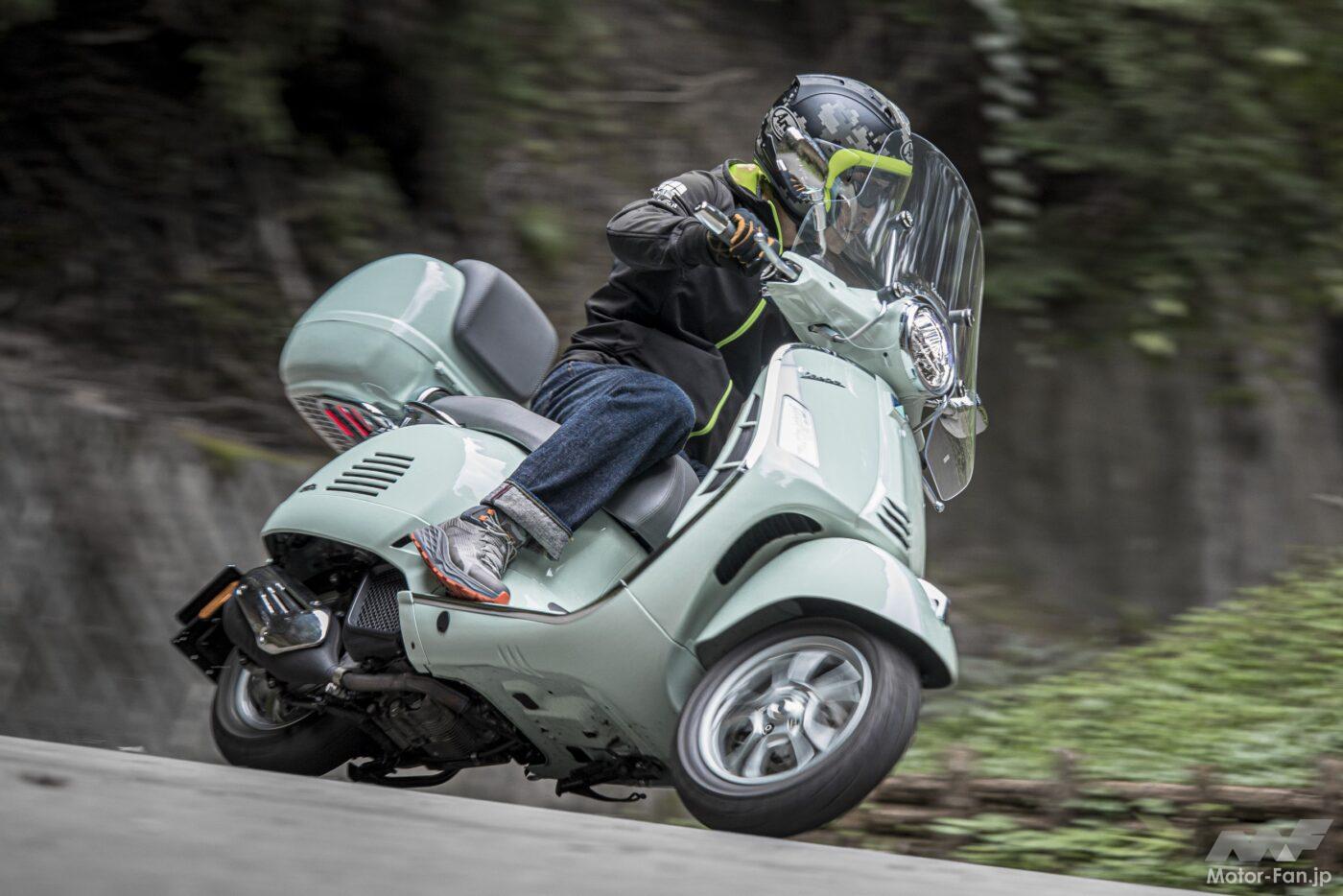
The body is the same as the 300, so it is highly rigid and turns smoothly.
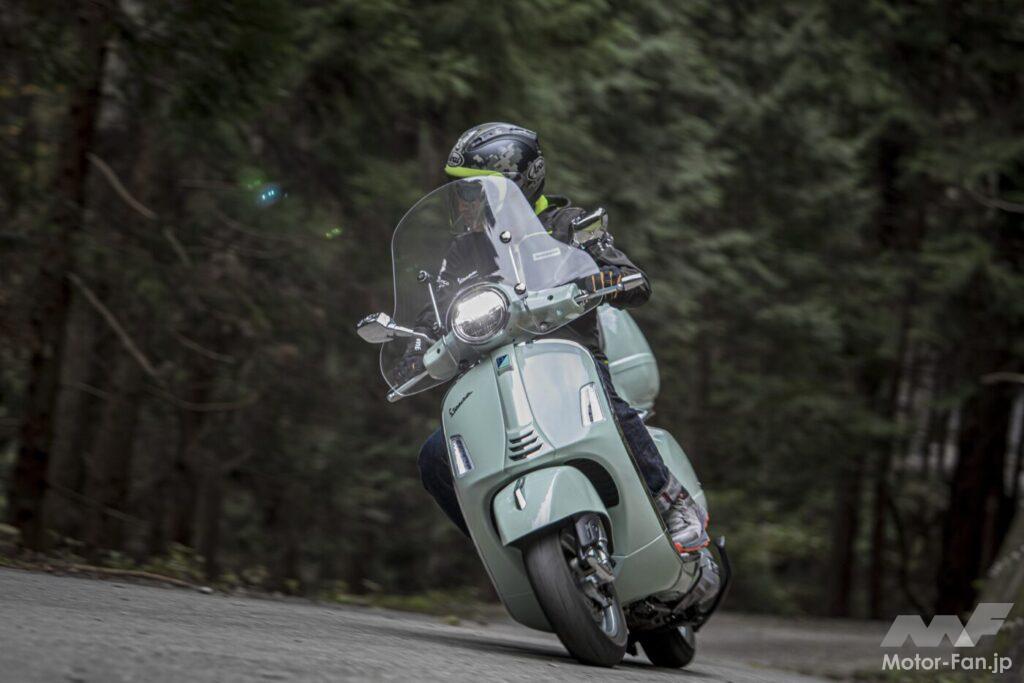
The GTS150 Classic shares the same large body as the 300, and the test vehicle was fitted with genuine accessories such as a windscreen and top box, giving it a volume that is hard to believe it has the same engine displacement as the Sprint S150. Furthermore, the specs show that the vehicle weight is 17 kg heavier than the Honda PCX160, so it’s hard to say it’s easy to handle.
However, once you start driving, perhaps due to its weight, it feels stable even at low speeds and is less prone to wobbling than the Sprint S150. As you gradually increase your speed, you begin to feel a sense of security from the rigidity of the steel monocoque body. You can almost say that you can entrust yourself to it, and it is less likely to be shaken by external disturbances such as gaps and crosswinds, just as you would expect from a large body.
The front and rear suspensions of this highly rigid chassis work well together, making the ride even more comfortable than the Sprint S150. The new bottom-link front suspension, which is new for the 2023 model, and the rear shock absorbers that support the power unit on both sides are exquisitely designed. Additionally, the excellent seat shape undoubtedly contributes to the ride comfort.
The Sprint S150 has disc brakes in the front and drum brakes in the rear, while the GTS150 Classic uses disc brakes on both the front and rear. With a scooter, you often control your speed mainly with your left hand (the rear), so it’s great that the rear is a disc brake. Both the front and rear provide more than enough braking power, and there were no particular issues with the ABS intervention.
The keyless system, a highlight of the 2023 model, allows you to start the engine, lock the steering wheel, and unlock the seats without inserting a key. Smart keys themselves are already a common mechanism, but they are still very convenient to use, and we hope that similar systems will become more common in the small body series.
The genuine accessory windshield fitted to the test vehicle is positioned close to the upper body, which can be somewhat oppressive, and it also has the drawback of being prone to coming into contact with the body when maneuvering if the handlebars are worn wide. On the other hand, it offers excellent wind protection, and the lower the temperature, the more you appreciate it. The top case compensates for the lack of space in the luggage box under the seat, and was also useful as a helmet storage space during the test ride. The “Vespa GTS Series/GTV Genuine Accessory Gift Campaign”, running until Wednesday, December 25th, offers genuine accessories worth 55,000 yen (tax included) as a gift, or supports the purchase of a vehicle with 33,000 yen (tax included). If you’re interested in the GTS series, including the GTS150 Classic, why not take this opportunity to consider it?
Riding position and foot reach (175cm/68kg)
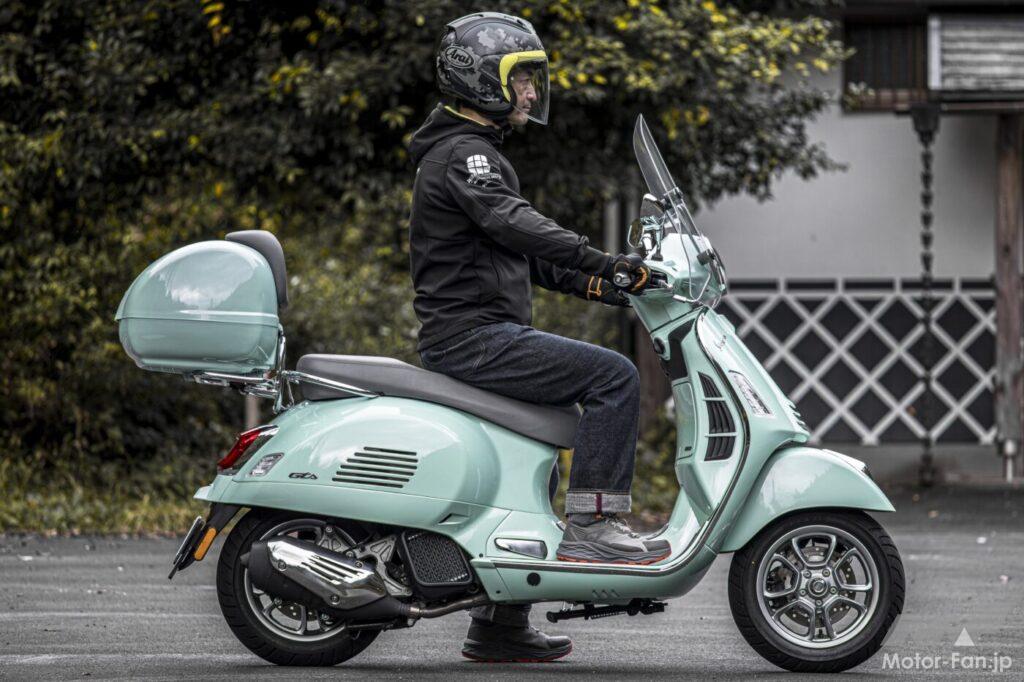
GTS150 Classic
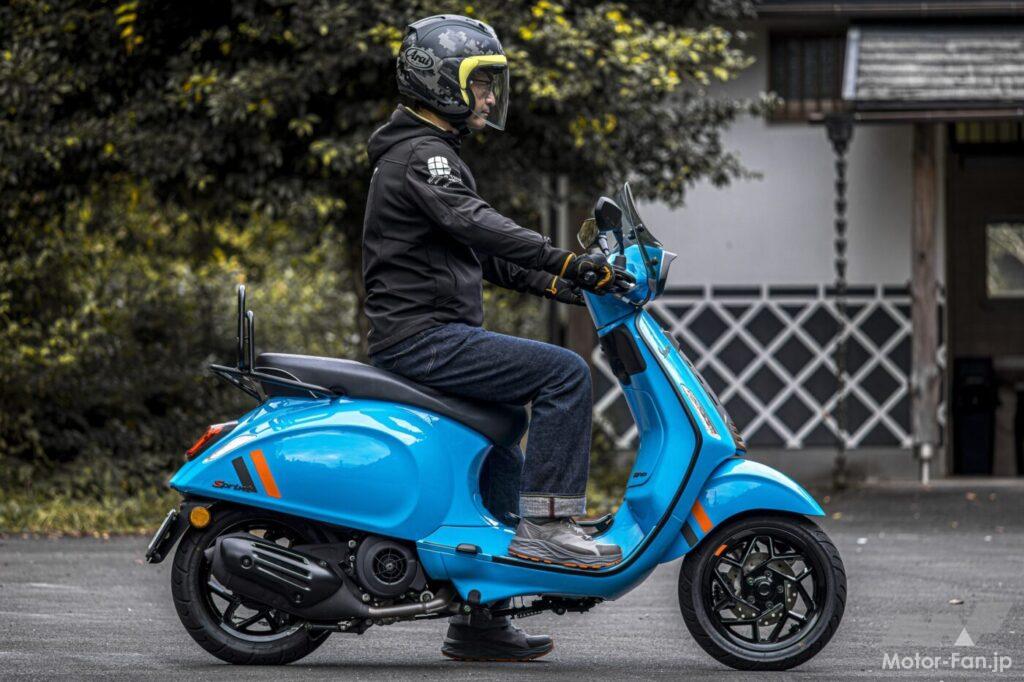
Sprint S150
Although the two bikes share the same 155cc engine displacement and 12-inch front and rear wheel diameters, the difference in size is immediately apparent when compared to the Sprint S150 from the small body series. The official vehicle weight is 150kg, 18kg heavier than the Sprint S150. The test vehicle was equipped with genuine accessories such as a top box and windscreen, which made it even heavier. The seat height is 790mm, 5mm higher than the Sprint S150, so foot reach is roughly the same.