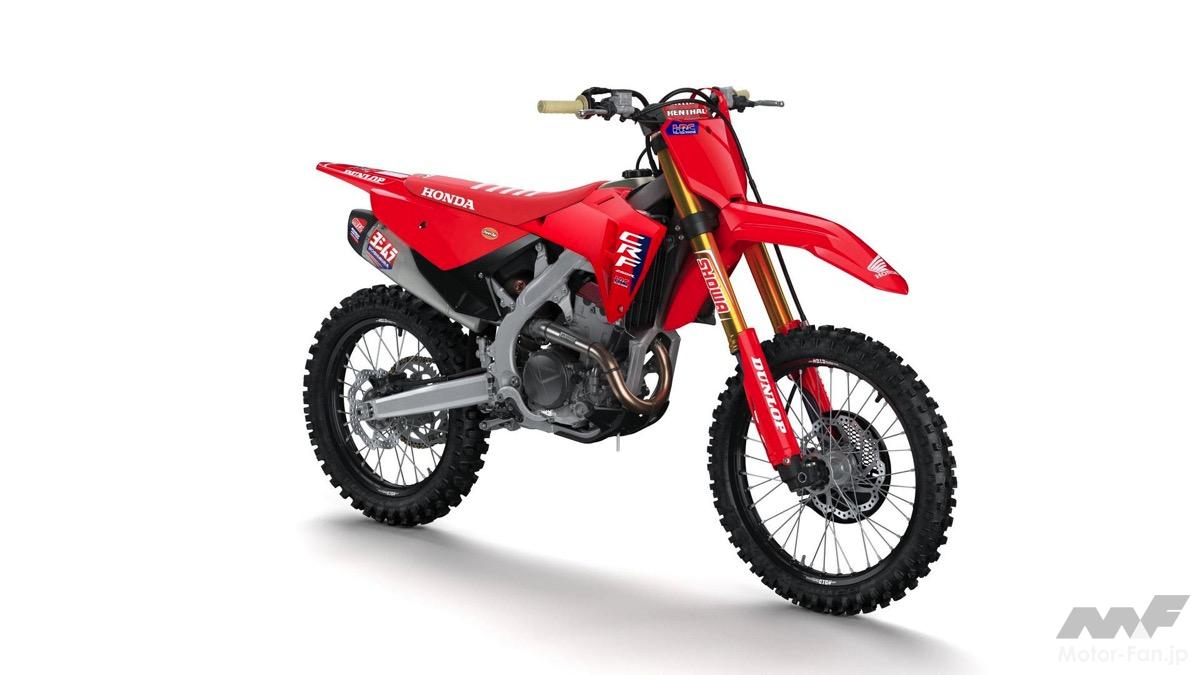

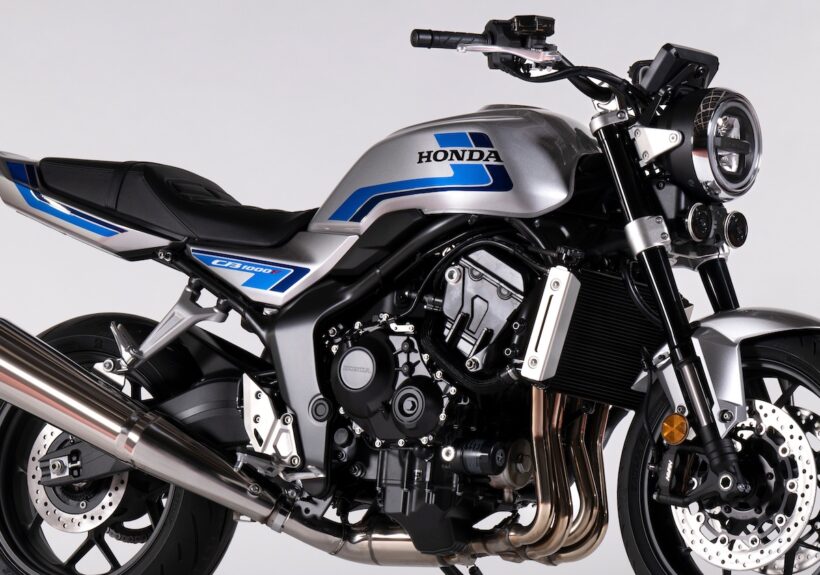

Honda CB1000F/SE Concept
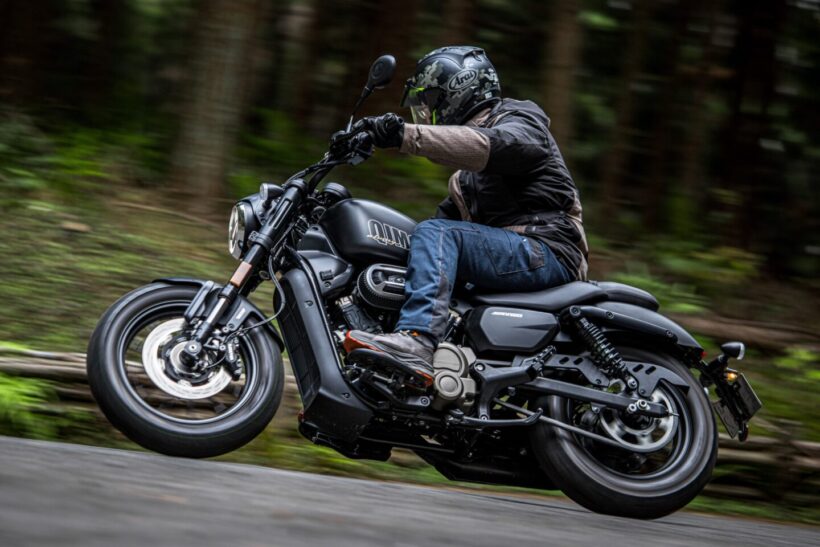
Honda will make its world debut at the 2025 Spring Motorcycle Show and is garnering a lot of attention with the CB1000F Concept, a model that is scheduled for release on the market. At the Suzuka 8 Hours Endurance Road Race in August 2025, the company will also unveil a bikini fairing version, the CB1000F SE Concept, and it can be said that this latest model is attracting even more attention.
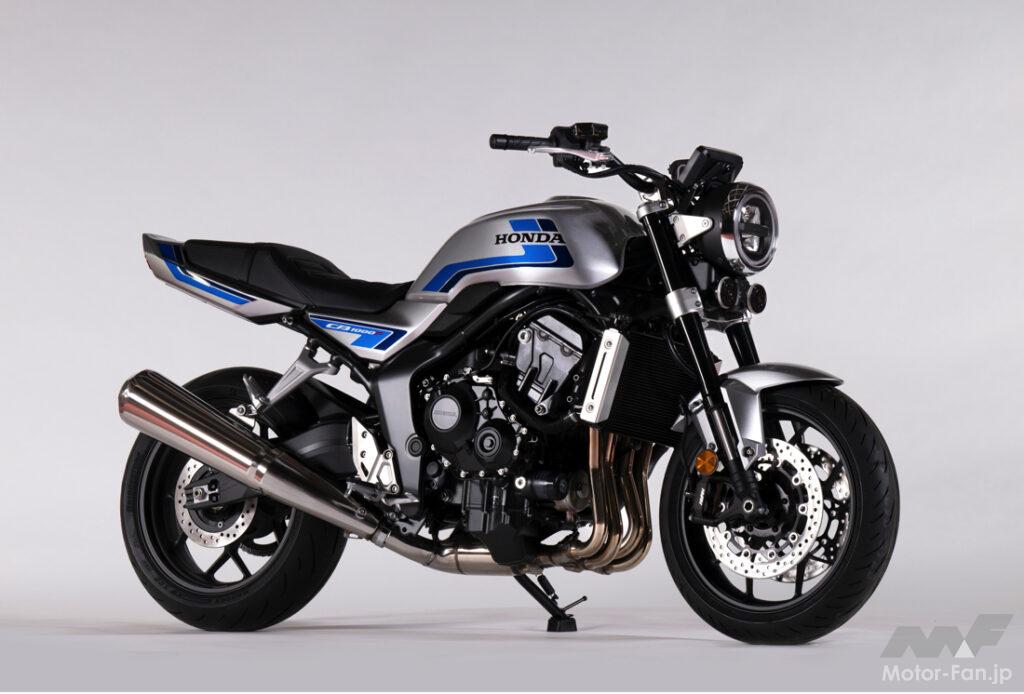
Honda CB1000F Concept
ADVERTISEMENT
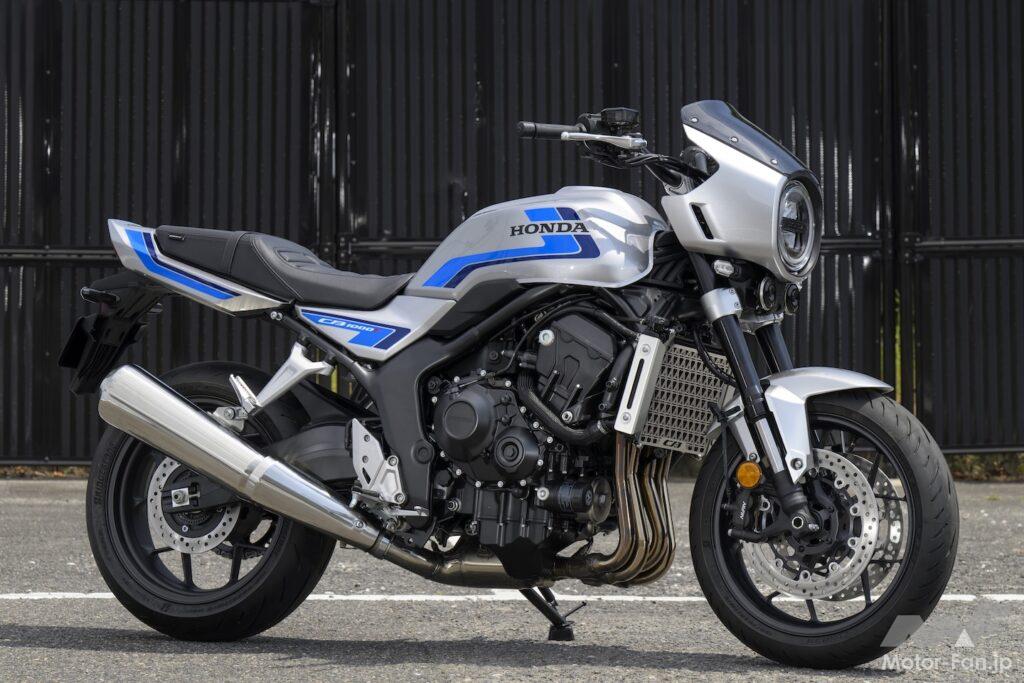
The CB1000F SE Concept, a concept model of Honda’s large road sports bike, was unveiled to the world for the first time at the Suzuka 8 Hours race venue.
The biggest draw of these models is that they are based on the design motifs of the legendary CB750F and its export model, the CB900F. Furthermore, the bodywork features a reproduction of the colors and graphics of the CB900F that was used by Freddie Spencer, the American racing rider who was extremely successful in the 1980s, in the AMA Superbike, North America’s top race. The specifications are reminiscent of the so-called “Spencer Replica,” which was the “dream bike” of veteran riders who enjoyed their youth riding motorcycles at the time.
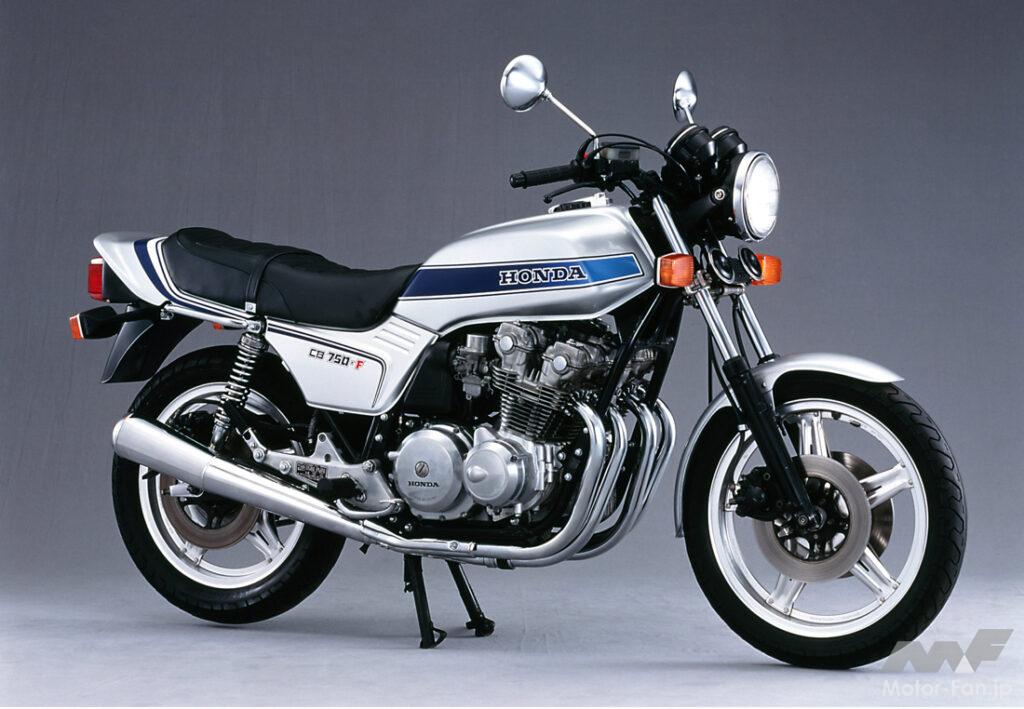
The design motif is based on the classic CB750F and its export model, the CB900F (pictured is a 1979 CB750F).
The overall design is characterized by a combination of cutting-edge technology and an orthodox road sports style. In particular, the steel fuel tank has what Honda’s developers call a “steel-like surface appearance,” and while its shape is reminiscent of the old CB750F, it also matches a modern taste with a balance of hardness and softness.
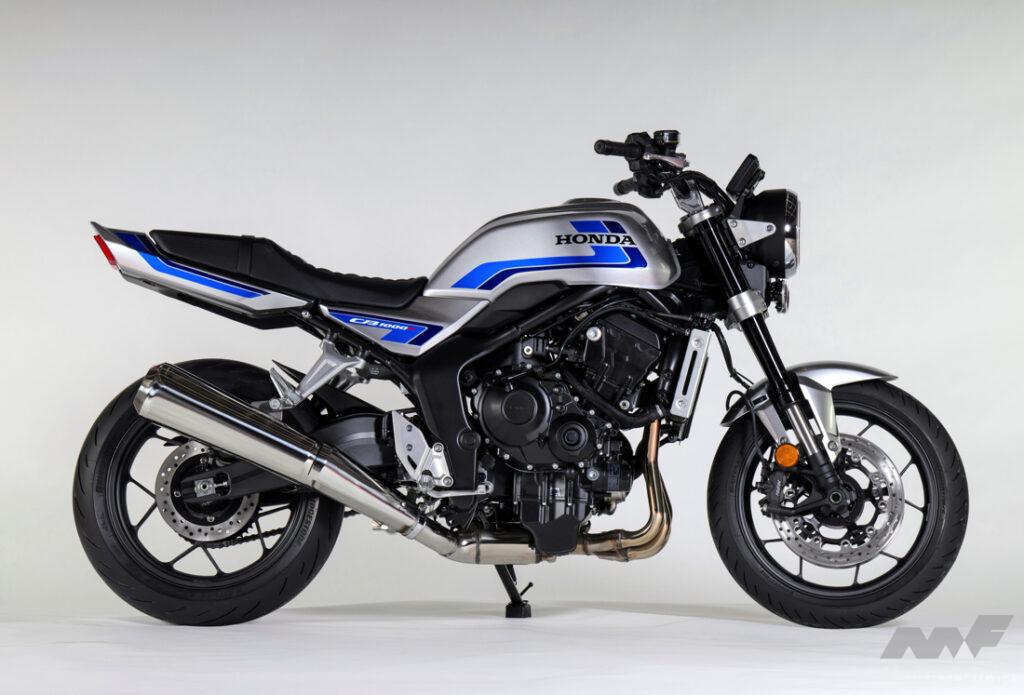
The shape of the fuel tank is reminiscent of the old CB750F, but also matches the modern taste with a balance of hardness and softness.
The engine is a 1000cc 4-cylinder, the same type as the street fighter model “CB1000 Hornet.” It is based on the engine for the 2017 model “CBR1000RR,” a super sports machine that is also suitable for racing, and features a newly developed die-cast piston, which gives it a high level of balance between torque and power characteristics in the low and mid-speed ranges.
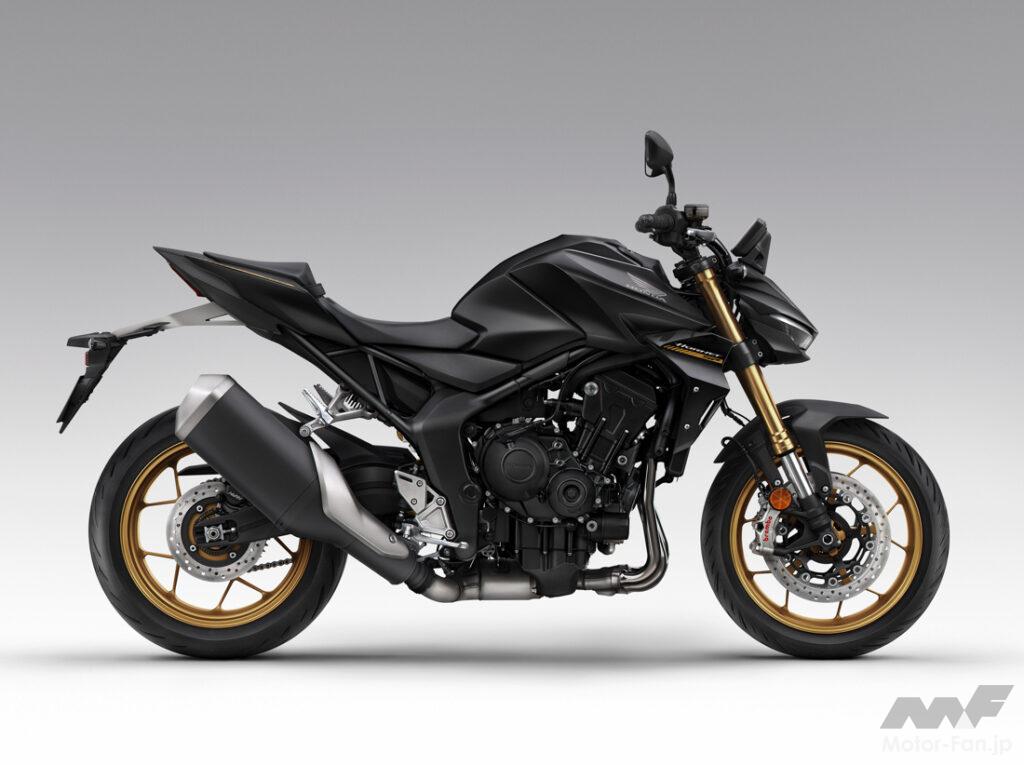
The engine is the same as the CB1000 Hornet, a 1000cc water-cooled 4-cylinder engine from the 2017 CBR1000RR.
The suspension also uses the same parts as the CB1000 Hornet, such as 17-inch Y-shaped five-spoke wheels front and rear, and tire sizes of 120/70ZR17 in the front and 180/55ZR17 in the rear. It also comes equipped with a single round headlight that combines retro design with a high level of functionality, and the derivative model “SE Concept” is also equipped with a bikini cowl, creating an even more stylish look.
The timing of the domestic release and the price have yet to be announced, so we look forward to any further announcements. In any case, there is great anticipation for the release of this model, which will replace the CB1300 Super Four series, which will sadly be discontinued, and will be the next-generation flagship model of Honda’s traditional CB series.
Suzuki GSX-8T/8TT
The new naked GSX-8T and its mini-cowl version GSX-8TT, announced by Suzuki on July 4, 2025, are also the latest and most notable neo-classic models.
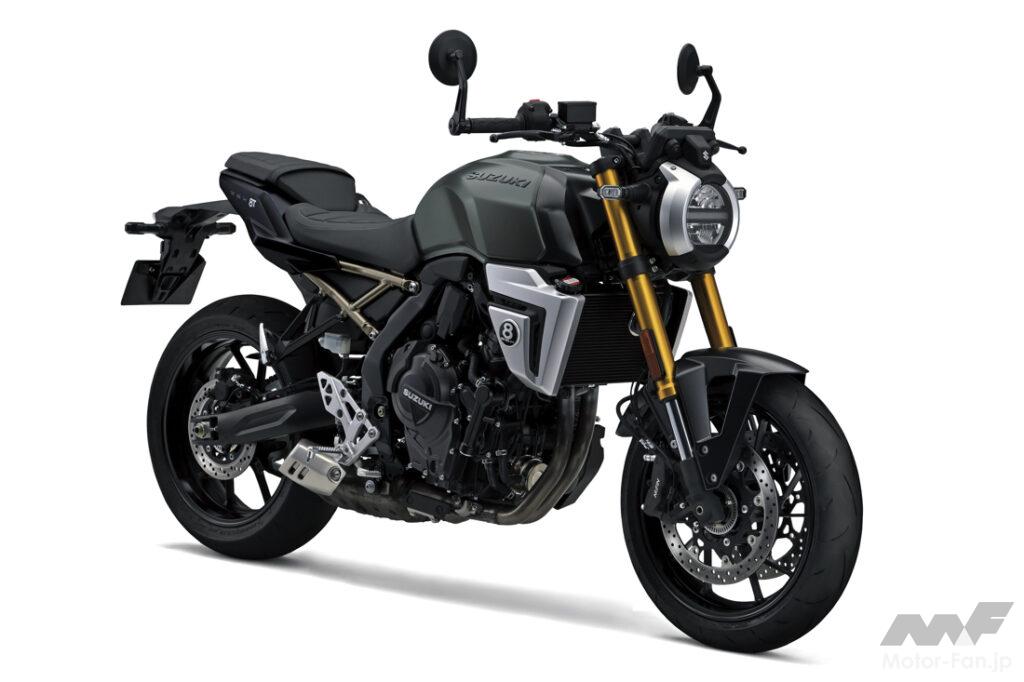
Suzuki GSX-8T
ADVERTISEMENT
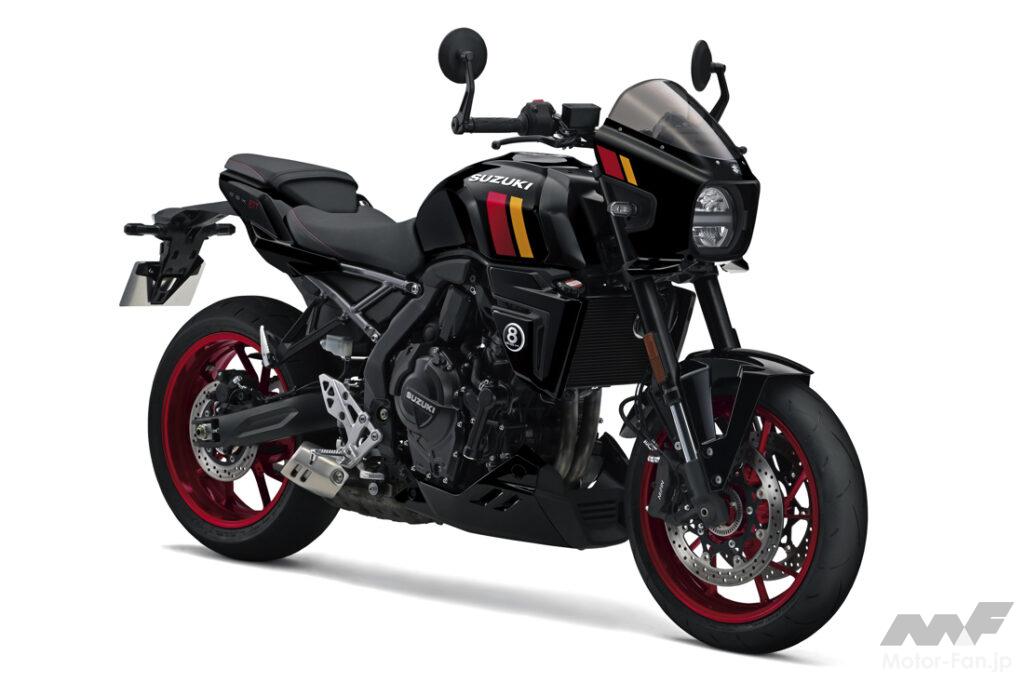
Suzuki GSX-8TT
In particular, the base model GSX-8T is a hot topic due to its design reminiscent of the T500, a high-performance naked bike from the 1960s, nicknamed the “Titan.”
The first generation T500 appeared in 1968 and served as the base machine for the road racer “TR500 Titan.” Its most notable feature was the world’s first mass-produced 500cc two-stroke, two-cylinder engine. This engine, highly durable and tuned for mid- and low-speed performance, delivered a maximum output of 47 PS and a maximum torque of 5.5 kg-m. With a top speed of 181 km/h and a 0-400 meter acceleration time of 13.2 seconds, coupled with a five-speed transmission, it offered outstanding performance for the time, quickly garnering attention from heavy sports car enthusiasts worldwide. Furthermore, thanks to this engine, the T500 is also famous as a classic vehicle that firmly established the Suzuki name as a two-stroke motorcycle.
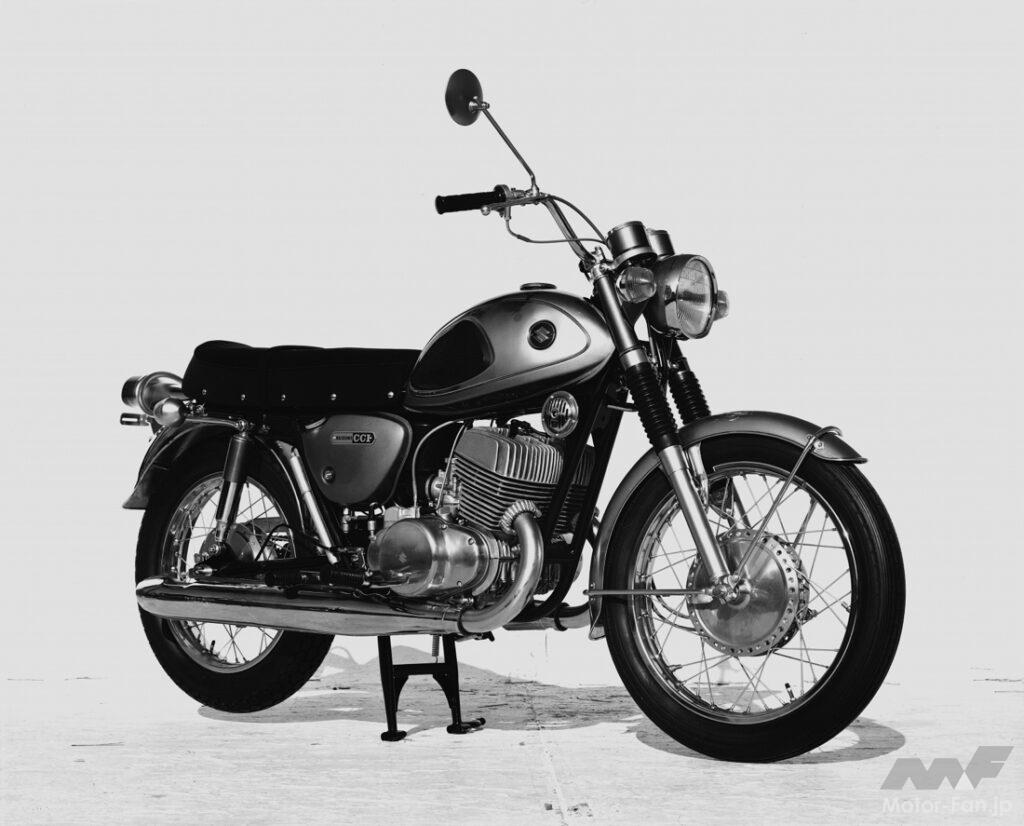
Suzuki T500 (1968 model)
The GSX-8T, which pays homage to the T500, features a matte black rear body that makes the tank stand out, and the shroud is equipped with a three-dimensional emblem that resembles an eight-ball in billiards, which represents the winning ball, achieving a retro yet modern style.
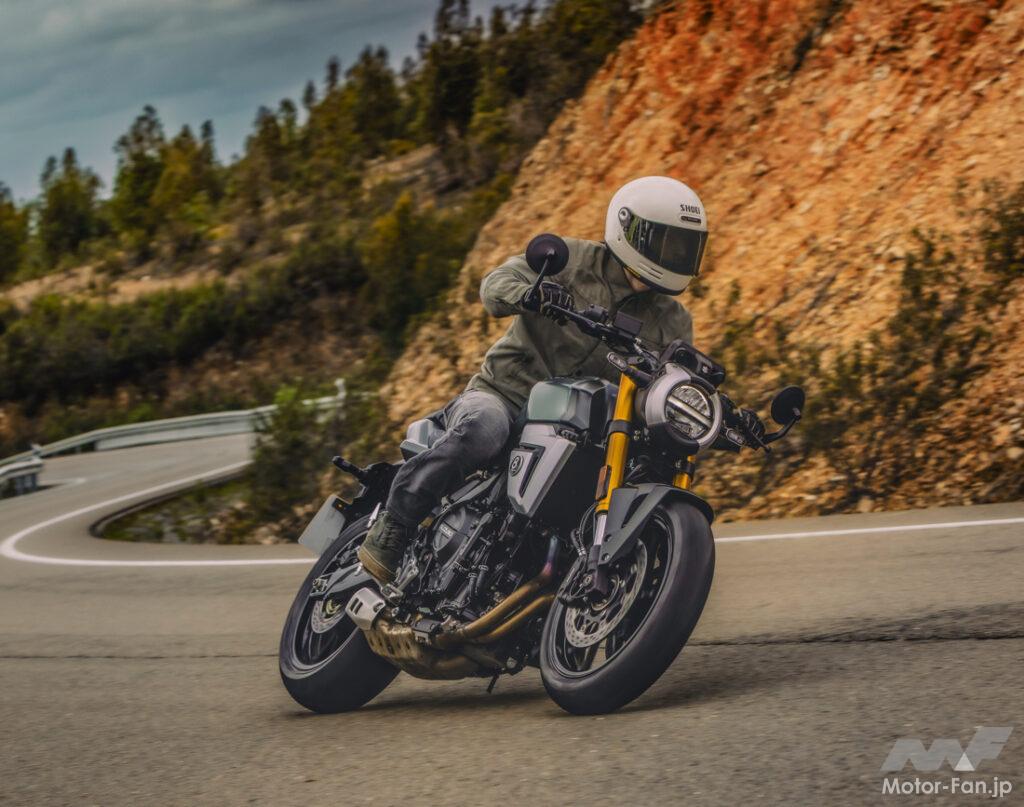
The GSX-8T features a retro yet modern style
Suzuki also says that the GSX-8TT is “inspired by the image of road racers from the 1970s” and features a bikini cowl. An under-cowl is also used under the engine to enhance its sportiness. The bike is fitted with black front forks and shrouds, gray seat rails, and racing decals on the fuel tank and other parts. Incidentally, the “TT” in the name is a combination of the base model “GSX-8T” and “Timeless,” with the intention of reviving a classic bike for the modern era.
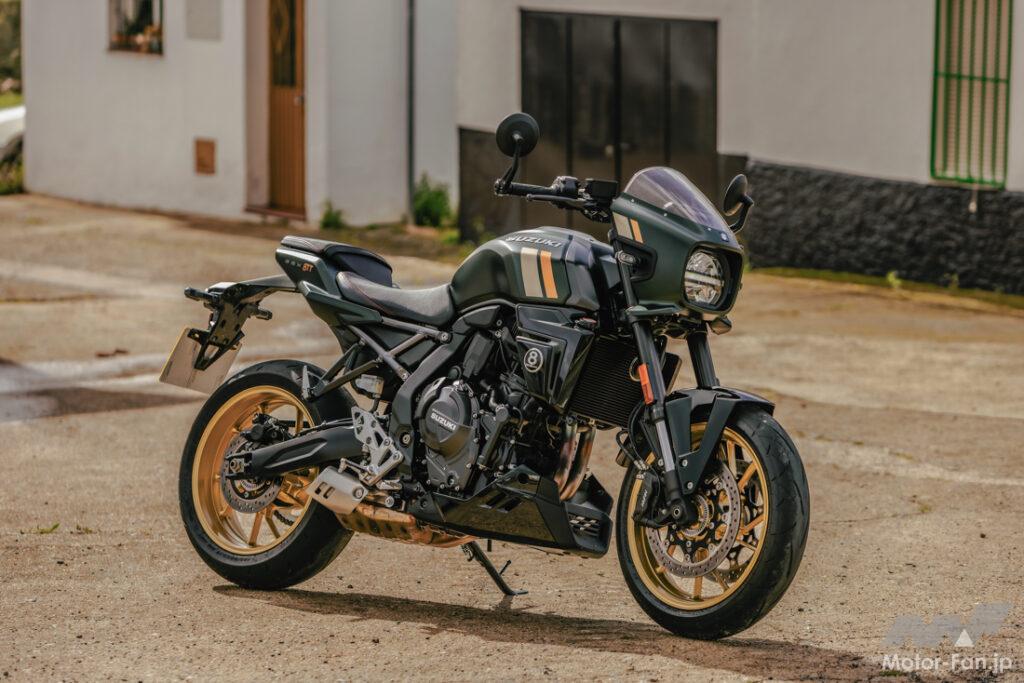
The GSX-8TT is equipped with decals on the bikini cowl, under-cowl under the engine, fuel tank, etc.
Both types are equipped with a 776cc, water-cooled, 4-stroke, DOHC, 4-valve, in-line 2-cylinder engine with a 270-degree crank. It is the same type as the GSX-8S, GSX-8R, V-Strom 800, and V-Strom 800DE, and by adopting the Suzuki Cross Balancer, a two-axis primary balancer, it is an attractive powertrain that is easy to handle from low to high speeds.
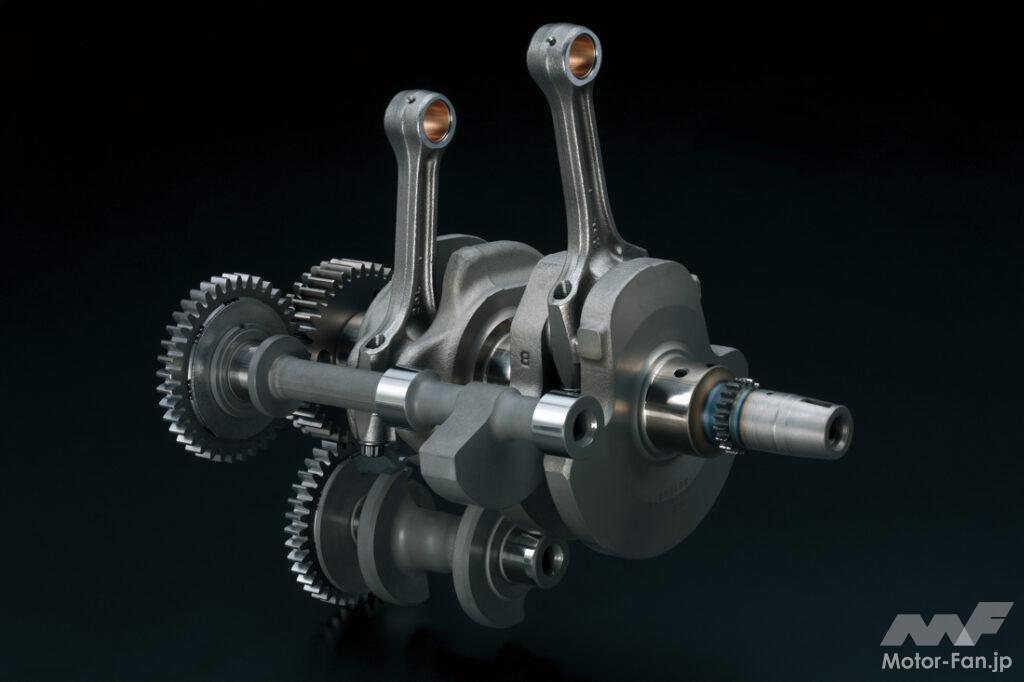
The 776cc water-cooled DOHC 4-valve in-line 2-cylinder engine also uses the Suzuki Cross Balancer, a two-axis primary balancer.
Engine specifications such as maximum power output and maximum torque have not been announced, but for example, the naked model GSX-8S, which has the same engine, has a maximum power output of 59kW (80PS)/8500rpm and a maximum torque of 76N・m (7.7kgf・m)/6800rpm. The GSX-8T and GSX-8TT are expected to have similar figures.
Suzuki has announced that these models will be “sequentially launched in various countries around the world, primarily in Europe and North America, from around summer 2025.” It will be interesting to see when they will be released in Japan and at what price range.
Kawasaki Z900RS/SE/Cafe
Since its release in 2017, Kawasaki’s Z900RS has been a huge hit model that has received particularly strong support among large motorcycles.
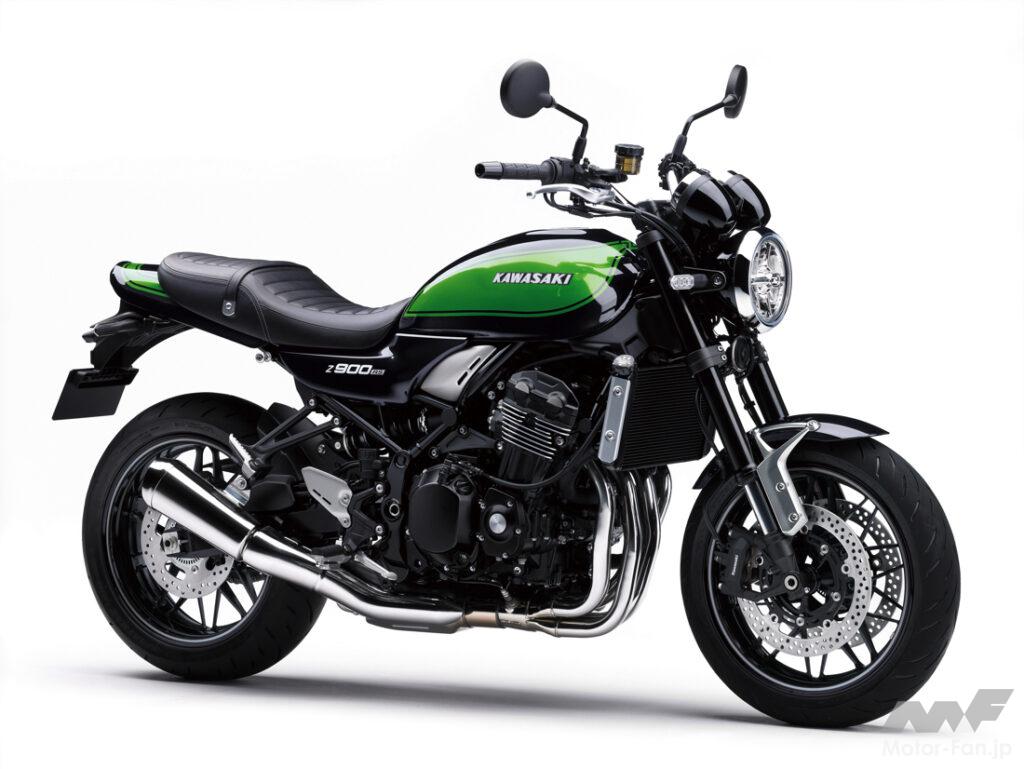
Kawasaki Z900RS
Its roots lie in the legendary 900cc model “900 Super 4,” commonly known as the “Z1,” which was released in 1972 and is still highly popular around the world. With features such as a teardrop-type fuel tank and tail cowl, and a water-cooled 948cc in-line four-cylinder engine with beautiful fins, the Z900RS can be said to have brought the style of the legendary Z1 back to life in the modern era.
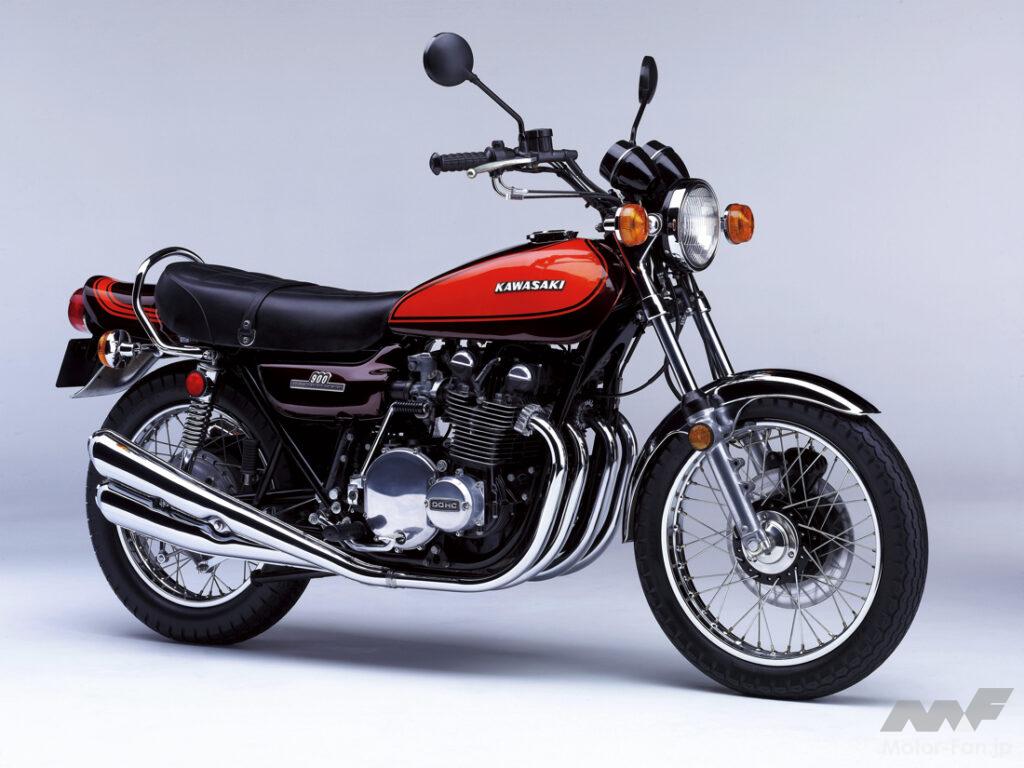
Kawasaki 900 Super 4 (commonly known as Z1)
It also comes equipped with the latest technology and high-performance parts, such as traction control, a multi-function LCD panel, and LED headlights. It not only has a classic form, but also realizes high-level driving performance thanks to the latest equipment. These features make it a machine that can be enjoyed in a wide range of situations, from city riding to long-distance touring, winding roads, and sports driving on the circuit.
The lineup includes the standard Z900RS, the high-grade Z900RS SE equipped with an Ohlins rear shock, and the Z900RS Cafe with a front cowl. There is also the Z900RS Yellow Ball Edition, which features a teardrop-shaped fuel tank painted in a special yellow ball color.
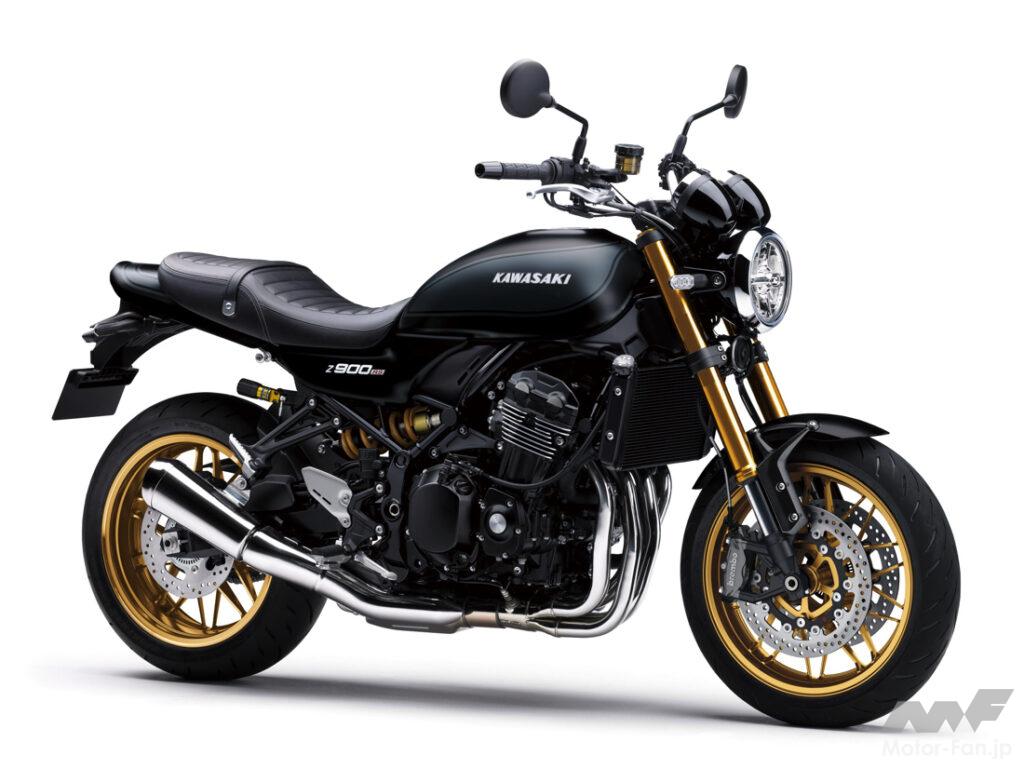
Kawasaki Z900RS SE
ADVERTISEMENT
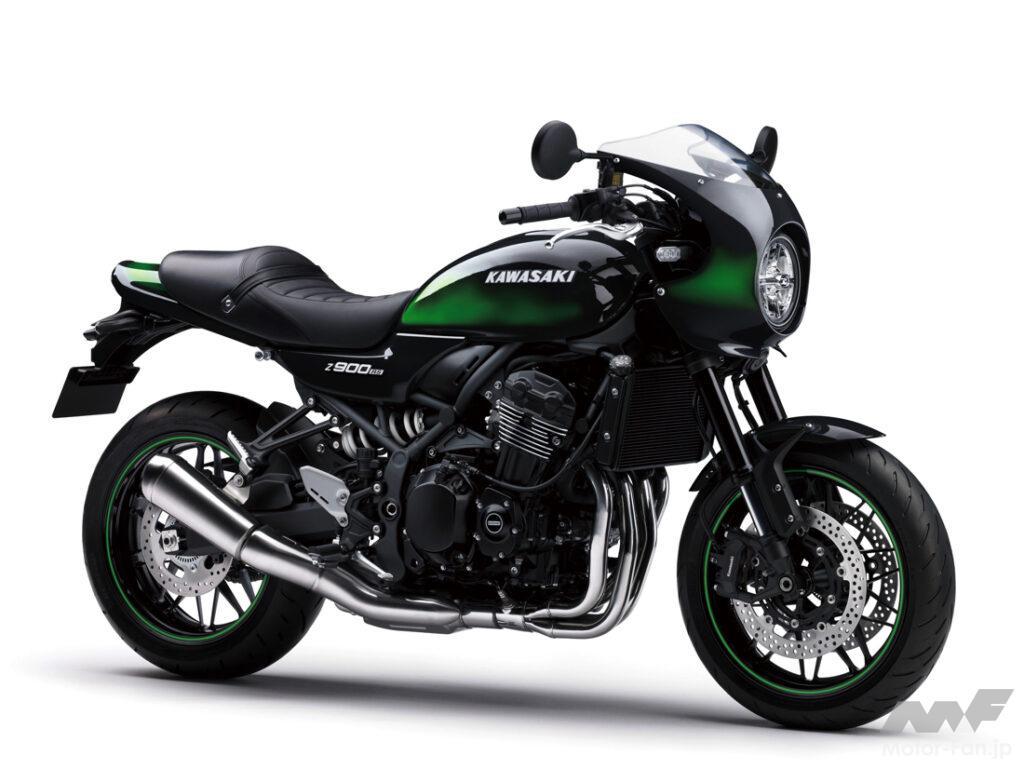
Kawasaki Z900RS Cafe
ADVERTISEMENT
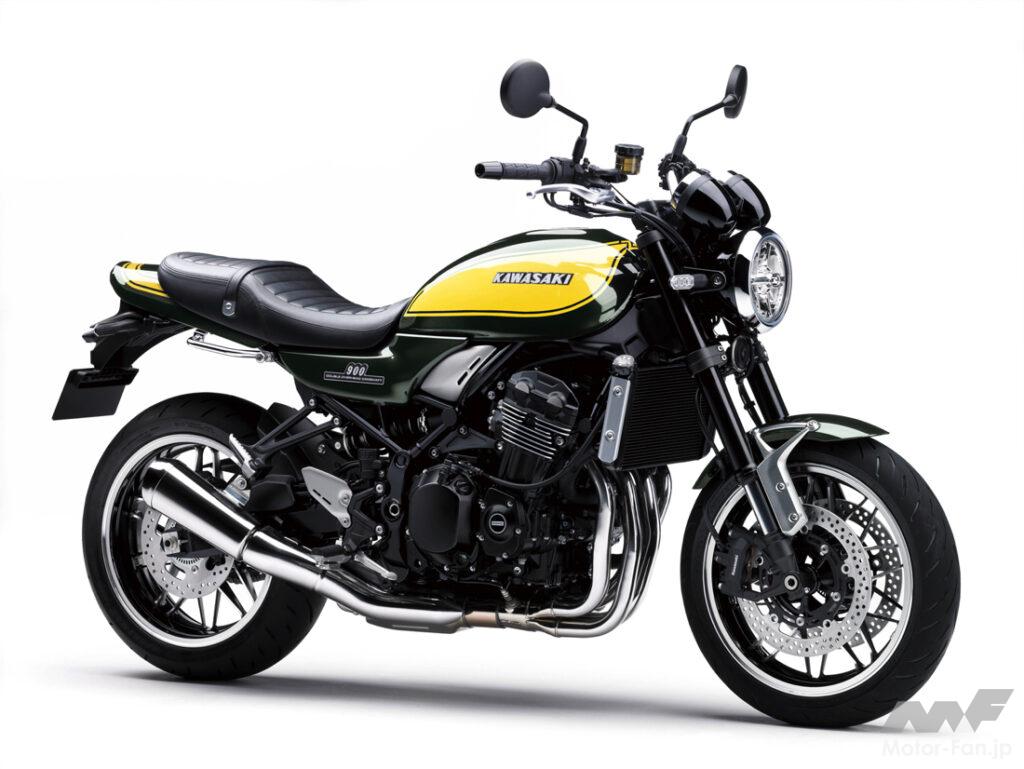
Kawasaki Z900RS Yellow Ball Edition
Prices (including tax) are 1,485,000 yen for the Z900RS, 1,705,000 yen for the Z900RS SE, 1,518,000 yen for the Z900RS Cafe, and 1,562,000 yen for the Z900RS Yellow Ball Edition.
Yamaha XSR900GP
The XSR900GP is a new and innovative cafe racer that is attracting attention, reminiscent of Yamaha’s 1980s WGP (Road Racing World Championship) machine, the YZR500.
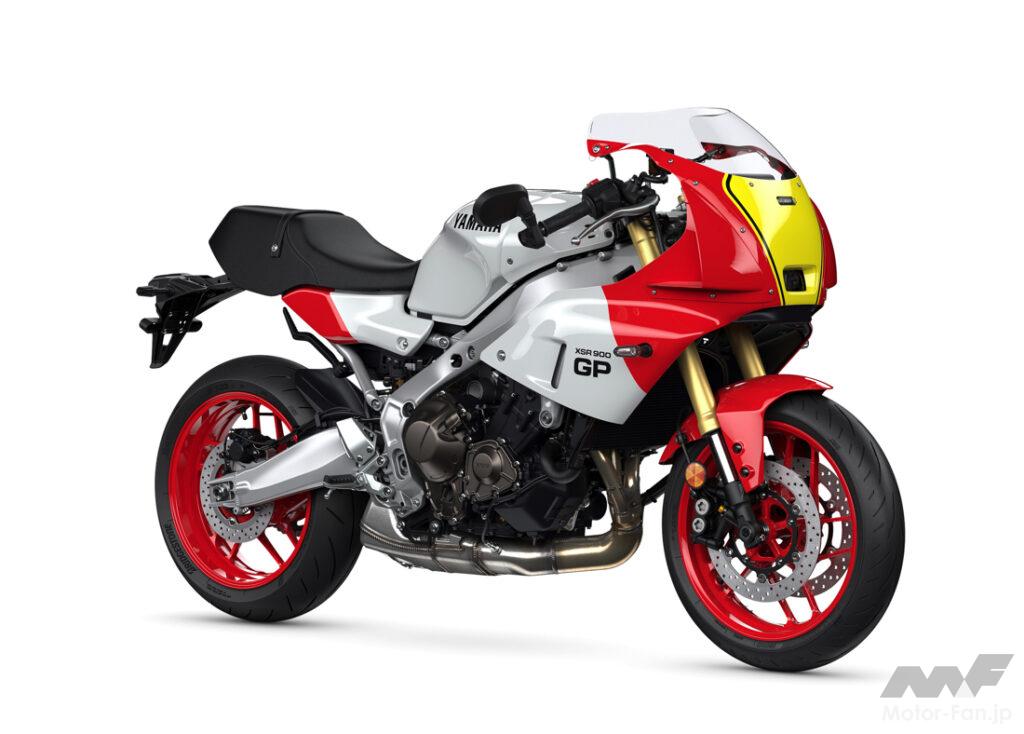
Yamaha XSR900GP
This model belongs to the “XSR” series, which Yamaha calls “Sports Heritage.” The series lineup includes the 125cc “XSR125,” the 700cc “XSR700,” and the 900cc “XSR900,” which is the base for the XSR900GP. The key feature of each model is that they combine style that pays homage to classic motorcycles of the past with the latest equipment.
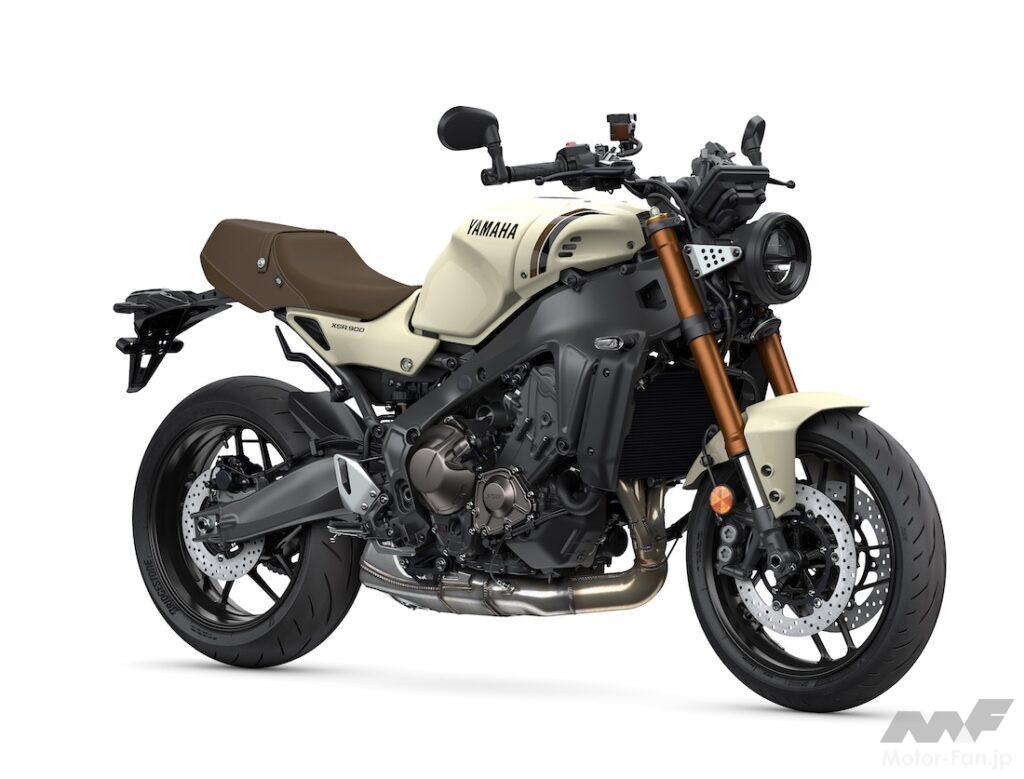
The naked model XSR900, which served as the base for the XSR900GP
Of the XSR series, the only model equipped with a cowling is the XSR900GP. Its main feature is the front mask equipped with a large clear windscreen and knuckle visors. The separate knuckle visors in particular are reminiscent of the style of the YZR500 from the 1980s.
The main color, “Silky White (white x red),” also features a yellow number plate, which is a reference to the one given only to machines competing in the “GP500cc class,” the pinnacle of the world’s premier motorcycle race, “WGP (now MotoGP),” in which the YZR500 competed.

The yellow number plate and knuckle visor are reminiscent of the 1980s works machine “YZR500”.
Furthermore, the original handlebars have been changed to separate handlebars, and the bolts around the cockpit, such as the top bridge where the handlebars are mounted, have also been redesigned to improve the quality of the bike.
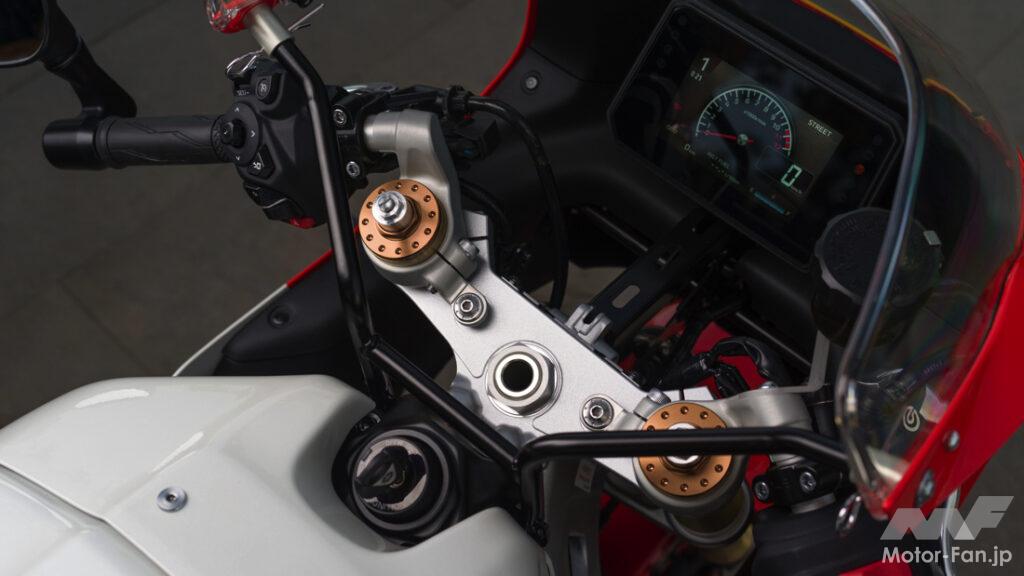
The original handlebars have been replaced with separate handlebars, giving it a racing look.
The engine is the same 888cc in-line 3-cylinder as the XSR900. The power unit produces a maximum output of 88kW (120PS) at 10,000rpm and a maximum torque of 93N・m (9.5kgf・m) at 7,000rpm, and achieves high torque performance by improving combustion efficiency through a compact combustion chamber.
The bike also comes equipped with Yamaha’s unique riding assistance technology, YRC (Yamaha Ride Control). In addition to three riding modes – “Sport” for winding roads and circuits, “Street” for city riding, and “Rain” for poor road conditions such as in rainy weather – there are also two “Custom” modes that allow riders to customize various settings. This allows the rider to select the engine output characteristics and the degree of intervention of various electronic devices according to their preferences and road conditions.
Additionally, the meter is fitted with a 5-inch TFT display that is designed for easy visibility. There are four display patterns to choose from, including a dedicated analogue-style tachometer. The bike is also equipped with a function that allows you to connect the bike to a smartphone with the dedicated app “Y-connect (Yamaha Motorcycle Connect)” installed. This allows you to use a variety of smartphone-linked functions, such as displaying various information and images on the meter, including notifications of incoming calls and emails.

The meter uses a 5-inch TFT display.
The body color is available in two colors: the aforementioned Silky White and Pastel Dark Gray. The price (including tax) is 1.43 million yen.
Honda GB350 series
Honda’s GB350 series is available in three types: the standard “GB350”, the sporty “GB350S”, and the more classically-styled “GB350C”, all of which are highly popular air-cooled single-cylinder sports bikes.
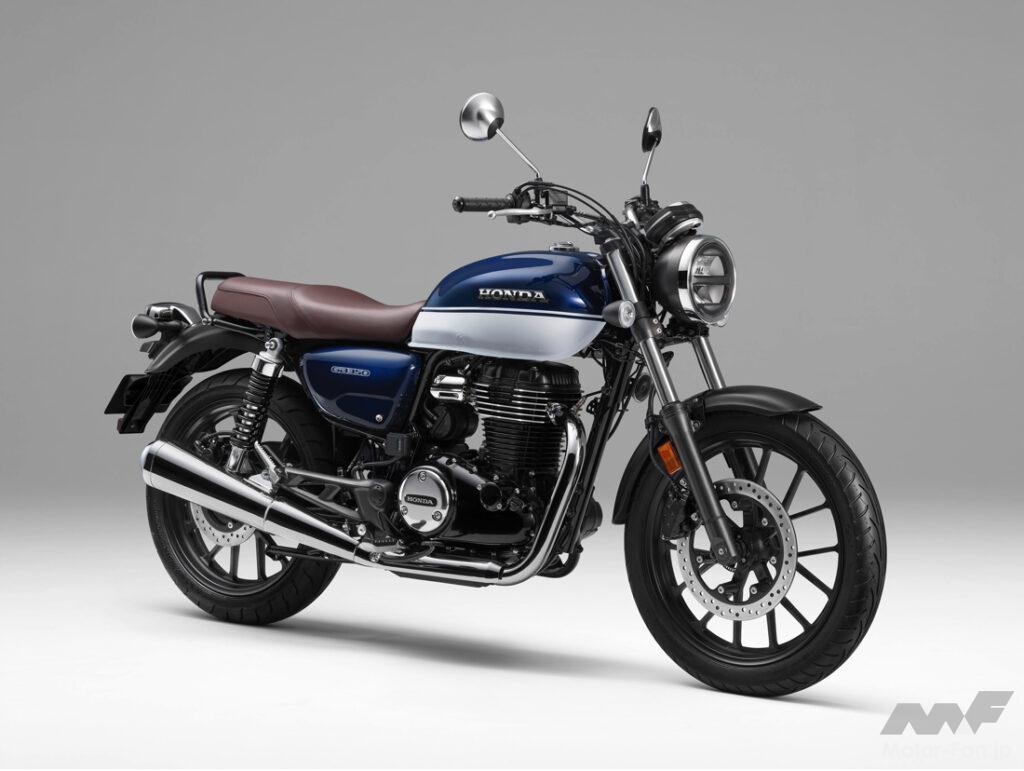
Honda GB350
ADVERTISEMENT
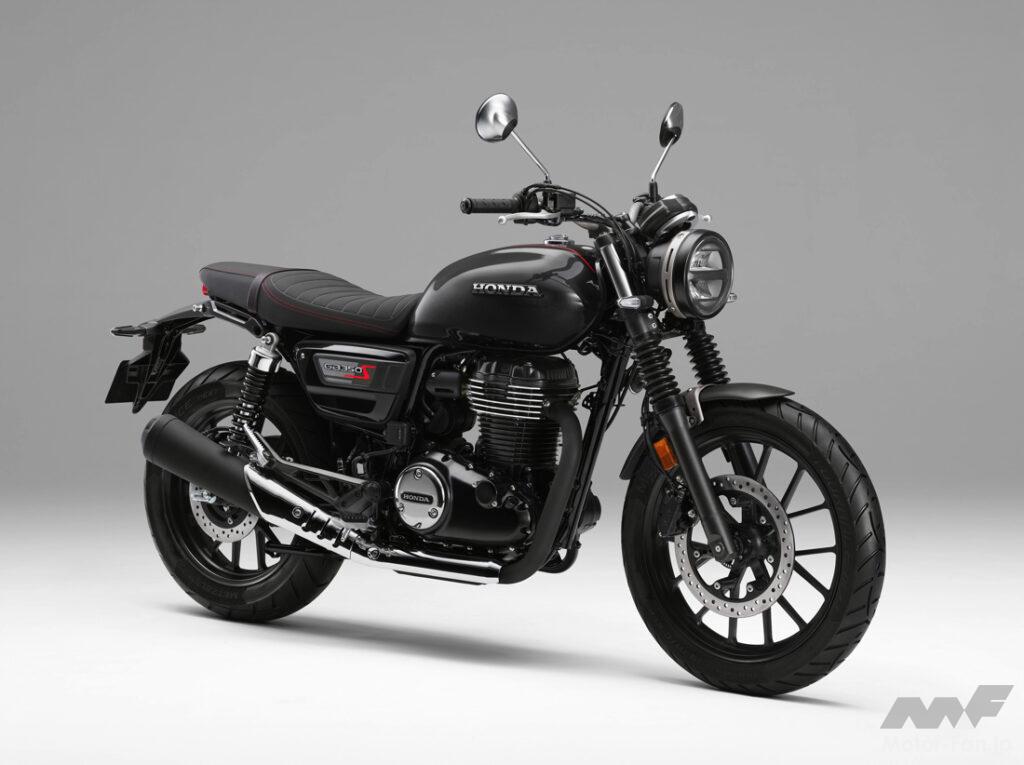
Honda GB350S
ADVERTISEMENT
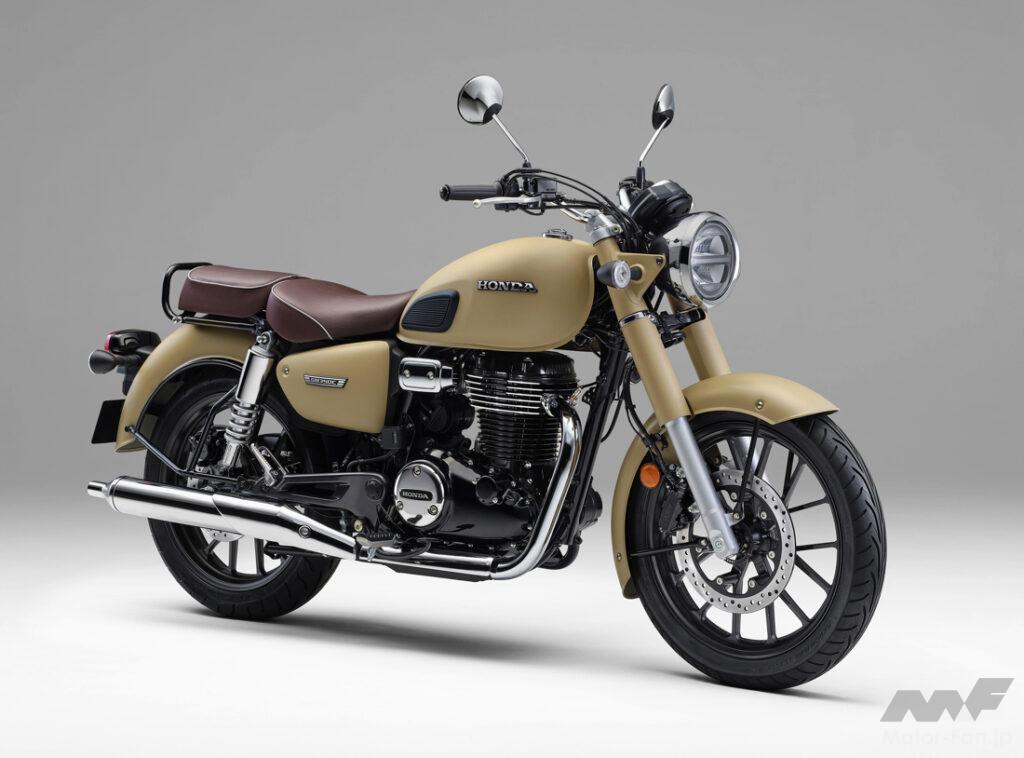
Honda GB350C (pictured is the latest model scheduled for release on October 31, 2025)
The original Honda “GB” model was the GB250 Clubman, which was released in 1983. Equipped with a 249cc air-cooled single-cylinder engine, this model features a sporty, classic form reminiscent of the single-cylinder racers that were active in races around the world, including in the UK, in the 1960s. It was also popular for its lightness and ease of handling, making it a long-selling model that was sold until 1997.
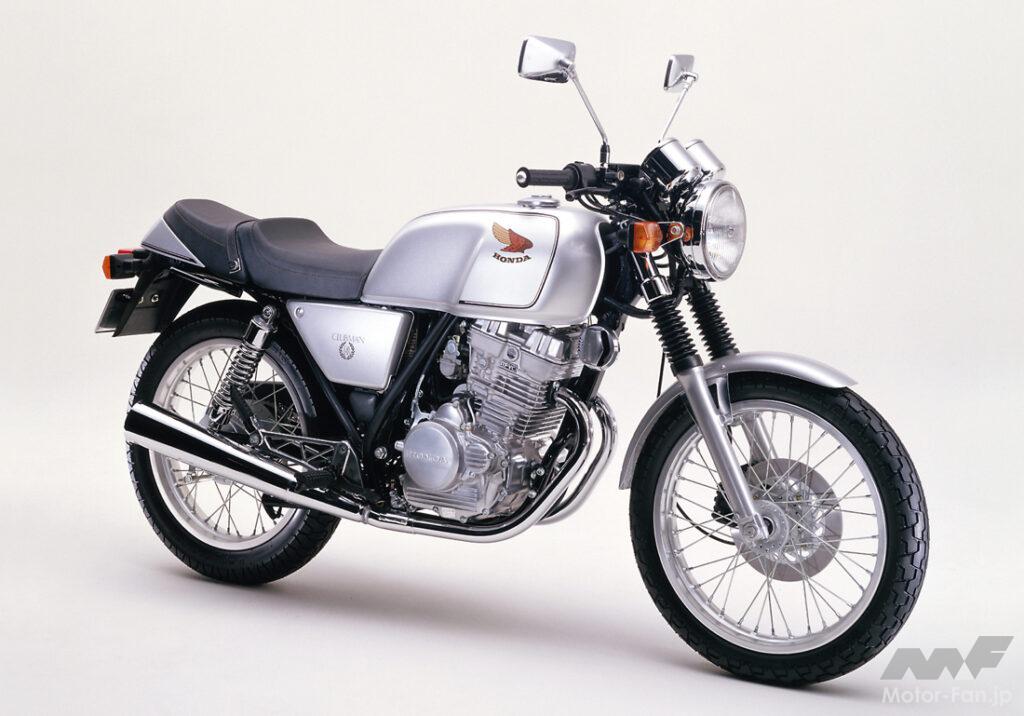
Honda GB250 Clubman (1983 model)
In 1985, the 400cc version “GB400 Tourist Trophy,” the limited edition “GB400 Tourist Trophy MkII,” and the 500cc version “GB500 Tourist Trophy” were also released. All of these models were popular for their classic exterior and sporty form, common to the series.
The GB350, which was released in 2021, revives the GB name. The power unit is a 348cc OHC air-cooled single-cylinder engine with a striking upright cylinder, delivering powerful torque and a satisfying ride.
The styling features a warm, rounded shape for the fuel tank and side covers, while the expressive metal crankcase cover and cylinder head create a high-quality, traditional look.
The GB350 and GB350C are fitted with 19-inch front and 18-inch rear wheels. The sporty GB350S has a smaller 17-inch rear wheel fitted with a wide radial tire, resulting in a more agile ride.
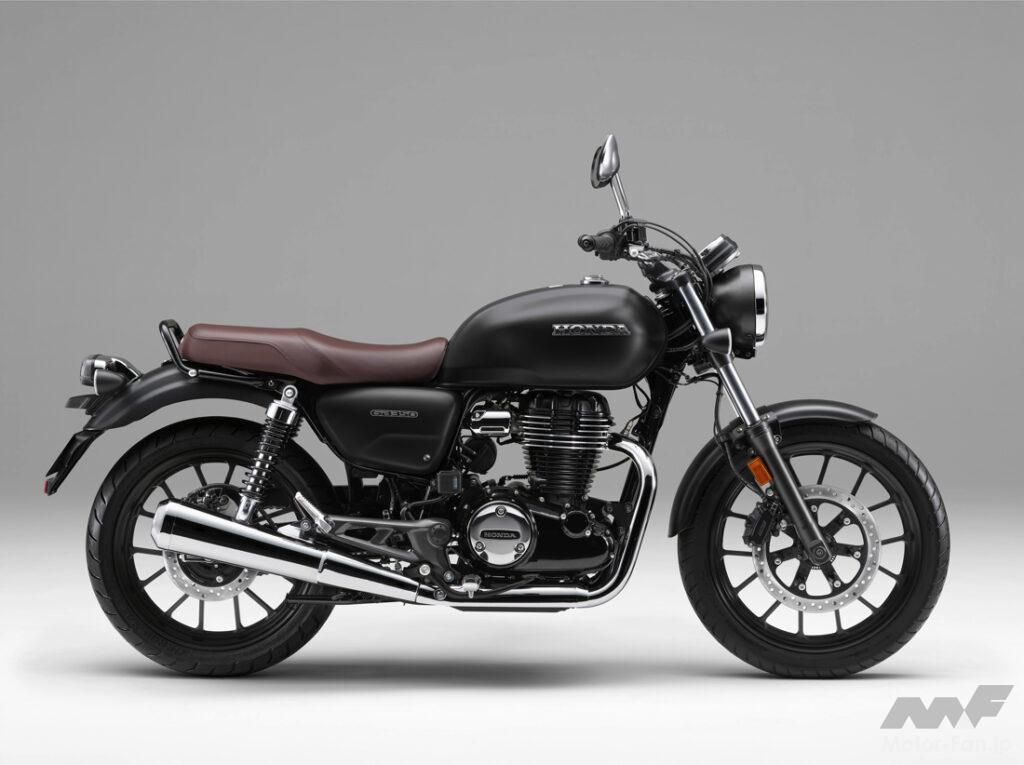
The GB350 and GB350C feature 19-inch front and 18-inch rear wheels (photo shows GB350).
ADVERTISEMENT

The sporty GB350S has a smaller 17-inch rear wheel and a wide radial tire. The front wheel is 19 inches, just like the other models.
Also, the GB350C, a derivative model released in October 2024, features a more retro feel with the adoption of a heavy-duty front fork cover. The body has been redesigned with a gently sloping proportion, from the front section, such as the headlight cover, to the fuel tank, side covers, and separate seat, towards the rear. In addition, the adoption of larger front and rear fenders and a horizontally-oriented capton-type muffler has resulted in a style that emphasizes a lower and wider stance.
Some spec models of the GB350 and GB350S will be released on August 28, 2025. The meter dial design will be changed, and the decorative ring will be plated to create a more luxurious feel. The headlight illumination range will also be changed. Updates have been made to improve visibility at night.
Prices (including tax) are 649,000 to 671,000 yen for the standard GB350, 693,000 to 715,000 yen for the sporty GB350S, and 715,000 yen for the revised GB350C model, scheduled for release on October 31, 2025 (current model 668,800 yen).
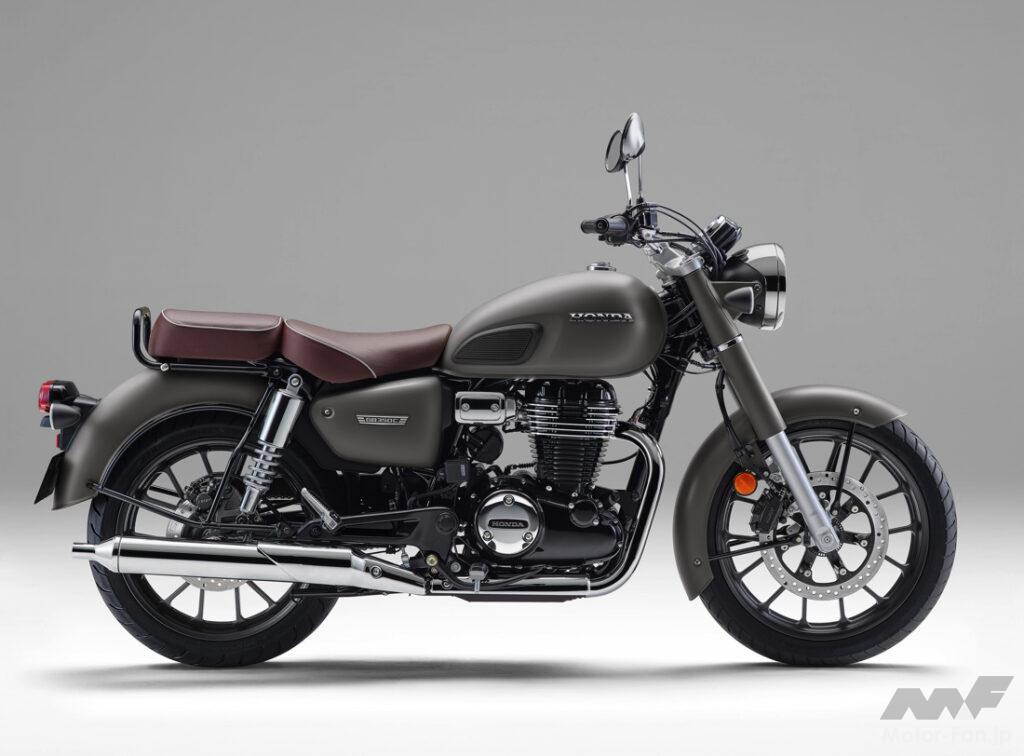
The GB350C has a more retro feel thanks to the adoption of front fork covers. The photo shows the latest model, scheduled for release on October 31, 2025. It has undergone some changes, such as making the headlight illumination range more visible at night.
Kawasaki Meguro S1 & W230
The Meguro S1, equipped with a 232cc air-cooled single-cylinder engine, and its sister model, the W230, are also popular neo-classic models that Kawasaki is proud of.
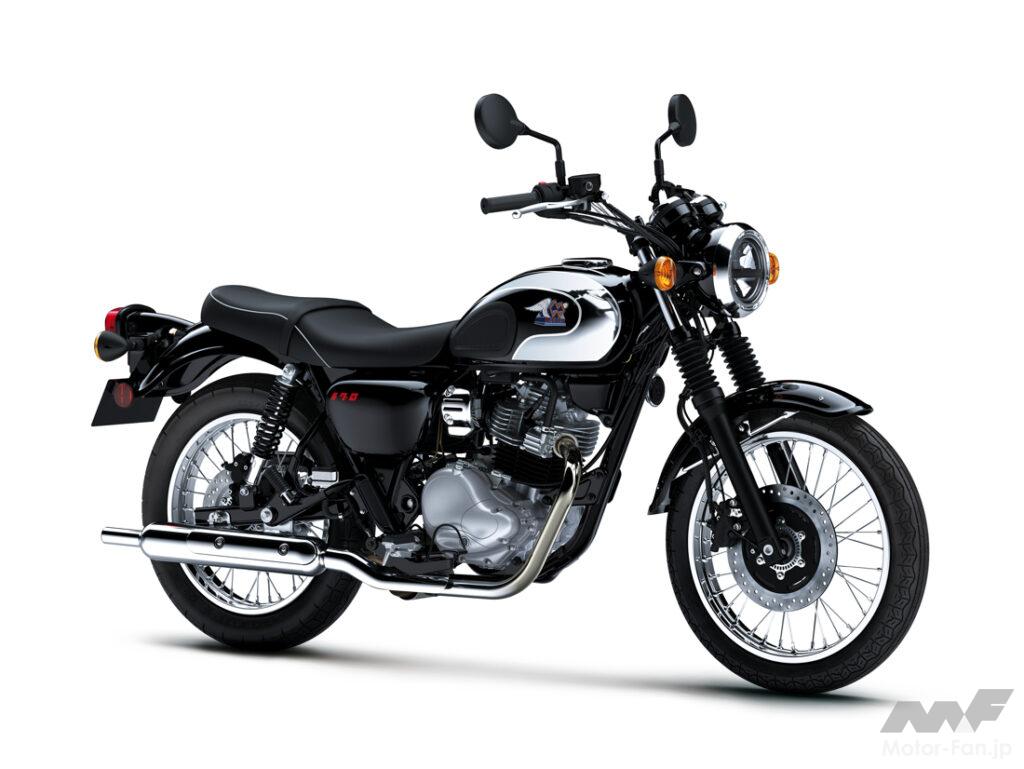
Kawasaki Meguro S1
ADVERTISEMENT
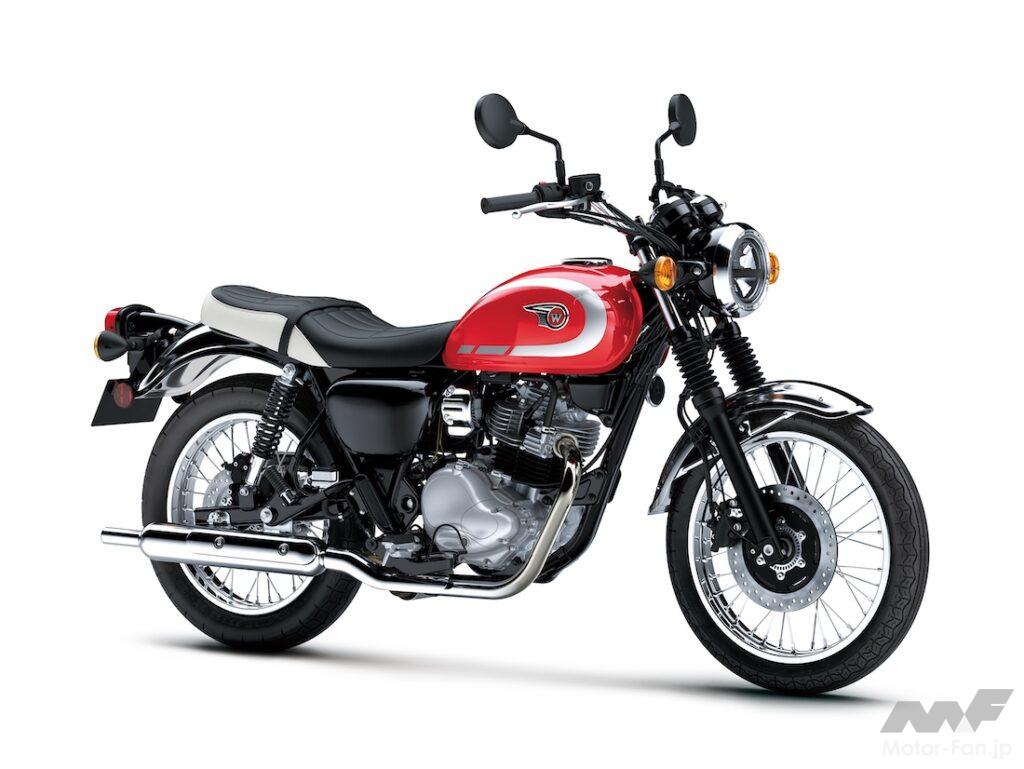
Kawasaki W230
The Meguro S1 originates from the former motorcycle manufacturer Meguro Manufacturing. Founded in 1924, the company released numerous high-performance models that took the world by storm from before World War II through the immediate postwar period. While it was particularly known for its large-displacement models, such as 500cc and 650cc, it struggled to keep up with the growing popularity of smaller-displacement models from the late 1950s onward, leading to a decline in business. In 1964, it was absorbed into Kawasaki (then Kawasaki Aircraft Manufacturing).
The Meguro S1 is a bike that pays homage to the “250 Meguro SG,” which was released in 1964 after the merger. Kawasaki has also announced this model as its “legitimate successor,” so you could say that the Meguro S1 is the latest motorcycle that has reproduced a Showa-era model.
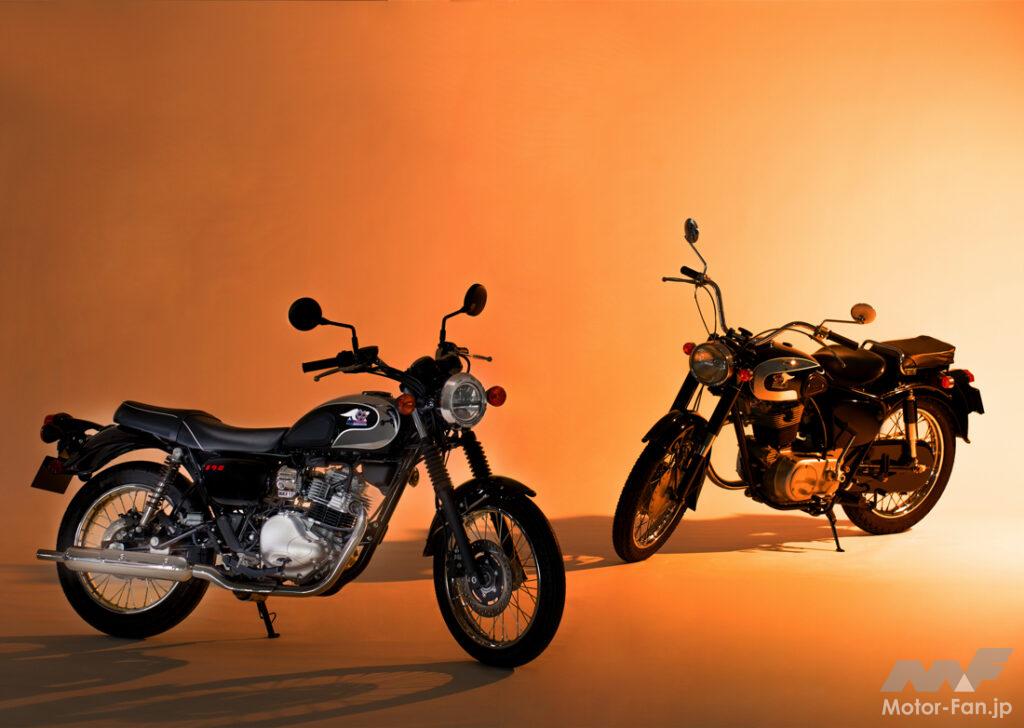
The Meguro S1 (left) is the legitimate successor to the 250 Meguro SG (right) released in 1964.
By the way, Kawasaki previously sold the Meguro K3, which was equipped with a 773cc air-cooled 2-cylinder engine. Therefore, the Meguro S1 is its younger brother and is a light motorcycle type that belongs to the Meguro series.
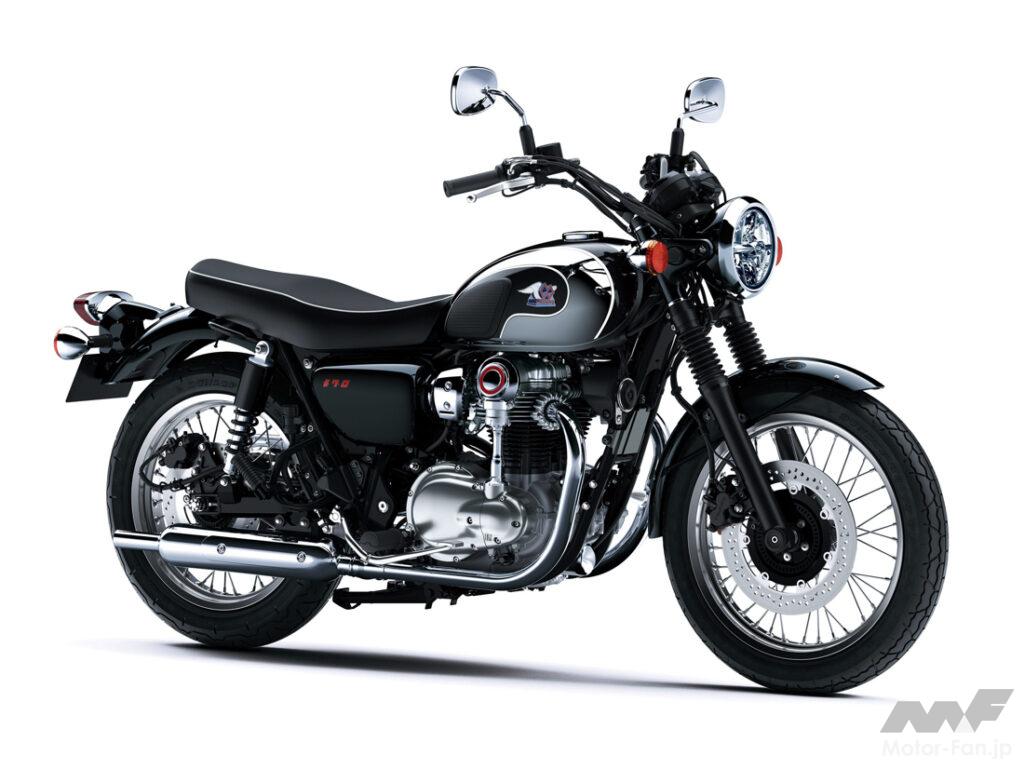
Kawasaki Meguro K3
The W230, a sister model of the Meguro S1, is a light motorcycle model named after the “650-W1,” commonly known as “W1,” which Kawasaki released in 1966. Equipped with a 624cc parallel twin engine nicknamed the “Vertical Twin,” the W1 was a huge hit worldwide due to its high performance for a motorcycle at the time. It is a famous model that created the image of “large-displacement, high-performance models” for Kawasaki motorcycles that followed.
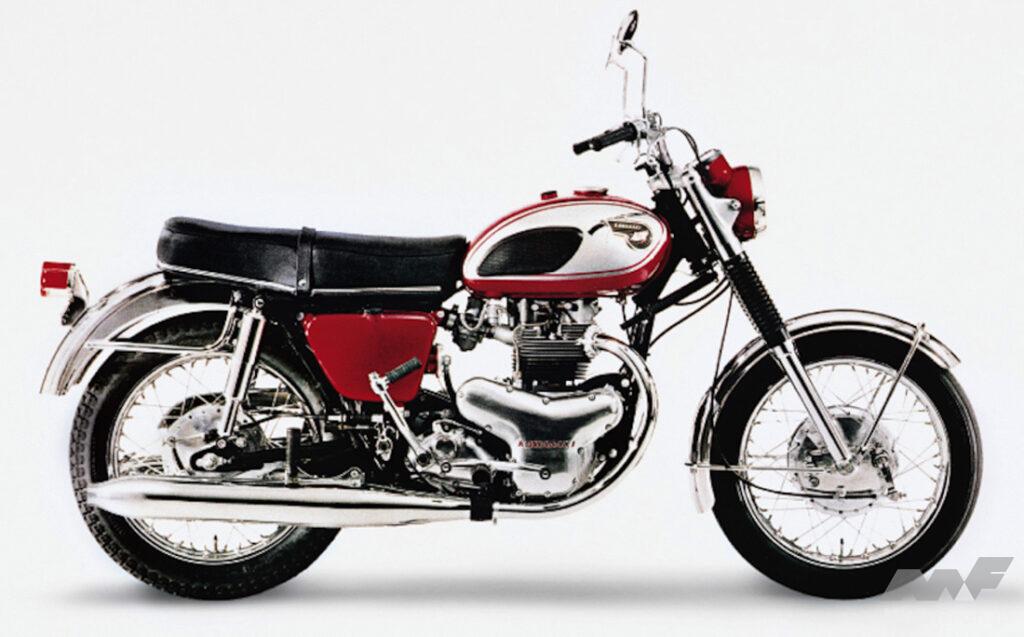
Kawasaki 650-W1, commonly known as W1 (Double One)
Incidentally, the W1 is said to be based on the “500 Meguro K2” that was released in 1965 after the merger with the aforementioned Meguro Factory. In other words, Meguro is the brand name that gave birth to Kawasaki’s “W Legend.” 2024, when the Meguro S1 and W230 were released, marks the 100th anniversary of Meguro Factory’s founding. These two types can be said to be models born from this background.
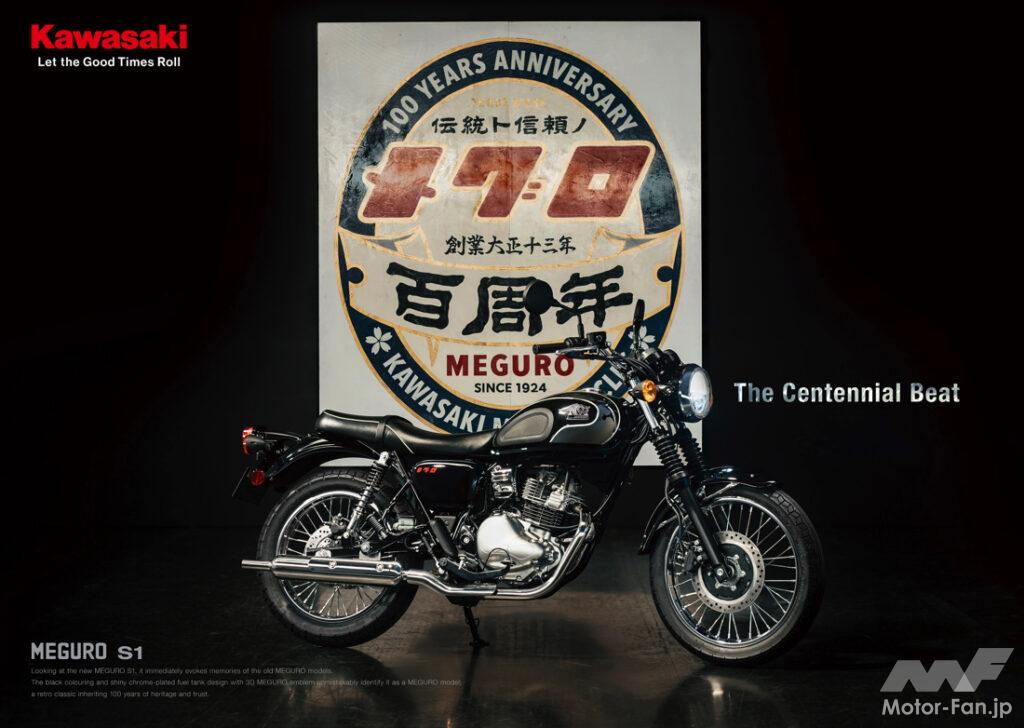
The Meguro S1 and W230 were released in the memorable year of the 100th anniversary of the founding of Meguro Manufacturing.
In addition, the W series also includes the “W800” model, which is equipped with the same 773cc air-cooled 2-cylinder engine as the Meguro K3. The W230 is positioned as its younger brother, a light motorcycle type.

Kawasaki W800
Both the Meguro S1 and W230 have a 232cc air-cooled single-cylinder engine. They both have a similar retro feel, with teardrop-shaped fuel tanks, front and rear spoke wheels, a single round headlight, and a steel front fender. Another similarity is that they both have the latest equipment in key areas, such as front and rear disc brakes.
However, the two models are differentiated in the details. For example, the fuel tank of the Meguro S1 features a black and chrome-plated color and the “MEGURO” logo. On the other hand, the fuel tank of the W230 features a “W” logo, highlighting the difference between the brands.
The prices (including tax) are 742,500 yen for the Meguro S1 and 665,500 yen for the W230.
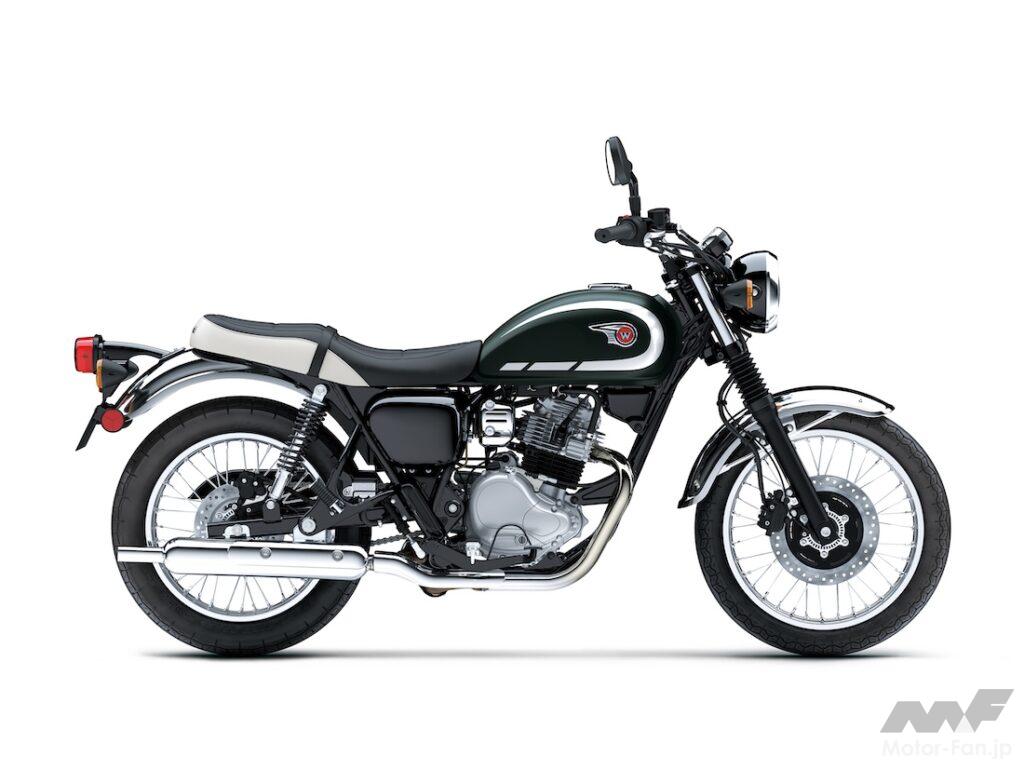
The 2026 model of the W230 will feature new colors: metallic matte dark green x ebony (pictured) and candy persimmon red x ebony.
As you can see, neo-classic bikes are attractive for their classic style and relaxed ride thanks to the latest equipment. Among them, the six models introduced here are full of Showa-era retro feel, and are attractive for their stylishness, which makes them suitable for touring in the suburbs as well as urban areas. These are certainly models that will continue to attract attention in the future.