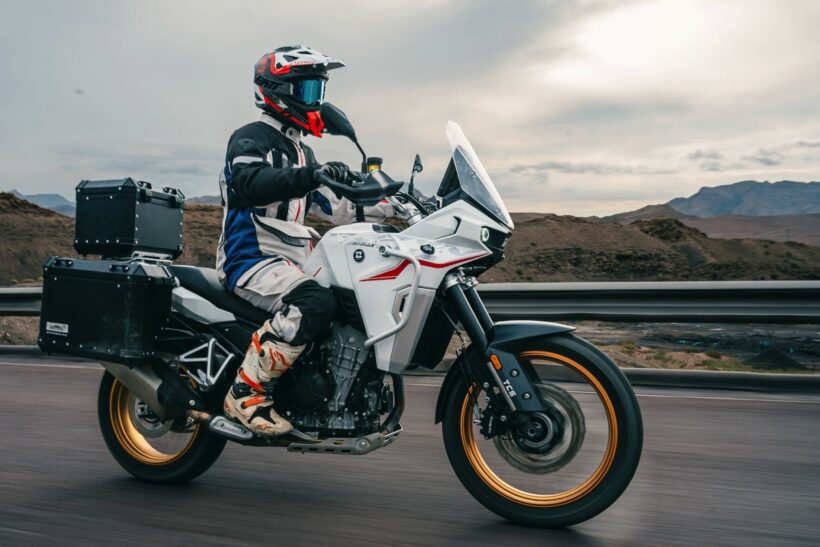


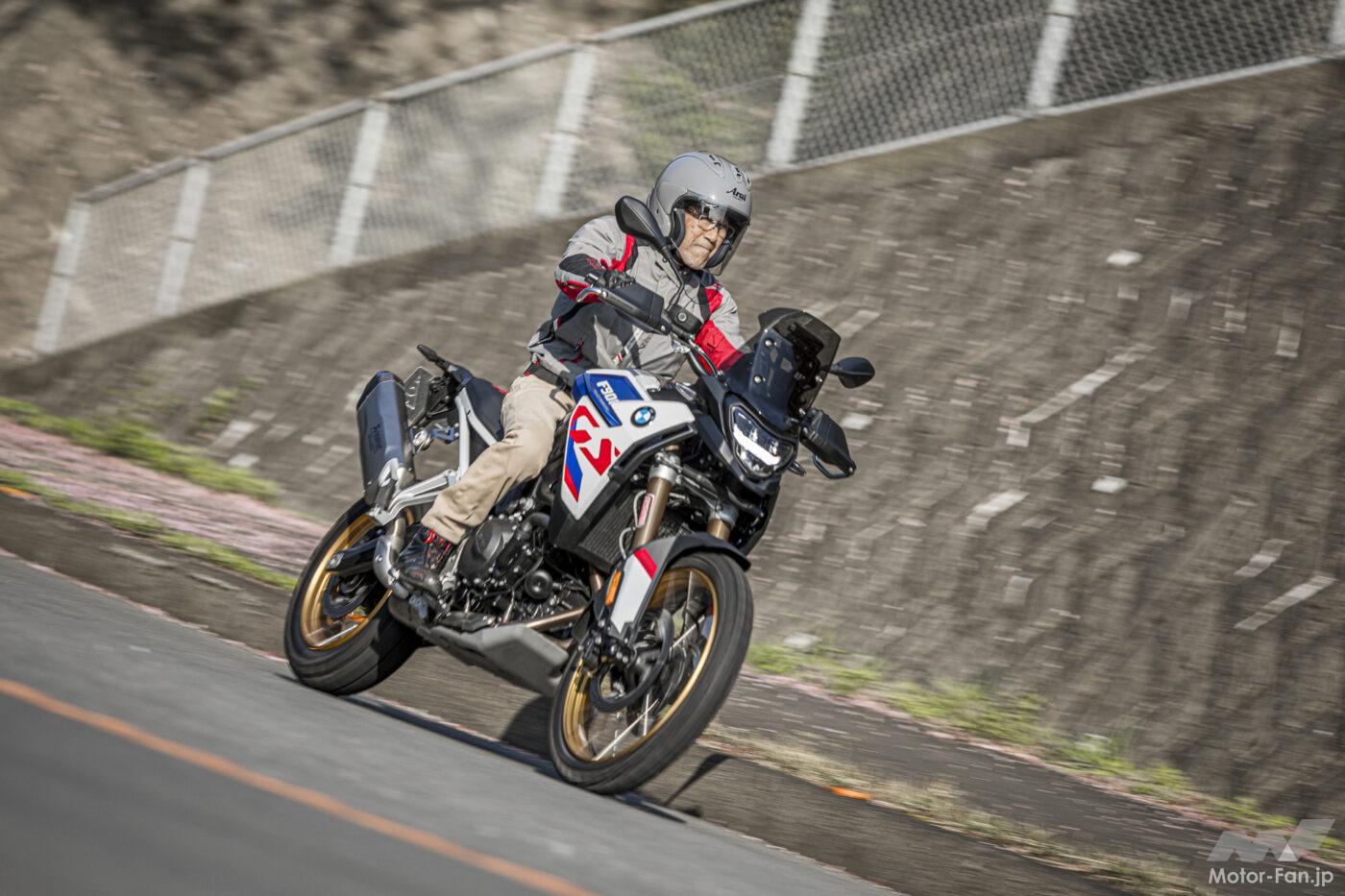
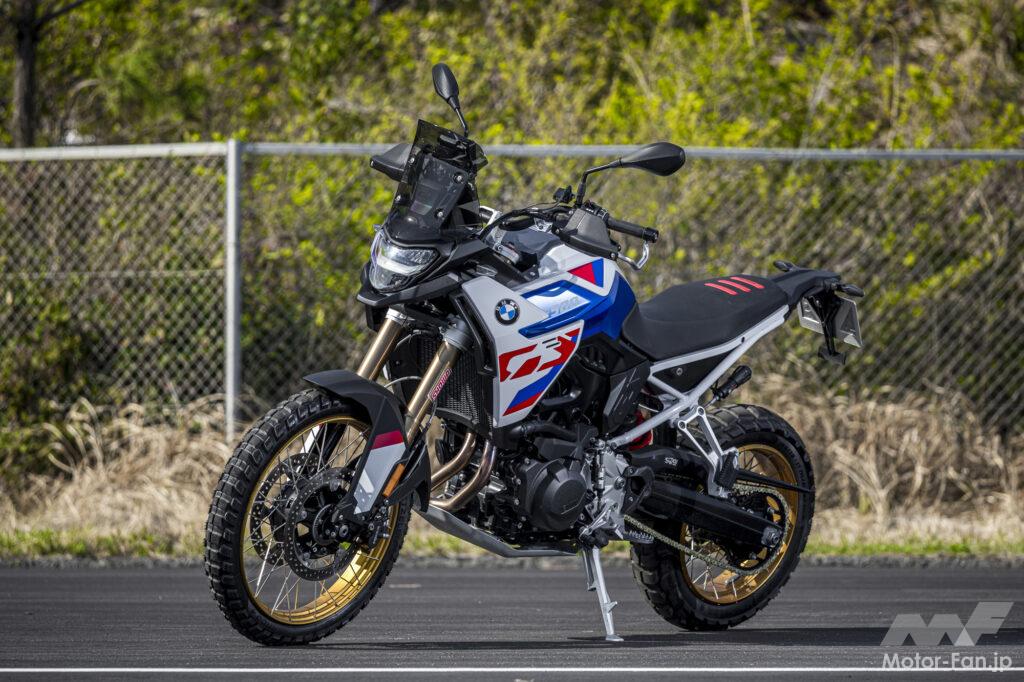
BMW F900 GS….Starting from 2,043,000 yen (including 10% consumption tax)
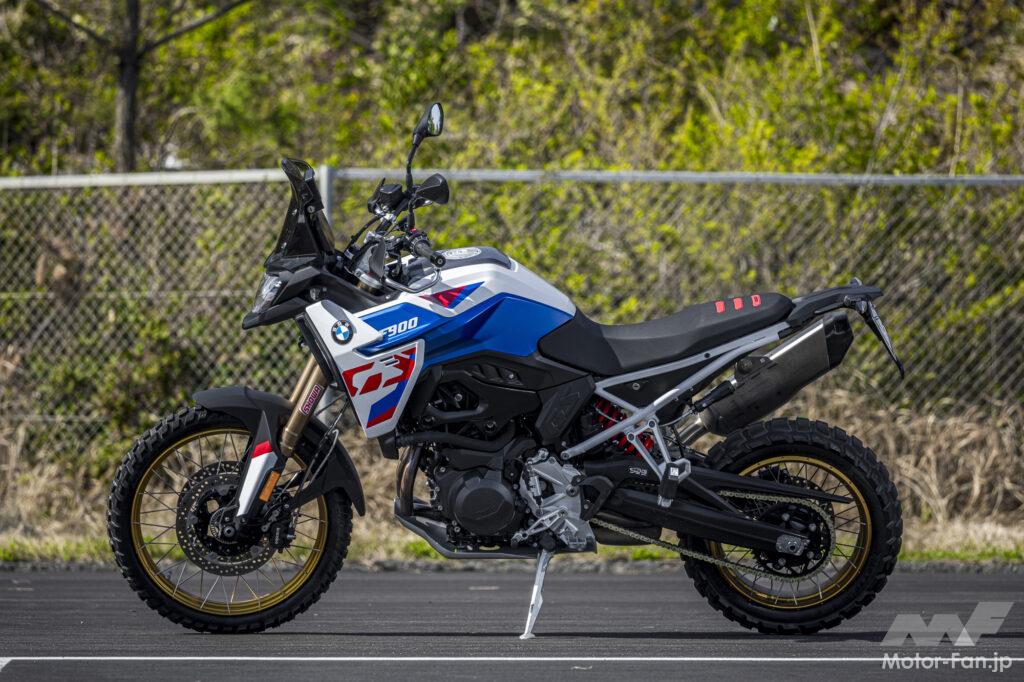
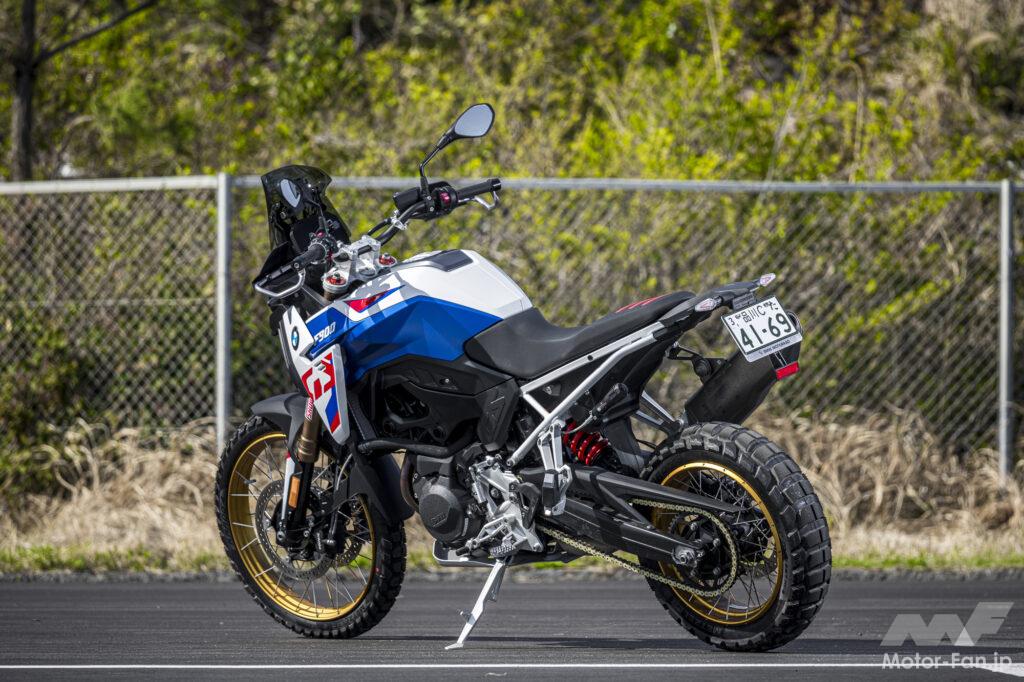

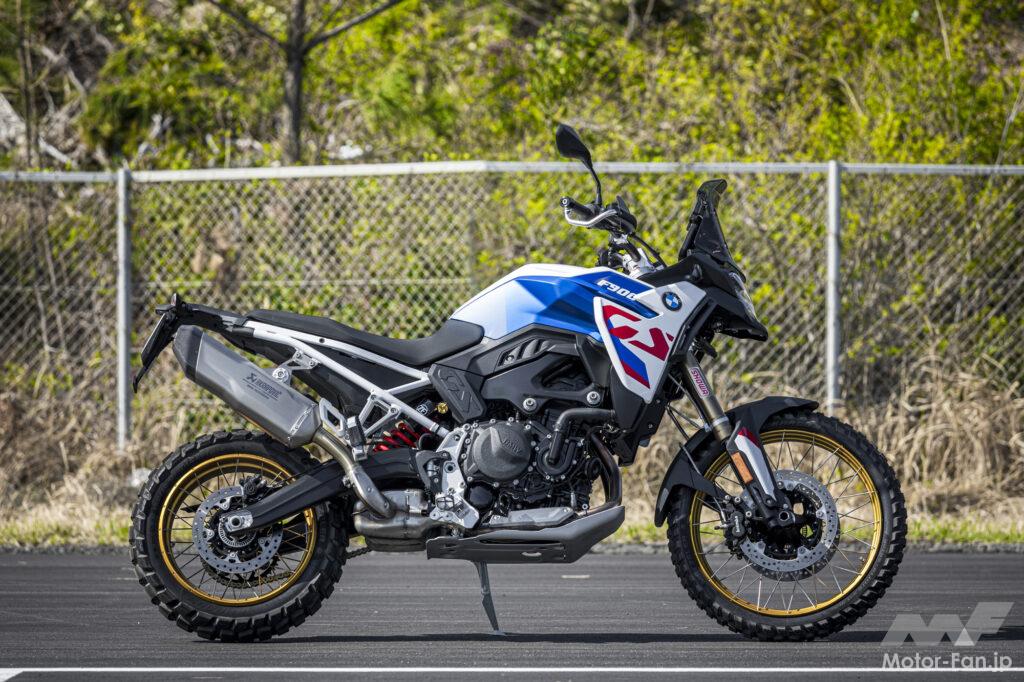
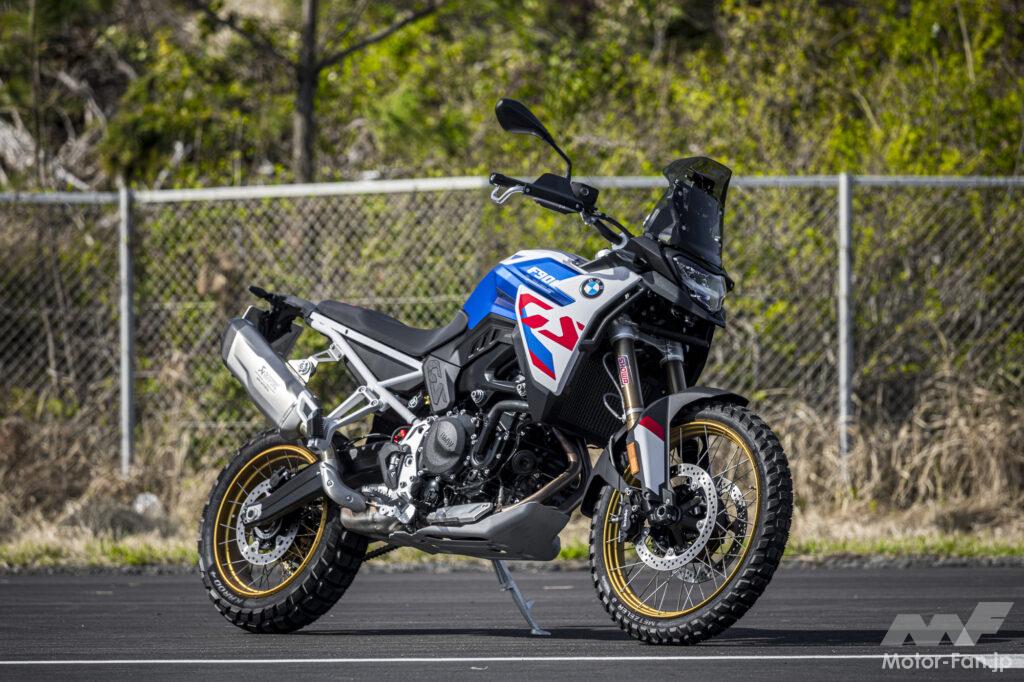
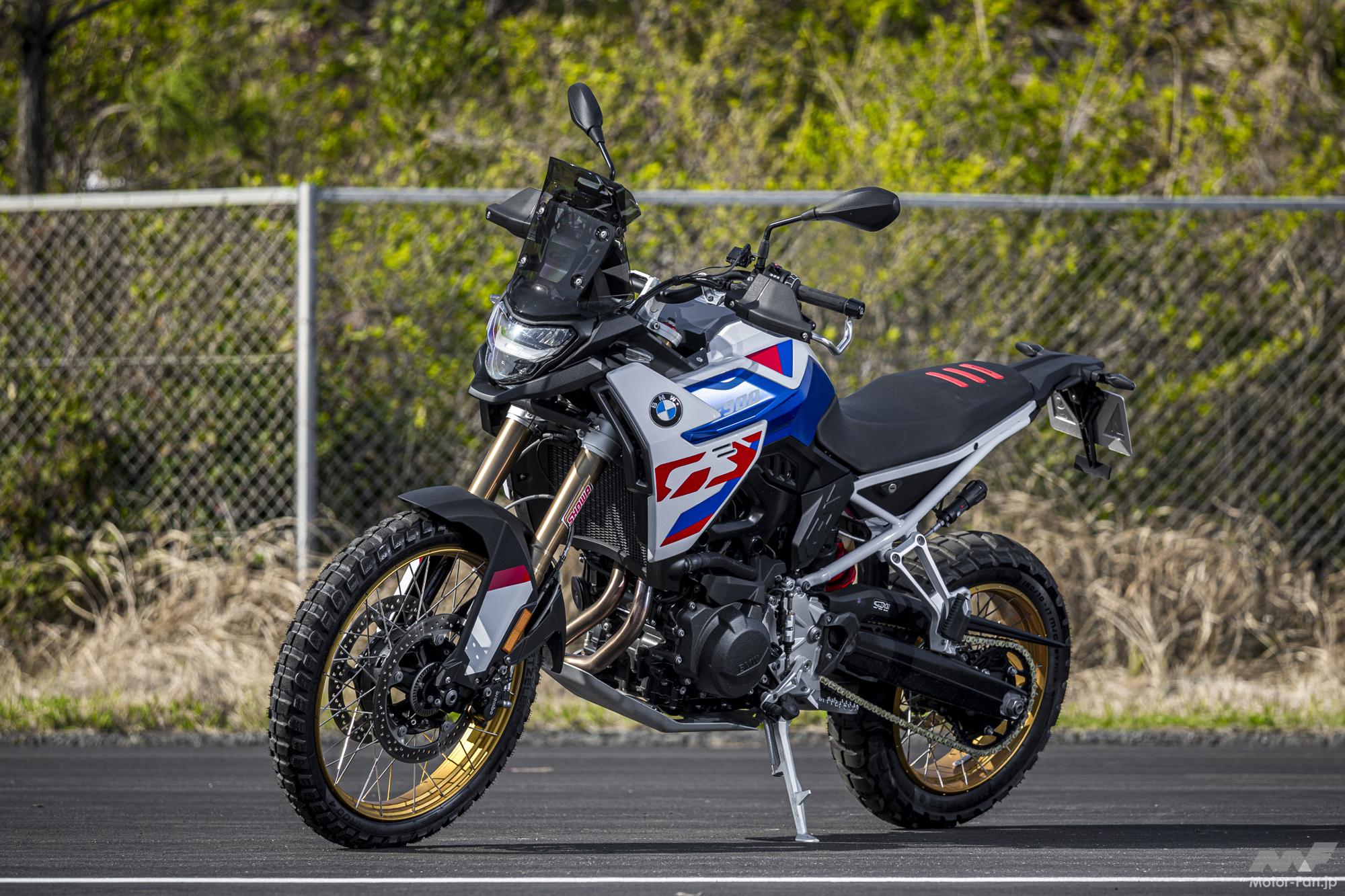
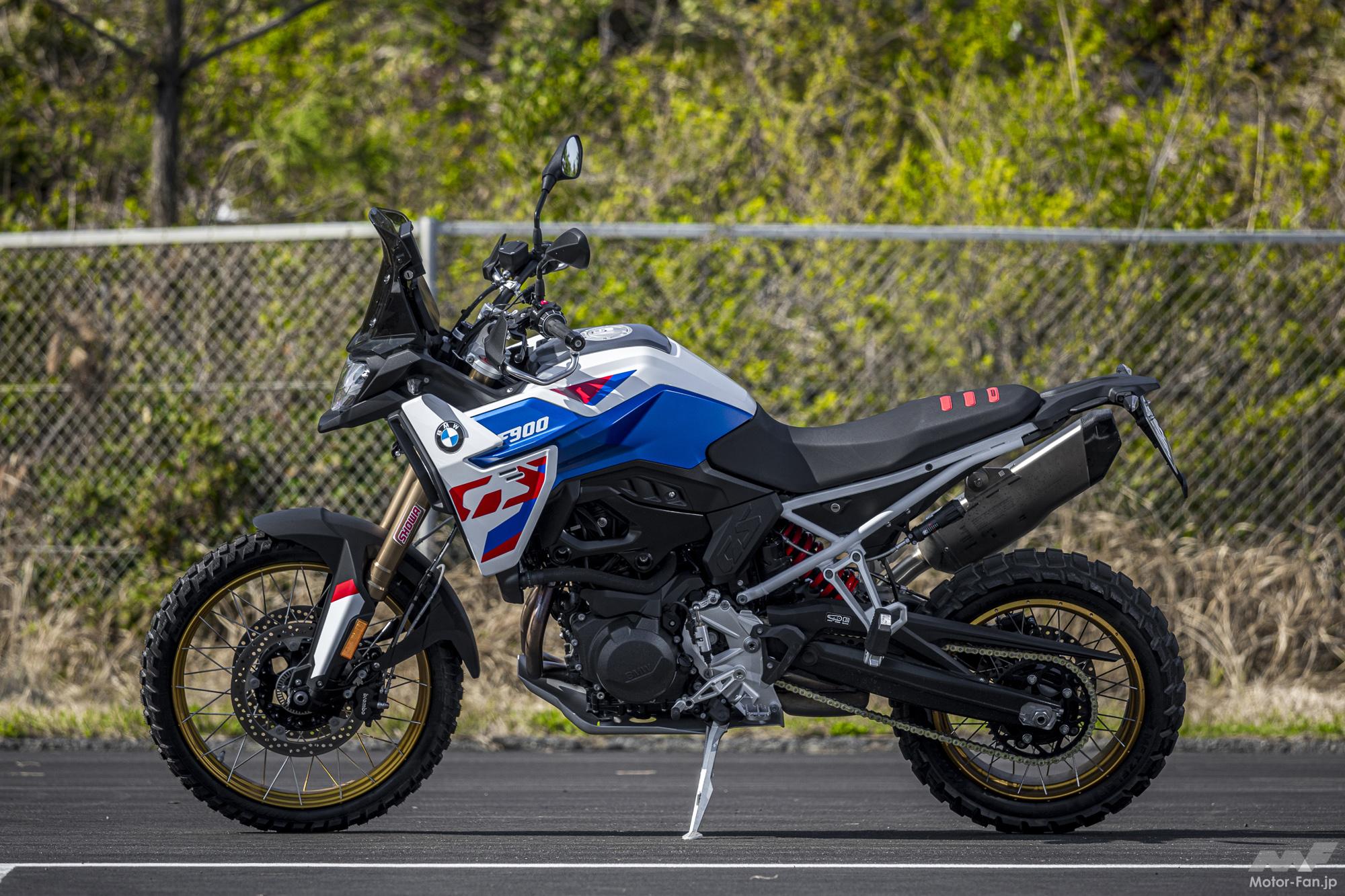
Light White / Racing Blue Metallic / Racing Red….2,102,000 yen (including 10% consumption tax)
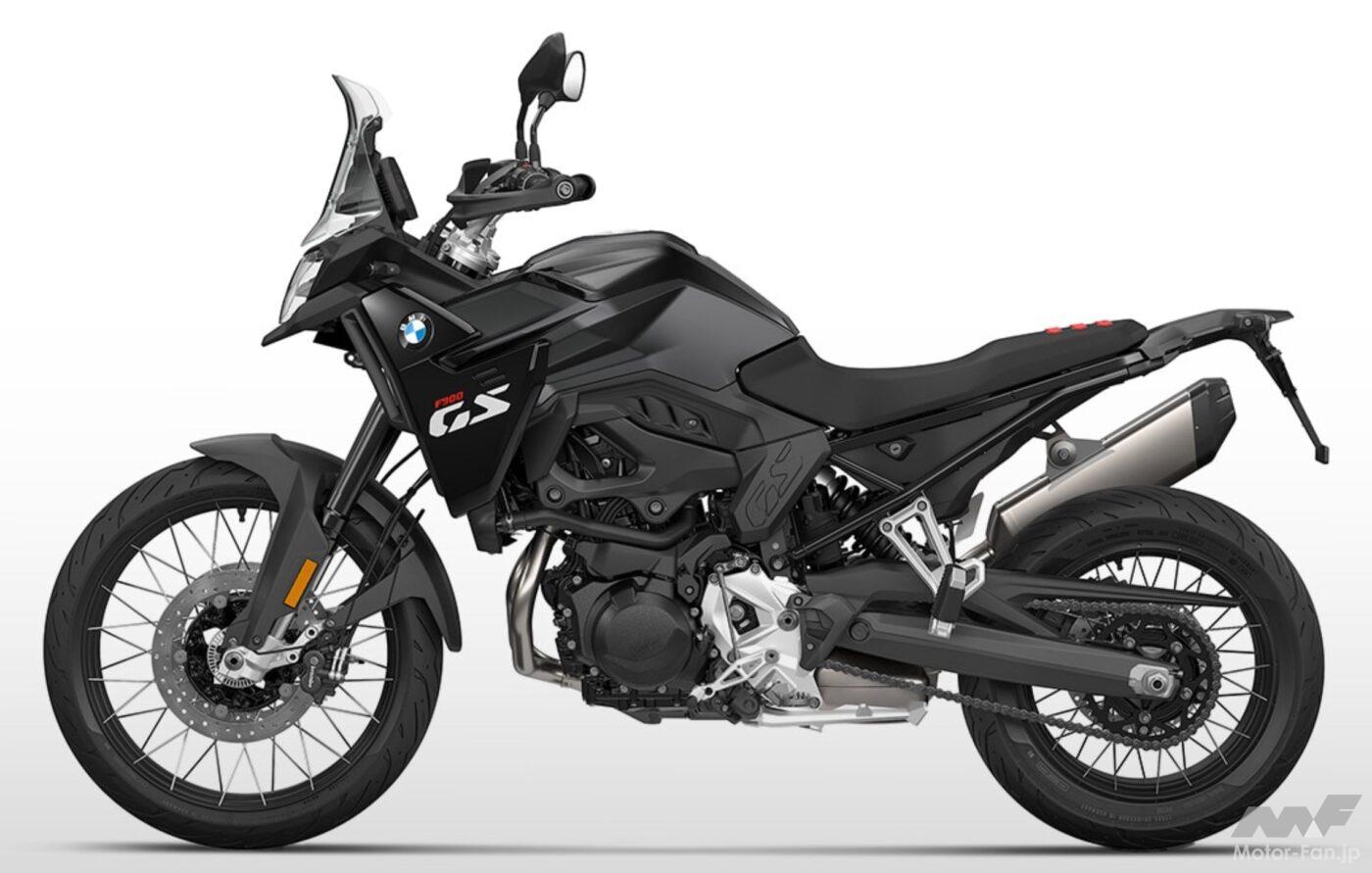
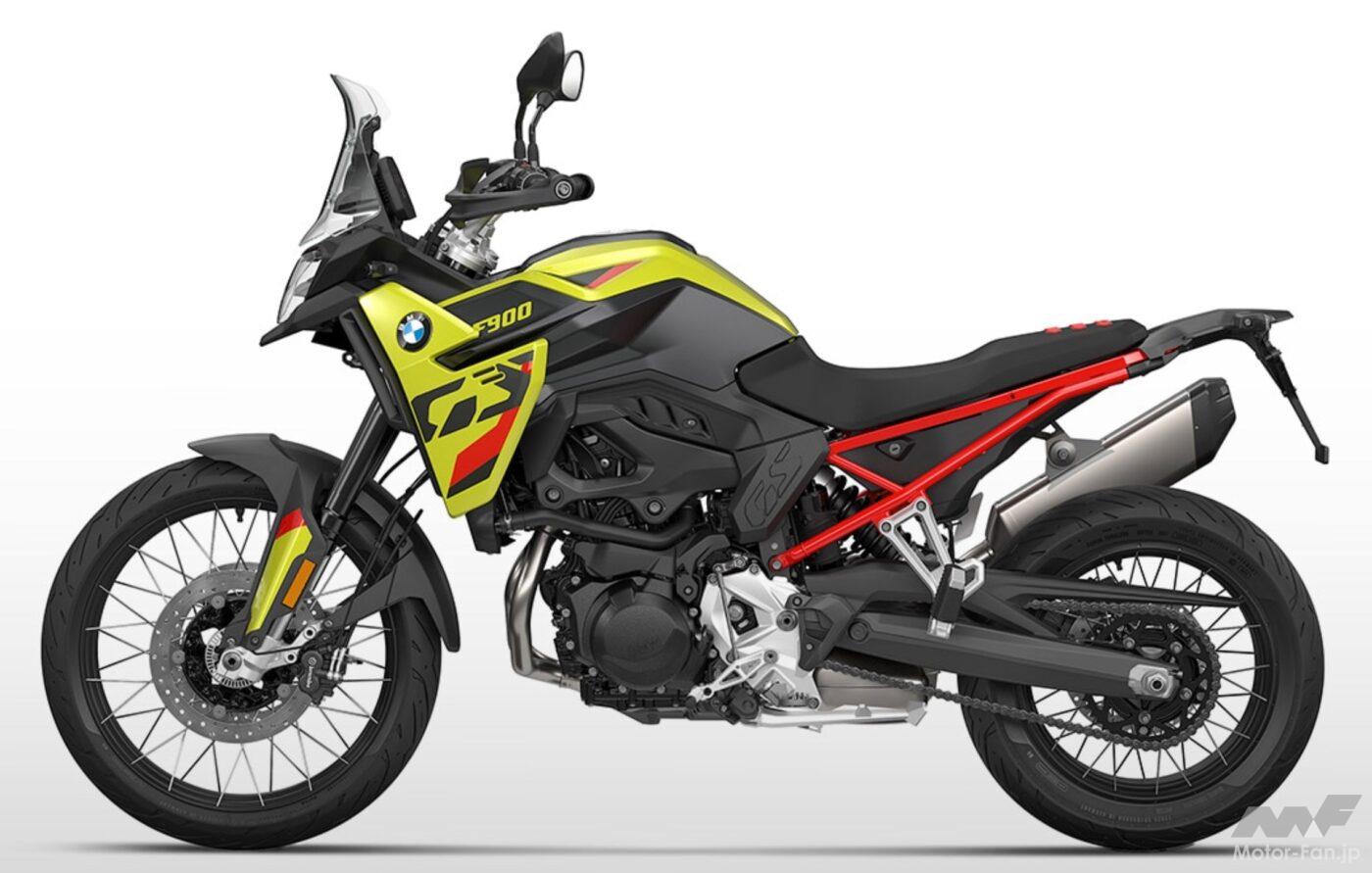
Color variations
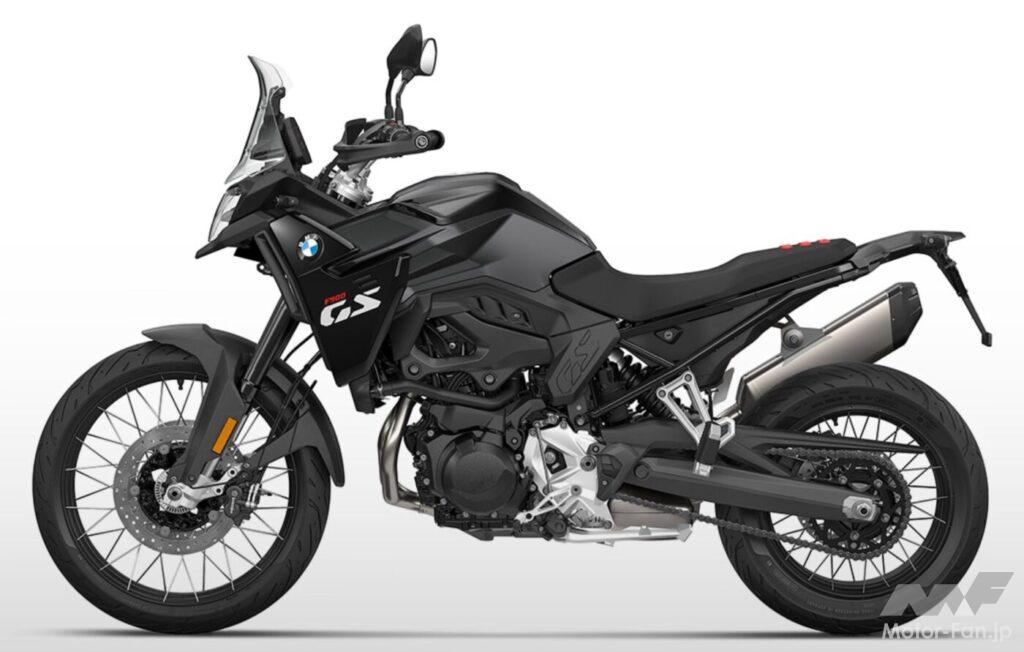
Black Storm Metallic: ¥2,043,000 (including 10% consumption tax)
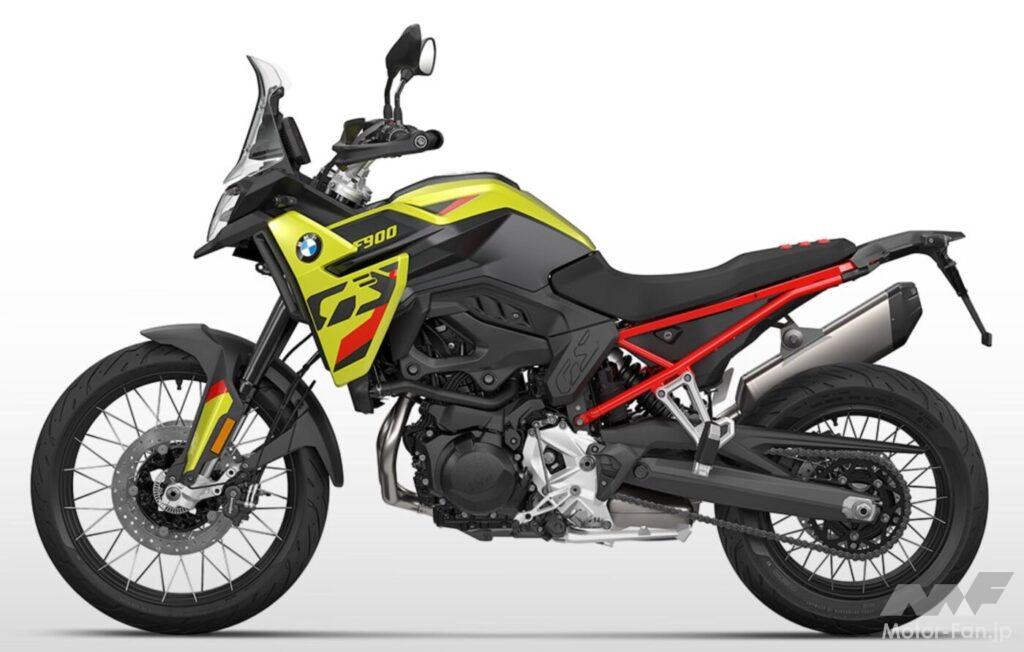
Sao Paulo Yellow: 2,073,000 yen (including 10% consumption tax)

Screenshot
Screenshot
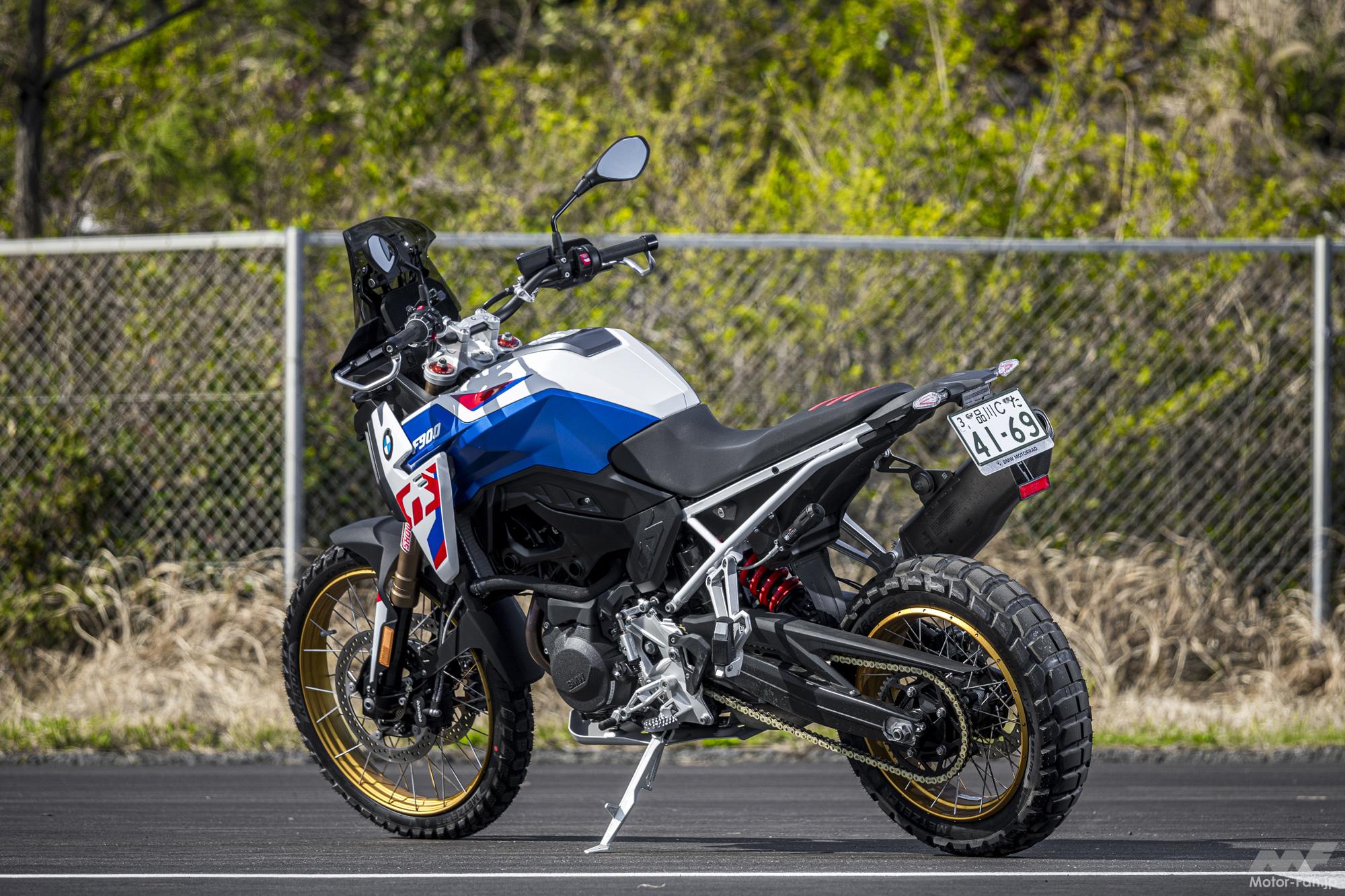
BMW’s F series began with the F650, released in 1993. At the time, the company’s flagship engine was a traditional boxer twin (horizontally opposed two-cylinder) with a vertical crankshaft and shaft drive mechanism, which was well-received and popular. The newly introduced F, the only single-cylinder engine at the time, offered a fresh perspective with its chain drive. It
featured raised handlebars with a bridge and a rear carrier flush with the seat. It also featured a frame-mounted headlamp and a mini screen. While featuring a basic off-road form with a sleek body, a cowl design integrated with the tank, and a down-shaped front fender, it boasted a modern and sophisticated exterior design.
Powered by an Austrian Rotax engine and produced at the Aprilia factory in Italy, it attracted attention as a unique model, but above all, it was recognized as a friendly presence that lowered the barrier to entry for BMW products.
Initially launched as a new genre model named Funduro. As the times changed, the bike went through an urban commuter trial run (belt-drive F650CS) and showed off some crossover model features, but now it has become a model symbolizing the middle class, with the GS at the forefront. I won’t go into the details of the roots of the F800, which was equipped with a two-cylinder engine, and the changes in model development, but later the G310R and G310GS were introduced as more approachable single sports bikes. The current mainstream F models are the 900R and XR. And then there are the F800GS and the latest F900GS, for a total of four models released.
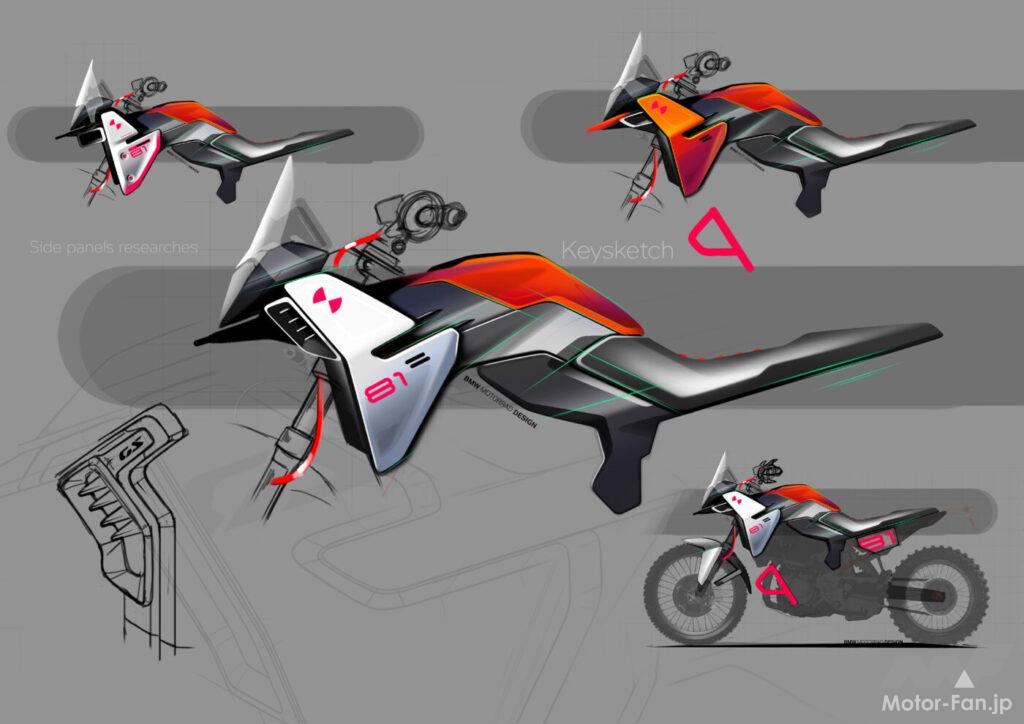
Several sketches of the color design were also drawn and considered.
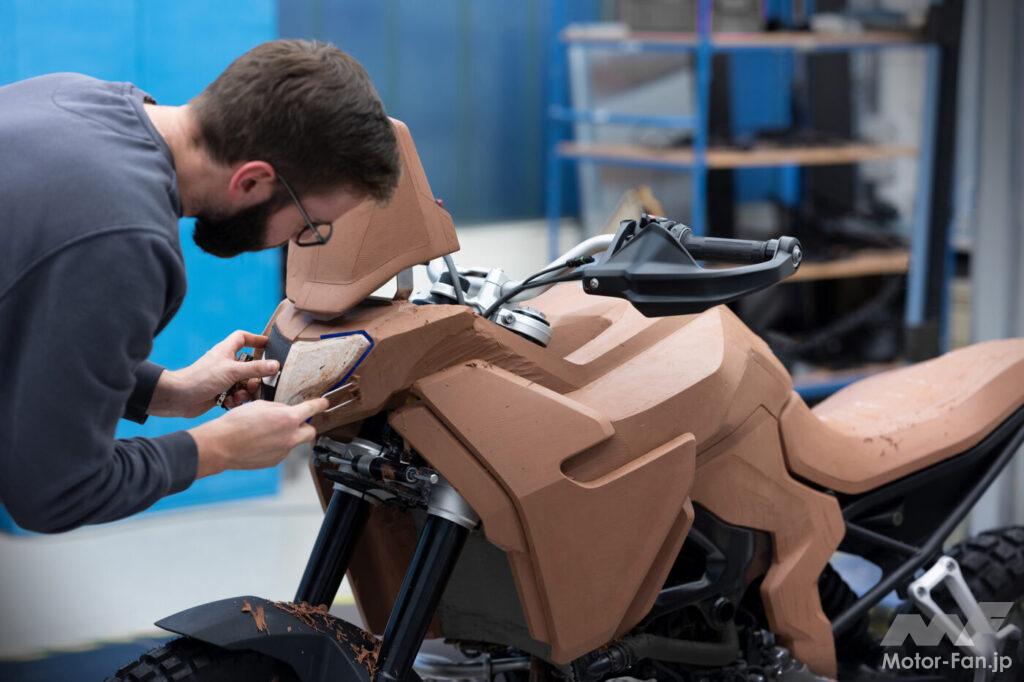
The design work involved carving a 1:1 clay model to confirm the actual shape.
As mentioned above, the original F650 started with a single-cylinder engine. It has now transitioned to a two-cylinder, third-generation engine. The forward-inclined (parallel) DOHC water-cooled twin engine, originally 798cc, has expanded to 853cc and now 894cc.
The bore and stroke are short-stroke, measuring 86 x 77mm. It features a 270-degree crank, delivering a maximum output of 77kW (105PS) at 8,500 rpm, a 10PS increase over the previous engine. Maximum torque is
also up 1Nm to 93Nm at 6,750 rpm. Two counterbalance shafts that rotate in the opposite direction to the crankshaft counteract vibrations, providing a smooth, comfortable rotational feel that has earned the engine a reputation for its
well-established design. The engine is rigidly mounted on a steel bridge-type frame known as a shell structure, and the engine block itself is incorporated into the chassis’ rigidity, resulting in a streamlined design.
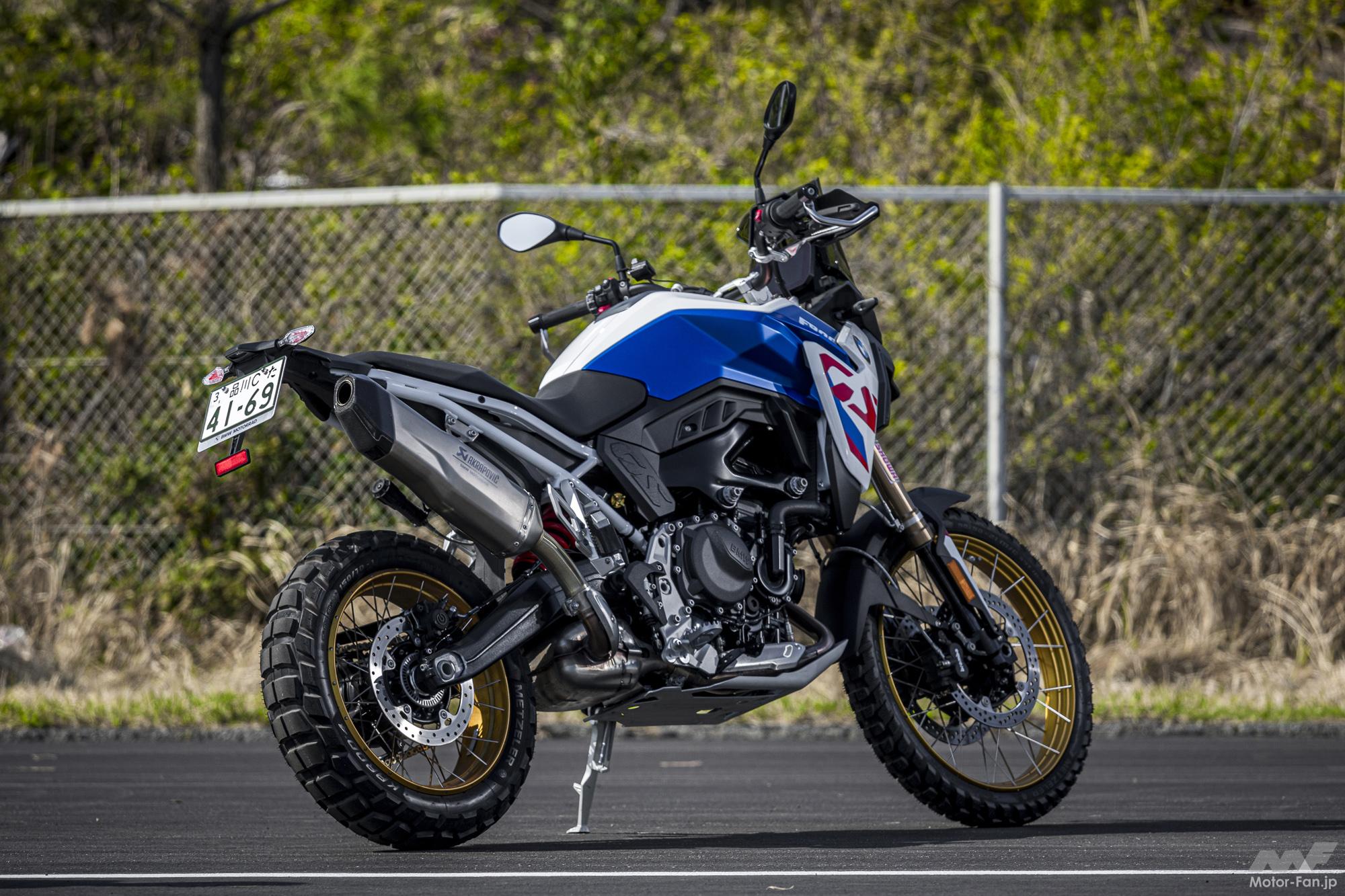
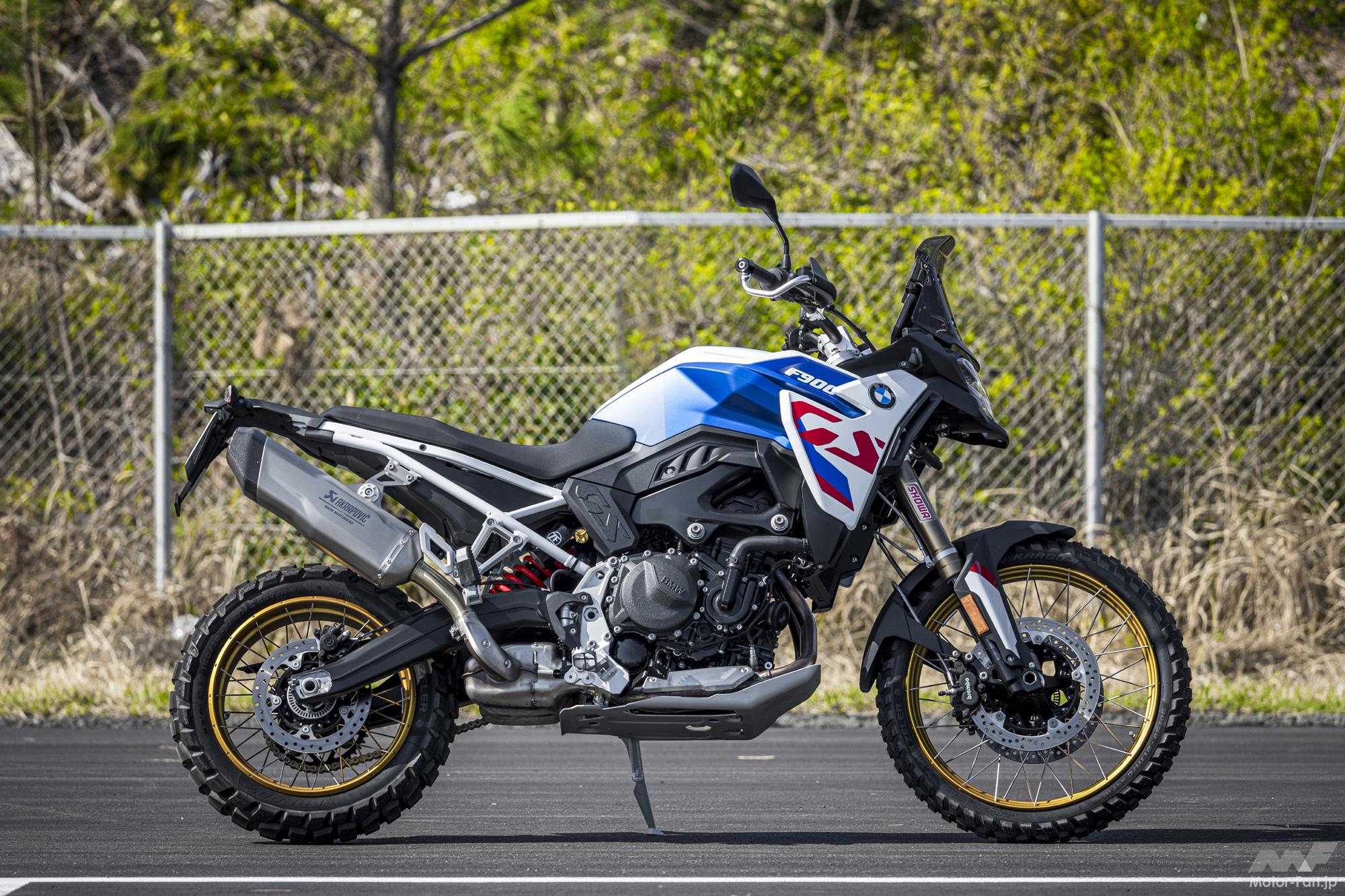
While various electronic control technologies have been updated to the latest models, it’s also worth noting that the bike has achieved a dramatic weight reduction of an astonishing 14kg compared to the previous model. The right-side up-exit exhaust comes standard with an Akrapovic titanium sports silencer, saving 1.7kg. The 14.5L fuel tank (0.5L less than the previous model) has been replaced with a plastic one, saving 4.5kg. The bolt-on rear frame has also been redesigned, reducing the overall rear section by 2.4kg. The vehicle weighs 219kg in roadable condition. By comparison, the F800GS, its younger brother, also weighs 227kg, so the weight reduction is quite impressive.
The front forks supporting the 21-inch gold-rimmed cross-spoke wheels are a leading-axle type with hollow shafts. The 45mm inverted forks are fully adjustable by SHOWA (Astemo) and feature a titanium nitride coating.
The bike features what’s commonly known as an SFF (Separate Function Front Fork), with adjusters on the top end for spring preload and compression and rebound damping, respectively. The standard setting for both is 10 clicks back from fully clockwise with the adjuster dial. The
rear monoshock used on the Enduro Package Pro is fully adjustable by Sachs. Preload can be adjusted with a hydraulic remote control dial on the left side of the bike. The adjustment screw below the shock unit adjusts rebound damping, while the dial above the right side adjusts compression damping in two settings: high and low.
The shift pedal’s position can also be adjusted. The quick shifter’s touch has also been refined. The LED lights have also been refined. Keyless Ride (smart key) and cruise control are also standard features. Tire pressure sensors and heated grips are also standard. A holder for installing a navigation system or other devices is located directly above the 6.5-inch TFT color display. It is also fully compatible with genuine accessories such as aluminum cases.
The engine and the body feel just right and are very sturdy.
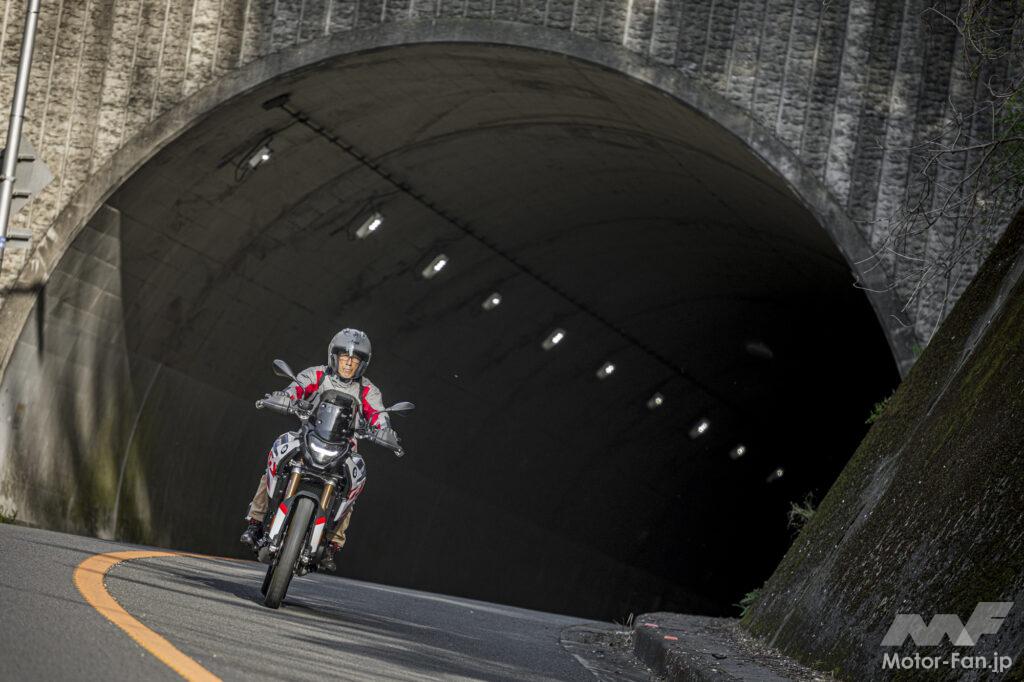
I knew it was a mid-range GS, but when I got up close and personal with the test ride, I was overwhelmed by the imposing presence of the entire bike. That said, compared to the intimidating volume of the top-of-the-line R1300GS, it was much sleek.
Straddling the bike, I noticed that it was indeed large and the seat was high. As the foot reach test showed, with my build, the suspension didn’t sink much, and I was able to stand on my tiptoes. With my hips firmly upright, my back was straight, and my knees fully extended, I was worried about supporting the bike, but I found it surprisingly easy to handle.
The high, wide, up-handlebars, the slim body design, and the lightweight construction all contribute to the ease of lifting and maneuvering the bike.
In other words, despite its impressive form, it’s not too formidable. At least, I didn’t feel uneasy riding it on flat, paved roads. Also, if I were to go on a serious off-road run and had a choice between the top-of-the-line R1300GS and the F900GS, I would definitely choose the F900GS.
I’ve always admired the R1300GS, but my honest first impression was that if I were to make a realistic (reasonable) choice, taking into account practicality and price, I would choose the F without hesitation.
This is because I felt that even if I were to get into trouble such as a fall or getting stuck, I would somehow be able to handle it, even if it was just barely possible.
Once you start the engine and get going, the high-eye-level, commanding view makes for a comfortable ride. Opening the right-hand throttle wide open delivers a gentle, gentle response, yet a robust, dependable torque feel. While
“gentle” and “robust” may seem like contradictory terms, the potential for instantaneous acceleration from low to high speeds without even considering engine speeds is first-rate. It’s also satisfying to see the engine effortlessly and smoothly accelerate from 8,500 rpm into the redline.
Yet, the engine’s easy-to-handle characteristics are excellent, with a controlled, constant, mild torque fluctuation that delivers the desired driving force to the rear wheels. In other words, there’s no sense of underpower in the word “gentle.”
Incidentally, the engine’s speed was 45 km/h when running at 5,000 rpm in low gear. Cruising at 100 km/h in sixth gear, the engine speed was just under 4,000 rpm. Whether riding in urban areas, suburban areas, on the highway, or on typical Japanese forest roads, the bike responds faithfully to the rider’s will (operations) and moves with a lively attitude. The riding feel is very exhilarating, with a wide forward field of view and clever wind protection.
The front and rear suspension also have good footwork, and the bumps felt when hitting bumps in the road are skillfully absorbed. This time, the mini test ride was only on paved roads, but there’s no doubt that the large riding position will provide a comfortable ride even on long distances or rough dirt runs.
The front and rear brakes are also light to the touch, and the ease of handling, with their effectiveness adjustable, is excellent. Heated grips, ETC, and cruise control are also standard equipment, and the comprehensive range of premium equipment seen in the suspension and muffler, makes for an appealing finish.
Foot reach test (rider height 168cm / weight 52kg)
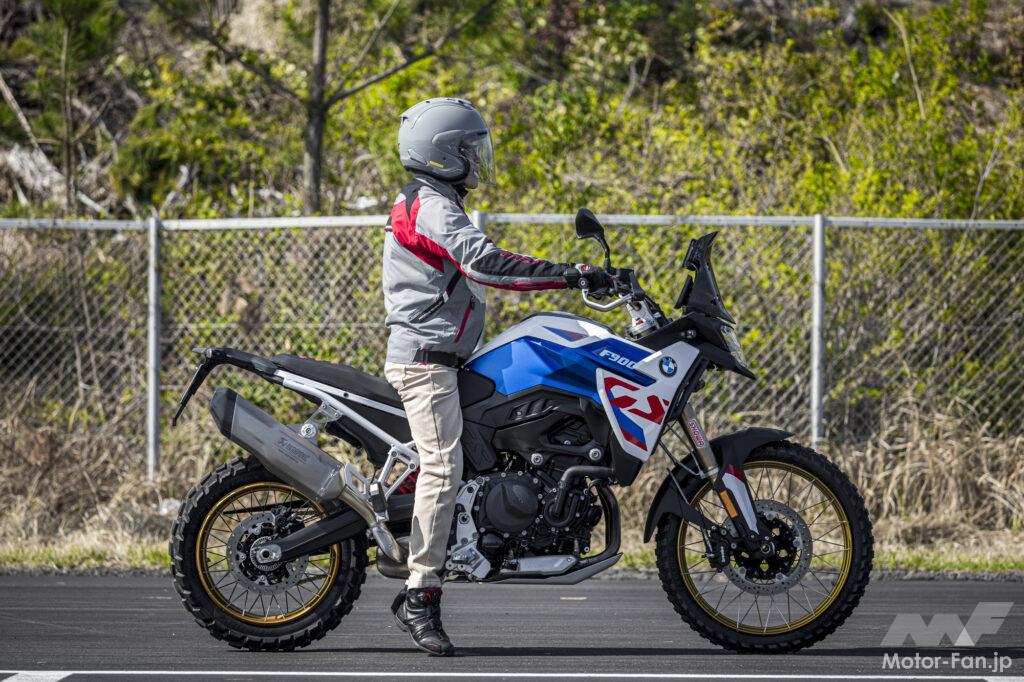
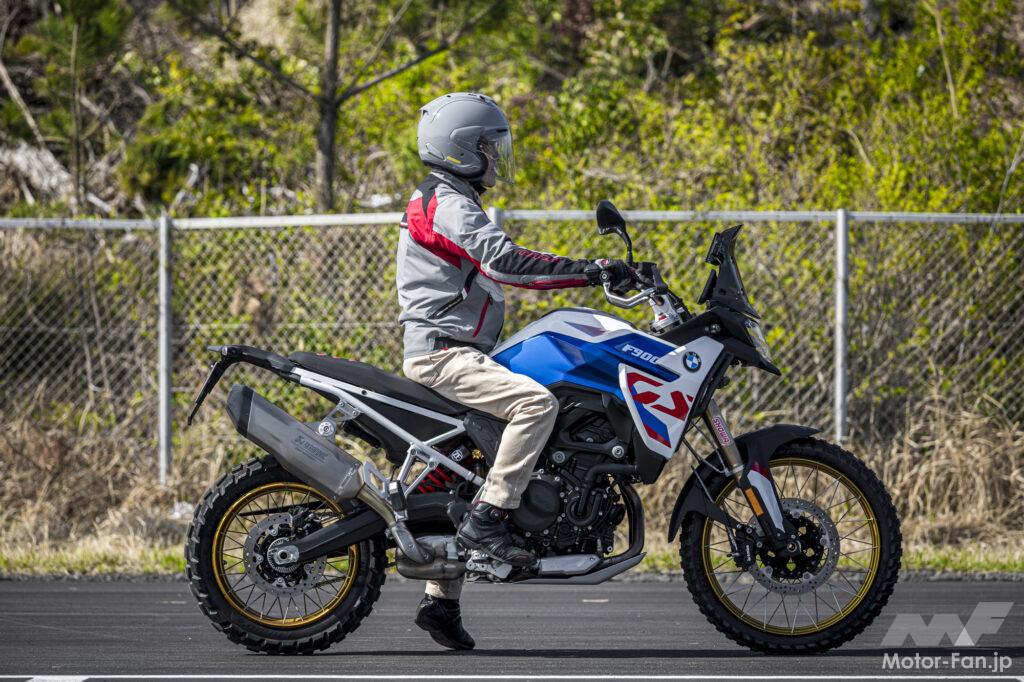
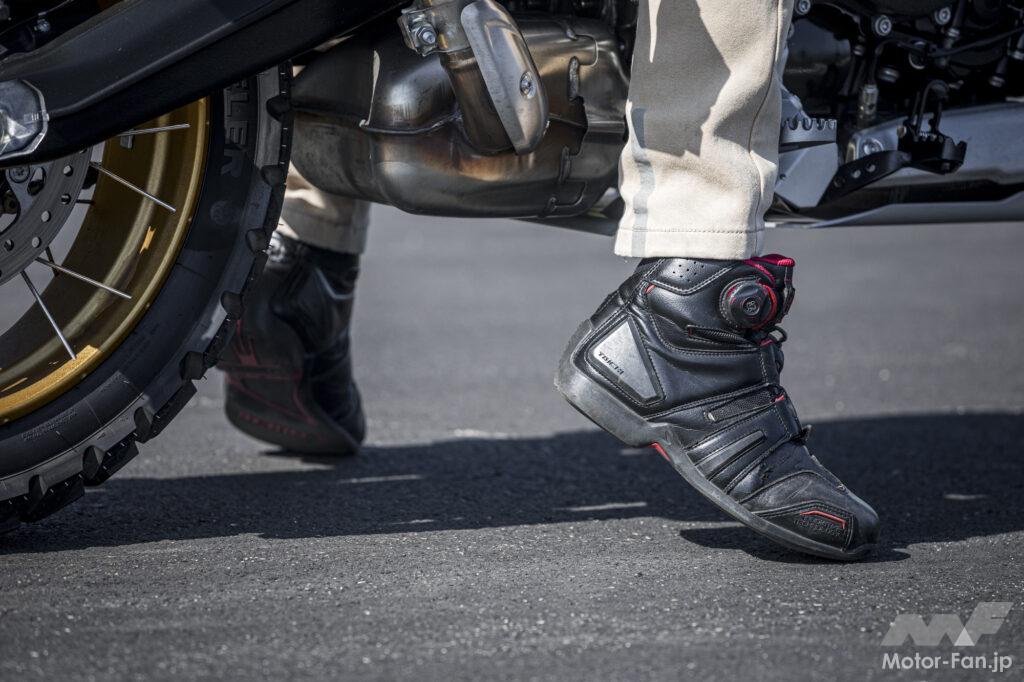
As you can see, both feet are on tiptoe. The seat height is 870mm. You have to be careful when handling the bike when stopped, but as long as you’re handling it on flat ground, there’s little anxiety about supporting the bike. If you replace it with the genuine optional high seat (68,090 yen), the seat height is 890mm. Conversely, the low seat (64,900 yen) has a seat height of 835mm.