
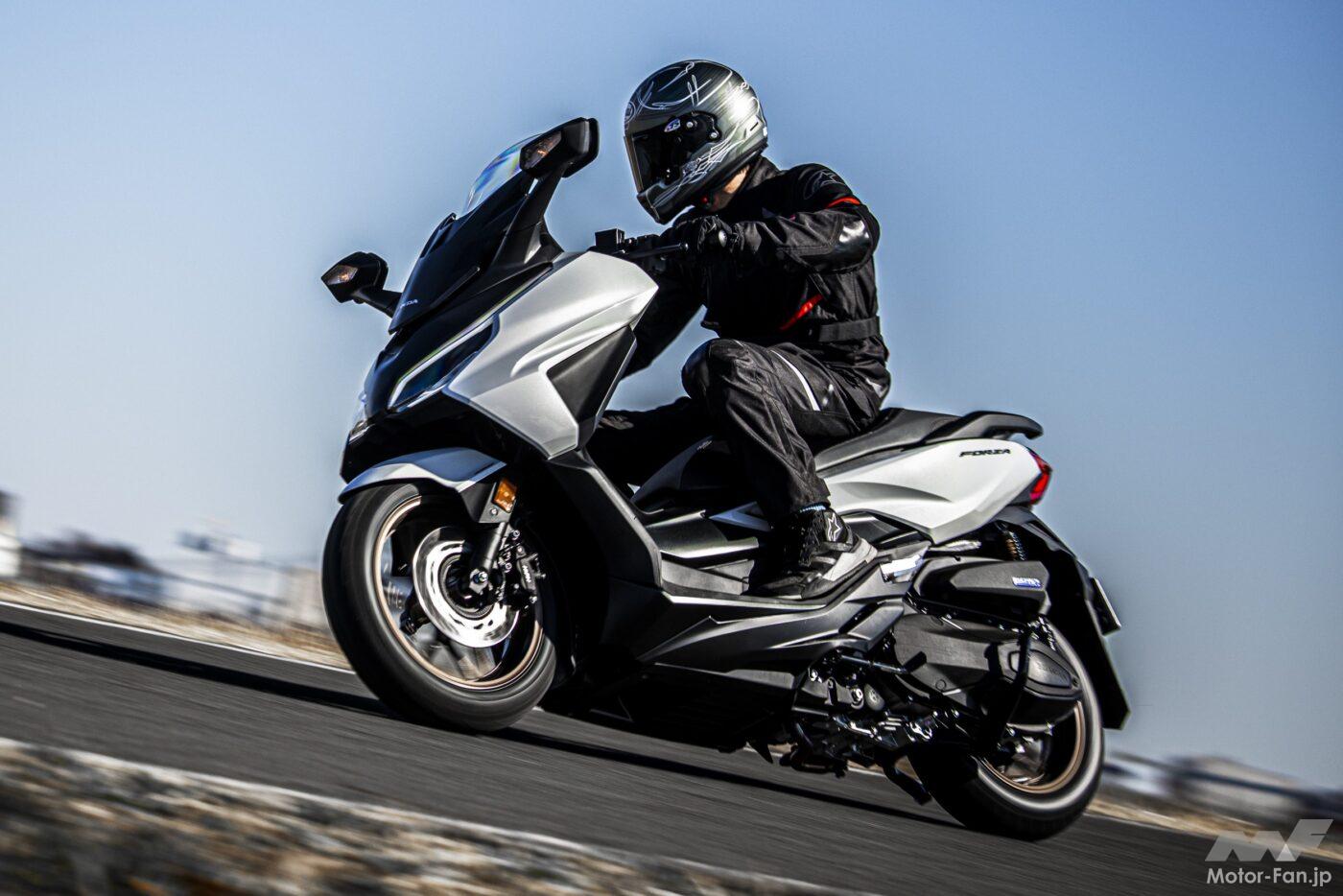
Honda Forza…781,000 yen (released January 16, 2025)
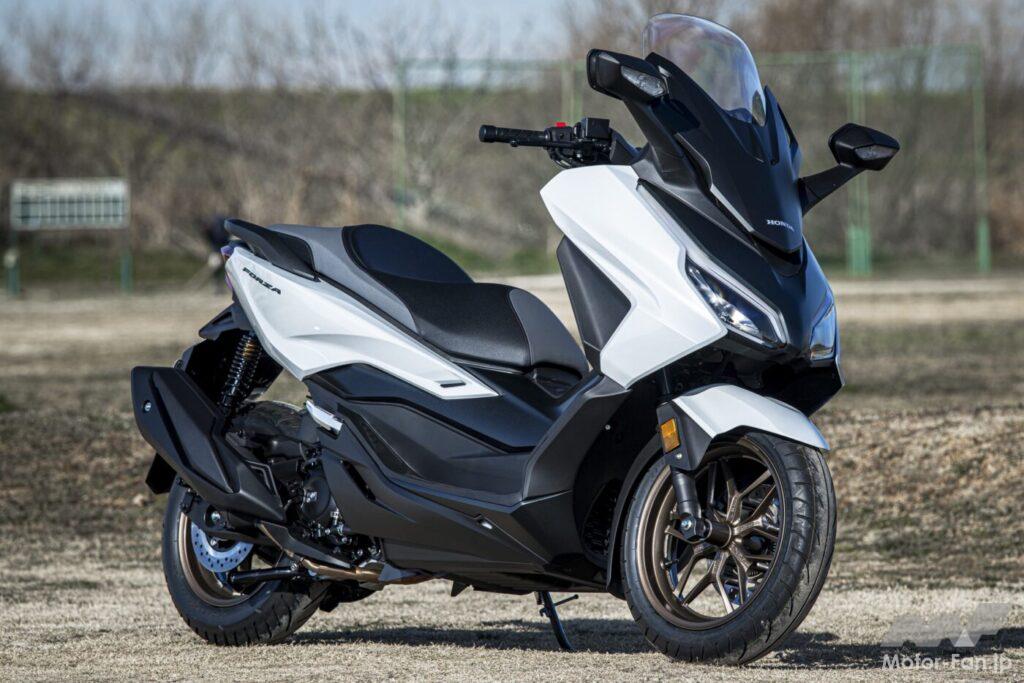
The current Forza was fully redesigned in 2018 to become the fifth generation, and in 2021 was equipped with a newly designed eSP+ engine. The 2023 model will comply with the 2020 (Reiwa 2) emissions regulations and will feature new designs for the headlights, taillights, meter panel, and more. The model we’re introducing today is the latest 2025 model. The price has increased by 89,100 yen, or approximately 13%, compared to the 2023 model.
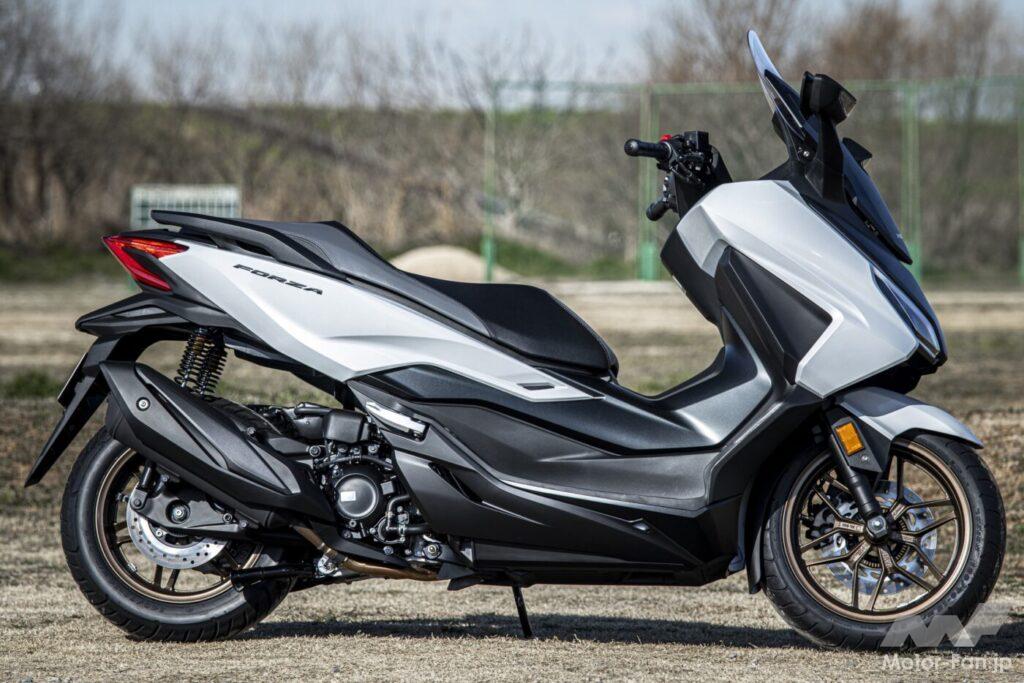
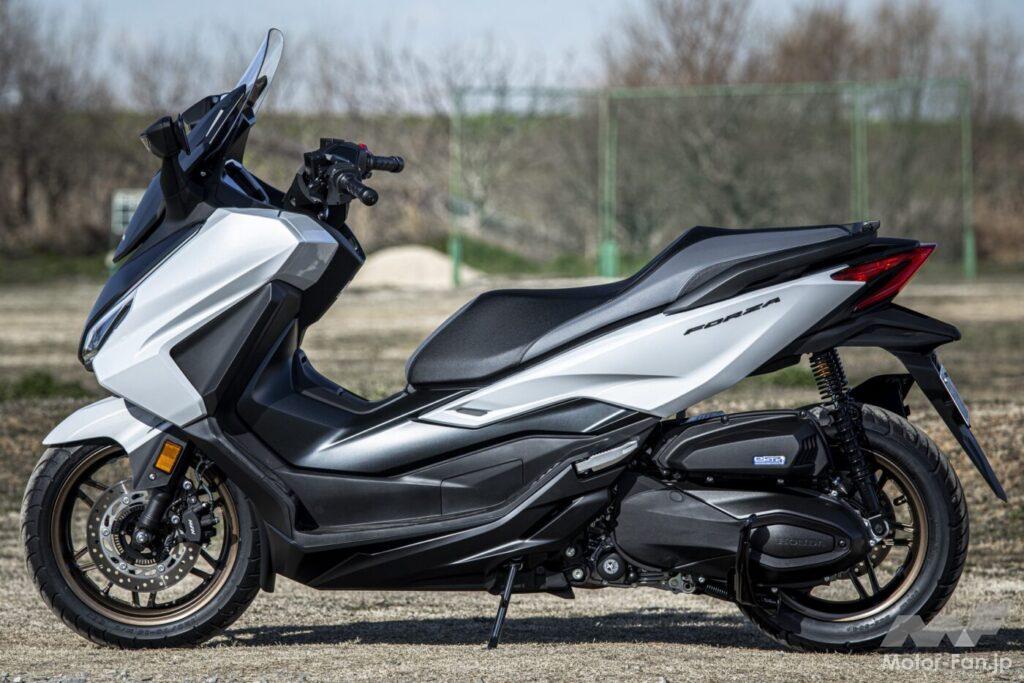
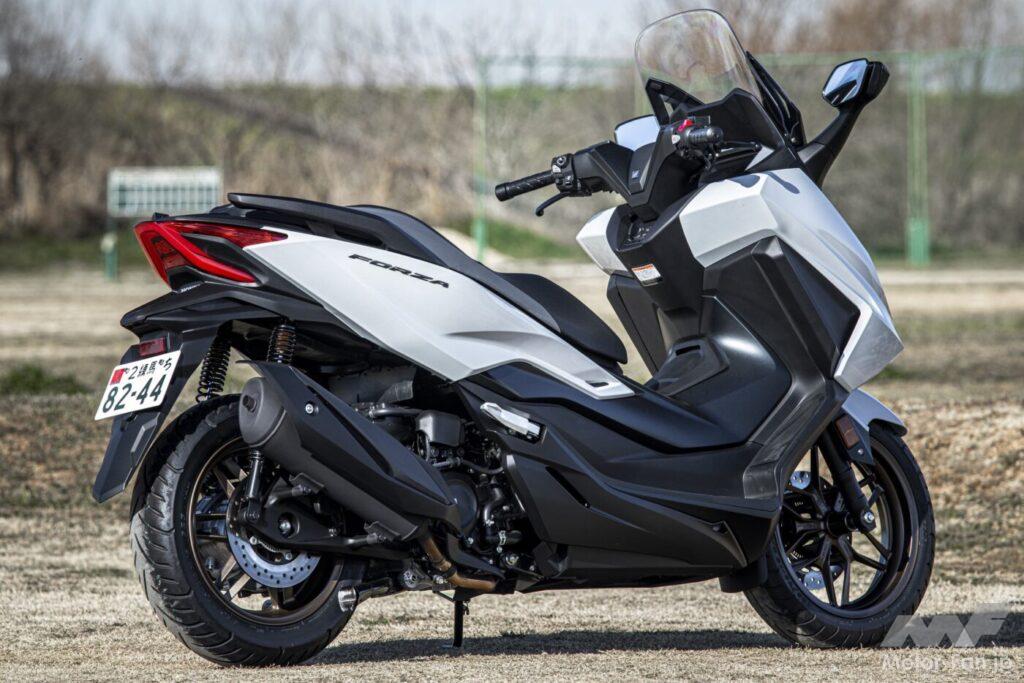
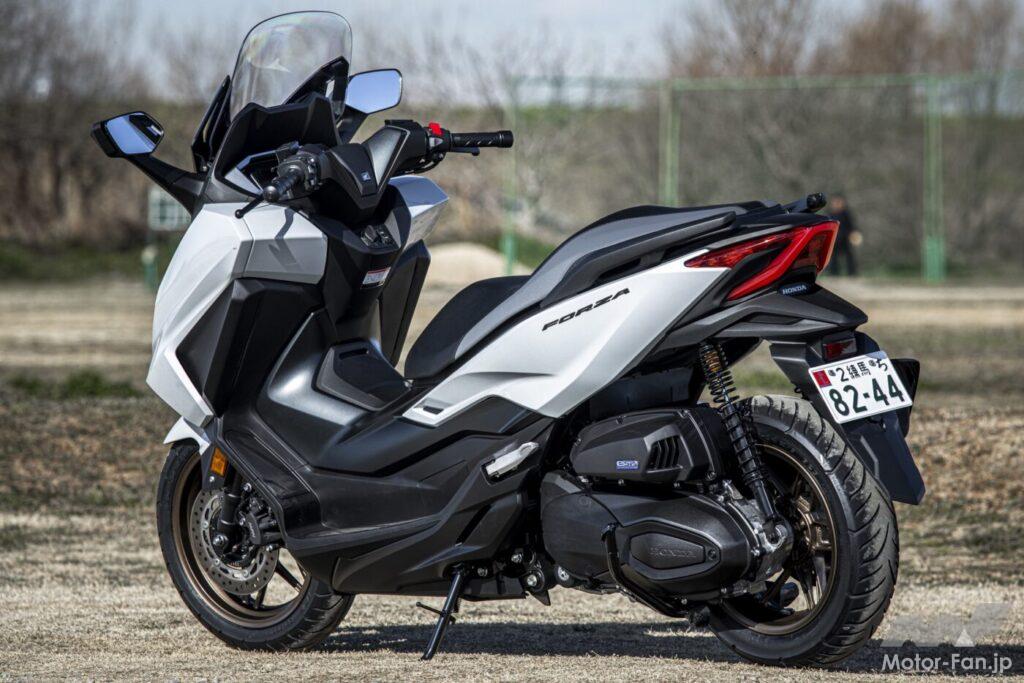
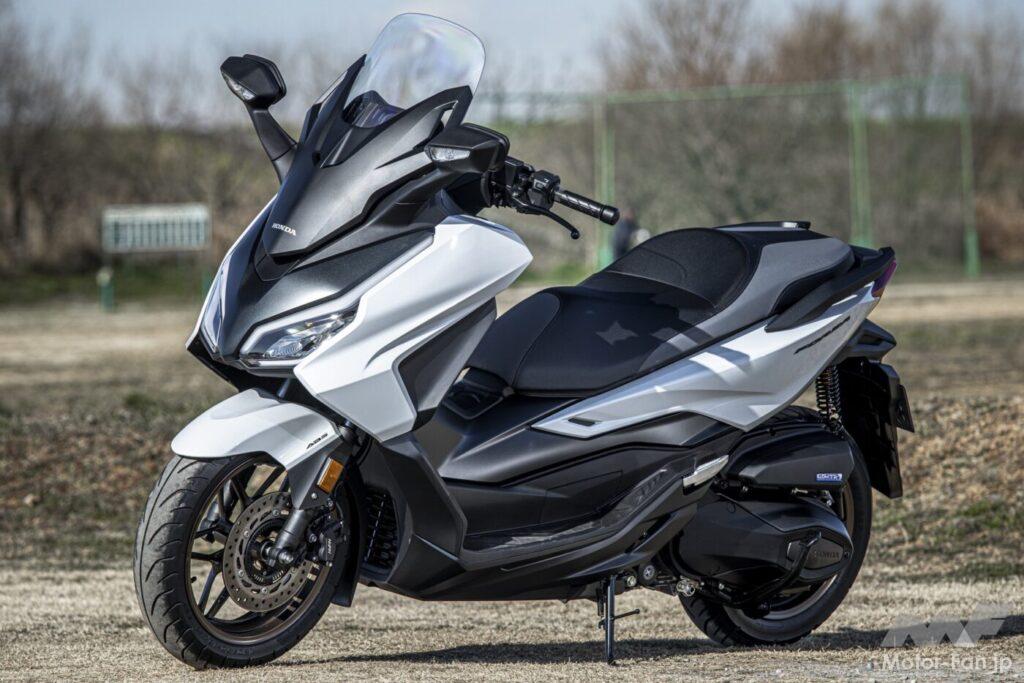
The body color is Pearl Jubilee White and Pearl Shining Black, both of which feature bronze-colored wheels.
ADVERTISEMENT
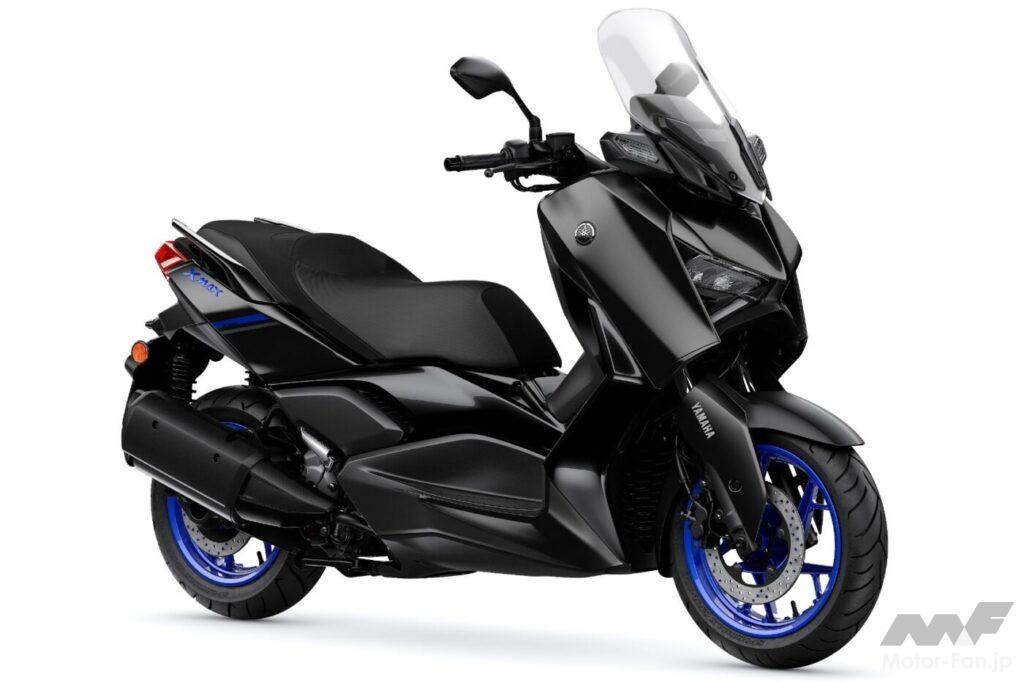
The only other competing model from the four domestic manufacturers is the Yamaha XMAX ABS. It is priced at 715,000 yen, 66,000 yen cheaper than the Forza. The XMAX’s disadvantage is that the screen has two settings, high and low, which can be adjusted by changing the mounting bolt position, while the Forza has an electrically variable screen. It also comes equipped with a CCU (Communication Control Unit) for smartphone connectivity, which allows map display using Garmin’s navigation app, Garmin StreetCross. (Information as of March 9th)
I was impressed by the highly refined riding performance of this 250cc scooter.
Twenty years have passed since the peak of the 250cc big scooter boom, and now only two models remain in the Japanese lineup: Honda’s Forza and Yamaha’s XMAX. Currently, the best-selling light scooters are the PCX160 and ADV160, but there is still strong demand for full-size 250cc models. Incidentally, the Forza is sold overseas in 125 and 350 models that share the same basic design, and the 125 is particularly popular in Europe.
This is the first time I’ve test-ridden a Forza since the 2021 model, which adopted the “eSP+” engine with a single-axis balancer, and I’m once again impressed by its high level of refinement. Let’s start with the power performance. The engine’s vibrations are suppressed throughout the entire range, including at idle, without the sterile feel of an electric scooter. The high-quality feel of an internal combustion engine is truly comfortable. The response when first opening the throttle and the engine braking that occurs when you release it are not excessive, never putting the rider in a panic. A big movement of the right hand provides a powerful launch, accelerating the 186 kg body with ease, but the engine seems to be solely focused on supporting the rider. The 100 km/h reading on the meter is approximately 6,000 rpm. While I wasn’t able to test it this time, it seems capable of cruising at 120 km/h with ease.
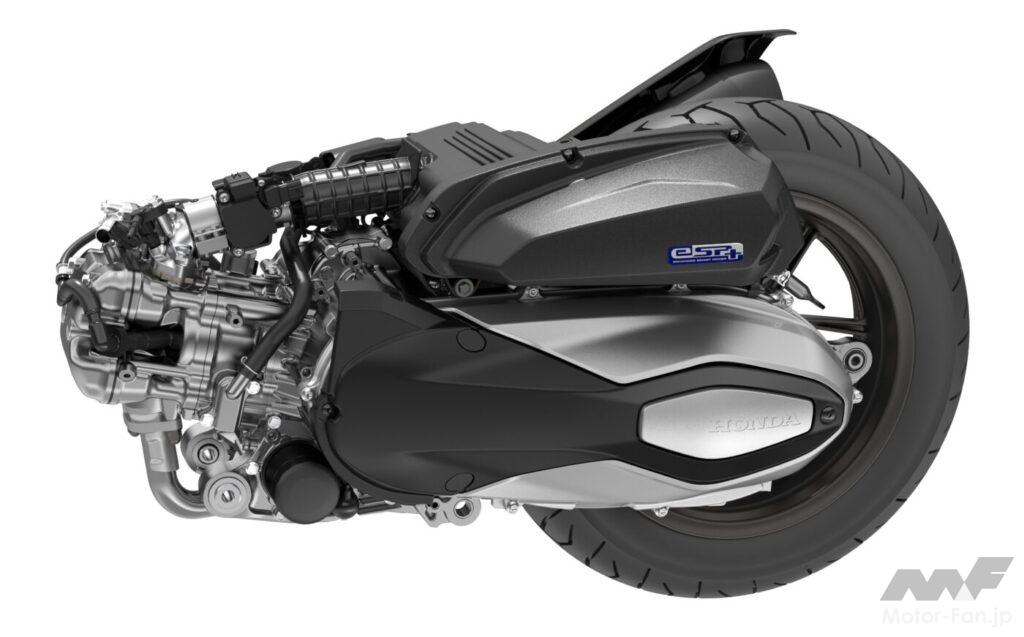
The 249cc water-cooled, four-stroke, single-cylinder SOHC 4-valve “eSP+” engine features a one-axis balancer and piston oil jets. It also features Honda Selectable Torque Control (HSTC), which can be turned on or off. The maximum output is 23ps, the same as the XMAX.
The wheel diameter and tire size are coincidentally the same as the XMAX, with 120/70-15 in the front and 140/70-14 in the rear. As someone who grew up on the first generation with 13-inch front and 12-inch rear wheels, it’s impressive how much larger diameter wheels have become in the last 20 years.
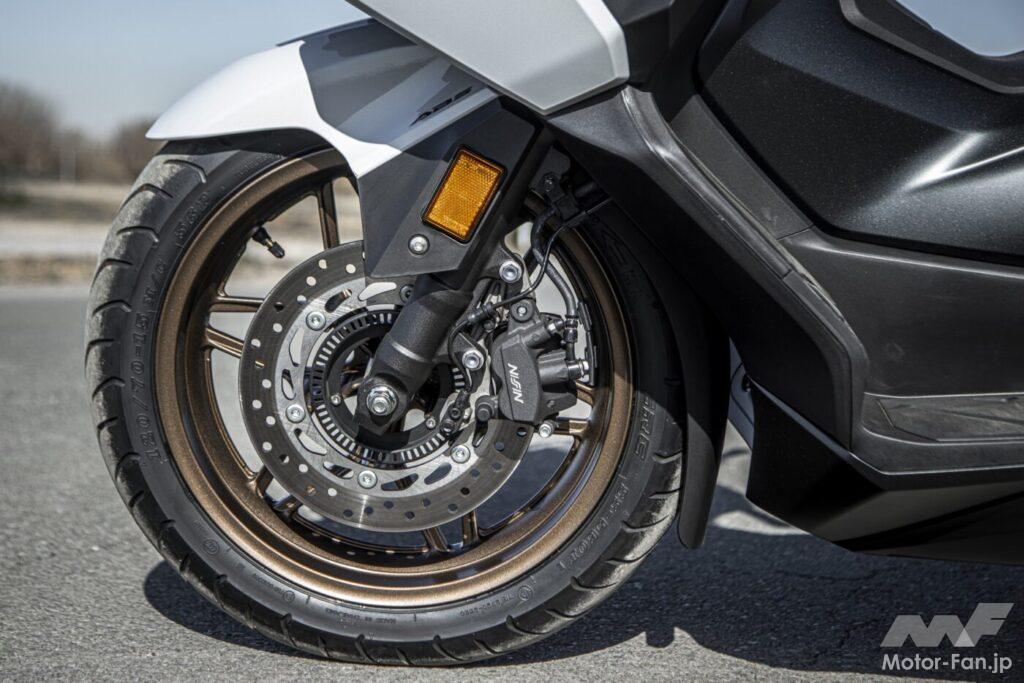
The wheels are specially designed, with 15-inch wheels in the front and 14-inch wheels in the rear. The standard tires are IRC SS-560F/SCT-004 and Pirelli Diablo Scooter. The front brakes are a set of φ256mm discs and Nissin pin-slide, single-piston, two-piston calipers. The front forks are unit-steer type, with the inner tube supported only by under-brackets.
Thanks to the large diameter wheels front and rear and a long wheelbase of 1,510mm, handling is highly stable even at slow speeds, with little wobble when starting off. The front steering angle is always gentle, and the bike turns smoothly, mainly through the banking angle. A major difference with the XMAX is the way the front fork is supported; Yamaha’s uses upper and lower brackets to firmly secure the inner tube, just like a regular motorcycle. In contrast, the Forza uses unit steering, which is mainstream in scooters. This gives the XMAX better responsiveness to steering and a sense of rigidity around the front, but the Forza gives the impression of prioritizing a comfortable ride over sportiness, and here you can see the difference in the concepts of the two models.

The front fork on the left is a Forza, and the one on the right is an XMAX. You can see that the inner tubes are different lengths.
The suspension operates smoothly both front and rear, and combined with the well-cushioned seats, the ride is excellent. The rear brakes have strong stopping power and excellent control, allowing you to concentrate on the throttle with your right hand and deceleration with your left, which is another factor in the comfortable ride. The electrically adjustable windscreen can be adjusted continuously with the flip of a switch to a comfortable height that changes depending on the speed and wind direction, and this is one of the decisive advantages over the XMAX (as of March 9th).
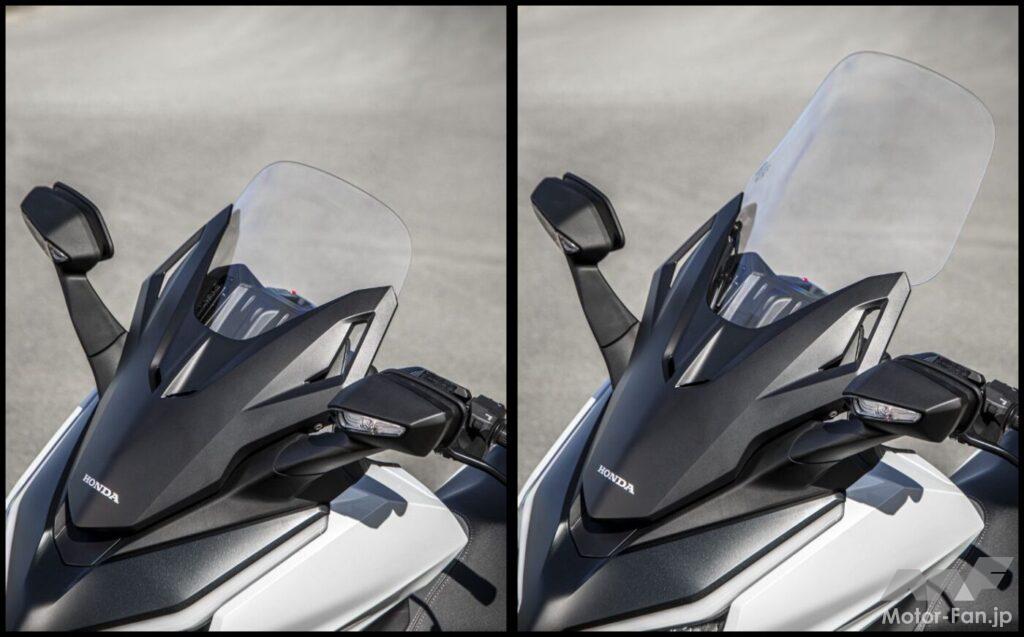
The windscreen is electrically adjustable with a switch, allowing for stepless height adjustment. The range of motion is 180mm, and it has been designed using aerodynamic analysis to ensure optimal airflow no matter what height it is set to.
Honda RoadSync is so convenient it’ll make older model owners jealous
The highlight of the 2025 model that I test drove this time is the new 5.0-inch TFT full-color LCD meter. It’s a stark departure from the luxurious feel of the previous model, with a meter panel that truly embodies the principle of “simple is best.” The “Honda RoadSync” smartphone and intercom connectivity feature is incredibly convenient, and I even feel like owners of the previous model might be disappointed.

Before the minor change, the car had a luxurious meter panel with an LCD screen placed in the center of the needle-type speedometer and tachometer.
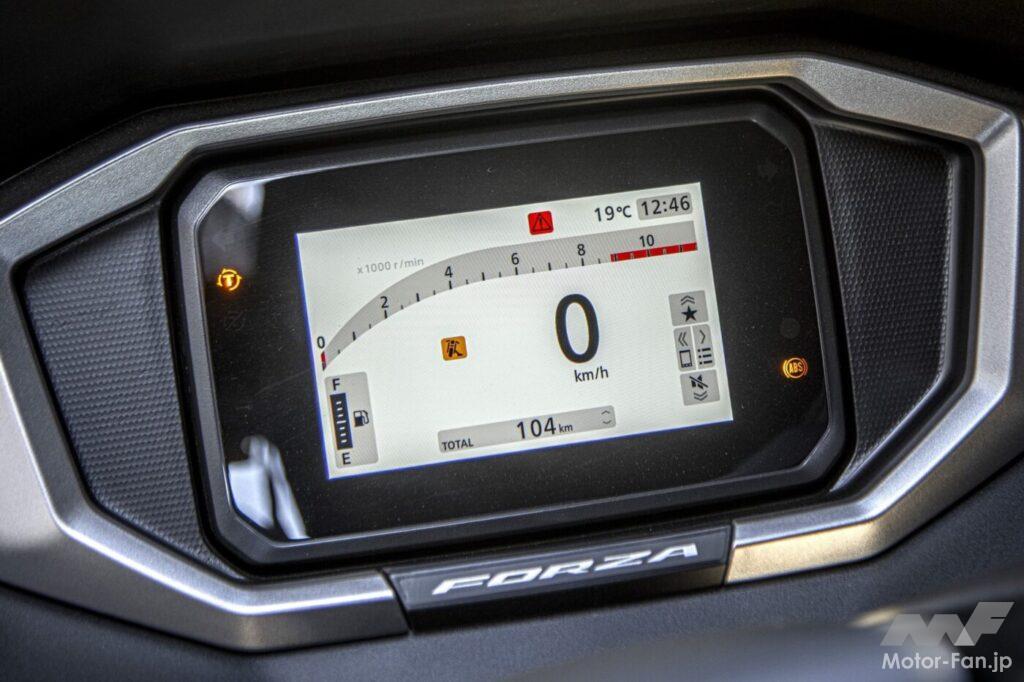
The new model is equipped with a 5.0-inch TFT full-color LCD meter. Voice control is possible via a Bluetooth-connected intercom.
I downloaded the Honda RoadSync app onto my smartphone and connected the Forza via Bluetooth. The intercom attached to the helmet was already linked to my smartphone, so I was ready to go. During the test ride, I received several LINE messages from acquaintances, and the system announced who the messages were from by voice. Furthermore, by operating the selector switch on the left handlebar, I could have the messages read aloud or reply.
As for the navigation function, unlike the XMAX, it doesn’t have a map screen, but rather a turn-by-turn system that shows the direction to turn and the distance to it, but I found it convenient to be able to input the destination by voice. In addition, it has a variety of other functions, such as making phone calls and operating the music app on your smartphone.
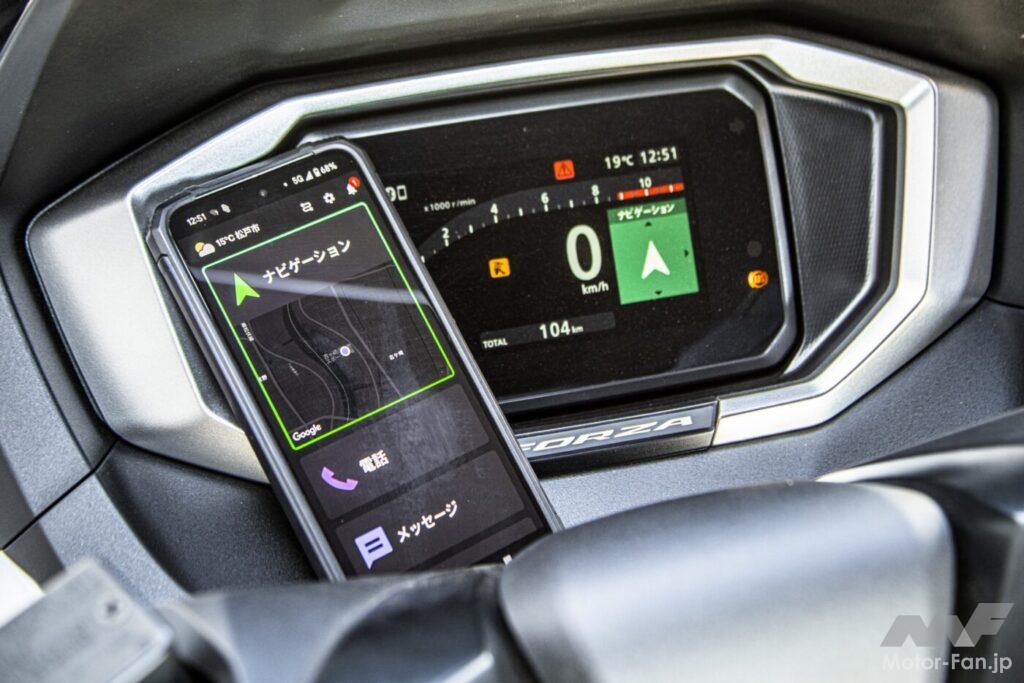
When you actually connect via Bluetooth, the screen on your smartphone will look like this.
In terms of these functions, the many aftermarket smart monitors offer higher specs. However, I have already installed one on my bike, and I find it quite frustrating that adding an additional monitor to the cockpit is cumbersome, requires a lot of eye movement, and cannot be operated at hand. In that respect, Honda RoadSync is very well thought out, including the shape of the selector switch, and introducing it to a light scooter was a bold move.
A trunk light has been newly installed in the luggage box under the seat. It’s a bit surprising that it wasn’t there before, but it now puts the car on par with the XMAX. However, it’s located in a recessed space used to store tools, and it doesn’t have an automatic light-up function, and the light output is very low, so don’t get your hopes up.
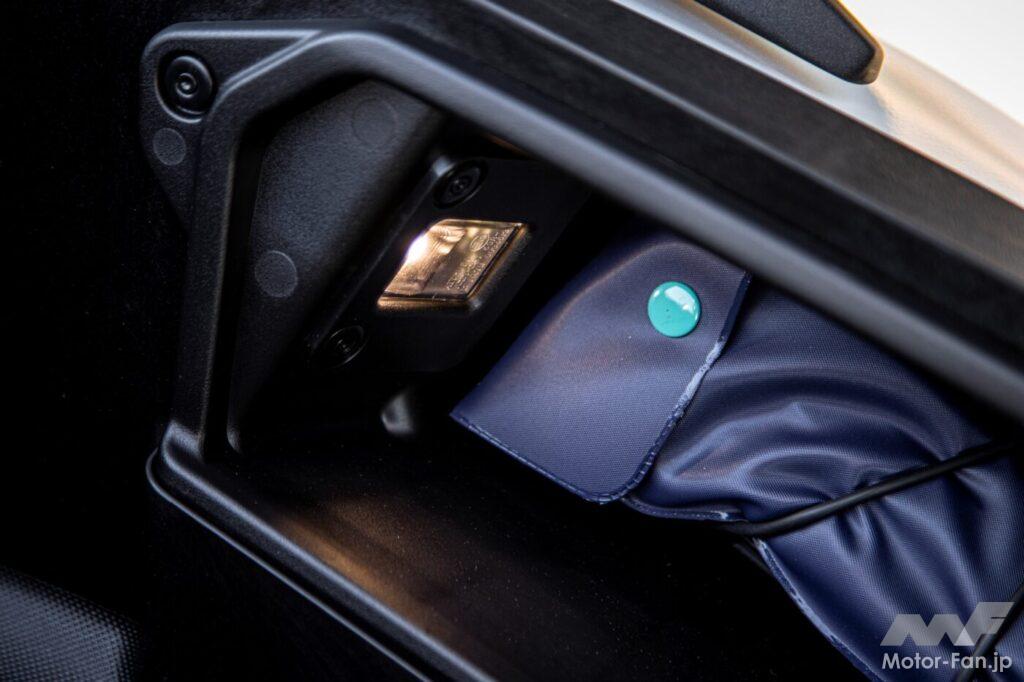
The trunk light is new for the 2025 model. It lights up for about 20 seconds when the main switch is pressed or turned off. It also lights up for about 60 seconds when the smart key answerback switch is pressed.
The Honda Forza has been further refined as a comfortable and convenient commuter bike. Reflecting the recent trend of price increases, the price has increased by 13%, but it is still no exaggeration to say that it is one of the most perfect light two-wheeled scooters.
Riding position and foot reach (175cm/68kg)
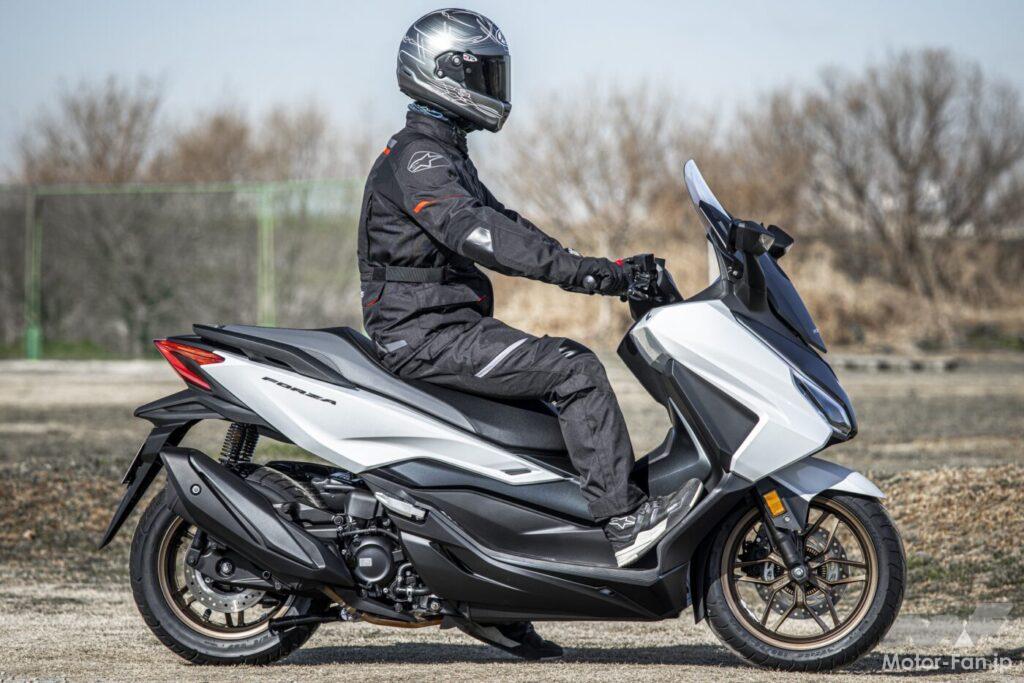
It features a sit-in position that allows you to stretch your legs out in front of you. The seat is wide and well-cushioned, so you won’t get tired even after riding for a long time.
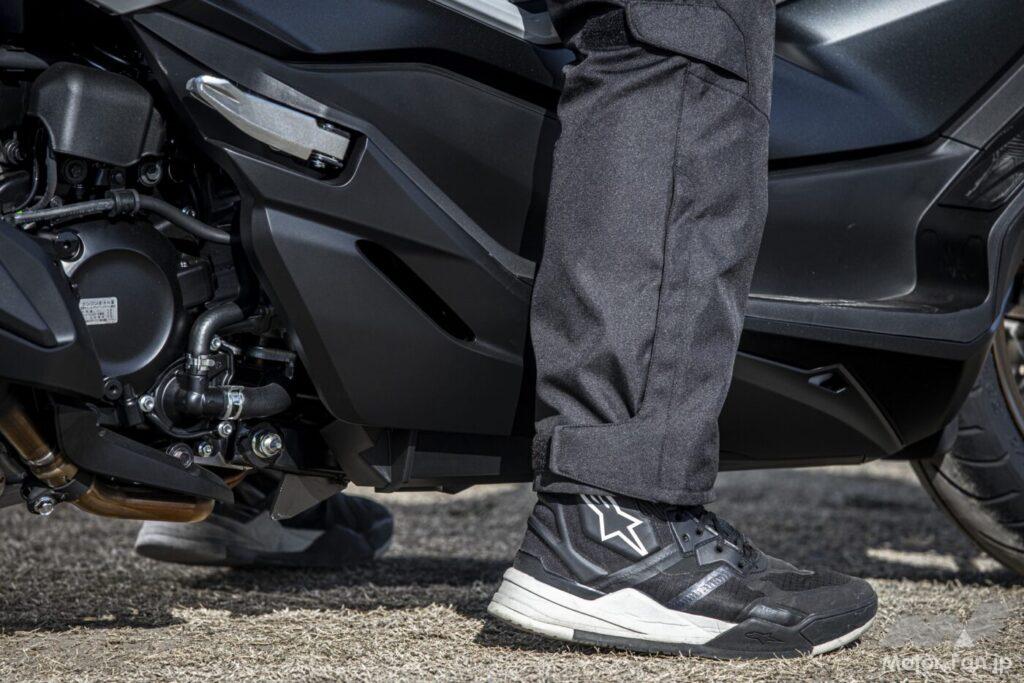
The official seat height is 780mm. Even for the author, who is 175cm tall, both heels are slightly off the ground, but it is easier to reach the ground than the XMAX, which has a seat that is 15mm higher.