


The temple grounds are filled with foreign visitors and young women.
 The one-way trip from the city center to Jindaiji Temple is about 20km, just under an hour, so it's not exactly what you'd call a mini-tour. However, it's just the right distance for a casual trip on a Cub, and it's perfect for stopping off for soba noodles for lunch.
 On weekends and holidays, the area is crowded with worshippers and tourists, and the surrounding roads can get quite congested. This time, I went on a weekday, but there were still quite a few people and cars. The paid parking was about 80% full. This doesn't matter to motorcycles, though. There are free motorcycle parking lots at Jindaiji Temple and the adjacent Jindai Botanical Garden. In other words, it's a great place to visit on a casual tour.
ADVERTISEMENT

ADVERTISEMENT
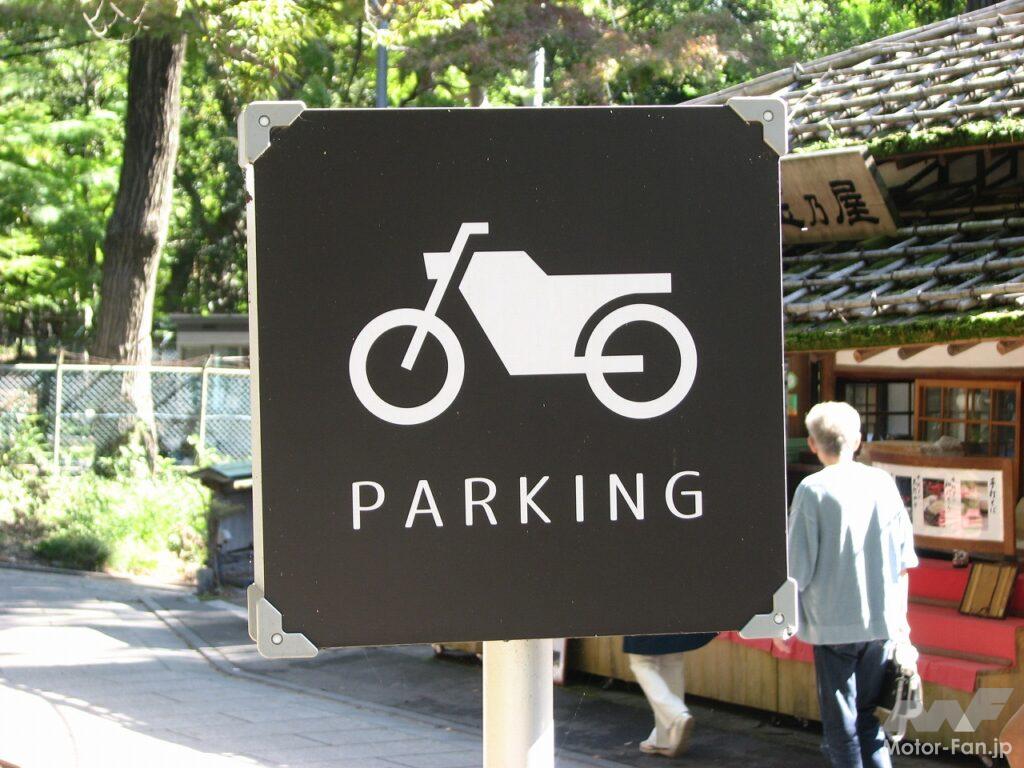
There are several free motorcycle parking lots around Jindaiji, making it a great tourist spot for riders.
 Surrounded by the Musashino Forest, Jindaiji Temple is an ancient temple said to have been founded by the monk Manku Shonin during the Nara period. It boasts the second-longest history in Tokyo after Sensoji Temple. Furthermore, the bronze statue of Shaka Nyorai (Shaka Nyorai) from the late Asuka period was designated a National Treasure in 2017, and the temple bell, the oldest in Tokyo, has been designated an Important Cultural Property.
 Jindaiji Temple is famous for its soba noodles. During the Edo period, the plateau north of the temple was a thriving soba production area. Buckwheat flour was donated to the temple, and the temple would make soba noodles to entertain visitors. This is said to be the origin of Jindaiji soba noodles. The temple grounds are also home to numerous springs, and the abundant water is used to make delicious soba noodles. Currently, approximately 20 soba restaurants line the streets, mainly in the temple town.

 Turning into an alley from Jindaiji Street and following the boundary between the temple grounds and the botanical garden, you will see the Jindaiji Gate of Jindai Botanical Garden. Right in front of the entrance is a motorcycle parking lot. The parking lot can accommodate around 20 bikes and fills up quickly on weekends, but there is plenty of space on weekdays, so I was able to park my Super Cub without any trouble. It is very considerate that motorcycles can be parked for free even in a tourist spot.
ADVERTISEMENT
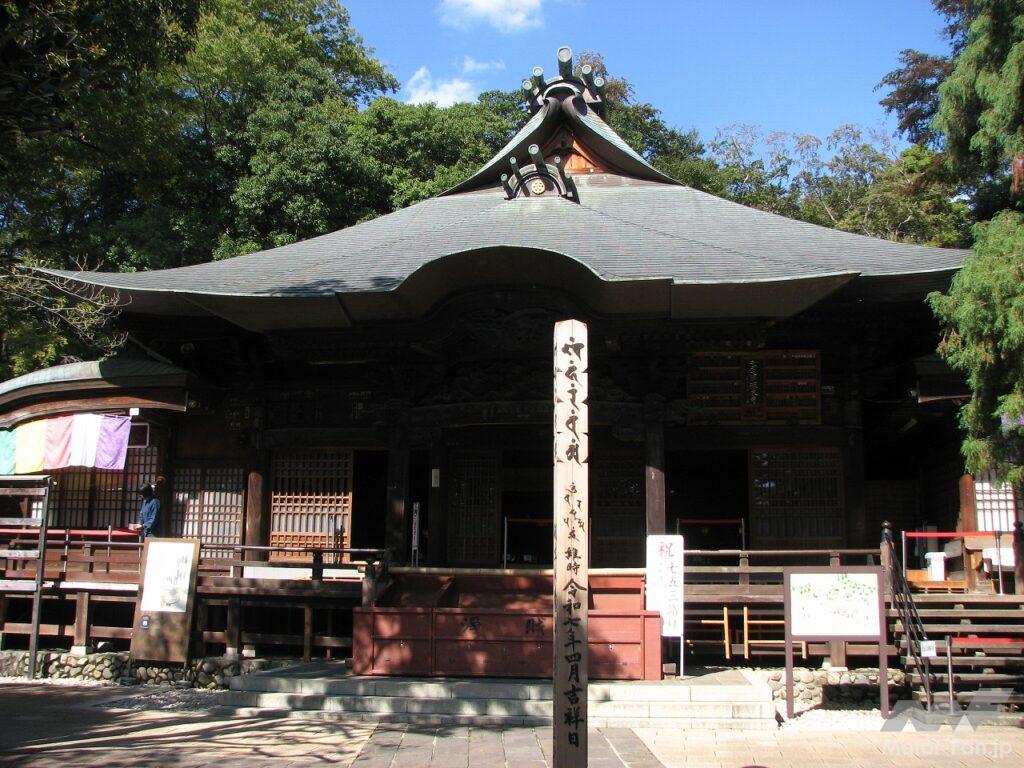
The Gansan-daishi Hall where the statue of Jie Daishi (Gansan-daishi) is enshrined
ADVERTISEMENT

The main hall houses the Crowned Amida Buddha statue as its principal image
ADVERTISEMENT

The impressive thatched roof of the temple gate
 Anyway, I decided to take a stroll around the temple grounds. Coming from the Jindai Botanical Gardens, I would enter from the back, so I started with Ganzandaishi Hall. This hall houses the statue of Jie Daishi (also known as Ganzandaishi), Japan's largest portrait sculpture, standing approximately 2 meters tall. It held a special public viewing this spring. Next, I went to the main hall, which houses the Hokan Amida Nyorai statue, and then passed through the Sanmon gate to enter the temple town.
 There were quite a few tourists on the temple grounds, many of them foreigners. I thought, "There are people here even on a weekday," but there were even more people thronging the temple town. Soba restaurants and souvenir shops line the streets, and sure enough, I noticed a lot of young people. A group of women in their twenties were taking photos of each other with their smartphones, each holding a soft serve ice cream, and a YouTuber-like figure was walking along, filming a video. With so many people here on a weekday, it's no wonder that on weekends, it's comparable to Takeshita Street in Harajuku. It was a little after noon, so there were lines at every soba restaurant.
ADVERTISEMENT

A temple town bustling with tourists. Soba restaurants and souvenir shops line the streets.
ADVERTISEMENT

ADVERTISEMENT

ADVERTISEMENT
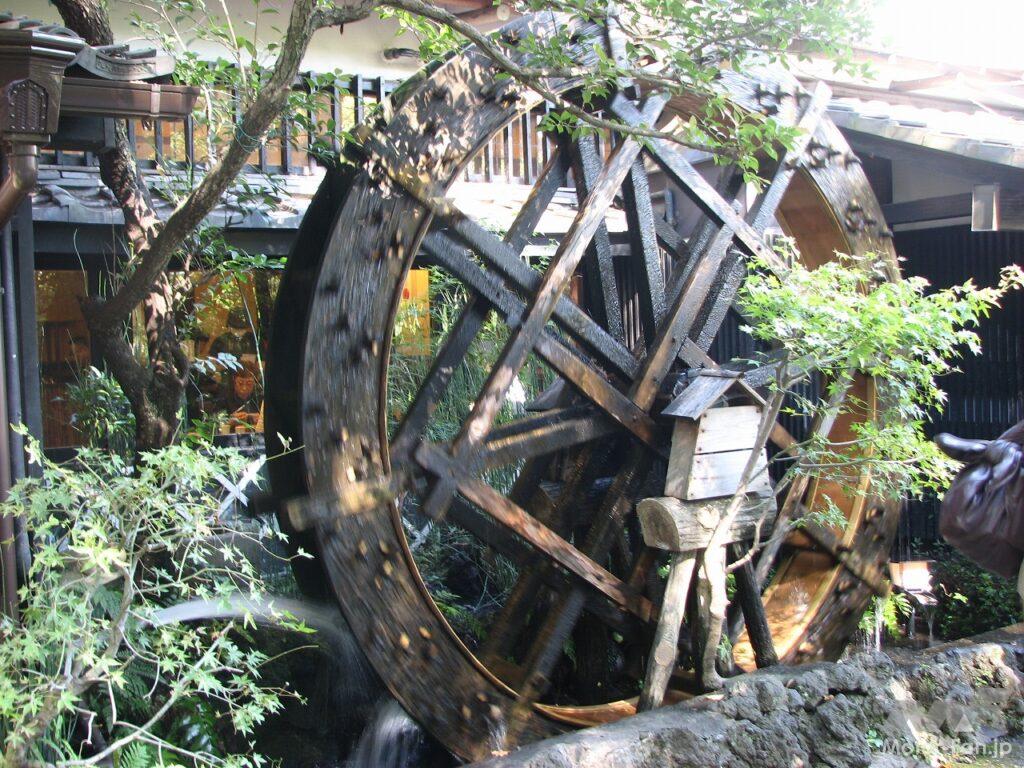
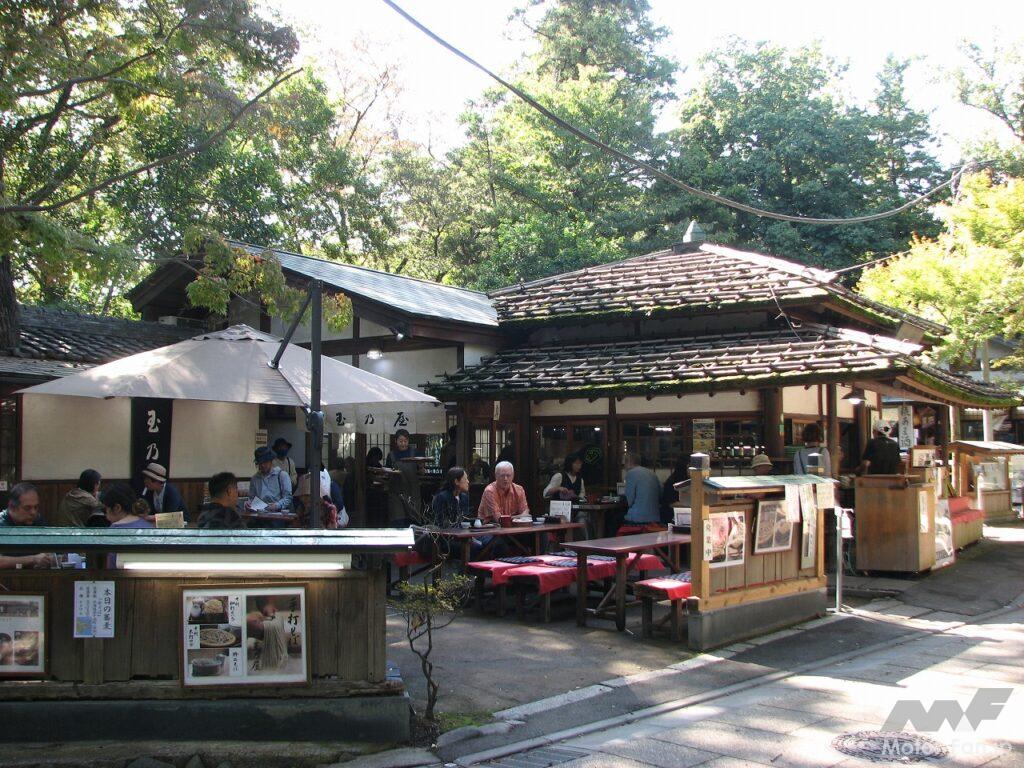
 After touring the temple grounds, I returned to the bicycle parking area and decided to go to a soba restaurant right in front of me. There are two restaurants here, but I decided to go to a different one than the one I went to last time. The weather was nice, so I sat outside on the terrace and enjoyed some fresh soba noodles, surrounded by the Musashino forest. The chewy soba noodles were flavorful and delicious. I thoroughly
 enjoyed my first mini-touring trip in a while.
ADVERTISEMENT


The distance traveled was 40 km and 0.9L of gasoline was used. Since it was a drive in the city, the fuel efficiency was a little poor. The expenses were 800 yen for the soba and 140 yen for gasoline.










![[Izu City, Shizuoka Prefecture] A great touring spot to visit by motorcycle | Passing the Amagi Pass through central Izu.](https://motopeek.com/wp-content/uploads/2025/11/4734-1762339049801.jpg)