

Go Wow Oli…1,210,000 yen

The maximum output of the Gowao is 9kW for the first model, the Auri, and 8kW for the second model, the Alpha. Both are classified as Class 2 mopeds in Japan.
Are you satisfied with their strength in the All Japan Trial Championship?
Electric motorcycles are showing remarkable success in the 2024 All Japan Trial Championship. Yamaha, which began competing full-time in the International A Super Class with the TY-E in 2023, achieved the feat of winning its first race and sweeping the podium in Round 3, and then achieving a 1-2 finish in Round 4. In Round 6 of the same class, Honda RTL Electric achieved its first win in its first race, and continued its winning streak with Round 7. And in the International A Class, the French-born EM: Electric Motion took three wins, and the series championship was decided at the end of Round 6.
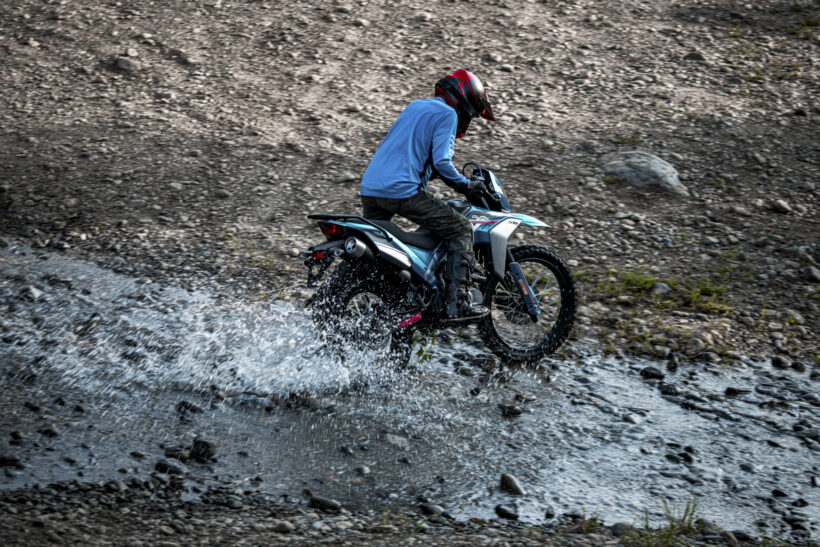
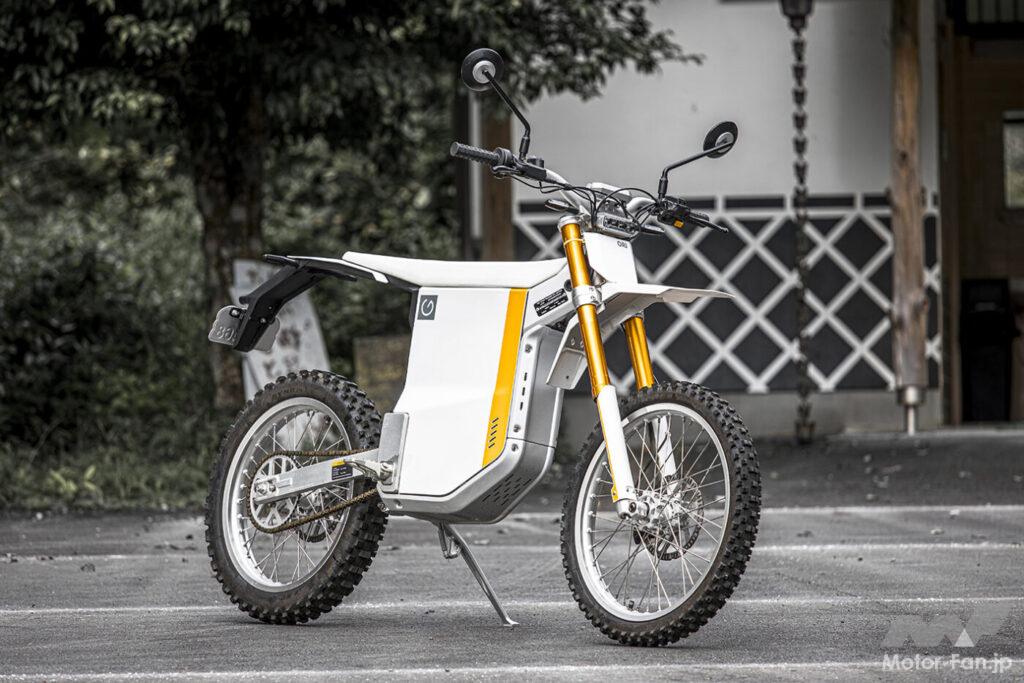
The Auri, which places emphasis on off-road performance, uses block pattern tires.
How people feel about such a situation will vary, but having experienced off-road riding on the Gowao Auri, an electric motorcycle independently developed by the Chinese company MODE, I think its track record makes sense…or so I think. That said, the Auri is not a racer specialized for trials, but a trail bike that can also be ridden on public roads (there is also a fun model without safety features, priced at 1.1 million yen), so there is a world of difference between my riding technique and that of the top professionals competing in the All Japan Trial Championship. Still, having ridden the Auri on unpaved roads, including muddy surfaces and gravel, I was amazed at the unique fighting power and ease of handling of an electric motorcycle, which is on a whole different level from existing reciprocating engines.
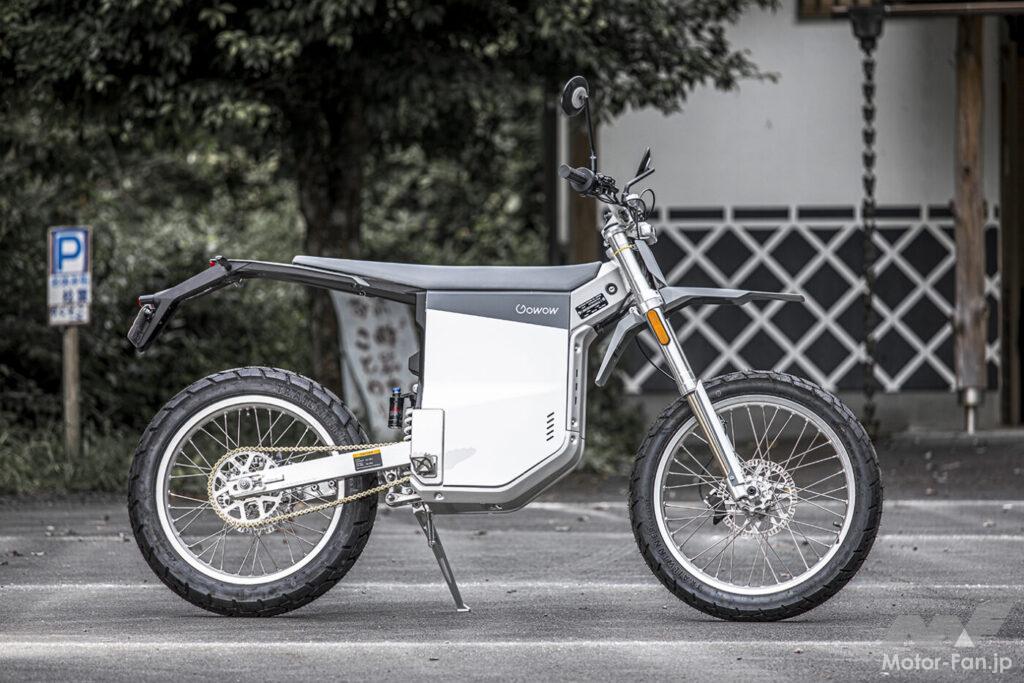
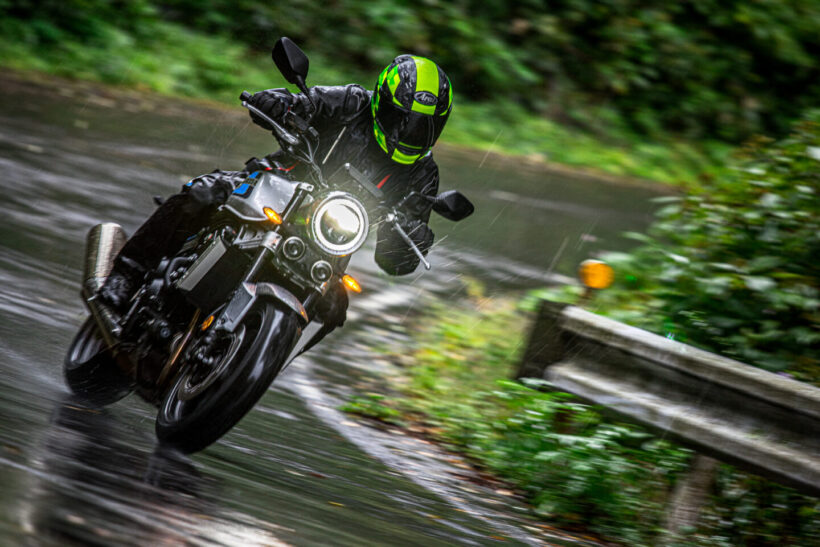
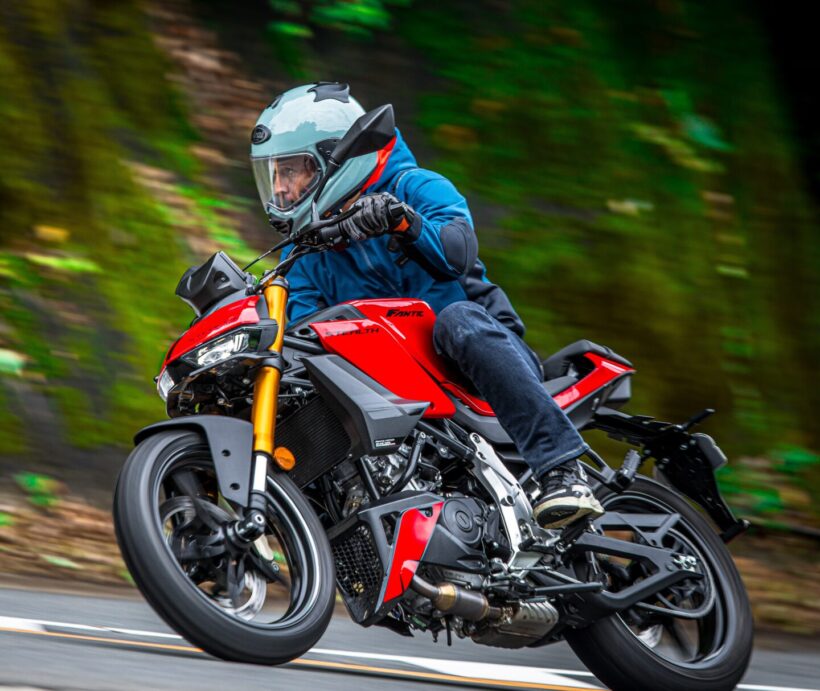
The basic chassis design is the same as that of the Auris, but Alfa’s tires are designed for on-road use.
However, as soon as I got on to the unpaved roads during this test ride, I was confused by its unruly characteristics. After all, the Auri is lighter, slimmer, and smaller than the 50cc trail bikes of the past, and is equipped with a motor that produces a maximum torque of 42Nm (recent 400cc sports bikes are around 37-39Nm), so this is only natural. However, when I changed the parameter settings…
Changing parameters dramatically changes the ride feel
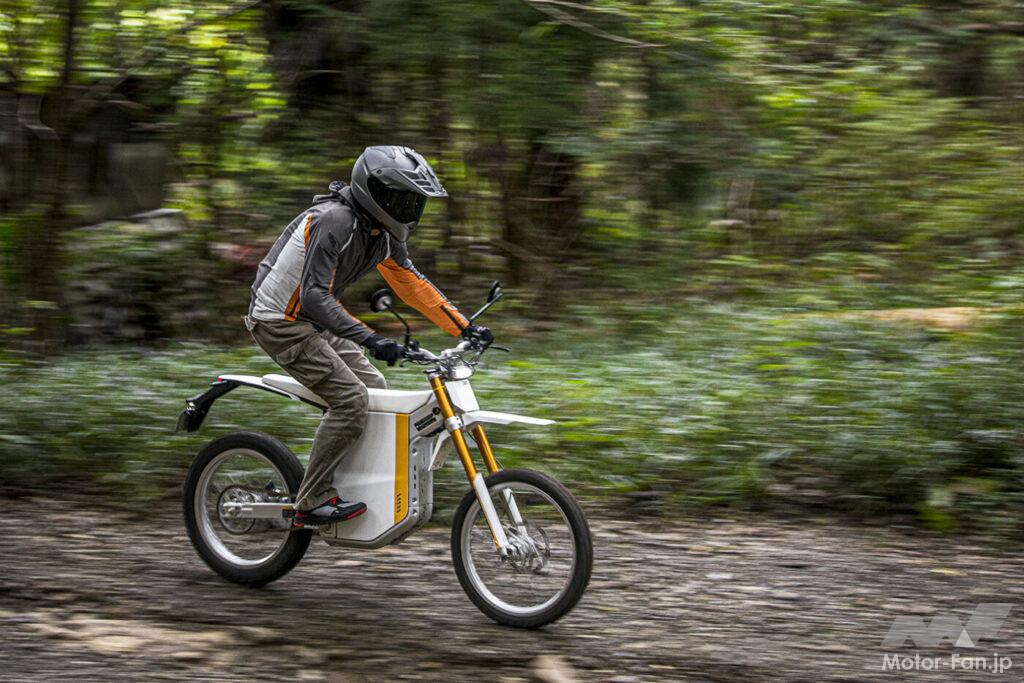
Before going any further, let me explain the parameters, modes and response of the Auri (which is also shared by its sister model, the Alfa). First, there are four modes: A: Public Road, B: Forest Road, C: Desert, and D: Muddy Road. The response can be selected from three: Sheep, Hound, and Cheetah. Initially, I tried the most powerful and aggressive setting, A+ Cheetah, which I found to be a good fit on paved roads, but with this setting the front end would lift up and the rear tire would spin out of control, and it was beyond my skill.
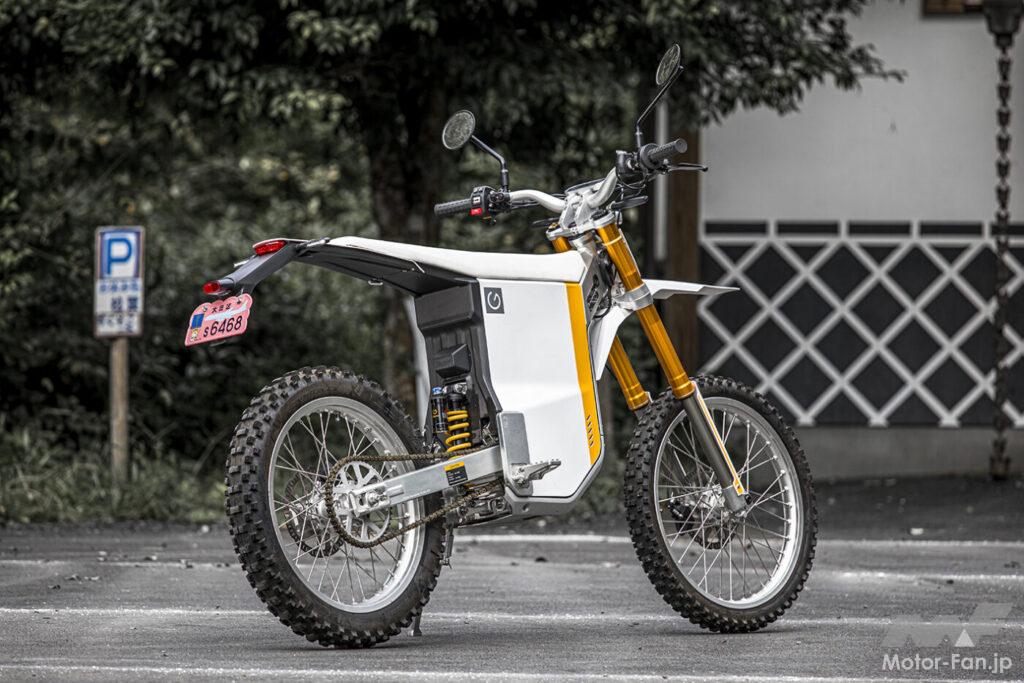
However, if you use B/D mode + Sheep/Hound depending on the road conditions (C mode wasn’t needed this time), this bike becomes so docile and easy to handle that you can’t help but exclaim, “Wow!” No, that’s not enough to describe it. With the parameters changed, the Auri’s character not only becomes gentler, but the rear tire doesn’t spin even on muddy roads or rocky areas, and traction is firmly secured, so the bike moves forward as long as you open the throttle. So even when you encounter situations that would make you hesitate with an existing trail bike equipped with a reciprocating engine, you can charge in with the feeling that “it’ll be fine,” and the Auri responded to that feeling beautifully.
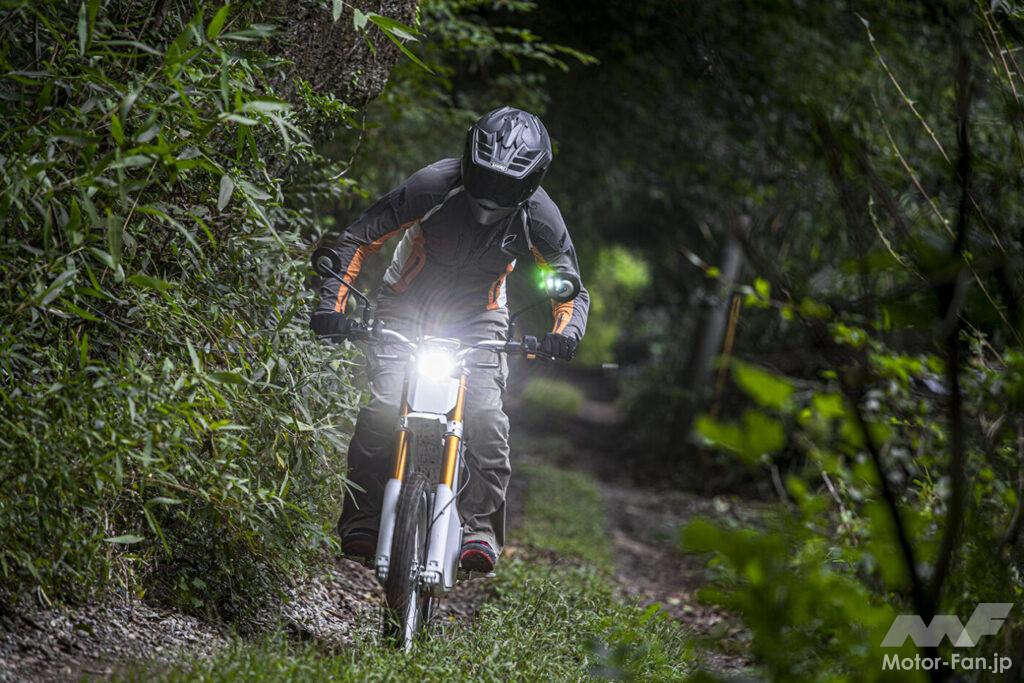
Incidentally, I found it difficult to regularly use the Cheetah on unpaved roads (however, the B+Cheetah was the easiest to lift the front end on rocky terrain), but I think the B+Cheetah will suit riders who are good at off-road riding or have experience with trials. And, just like me, I’m sure riders of all skill levels  will be amazed at how far an electric bike can go.
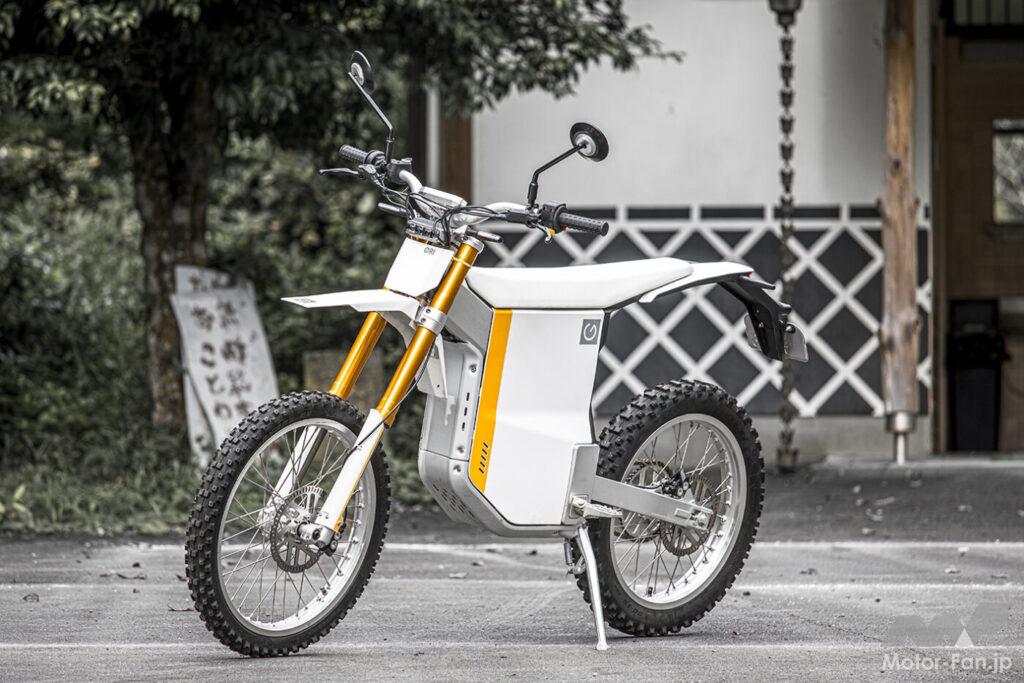
In addition to the versatile and reliable power unit, when riding off-road, there’s no need to operate the clutch or change gears, so you can concentrate on throttle operation, braking, and line selection, and the body is also light, slim, and small (it weighs 73kg), which are other advantages of electric motorcycles/automobiles. In any case, this model has a different appeal to existing trail bikes, and I feel that even the top professionals competing on electric motorcycles in the All Japan Trial Championships must have a similar impression, even though their levels are significantly different.
How do you feel about a 100km range?
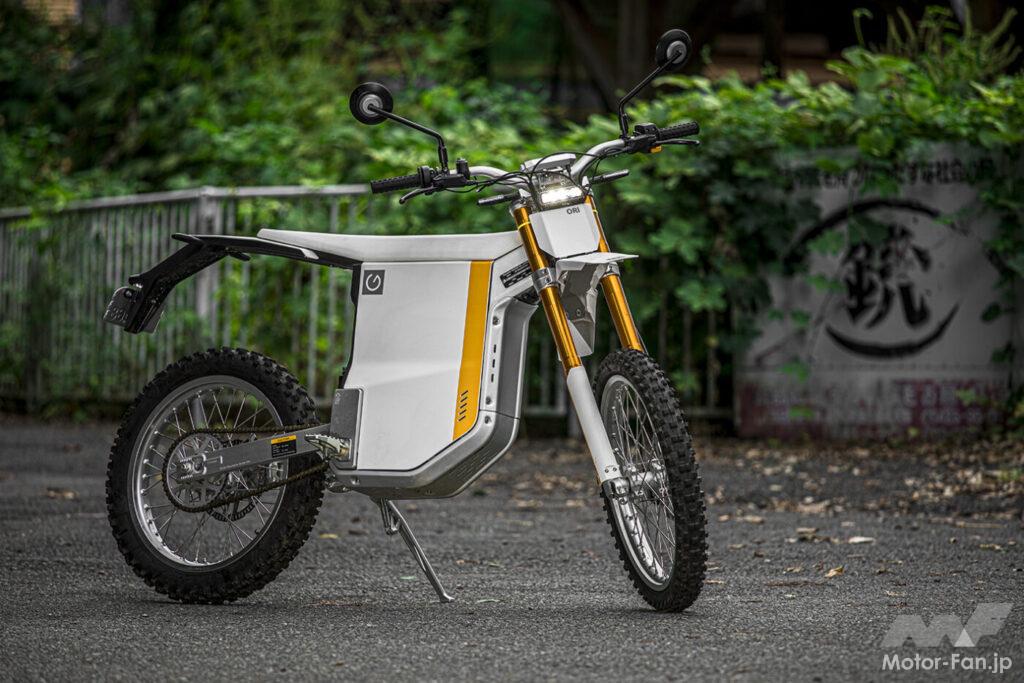
If there’s one thing about the Auri that bothers me, it’s that it only has a 100km range on a full charge. That said, if the battery capacity were increased, some of the bike’s advantages – its light weight, slimness, and compact size – would be lost, and being able to cover 100km would make it suitable for everyday use (its acceleration is outstanding, and its top speed of 100km/h makes it more than adequate for maneuvering around town), so I personally have no complaints about its current configuration and characteristics. However, the reason for this is that I own a transporter that I can use to transport my bike on forest roads and courses, and conversely, from the perspective of a rider who doesn’t own a transporter, I’d probably prefer a longer range.

But, putting all that aside, I find the Auri (and its sister car, the Alfa) quite appealing. There are probably no other trail bikes at the moment that allow you to experience the unique appeal of electric power so clearly.
Riding position (height 182cm, weight 74kg)
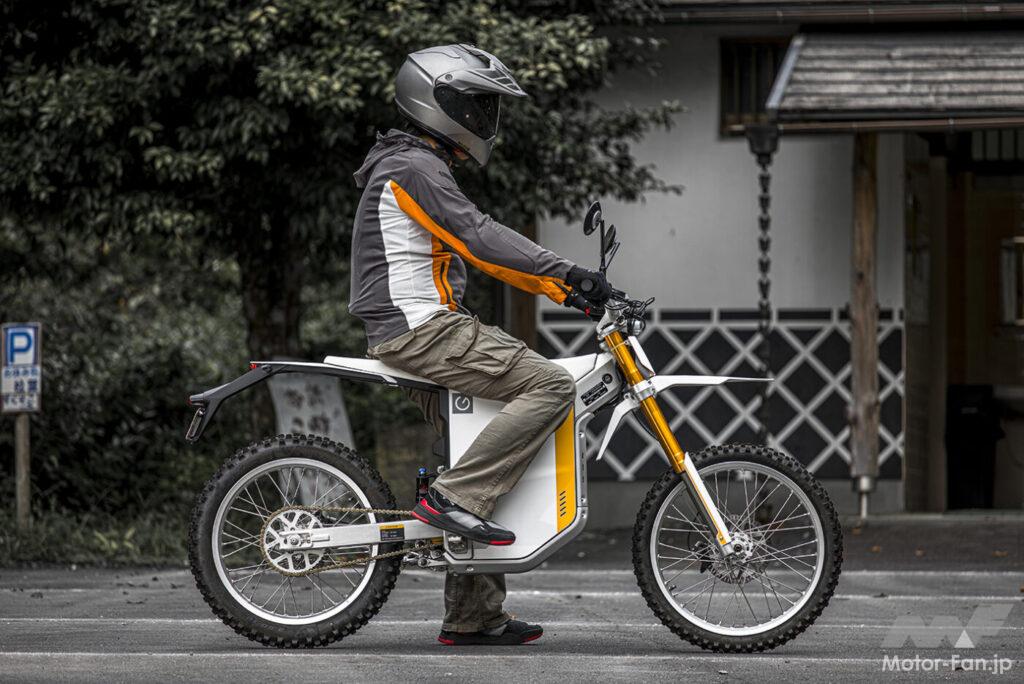
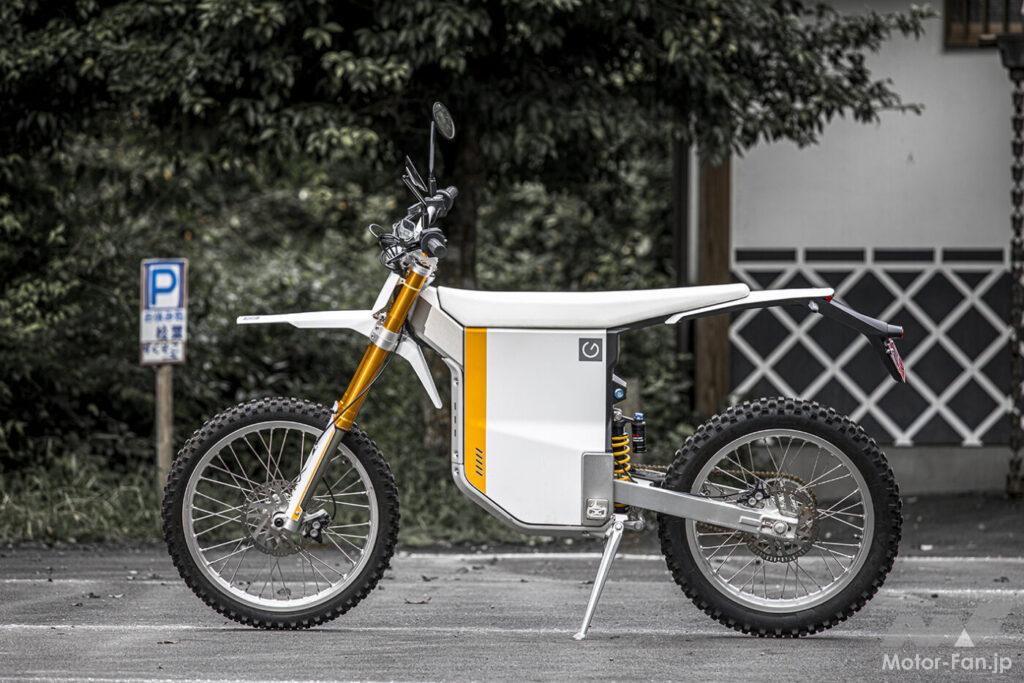
The Auri’s body has a striking impact, but by the standards of a typical trail bike, its seat height is quite high at 890mm, likely due to the fact that it has a ground clearance of 280mm, allowing it to ride safely on unpaved roads.

Although the feeling of riding it is similar to that of an off-road racer, there is almost no sense of tension thanks to the small size of the bike. The front and rear suspensions sink quite a bit at 1G, so I think riders over 160cm tall will not feel uneasy.
Detail explanation
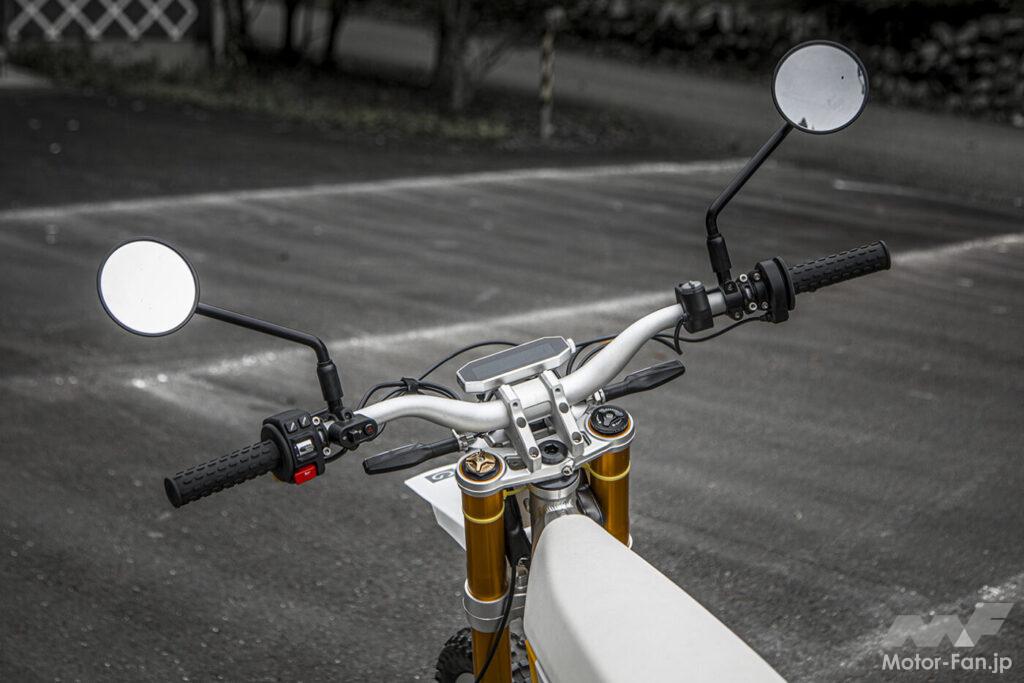
The aluminum handlebars are tapered for a powerful look. While the cockpit may look simple, GoWow’s electric bikes are packed with high-quality, lightweight aluminum parts. The left and right switch boxes are specially designed.
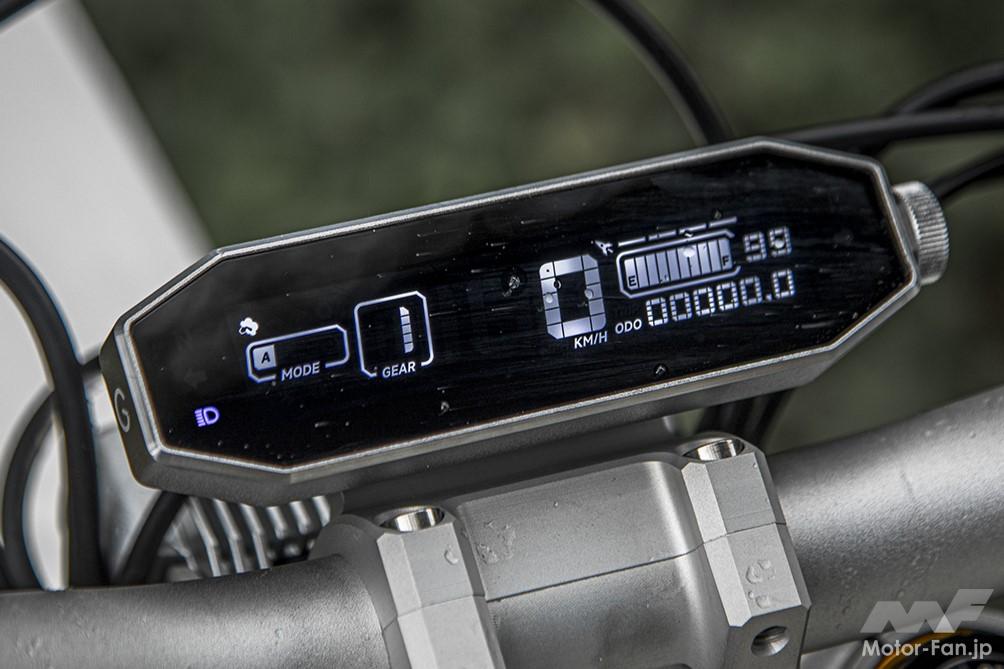
The LCD meter is super compact. The left edge of the screen has four power modes and three response settings, and the number in the GEAR box is the speed limiter, which can be set arbitrarily. The dial on the right side of the body is used to switch between odometer, trip time, and clock displays.
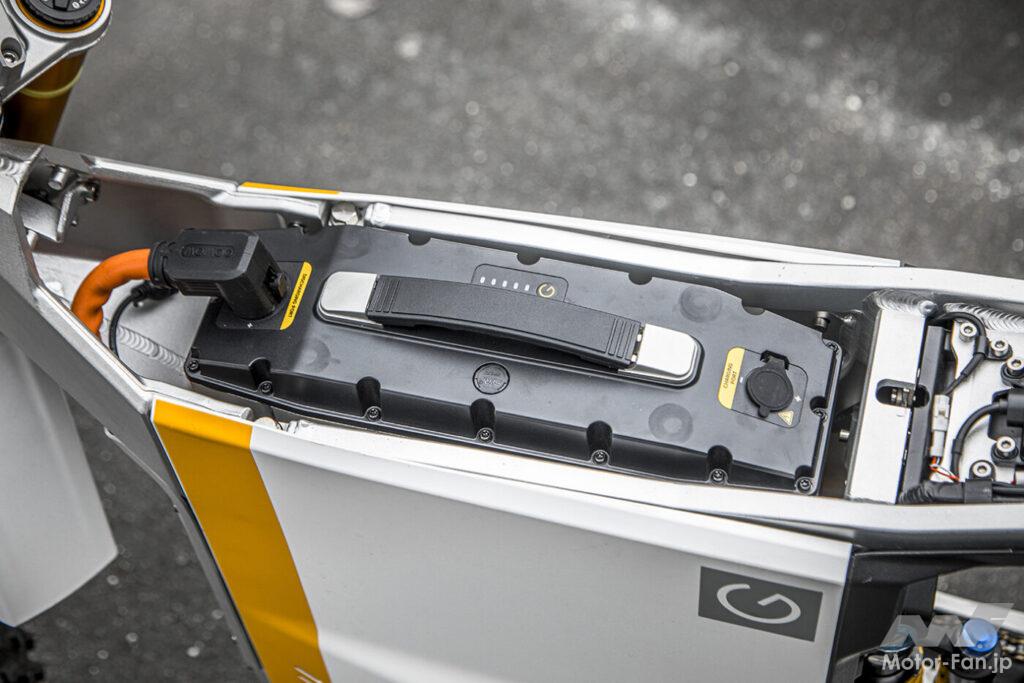
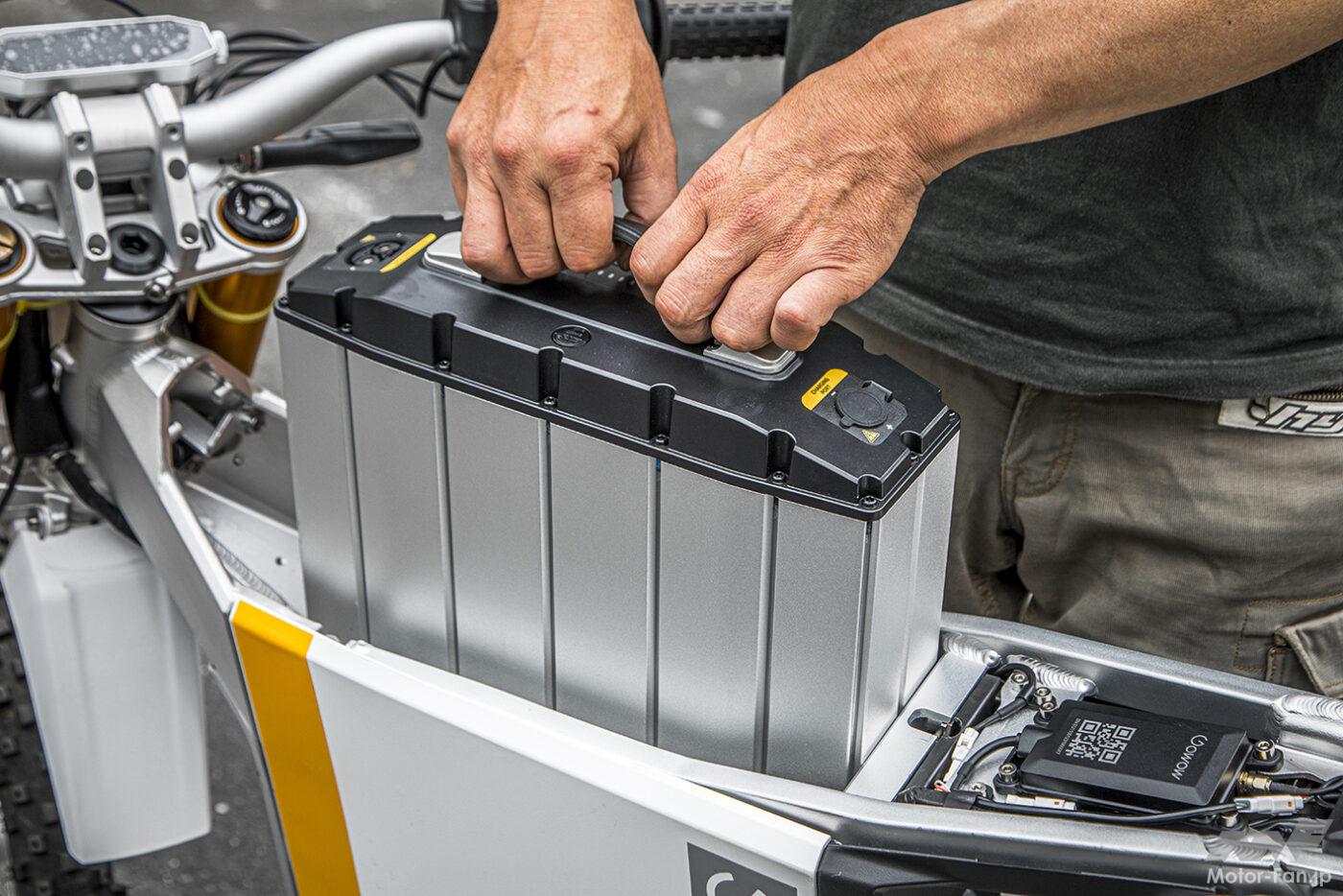
The battery, which has a handle on the top and an indicator to show the remaining battery charge, is stored in the same location as the gas tank on a typical motorcycle.
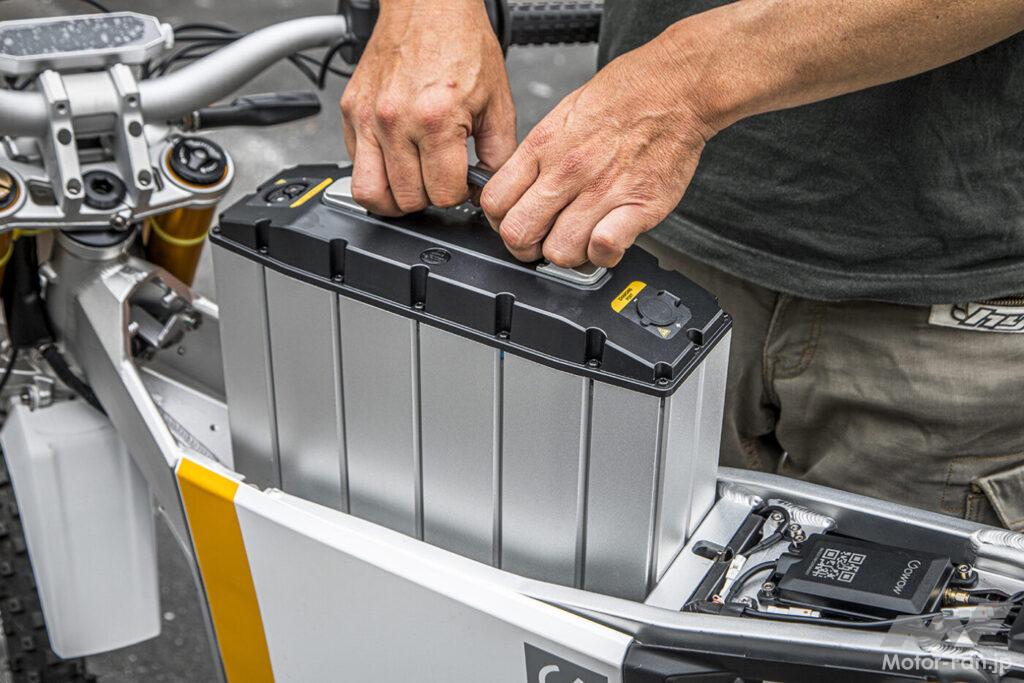
The battery weighs about 20 kg. It’s not so heavy that it would be difficult for an adult male to carry, but it’s not something that can be easily attached or detached.
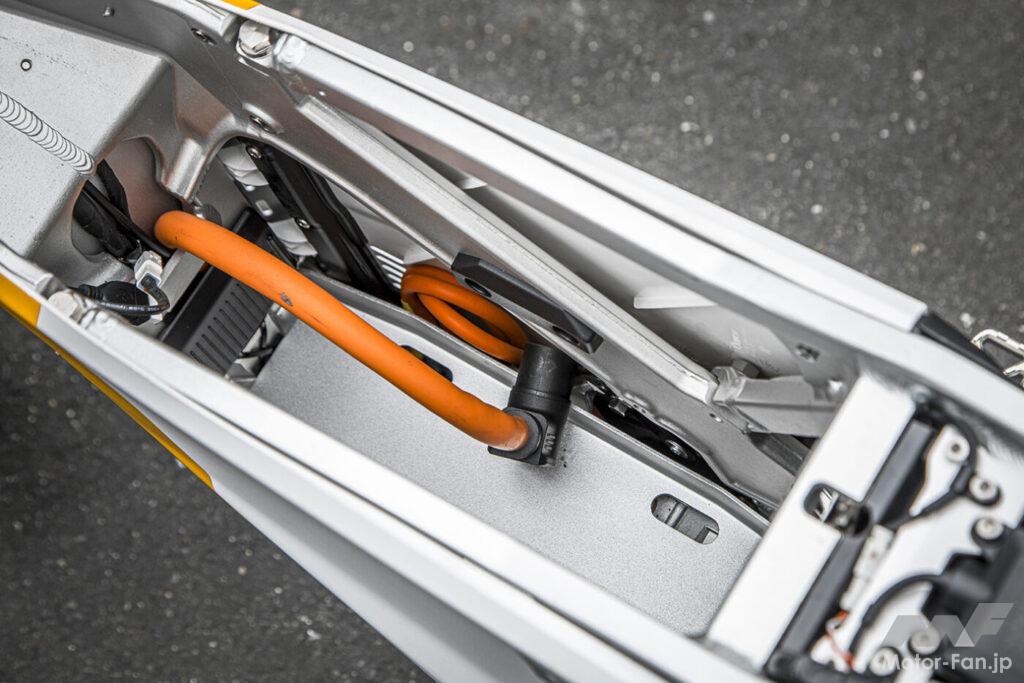
The battery unit has been removed from the vehicle. The twin-spar frame is made from forged aluminum, with a focus on lightweight and high rigidity.
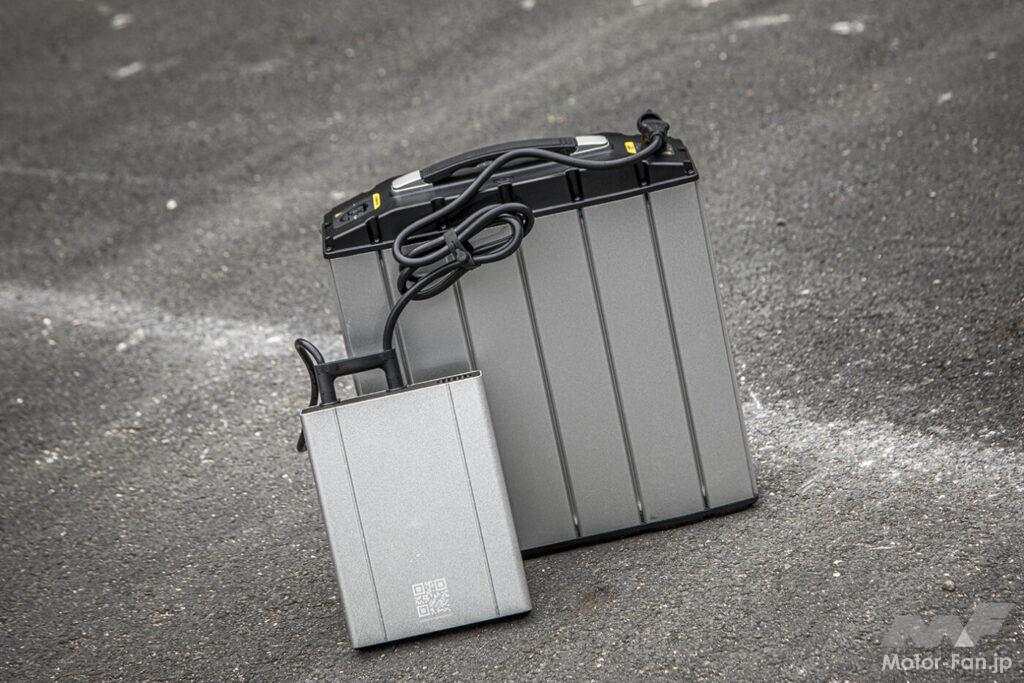
The vehicle comes with a battery charger, which takes 3.5 hours to fully charge from zero (2.6 hours for the Alpha, which has a smaller battery capacity).
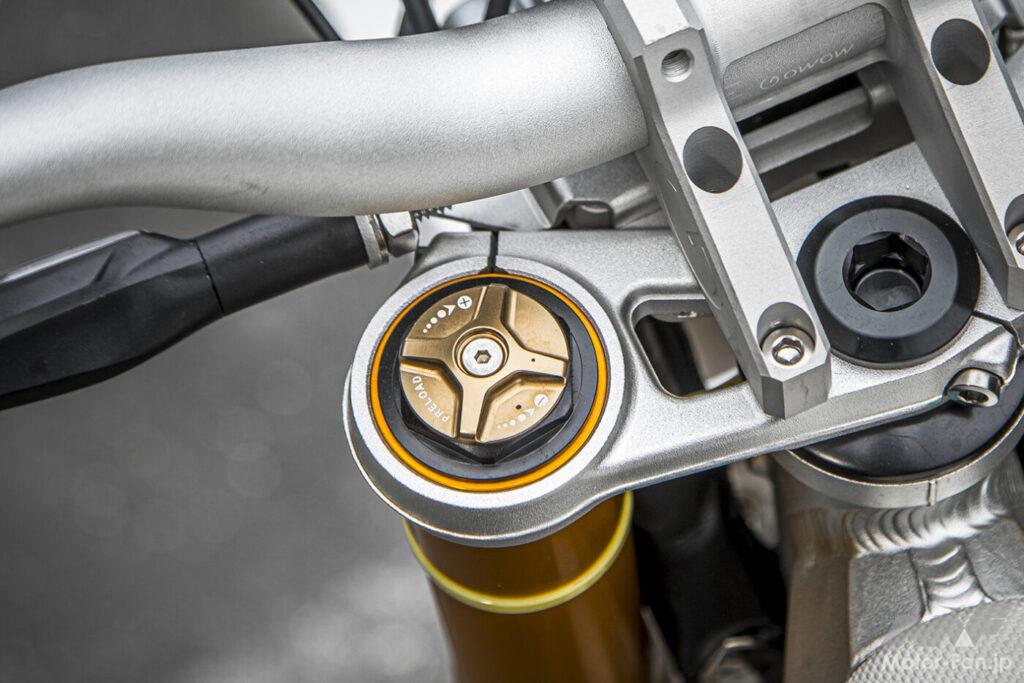
The inverted front fork has a split structure, with a preload adjuster on the left and a rebound damper adjuster on the right.
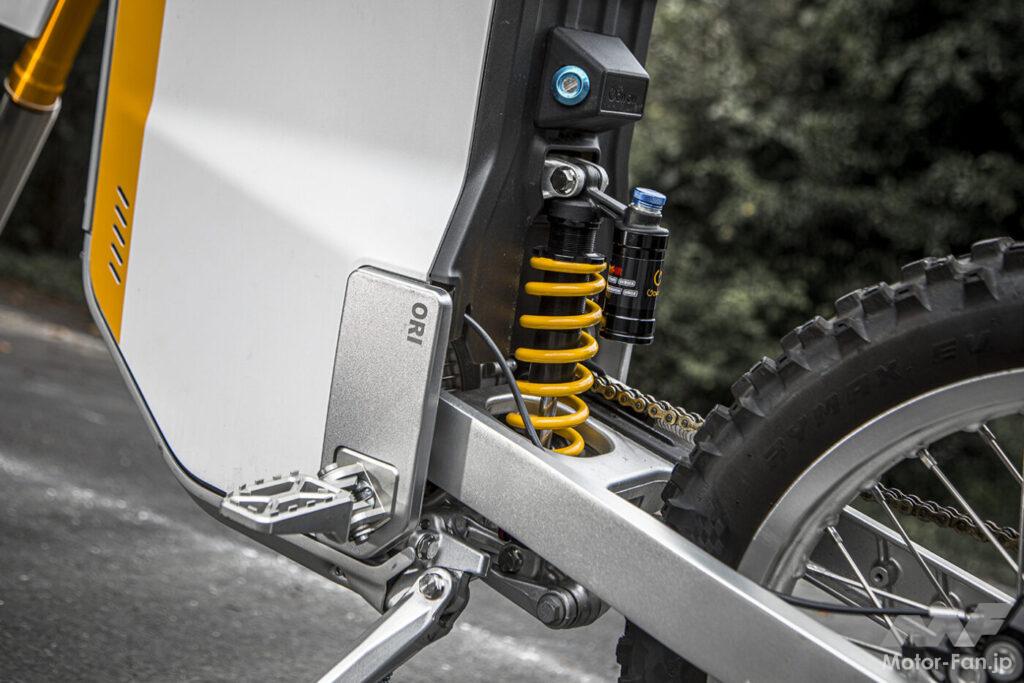
The rear suspension is a link type. The piggyback shock has preload and compression adjusters on the top and rebound damper adjusters on the bottom.
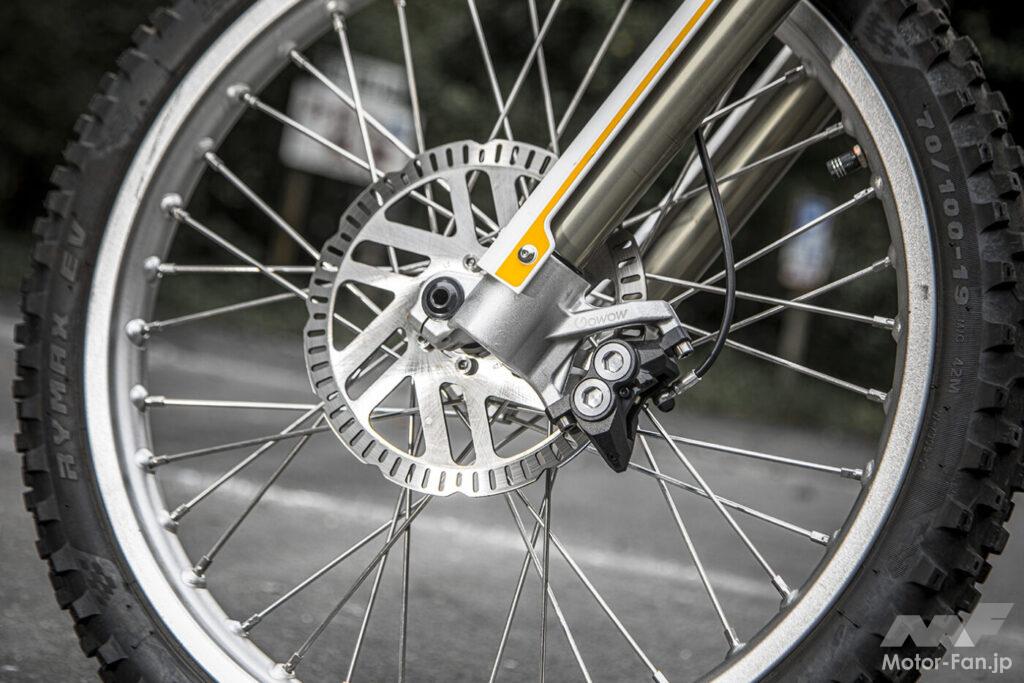
The front wheel is 19 inches, not the standard 21 inches for off-road vehicles. The original tire, RYMAX EV, has the GOWOW logo engraved on it.

The brakes are 203mm diameter solid discs with radially mounted 4-piston calipers on both the front and rear, with wheel travel of 210mm.
Main specifications
Model: ORI
Length x width x height: 1900mm x 780mm x 1100mm
Wheelbase: 1275mm
Ground clearance: 280mm
Seat height: 890mm
Maximum power: 9kW
Maximum torque: 42Nm
Maximum hill angle: 55 degrees
Maximum speed: 100km/h
Range: 100km (WLTC)
Frame type: Diamond
suspension type (front): Telescopic inverted
type (rear): Link type mono shock
Tire size (front): 70/100-19
Tire size (rear): 3.50-18
Brake type (front): Hydraulic single disc
Brake type (rear): Hydraulic single disc
Vehicle weight: 73kg
Battery: 73.8V 38.4Ah
Charging time: 3.5h