
BMW R1300GS Adventure
ADVERTISEMENT
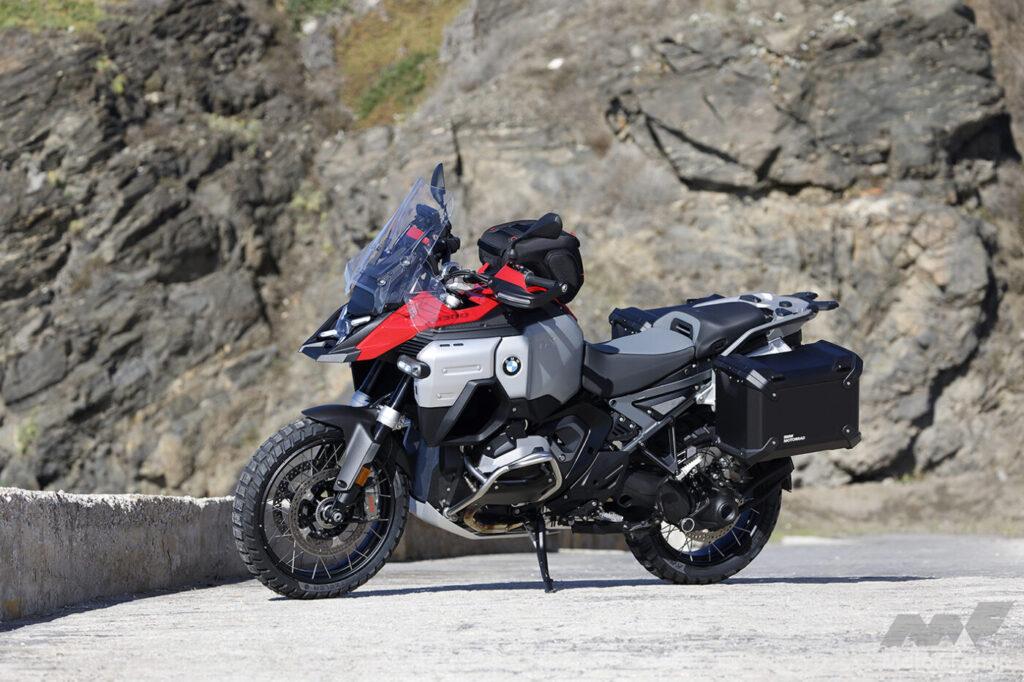
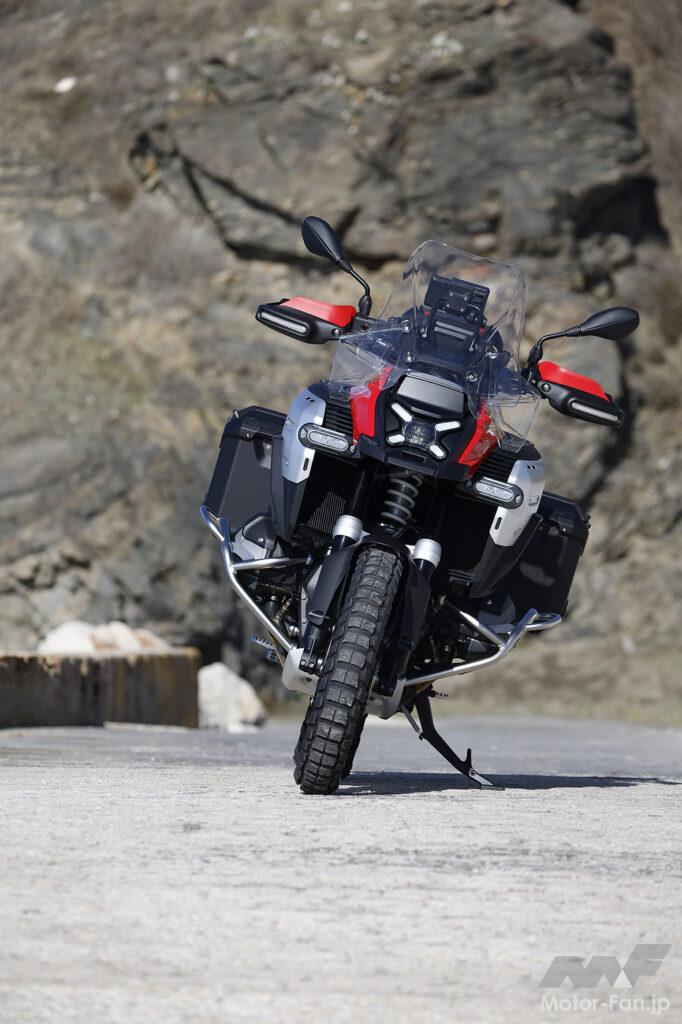
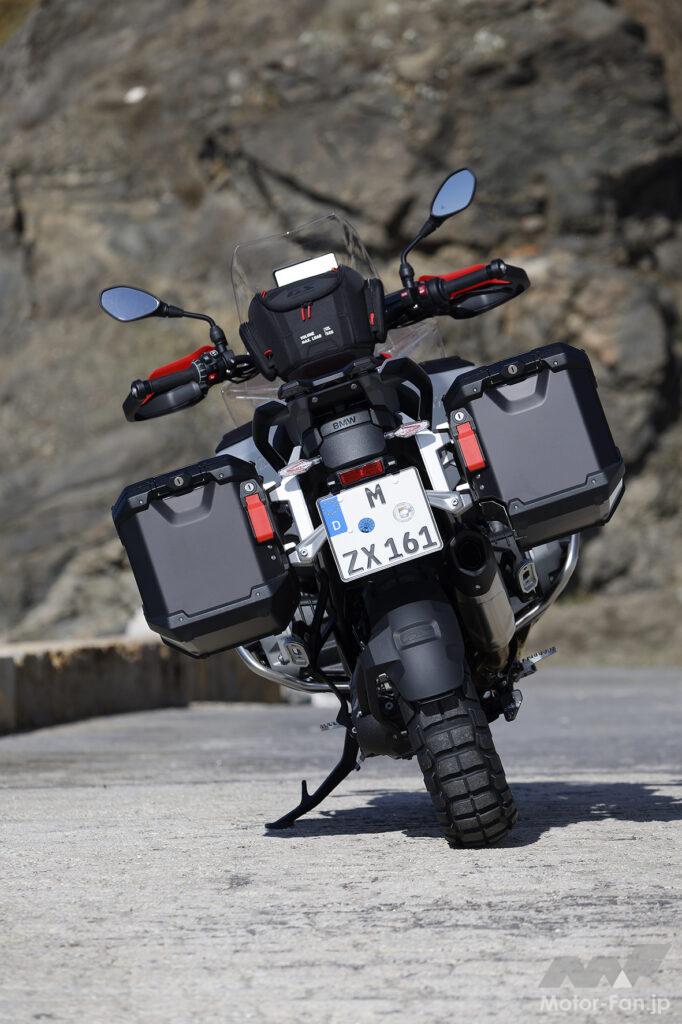
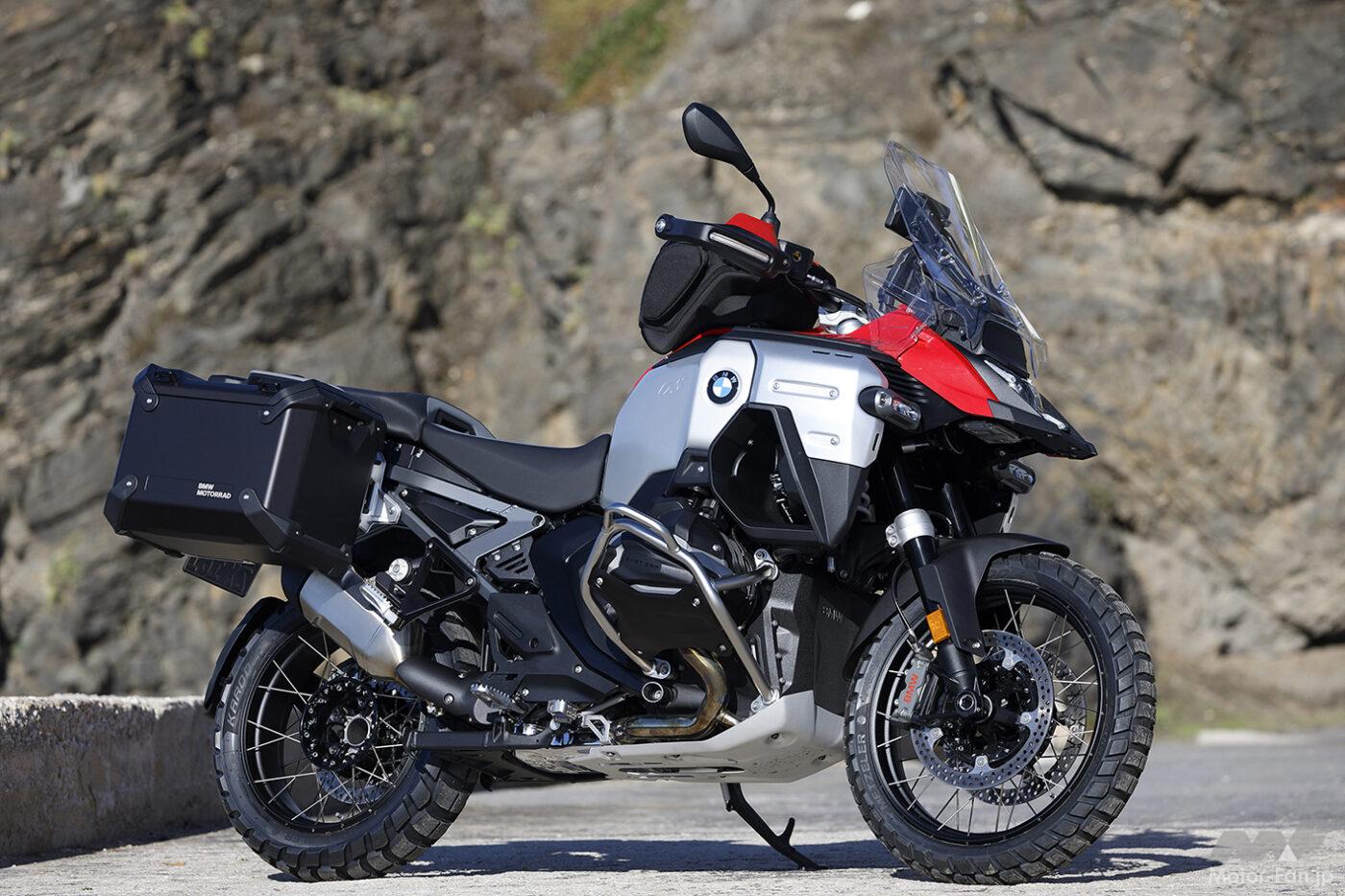
The GS, equipped with a boxer engine, is broadly divided into two models: the standard model and the Adventure, which offers higher travel performance and comfort.
Up until now, sales of both models have been roughly equal in the home country. In Japan, it seems that the more powerful Adventure model has been selling better in recent years.
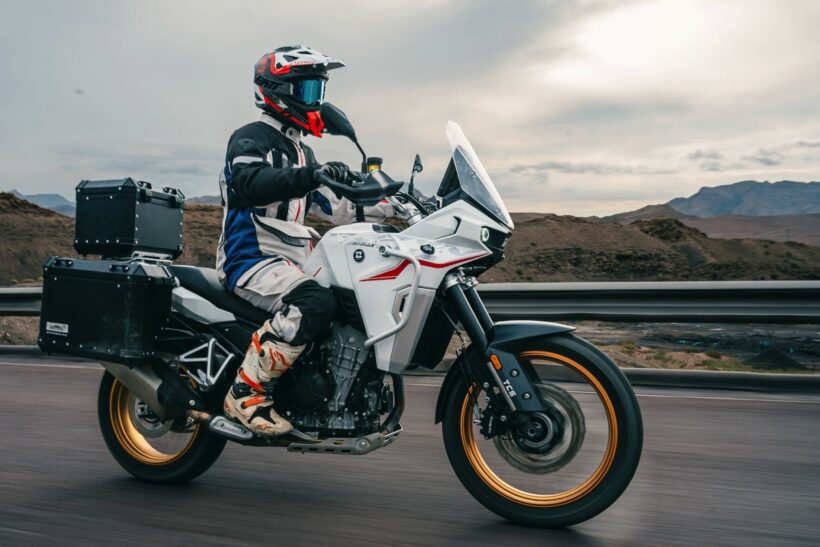
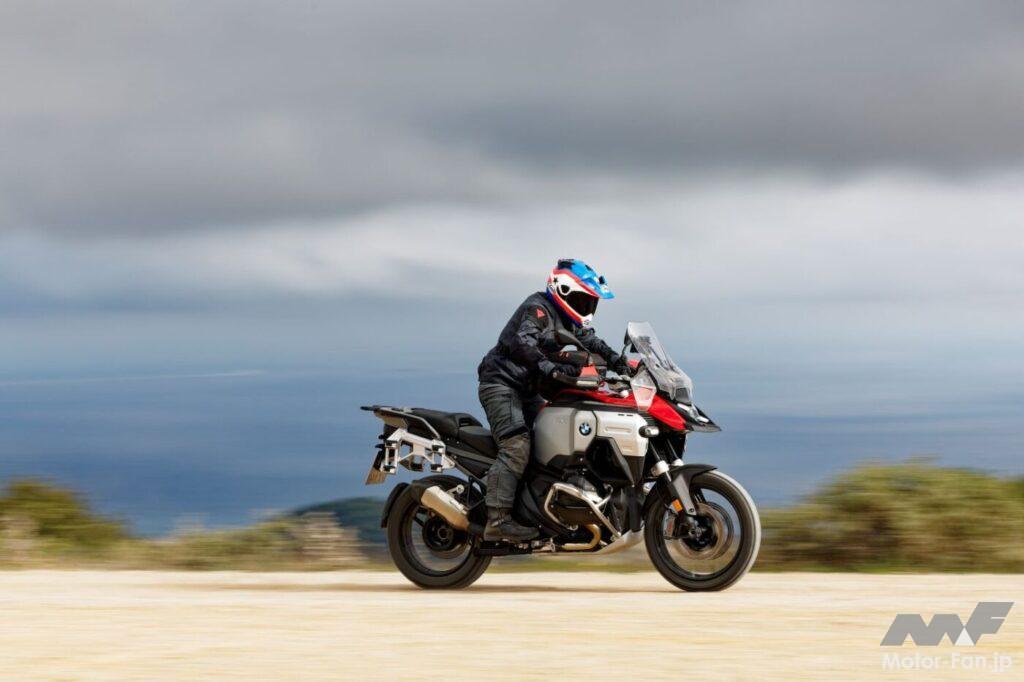
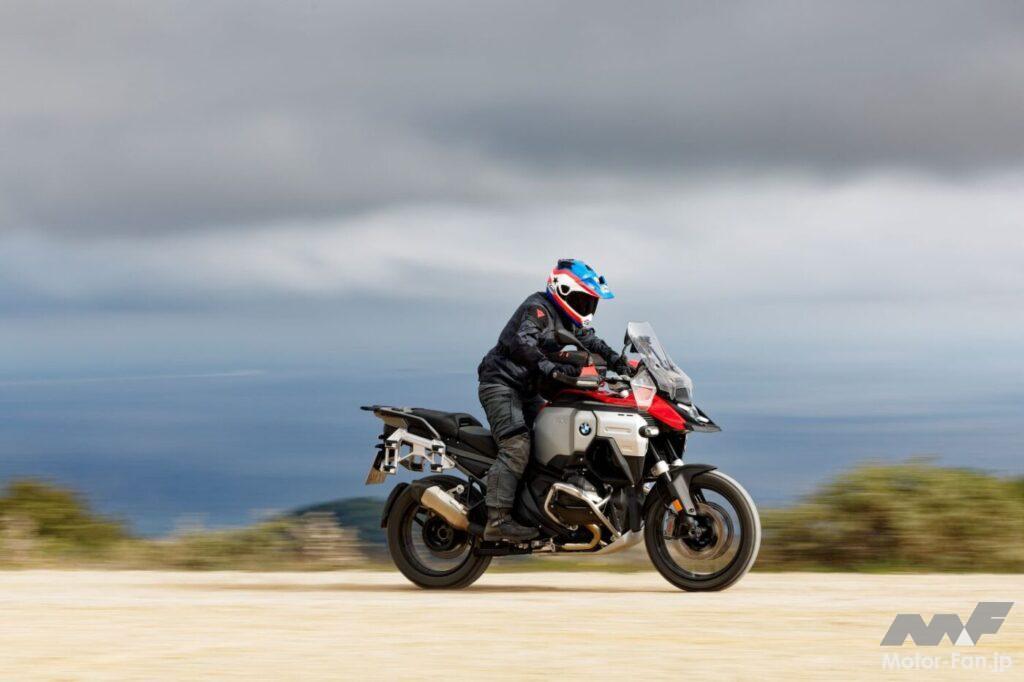
The R1300GS, released last year after a full model change for the first time in 10 years, boasts performance worthy of being a benchmark for BMW and adventure machines. Now, about a year later, the long-awaited Adventure model has arrived. A press test ride was held in Spain.
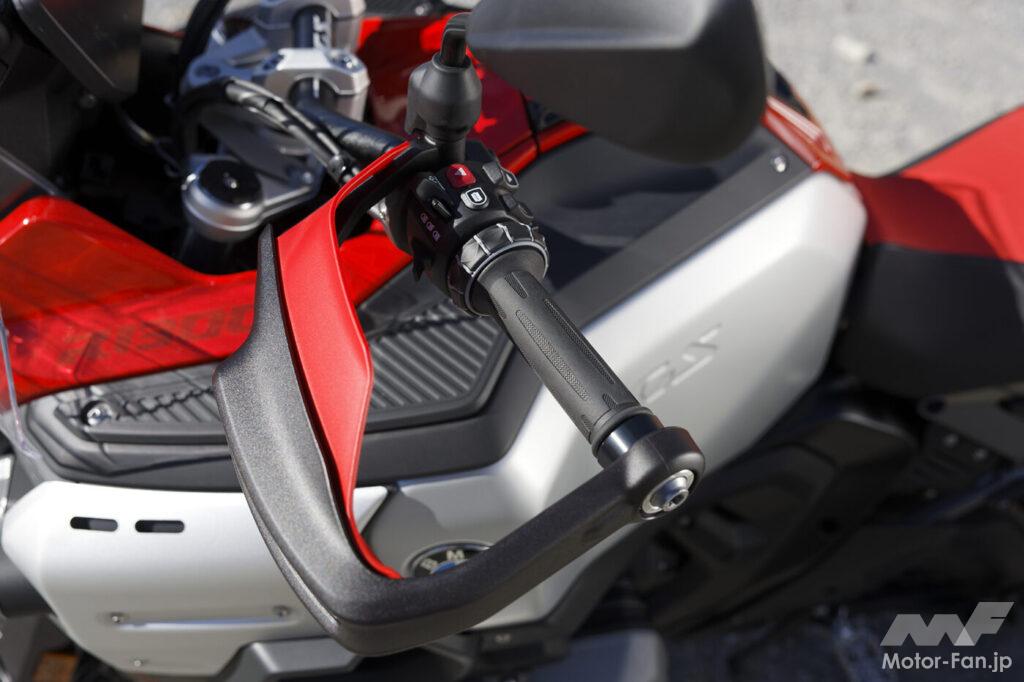
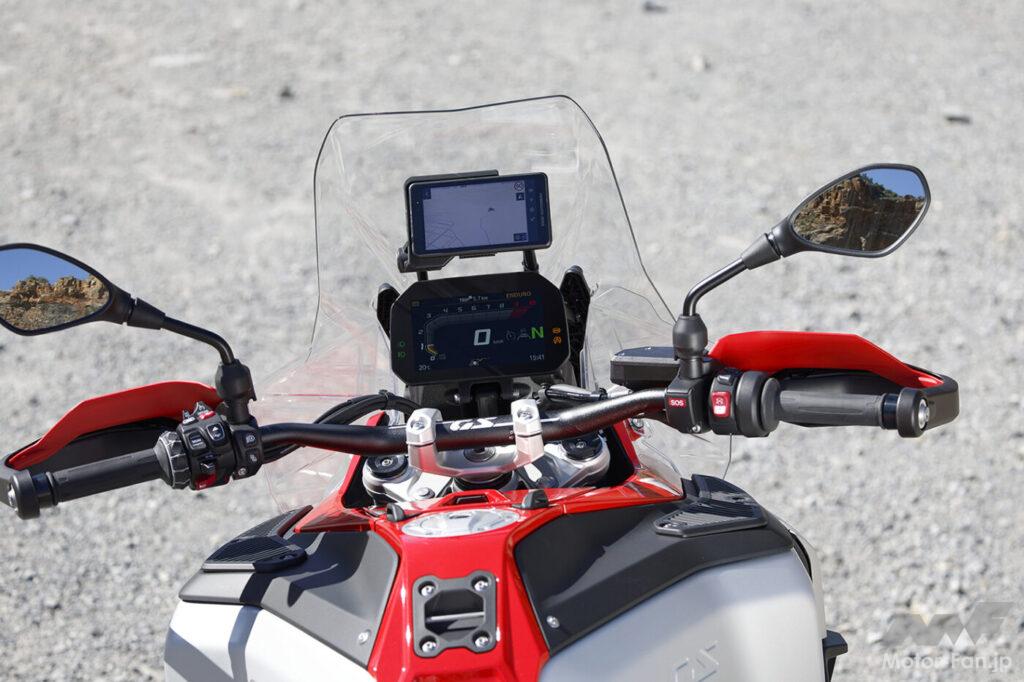
Not just the GS, but BMW Motorrad models come in many variations and options, and this time we tested a machine equipped with ASA (Automatic Assistance System), a new mechanism that does not have a height adjustment mechanism or a clutch lever. We spent two days testing the machine.
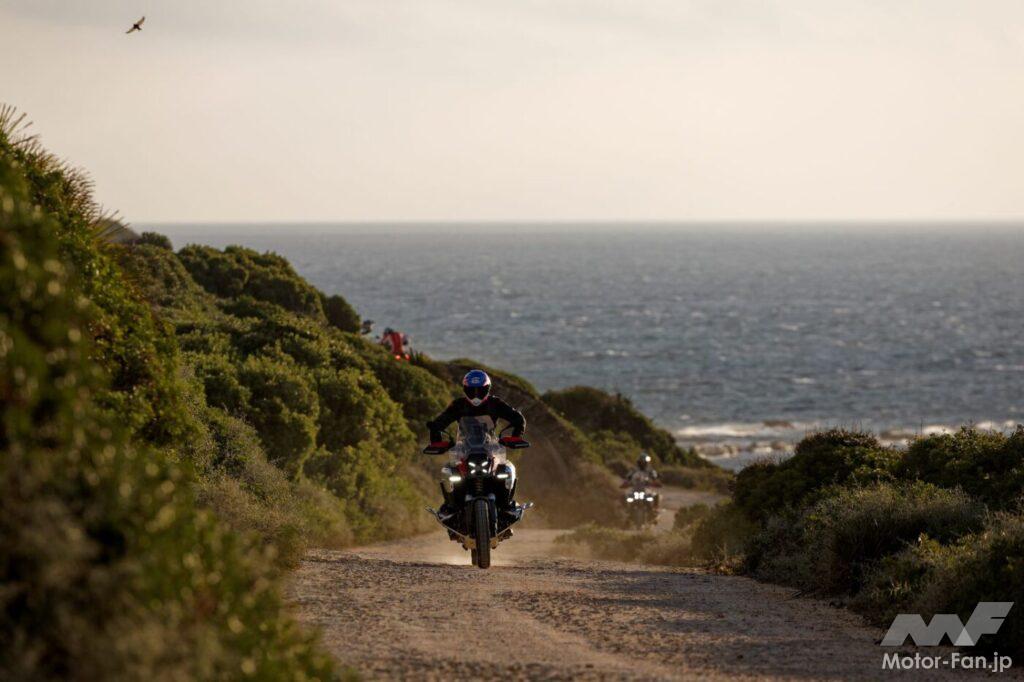
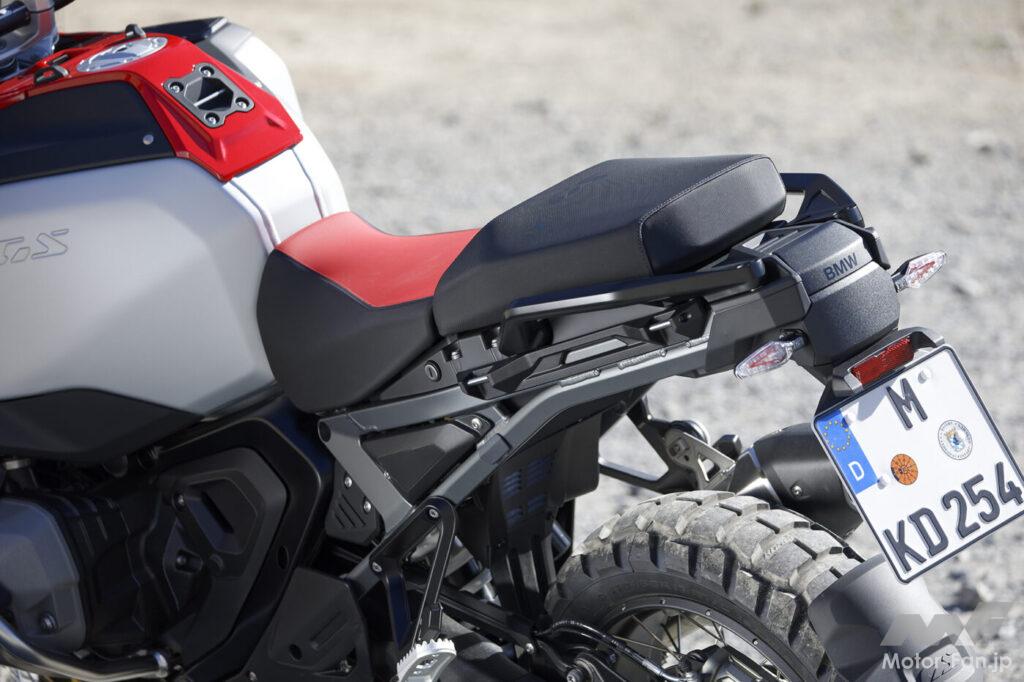
The vehicle height adjustment mechanism adopted from the R1300GS lowers the seat height from 870mm to 840mm when stationary. For a rider who is 165cm tall, it’s not exactly easy to reach the ground, but it certainly helps. The Japanese model also comes with a comfort version with an even lower seat height, which makes it feel even friendlier than the previous model.
While the bike is large, the position of the controls when straddling it is far from that impression. While calling it compact might be a bit misleading, it’s clearly less unwieldy compared to the previous model.
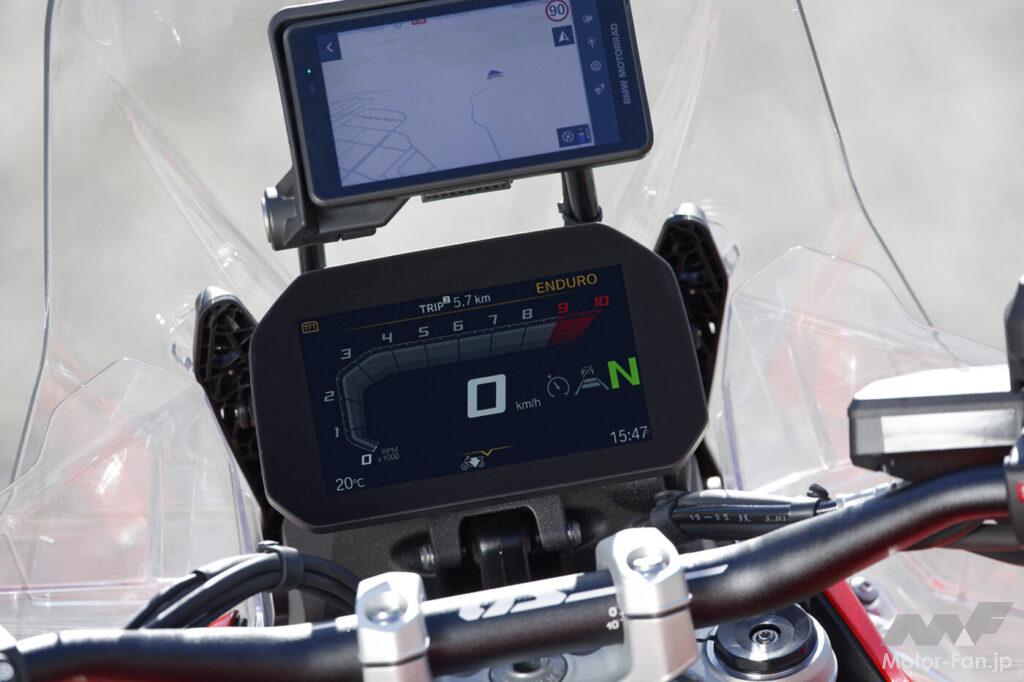
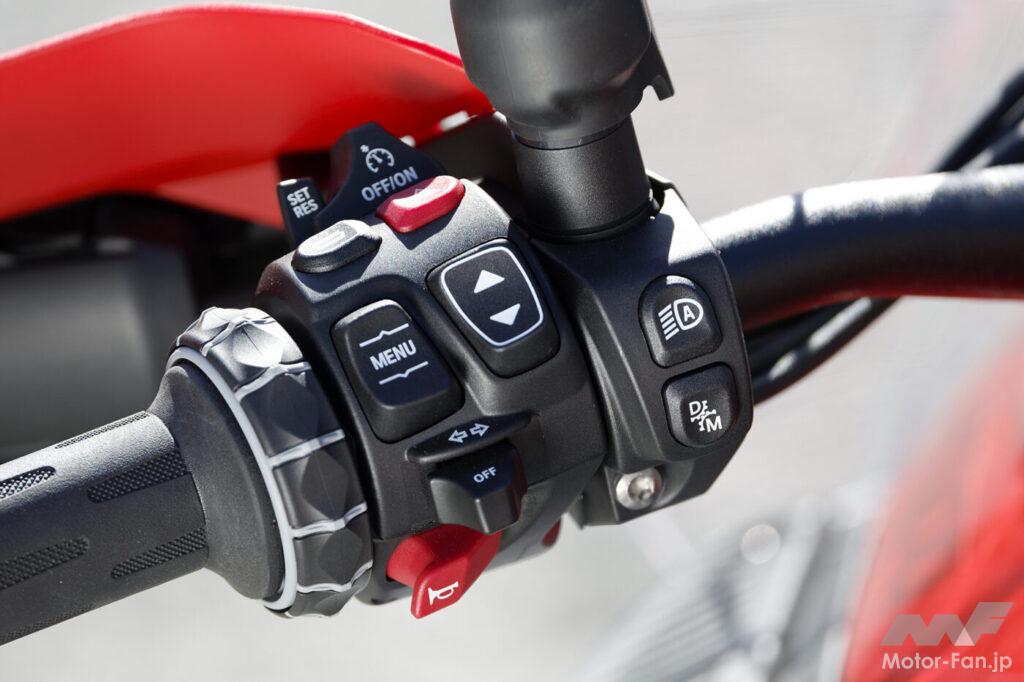
Push the ignition button. Start the engine while holding the brake. Operate the shift pedal to shift from neutral to gear and you’re ready to go. Select D mode, which is automatic. The bike also handles all the gear changes automatically.
ADVERTISEMENT
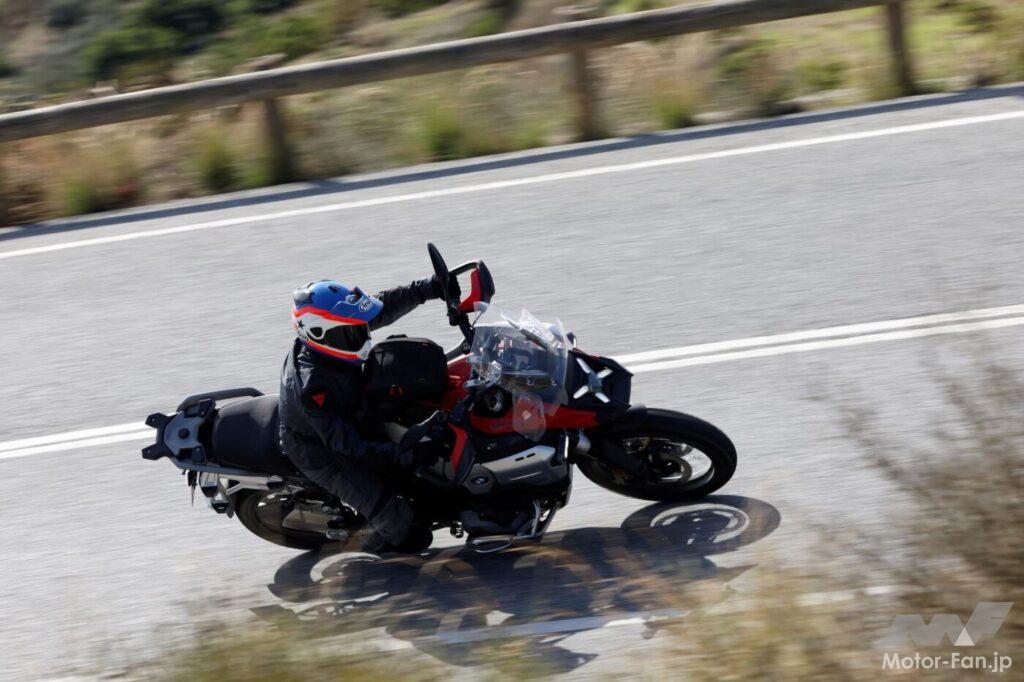
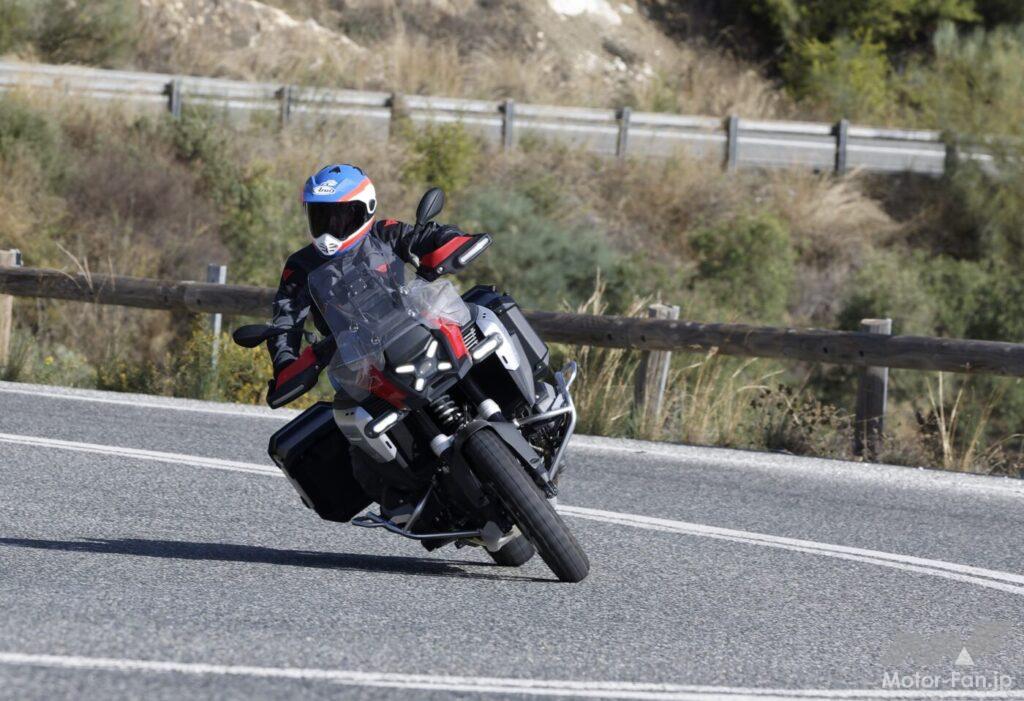
I cautiously opened the throttle and the large machine began to move gently. Starting with Eco riding mode, the bike shifted up briskly as I opened the throttle, propelling the massive machine forward with ease.
In congested city streets, the bike was driven at extremely low RPMs. And even in stop-and-go traffic, the bike operated the clutch half-way with skill. This is a key aspect of an automatic model, but honestly, this is the level of a veteran rider.
I made many U-turns during the shoot, and there was no sudden fluctuation or loss of torque, which would have caused the machine to tip over. If this wasn’t done well, the machine would feel even larger, but I got the impression that it fit the bike much better.
How to open the throttle. Also, the timing of upshifting varies depending on the riding mode selected, but from an instructor’s perspective, it is the “appropriate timing.”
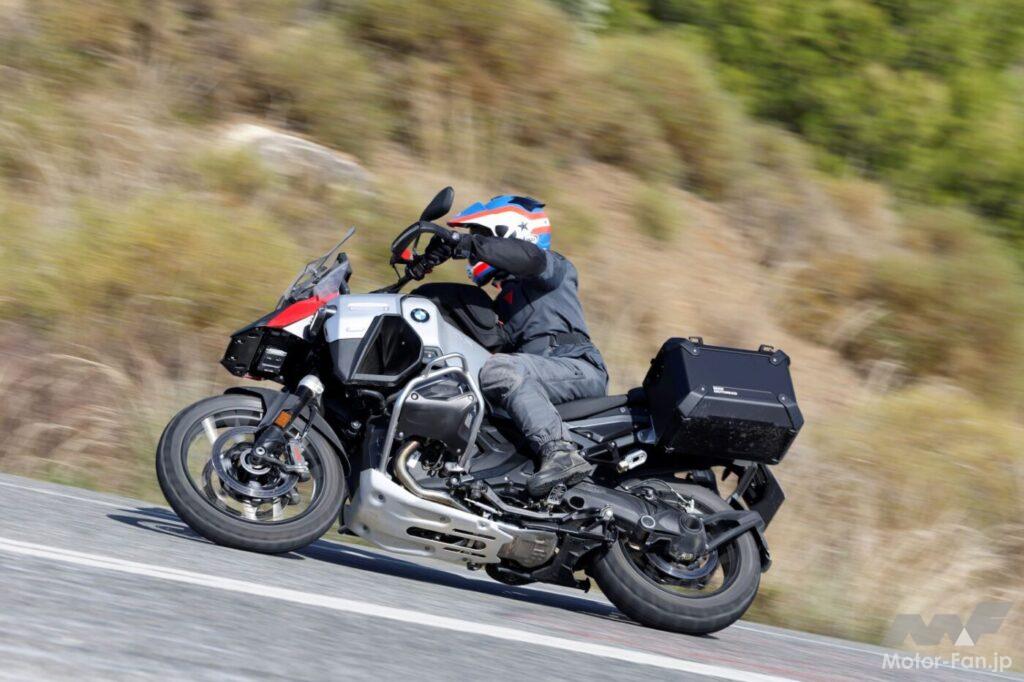
The timing of deceleration, which requires more delicate control, is also just right. In Eco mode, the gears are selected to maintain a fairly gentle revs. In Road and Dynamic modes, downshifts are made to maintain slightly higher revs. Nevertheless, the shift timing and the machine’s behavior are very smooth. However
, as the speed increases and you grip the front brake firmly, downshifts become more synchronized with the degree of deceleration, resulting in a sportier feel. The amount of braking and the rate of deceleration give the feeling that the system is sensing, “Oh, this guy is trying to go faster.” Even experienced riders will likely find this feel almost unfamiliar.
The engine’s ample torque and RPM-independent character are also a major benefit. Honestly, I can’t recall ever feeling like the timing was off.
And if you do feel that way, simply select Manual mode and select the desired shift.
Moreover, unlike the slightly stiff shifts of the regular GS, the shifts are smooth and light.
The high level of controllability when riding off-road makes you forget how large the bike is. In difficult situations, such as making a U-turn while maintaining balance, I had to use a little technique of dragging the front or rear brake while operating the accelerator, but this is something that can be mastered in place of operating the clutch. Even with a clutch-equipped model, the same accelerator and brake operations are performed in such situations, so it shouldn’t be a big hurdle.
I realized that this is a feature that will be beneficial in many situations, that is, for most riders.
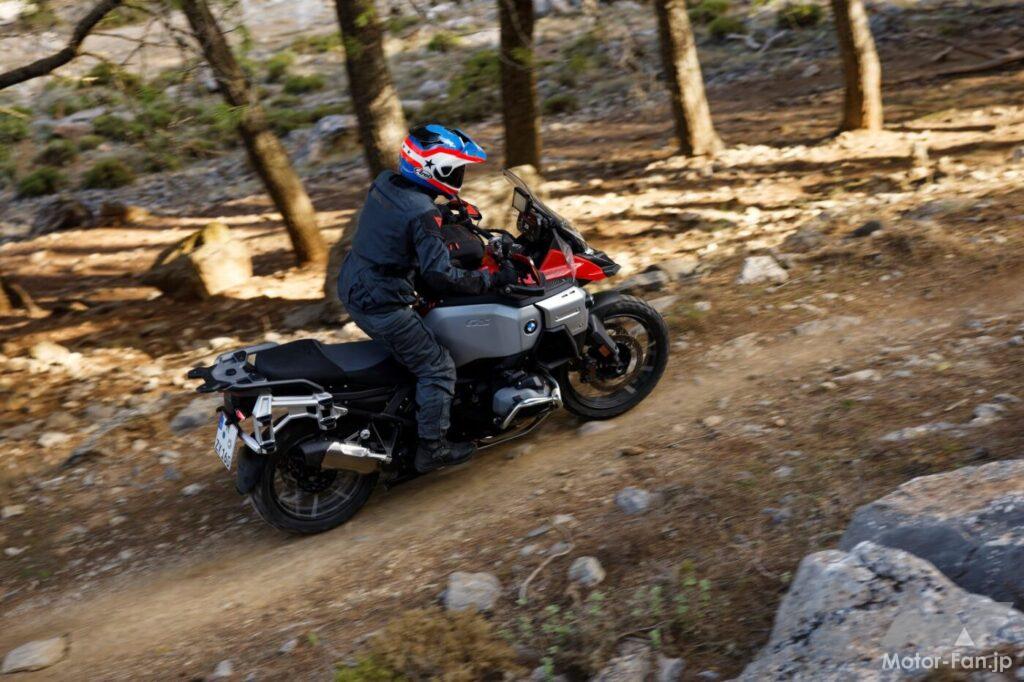
On the other hand, Motorrad’s development staff never rejected the idea of a clutch-equipped model. As always, it is a perfect package that allows 100% enjoyment in operation. However, whether you are a skilled rider or not, it has the potential to improve comfort. And the diversification of choices to meet various needs is something to be welcomed.
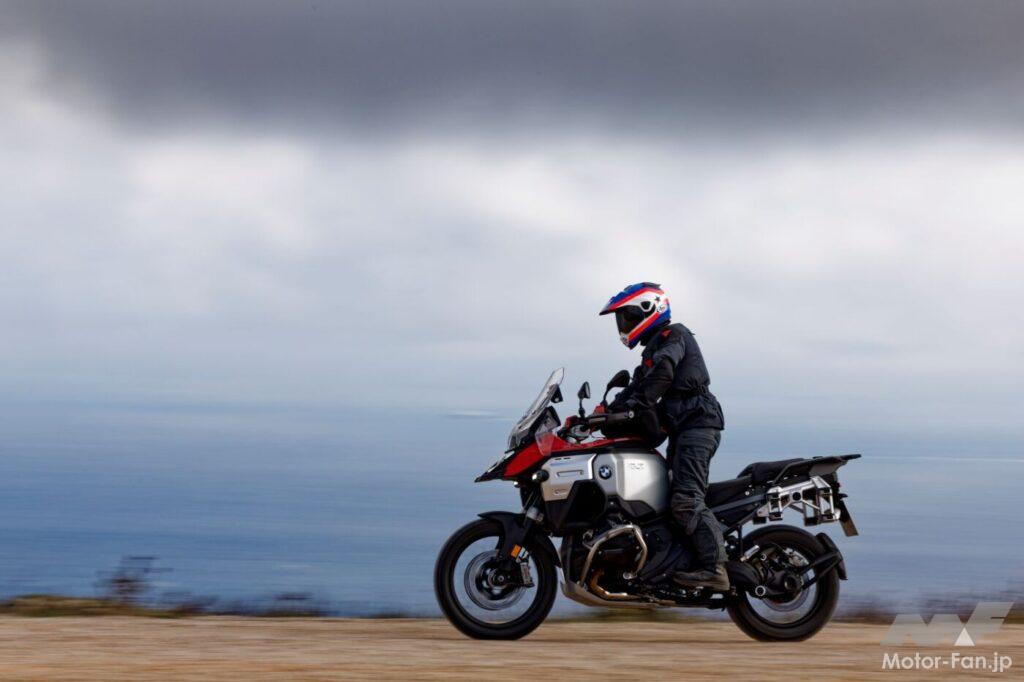
ASA is likely to become more popular in the future, but I left Spain feeling completely cleared of the doubts I had before the test drive.
Foot reach check (rider height 165cm)
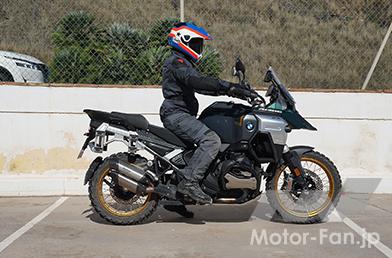
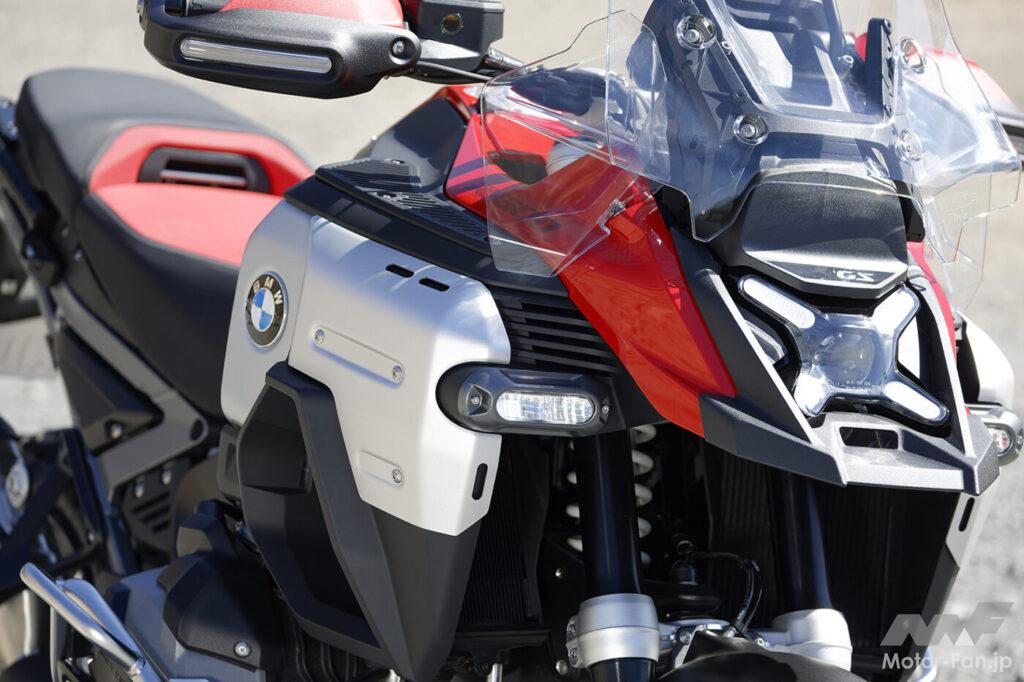
the rear end of the tank is slim, making it easier to reach the ground than you might imagine (I weigh 165cm). The riding feels a size more compact than the previous R1250GS Adventure , making it easier to adopt a standing position.
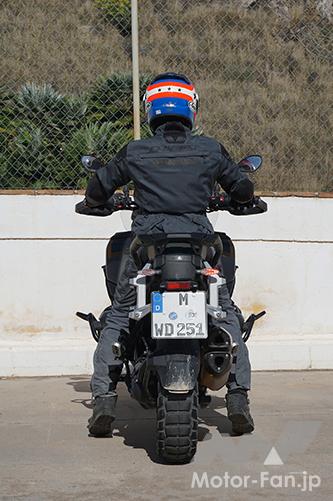
Detailed explanation
ADVERTISEMENT
ADVERTISEMENT
BMW・R1300GSA main specifications
●Engine
type: Air-cooled/water-cooled 2-cylinder 4-stroke boxer engine, DOHC, 2 differential gears, variable intake camshaft control BMW ShiftCam
Bore x stroke: 106.5mm x 73mm
Displacement: 1,300cc
Maximum output: 107kW (145PS) / 7,750rpm
Maximum torque: 149Nm / 6,500rpm
Compression ratio: 13.3:1
Ignition / injection control: Electronically controlled intake pipe injection
Emission control: Closed-loop controlled three-way catalytic converter
Exhaust gas standard: EURO5

●Performance / fuel efficiency
Top speed: Over 220km/h (with OA case, OA top case, OA tank bag: 180km/h)
Fuel consumption per litre according to WMTC (with one occupant): 20.4km/L
CO2 emissions according to WMTC: 113g/km
WMTC-compliant cruising range: 612 km
Fuel type: Unleaded premium gasoline (high octane) (ethanol 15% or less, E15), 95 ROZ/RON, 90 AKI

Electrical equipment
Alternator: Three-phase AC alternator, 650 W (rated output)
Battery: 12 V / 14 Ah, maintenance-free, AGM battery

Power transmission
Clutch: Wet multi-plate clutch, anti-hopping
Transmission: Constant mesh 6-speed transmission built into the engine block
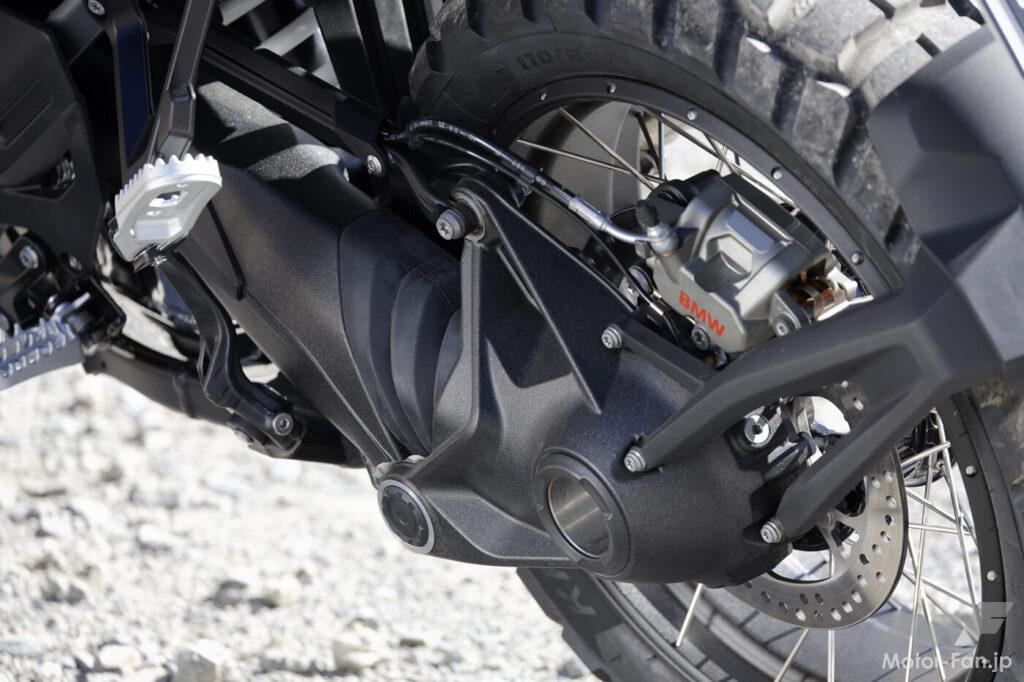
Drive system: Cardan shaft
Traction control: BMW Motorrad DTC