

A steering wheel cover is the perfect way to protect yourself from the cold!
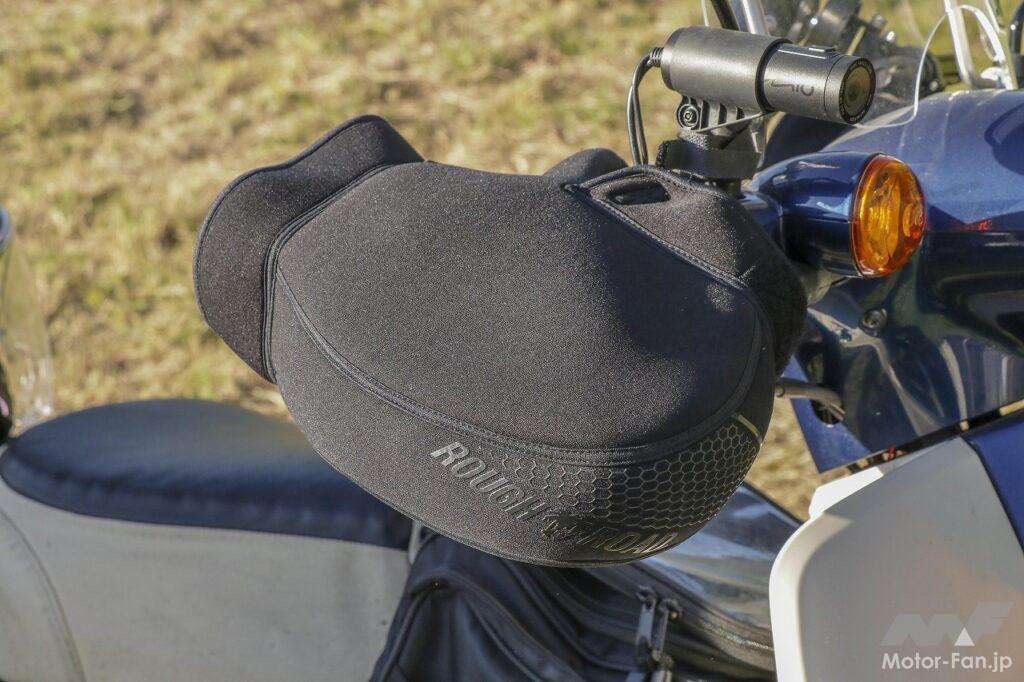
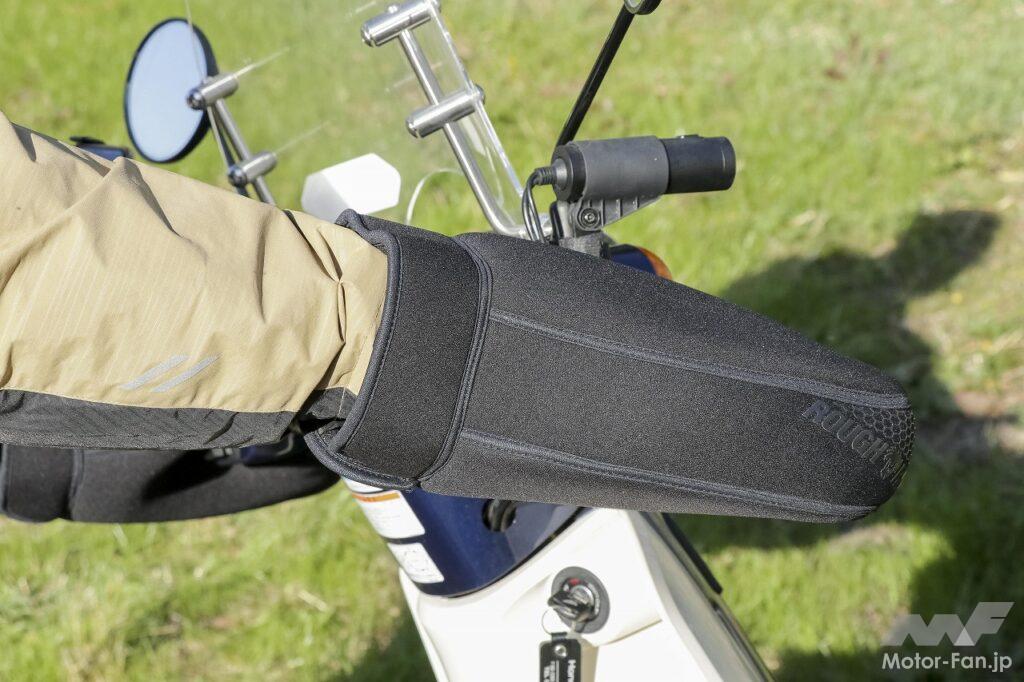
When touring in winter, you need to take proper measures to protect yourself from the cold. Nowadays, there are high-performance riding clothes that are light, easy to move in, and warm, so the body's ability to keep warm has improved considerably. I also wear such cold-weather clothes when touring in winter, but I have also winterized my Super Cub. That said, it's not a big deal; I just put on handlebar covers. Some people shy away from them because they look bad, but once you try them, you can't stop. There are some drawbacks, such as the switches being a little difficult to operate, but they block out the wind, so you can ride in the cold with just thin gloves and no problems at all. So, starting with this touring trip, I put on handlebar covers.
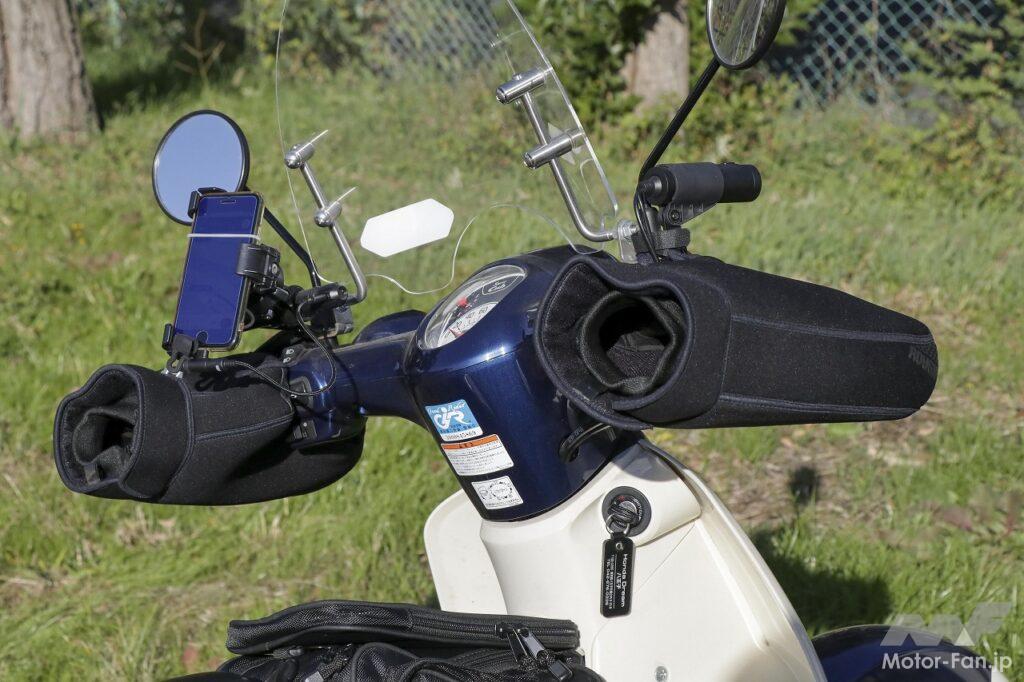
Nowadays, gloves with high cold protection, such as electrically heated gloves, are a great support for winter touring. However, they are no match for handlebar covers.
Start by filling up at a popular bakery
In northeastern Kanagawa Prefecture, near the Tokyo-prefecture border, there are three man-made lakes: Lake Sagami, Lake Tsukui, and Lake Miyagase. Lake Miyagase is the newest of these. Created by the Miyagase Dam, completed in 2000, the lake is now a popular and easily accessible tourist destination. There are various tourist facilities, including restaurants, in the surrounding area, and parking lots are readily available. Four
roads currently circumnavigate the lake: Prefectural Route 64 Isehara-Tsukui Line, Prefectural Route 70 Hadano-Kiyokawa Line, Prefectural Route 514 Miyagase-Aikawa Line, and Miyagase Kitagishi Forest Road. I decided to take the Kitagishi Forest Road from National Route 412 to tour around the lake. The road passes by Hashimoto Station,
where construction of the Linear Chuo Shinkansen Kanagawa Station is currently underway, and passes by the Sagamihara Interchange on the Ken-O Expressway before joining National Route 412. As usual, there is a lot of traffic on Route 16 and around Hashimoto Station, making it difficult to move smoothly. Traffic jams are more harmful than beneficial, as they consume time and gasoline.
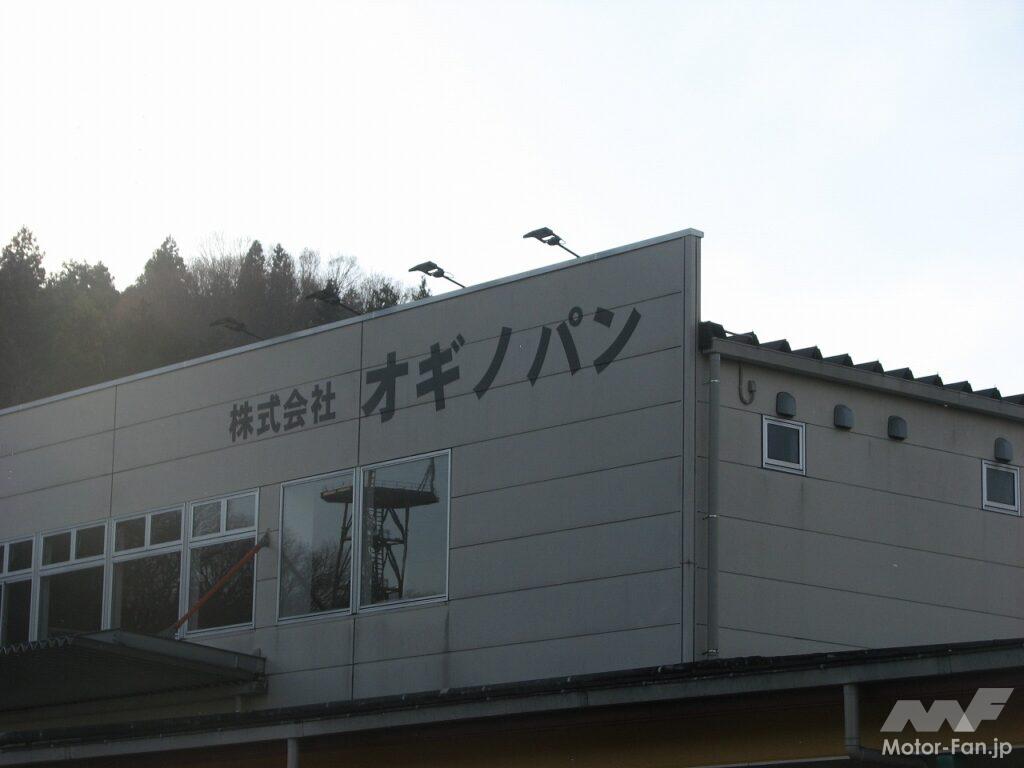
Ogino Pan Main Store Factory Direct Sales Store https://ogino-pan.com/
Ogino Pan operates nine stores, mainly in Sagamihara City. The main store is located near Lake Miyagase. Their specialties are Tanzawa Anpan (sweet bean bun) and Agepan (fried bread). You can also eat on the terrace.
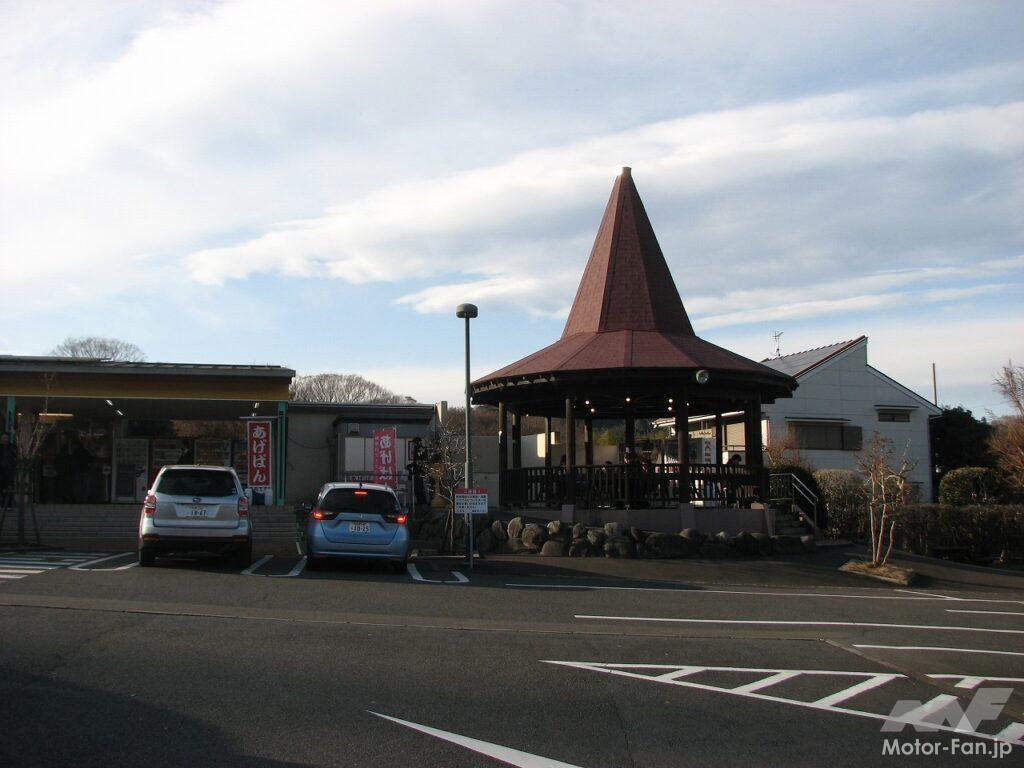
Many people stop by during their drives or tours, and there are often long lines on weekends.
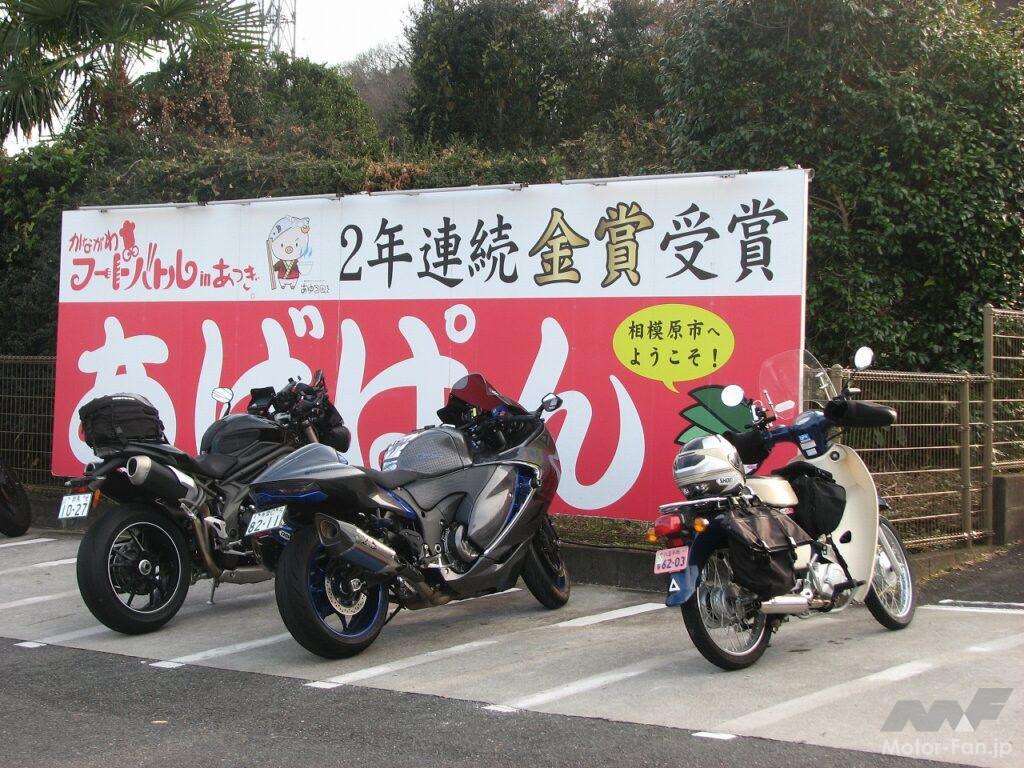
The Ogino Pan main factory store also has parking spaces for motorcycles.
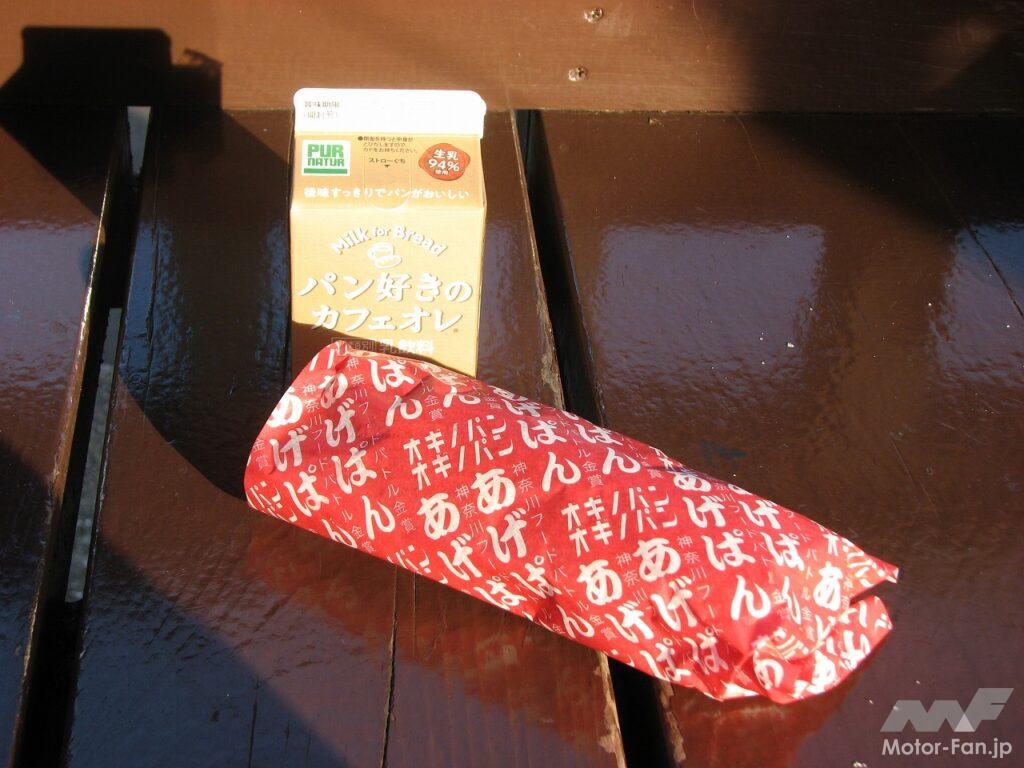
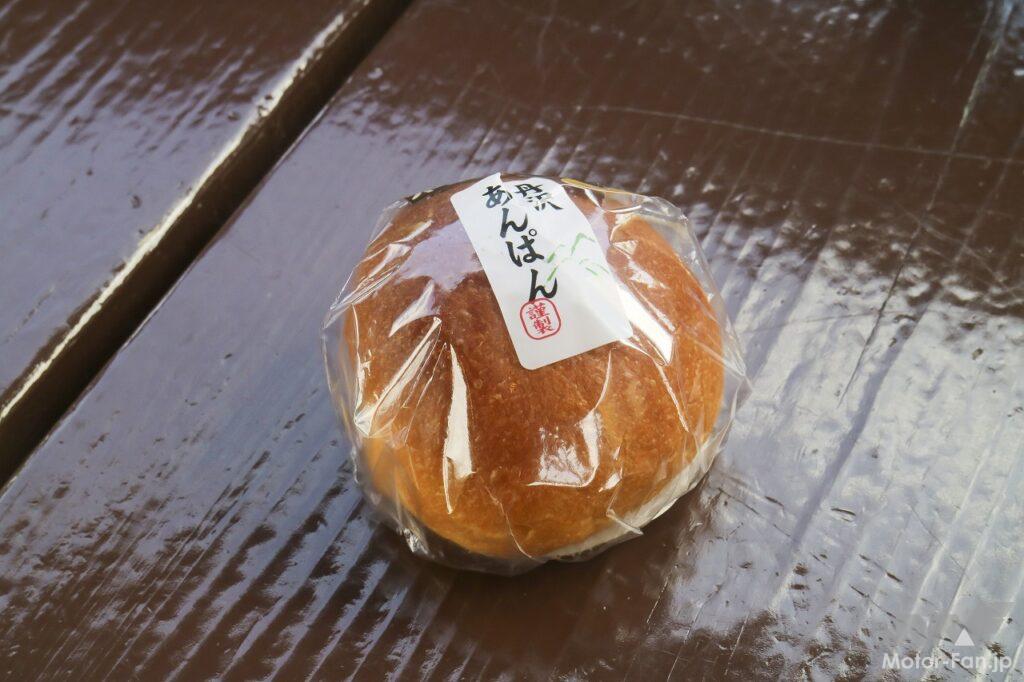
For lunch, I chose the specialty fried bread (150 yen), Tanzawa anpan (160 yen), and a cafe au lait (194 yen) for bread lovers.
I finally took a breather once I got onto National Route 412. After a smooth five-minute ride on my Super Cub, I arrived at the Ogino Pan headquarters and factory just before the intersection with Kitagishi Forest Road. The shop houses a direct sales store and eat-in space, and is extremely popular with locals and tourists alike, resulting in parking jams on weekends. It's also popular with riders, with a well-maintained bicycle parking area. This trip took place on a weekday, and there were plenty of cars and motorcycles parked there. It was lunchtime, so I decided to stop by Ogino Pan for lunch. I chose their famous deep-fried bread, Tanzawa bean bun, and a cafe au lait for bread lovers. I didn't feel guilty about eating too many sweets and consuming too many calories.
The circular road is a refreshing route with a view of the lake
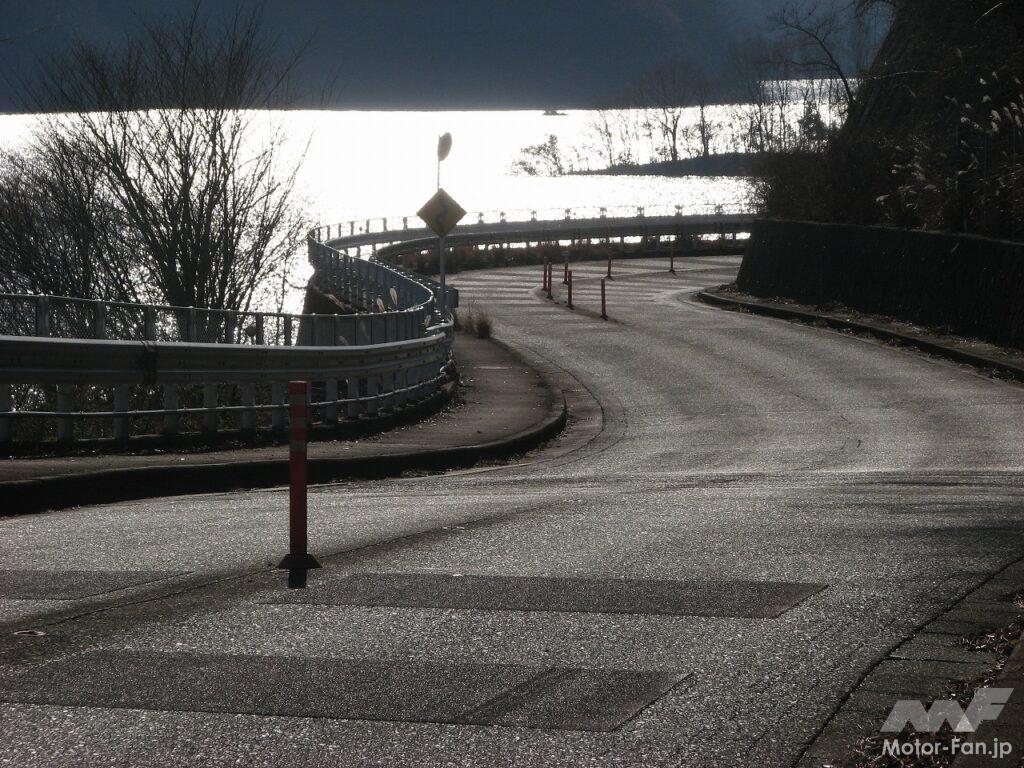
Although the Kitagishi Forest Road is a normal two-lane paved road, the road surface was wet in the shaded areas. Be careful when touring in winter as it may freeze.
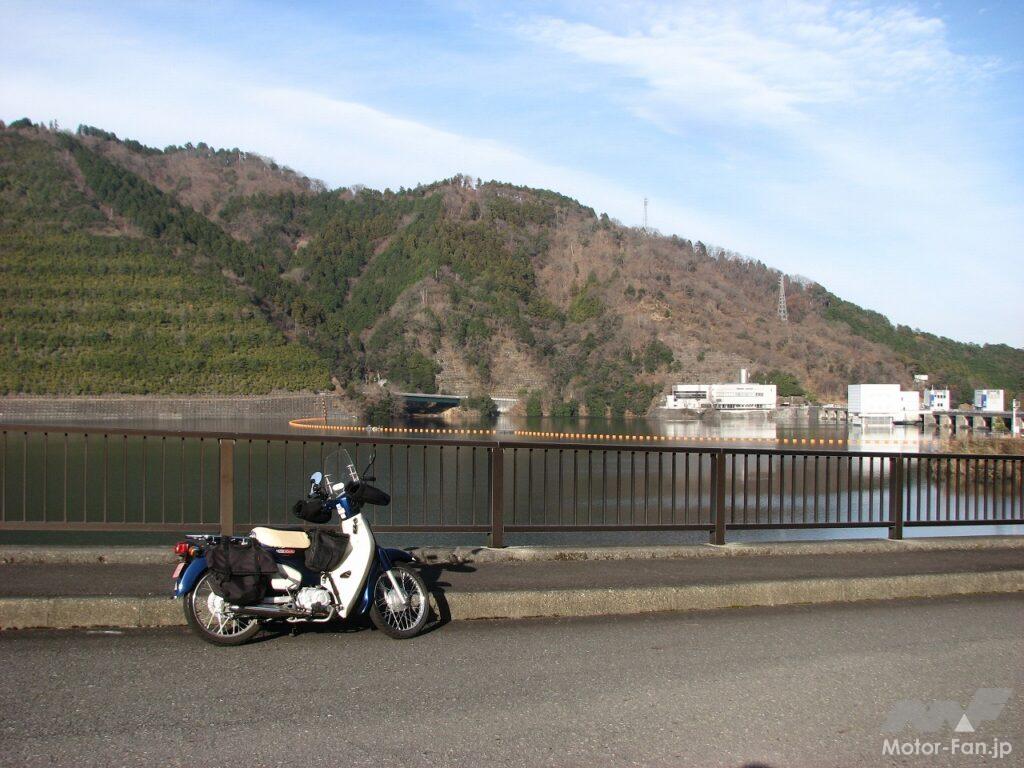
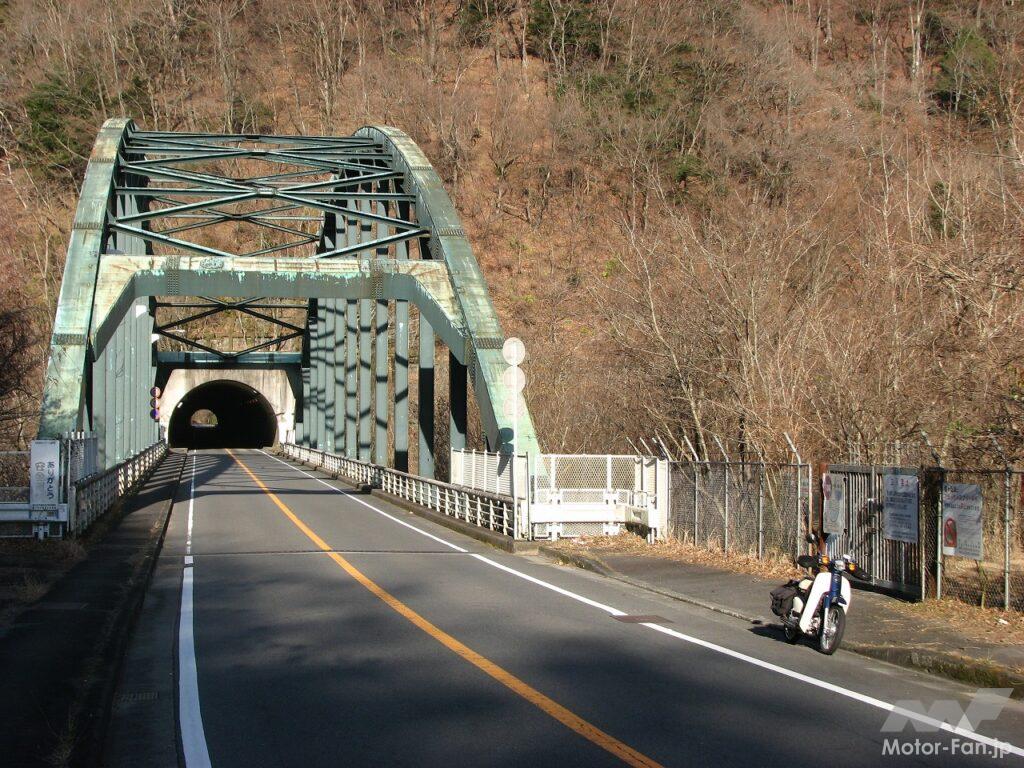
After passing through the two tunnels, Niraone and Aoyama, the lake appeared before your eyes. The road winds through the folds of the mountains with a lot of curves, but on a motorcycle, this is all the more enjoyable. Leaning my Super Cub left and right, I carefully navigated the curves and soon arrived at Toriibara Park. This scenic spot is visited by many cars and motorcycles on weekends, and is also home to Toriibara Fureai no Yakata, a restaurant and souvenir shop. There is also a motorcycle-only space in the parking lot, which is free to use.
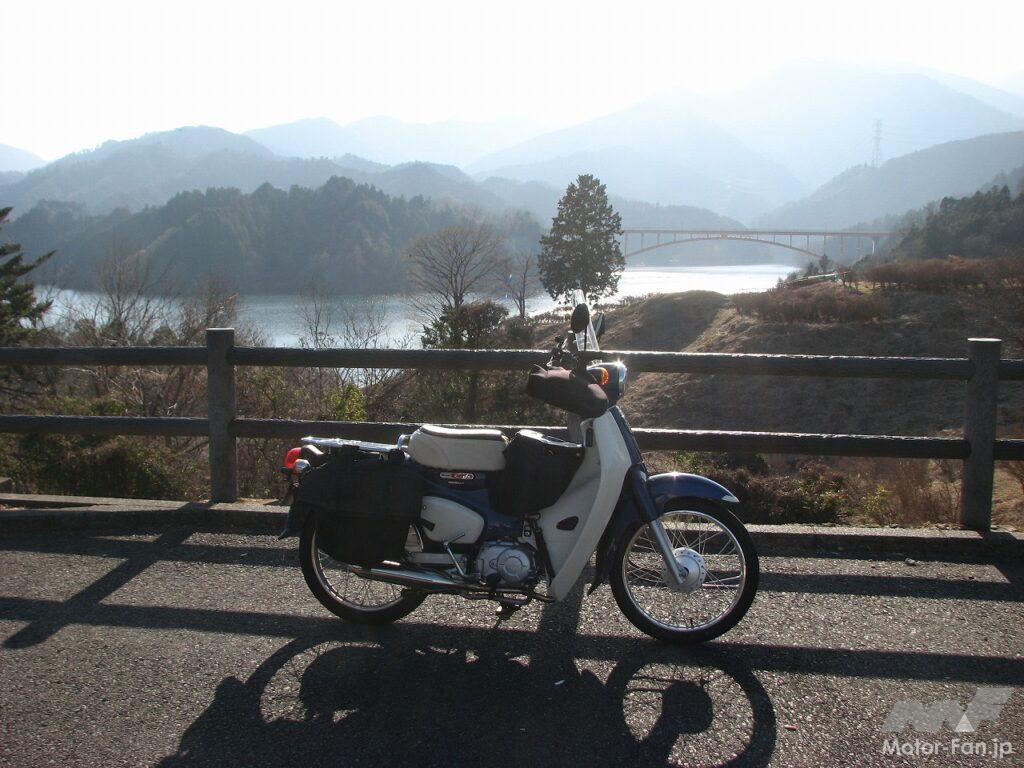
Toriihara Park is also a viewpoint overlooking Lake Miyagase
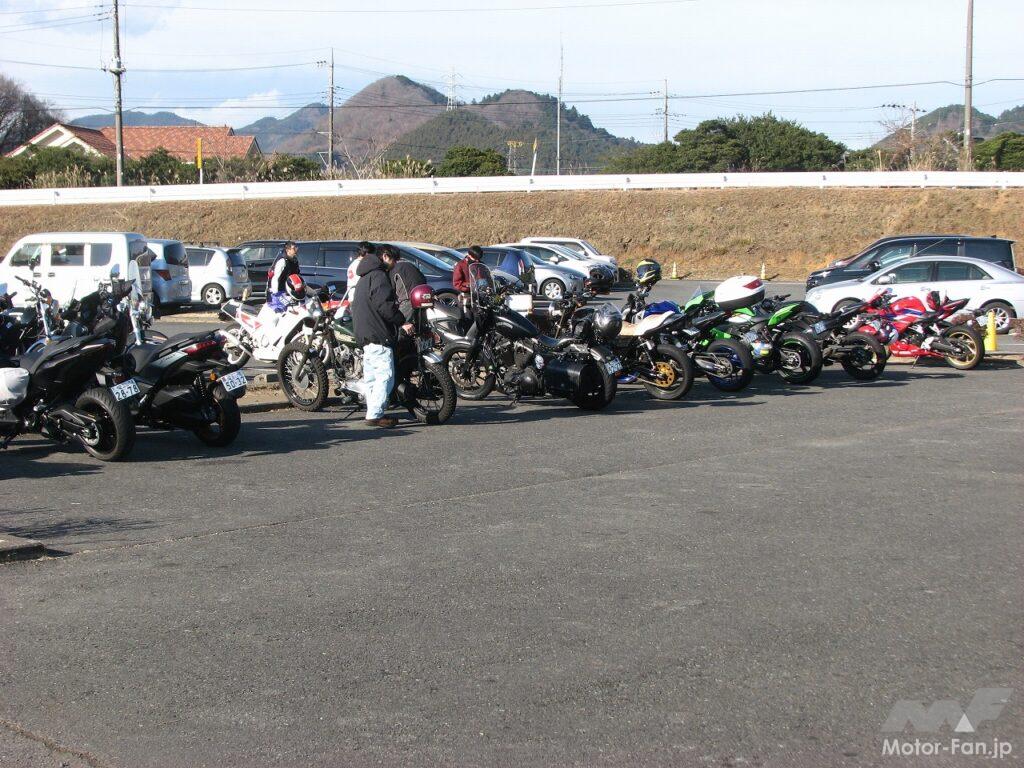
The parking lot at Toriihara Park has a dedicated parking space for motorcycles, which is free to use.

At the end of the promenade from the parking lot at Toriihara Park, you will come to the observation deck on the cape.

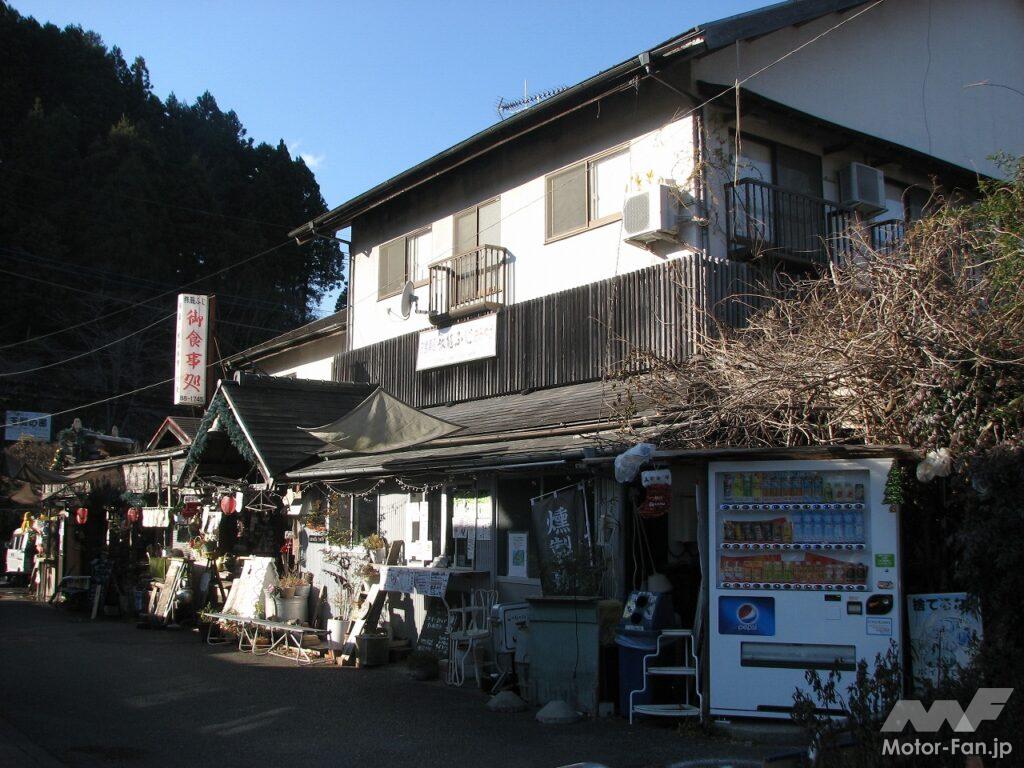
Toriibara Fureaikan, which has souvenir shops and restaurants
From here, Prefectural Route 64 takes you across the Rainbow Bridge to the Miyagase Lakeside Park Water Village area, home to the largest concentration of tourist facilities. Lined with restaurants and offering expansive views, it's popular with holidaymakers. Of course, there's also a motorcycle parking lot, though a 100 yen fee applies on weekends and holidays. Continuing along Prefectural Route
64, take the right onto Prefectural Route 70, which crosses Ybitsu Pass, and continue for a while. Incidentally, the route via Ybitsu Pass towards Hadano is also a popular touring route, although it's closed this winter. The road is narrow in places, but it's perfect for riding a Super Cub, so I'm thinking of taking it for a ride when the weather warms up.
ADVERTISEMENT

Miyagase Lakeside Park Mizuno Sato is the park with the most tourist facilities on the shores of Lake Miyagase. There are many restaurants and the plaza with a great view is very popular with families, couples, and solo travelers. Motorcycle parking is free on normal weekdays.
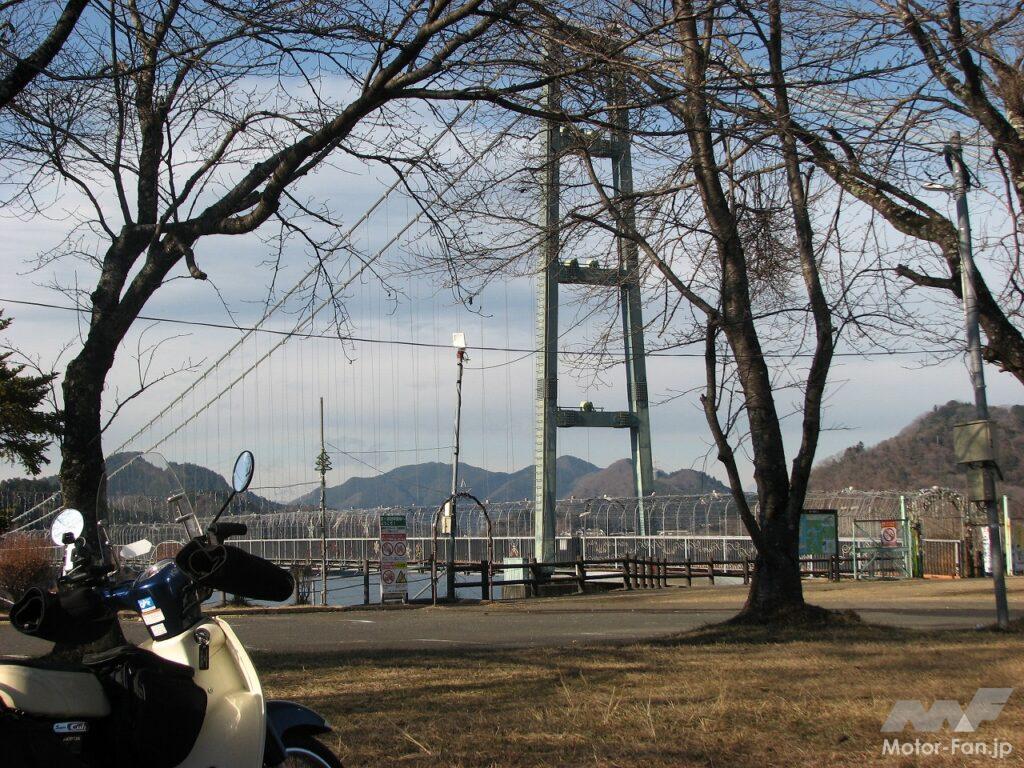
After crossing the Yamabiko Bridge, Prefectural Route 64 is on the right at the T-junction. Turn left and follow Prefectural Route 514. After about 1 km, you'll come to a road on the left that leads to the dam site. There's a security guard at the entrance who instructs you to park your motorcycle at the very back. As expected, there's a motorcycle parking space at the very back of the parking lot. On weekends, it can get crowded and you can't get in by car, but motorcycles are always welcome. It's free. The parking space is also the closest to many facilities, so it was a great way to avoid a long walk. I spent
a relaxing afternoon touring the Water and Energy Museum at the dam site and enjoying views of Lake Miyagase from the observation hall and observation tower. The Water and Energy Museum houses a water museum on the first floor and a dam gallery on the second floor. The Lakeside Cafe on the first floor serves meals like the popular dam curry. I didn't eat here because I had already had lunch at Ogino Pan, but I did try to learn about water and electricity from the various exhibits in the museum. I heard that recently, many riders are enjoying touring around dams.
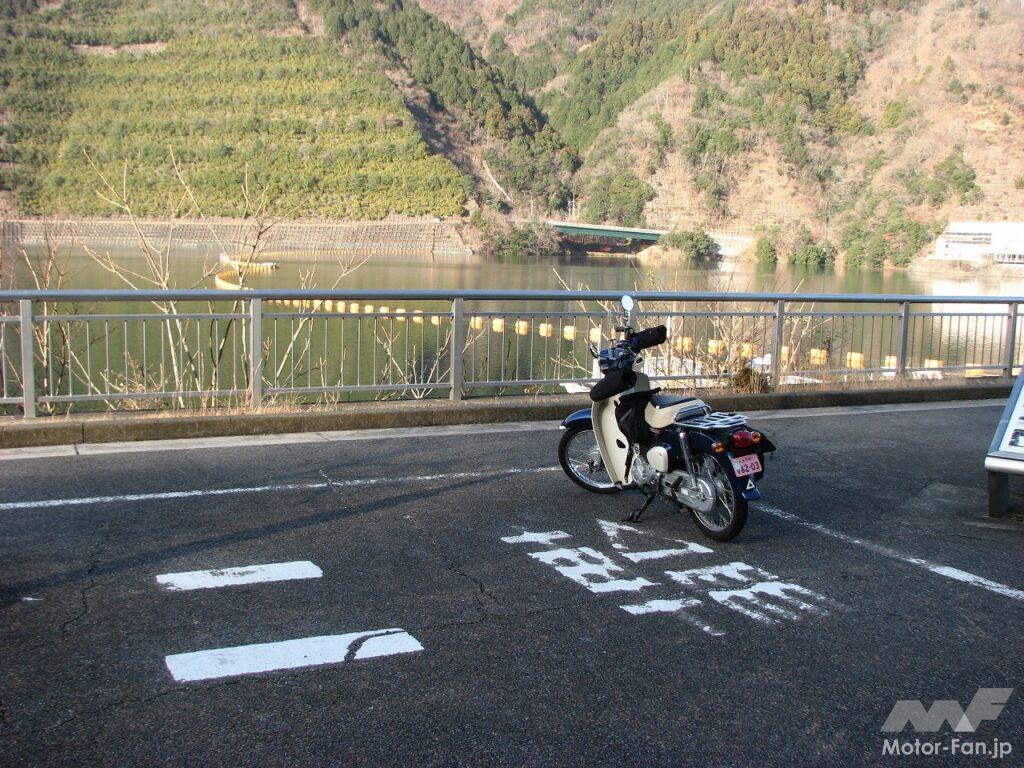
There is ample motorcycle parking at the dam site.

Lake Miyagase offers beautiful scenery in every season

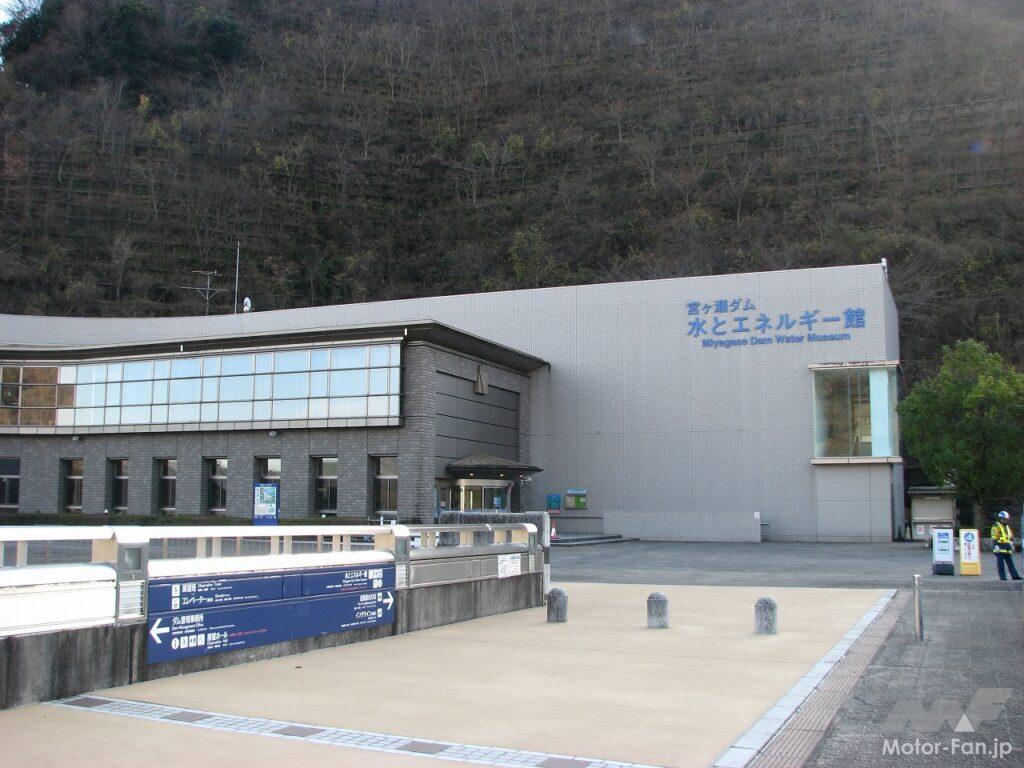
At the Water and Energy Museum in the dam site area, you can learn about dams. There is also a restaurant where you can eat dam curry.
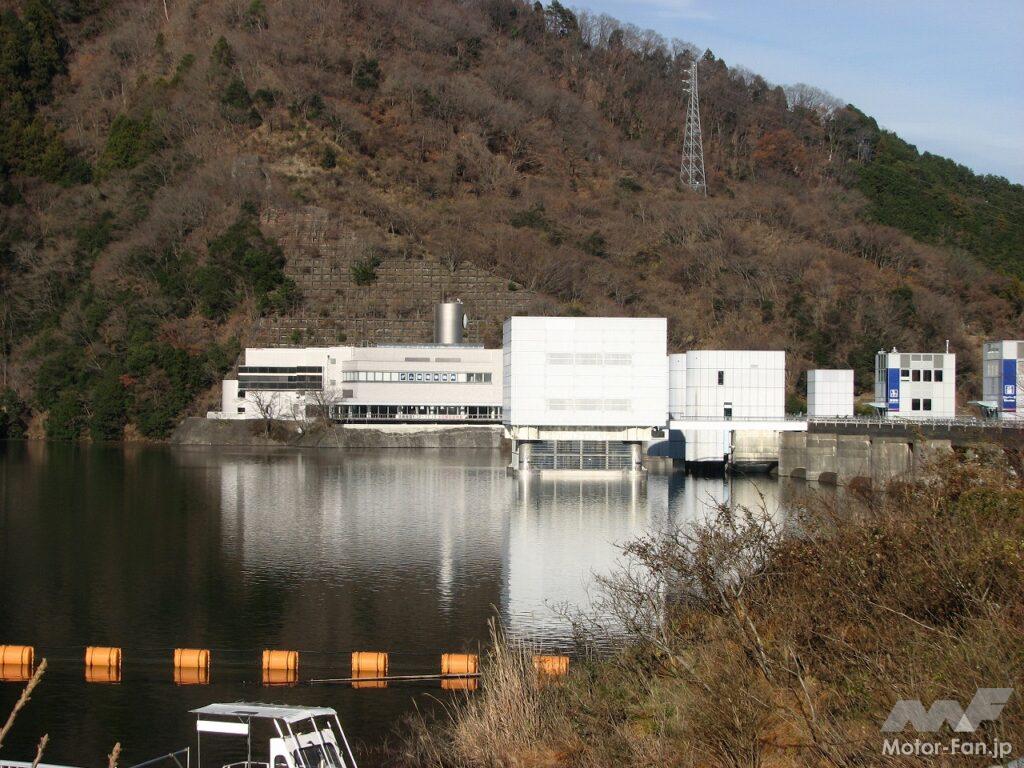
The first floor of the dam management office is an observation hall with a view of the lake, and you can enjoy the view from inside the building. You can also purchase a dam card here.
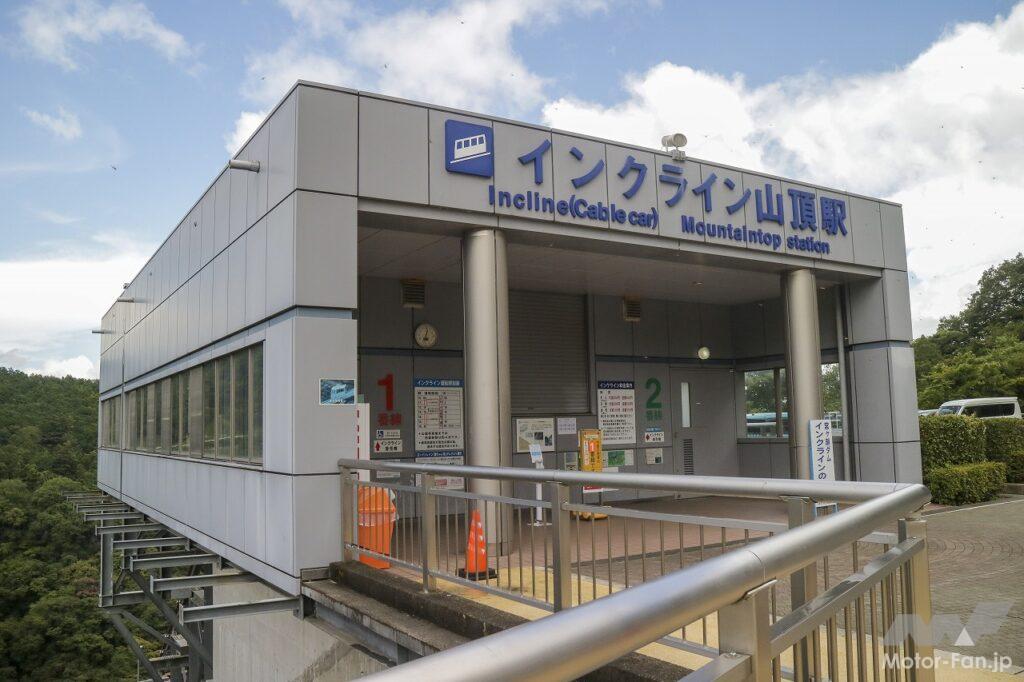
At the large Miyagase Dam, you can travel between the top and bottom of the dam using a large elevator and an incline cable car with a maximum gradient of 35 degrees.

The elevator in the center of the dam is free to use. On the other hand, the incline costs 400 yen for adults one way, but you can enjoy the impressive scenery passing right next to the dam.

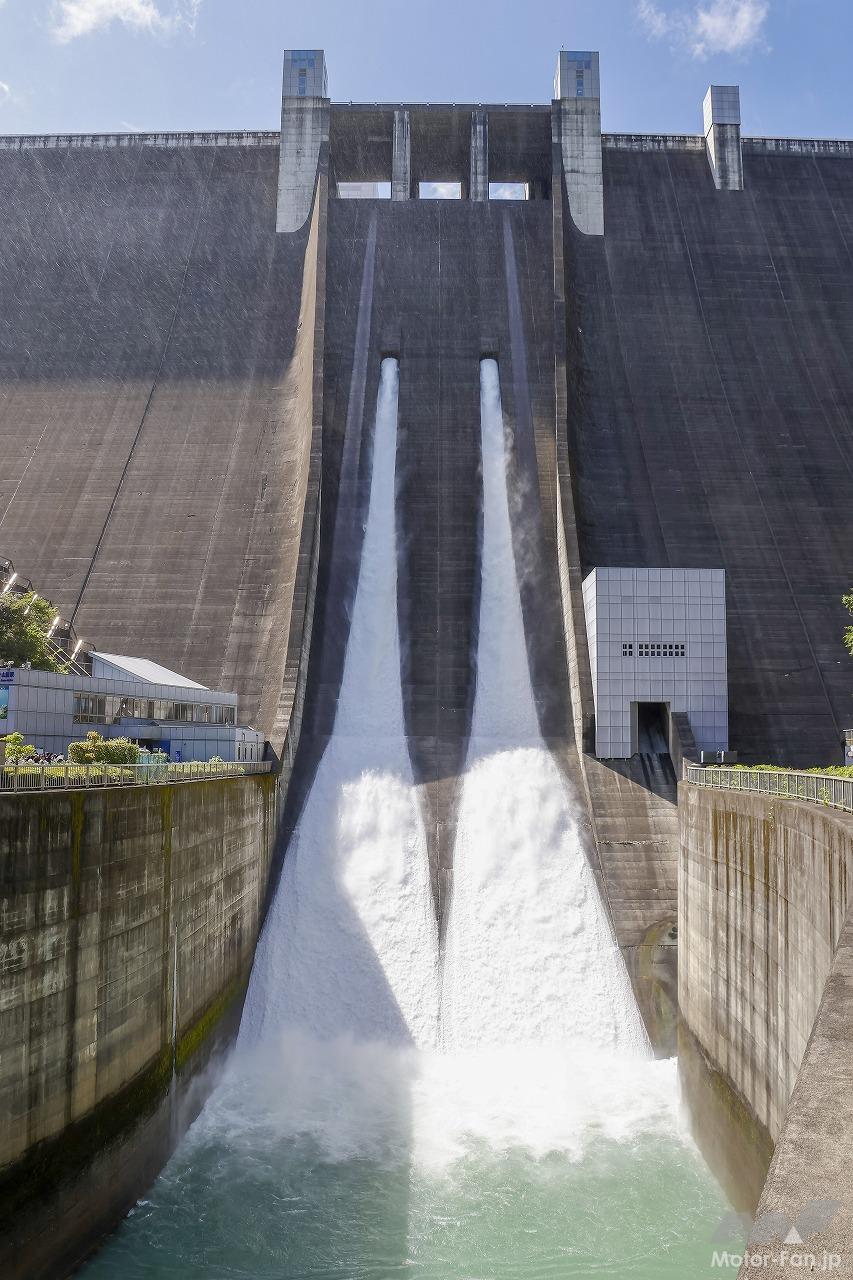
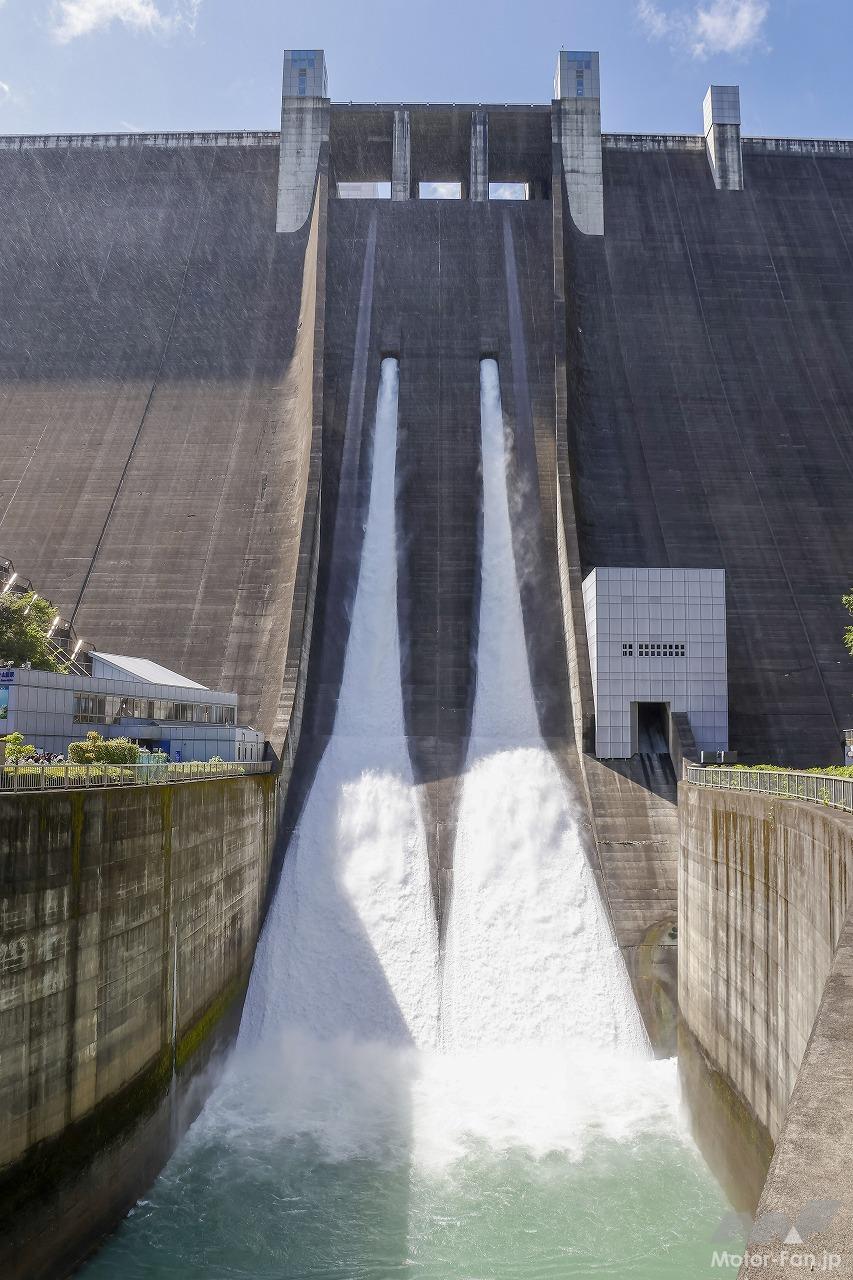
Miyagase Dam, with a height of 156m, is a gravity concrete dam that is the second highest in the Kanto region. A little downstream is Ishigoya Dam, which was completed at the same time and has a height of 34.5m, and water is released for tourists twice a week at 11am and 2pm on Wednesdays, the second and fourth Fridays, and the second Sunday of every month. Below the dam, you can watch the impressive release up close and enjoy the mist. The tourist release does not take place from December to March.
After enjoying the charm of the dam, I headed back on Prefectural Route 514 and merged with National Route 412 to head home. I passed Ogino Pan on the way, and as usual, there were many cars and motorcycles parked there.
Lake Miyagase is a popular touring spot, and it has a good selection of tourist facilities and a variety of fun roads to ride. What's more, it's close to Tokyo, so it's appealing that you can come whenever you want. Once again, I was reminded that this is the perfect place for touring on a Super Cub. The cost of this trip was about 500 yen for food and about 280 yen for gas for the 82 km I drove. Because I was riding in traffic, my fuel economy was not great, at about 50 km/L.












![[Izu City, Shizuoka Prefecture] A great touring spot to visit by motorcycle | Passing the Amagi Pass through central Izu.](https://motopeek.com/wp-content/uploads/2025/11/4734-1762339049801.jpg)