
![A leisurely Cub tour along forest roads to visit temples and shrines in the mountains [Part 4: Hanno City, Naguri]](https://motopeek.com/wp-content/uploads/2025/01/3797-1760876667747.jpg)
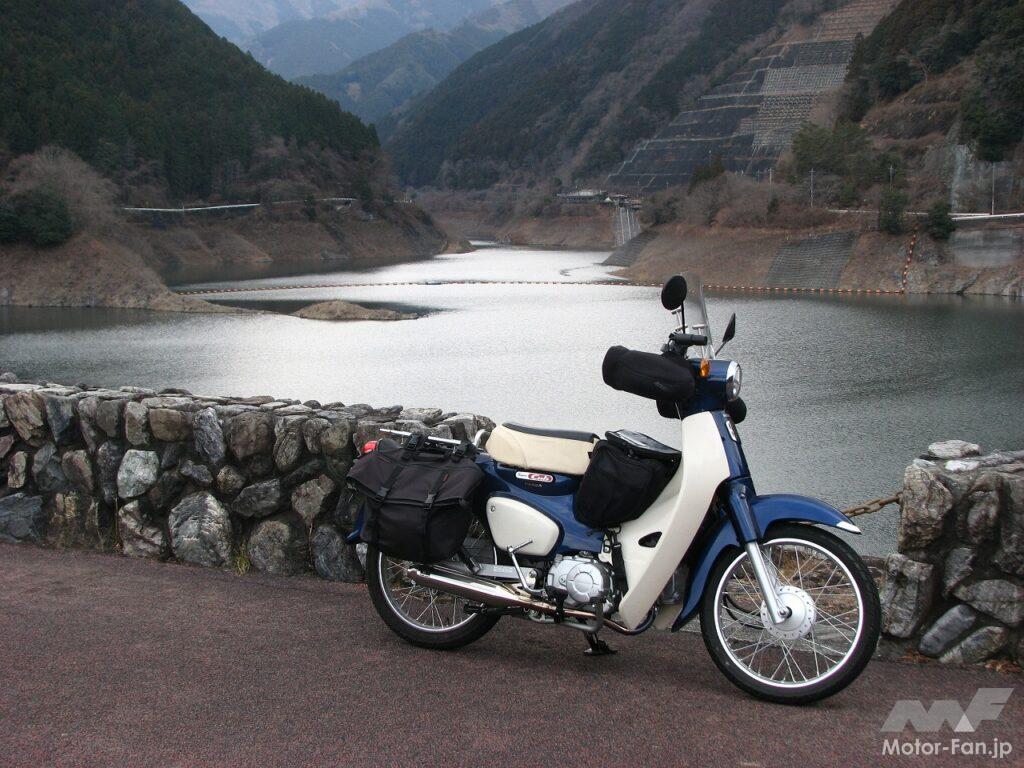
We enjoyed the Naguri circular route that connects prefectural roads and forest roads.
One of my favorite routes to Chichibu is Prefectural Route 53, which runs from Ome. This road connects to National Route 299 near Ashigakubo, passing through Ome City and Naguri. Traffic is extremely light, making for a refreshing ride. However, the road is narrow near the pass, with a series of sharp curves, making it difficult to pick up pace. It's precisely because of this that few cars pass through, making it a pleasant road for motorcycles. This time, I explored the Naguri area of Hanno City along the way.
I usually take the prefectural route from Ome, but I prioritized visiting two temples and shrines in the mountains, so I took Prefectural Route 70, Hanno-Shimonaguri Line, from Hanno City. The route from Tokyo to Hanno City is mainly a main road, so traffic is heavy and I often get caught in traffic jams, making for a rather tedious ride. However, once I got onto Prefectural Route 70, the traffic suddenly improved, which was a relief.
Prefectural Route 70, running along the Irumagawa River, weaves through the Oku-Musashi mountains. From Haraichiba, we head north along Prefectural Route 350 Minami-Hanno Line. The road narrows suddenly, and there's no center line. As we continue, the scattered houses become fewer and fewer, and we gain altitude and finally enter the mountains. By this point, due to winter, there are no cars on the road. This is not recommended for riders who like to be lonely.
The road forks at a Jizo statue. Prefectural Route 350 is on the right, but we take the forest road on the left. Up the forest road is Takedera, our first destination.
The road through the dense forest was wet, though not frozen, and there were rockfalls here and there. Along the way, the Haraichiba-Naguri Forest Road branches off to the left, but it has been closed for a long time due to a collapsed road. I've ridden this road once before, and I remember the views from near Nitayama Pass being spectacular. Continuing toward Takedera, we came across a sign that said "Traffic Lights Ahead." The road is so narrow that it is difficult for cars to pass each other, so it is made one-way by traffic lights. After passing this one-way section, the road becomes unpaved and you pass through a grass circle before arriving at Takedera's parking lot.
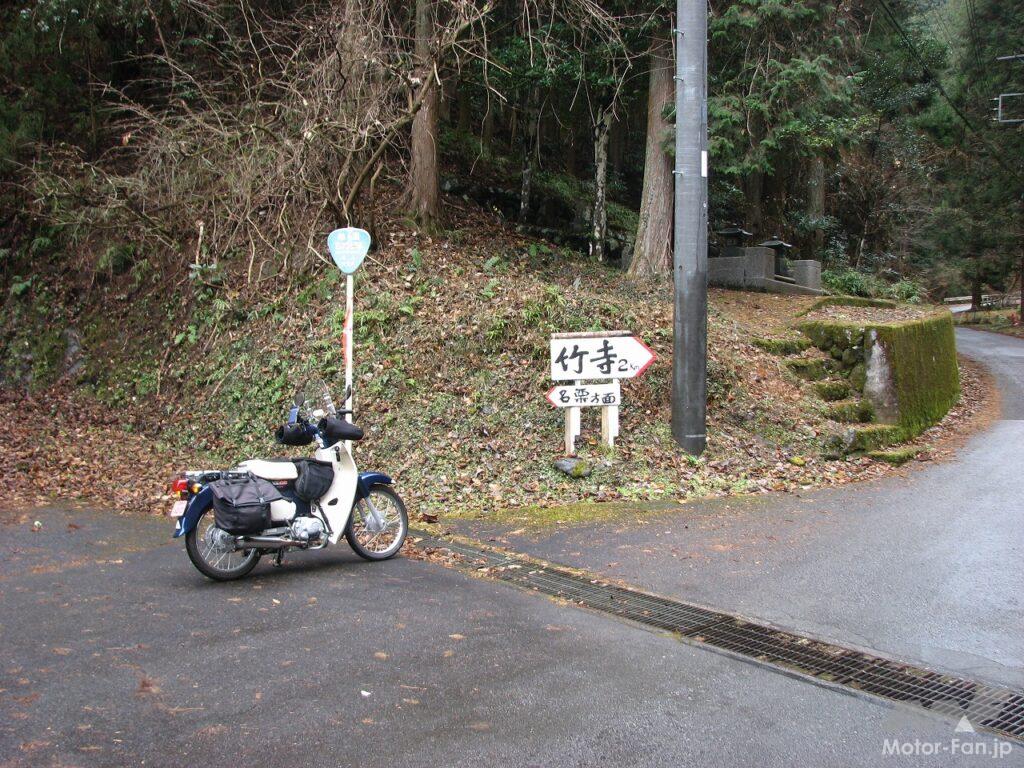
The paved forest road leading to Takedera Temple. The combination of wet road surface and fallen leaves makes it quite slippery.
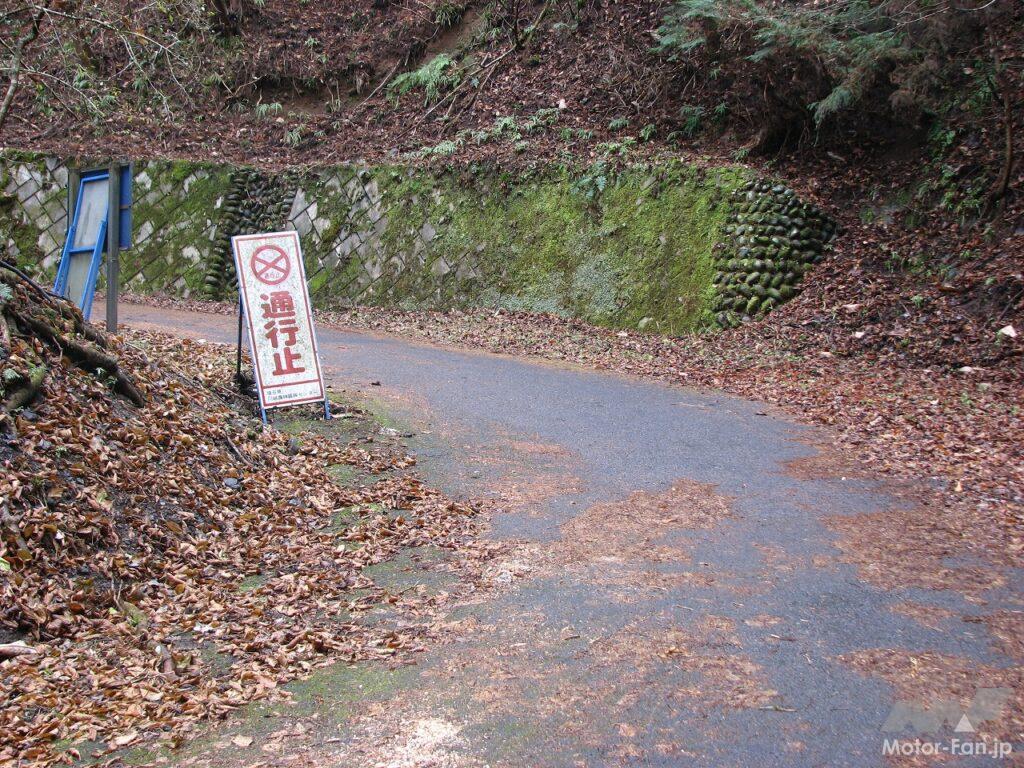
Along the way, there is a branch off the forest road to the Haraichiba Naguri Line, and if you continue on this road you can get to Kami Naguri.

The forest road, Haraichiba Naguri Line, has been closed for a long time due to the collapse of the road surface. There is no prospect of restoration.
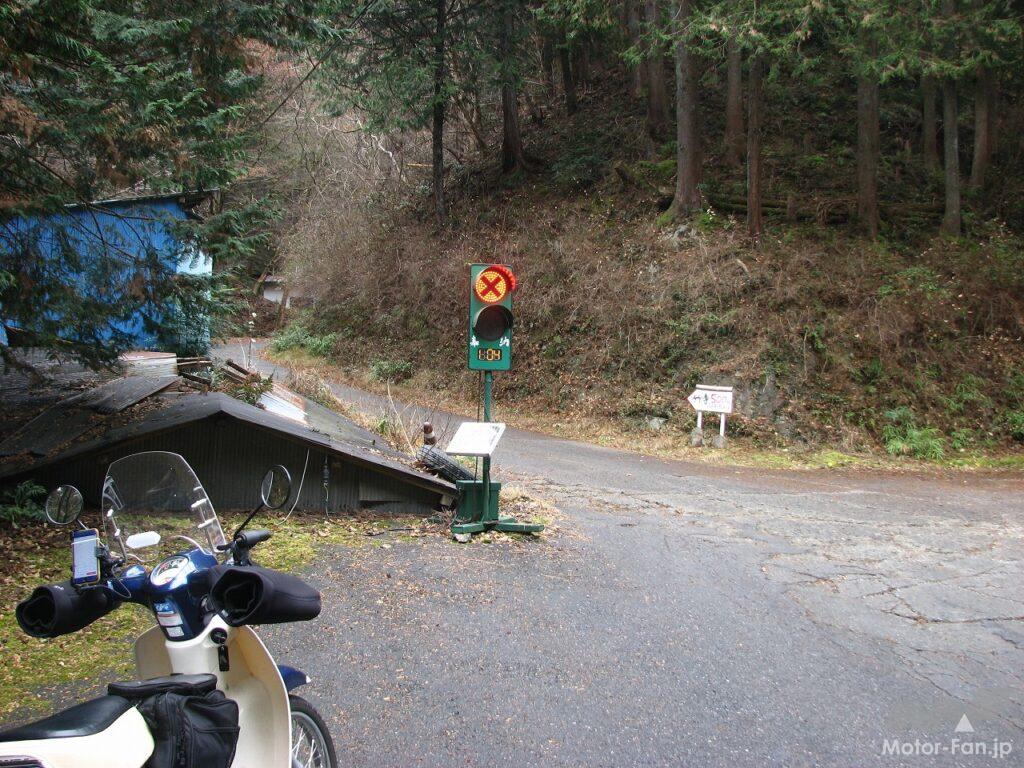
The final approach to Takedera Temple is a one-way street indicated by traffic lights as the road narrows further.
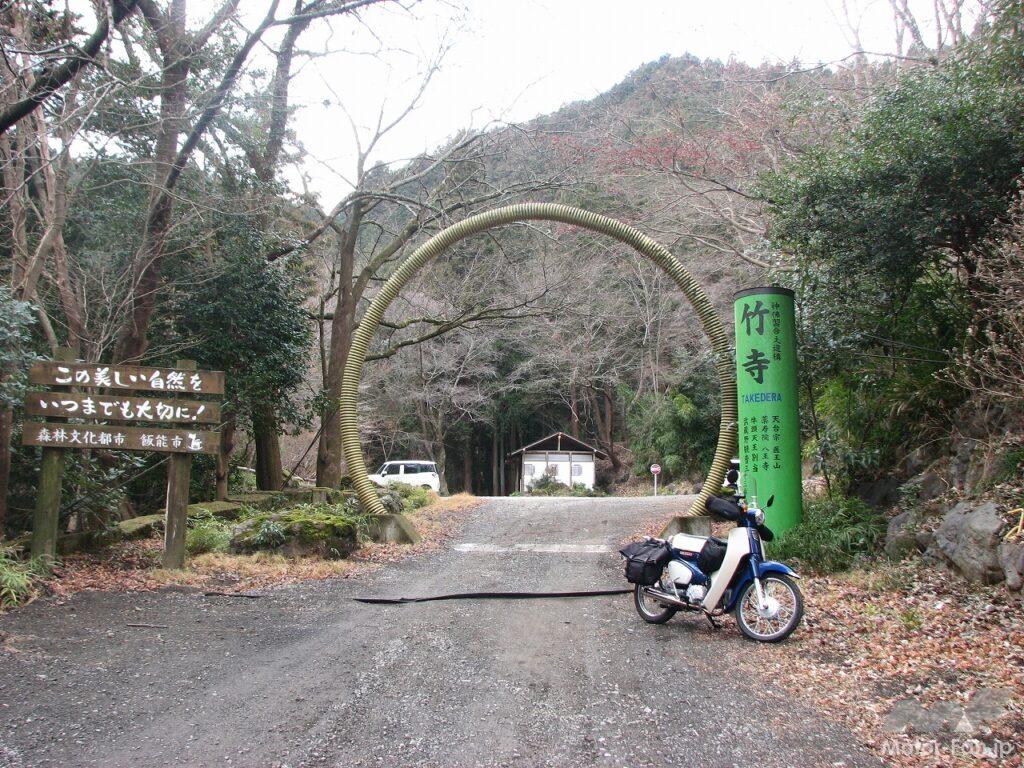
The entrance to the parking lot of Takedera Temple. The road eventually becomes unpaved, and you are greeted by bamboo sculptures and a straw circle.
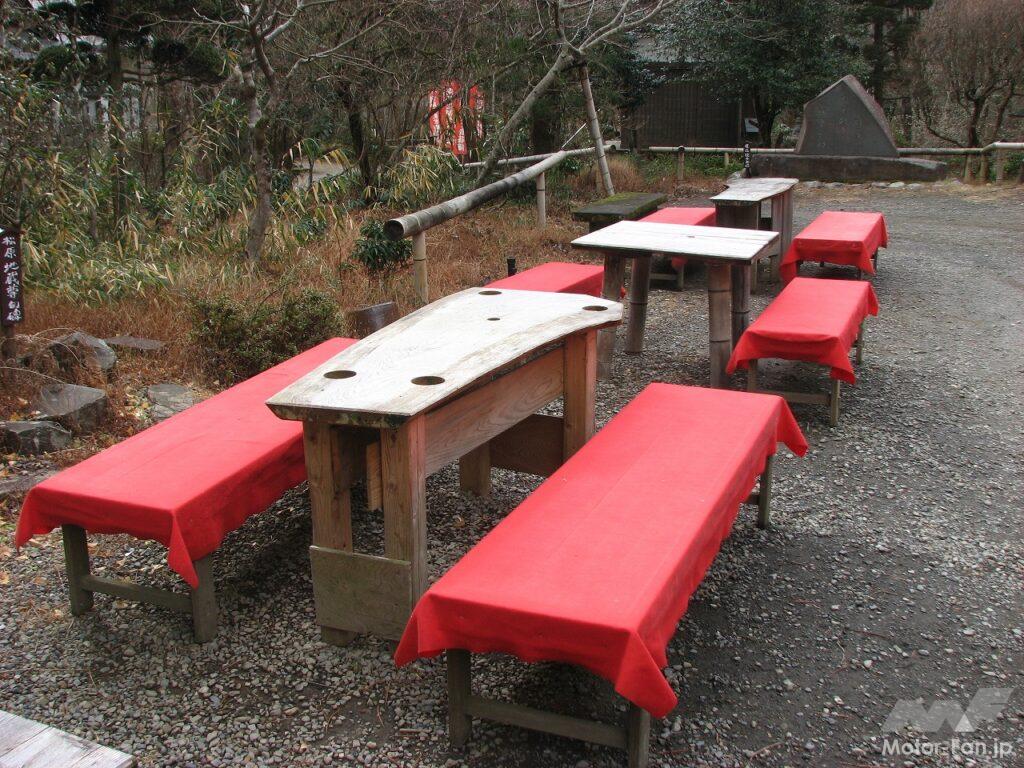
Takedera Temple, as its name suggests, is characterized by the beautiful bamboo groves that adorn its grounds, and its official name is Iozan Yakujuin Hachioji. It is a Shinto-Buddhist temple with a history of over 1,000 years as a training center for mountain worship. The principal deity is Gozu Tenno. At Takedera Temple, you can eat vegetarian cuisine (reservations required), light meals such as soba and udon noodles, and grilled dumplings, and there is also a souvenir shop. I had hoped to have lunch here if it had been open, but as it was the off-season, the shop was closed as expected.
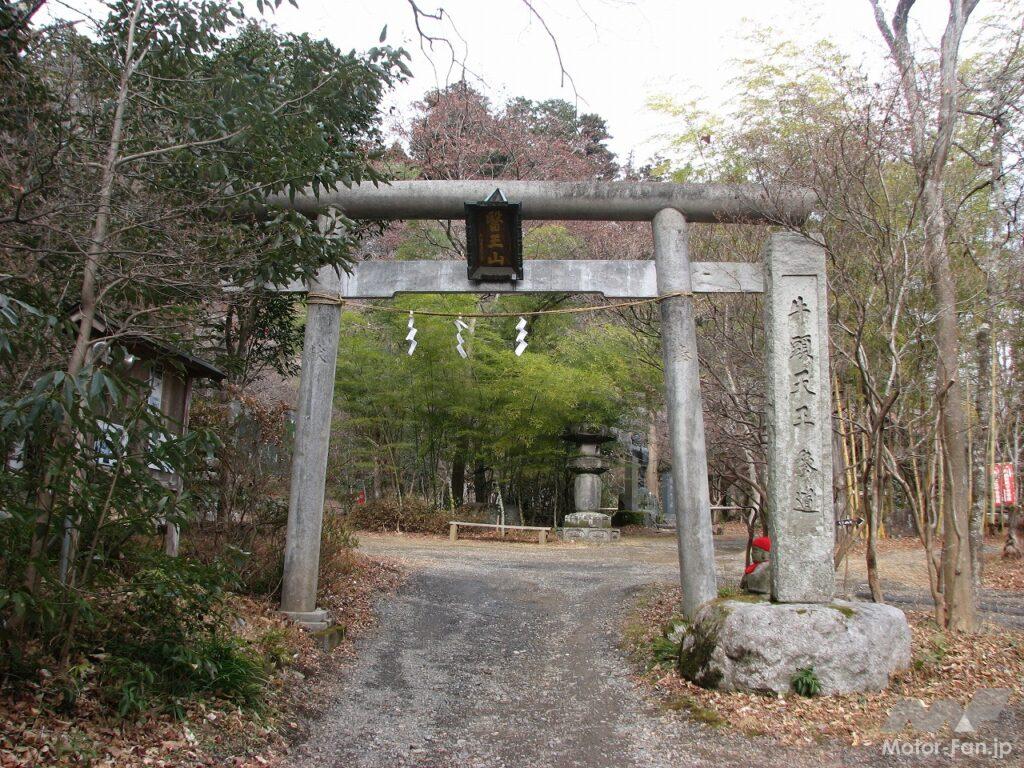
As it is a Shinto-Buddhist temple, there is also a torii gate.
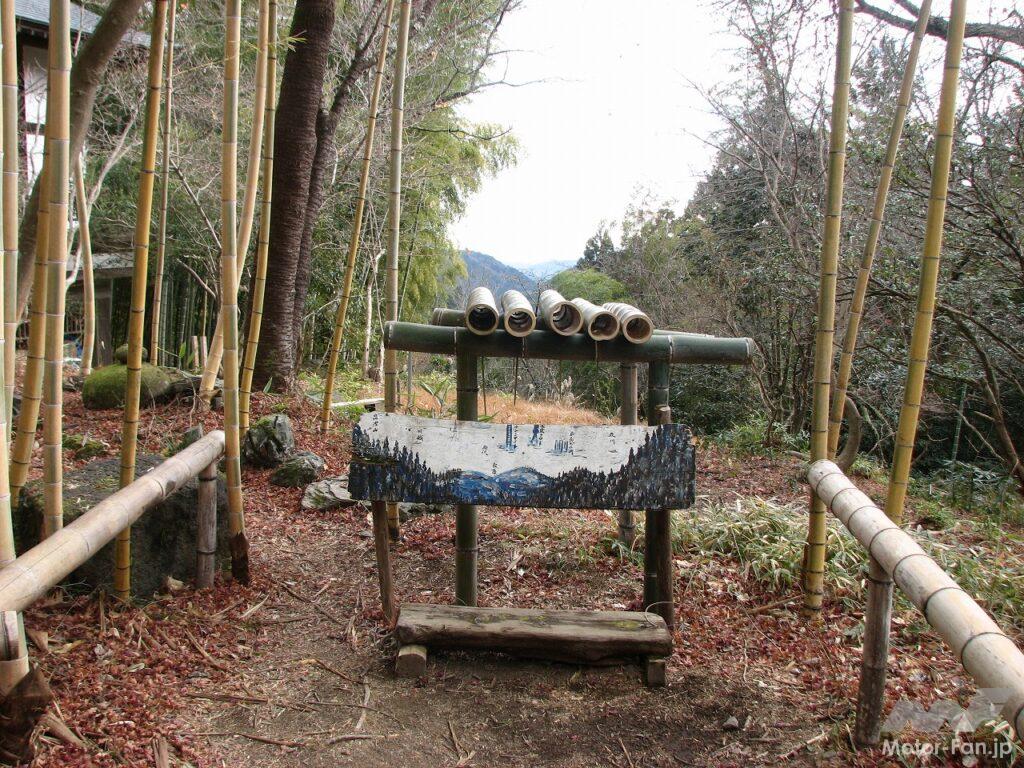
A bamboo telescope (without lens) is installed in the observation space.
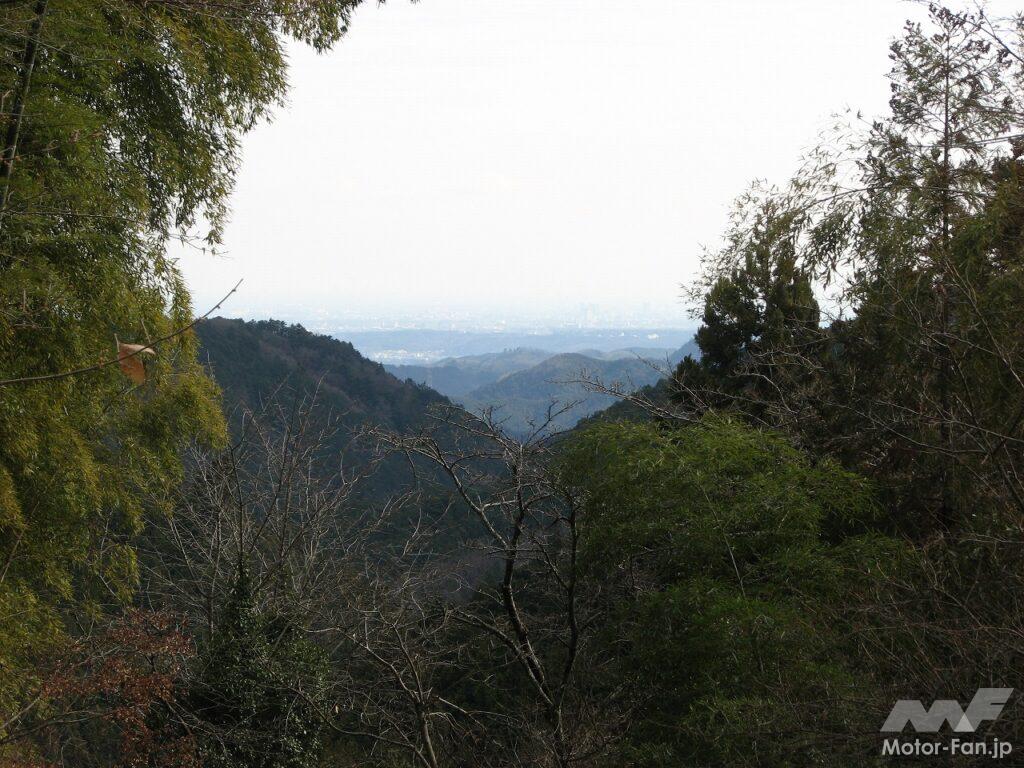
If the weather is good, you can see the city center in the distance
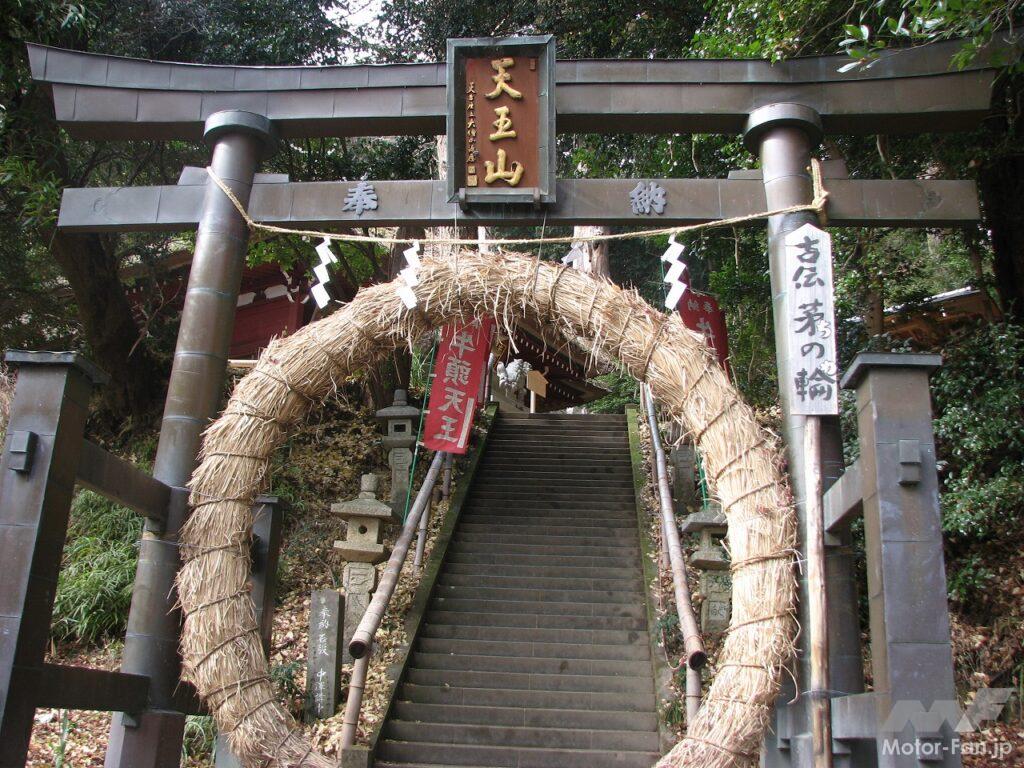
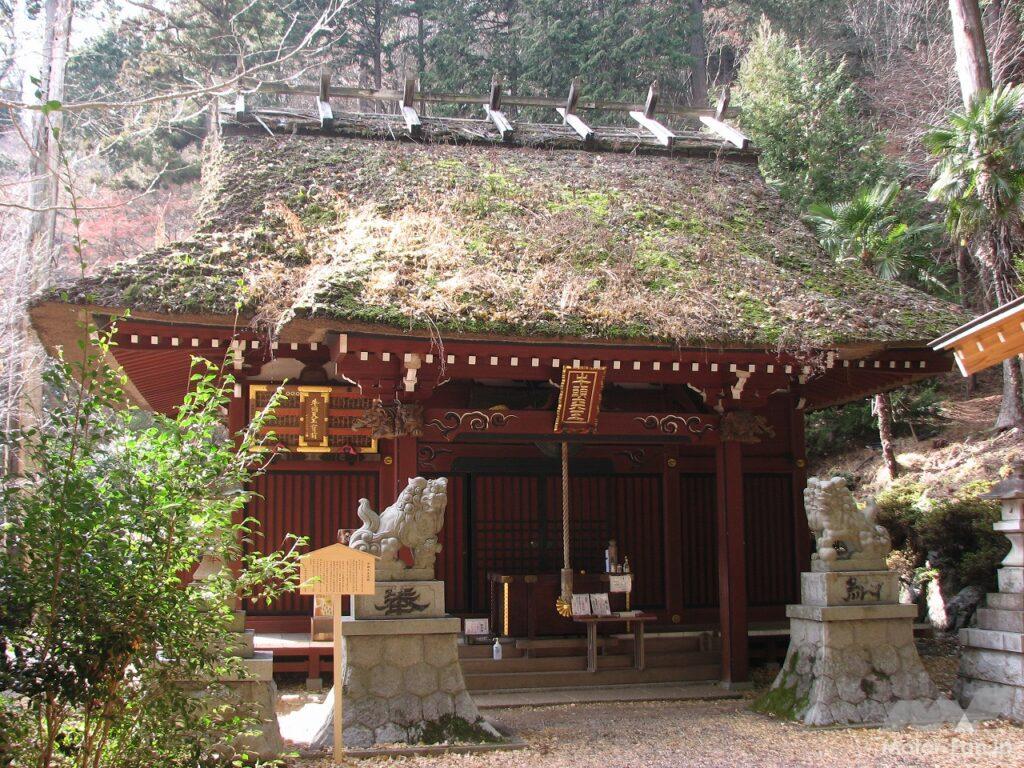
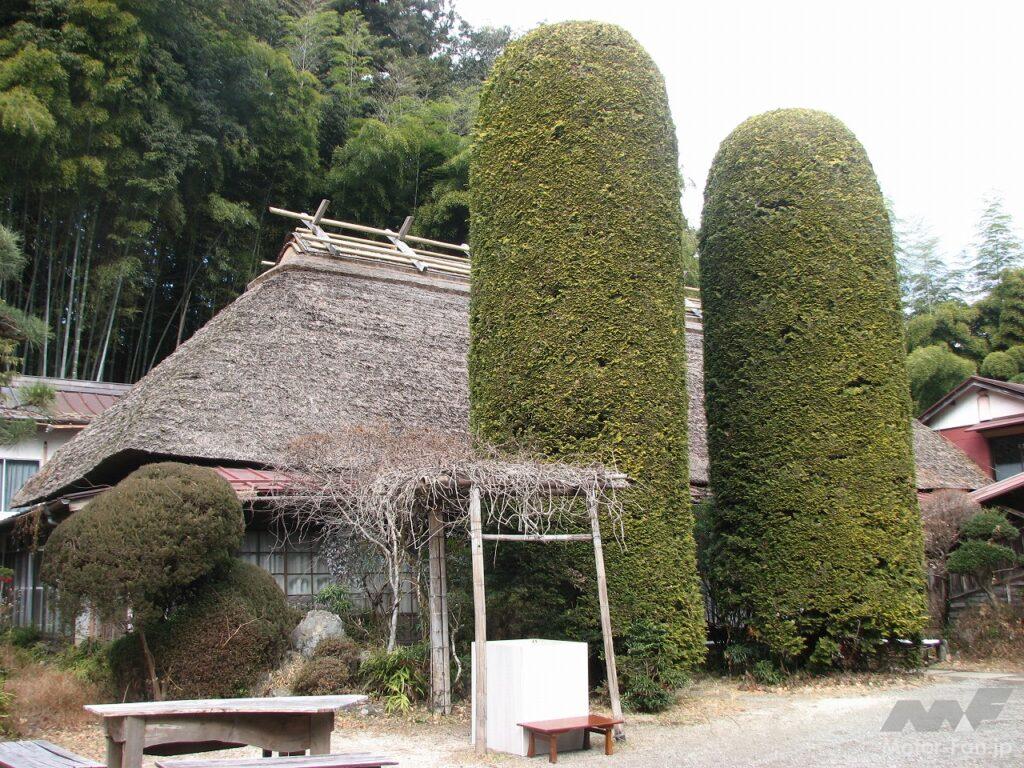
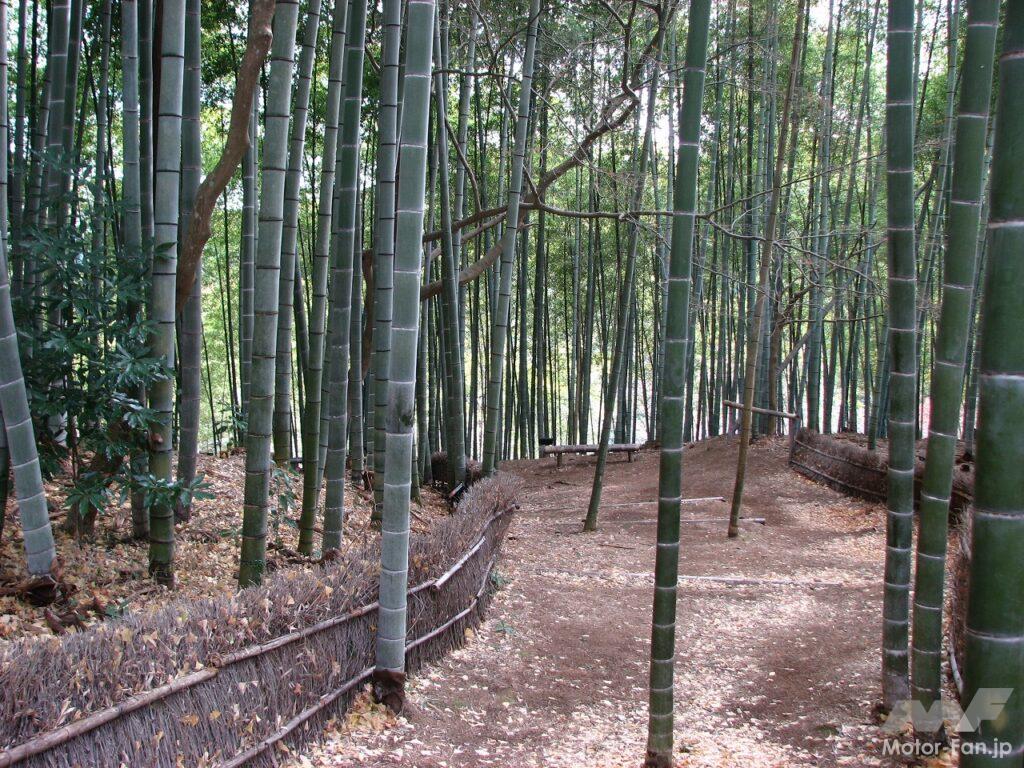
There is a bamboo forest path within the temple grounds where you can enjoy a leisurely stroll.

Bamboo lanterns are placed everywhere and lit up.
ADVERTISEMENT

The bamboo forest is decorated with various displays, so tourists and worshippers will never get bored.
If conditions are good, I stroll through the temple grounds, which offer views of central Tokyo across Saitama. Afterward, I hop on my Super Cub and head back down the forest road. When I reach the fork in the road near Jizo-son, I turn left. A little further on, I come across another fork. To the right is Prefectural Route 350, which merges with National Route 299 near Agano. To the left, as usual, is a narrow, paved forest road. Even so, I'm surprised to see so many houses scattered here and there, even in the mountains. I wonder how people get their groceries? I worry unnecessarily.
The mountain road soon becomes steep, rising in elevation. The incline is so steep with a series of hairpin turns that the inside of each curve feels like a daunting wall. Beginner riders are likely to tip their bikes over. Even my Super Cub needed first gear to climb this difficult terrain. Finally, at the top, I arrived at Ne-no-Gongen, a temple dedicated to the syncretic practices of Shinto and Buddhism. Its official name is Daiurokozan Tenryuji Temple, and like Takedera Temple, it has a history of over a thousand years. It is known as the god that protects the legs and hips, and a large iron straw sandal and a large pair of geta sandals are dedicated within the temple grounds. There is also a tea shop here, but it was closed. However, I was a little surprised to see that the shop across the street was open for business. After all, there were no worshippers there at all. From this Ko-no-gongen temple, you can see the city center across Saitama.
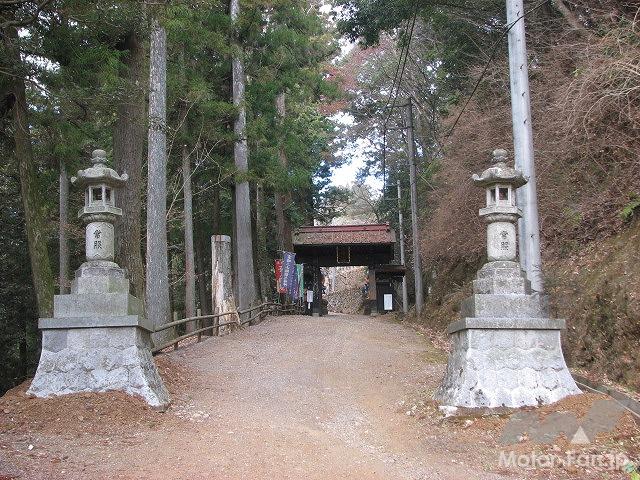
Nenogongen’s temple gate welcomes you with a lantern

Beyond the temple gate, the Nio statues are glaring at you.
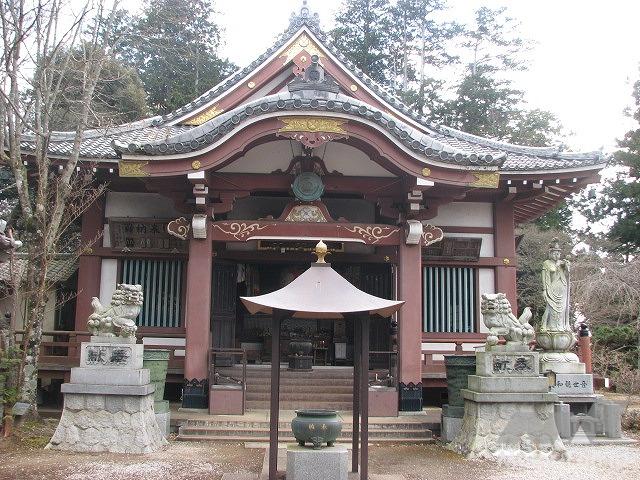

As this deity protects the legs and hips, the largest iron straw sandals in Japan are a symbol of faith.

Next to the iron straw sandals, there are also large pairs of geta sandals for couples.
After enjoying the two mountain temples nestled in Okumusashi, we headed down the forest road in the opposite direction to the one we took up to Ne-no-Gongen. This road is actually the main route to Ne-no-Gongen, and is slightly wider. That said, there are still a series of sharp curves, so you need to be careful. Turn left where it joins Prefectural Route 395 Minamikawa-Kami-Naguri Line. If you go right, you will come out onto National Route 299. Prefectural Route 395 is not much different from the forest road, and it is enjoyable with its annoying series of curves. After passing Tenmaime Pass, the road gradually descends and joins Prefectural Route 53 Ome-Chichibu Line.
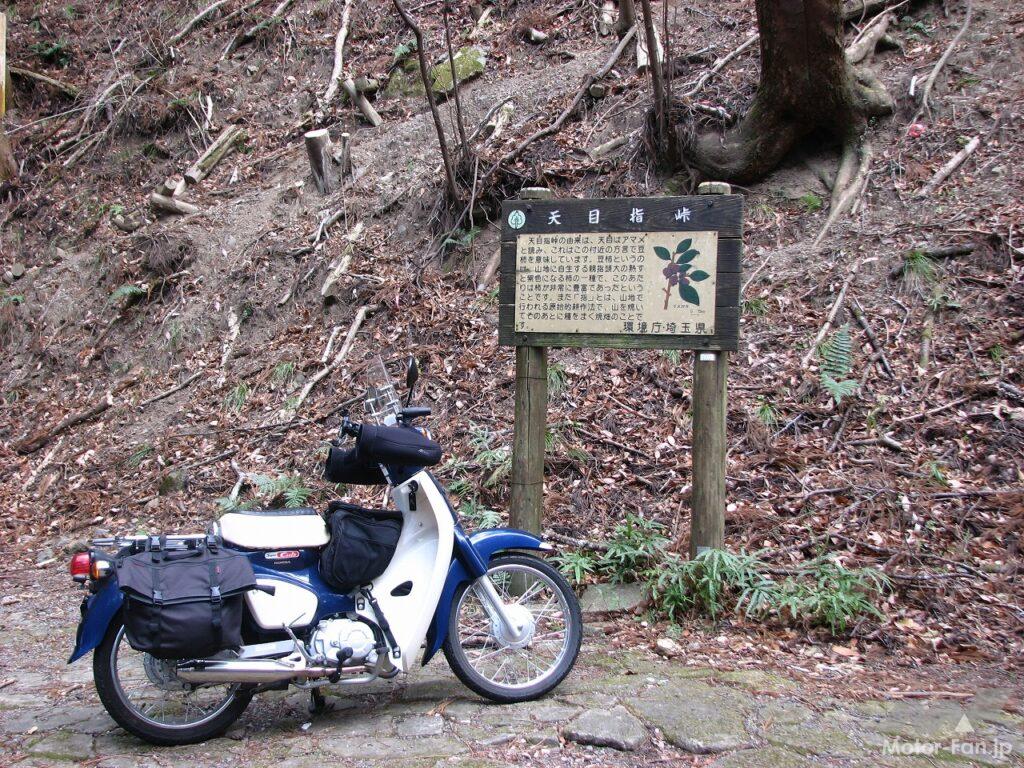
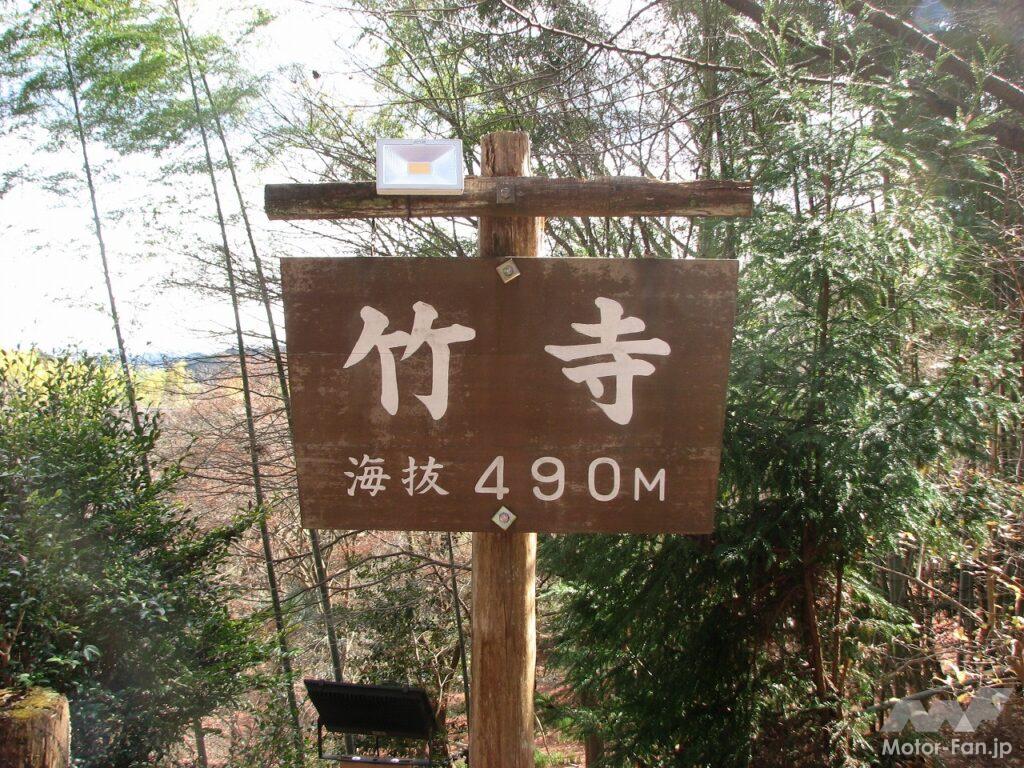
Tenmei Pass on Prefectural Route 359 Minamikawakami Naguri Line is 490m above sea level. It has long been an important pass connecting Agano and Naguri.

This nostalgic building was formerly a JA branch and is now a cafe.
We passed through the village of Kaminoguri on the familiar Prefectural Route 53 and turned left towards Lake Naguri. Lake Naguri is an artificial lake created by the rockfill Arima Dam, completed in 1986, where visitors can enjoy activities such as smelt fishing and canoeing. It is also visited by many holidaymakers on weekends and is a popular spot for touring riders. Even on this winter weekday, there were several motorbikes there. Downstream of the dam, there are glamping facilities such as Nora Naguri, and the day-trip hot spring Sawarabi no Yu, which are bustling with activity on weekends.
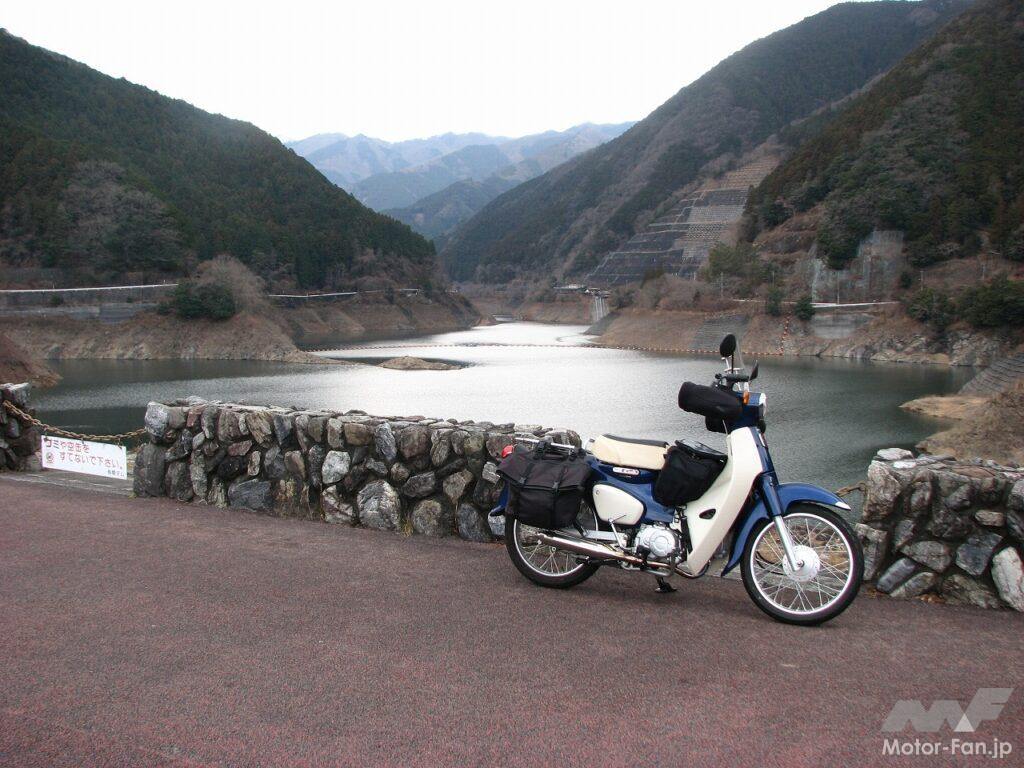
Lake Naguri was created by the rockfill Arima Dam. You can enjoy smelt fishing and canoeing here.
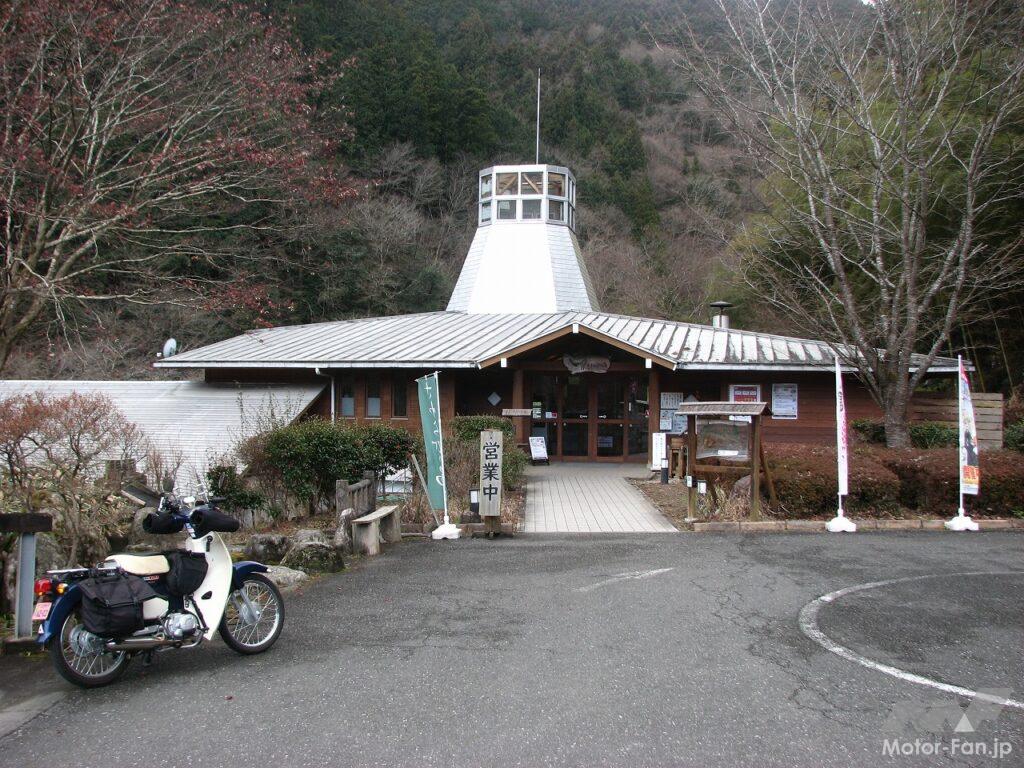
Downstream of the dam is Sawarabi no Yu, a day-trip hot spring facility popular with locals and tourists alike.
Although I was tempted to soak in a hot spring, I left Lake Naguri and headed toward Ome on Prefectural Route 53. At the corner of the intersection where Prefectural Route 70 meets, I found Fukufuku Garden, a cafe renowned for its plate lunches. I decided to have a late lunch there. From the menu, I chose the veggie keema curry, which I enjoyed with soup and salad.
Fukufuku Garden opened in Shimonaguri in February 2019. The owners, a married couple, were originally active as creators in advertising and magazines. It was Mr. Shiraishi, the husband, who, I'm not worthy of mentioning, designed one of my books, "A Tour of Abandoned Stations and Railways by Motorcycle." Incidentally, the owner of the cafe is his wife, Ms. Fukuda, and the name Fukufuku Garden is derived from her name.

Fukufuku Garden, which opened in Shimonaguri in 2019
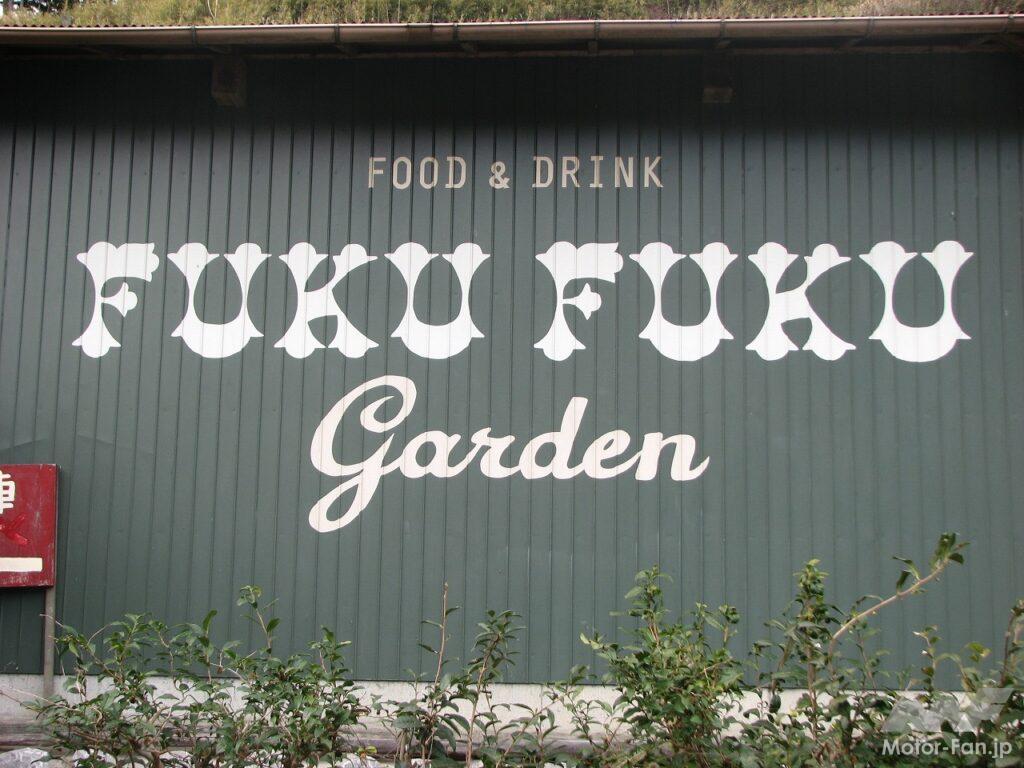
This store, housed in a renovated old house, is still evolving
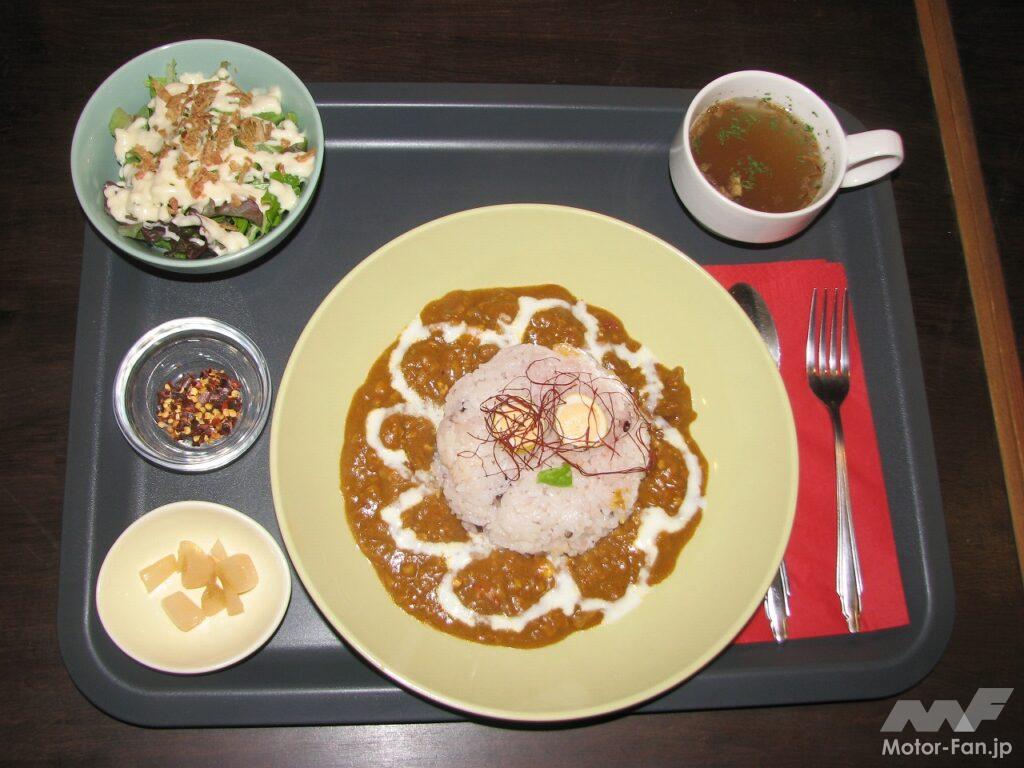
The lunch plates and cakes are popular, and on weekends there is a constant stream of people visiting by car or motorcycle.
This was a relaxed Cub tour that took me around the forest roads and temples and shrines in the mountains of Naguri and Okumusashi, covering a total distance of 120km. It took a little over 2L of gasoline, with a fuel efficiency of 58km/L. The total cost was just over 1,500 yen. Although it was January, the temperature was like March, so there was no frozen road surface, and even though it was a forest road, I was able to enjoy the winding roads to the fullest.












![[Izu City, Shizuoka Prefecture] A great touring spot to visit by motorcycle | Passing the Amagi Pass through central Izu.](https://motopeek.com/wp-content/uploads/2025/11/4734-1762339049801.jpg)