

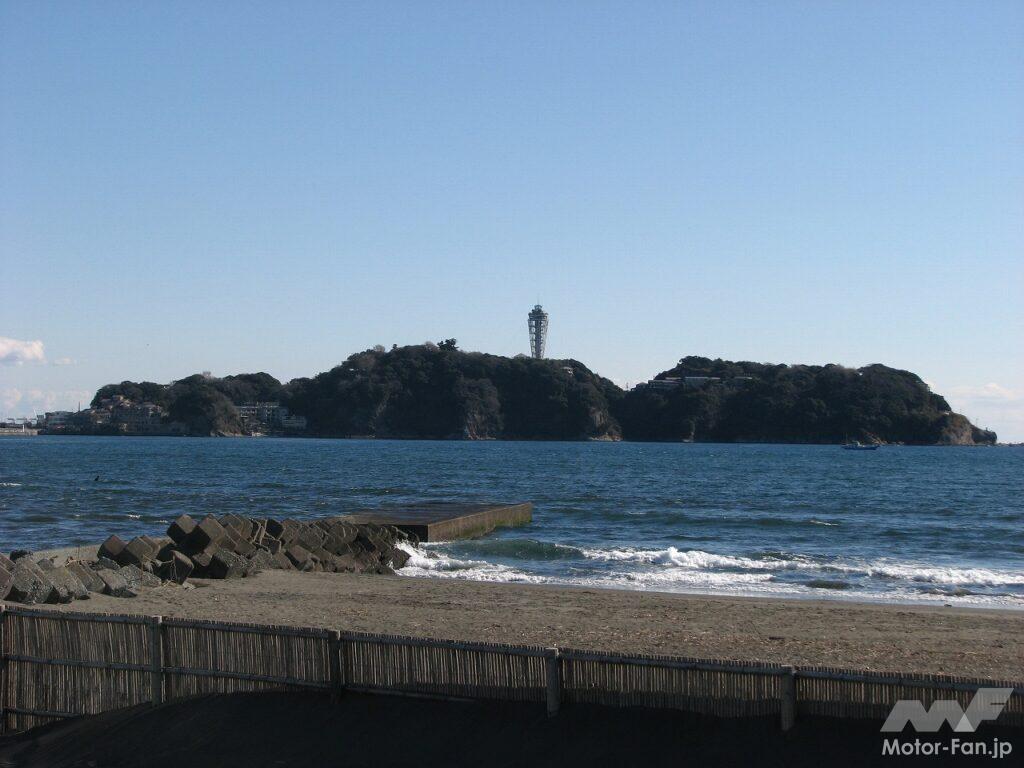
Enoshima, a representative tourist destination on Kanagawa Prefecture's Shonan Coast, is a land-tied island jutting out into Sagami Bay, as its name suggests. The island boasts numerous tourist attractions, including Enoshima Shrine, a nationally designated Important Cultural Property; the Enoshima Samuel Cocking Garden, a botanical garden with the Enoshima Observation Lighthouse; and Iwaya, a collective name for a group of sea caves formed by erosion along a fault line at the base of the sea cliffs in the southwestern part of the island. Enoshima is also lined with restaurants and souvenir shops, particularly those offering seafood souvenirs and fresh seafood. In recent years, the island has seen an increase in inbound tourists, with approximately 20 million annual visitors.
Born and raised in Tokyo, Enoshima is a familiar place for me, and I used to go swimming every year as a child. Even after I started riding motorcycles, I toured Enoshima and Kamakura on my first motorcycle tour. This time, I decided to go on a Cub tour to Enoshima, a place that holds many memories for me. Although it was past the beginning of spring, the days were still cold, but I was blessed with clear skies and drove along the local roads.
It's less than 50km from my house to Enoshima, but the roads along the way were extremely busy and it took quite a while to get there. I started a little late in the morning, but I arrived at Enoshima at lunchtime. Well, my main goal was to eat Enoshima rice bowls, so it all worked out in the end, but it took two and a half hours. Still, seeing the clear blue sky and deep blue sea before my eyes was refreshing.
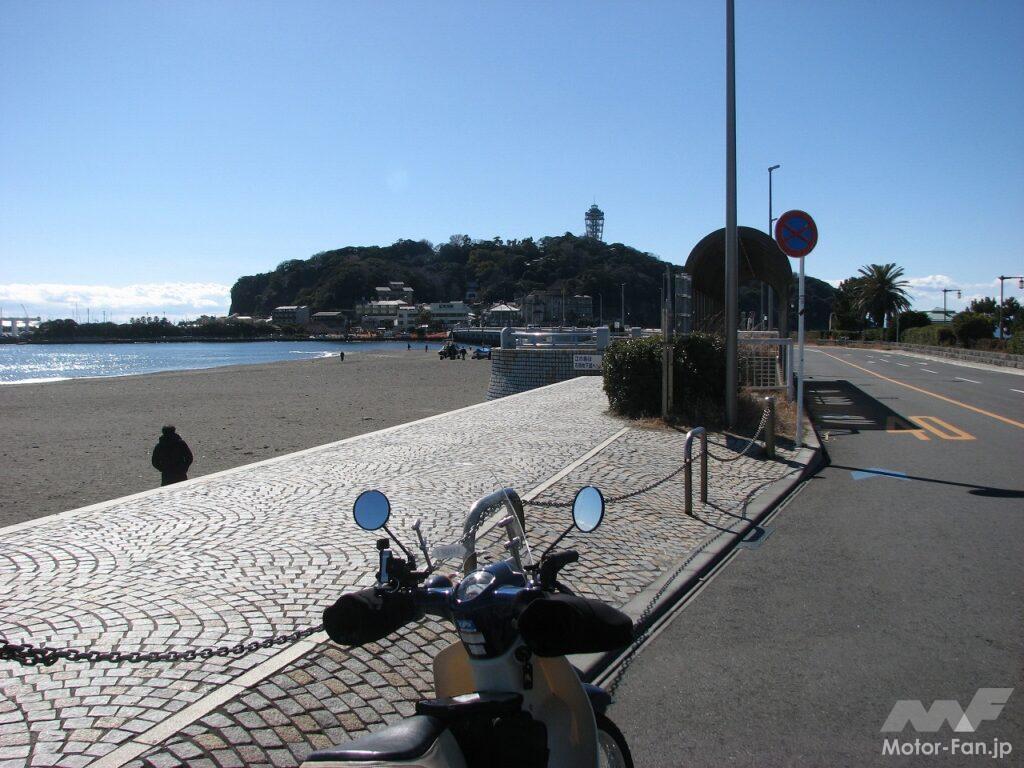
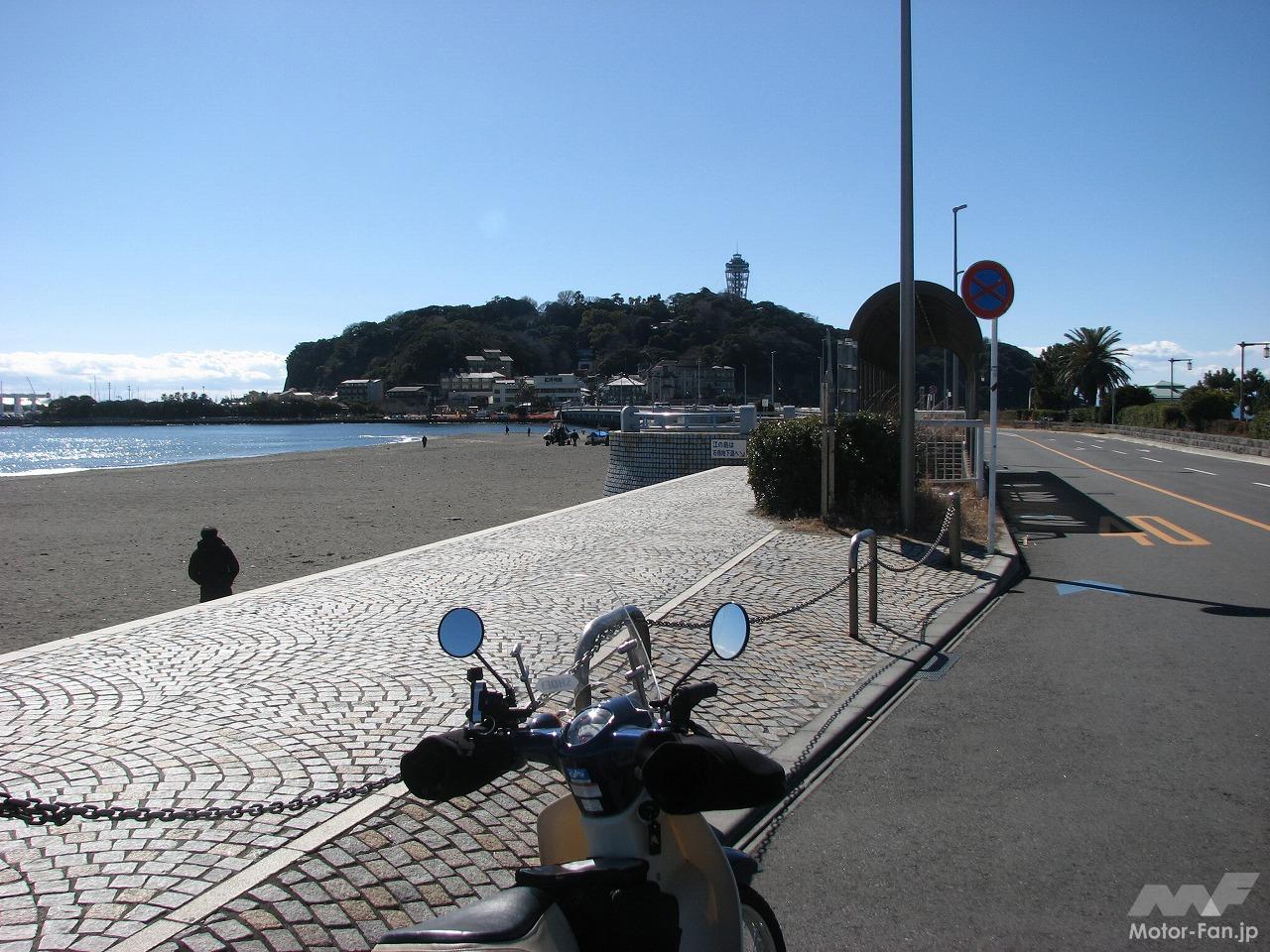
Enoshima is a tethered island, connected to the mainland by the Enoshima Benten Bridge for pedestrians and the Enoshima Ohashi Bridge for cars, motorbikes, and bicycles.
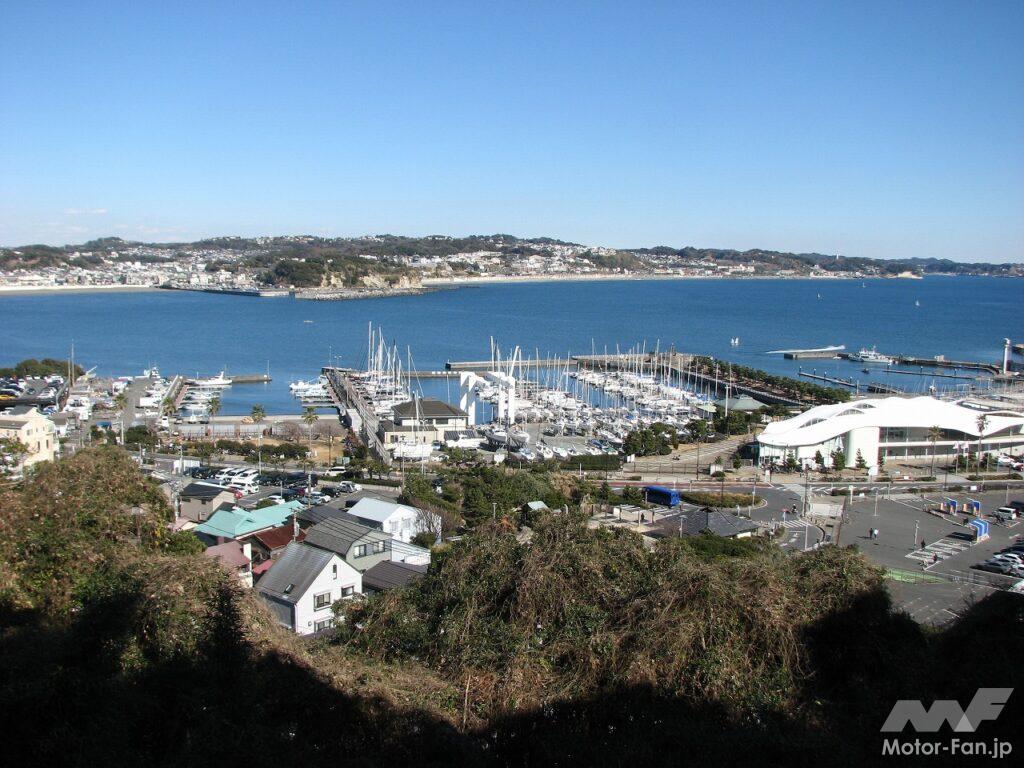
Enoshima is a land-tied island, but two bridges connect it to Katase Beach on the mainland. The pedestrian Enoshima Benten Bridge on the west side is Enoshima Ohashi Bridge, which is for cars, motorcycles, and bicycles, next to it to the east. Cub riders, of course, must cross Enoshima Ohashi Bridge to enter the island. This bridge tends to get congested on holidays. However, since it was a winter weekday, traffic was smooth today. The road beyond the bridge dead ends at the end of the yacht harbor, which was also a venue for the Tokyo Olympics. There are several paid parking lots in the area, but none specifically for motorcycles. In fact, motorcycles and bicycles can be parked for free in a small park-like area called Enoshima Nishi Ryokuchi Parking Space. This is truly a convenient tourist spot for riders.

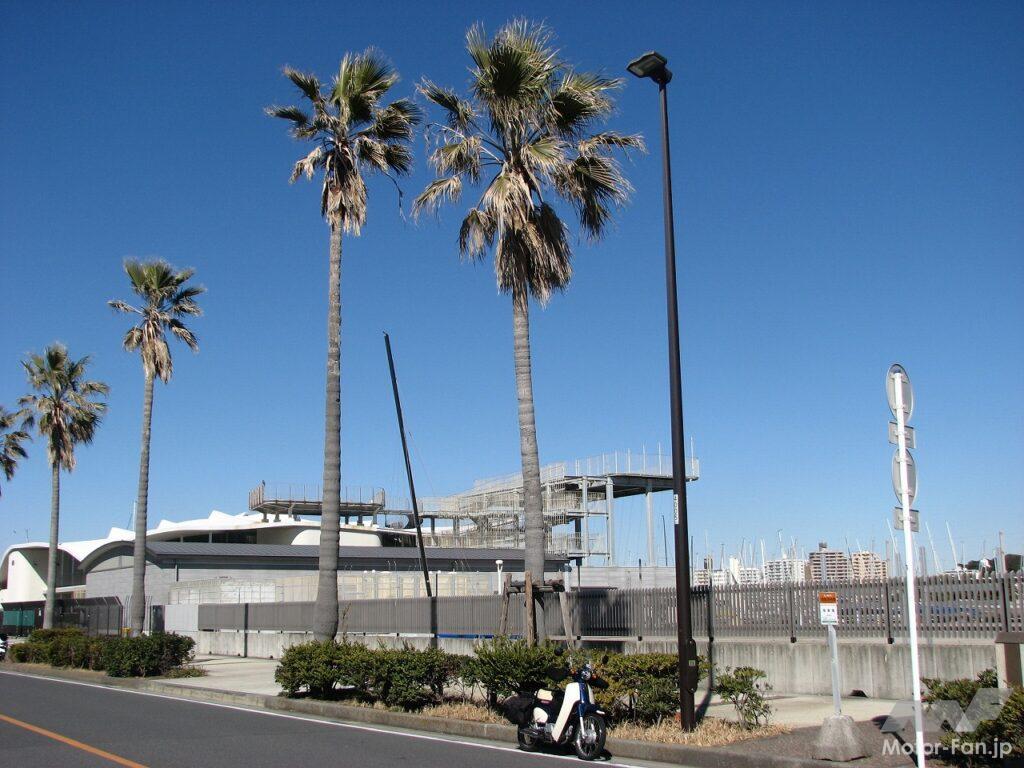
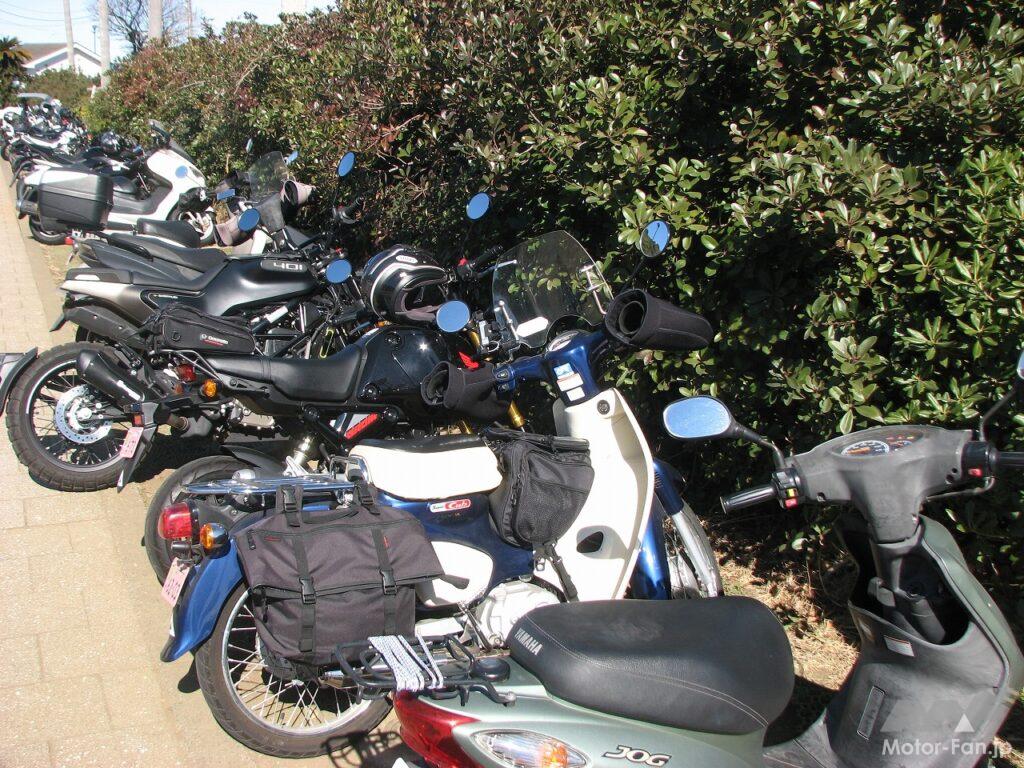
There is a paid parking lot for cars, but motorcycles can be parked for free in the Enoshima Nishi Ryokuchi bicycle parking space.
The approach to Enoshima Shrine, where a bronze torii gate welcomes you, is lined with numerous restaurants and souvenir shops. As usual, the approach was packed with people. There were also many foreign tourists, and the sound of various languages being spoken felt a little strange. However, tourist destinations across the country are now facing similar challenges, with overtourism also becoming a problem. Enoshima's
highest point is only about 60 meters above sea level, but walking around the island is surprisingly challenging, with many ups and downs. There are also many steep stairs, making the journey difficult for older visitors. So, without hesitation, I decided to take the paid escalator, the Enoshima Escalator. Enoshima Escalator, Japan's first outdoor escalator, opened in 1959. It spans three sections, and takes you up a 46-meter elevation change in about four minutes. The fare for using all three sections is 360 yen. Since escalators are usually free to use, many people probably think, "It's ridiculous to pay for them!" I used to feel the same way. However, as my child is getting older and climbing stairs is difficult for him, I decided to use it regardless of the expense.
The first section of the Enoshima Escalator features a sea-themed projection called "Enoshima LUMINOUS WAY," which is a visual treat just for those who simply ride the escalator. It truly is a tourist spot.
At the top of the first section is Enoshima Shrine's Hetsumiya Shrine. There was a line of worshippers, so I quickly headed to the escalator station in Section 2. At the top of Section 2 was Enoshima Shrine's Nakatsumiya Shrine. The vermilion hall was a striking sight. Finally, at the top of Section 3, we reached Enoshima Samuel Cocking Garden. The lighthouse's sea candles loomed large within the garden, and many tourists were enjoying the view from the observation deck. I enjoyed the view from the free observation deck at Kamegaoka Square. Fortunately, the weather was good, so I was able to see Izu Oshima and Mount Fuji in the distance, which was a great pleasure.
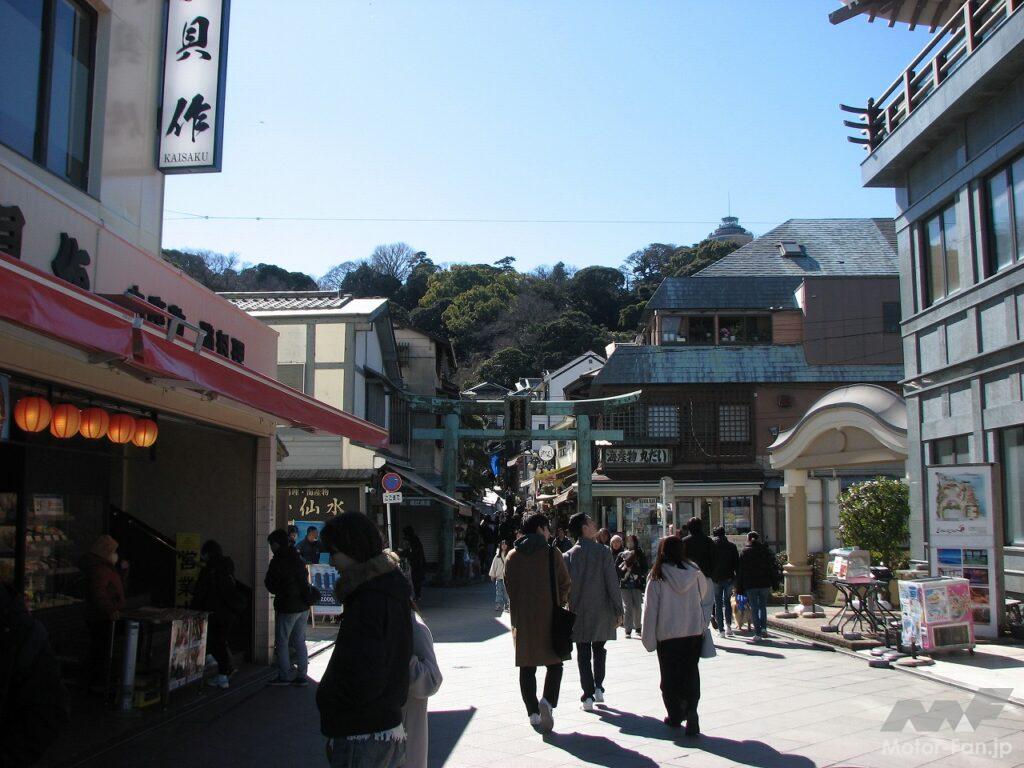
The approach to Enoshima Shrine is lined with souvenir shops and restaurants, and is bustling with tourists.
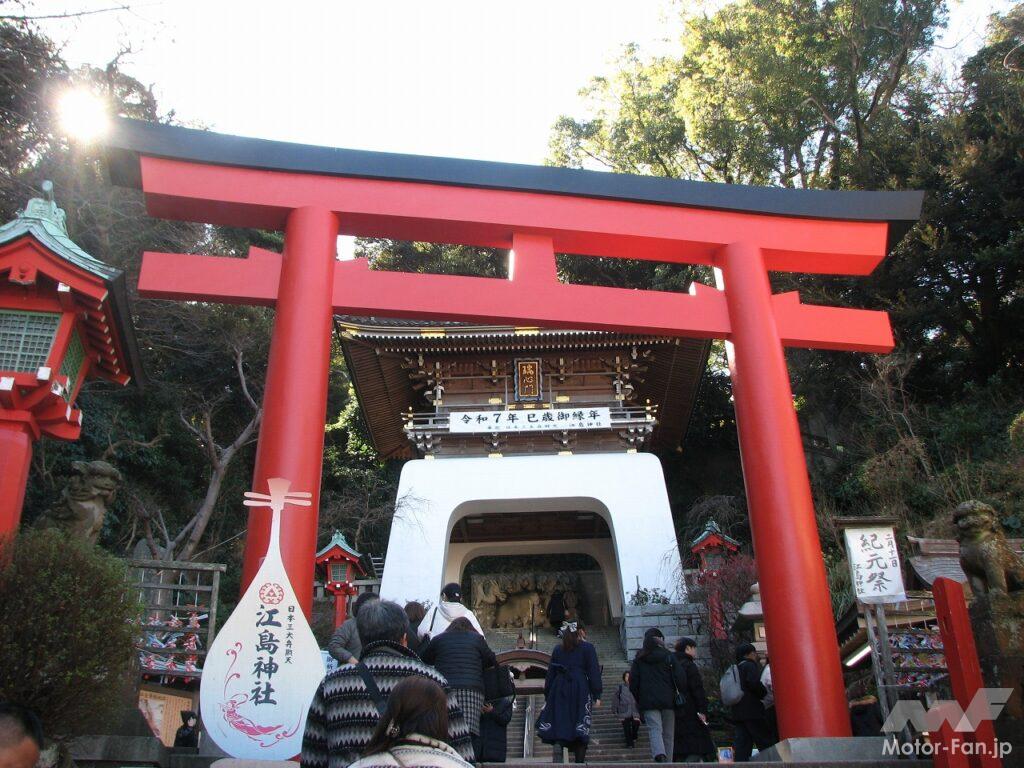
From the vermilion torii gate, the climb begins
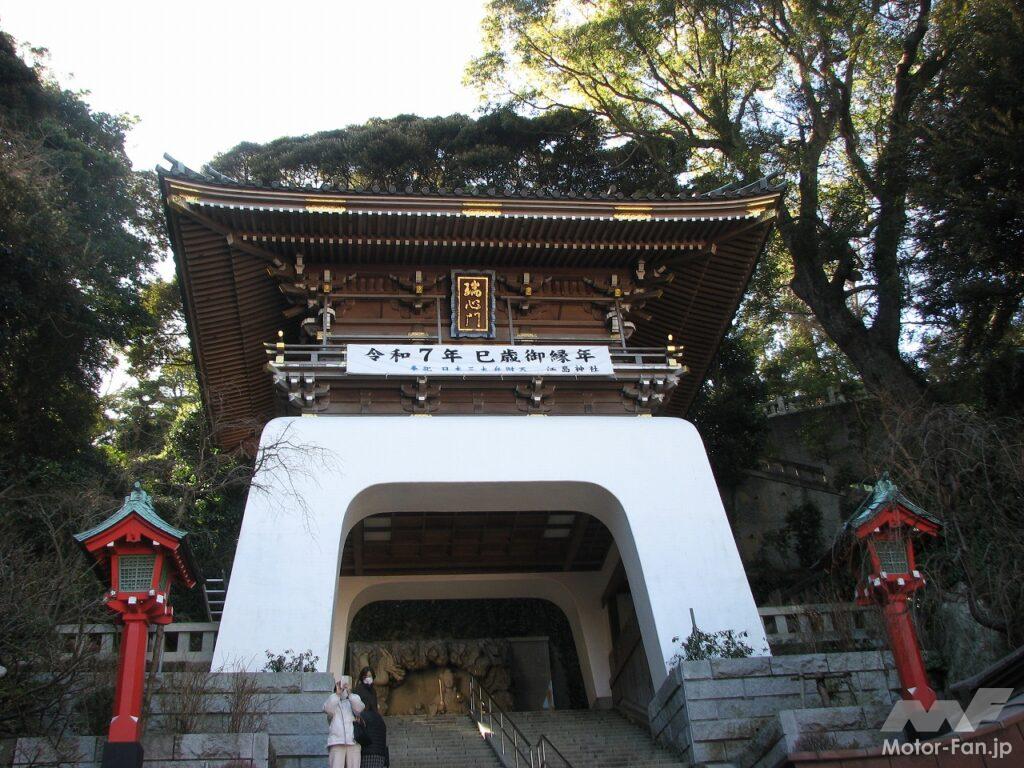
Zuishinmon Gate is a tower gate modeled after Ryugu-jo Castle
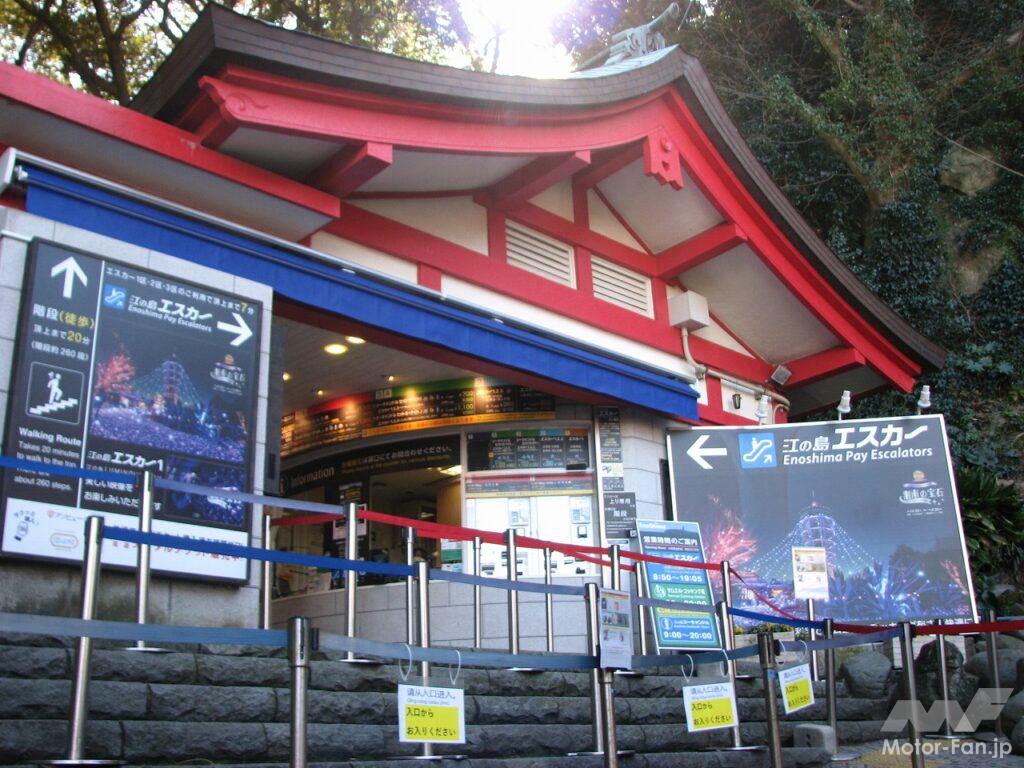
The Enoshima Escar 1 station is located right next to Zuishinmon Gate.
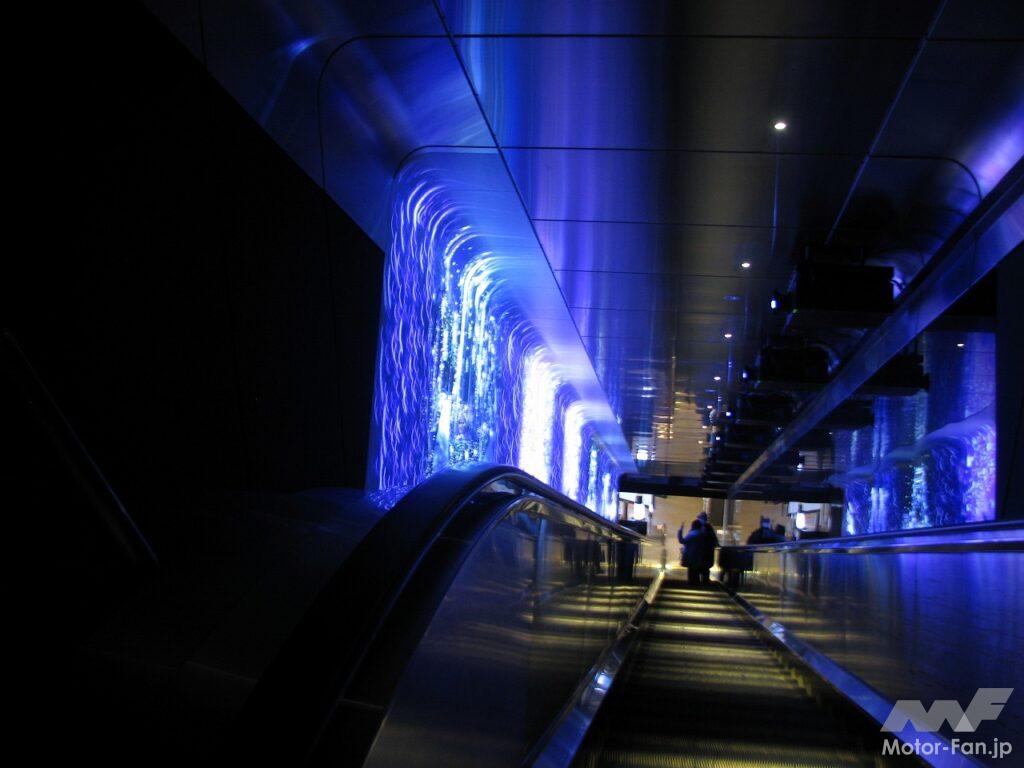
Projection images are projected inside the escar in Section 1
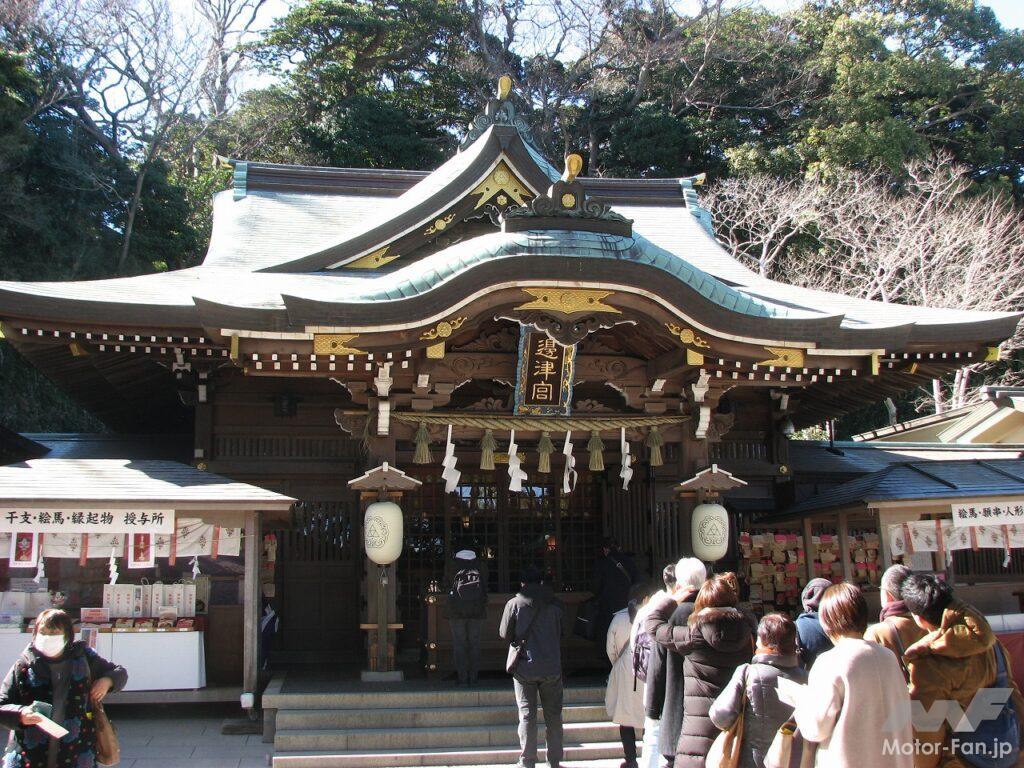
Hetsumiya, the lowest shrine in the sacred grounds of Enoshima Shrine, is located right next to the exit of Escar Section 1.

Escalator Zone 2 stop
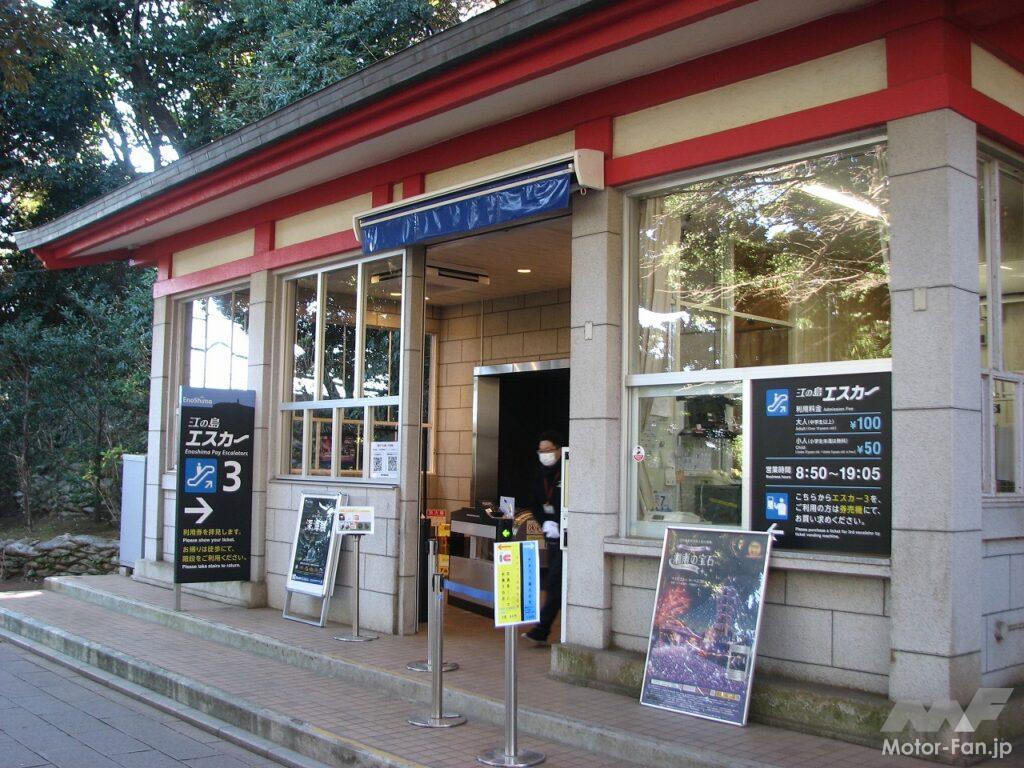
Escalator No. 3 stop
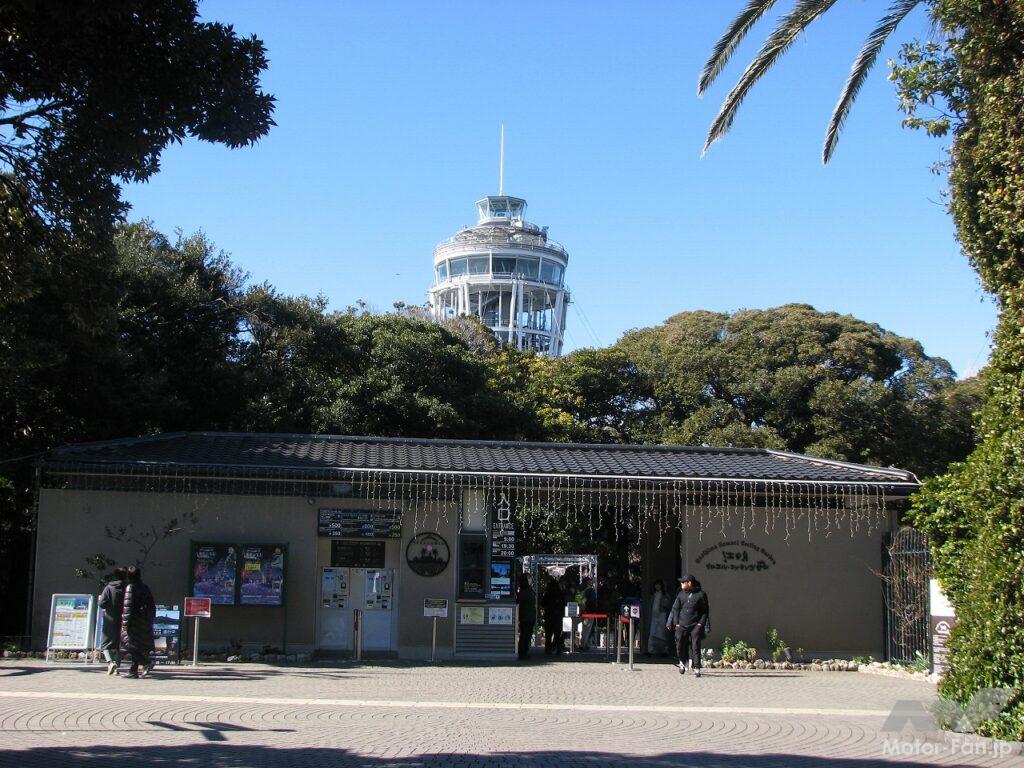
Samuel Cocking Garden, a botanical garden at the top of Enoshima
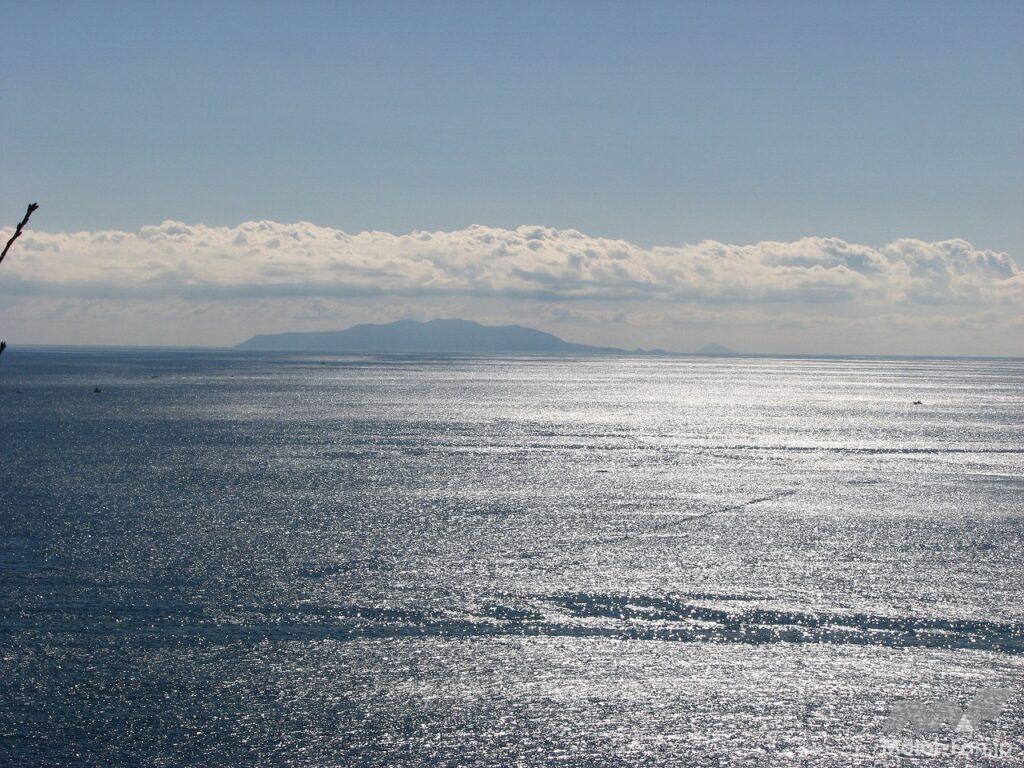
View of Izu Oshima from the observation deck
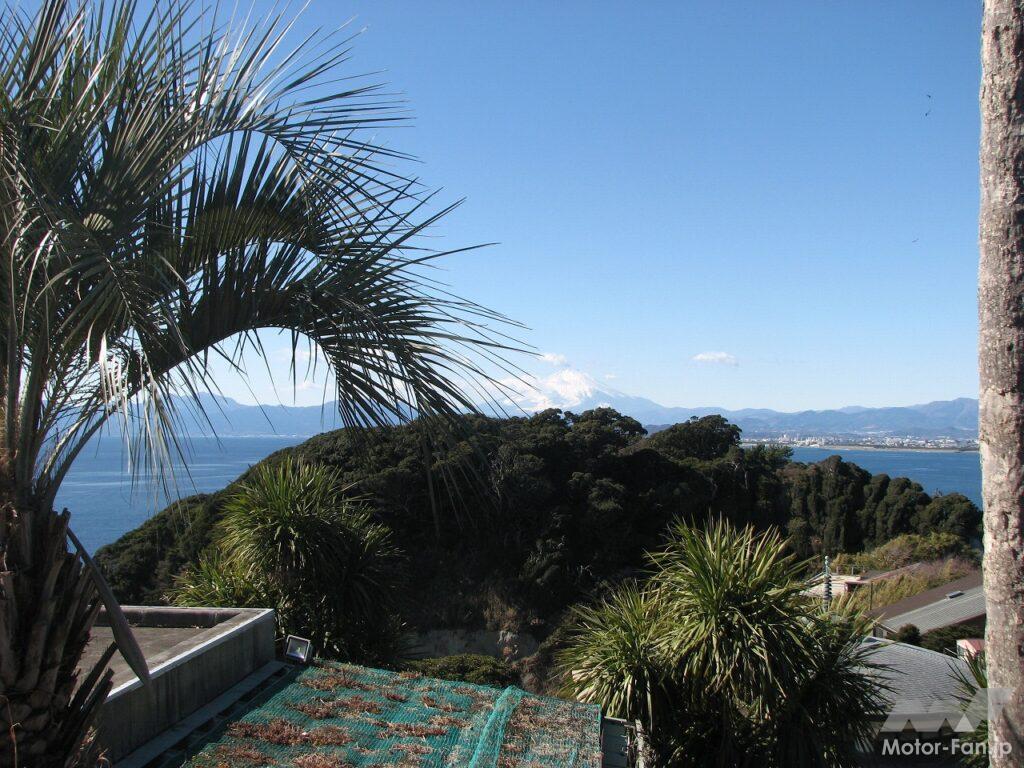
Although it’s a little hard to see, you can also see Mount Fuji.

Enoshima Sea Candle, a lighthouse located within the Samuel Cocking Garden
ADVERTISEMENT
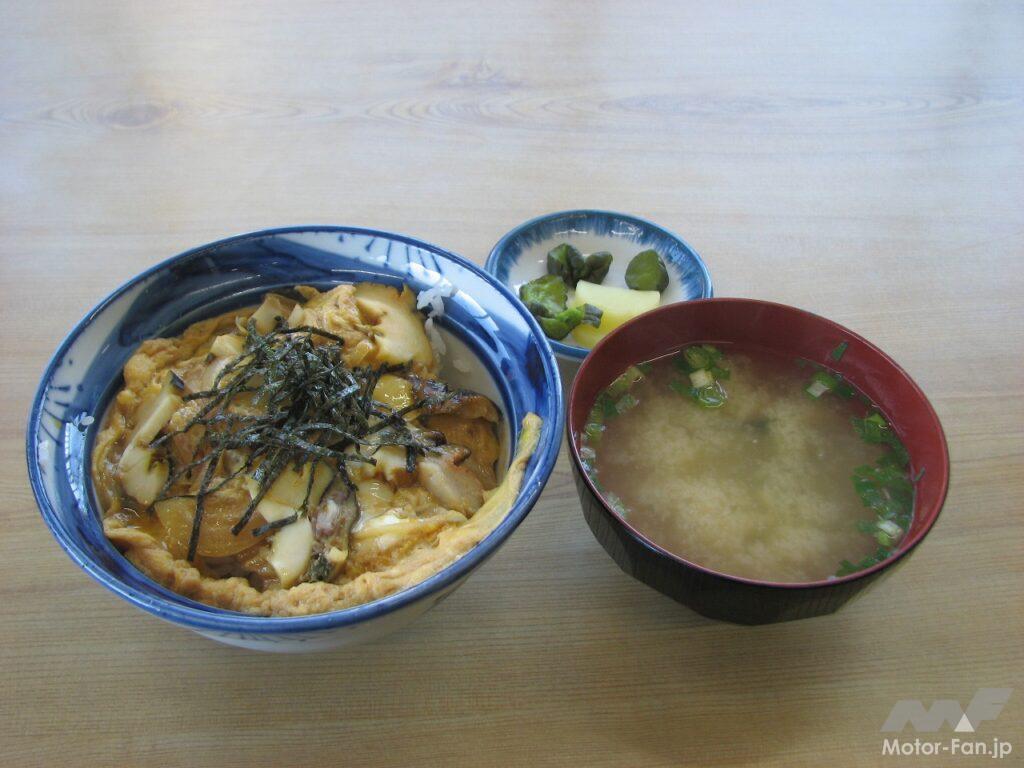
Enoshima-don is served at several seafood restaurants on the island. It is a bowl of rice topped with turban shell and egg, and is one of Enoshima’s specialty dishes.
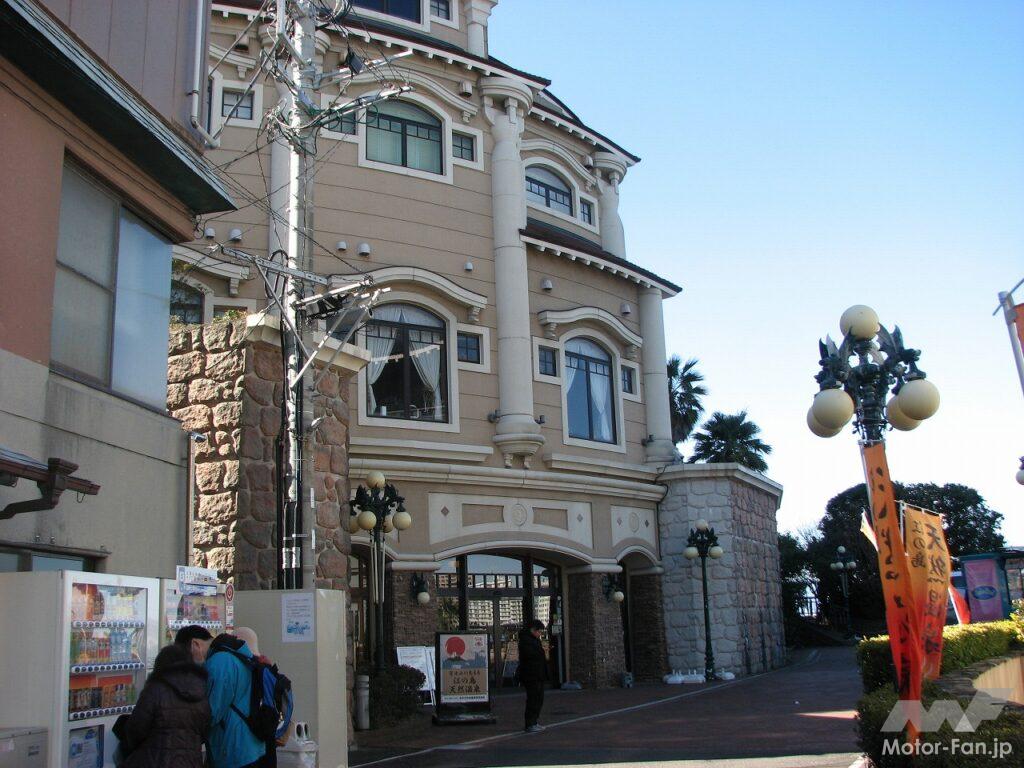
Enoshima also has a day-trip hot spring facility
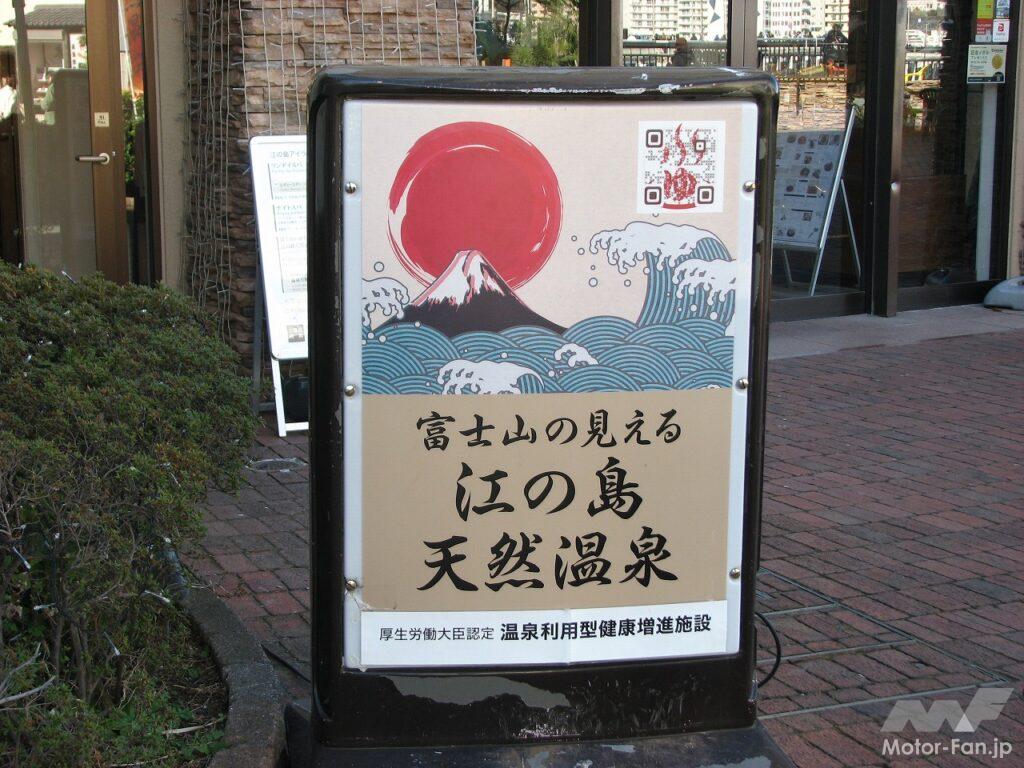
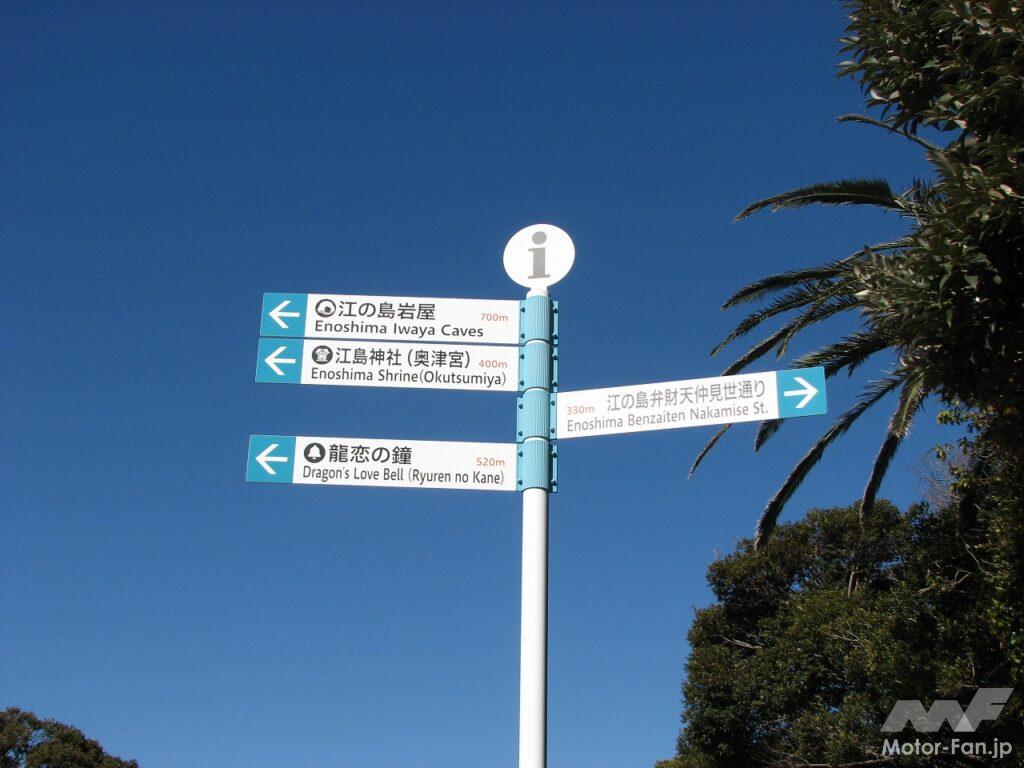
From here, the road is mostly downhill toward Enoshima Shrine's Okutsumiya Shrine and Iwaya on the island's south side. I walked for a few minutes, feeling a bit gloomy about having to climb back down, until I came across a number of seafood restaurants along the road. I walked through the noren curtain of one of them and enjoyed a specialty Enoshima bowl while looking out at the ocean. Eating this Enoshima bowl was the goal of my leisurely Cub touring trip, so I was glad I was able to make it happen. I resolved to have a shirasu bowl next time, so I leisurely rested and returned to the bike parking lot. Some might say I should have just gone all the way to Iwaya, but the return trip would have required climbing several steep stairs, which would have negated the point of using the escalator to conserve energy.
 So, this was a leisurely Cub touring trip where I thoroughly enjoyed my own version of Enoshima sightseeing. Distance traveled: 98 km Gasoline used: 1.8L Total cost: approximately 1,900 yen











![[Izu City, Shizuoka Prefecture] A great touring spot to visit by motorcycle | Passing the Amagi Pass through central Izu.](https://motopeek.com/wp-content/uploads/2025/11/4734-1762339049801.jpg)