
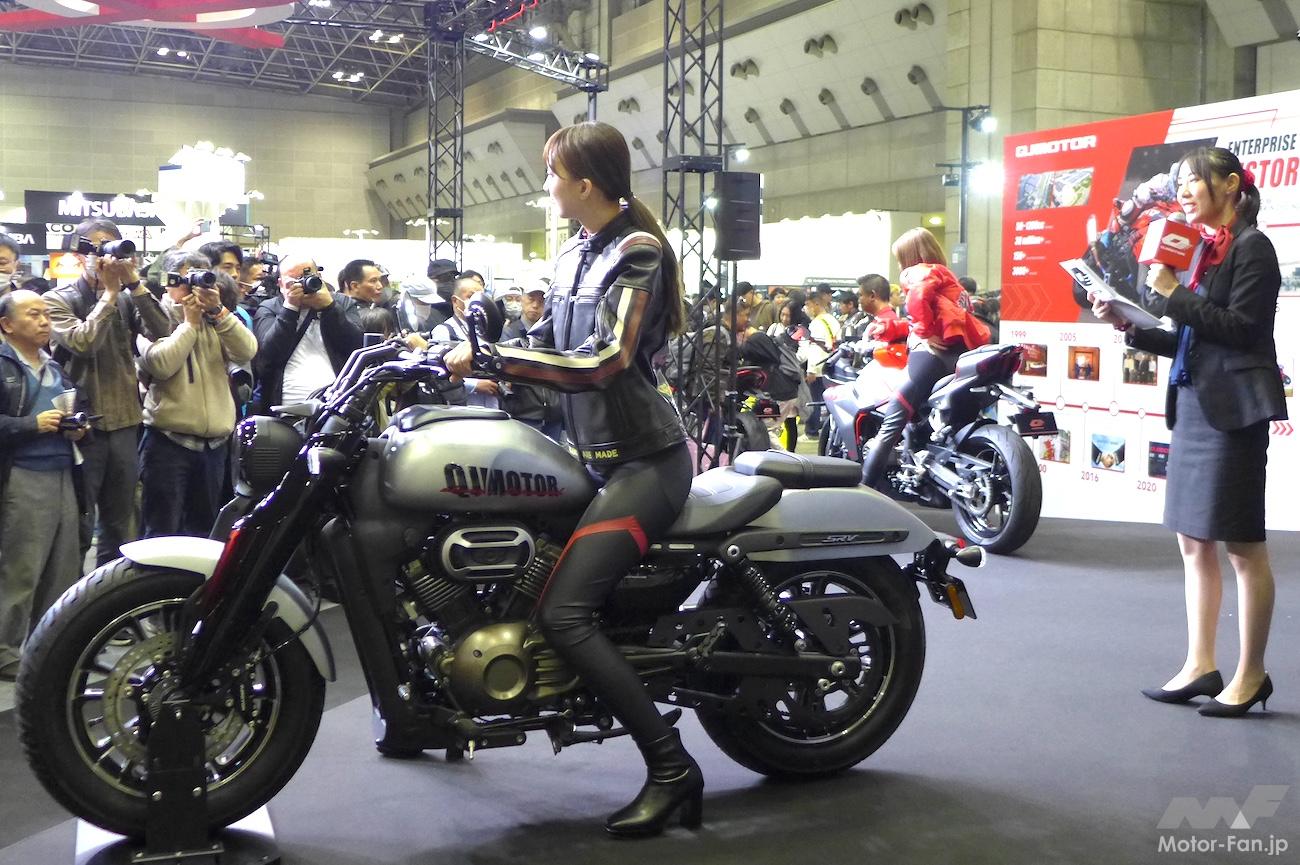
Will QJ Motor, which has finally entered the Japanese market, be successful?
QJ MOTOR (hereinafter referred to as QJ Motor), which exhibited for the first time at the 52nd Tokyo Motorcycle Show, held from Friday, March 28th to Sunday, March 30th, 2025, had a large booth in a prominent location in East Hall 2, almost in the center of East Halls 1 to 3 of Tokyo Big Sight, which was allocated as the corporate exhibition area, and displayed 18 motorcycles, including models not yet released in Japan.
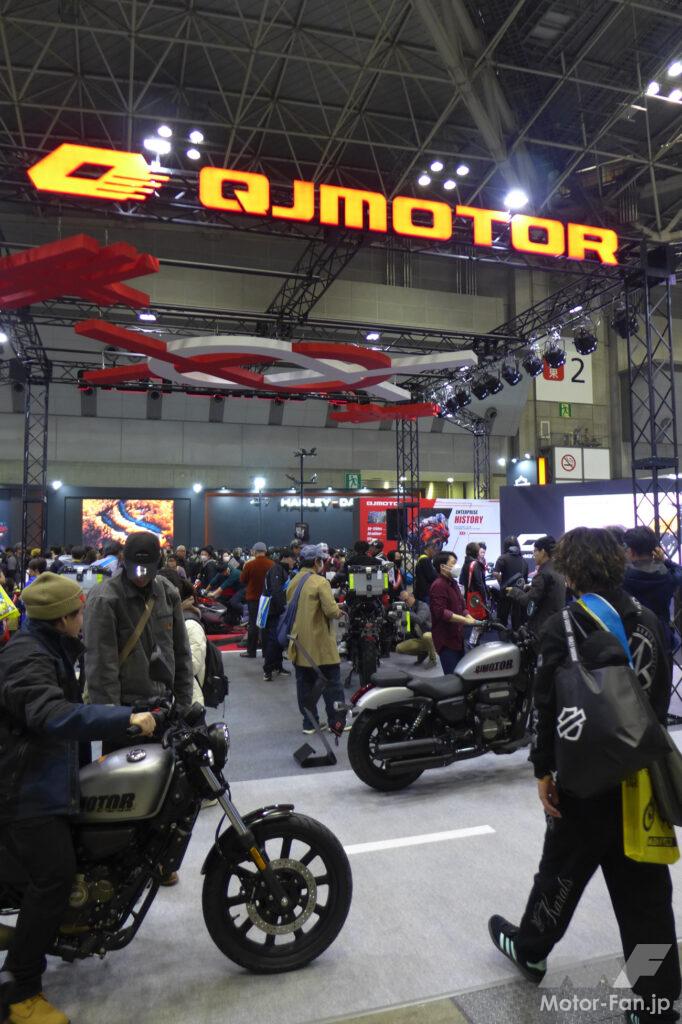
QJ Motor booth at the 52nd Tokyo Motorcycle Show.
We have explained the history, capital relations, and management strategy of Qianjiang Motorcycle Group (Zhejiang Qianjiang Motorcycle Co., Ltd.), which owns the QJ Motor brand. In this article, we would like to consider the challenges that QJ Motor faces in expanding its business in Japan and the problems that it needs to overcome.
In addition to the prejudice against “China” among Japanese people,
low resale value due to its low name recognition is an issue.
A major obstacle for Chinese companies doing business in Japan is the prejudice and discrimination against China and Chinese people among Japanese people, as well as anti-China sentiment stemming from political issues between Japan and China. This
is a problem that doesn’t exist with products from Southeast Asia and South Asia, such as Thailand, Vietnam, and India, but is a constant stumbling block for Chinese and Korean products. While other Asian manufacturers are starting from scratch when selling their products in Japan, Chinese and Korean manufacturers may find themselves starting from a negative position.
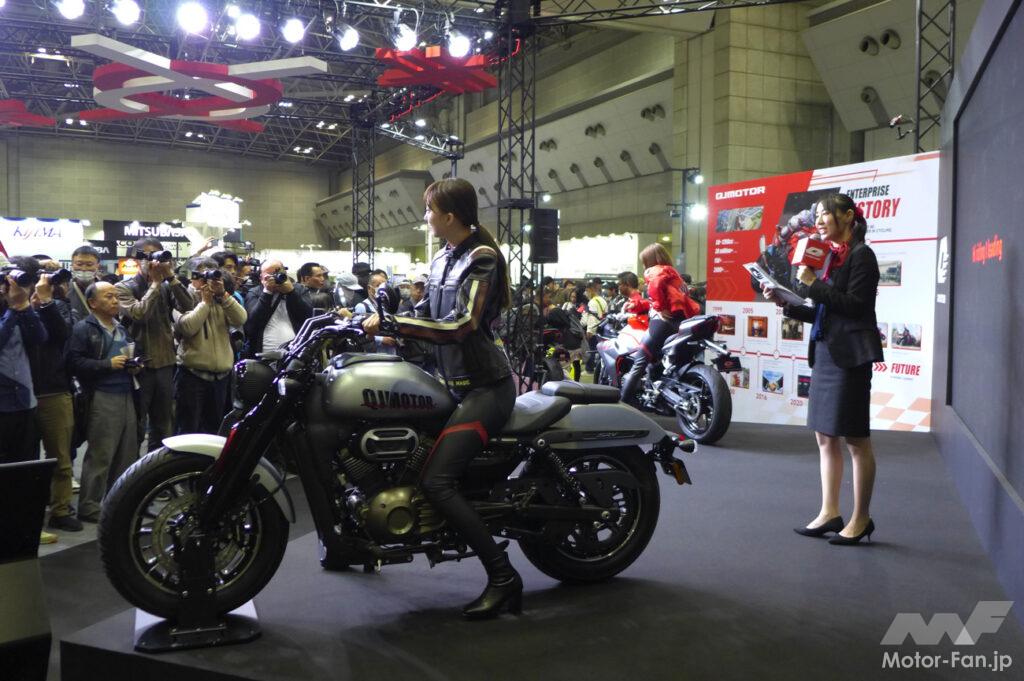
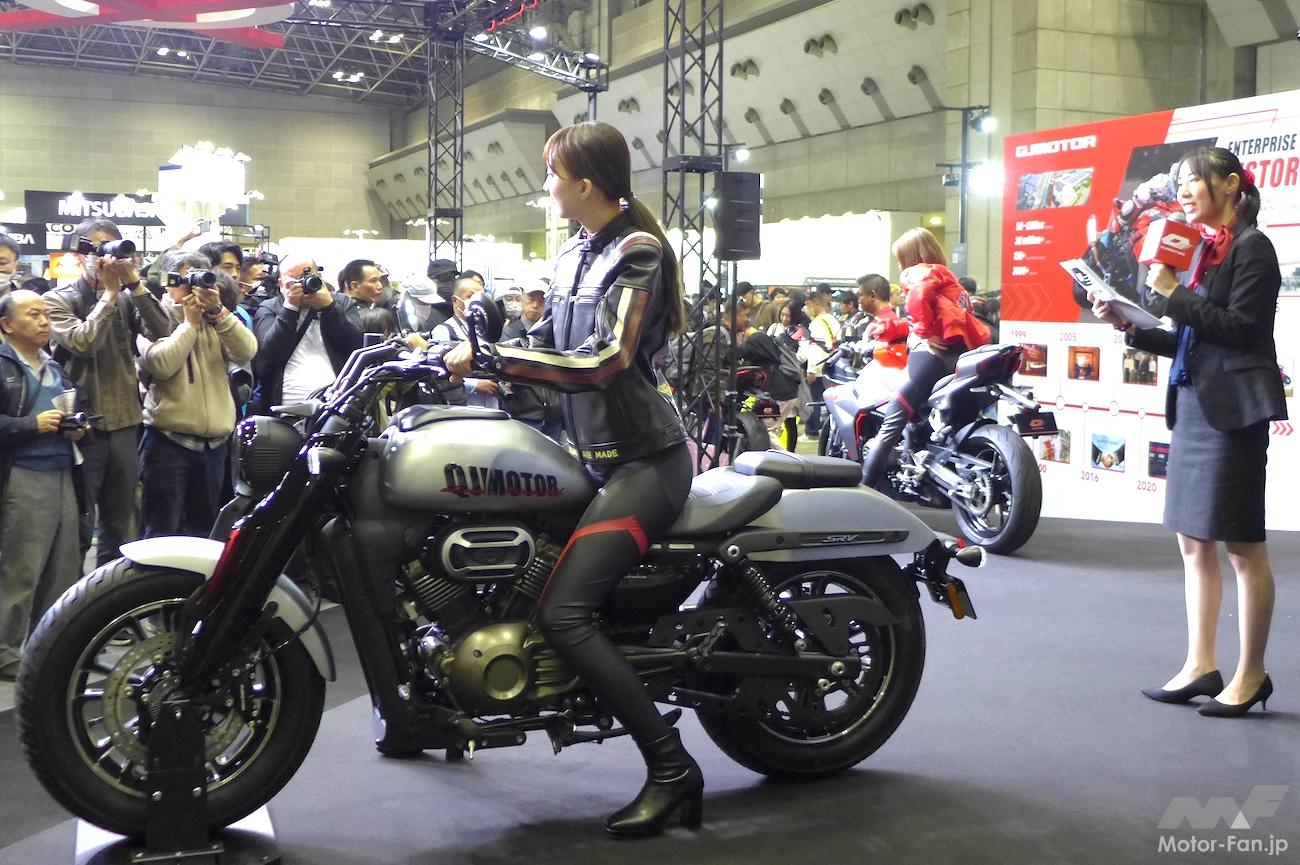
A stage event held at the QJ Motor booth.
When we asked a QJ Motor staff member about this, he said, “According to our research, users under the age of 40 have almost no such awareness, and many people will purchase a product regardless of the country of manufacture as long as it is cost-effective and fits their values. Good relations between Japan and China are a prerequisite for doing business, but we do not believe that being a Chinese brand will be a particular obstacle for QJ Motor to enter the Japanese market . “
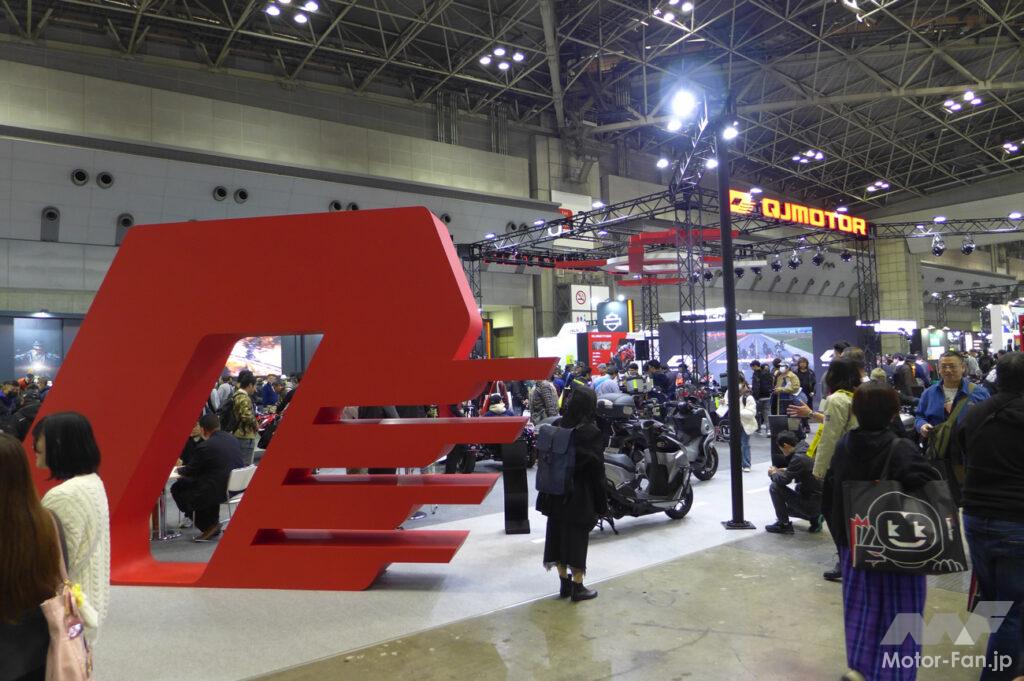
QJ Motor’s booth was located in a prominent location in East Hall 2, almost in the center of East Halls 1 to 3 of Tokyo Big Sight, which was allocated as the corporate exhibition area.
It’s true that younger generations may not have the same prejudices as older generations. Moreover, due to the effects of the long-term slump in the Japanese economy and rising taxes and social insurance premiums, their disposable income is much less than that of young people 20 or 30 years ago. Furthermore, the weak yen and rising raw material prices have caused the prices of Japanese-made motorcycles and cars to skyrocket, making them unaffordable for young people. Given this current situation, there seems to be ample business opportunity for affordable imported cars, such as those made by QJ Motors.
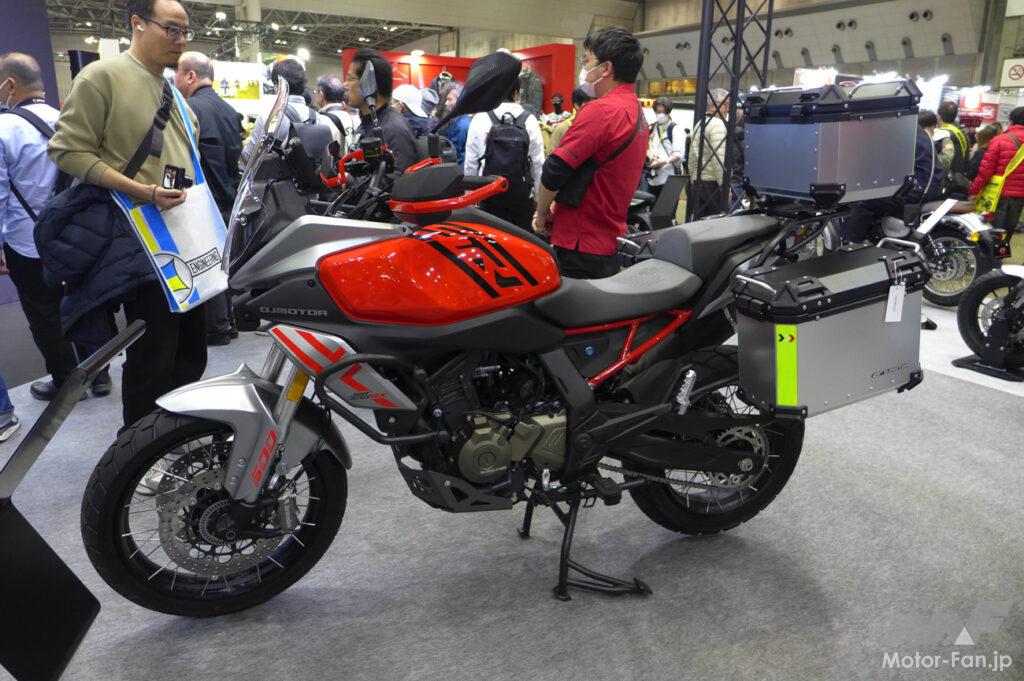
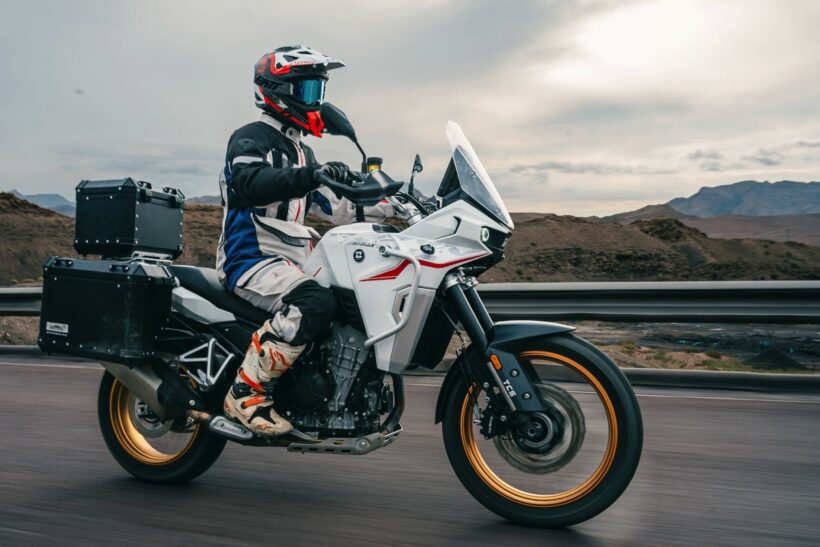
QJ Motor’s large adventure bike, the SRT600SX (not sold in Japan).
However, when buying a new imported car, one thing to be concerned about is the low resale value. Products from lesser-known manufacturers lose half their value the moment you buy them, and after three years they become unattractive. Even if you can buy a new car cheaply, if it doesn’t fetch any value on resale, it could end up being an expensive purchase when you consider the cost of the replacement cycle.
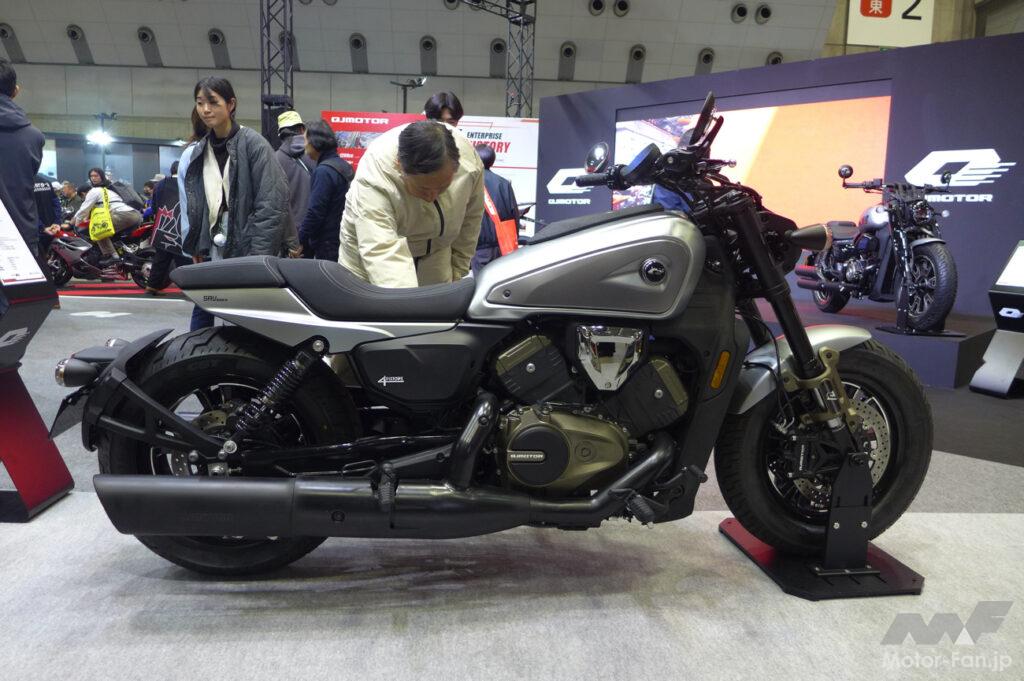
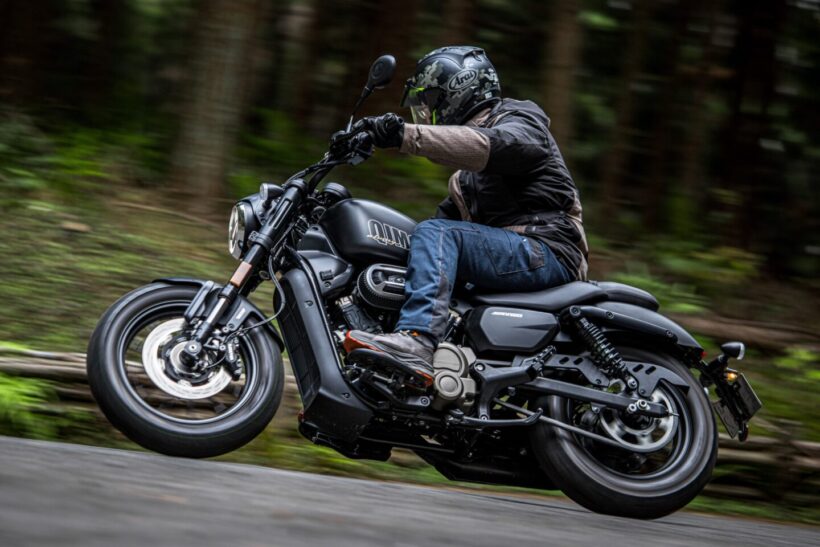
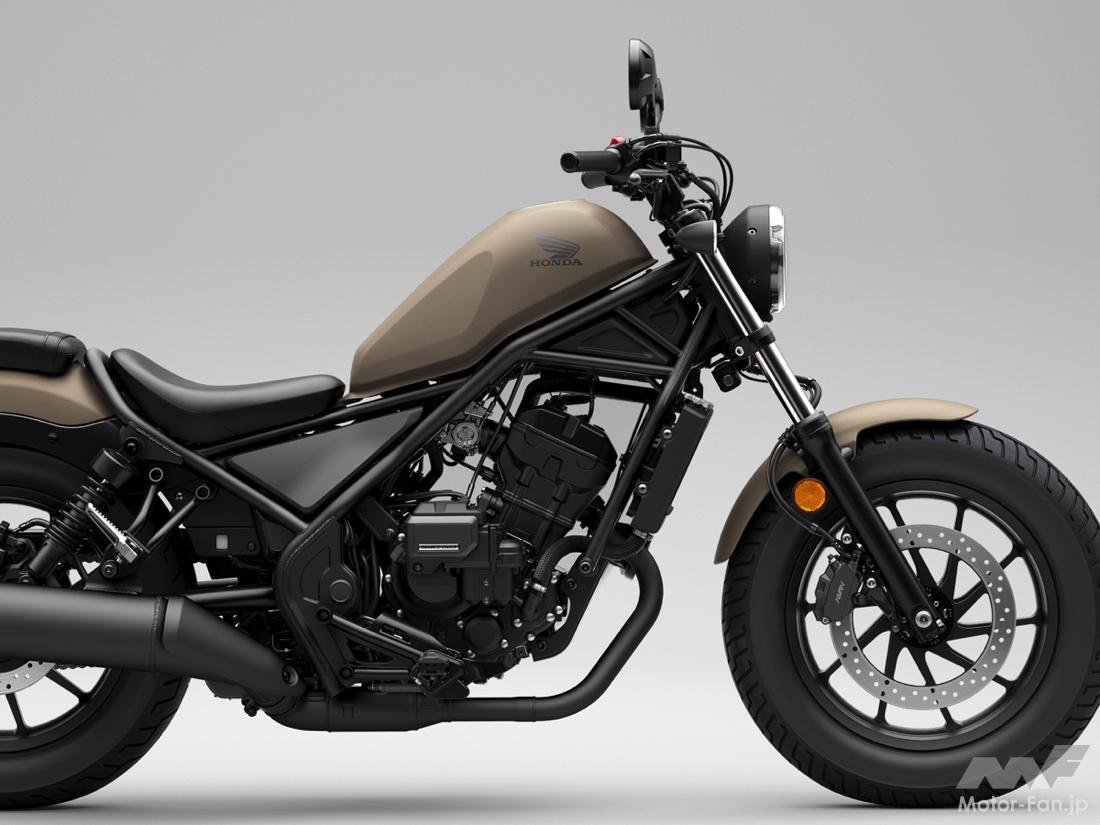
The lineup also includes a large cruiser type. The SRV600V is a model not sold in Japan.
If QJ Motor wants to be successful in Japan, it will need not only low prices and the low interest rate campaigns that are often implemented for imported cars, but also policies to stabilize used car prices for the time being.
Specifically, they will provide support for trade-ins and purchases through certified used car systems and residual value loans with high residual value rates. If this helps QJ Motor gain recognition for not only reasonably priced new cars but also high resale value when it comes time to sell their bikes, their chances of success in Japan will increase dramatically.
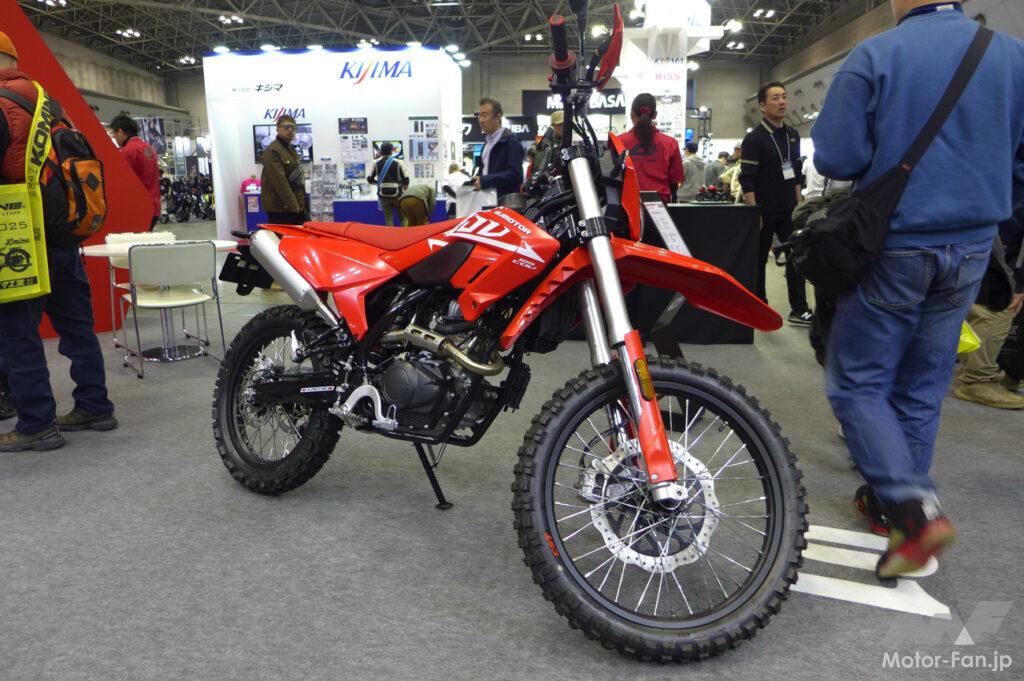
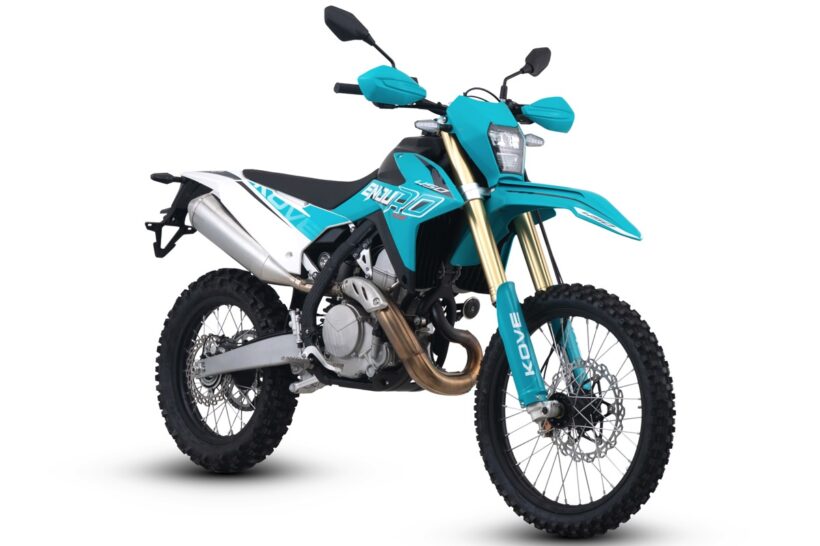
The 125cc off-road bike, COV125X, is also not available in Japan.
Of course, this would impose a heavy burden on the company, and if they make a wrong move, it could lead to a worst-case scenario similar to the collapse of Rover Japan in the late 1990s. However, it is also true that unless an environment is created in which users can purchase new cars with peace of mind, no matter how good the product, the company will not be able to achieve business success.
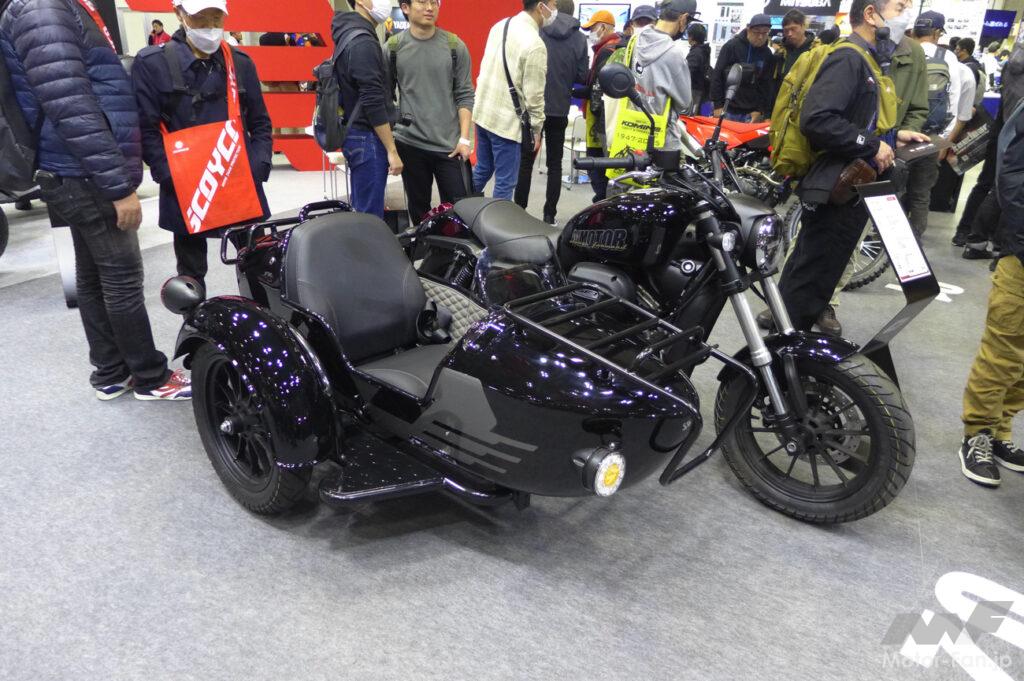
The SFT250 is a rare model with a genuine manufacturer sidecar (not sold in Japan).
Politics is politics, products are products… I want to make a fair assessment without blinding myself to it.
Finally, I would like to share my thoughts on QJ Motor. As a Japanese person, I do have some thoughts about China’s current politics and diplomacy. However, these thoughts have nothing to do with the quality of QJ Motor’s products. I believe that politics is politics, individuals are individuals, and products should be evaluated individually, and as a writer and evaluator, I believe I have the sense to know better than to lump them all together.
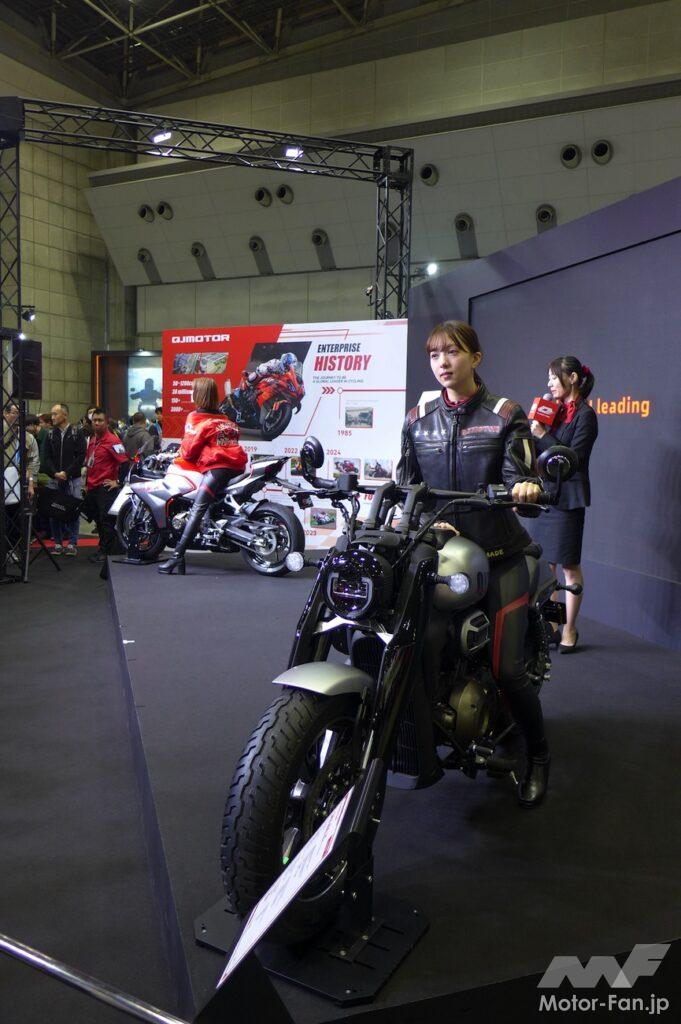
The QJ Motor stage event, featuring two beautiful women, was a huge success.
Just as there are good people and bad people regardless of nationality, there are great products and poor products regardless of the country of manufacture. It’s hard to judge a QJ Motor bike until you actually ride one, but judging from my test ride experience of the Harley 350X, 500X, and Benelli that the company has produced as an OEM, I think it’s a bike that you can look forward to.
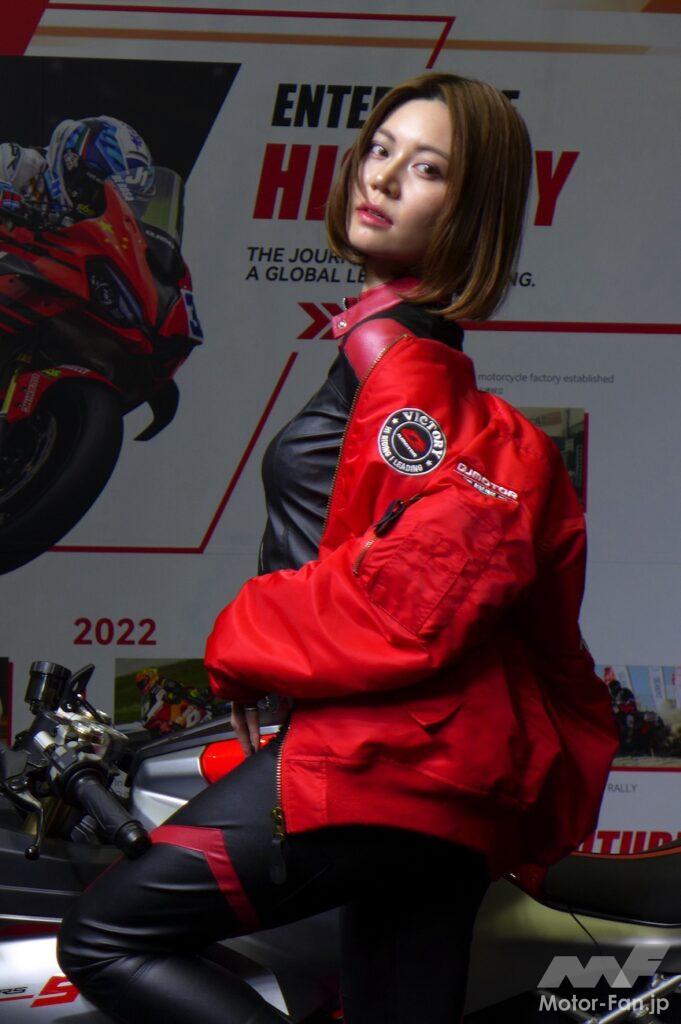
In addition to motorcycles, QJ Motor also plans to offer its own brand of apparel, including riding jackets.
Looking back, Honda first competed in the Isle of Man TT in 1959, and in 1961 dominated both the 125cc and 250cc classes, marking the start of Japanese motorcycles’ rise to global prominence. Initially, Westerners looked down on them, saying, “What good are bikes from a country that lost the war?” However, in the end, Japanese manufacturers drove many prestigious Western manufacturers into bankruptcy, dominating the global motorcycle market in just over a quarter of a century.
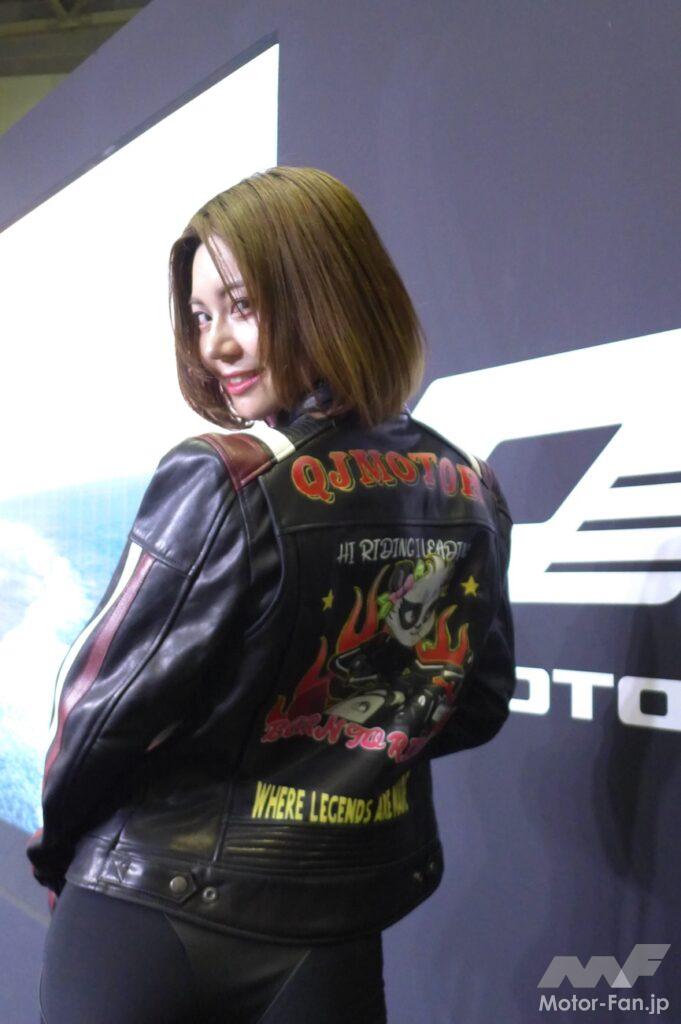
A leather riding jacket made by QJ Motor featuring the mascot panda. This will also be sold at dealerships.
Time has passed since then, and now Japan, as the reigning champion, is taking on the Chinese challenger. I give QJ Motor a lot of credit for their determination to break into the camp of the big four manufacturers. However, unlike the British and Italian manufacturers of the past, the Japanese motorcycle industry is not one to let its guard down or find any weaknesses. I am personally interested to see how they will compete under these circumstances. I wish them the best of luck.
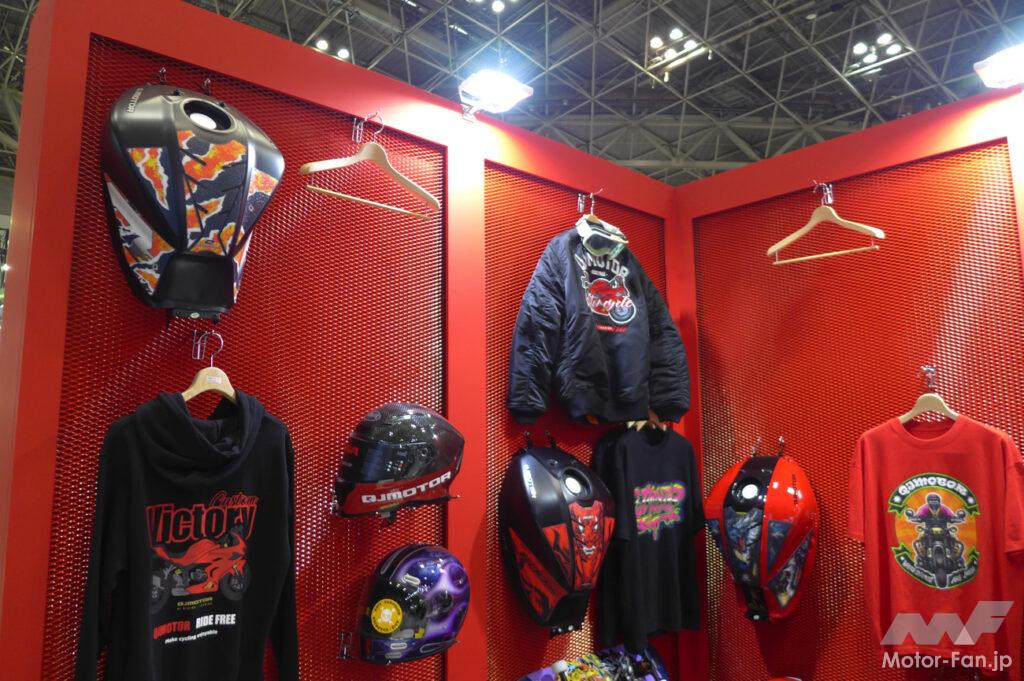
In the home country, not only riding jackets but also original helmets, T-shirts, hoodies, etc. will be sold. These items will also be sold in Japan one after another.