
●Yamaha Y-AMT
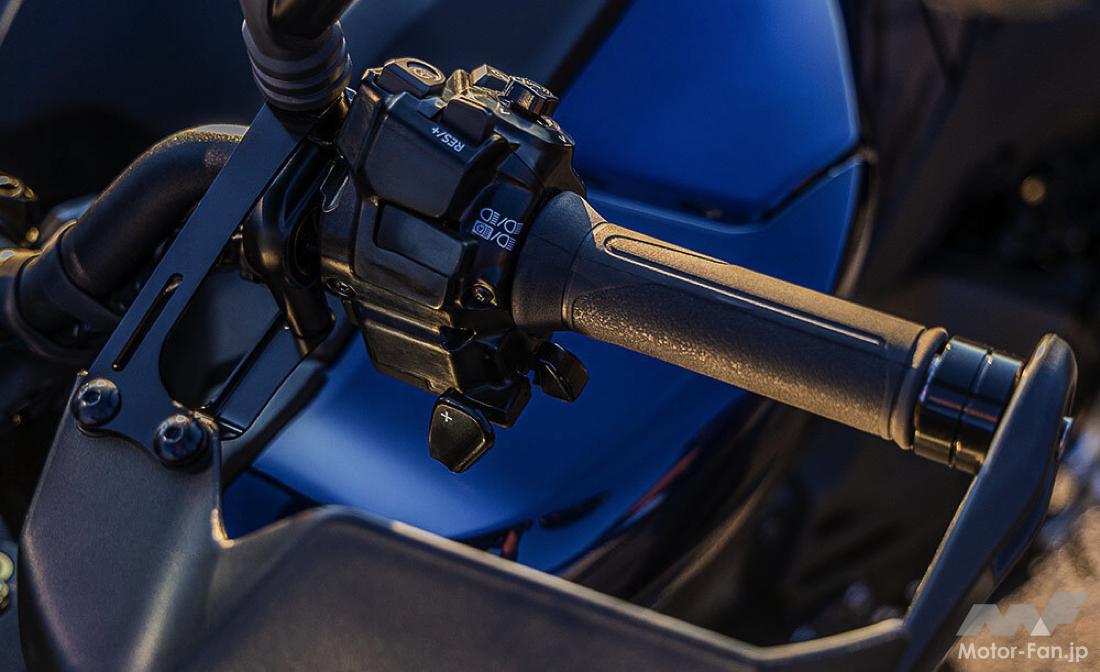
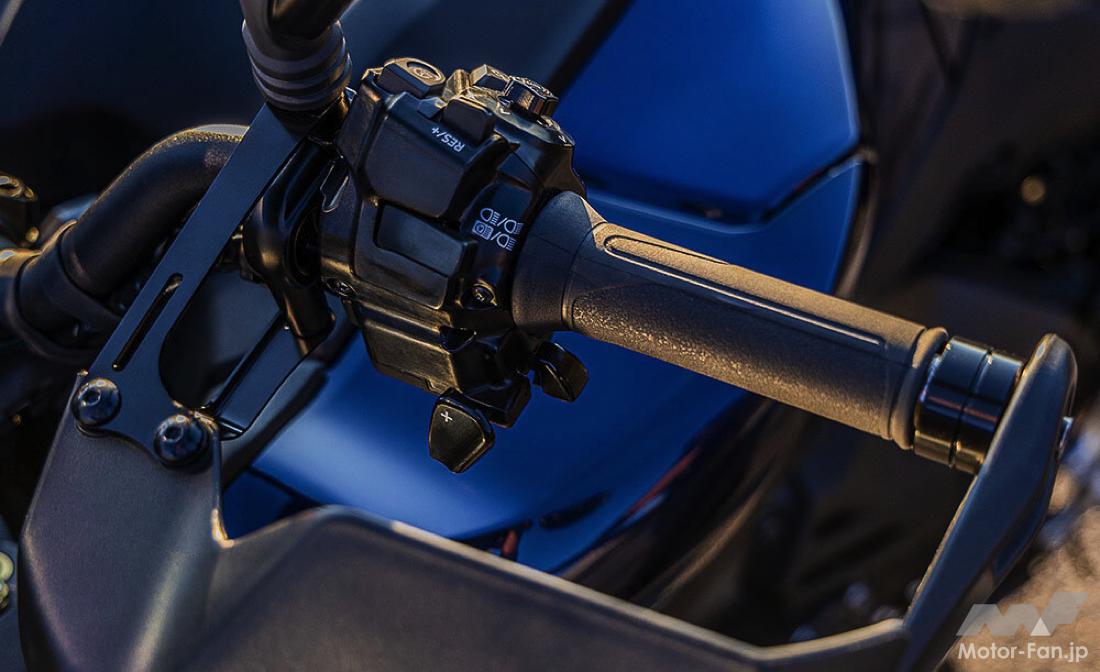
First up is Yamaha’s Y-AMT. This is a newly developed automatic transmission that does away with the need for a clutch lever or shift pedal, allowing gear changes to be performed using a shift lever mounted on the handlebars. What’s more, it also has an AT (automatic transmission) function that allows for fully automatic gear changes, which the rider can select as desired. This eliminates the need for the rider to operate the clutch or shift pedal, allowing them to concentrate on other operations such as weight shifting, throttle opening and closing, and braking, making it possible to enjoy the fun of maneuvering the bike even more.
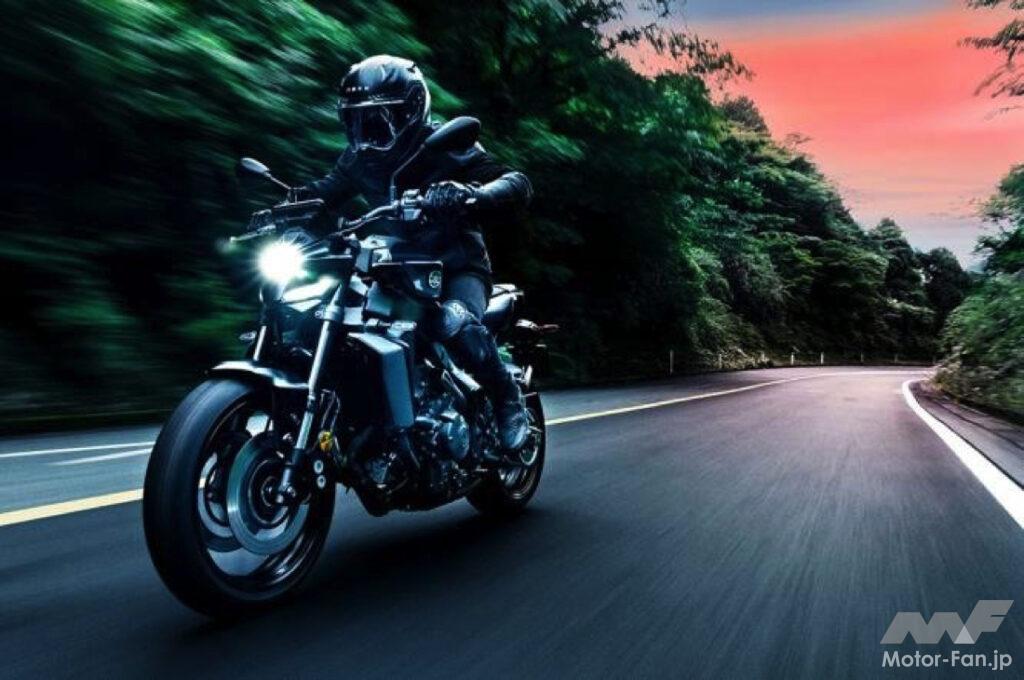
The advantage of the Y-AMT is that the rider does not need to operate the clutch or shift pedal, allowing them to concentrate on other operations such as weight shifting, opening and closing the throttle, and braking (photo shows the European-spec MT-09 Y-AMT).
The Y-AMT is essentially a semi-automatic mechanism for four-wheeled vehicles that features both manual shifting with paddle shifters and an AT mode. In MT mode, gear changes are performed using a seesaw-style shift lever on the left handlebar. Pulling the “+” lever with your index finger will shift up, and pushing the “-” lever with your thumb will shift down. Also, when decelerating quickly during sporty driving, you often need to use your thumb to hold the handlebar grip firmly. In such situations, it is also possible to operate the “+” lever and index finger alone; pulling it will shift up, and flicking it outward will shift down.
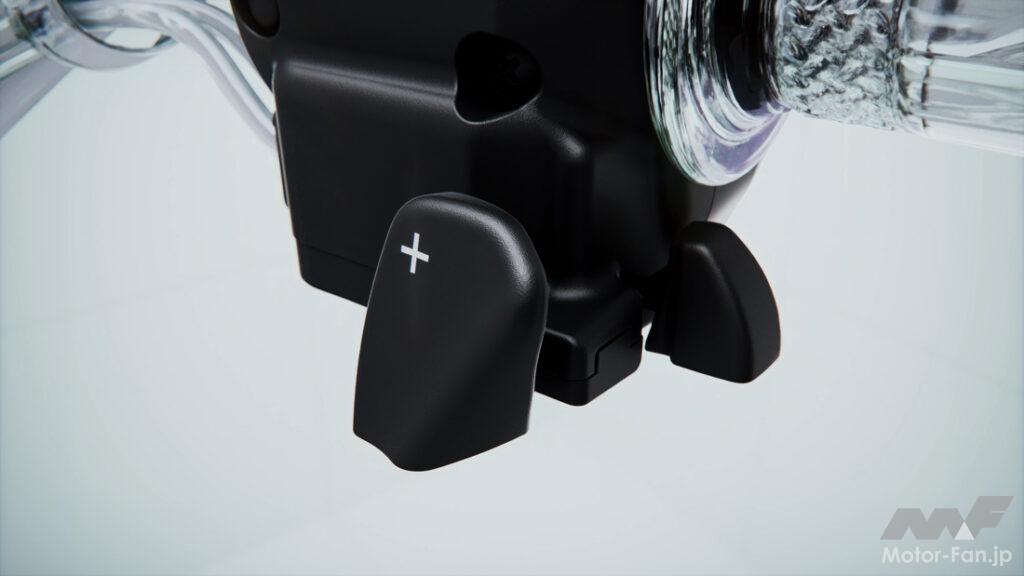
Seesaw-type shift lever on the left handlebar (photo shows the European-spec MT-09 Y-AMT)
On the other hand, when in AT mode, the bike automatically selects the optimal gear depending on the vehicle speed and throttle opening. The rider only has to operate the throttle and brake. AT mode also has two modes: “D” for a gentle ride, and “D+” for a sporty and agile ride. Switching between MT and AT can be done by pressing the lever on the outside of the switch box on the right handlebar.
As of the end of April 2025, Yamaha has the following three models equipped with Y-AMT:
・MT-09 Y-AMT
The first model to adopt the Y-AMT was the MT-09 streetfighter, equipped with an 888cc 3-cylinder engine. It will be released on September 30, 2024, as an additional type to the standard MT model. A 2025 model with a new color scheme is scheduled to be released on May 22, 2025. The price (tax included) of the MT-09 Y-AMT is 1,364,000 yen. This is an increase of 110,000 yen from the standard price (tax included) of 1,254,000 yen.
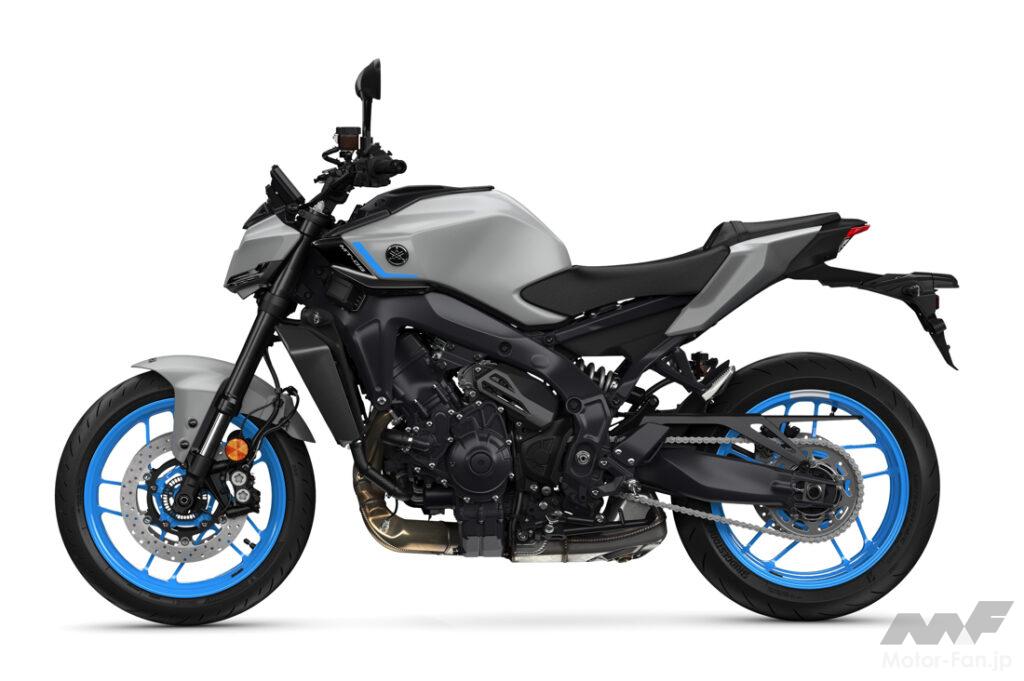
MT-09 Y-AMT
・MT-07 Y-AMT
The 2025 model of the MT-07, a sister model of the MT-09 and equipped with a 688cc 2-cylinder engine, will also see the addition of a new type, the MT-07 Y-AMT, which uses the Y-AMT. It will be released on February 26, 2025.
The new MT-07, which has undergone a model change, has been equipped with a small, thin, small-diameter LED headlight and other features to completely revamp its image, both on the standard model and the model equipped with Y-AMT. Another feature is that the riding performance has been enhanced with features such as an inverted suspension. The price of the MT-07 Y-AMT (tax included) is 1,056,000 yen. The standard model is priced at 968,000 yen, so the Y-AMT model is 88,000 yen more expensive.
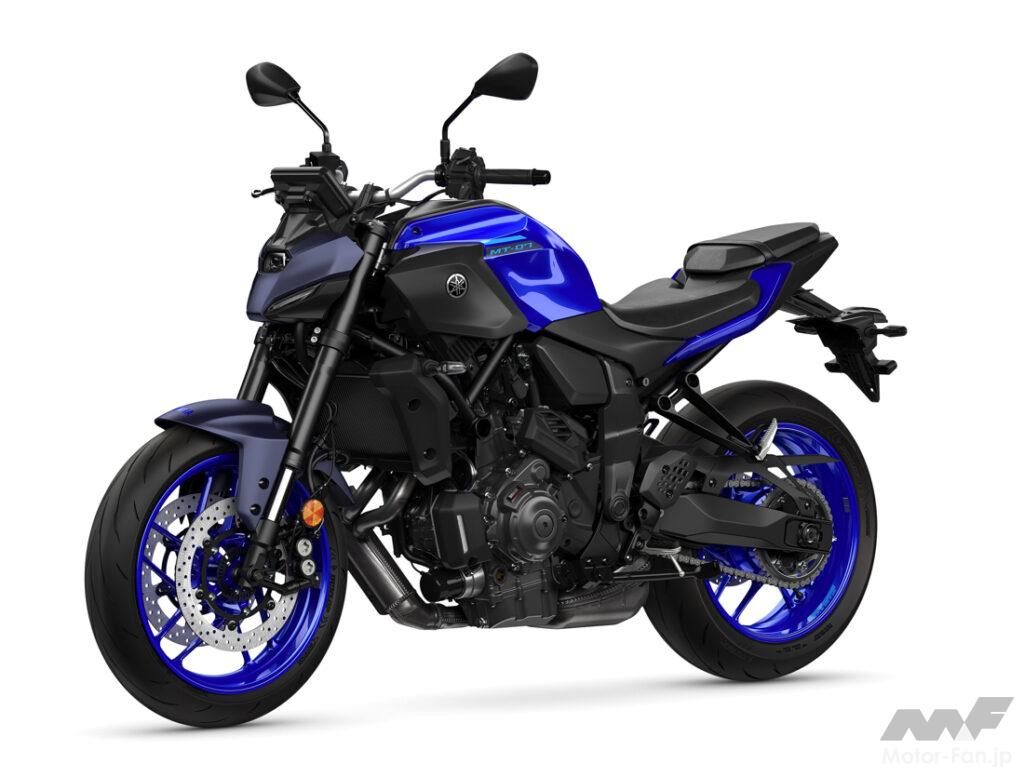
MT-07 Y-AMT
・Tracer 9GT+ Y-AMT
The 2025 model of the flagship luxury sports tourer, the Tracer 9GT+, will also be equipped with the Y-AMT, and the name will be changed to the Tracer 9GT+ Y-AMT. It is scheduled to be released on May 28, 2025.
The Tracer 9GT+ is an advanced version of the Tracer 9GT, which is equipped with an 888cc, three-cylinder engine and adds advanced driving assistance systems such as ACC (Adaptive Cruise Control), which allows the car to follow the vehicle in front.
The 2025 model will be equipped with a new radar at the rear of the vehicle, in addition to the millimeter-wave radar at the front that detects obstacles and other vehicles, and will also feature a BSD (Blind Spot Detection) function that detects vehicles approaching from behind and displays them in the mirror. A major feature of the Y-AMT is that when the ACC is activated in AT mode, the Y-AMT will not only select gears while driving at a constant speed, but will also automatically shift gears as the vehicle speed increases or decreases. This makes it the world’s first motorcycle control system that can shift up and down or maintain shifting while following a vehicle, just like a regular automatic four-wheel vehicle.
The price of the Tracer 9GT + Y-AMT (including tax) is 1,980,000 yen. The price of the standard Tracer 9GT (including tax) is 1,595,000 yen, so the premium version will be 385,000 yen more expensive.

Tracer 9GT+ Y-AMT
Honda E-Clutch
On the other hand, Honda’s E-Clutch has a clutch lever and shift pedal just like a conventional MT (manual transmission), but it uses the latest electronic control technology to automatically control the optimum clutch.
This means that even though it is a manual transmission vehicle, there is absolutely no need to operate the clutch lever when starting, shifting gears, stopping, etc. Also, if you want to operate the clutch lever like a regular manual transmission vehicle, manual clutch control is also possible, which meets the needs of a wide range of riders, reduces fatigue, and contributes to high safety.
The big difference with the Y-AMT is that the shift pedal must be operated even when changing gears while the function is activated. This is what sets it apart from Y-AMT vehicles, which do not have a shift pedal or clutch lever. Conversely, with E-Clutch-equipped vehicles, even when the clutch control is electronically controlled, if the rider operates the clutch lever, they can still control the clutch manually like a regular manual transmission vehicle. Furthermore, the system can be turned off, so the vehicle can be ridden like a regular manual transmission vehicle.
When it comes to riding a motorcycle, it can be said that a motorcycle equipped with an E-clutch is a better fit for riders who prefer the old-fashioned way of riding, where they want to be able to precisely control the accelerator, clutch, and shift pedal.
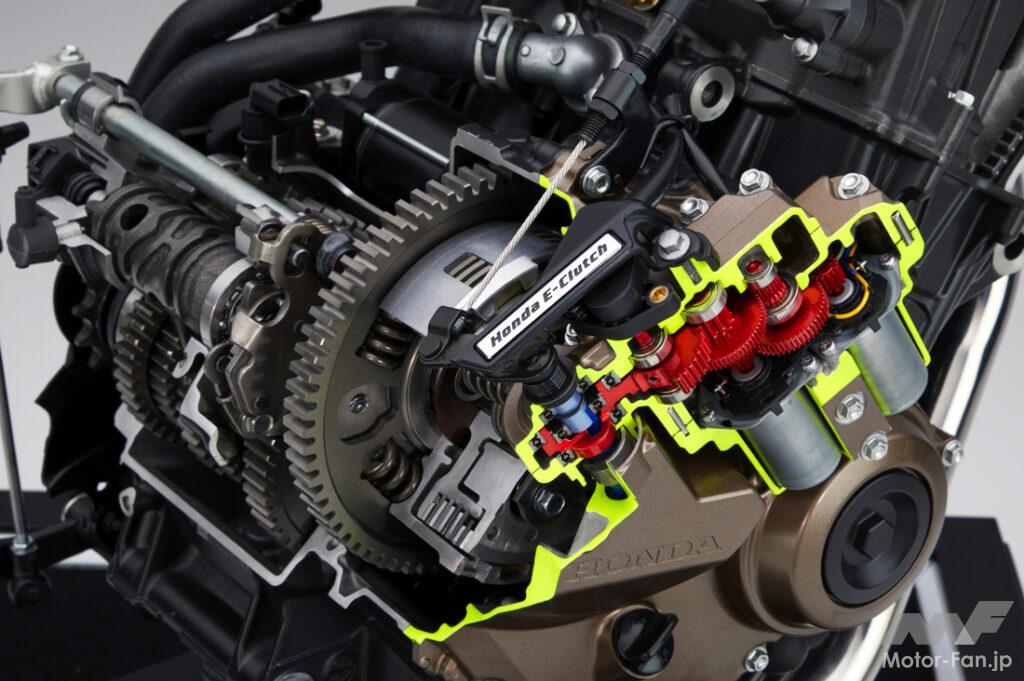
Image of the internal structure of the Honda E-Clutch
As of the end of April 2025, the vehicles equipped with E-clutches are as follows:
・CBR650R E-Clutch/CB650R E-Clutch
Honda’s first models to feature the E-Clutch are the CBR650R E-Clutch, a full-cowl model with a 648cc inline 4-cylinder engine, and its sister naked CB650R E-Clutch. Both will be sold alongside standard models without the E-Clutch, and will go on sale on June 13, 2024.
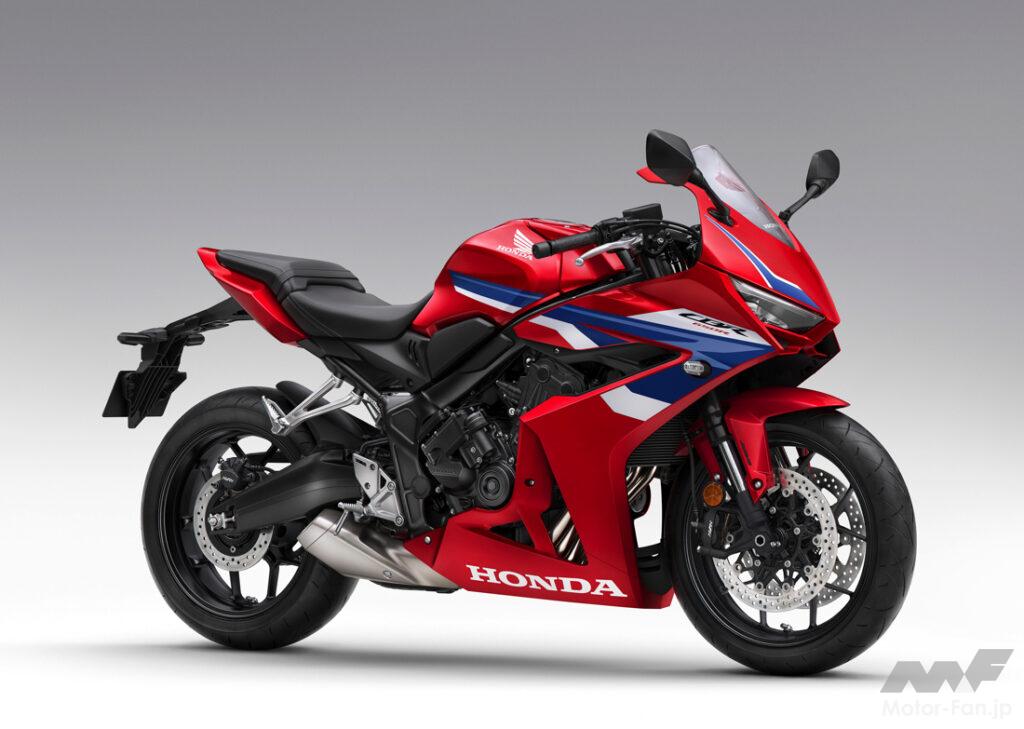
CBR650R E-Clutch
The base model for the E-clutch equipped vehicle is the current model, which underwent a model change in 2024. The CBR650R has undergone design changes to the headlight, shrouds, rear cowl, taillights, etc. The CBR650R has also undergone design changes to the headlight, upper cowl, middle cowl, under cowl, rear cowl, etc., all of which have undergone a complete redesign. In addition, a 5-inch full-color TFT meter that displays a wealth of information in an easy-to-read format has been adopted, and Honda RoadSync has been added, which allows the vehicle to be linked to a smartphone. The updates have been made to make the vehicle easier to use and more convenient.
By the way, the standard and E-Clutch equipped models of both models look almost identical. The only slight difference is that the E-Clutch equipped model has a Honda E-Clutch unit added to the crankcase side cover on the right side of the engine. However, since the unit itself is quite compact, there is almost no difference in style compared to the standard specification regular engine.
The price (including tax) of the CBR650R E-Clutch is 1,155,000 to 1,188,000 yen. The price (including tax) of the standard CBR650R is 1,100,000 yen, so the price for the E-Clutch equipped model is 55,000 to 88,000 yen more. The price (including tax) of the CB650R E-Clutch is 1,089,000 yen. The price (including tax) of the standard CB650R is 1,034,000 yen, so the price for the E-Clutch equipped model is 55,000 yen more.
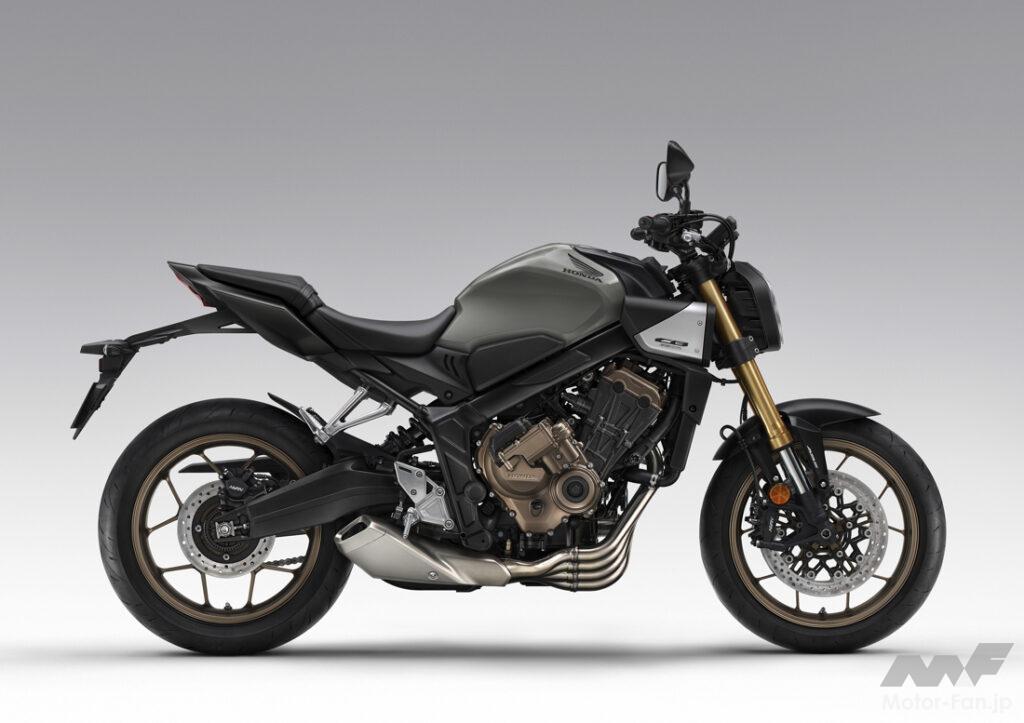
CB650R E-Clutch
・Rebel 250 E-Clutch/Rebel 250S Edition E-Clutch
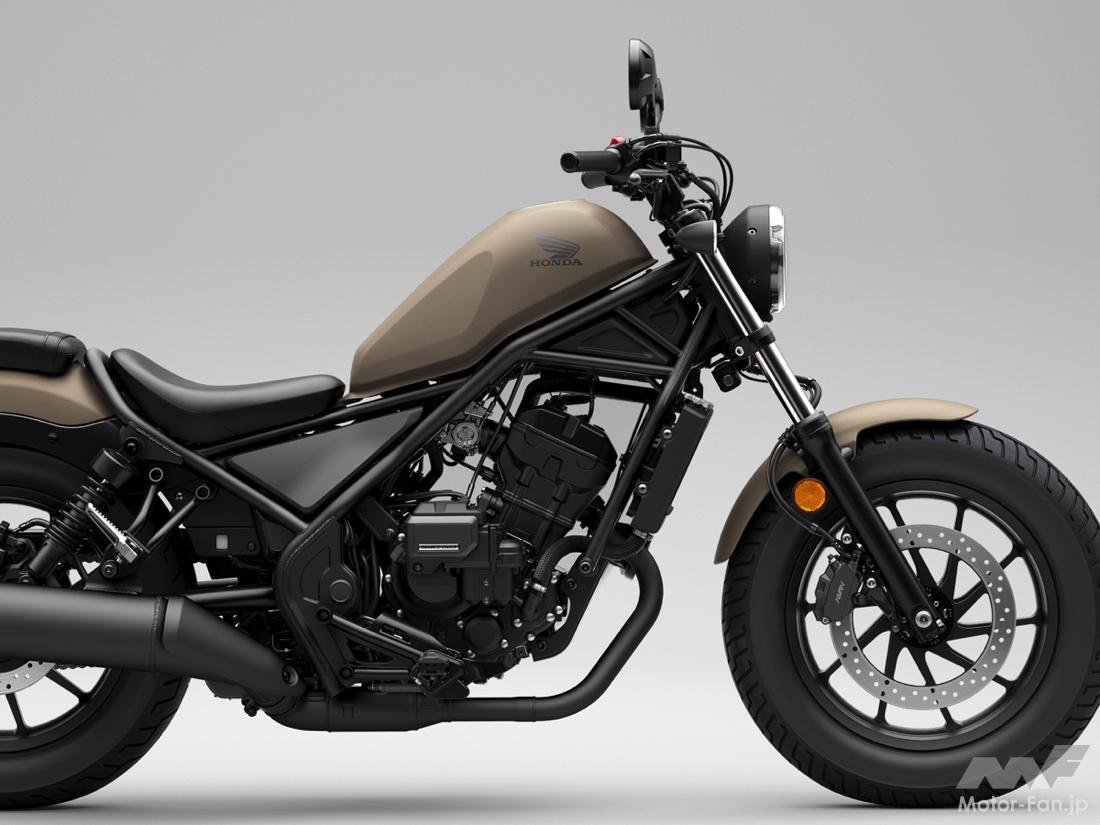
The Rebel 250 E-Clutch and Rebel 250S Edition E-Clutch were added to the Rebel 250 light cruiser model and were released on March 13, 2025.
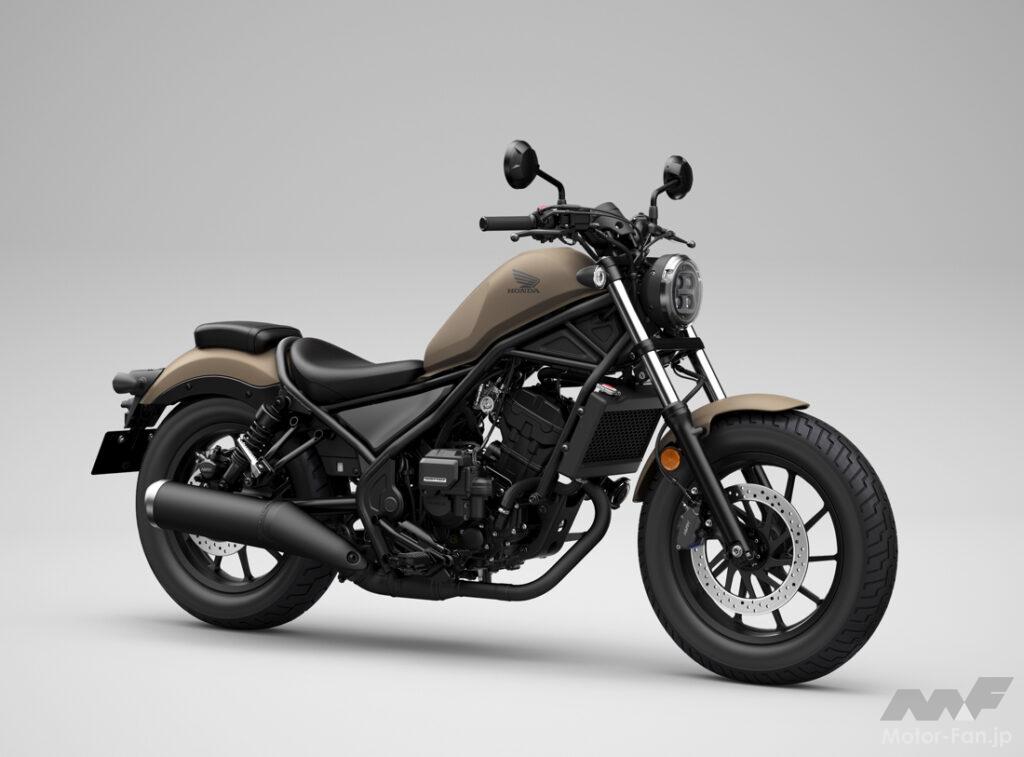
Rebel 250 E-Clutch
The Rebel 250 and the Rebel 250S Edition, which comes equipped with a bikini cowl, are popular with a wide range of riders, from beginners to veterans, thanks to their 249cc single-cylinder engine that is easy to handle even at low revs, and their excellent foot reach thanks to a seat height of 690mm. The 2025 model has a revised handlebar shape to optimize positioning, and the material inside the seat has been changed to improve comfort.
The Rebel 250 is available in two models: the standard Rebel 250 and the Rebel 250 E-Clutch. The Rebel 250S Edition with a bikini cowl is only available with the E-Clutch. Prices (including tax) are 693,000 yen for the Rebel 250 E-Clutch and 638,000 yen for the standard Rebel 250, so the E-Clutch model is 55,000 yen more expensive. The Rebel 250S Edition E-Clutch is 731,500 yen.
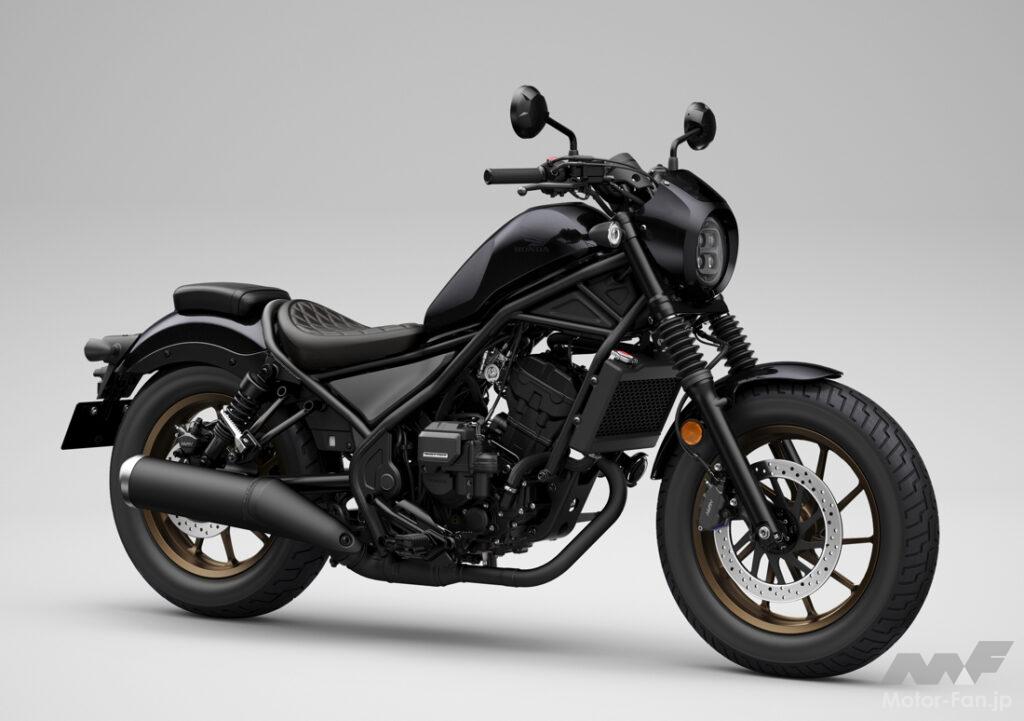
Rebel 250S Edition E-Clutch
Honda DCT
Some Honda vehicles are equipped with a feature called “DCT (Dual Clutch Transmission).” This electronically controlled shift mechanism has been around for many years since it was first adopted on the “VFR1200F” model in 2010.
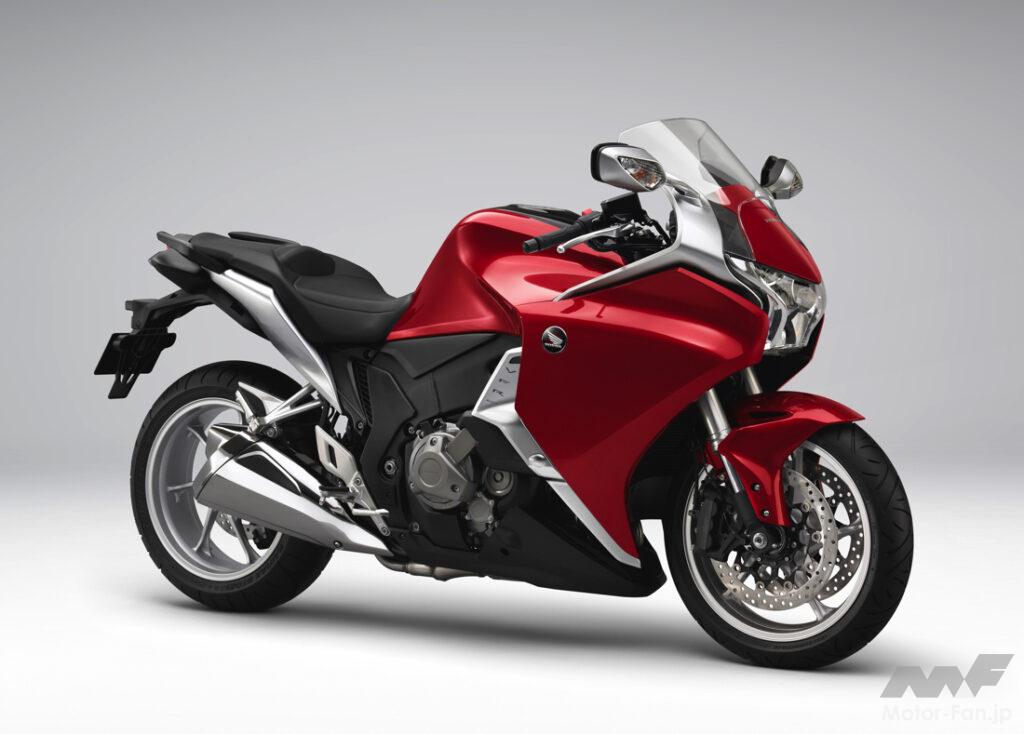
The first VFR1200F to feature DCT was the 2010 model.
Its main feature is the use of a dual-clutch transmission with two clutches: one for 1st, 3rd, 5th, and starting, and one for 2nd, 4th, and 6th gears. The appeal of this transmission is that it minimizes the interruption of driving force that inevitably occurs when changing gears with a regular manual transmission, allowing for smooth acceleration and deceleration.
Unlike the E-Clutch, the DCT has fully automated clutch and shift operations. This means that the rider not only does not need to operate the clutch, but also the shift pedal. In other words, it is the same as an automatic transmission vehicle. However, the switch on the left handlebar allows for up/down shifting, and also functions like a paddle shift on a four-wheel automatic transmission vehicle. In this respect, it is a mechanism similar to Yamaha’s Y-AMT.
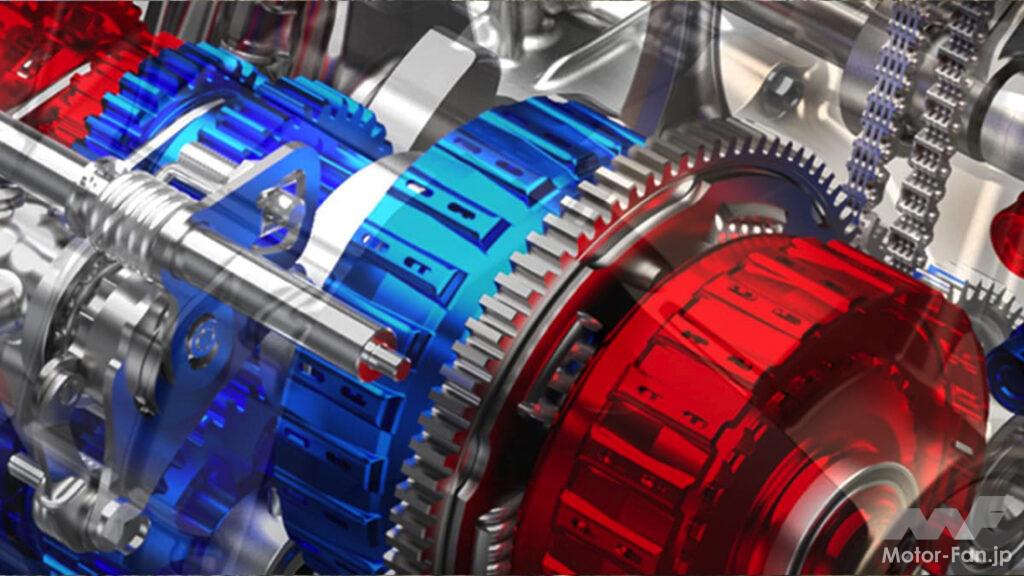
DCT image
Incidentally, Yamaha also used an automated manual transmission system called “YCC-S” on the large touring model “FJR1300AS (now out of production)” released in 2006. The Y-AMT is an evolved version of that. Honda and Yamaha are similar in that they have been developing and evolving electronically controlled shift mechanisms for over 10 years.
As DCT has a long history, it is installed in more Honda vehicles than E-Clutch, and is used in the following models:
・Gold Wing Tour
This large tourer is equipped with an 1833cc horizontally opposed 6-cylinder engine. It has been a long-selling model since the first model was released in the US in 1975, and a special edition “Gold Wing Tour 50th Anniversary” will be released on April 17, 2025, to commemorate the 50th anniversary of its release. Prices (including tax) are 3.74 million yen for the standard model and 3.85 million yen for the 50th Anniversary model (both are limited-time models available for order until May 31, 2025).
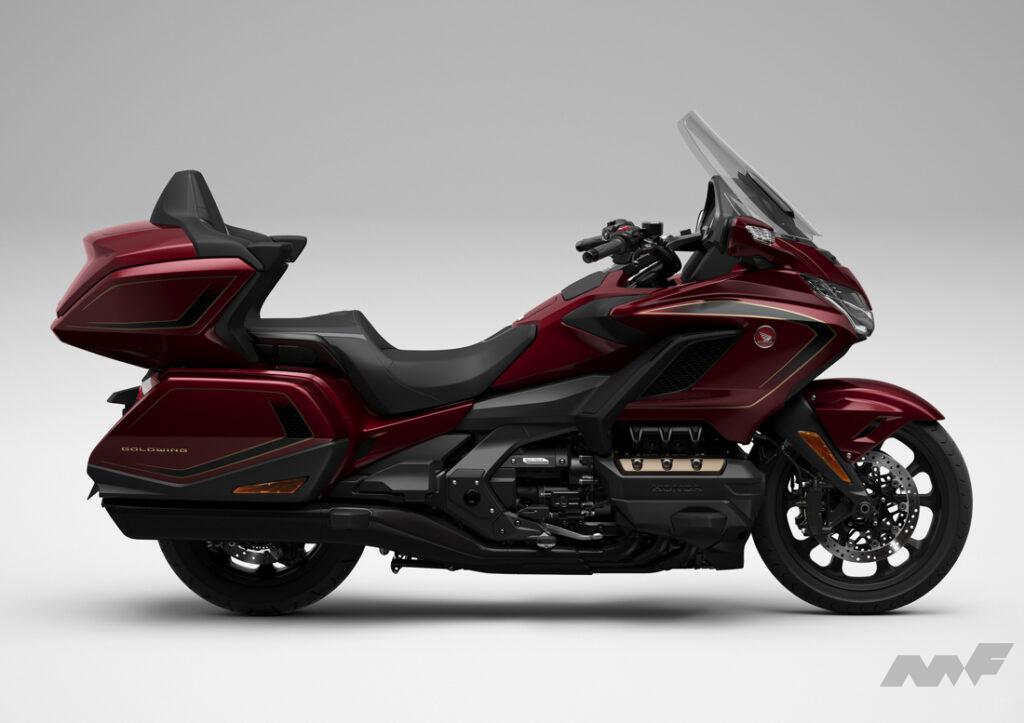
Gold Wing Tour 50th Anniversary
・CRF1100L Africa Twin
This large adventure model is equipped with a 1082cc inline-twin engine and strikes a high level of balance between on-road riding, off-road riding, and everyday usability. The lineup includes the CRF1100L Africa Twin<s>, which employs long-stroke suspension for off-road performance, and the CRF1100L Africa Twin Adventure Sports ES, which employs electronically controlled suspension. In addition, both models are available with DCT: the CRF1100L Africa Twin DCT<s> and the CRF1100L Africa Twin Adventure Sports ES DCT. Prices (including tax) for the DCT models range from 1,749,000 to 2,057,000 yen. Compared to the regular MT models, which are priced from 1,639,000 to 1,947,000 yen, the DCT-equipped models are an additional 110,000 yen each.
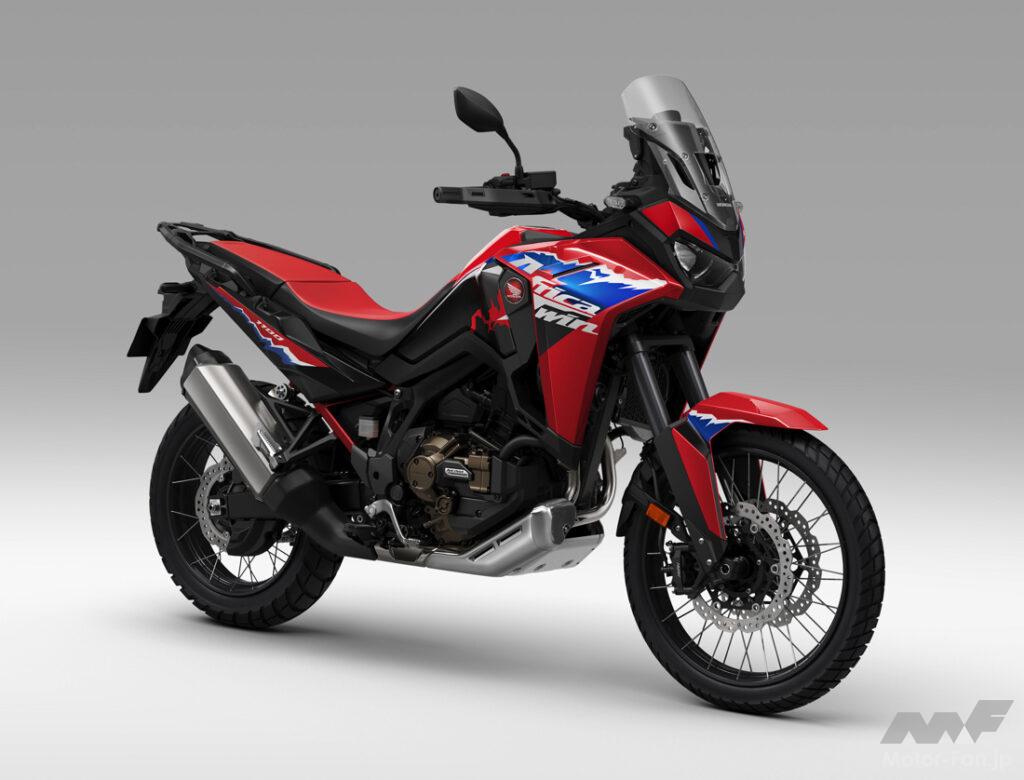
CRF1100L Africa Twin DCT<s>
ADVERTISEMENT
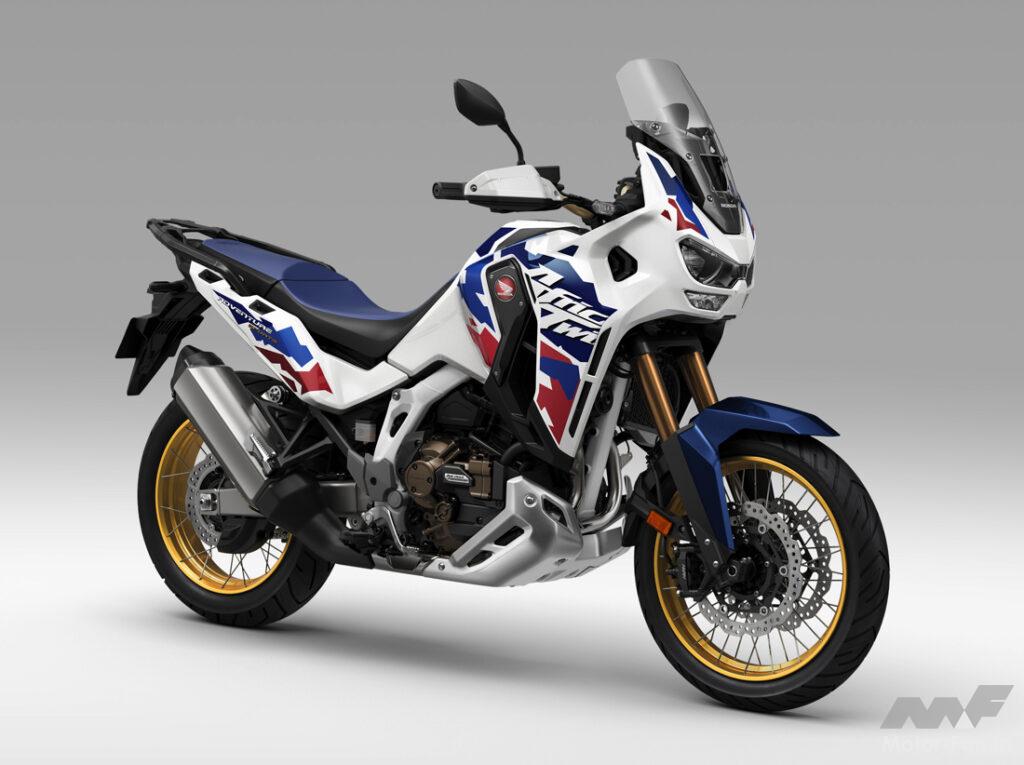
CRF1100L Africa Twin Adventure Sports ES DCT
・NT1100
This large sports tourer is equipped with a 1082cc inline twin-cylinder engine and is matched with a DCT. The 2025 model features headlights with built-in daytime running lights and turn signals, further highlighting its unique face design. It also features the EERA electronically controlled suspension, which improves ride comfort by adjusting the damping force according to the situation. The price (including tax) is 1,848,000 yen.
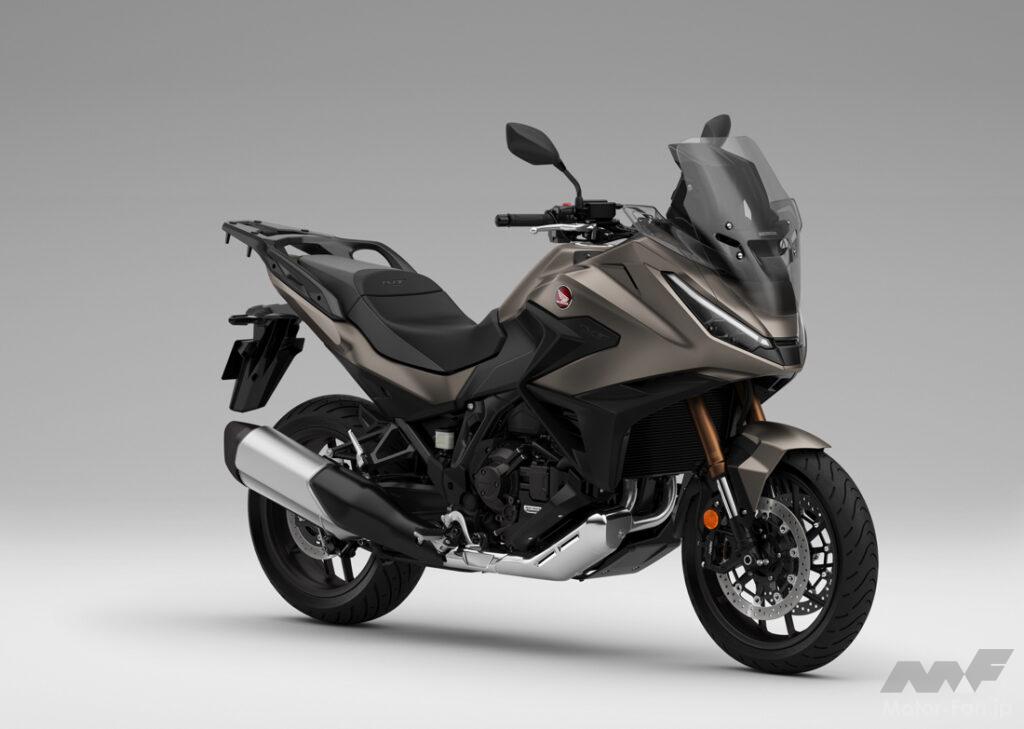
NT1100
・Rebel 1100/1100T/S Edition
This large cruiser model is equipped with a 1082cc inline-twin engine similar to the CRF1100L Africa Twin. It comes in two versions: the cowl-less standard “Rebel 1100” and the “Rebel 1100T” equipped with a large front cowl and saddlebags. Each is also available with a DCT. The 2025 model also sees the addition of the “Rebel 1100S Edition DCT,” which comes standard with a mini cowl and various accessories. Prices (including tax) for the DCT-equipped model range from 1,314,500 yen to 1,495,000 yen. The standard manual transmission models are priced from 1,204,500 yen to 1,385,000 yen, so the DCT-equipped models are priced 110,000 yen higher.
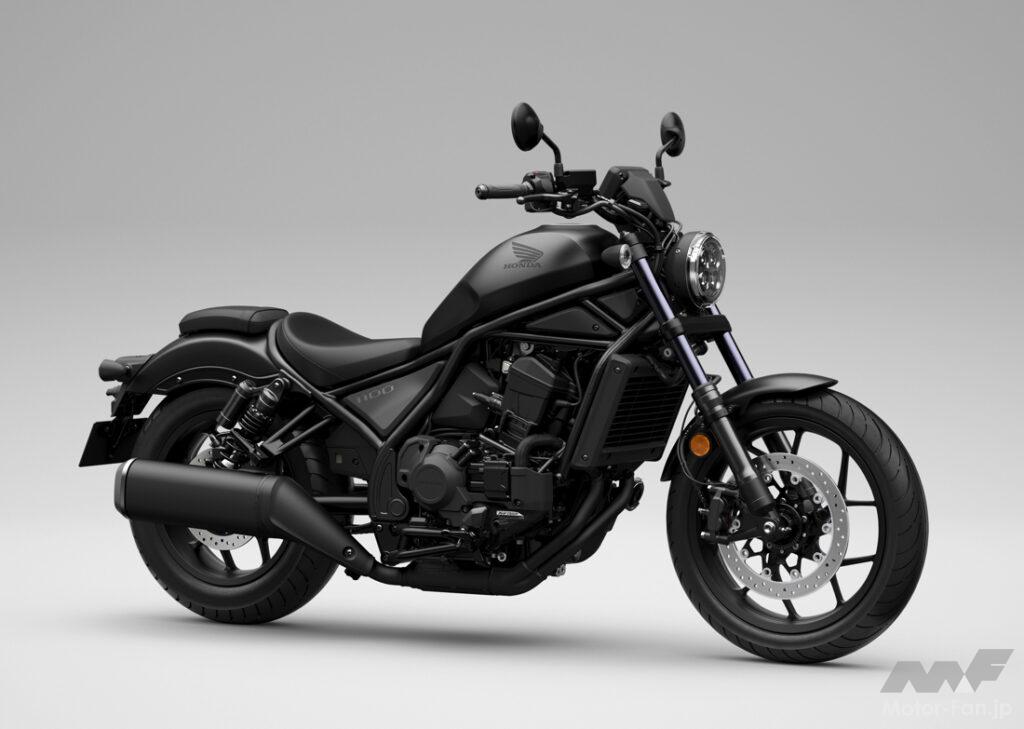
Rebel 1100 DCT
ADVERTISEMENT
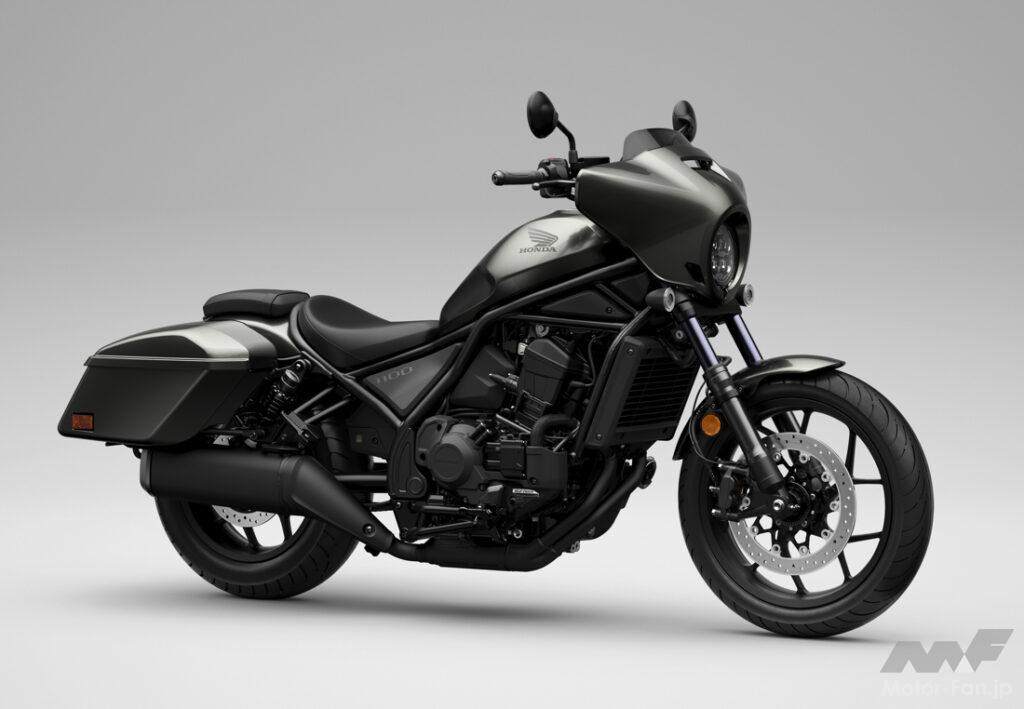
Rebel 1100T DCT
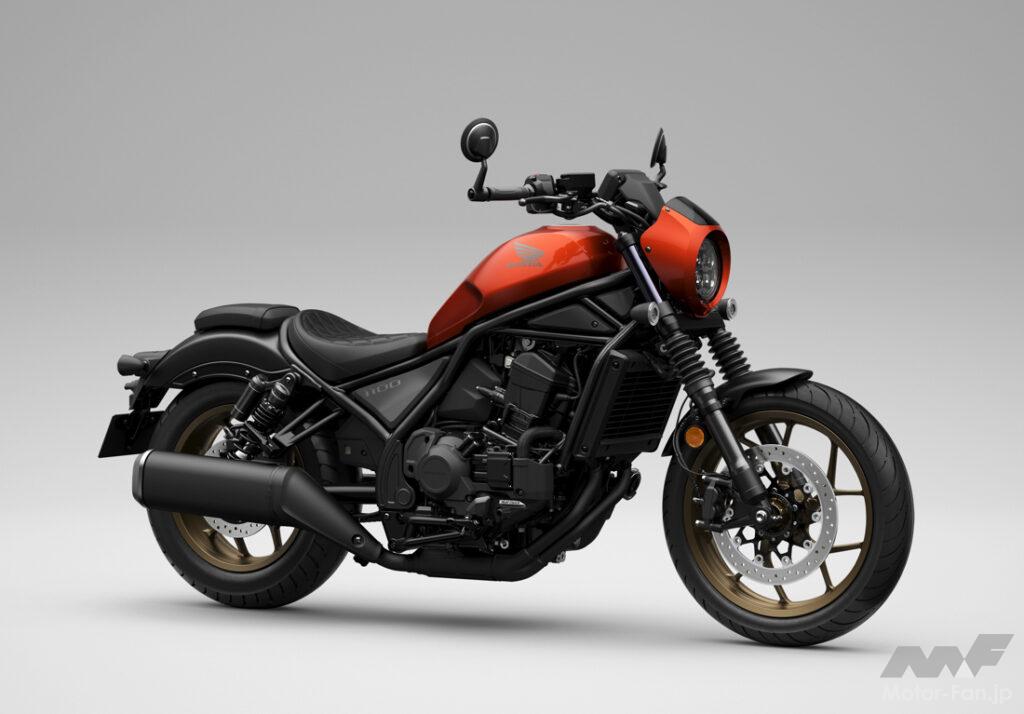
Rebel 1100S Edition DCT
・NC750X
This large sports model is equipped with a 745cc inline twin-cylinder engine. The 2025 model has undergone styling changes, including a completely redesigned front end. The price (including tax) for the DCT-equipped “NC750X DCT” is 1,069,200 yen. The standard manual transmission is priced at 997,700 yen, 71,500 yen cheaper than the DCT-equipped model.
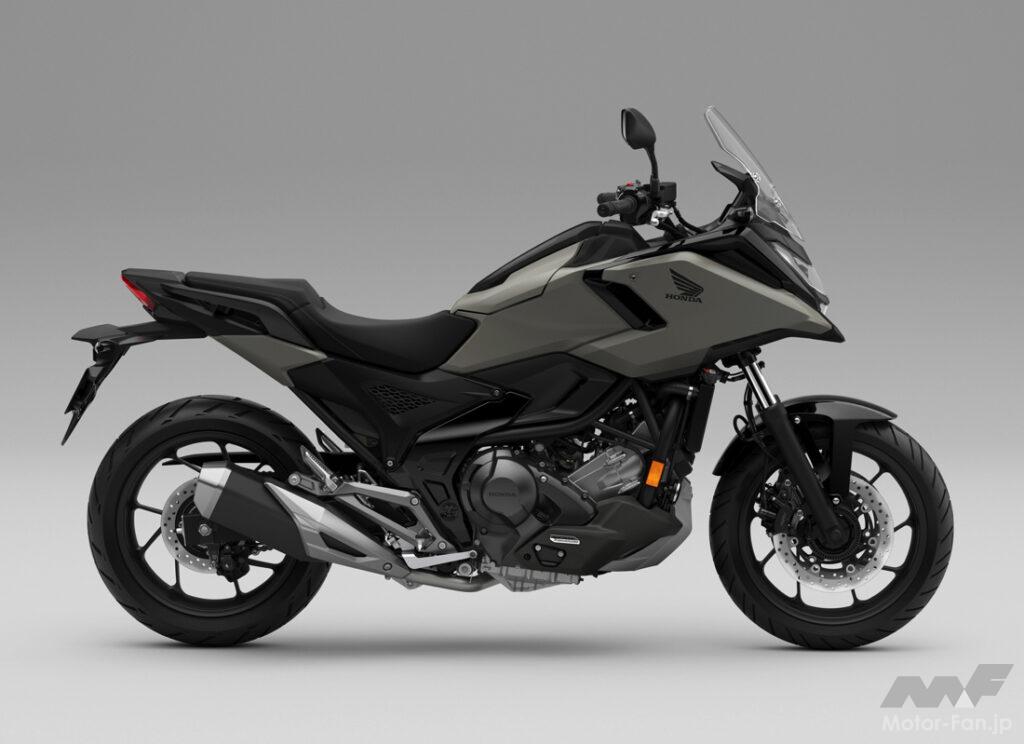
NC750X
・X-ADV
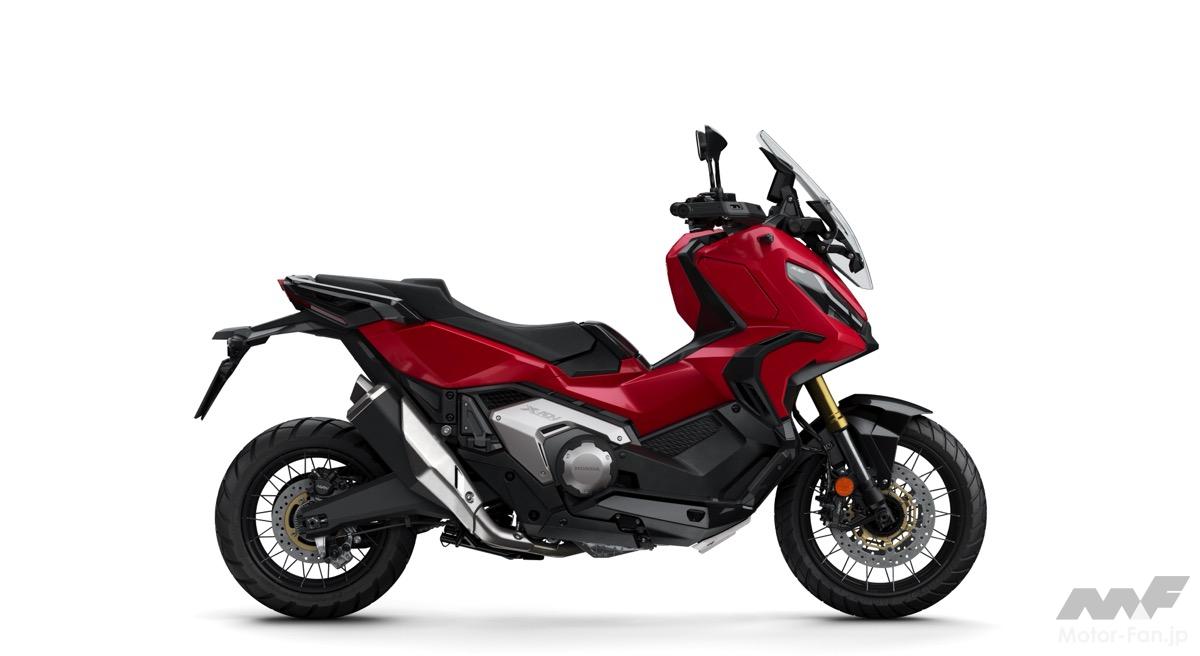
This large crossover model is equipped with a 745cc inline twin-cylinder engine. The 2025 model features updated DCT control, contributing to better clutch response and more sensitive engagement. The five-position adjustable windscreen has also been redesigned for improved operability. The 5-inch full-color TFT LCD meter and improved switches have also improved the convenience of each part. The price (tax included) is 1,438,800 yen.
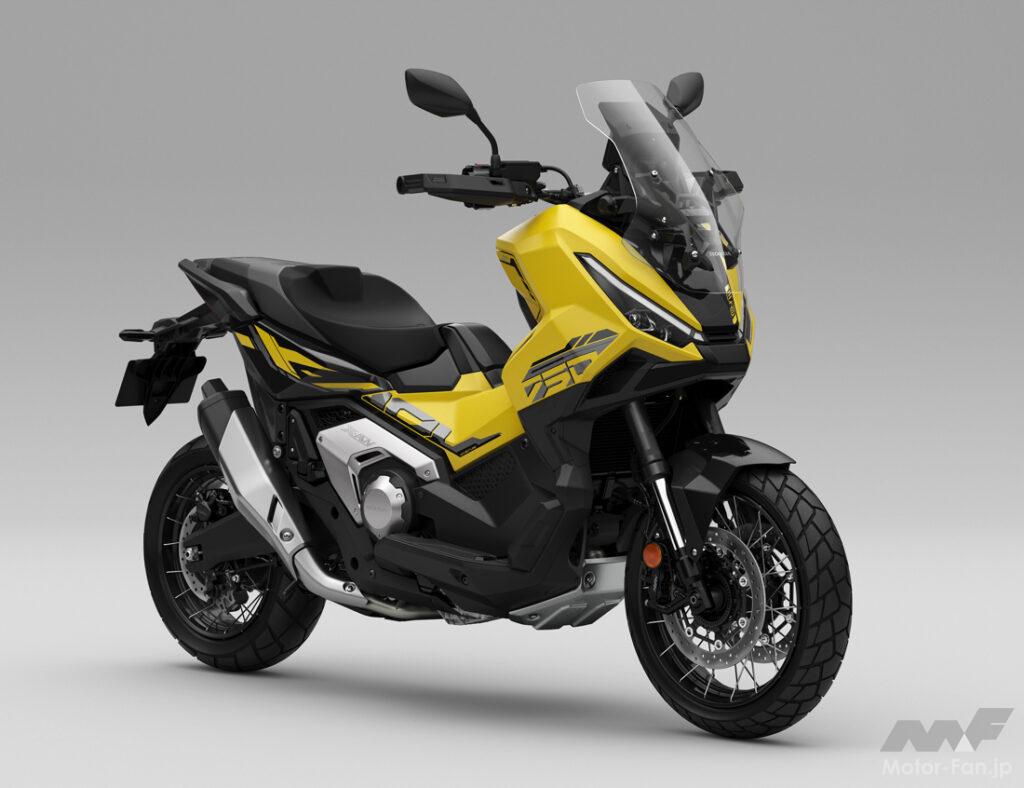
X-ADV
Kawasaki electronically controlled 6-speed automatic transmission
Kawasaki has adopted its unique electronically controlled 6-speed automatic transmission (AT) with manual mode in its Ninja 7 Hybrid and Z7 Hybrid sports bikes, which are equipped with the world’s first strong hybrid system.
A strong hybrid combines two types of powertrains, an engine and a traction motor, to achieve both excellent driving performance and low fuel consumption. Hybrid mechanisms have become familiar in four-wheeled vehicles, with Toyota’s Prius being the most prominent example, but this is the first time it has been used in a mass-produced two-wheeled vehicle (excluding scooter models).
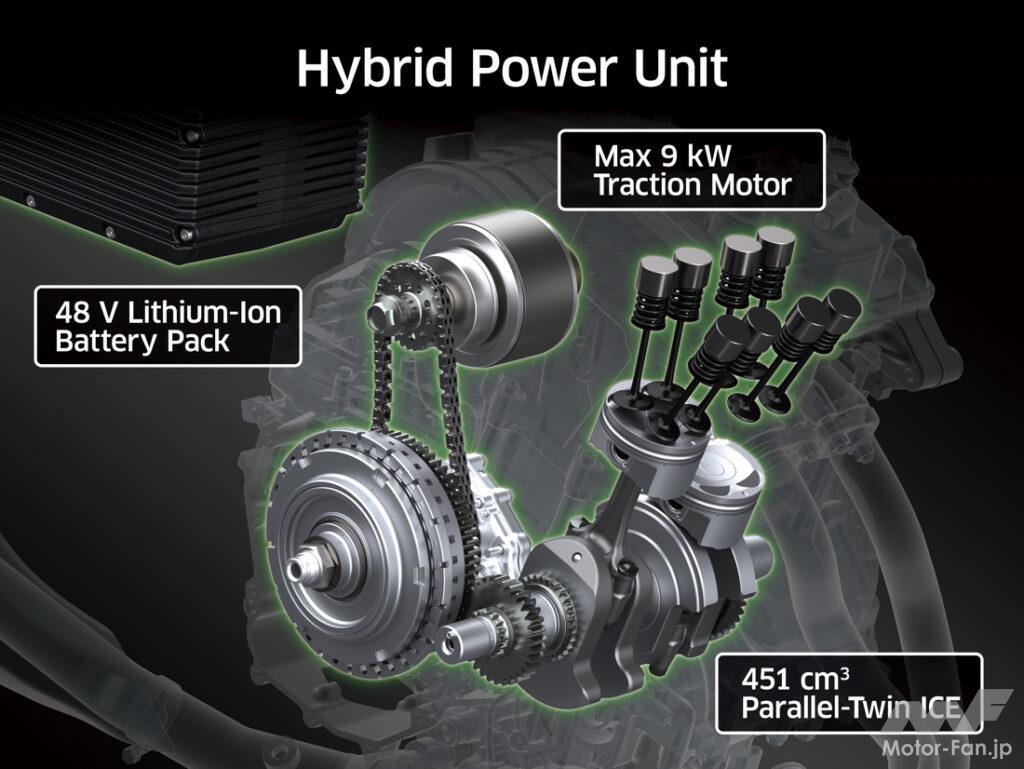
Image of Kawasaki’s strong hybrid mechanism
One of the features of this Strong Hybrid is that it does not have a clutch lever or shift pedal, even with the electronically controlled 6-speed automatic transmission. The gear shifting method differs depending on the riding mode; in EV mode, the bike is set to automatic and shifts gears automatically. In SPORT-HYBRID mode, manual operation is the only option, and gear changes are performed using the shift selector on the left handlebar. Additionally, in ECO-HYBRID mode, you can choose between manual and automatic. Incidentally, when shifting manually, you can upshift by operating the shift selector located at the back of the grip from the rider’s perspective with your index finger. On the other hand, you can downshift by pressing the selector located in front of the grip from the rider’s perspective with your thumb.
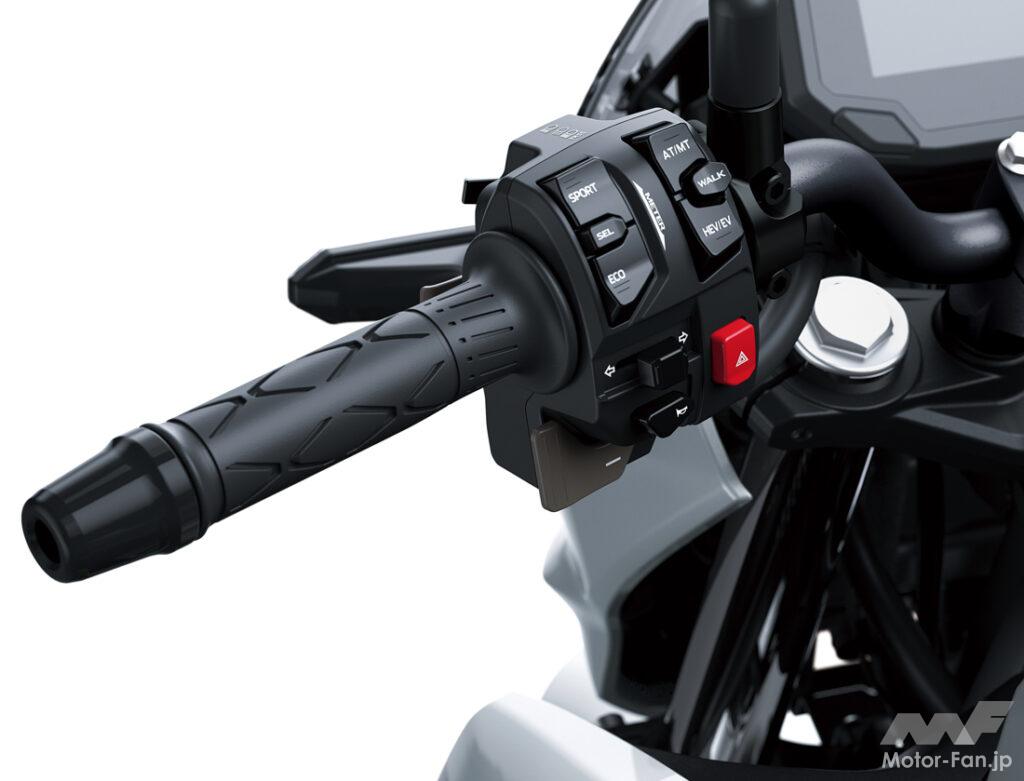
Manual gear shifting is performed using the shift selector on the left handle.
The main features of each model are as follows:
・Ninja 7 Hybrid
This hybrid bike is part of Kawasaki’s full-cowl sports model “Ninja” series. The engine is a 451cc water-cooled parallel twin-cylinder, matched with a compact driving motor that Kawasaki calls a “traction motor.” By coordinating the gasoline engine and traction motor, the bike delivers a maximum system output of 51.1kW (69PS) at 10,500rpm while also achieving excellent fuel economy of 23.6km/L in WMTC mode. The price (tax included) is 1,848,000 yen.
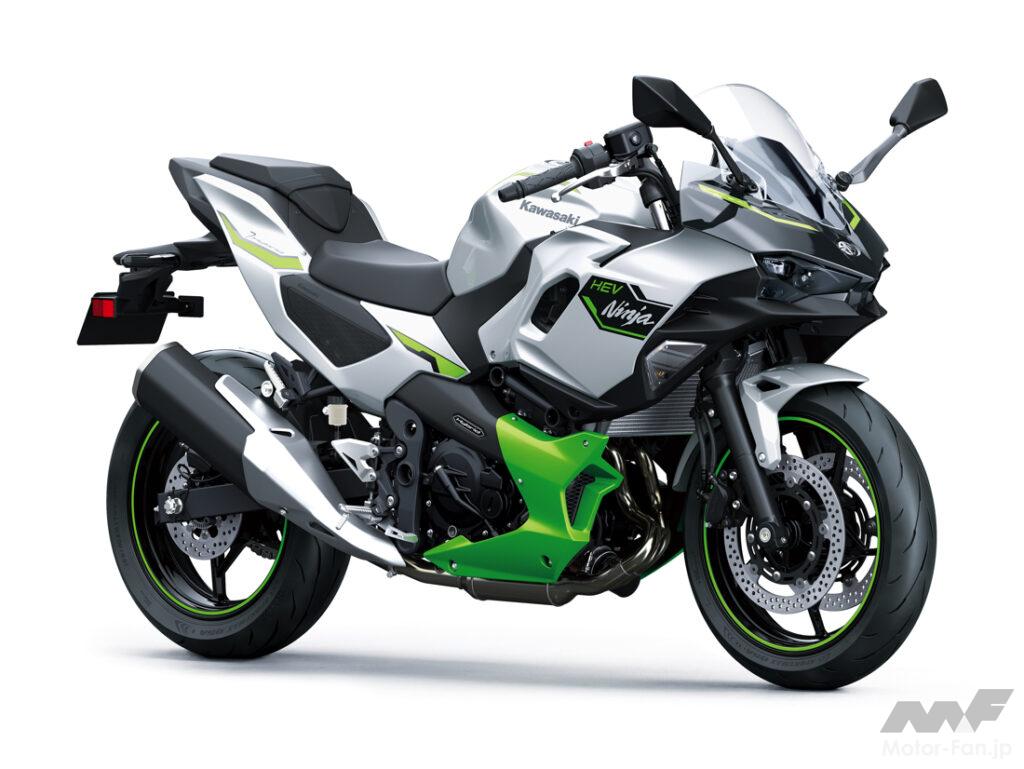
Ninja 7 Hybrid
・Z7 Hybrid
This naked model uses the same power unit as the Ninja 7 Hybrid. Its main feature is its aggressive form, which follows the style of Kawasaki’s “Super Naked Z” series. The frame uses a unique trellis frame, and although it is made of steel, its lightweight body achieves nimble handling. The suspension is also well-equipped, with an upright front fork with an inner tube diameter of 41mm and a new Uni-Trak rear suspension with a link mechanism. The price (tax included) is 1,848,000 yen.
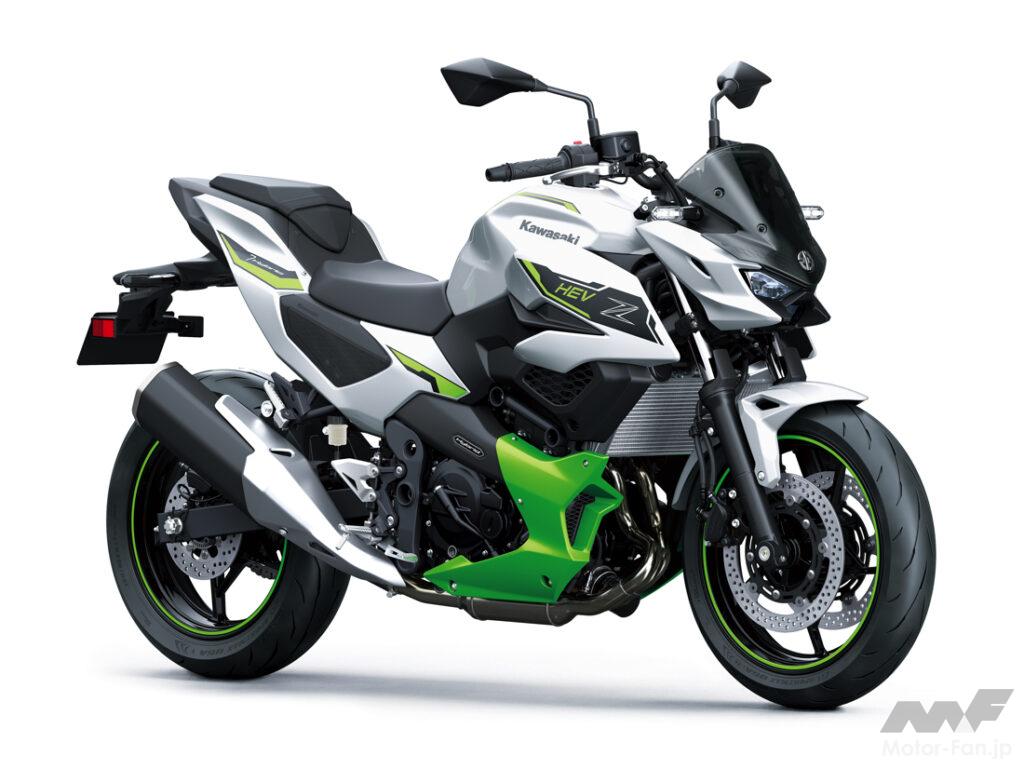
Z7 Hybrid
Electronically controlled shift vehicles are increasingly being introduced in overseas models.
In addition to these domestic models, in recent years, for example, BMW has adopted a mechanism called ASA for its new adventure model “R1300GS Adventure.” Also, KTM has equipped its “1390 Super Adventure S Evo” with AMT. Both are systems that use a unique electronically controlled shift mechanism, allowing the motorcycle to automatically shift gears without the need to operate a shift pedal or clutch lever.
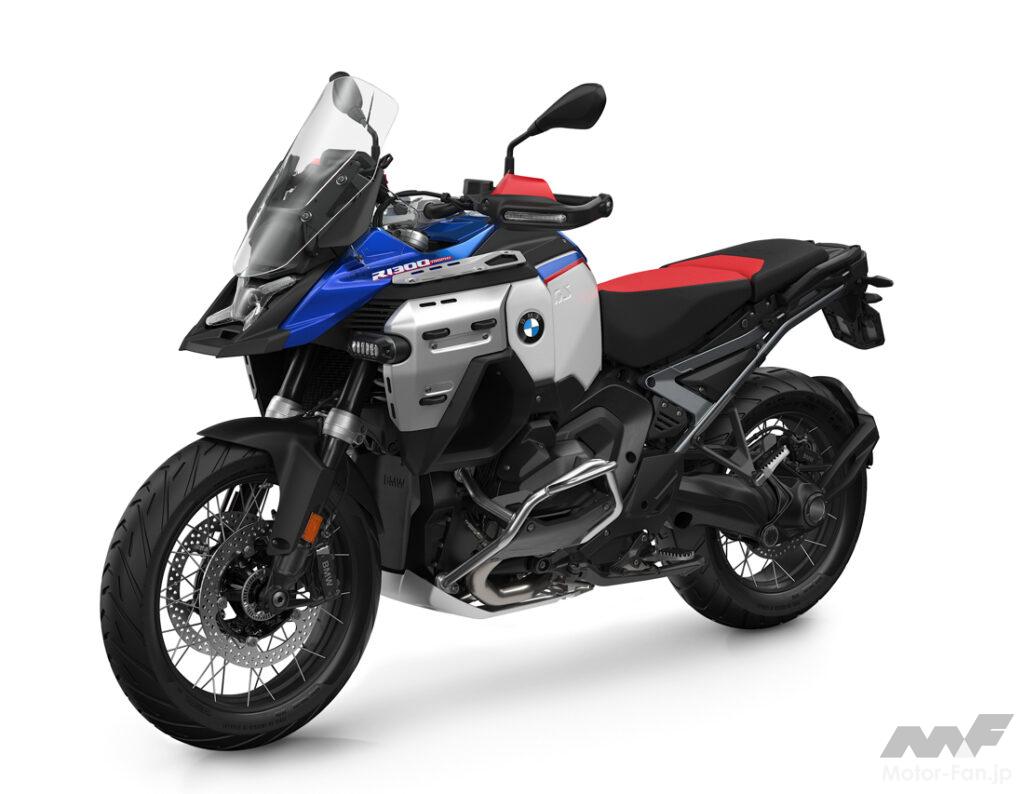
BMW R1300GS Adventure
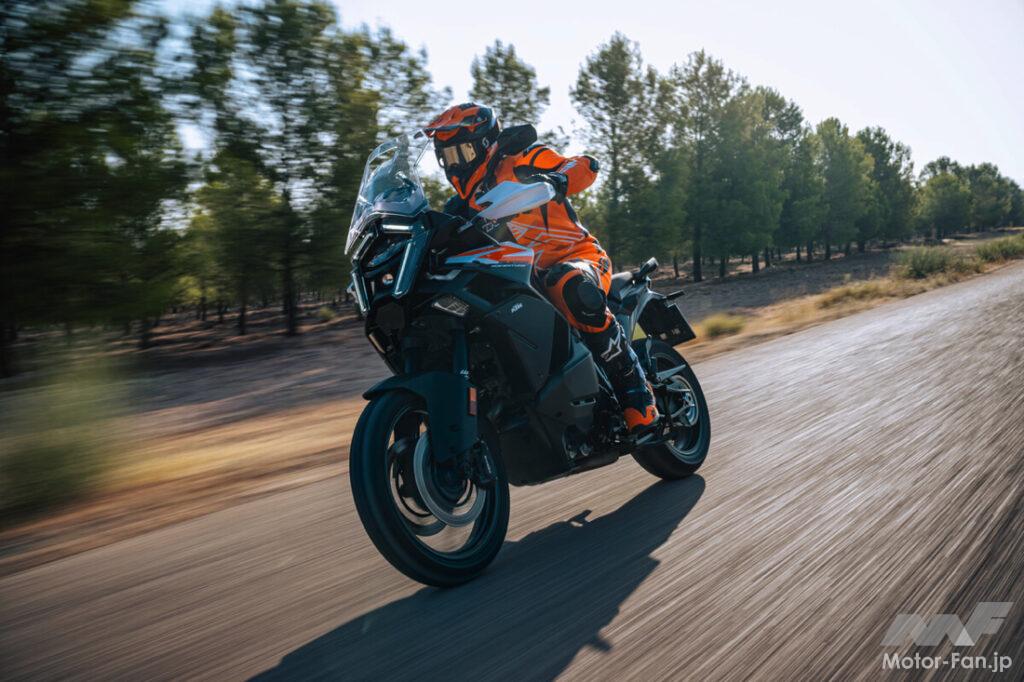
KTM 1390 Super Adventure S Evo
As such, there has been a noticeable increase in the number of motorcycles equipped with electronic shifting in recent years. The appeal of all models is that they allow a wide range of riders, from beginners to veterans, to enjoy comfortable motorcycle riding. Furthermore, due to the compactness of the system, it is expected that they will be adopted in a wide range of motorcycles, from sports models to touring bikes, and from large displacement classes over 1000cc to mid-displacement classes around 250cc. It is likely that the number of models equipped with electronic shifting will increase in the future, so it will be interesting to see what models will adopt them.