

Yamaha MT-07 Y-AMT ABS…1,056,000 yen (including 10% consumption tax)
The controls are easy, but the inside is manual.
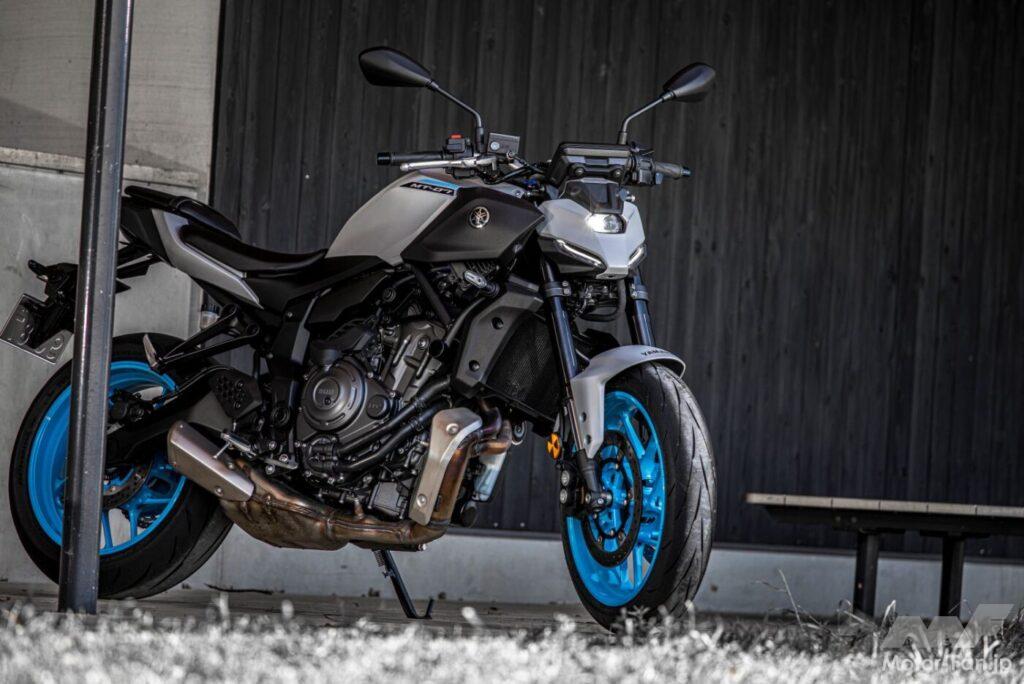
Yamaha’s new “MT-07 Y-AMT”
The MT-07 Y-AMT is based on the popular MT-07 sports naked bike and features Yamaha’s proprietary Y-AMT electronic shift control system. The major benefit is that it eliminates the need for a clutch lever or shift pedal, allowing riders to concentrate more on their riding. Its key point is that anyone, regardless of experience, can enjoy the light, nimble ride that’s so characteristic of Yamaha. What’s
interesting is that, while retaining the same structure as a manual transmission, the clutch and shifting operations that are typically performed by a human are handled by a machine. The actuator automatically controls the gears and clutch, giving the ride a manual feel while simplifying operation. It offers a new genre of operating feel, different from scooter-like continuously variable automatics (CVTs) or dual clutches that enable smooth gear changes.
Yamaha says the Y-AMT isn’t simply a system for “making things easier,” but aims to “combine sportiness and comfort.” Proof of this is that it’s already available on the more powerful MT-09. It is possible to switch between AT mode (automatic transmission) and MT mode (M mode), and in the case of MT, gears can be changed at will using the seesaw switch on the left hand side. What’s more, both modes have settings for comfort and sport, so it’s nice to be able to choose the riding style that suits the situation.
Meanwhile, the engine and body are the same as the new MT-07, which was completely redesigned for the 2025 model, and the lightweight and compact body and torqueful riding performance of the water-cooled parallel twin 688cc engine that produces a maximum output of 73ps remain the same. It also comes equipped with inverted forks, electronically controlled throttle, and riding modes. The front face has also been redesigned, making it a modern evolution.
It’s so smooth I’m a little surprised
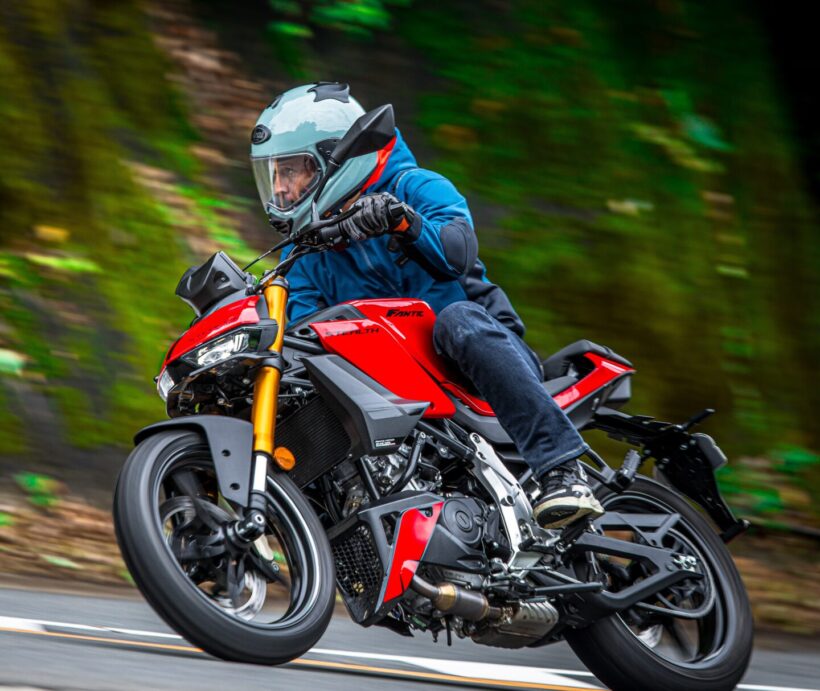
Let’s start with the design. The new front mask and inverted forks are eye-catching, and the wheels, swingarm, brakes, and exterior are all part of what could be called a complete redesign. Even so, the exposed mechanical feel and mass-concentrated proportions give it a distinctly “MT” feel. The seat is flat, the position is natural, and the slim body makes it easy to reach the ground. Even beginners will quickly get used to the bike.
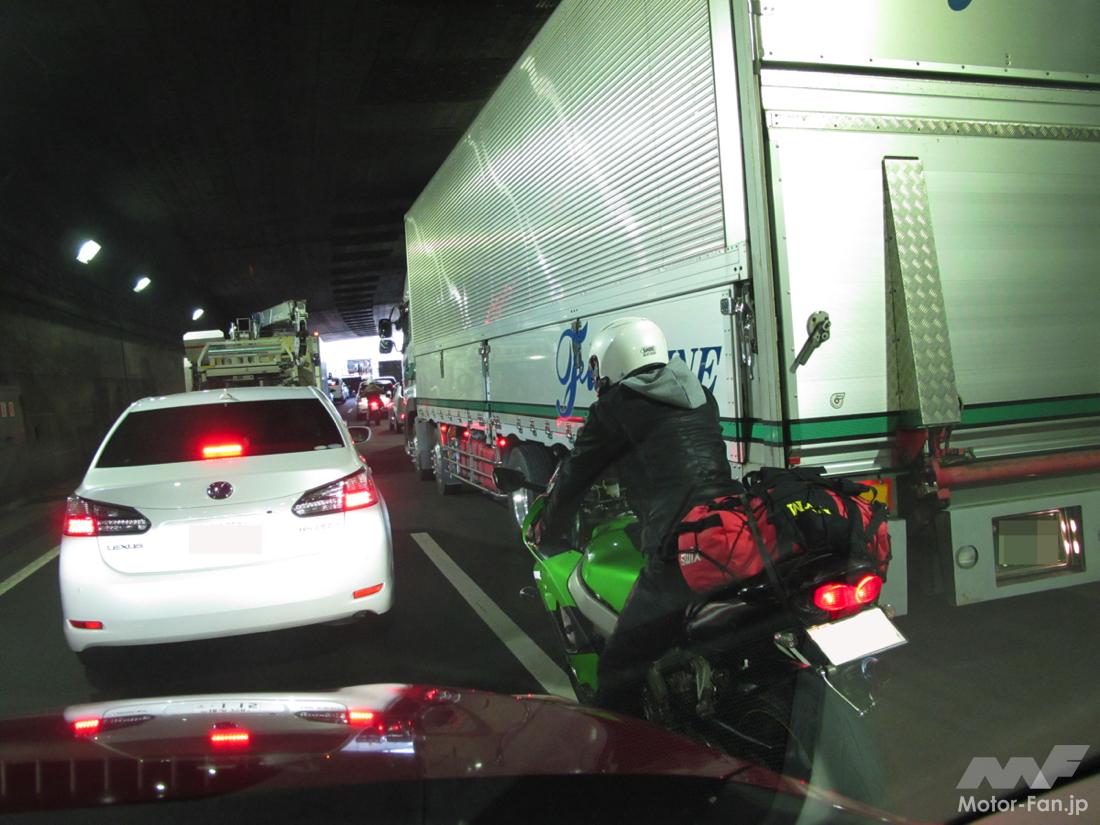
The ride is surprisingly smooth. I started the engine and set off in automatic mode. The lack of a clutch and shifter is a bit disconcerting at first, but after just a few minutes, I got used to it. Just opening the throttle and accelerating smoothly upshifts, and when I eased off the accelerator to stop at a traffic light, it downshifts naturally as well. It felt perfectly comfortable for normal city driving. My wrists and ankles weren’t sore, and it was stress-free, especially in stop-and-go urban areas, even on congested roads. I even tried a U-turn, and even in situations where I would normally use a half-clutch, I was able to make a tight turn with stability using only the accelerator and rear brake. Of course, you still have to control the balance and speed yourself, but most riders will find it easy to do.
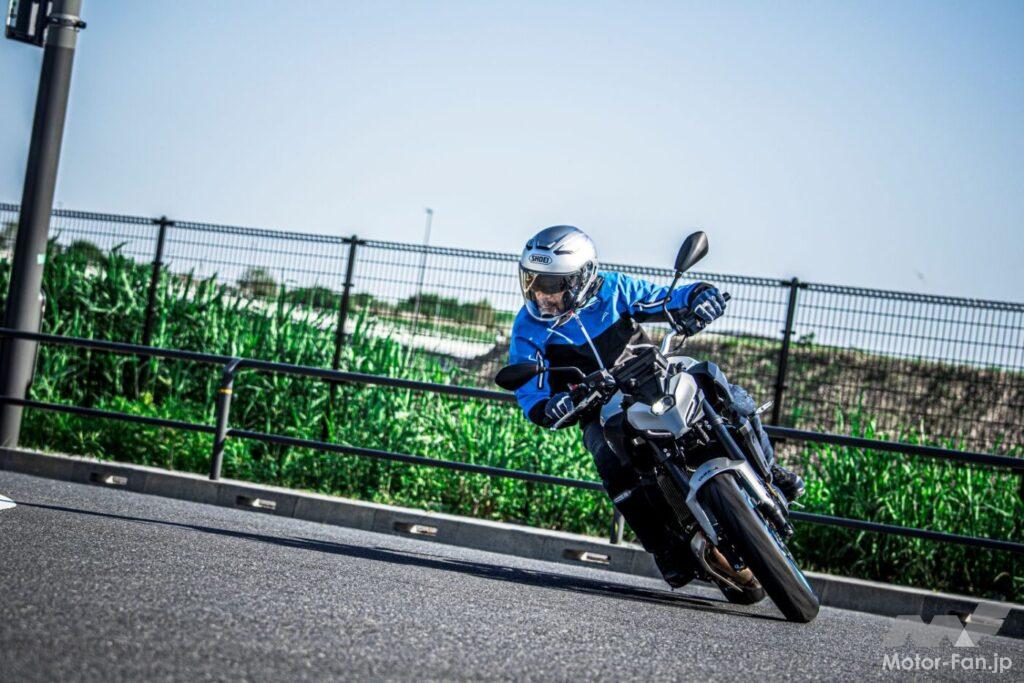
Even with the same automatic transmission, “D+” mode is effective when you want a lively ride. It provides acceleration-oriented control that makes use of the lower gears, and the engine brake is effective when decelerating. Add to this the pulsating feeling and powerful torque of the MT-07’s traditional 270-degree crank, and the bike will fully stimulate the rider’s five senses. Combined with the inverted fork, lightweight wheels, and the balanced rigidity of the frame and swingarm, the handling performance is among the best of all MT-07 models. In corners, it combines quick turns with a reassuring feeling of contact with the ground.
MT mode reveals the “seriousness of Y-AMT”
The MT mode really comes into its own when you want to drive in a sportier manner. Shifting using the seesaw switch on the left hand side is intuitive, and upshifting in the mid-range in particular feels just like a manual. There is no clutch operation, but the fun of gear selection remains. Acceleration all the way to the redline and downshifting before corners are both easy and convenient, with no need to worry about making mistakes. The appeal of the Y-AMT is that it gives the feeling that anyone can drive “skillfully.”
This time we mainly drove around town, but if you take it to winding roads or a circuit, you will be able to feel its high potential even more clearly. Of course, if you prefer the traditional fully manual operation, you still have the option of choosing the regular MT model.
Yamaha’s new “MT-07 Y-AMT”
The 5-inch TFT meter also offers excellent visibility and conveys information with beautiful graphics. Significant improvements in convenience, such as smartphone connectivity with Y-Connect and cruise control, which is effective on long tours, are also not to be overlooked. For those who believe that clutch operation is the true joy of motorcycles, we recommend giving the Y-AMT a try. Electronically optimized shifting provides both freedom and ease of operation while significantly reducing physical strain. By allowing you to concentrate more on the ride itself, you’ll even have more time to focus on the scenery and road surface. In that sense, I believe the Y-AMT has beautifully passed on the “fun of riding”—the essence of the MT series—to the next generation in a new form. This model combines simple operability with serious riding. It’s sure to be a bike that will surprise both beginners and veteran riders alike.
The Y-AMT offers a great advantage, especially when approaching a corner, as it frees you from complex operations such as downshifting after slowing down. Automatic transmissions are now in vogue even in four-wheeled supercars. With that in mind, the Y-AMT can be seen as an evolution of the sports bike.
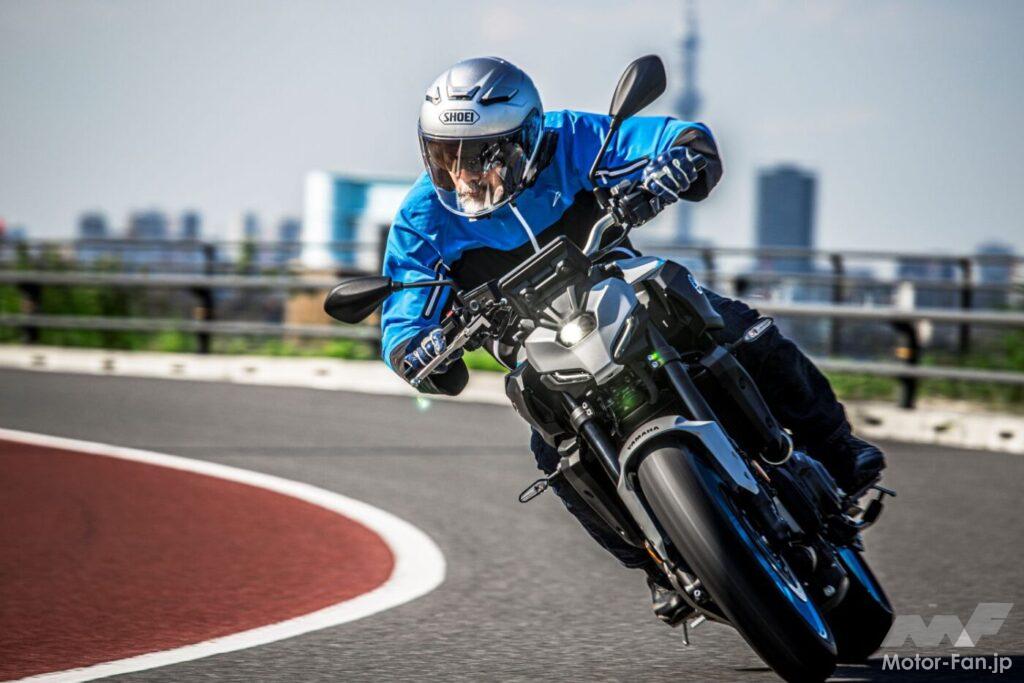
Yamaha’s new “MT-07 Y-AMT”
ADVERTISEMENT
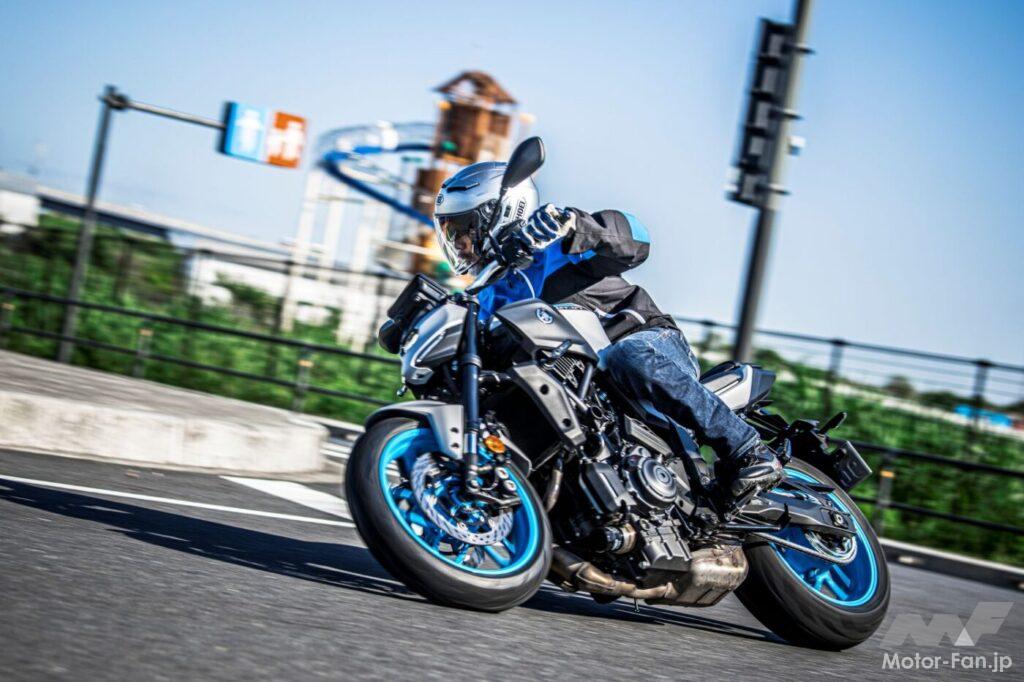
Yamaha’s new “MT-07 Y-AMT”
Apart from the engine, almost everything has been redesigned from the previous model, resulting in a modern and sophisticated design. In addition, the Y-AMT model does not have a clutch lever or gearshift pedal, and instead has an actuator installed around the engine.
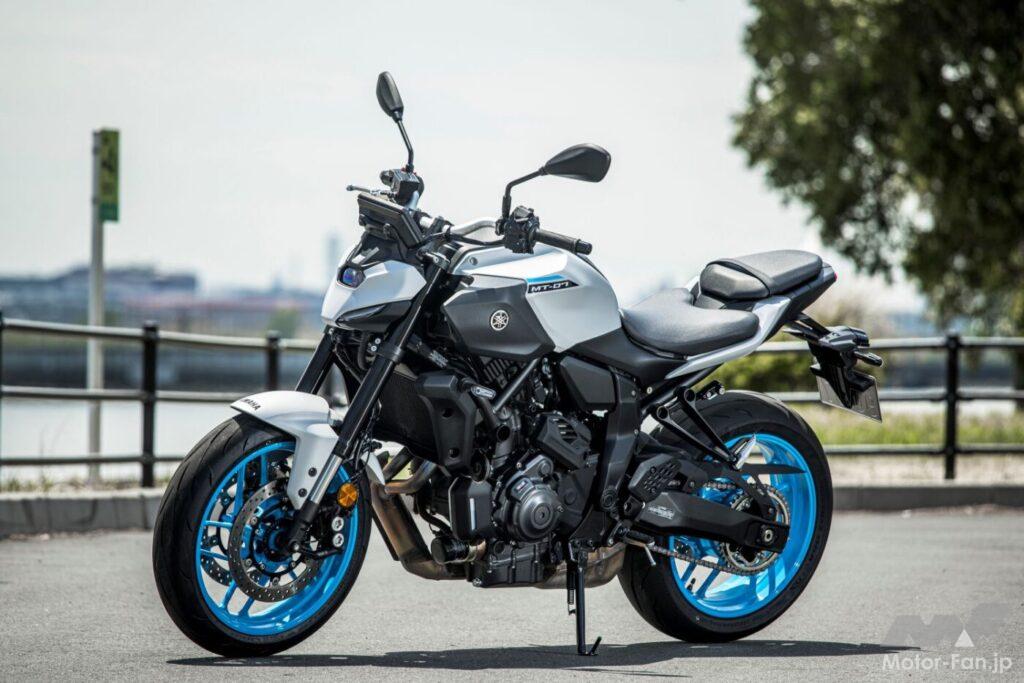
Yamaha’s new “MT-07 Y-AMT”
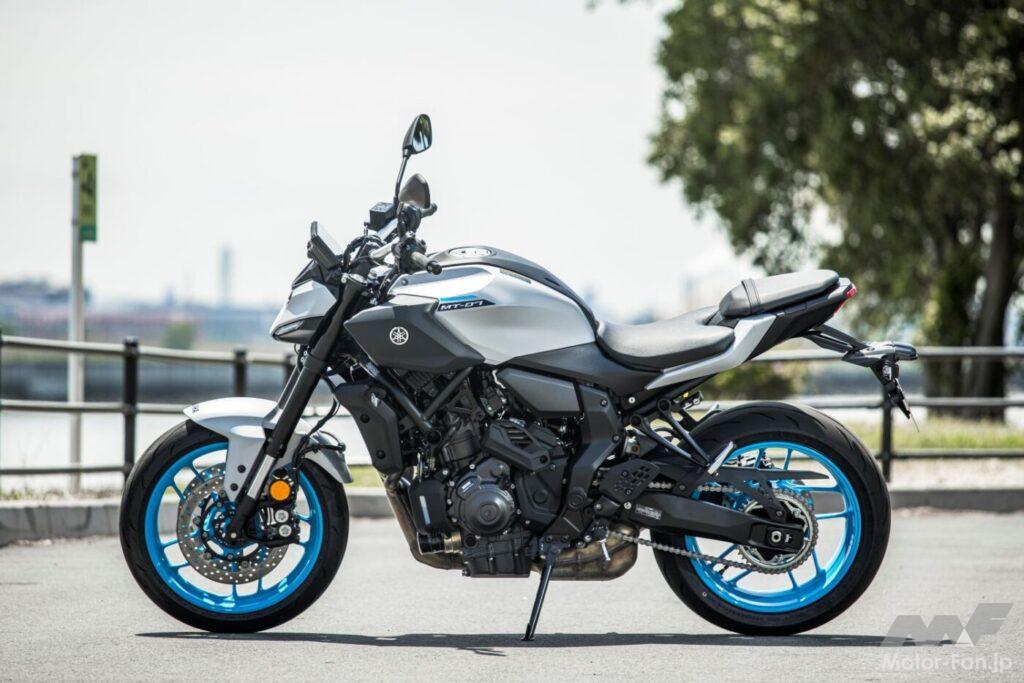
Yamaha’s new “MT-07 Y-AMT”
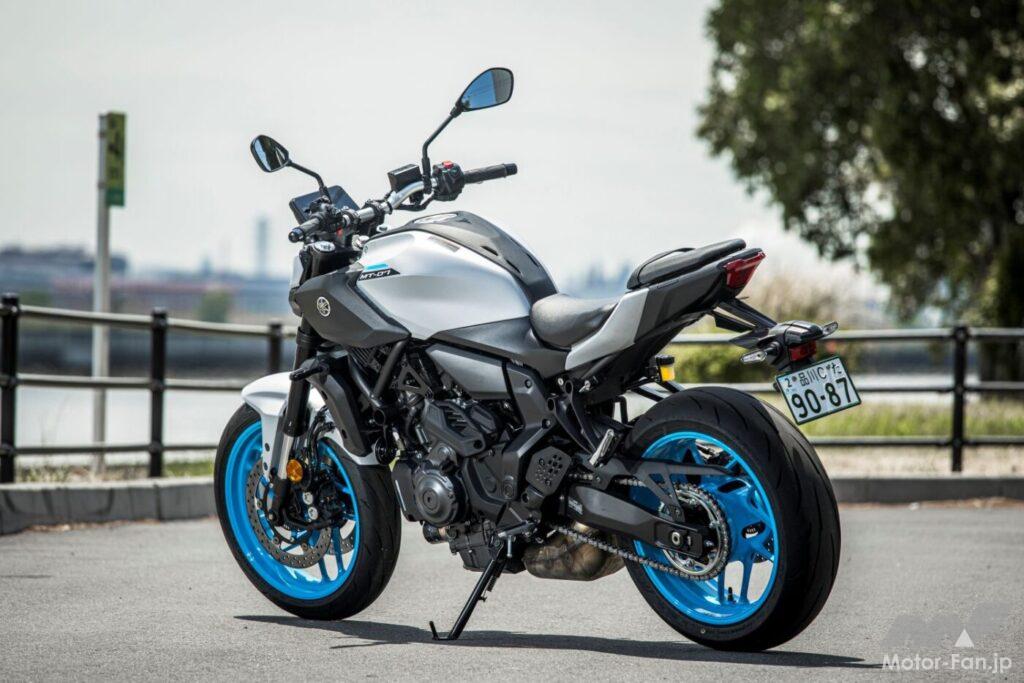
Yamaha’s new “MT-07 Y-AMT”
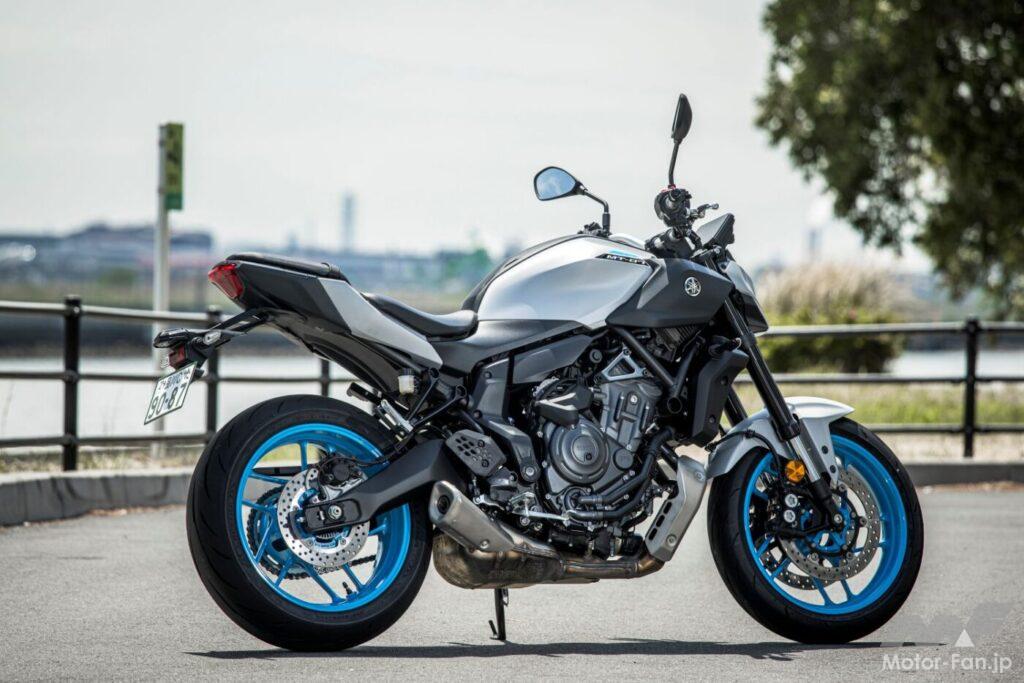
Yamaha’s new “MT-07 Y-AMT”
ADVERTISEMENT
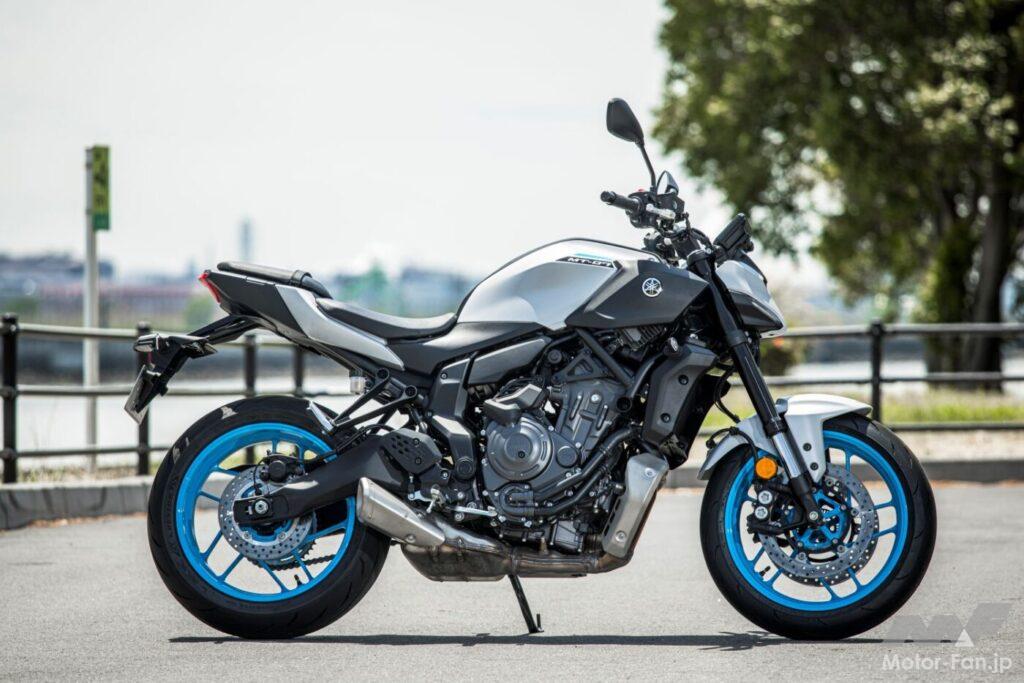
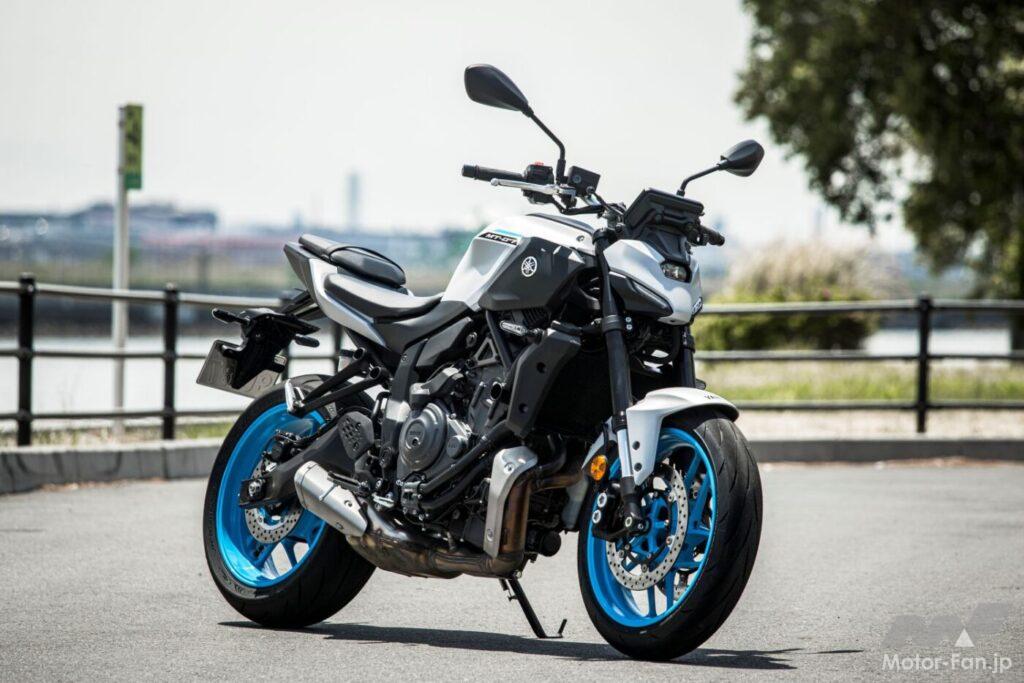
Yamaha’s new “MT-07 Y-AMT”
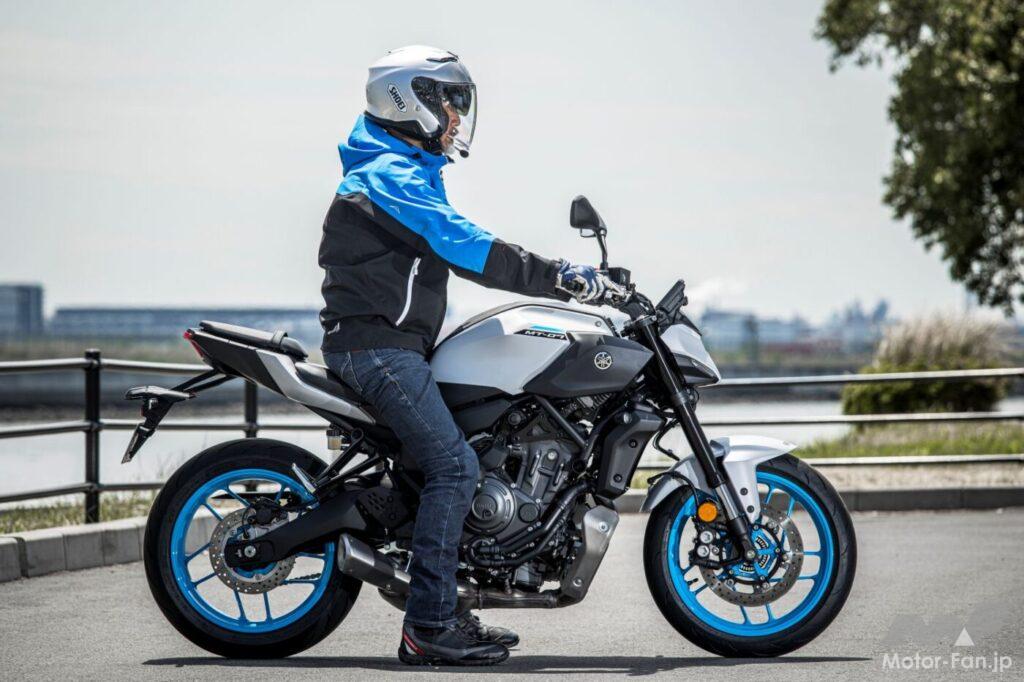
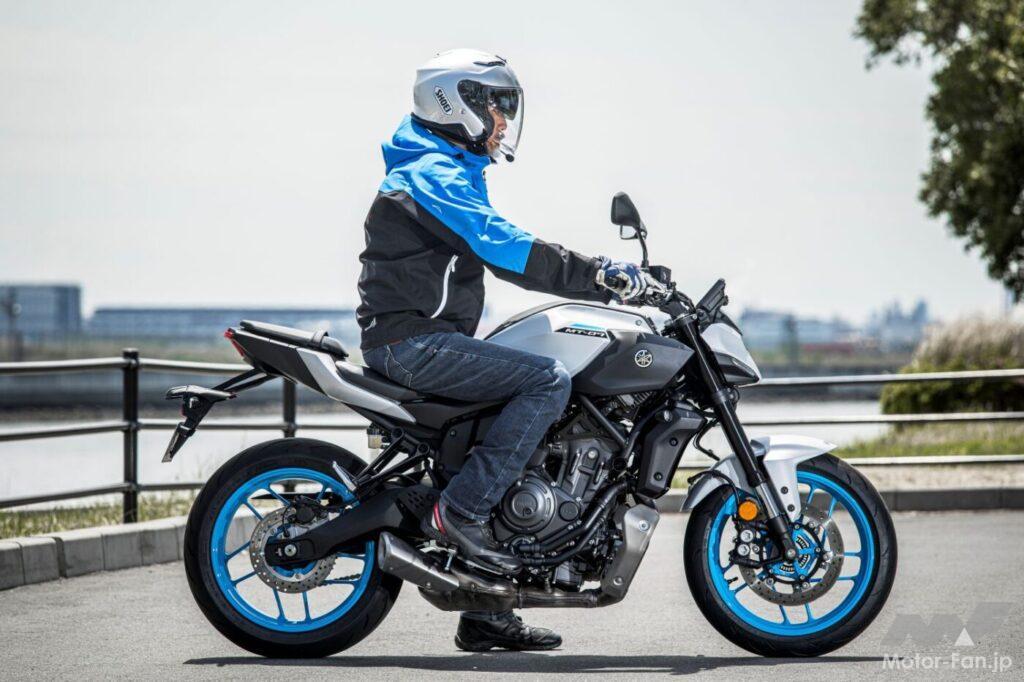
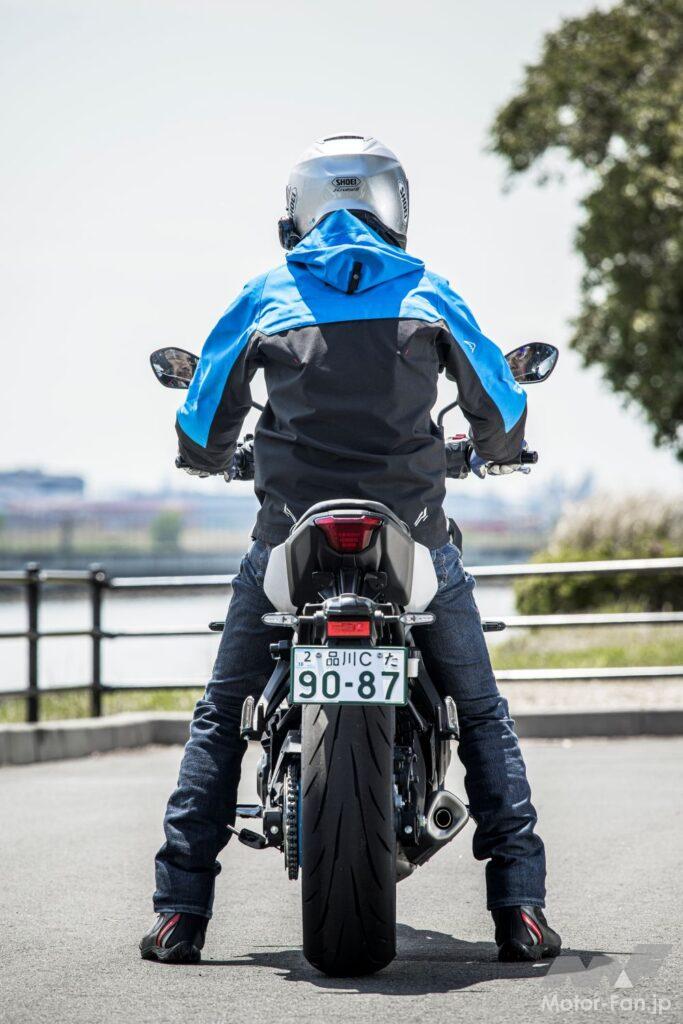
Riding position (rider height 179cm)
The handlebars are set wider and lower than before, giving a sportier riding position. The footpegs have been lowered by 10 mm, giving more room for the knees. The seat height is a standard 805 mm, and combined with the lightweight and slim body, it makes it easy to reach the ground and handle. The rider is 179 cm tall and weighs 73 kg.
Yamaha’s new “MT-07 Y-AMT”
Yamaha’s new “MT-07 Y-AMT”
Yamaha’s new “MT-07 Y-AMT”
Yamaha’s new “MT-07 Y-AMT”
Detailed explanation
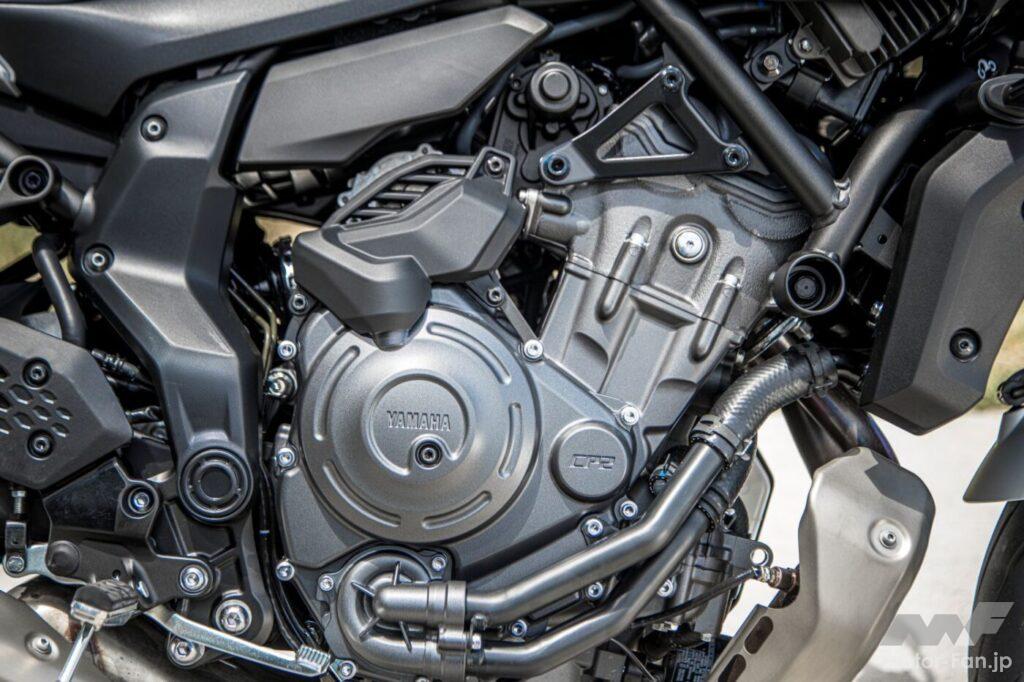
The water-cooled, parallel twin-cylinder, DOHC, 4-valve engine has a displacement of 688cc. It produces a maximum output of 54kW (73PS) at 8,750 rpm and a maximum torque of 68N・m at 6,500 rpm. The 270-degree crank provides a sense of pulse and traction, while the tenacious torque at low and medium speeds makes it easy to handle.
ADVERTISEMENT
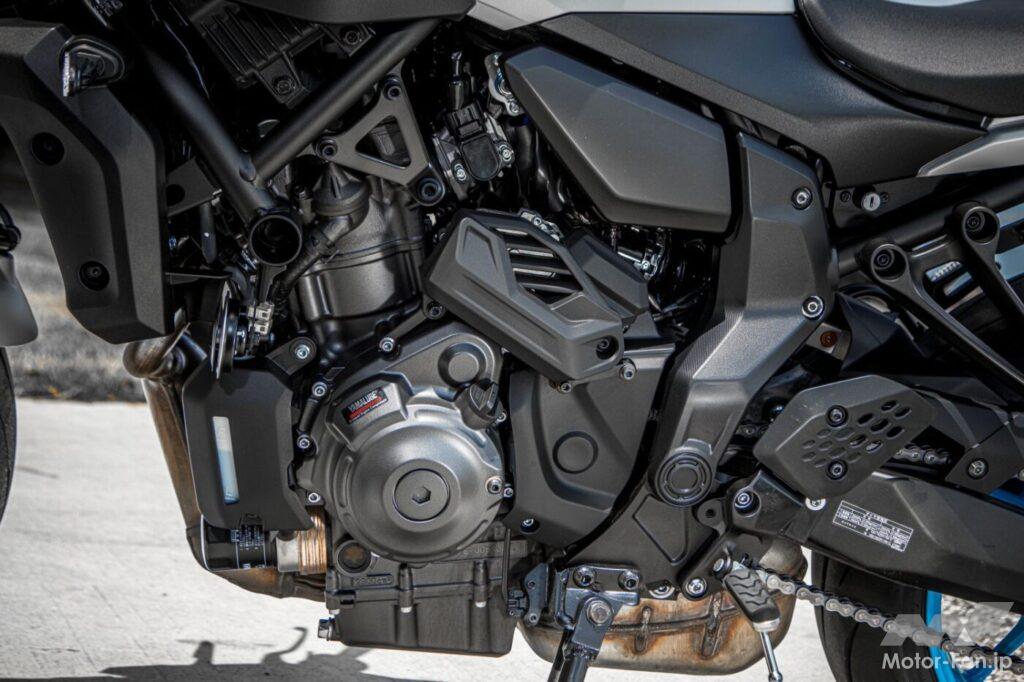
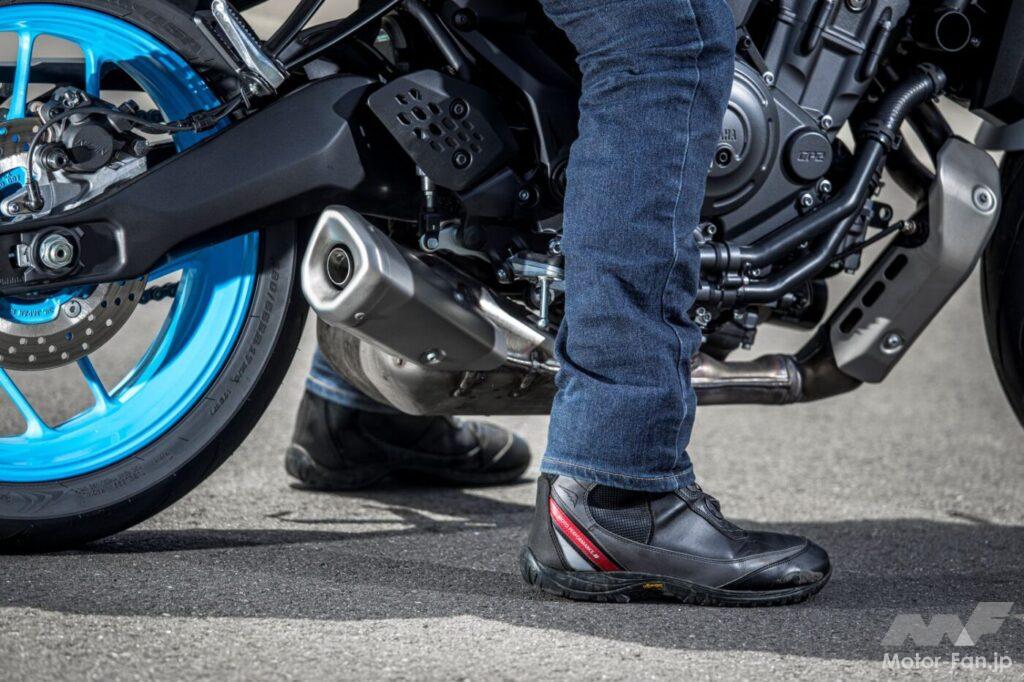
In addition to the transmission mechanism of the base vehicle, the Y-AMT is equipped with an actuator that operates the shift and clutch on behalf of the driver. The unit is compactly housed above the crankcase behind the cylinder, so it is barely noticeable at first glance. It weighs only about 2.8 kg.
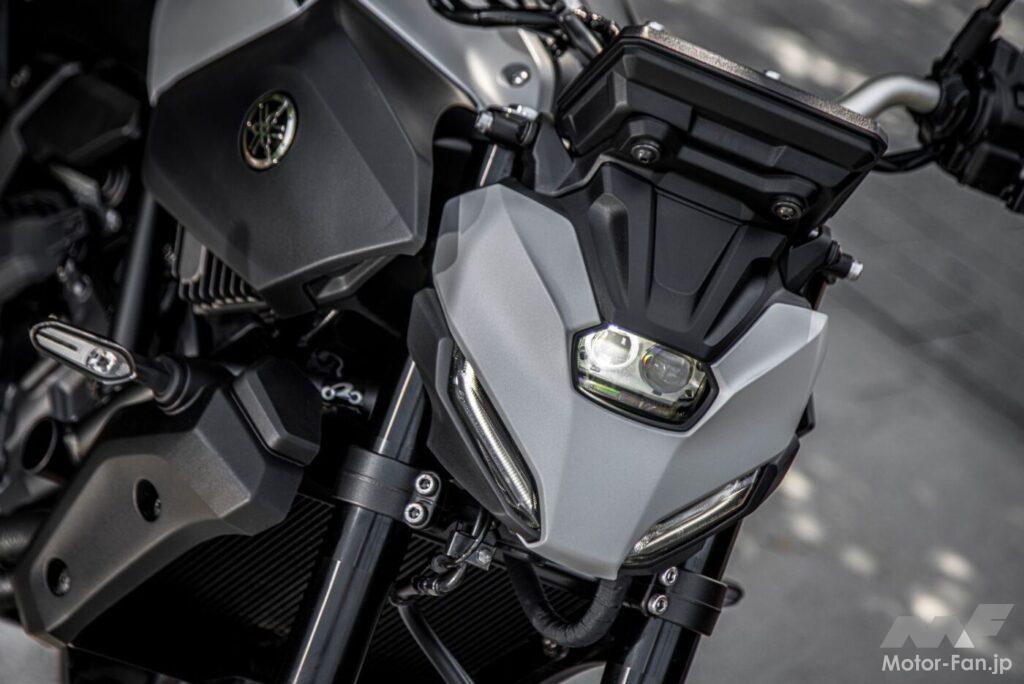
The cool front mask is reminiscent of an iron mask. Compact LED headlights are built into the top, and slanted LED position lamps are located below.
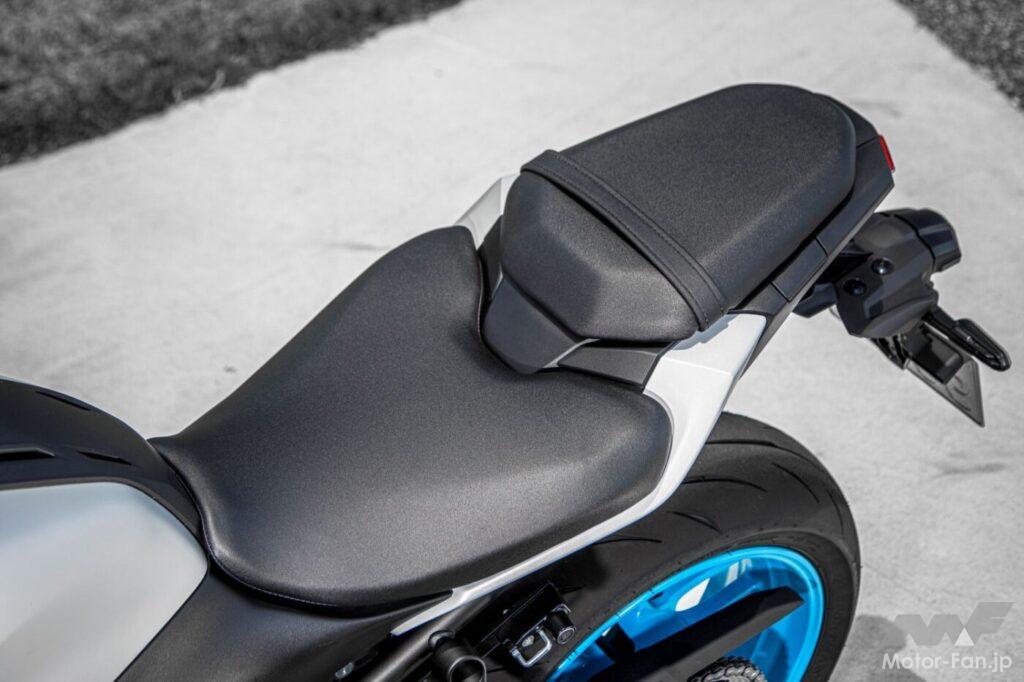
Changes to the seat width and cushion thickness have improved foot placement, increased riding freedom, and improved knee grip fit and unity.
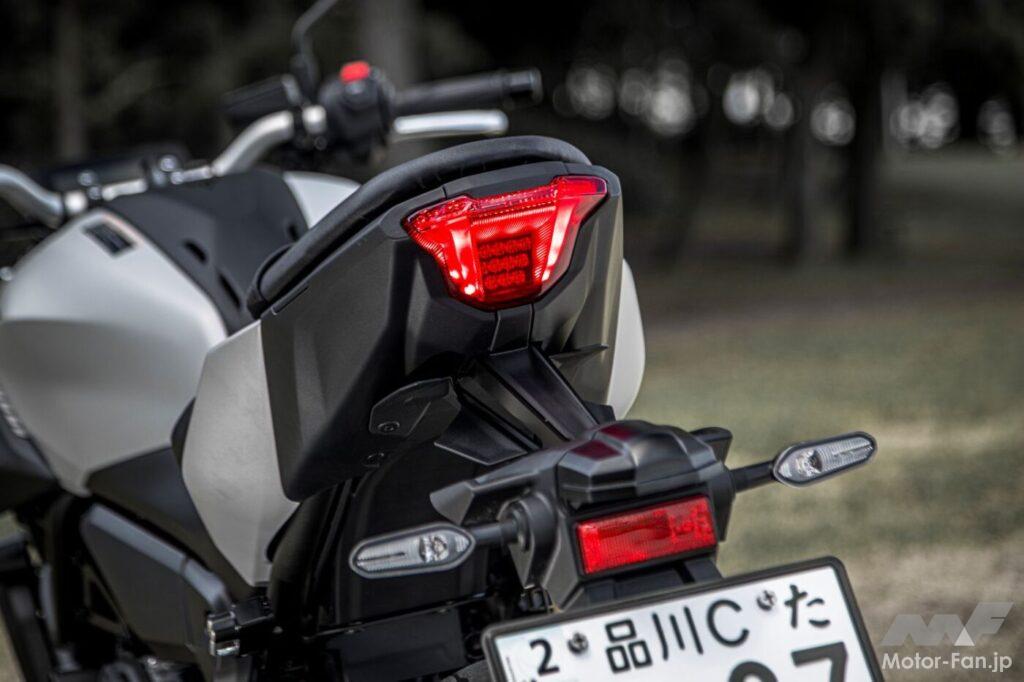
The new stepped taillight design features vertically lit LEDs that appear to connect with the rider’s back from behind, showcasing Yamaha’s unique aesthetic.
ADVERTISEMENT
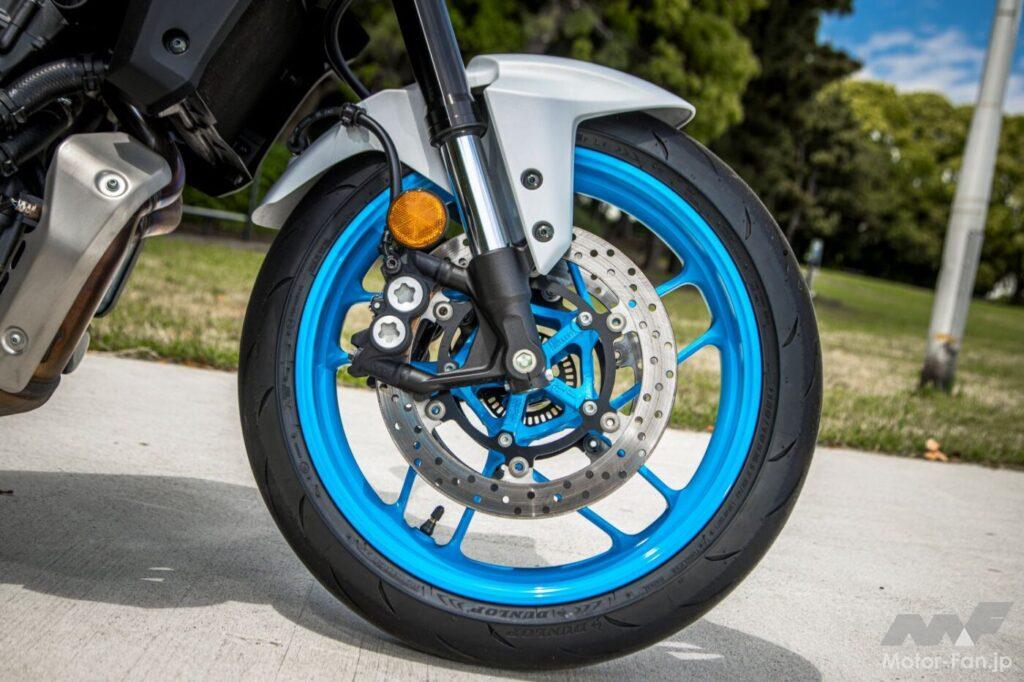
The new lightweight wheels feature new radially mounted brake calipers, providing powerful braking power and control. In addition, the new inverted forks with φ41mm inner tubes provide a firm grip on the front and excellent handling response.
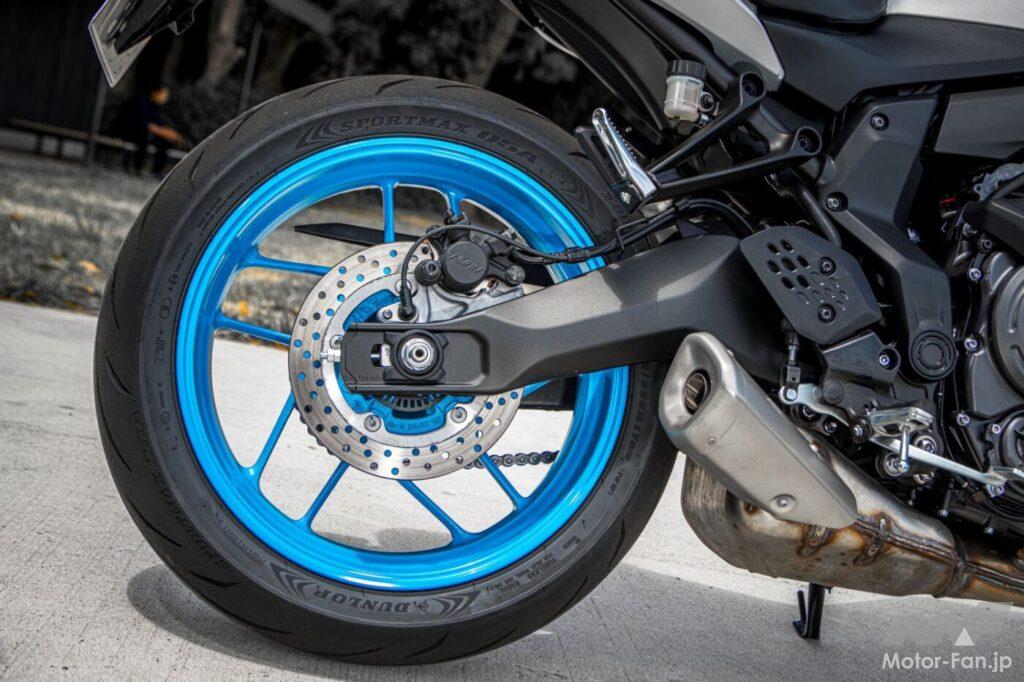
The swingarm that has been inherited from the first generation has been redesigned for this model. While maintaining the asymmetrical shape, the upper surface has been shaved down for a new design. The rigidity balance has also been adjusted to accommodate changes to the frame and suspension.
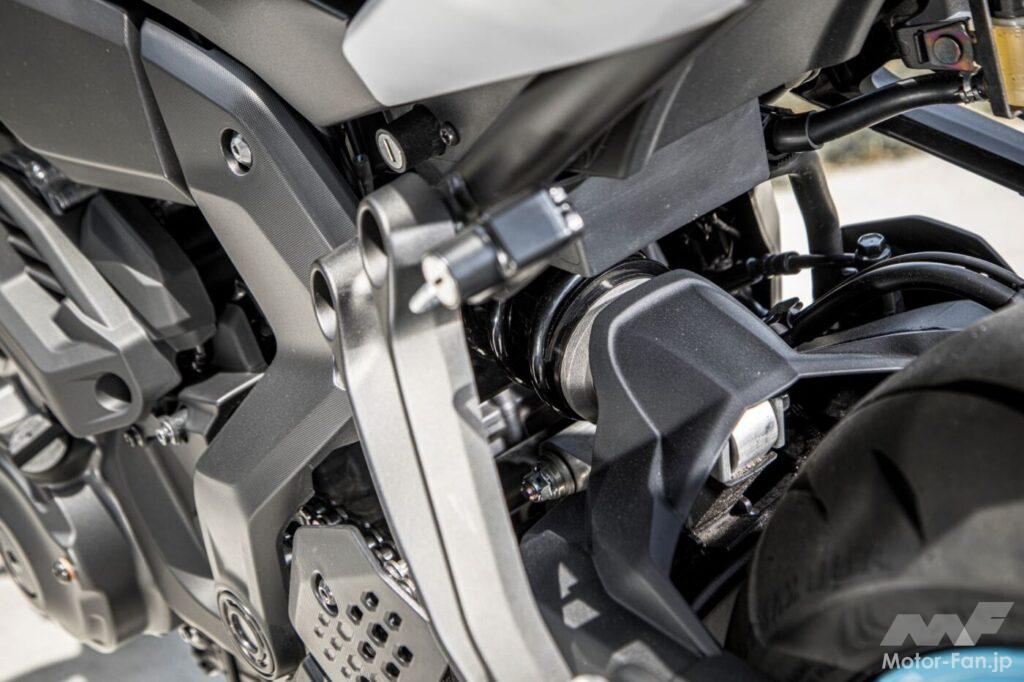
The rear suspension uses Yamaha’s signature link-type Monocross suspension. The spring constant has been optimized to match the inverted front suspension, and a new preload and rebound damping force adjustment mechanism has also been added.
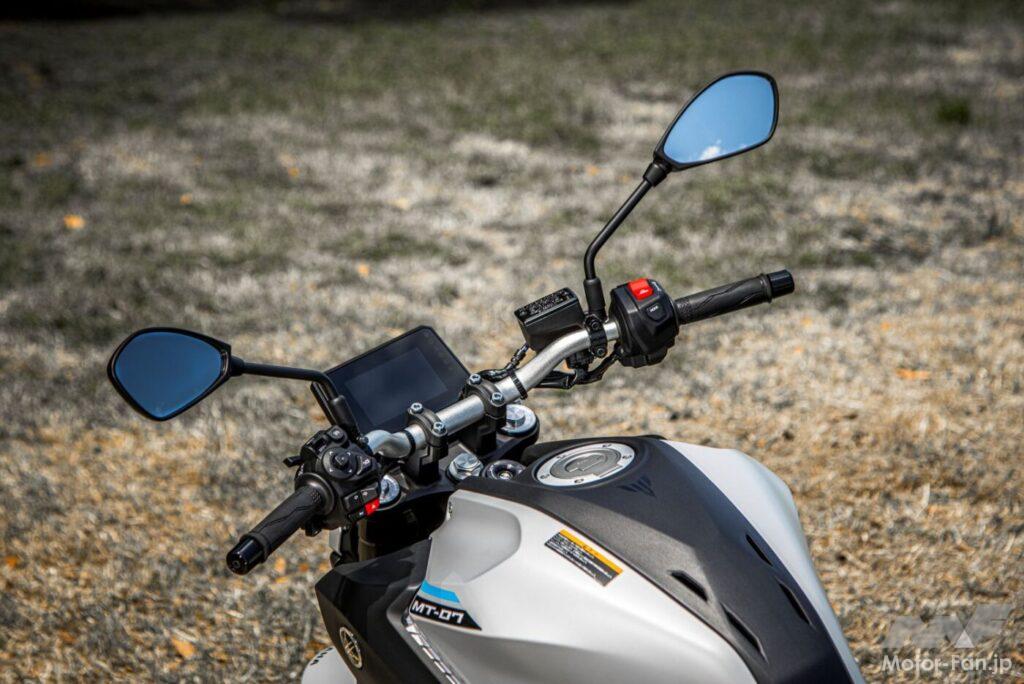
The handlebar position has been moved forward and downward, widening the grip width and improving the sense of unity with the machine. The fuel tank and cover have been slimmed down while maintaining the 13L capacity. The four holes visible on the tank cover are intended to create a sound effect. This is an idea that can only be expected from Yamaha, a company that also makes musical instruments.
ADVERTISEMENT
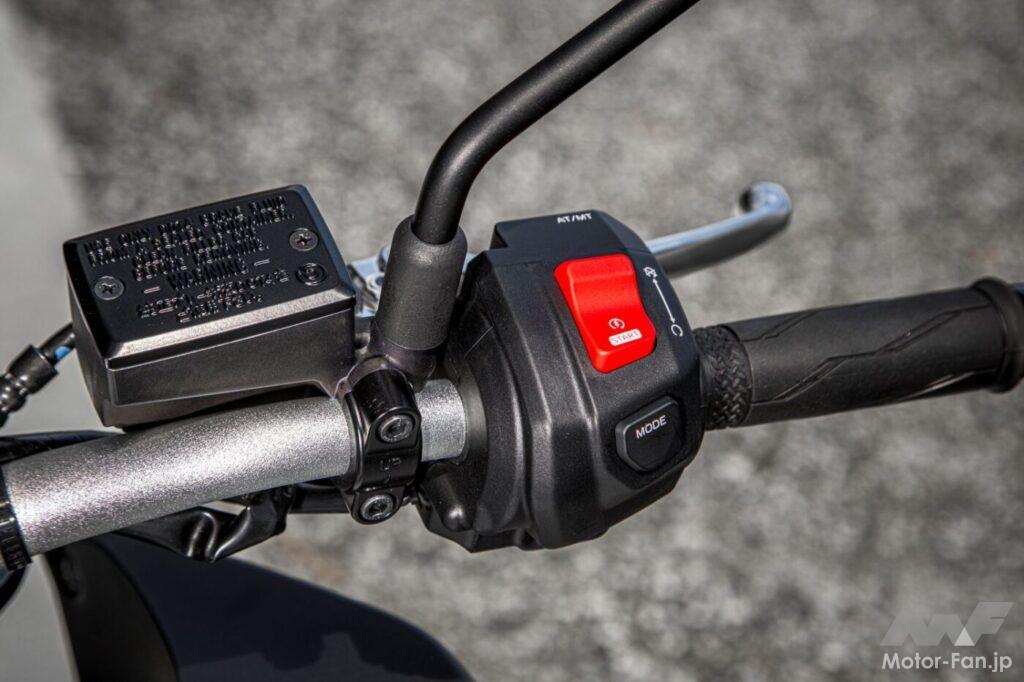
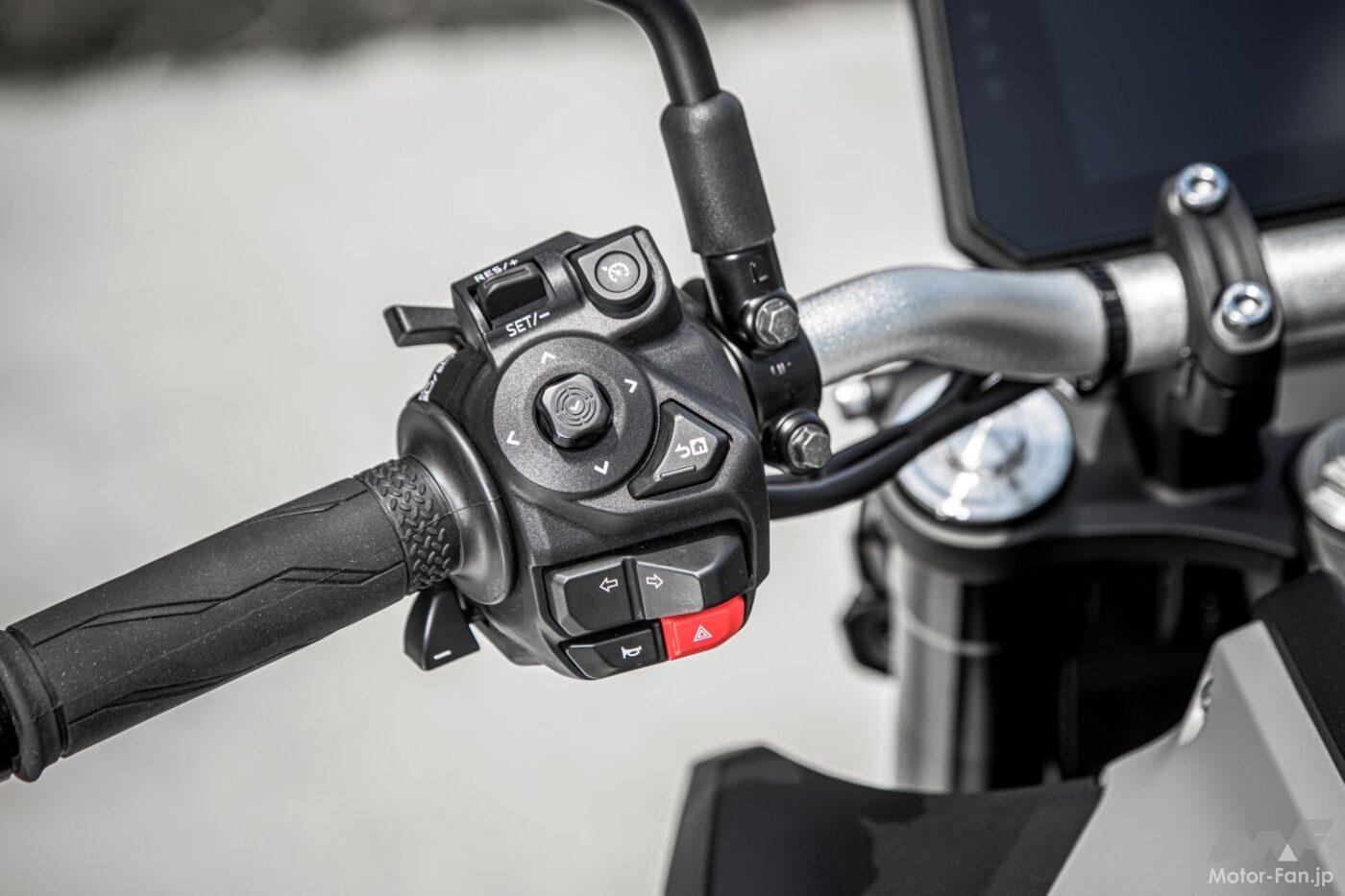
The right grip has an ignition and kill switch in between, an AT/MT switch in front, and a mode switch in the rear. For MT, there are two modes to choose from: Street, Sport, and Custom, while for AT, there are two modes to choose from: D and D+ (more sporty).
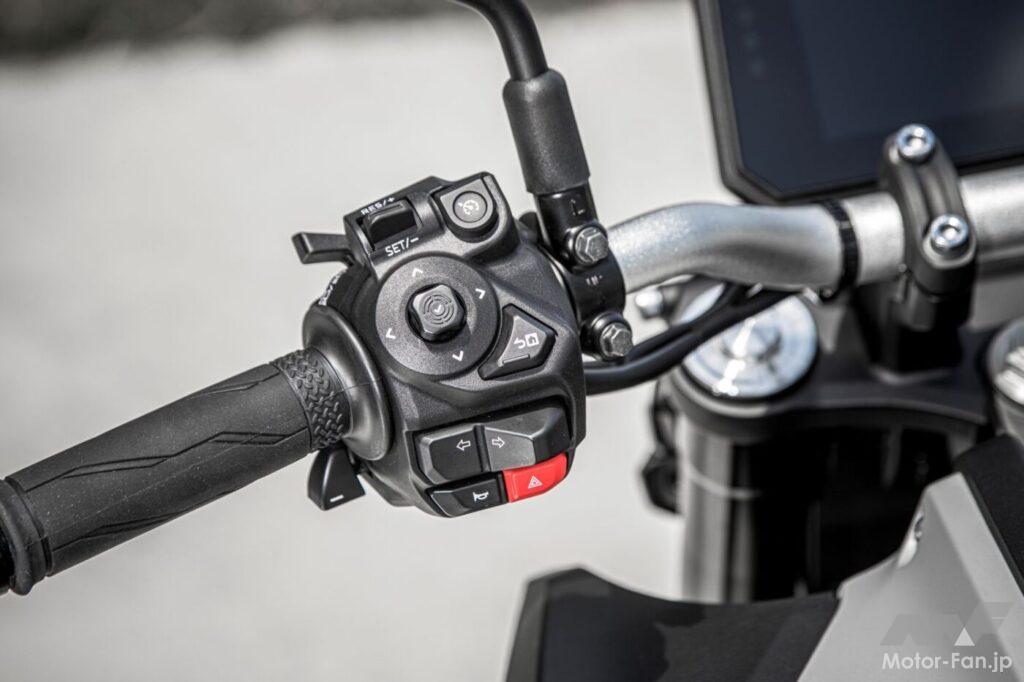
The left grip is a bit complicated, with switches for cruise control, four-way + “OK” menu, home screen, turn signals, horn, and hazard lights from top to bottom. The seesaw-style shift switch for manual transmissions has a “+” on the front for upshifts and a “-” on the back for downshifts. Each is operated with the index finger and thumb.

Naturally, there is no gear change pedal. The new footpegs have lowered the foot point by 10mm compared to the previous model. There is more room for bending the knees, making it comfortable even for larger riders.
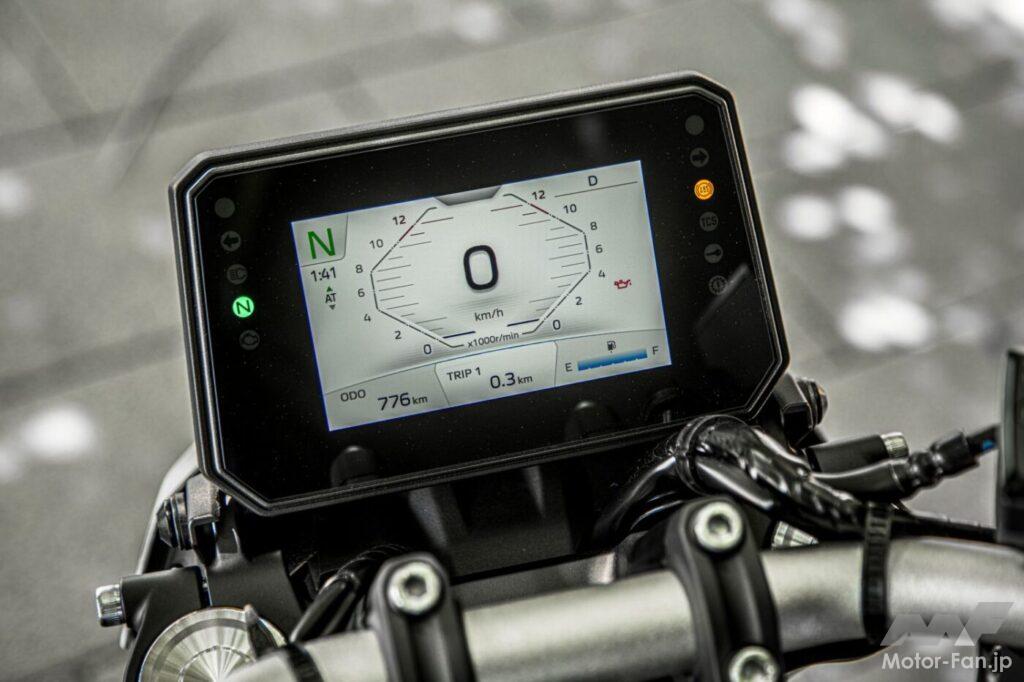
The 5-inch TFT display shows speed, fuel gauge, average fuel consumption, water temperature gauge, air temperature gauge, shift position, etc. The screen is operated using the switch on the right grip. The screen is easy to see and settings can be made intuitively.
Specifications
Length/Width/Height: 2,065mm/780mm/1,110mmSeat
Height: 805mmWheel
Distance: 1,395mmGround
Clearance: 150mmVehicle
Weight: 187kgFuel
Economy: 35.5km/L (60km/h) with 2 occupantsWMTC
Mode: 25.8km/L (Class 3 Subclass 3-2) with 1 occupantEngine
: Water-cooled, 4-stroke, DOHC, 4 valvesCylinder
Arrangement: Inline, 2-cylinderTotal
Displacement: 688cm3Bore
x Stroke: 80.0mm x 68.5mmCompression
Ratio: 11.5:1Maximum
Output: 54kW (73PS) / 8,750 r/minMaximum
Torque: 68N・m (6.9kgf・m) / 6,500 r/minStarting
Method: Self-
lubrication Method: Wet sump
engine oil capacity: 3.00L
Fuel tank capacity: 13L (regular unleaded gasoline required)
Intake and fuel system/fuel supply system: Fuel injection
Primary reduction ratio/secondary reduction ratio: 1.925/2.687 (77/40 x 43/16)
Clutch type: Wet, multi-plate
transmission/Transmission system: Constant mesh 6-speed/Return type
Transmission ratio: 1st gear: 2.846, 2nd gear: 2.125, 3rd gear: 1.631, 4th gear: 1.300, 5th gear: 1.090, 6th gear: 0.964
Frame type: Diamond
Caster/trail: 24°20′/93mm
Tire size (front/rear):
120/70ZR17M/C (58W) (tubeless) 180/55ZR17M/C (73W) (Tubeless)
Braking system (front/rear): Hydraulic double disc brake / Hydraulic single disc brake
Suspension system (front/rear): Telescopic / swing arm (link type)
Headlamp bulb type / headlamp: LED
Passenger capacity: 2 people